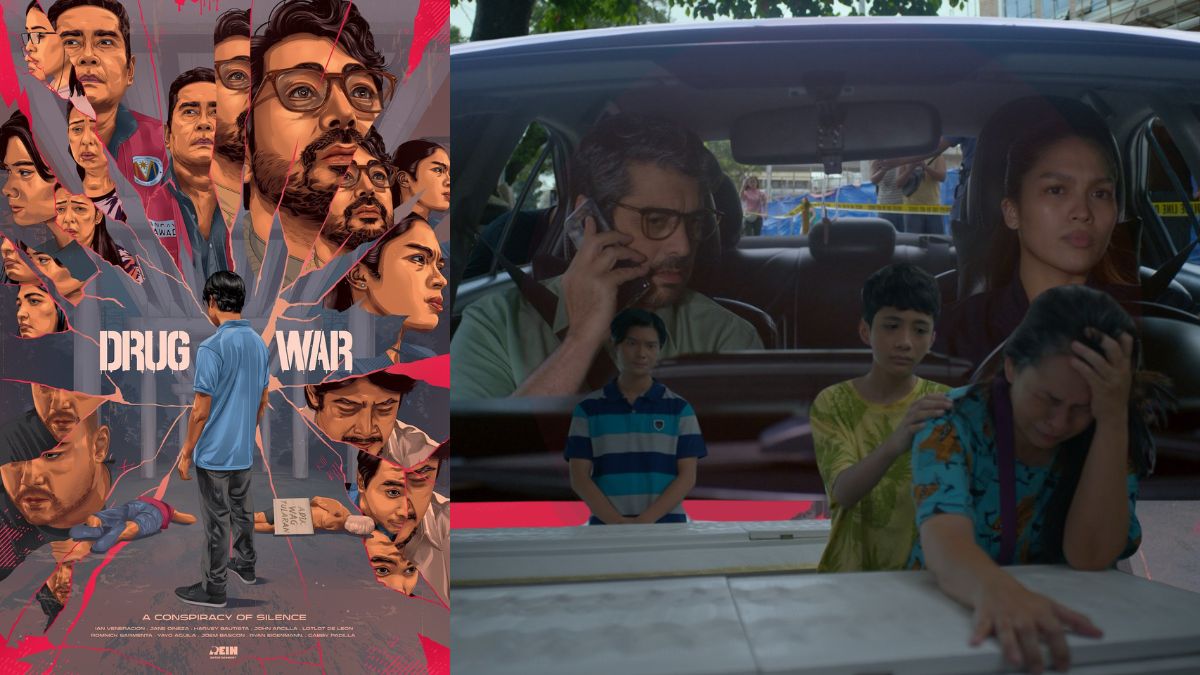
Director Shugo Praico’s direction for his new 6-part television series, Drug War: A Conspiracy of Silence, from the pilot episode that was shown to select audiences a few weeks ago, boasts of a cinematic framing for a very human story set on the backdrop of the country’s alleged war on drugs. Using a multitude of characters, the show deconstructs the individual lives whose worlds are turned upside down the moment the police were incentivized to bring in drug users and pushers depicted in the series. While this story has been done before in various iterations, Drug War: A Conspiracy of Silence has the benefit of time – the story is being told with a present-day lens – and all that we know now filters out the propaganda while focusing on its thematic intent to humanize its perpetrators and its victims.
The pilot episode is told in two parts: that of Kiko (Harvey Bautista), a working student who takes drugs to juggle the demands of his studies and earning a living, and that of Father Tom (Ian Veneracion), a priest who runs a rehabilitation program on an island far from the city. Both of their lives are torn asunder following a shift in the administration and the launch of a nationwide anti-drug campaign. The series depicts this transition as one that sends the cops running to apprehend drug pushers and users, with the narrative showing them oftentimes bringing in innocents just to meet their quota.
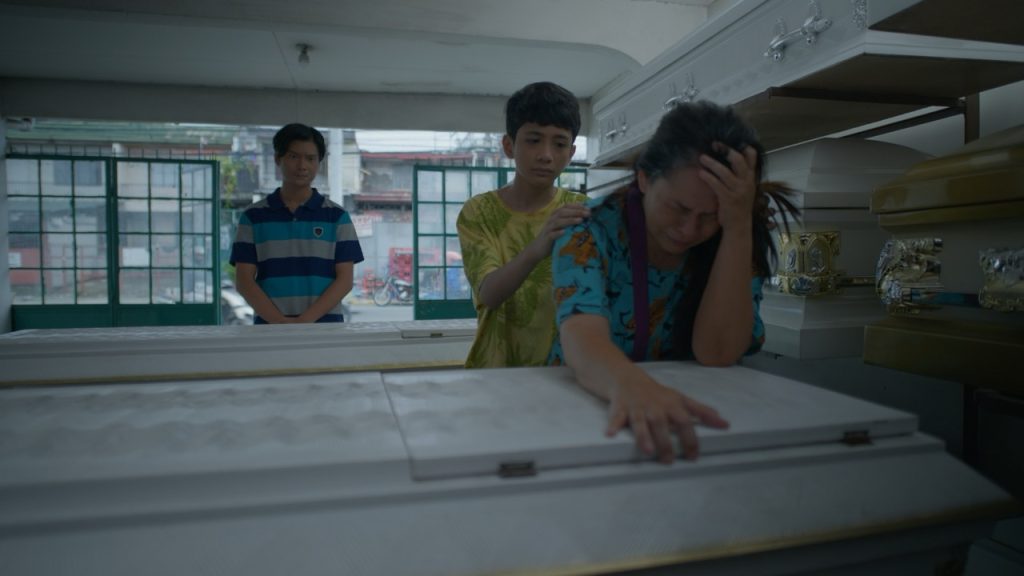
At the show’s opening, Kiko’s father is killed, prompting Kiko to go on the run and find himself at Father Tom’s rehabilitation program. On that island, the kids find redemption and peace; the storyline makes a great case that rehabilitation actually works, serving as a fantastic contrast to the show’s portrayal of unnecessary violence. Kiko, inspired by Father Tom, leaves for Manila to continue the priest’s work but goes missing. With the administrative shuffle of police chiefs, the new police chief begins to interfere with Father Tom’s program, and the priest takes it upon himself to go to Manila to find out what happened to Kiko.
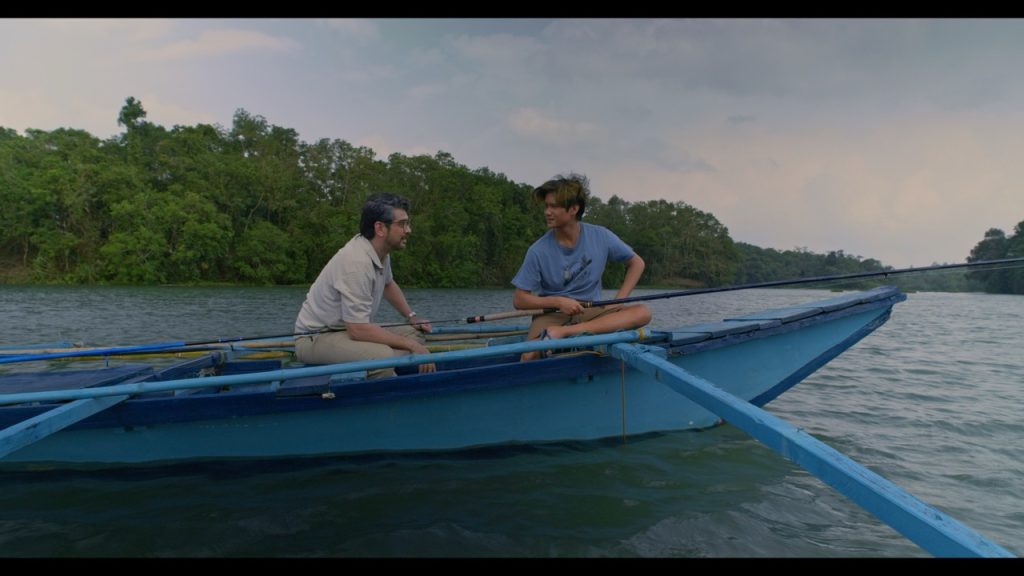
Veneracion and Bautista are excellent foils for this story to unfold. Both are incredible actors, imbuing their roles with so much texture and nuance that they hit the characters’ realities as well as the show’s thematic messages without losing believability. But the rest of the cast is just as impressive.
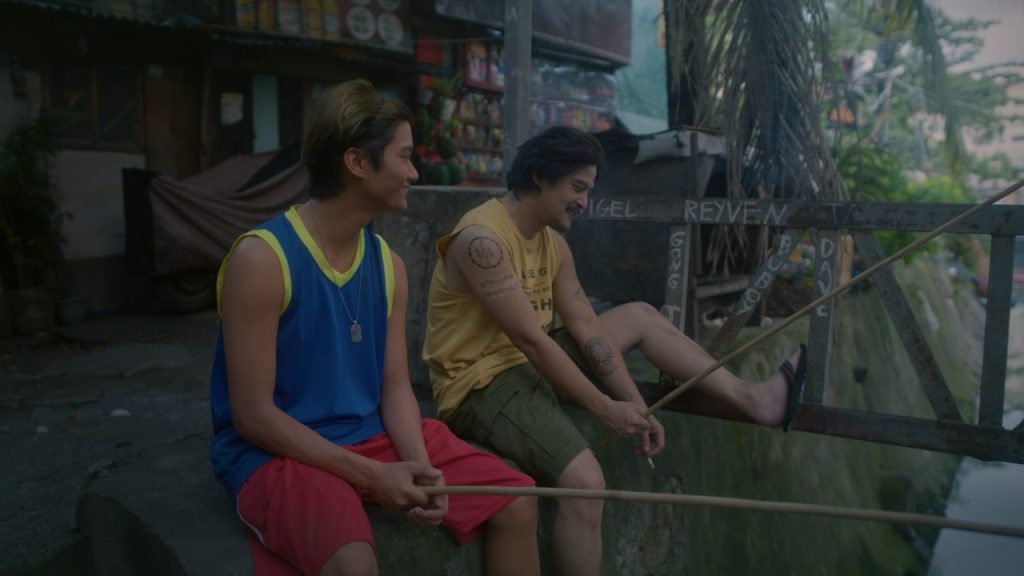
Romnick Sarmenta plays Kiko’s dad, whose death serves as the inciting incident in Kiko’s story. Sarmenta is a solid, reliable actor, and is always good in everything. With his character’s early passing and the protagonist shift from Bautista to Veneracion halfway through the show’s pilot, Drug War: A Conspiracy of Silence feels unpredictable and refreshing.
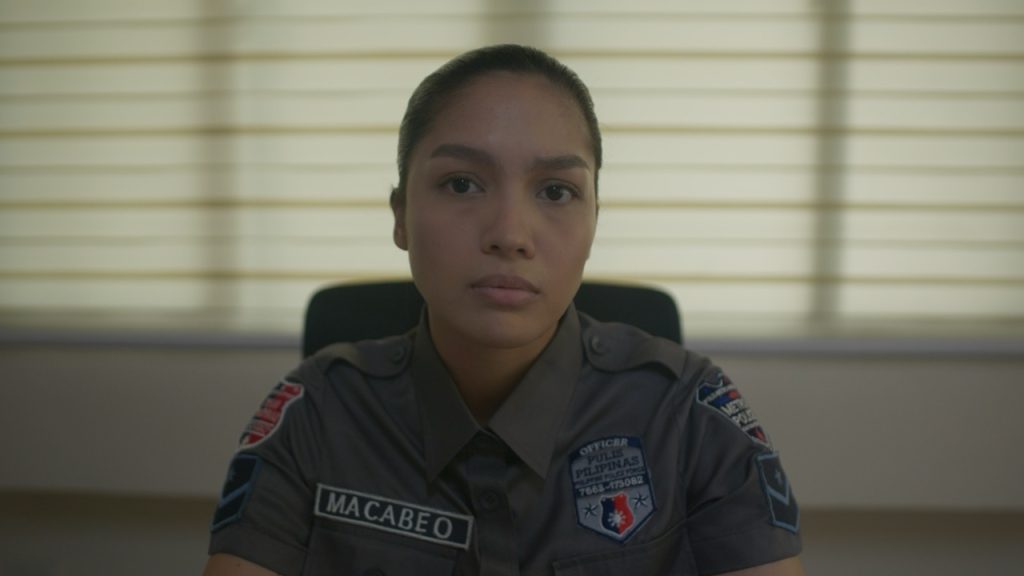
The pilot ends with a teaser for the next episode featuring Jane Oineza as a policewoman who seems dedicated to the operation and may take center stage. Will each of the six episodes introduce new players into the show’s depiction of this tragic turn of our nation’s history? It’s an exciting proposal that will pay off well if the succeeding episodes keep up the energy and pace of the pilot.
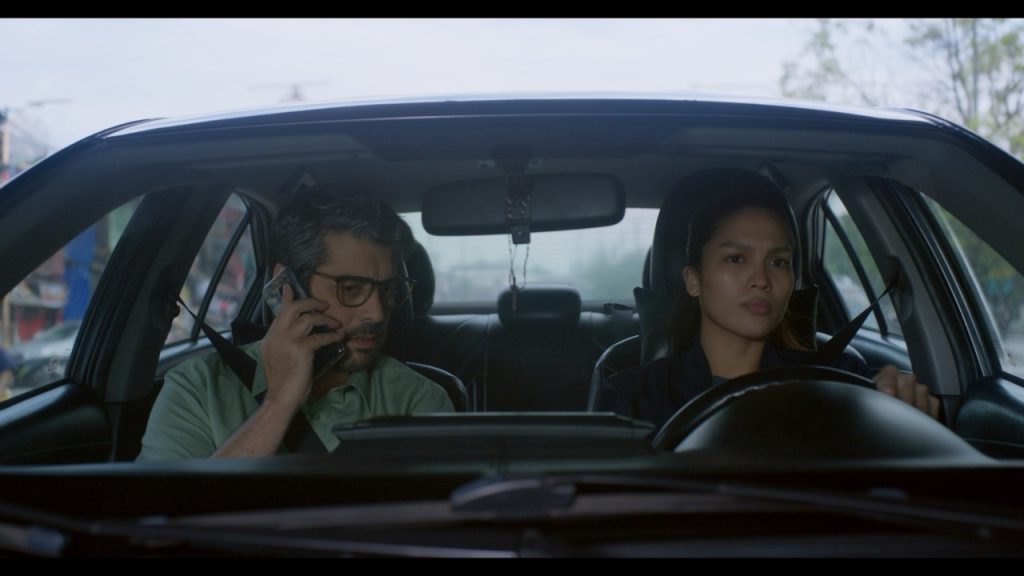
Praico makes this show feel big. He uses an interplay of wide shots to highlight the milieu of this narrative’s world but also knows that in television, the close-up is key. He shifts his camera lens with precision that makes Drug War: A Conspiracy of Silence feel cinematic and grand, while still fully utilizing television’s natural intimacy with its characters. One scene features Bautista running away from the police, moving through the shanties of his turf, up onto the stainless-steel roofs of the slums, and down into another home. It is a massive sequence, impressively shot and edited that lets the audience know they are watching something on a completely different level. The writing is crisp and doesn’t feel like it is spoon-feeding its viewers, which elevates it further.
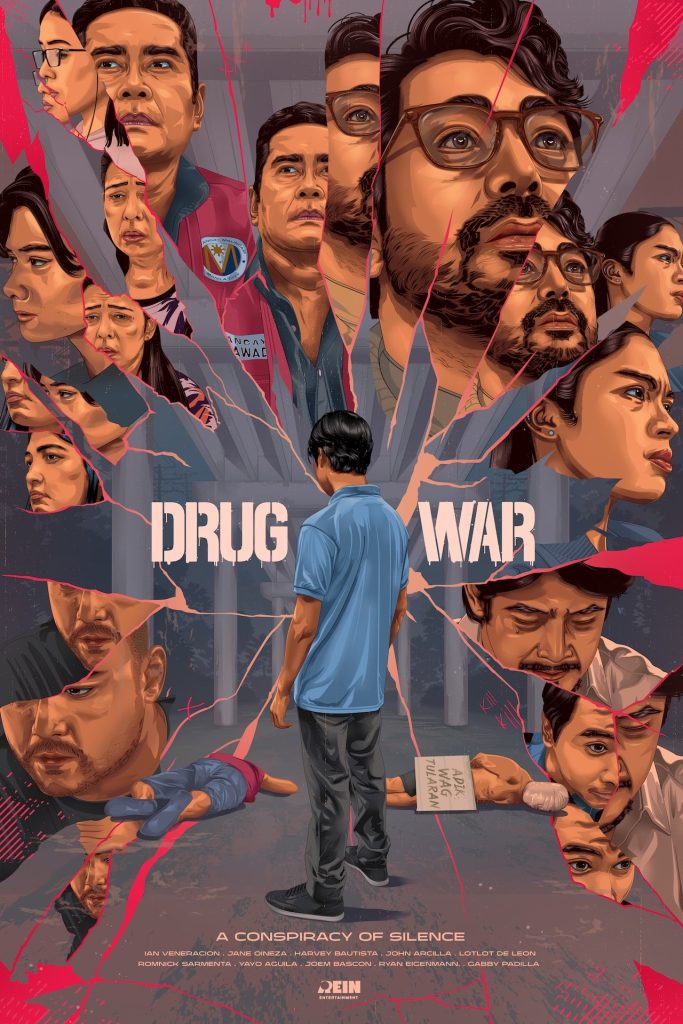
Currently, Drug War: A Conspiracy of Silence is searching for a platform to call home. I hope it ends up on a streaming site that will allow the creators to retain the violence, brutality, gore, and profanity contained in the pilot episode. It is a very real, grounded work that needs that level of violence to heighten the horrors of that period. In this show, no one is purely good or bad, which is one of the things I like about it. Even Father Tom shares his moment of frailty that led him down this path; no one here is entirely innocent, and that feels exactly right for this show.
My Rating: 4.5 Stars

Which streaming platform do you hope picks up this series? Sound off in the comments with your thoughts on Drug War: A Conspiracy of Silence as it searches to find its home.
Leave a Reply
You must be logged in to post a comment.