I’m not the most die-hard Star Wars fan. While I’m familiar with the universe – having seen all the nine core films plus Solo and Rogue One (the latter being my personal favourite in the whole franchise) and a few of the series, with Andor as my personal bet – but I’m not completely invested in it. I love science fiction, especially in film and television, so when it’s done well, I do enjoy it. But the lore surrounding this universe is not my specialty and it’s not something I closely follow.
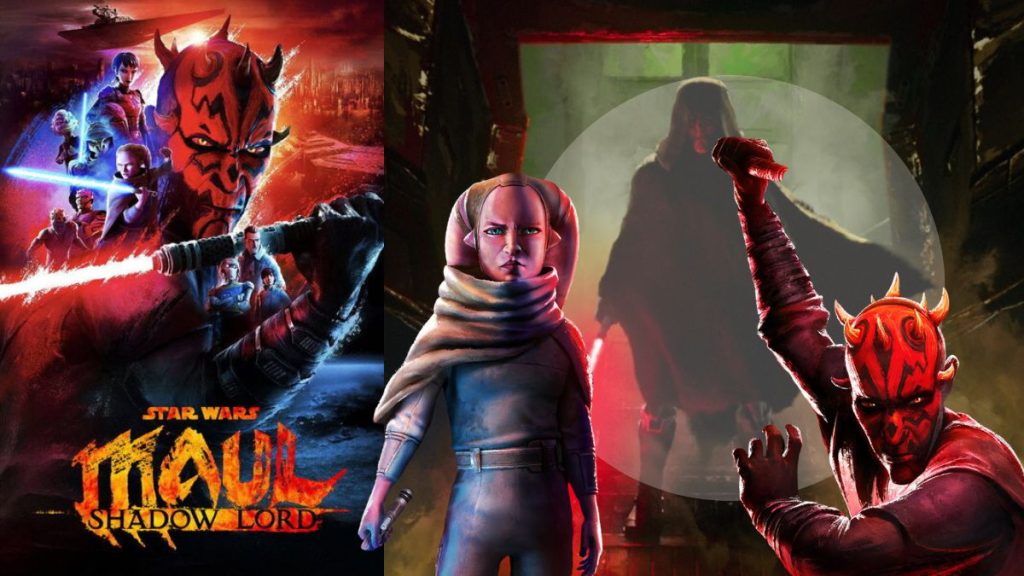
So, coming into Star Wars: Maul – Shadow Lord, I was concerned that I might not be able to easily enter into the story that was developed by Dave Filoni and Michnovetz. The story is set a year after the events of The Clone Wars (a series I haven’t seen), and apparently, Maul is back. The first four episodes of the show are set on the planet of Janix, where a determined Maul seeks to take revenge on the people who have betrayed him and rebuild his criminal empire. While he attempts to stay under the radar, he draws the attention of Brander Lawson, a smart and experienced detective. Meanwhile, two Jedi, Daki and Devon, are in hiding. In this point in the Star Wars timeline, the Empire holds absolute control, and the Jedi are outlaws.
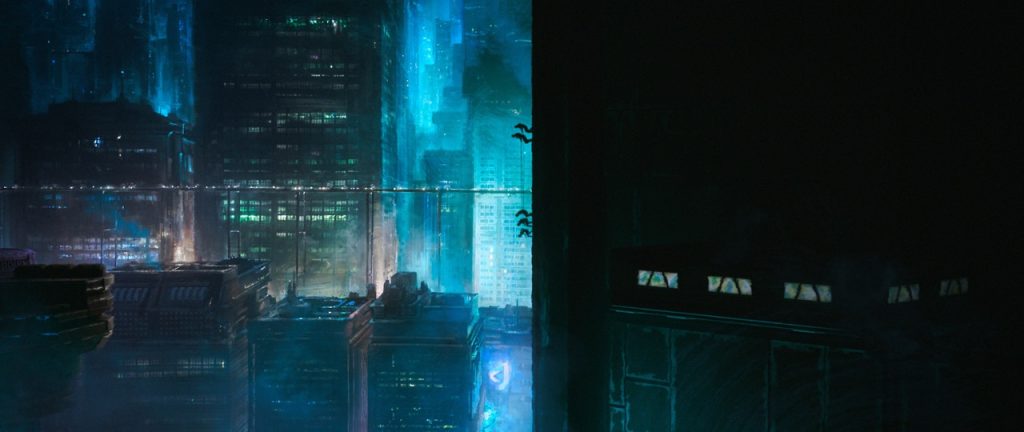
The animated series boasts of gorgeous background art; Janix is depicted as a dark, foreboding, and futuristic planet. The character art takes a bit getting used to but I’m honestly thankful that it isn’t drawn anime-style and has its own distinct form that sets it apart. Being animated heightens the suspension of disbelief because the narrative moves very quickly, sometimes too easily, for the plot points to hit their mark. With each episode roughly under 30 minutes, Star Wars: Maul – Shadow Lord moves rather quickly, not giving you much time to breathe.
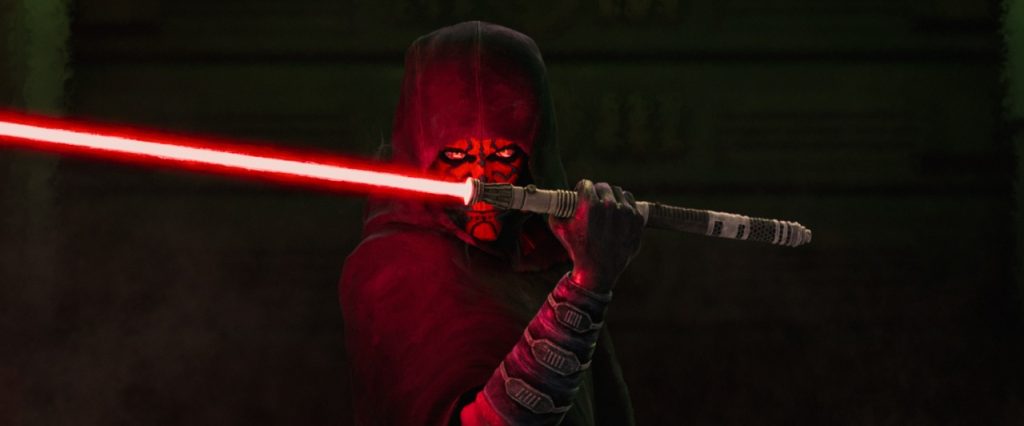
The narrative shifts between Maul, Lawson, and Devon, triangulating a moral center in a reality where the Empire has cast a dark shadow has over civilization. While Maul is the center of the show, he represents the side of evil. He wants revenge and he will destroy and kill anything and anyone in his way to stop it. What is interesting about his depiction is his elegance and grace. He is eloquent, articulate, and oftentimes takes an almost spiritual attitude towards his own misdeeds. There’s an air of entitlement, a belief that his actions are justified simply because he is better and far superior to everyone else. Voiced by Sam Witwer, Maul makes for an interesting protagonist to watch, even if he’s the villain. He doesn’t see himself that way and in the four episodes of the show, it makes him fun to watch.
Bandder Lawson (voiced by Wagner Moura) represents law and order, yet this is paradoxical because while he wants peace and justice, he is not afraid to bend the rules. He has informants in the underworld and he’ll break protocol to keep the Maul sighting outside of the Empire’s radar because he doesn’t want the Empire in Janix.
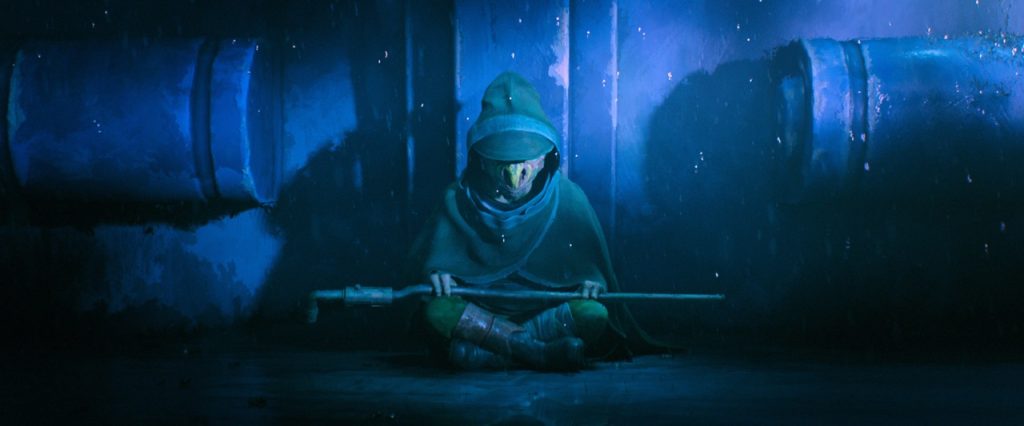
Because of this, tensions arise with his droid partner, Two Boots (voiced by Richard Ayoade). Lawson is rational and dedicated, but this seems to have created distance between him and his son, Rylee (Charlie Bushnell), who appears sporadically in the show but feels like he’ll be important later.
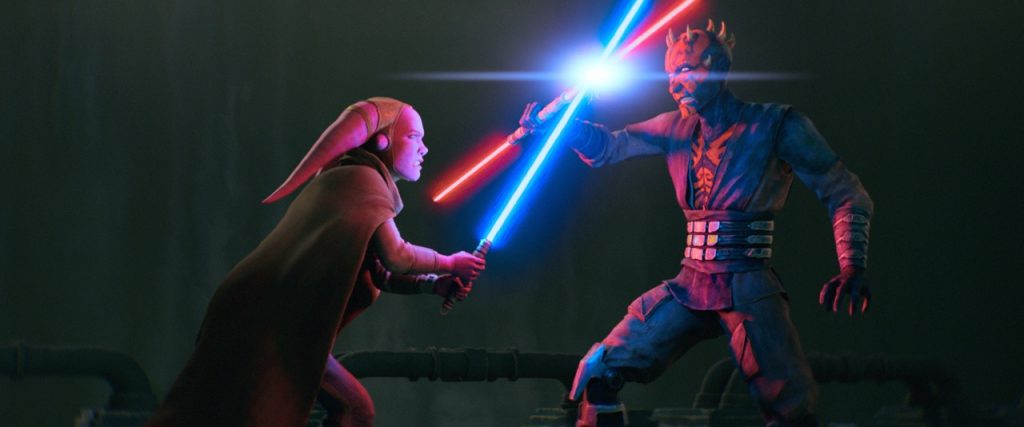
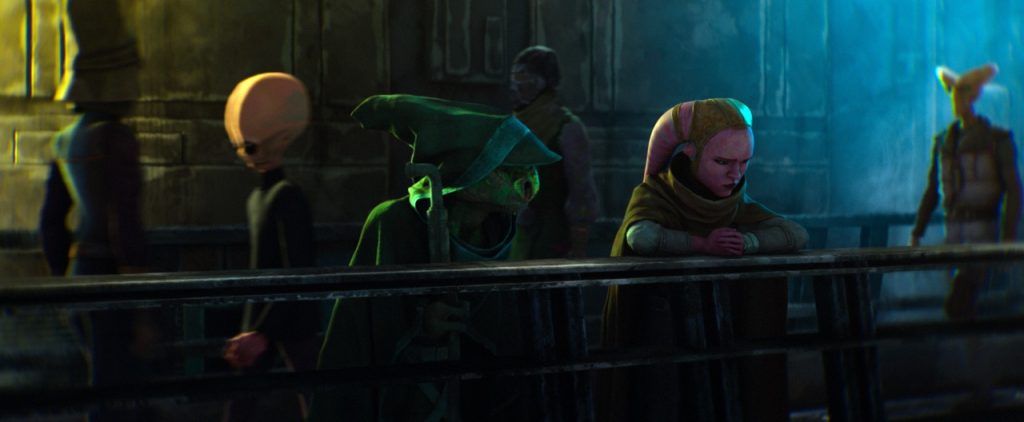
Devon (voiced by Gideon Adlon) falls somewhere in the middle. As a Jedi-in-training, there is frustration and bitterness in having to live on the streets and in hiding. Her first scene finds her arguing with her mentor, Daki (voiced by Dennis Haysbert), over stealing food from a merchant who “won’t even miss it.”
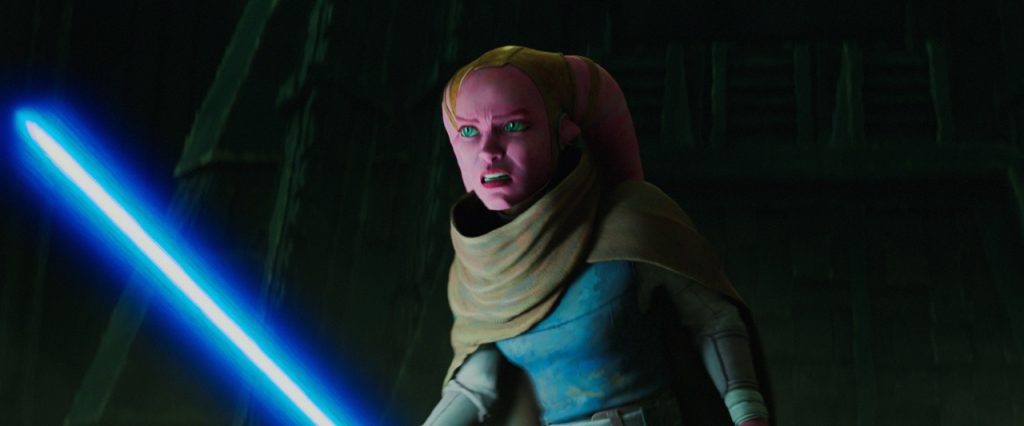
Devon is constantly scowling, combative, and guarded. When Maul finds her, he sees a potential for an apprentice. In fact, their extended encounter in Episode 3 is the series’ most interesting part, Maul’s proposal to the disgruntled Jedi feels like a metaphor for today’s moral ambiguity. It raises the haunting question: What do justice and righteousness mean in a world where justice and righteousness don’t win?
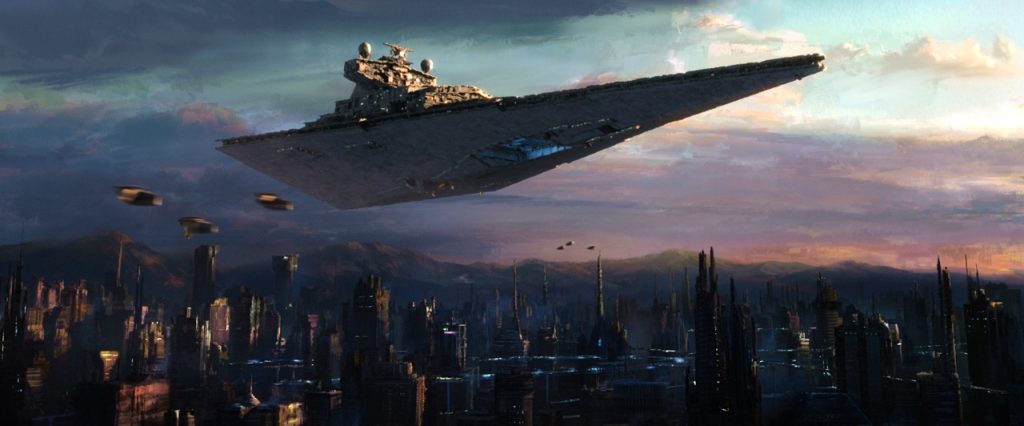
What I also appreciate most about the series is how the Empire, though never physically shown, remains a looming presence for all the characters. Nobody wants them in Janix. It is the threat of authoritarianism, casting a dark shadow both over the planet and this story. So much so that Episode 4 cliffhanger raises the stakes so much more.
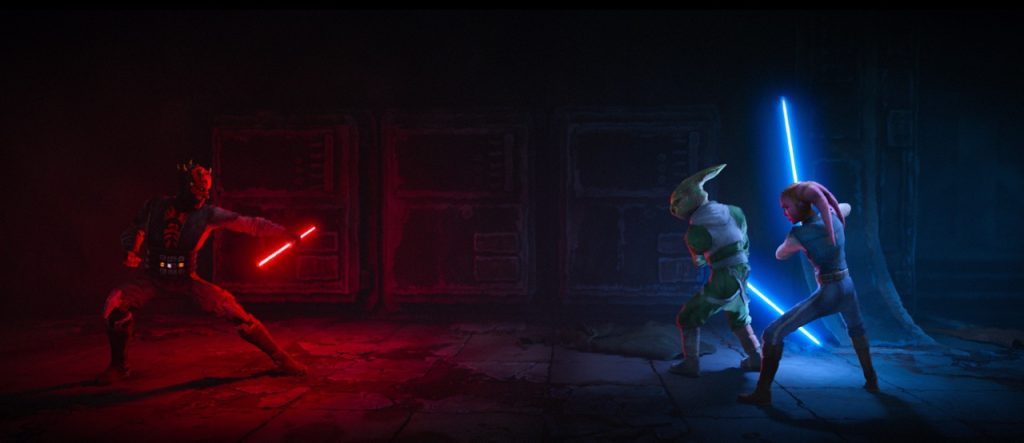
Star Wars: Maul – Shadow Lord is undeniably fast-paced and action-packed. The short run time per episode means we don’t get to really fully explore these characters, but the show is good at creating tension and a dark atmosphere that keeps building and building. By the end of Episode 4, while Maul remains the central force of the story, it seems Devon has become its fulcrum. There’s a moral argument here that is presented and I’d like to see how this show intends on answering it.
My Rating: 3.5 Stars

The first two episode of Star Wars: Maul – Shadow Lord are available to stream on Disney+, with new episodes dropping every Monday.