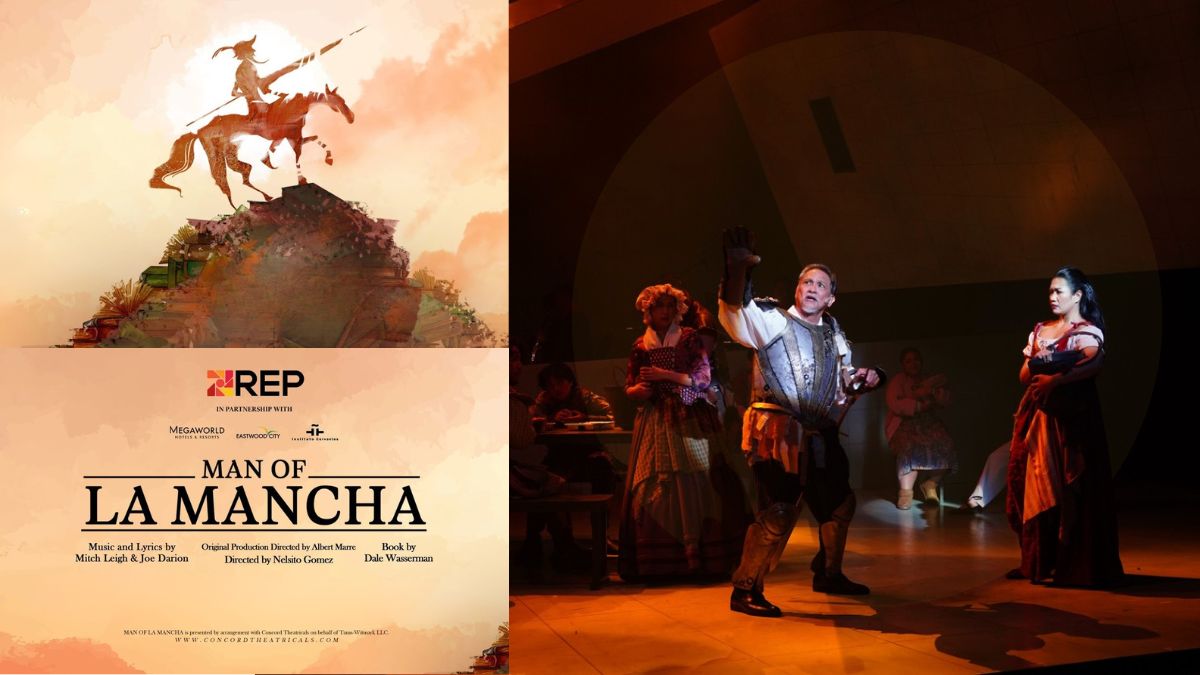
I grew up listening to the Broadway cast recording of Man of La Mancha, the 1965 musical with music by Mitch Leigh, lyrics by Joe Darion, and a book by Dale Wasserman. The musical is the source of the famous song “The Impossible Dream,” and for some reason, I always thought the name Dulcinea originated from this musical. I also caught the 1972 film adaptation starring Peter O’Toole and Sophia Loren.
So while I was happy to learn that Repertory Philippines was staging a new revival, helmed by Nelsito Gomez as director and starring Nonie Buencamino as Miguel Cervantes/Don Quixote, I worried about whether the play could resonate with a modern audience. Does its light, whimsical touch on madness and positivity reflect our contemporary issues? Does it treat too lightly things we do not play around with so easily in 2026, like mental health and sexual assault?
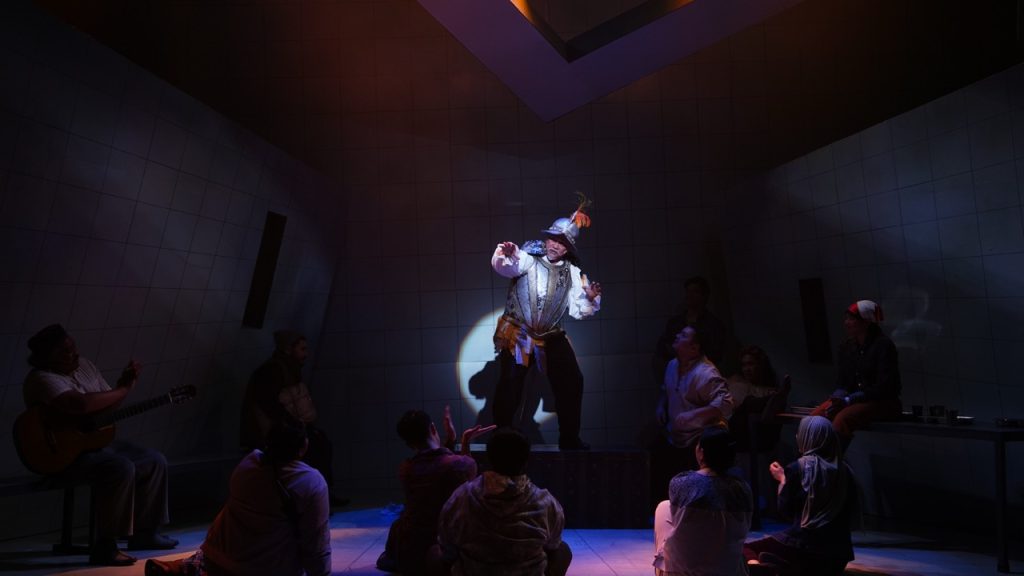
Set in the late 16th Century during the Spanish Inquisition, Man of La Mancha begins as Miguel de Cervantes and his manservant, Sancho, are brought to prison to await trial. But in prison, the other prisoners there conduct their own mock trial.
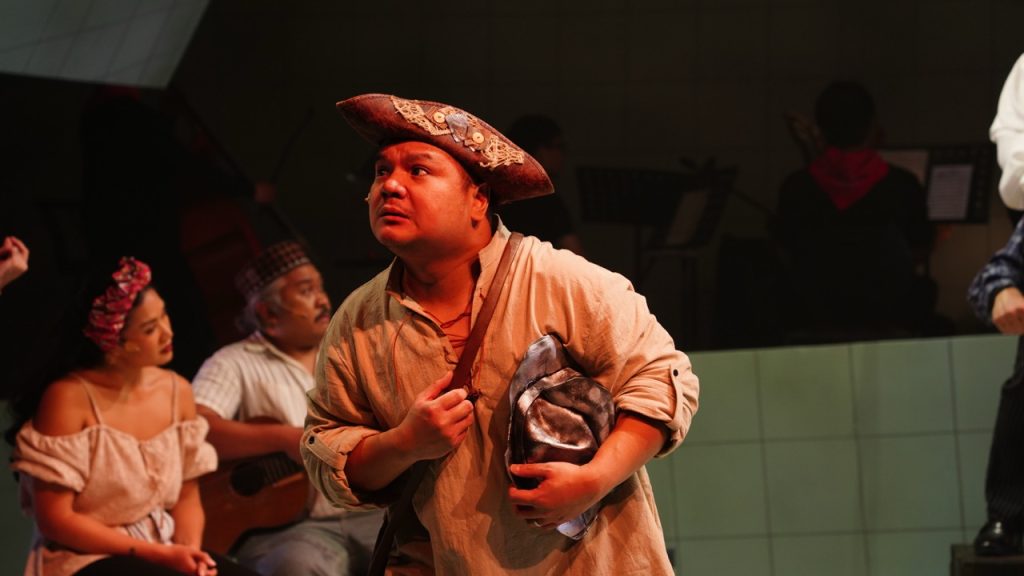
Photo credit: Krizhal Daryl Ordas of Indio Creatives
Because Cervantes is not just a former tax collector but a failed poet and author, the inmates quickly deemed him guilty. But Cervantes demands that he be given a chance to defend himself and presents his defense by performing a play.
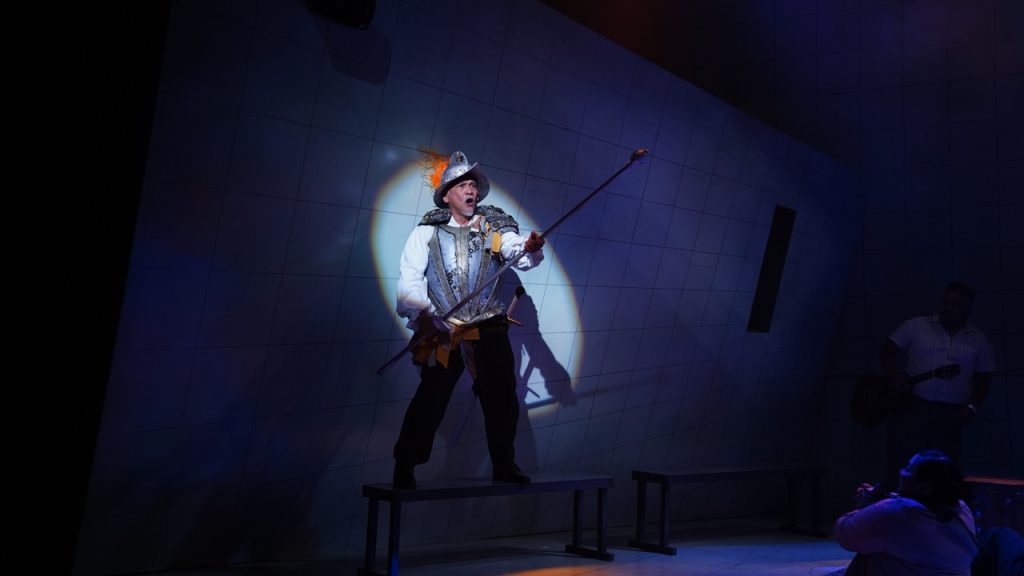
He invites the other prisoners to take on roles in the story of Don Quixote, played by Cervantes himself, a noble who, driven by madness, believes he is a knight. Quixote renames Aldonza, a waitress and part-time sex worker, calling her by the name Dulcinea and insisting she is a noble lady.
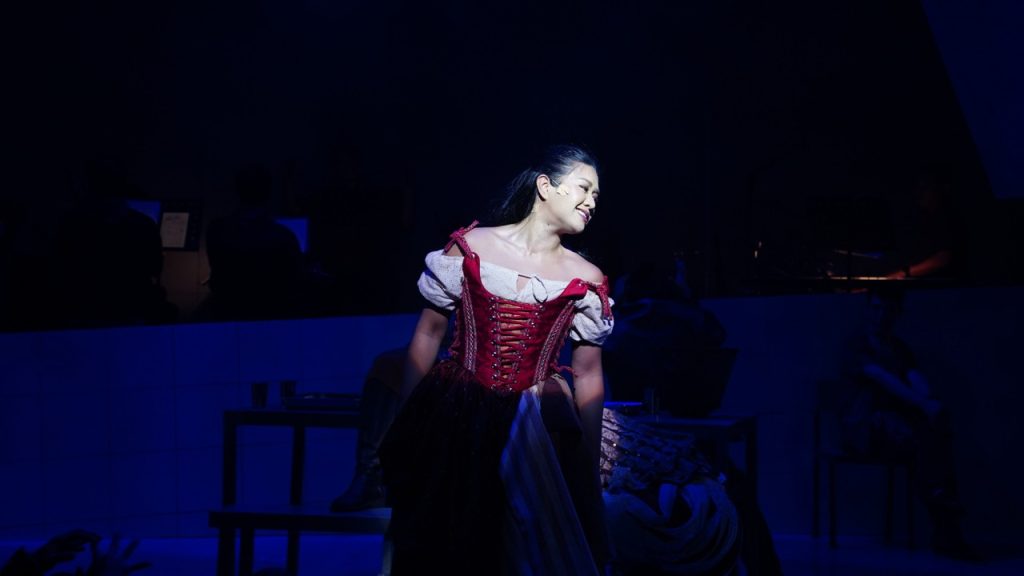
Photo credit: Krizhal Daryl Ordas of Indio Creatives
Though he is widely ridiculed, his delusion begins to transform those around him, inspiring them to see the best versions of themselves. Yet, as Don Quixote wants to fight for a better world, his family tracks him down as his exploits have become the talk of the town and brought shame to their name.
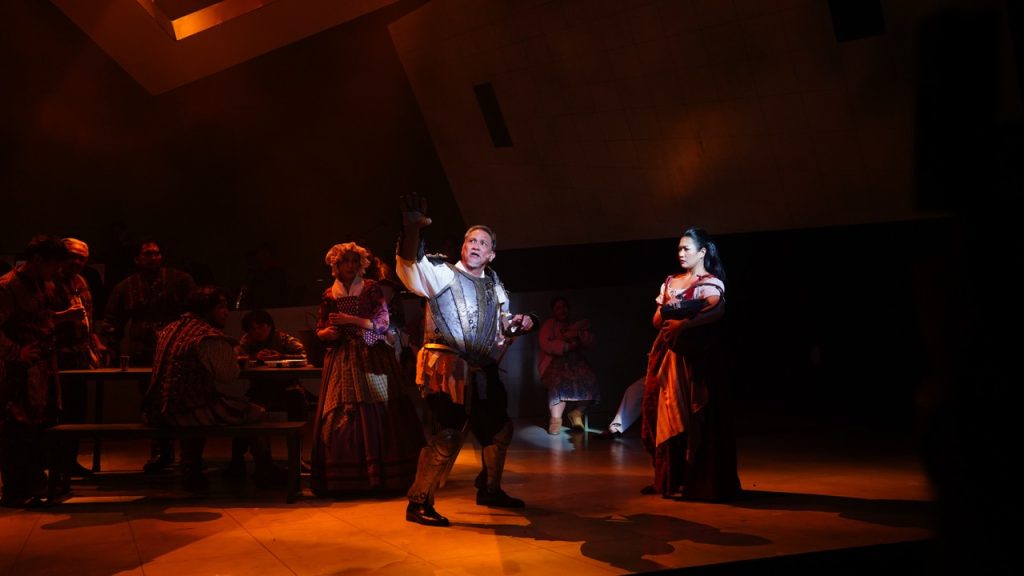
Photo credit: Krizhal Daryl Ordas of Indio Creatives
Much of Quixote’s delusions were originally meant to be taken as a comic relief; it was written in 1965, after all, an era with a far more flippant attitude toward about how mental health is treated in this musical. What makes Gomez’s direction is so compelling is that he does not shy away from it. He never treats madness for mere comic effect, choosing instead to explore the very real, harrowing ramifications of Quixote’s delusions. Aldonza, for instance, is placed in harm’s way by his virtue-signaling, having been lured into believing Quixote’s idealistic vision of the world. There’s a hardness to Gomez’s direction that amplifies the other characters’ distaste for Quixote’s ramblings. Yet, there are moments of grace hit even harder. such when Quixote gives an innkeeper with dignity and honour, when Aldonza begins to desire the noble woman Quixote sees in her, and in the profound way Quixote wants the best for himself.
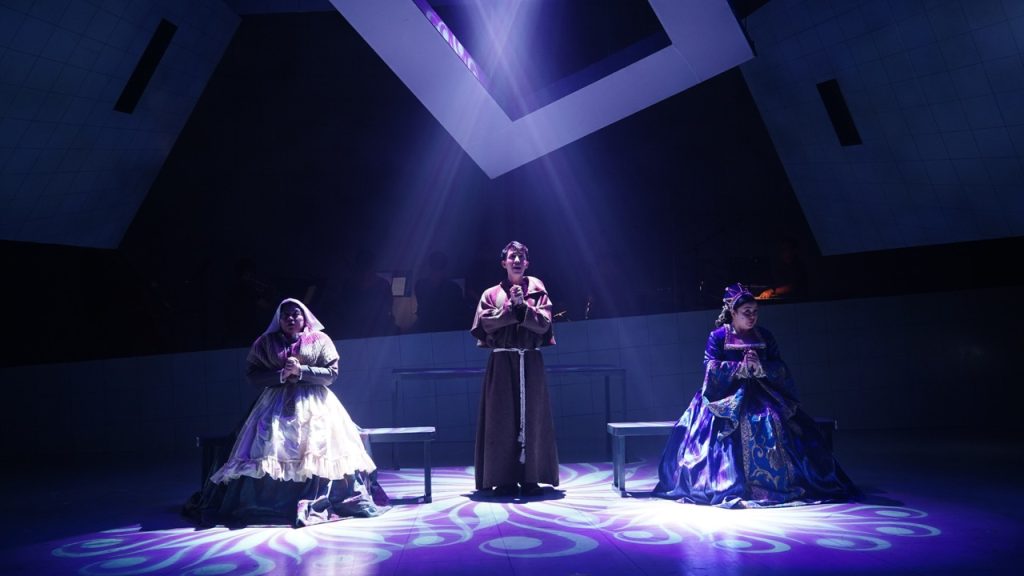
That is the delicate tightrope Gomez walks in this staging. Rather than shying away from the age of the material, he highlights how our perspective is different now. He speeds up the tempo of certain songs – such as “I’m Only Thinking of Him,” which is traditionally one of my least favourite songs in the musical, but here in the new arrangement, the song is vibrant and funny, especially with Mikkie Bradshaw-Volante and Sarah Facuri eating up that song – keeping the show from ever feeling too rigid or slow. His vision for the stage, realized alongside set designer Julio Garcia, initially presents an ICE detention center, a huge chained fence trapping the actors within and partly obscured to the audience. But as Cervantes begins his defense and tells the story of Don Quixote, the fence lifts, the walls break open and suspend into the air and the stage opens up for the play. Even the backdrop opens up to reveal the live band. It is such a strong use of stage imagery that visualizes how art opens up the world and allows us a new way of looking at things.
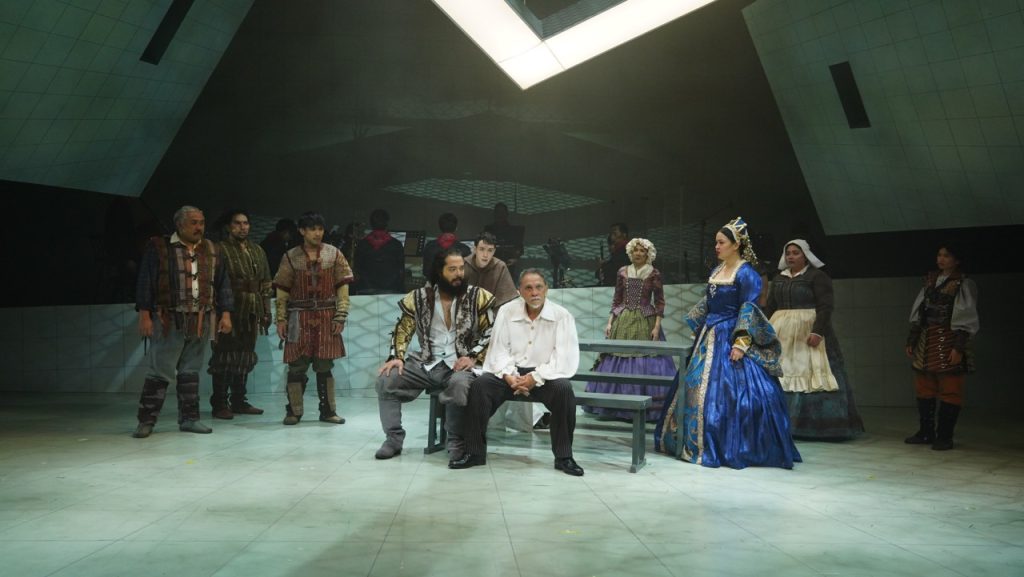
Photo credit: Krizhal Daryl Ordas of Indio Creatives
In today’s world, there is a bit of misplaced idealism to Man of La Mancha that can make it feel like a time capsule from a more innocent and pure era. Yet, Gomez, his amazing cast, and his artistic team manage to critique the elements that have aged poorly while still allowing the spirit and profound hope of the play’s core message to shine through.
Though there were noticeable technical difficulties, particularly with sound and lighting cues on opening night, these are easily remedied. The cast is incredible, with Buencamino leading the ensemble into a delightful frenzy. Marvin Ong’s Sancho is a breath of fresh air, while Katrine Sunga is utterly breathtaking as Aldonza. She is all power and forceful, Sunga commands a strong stage presence that matches Buencamino line for line. Meanwhile, Farley Asuncion’s musical arrangement is incredible, and Julio Garcia’s stage design is a theatrical revelation. Ultimately, this is a thoroughly engaging night at the theater and an interesting approach to reviving classic musicals.
My Rating: 4 Stars

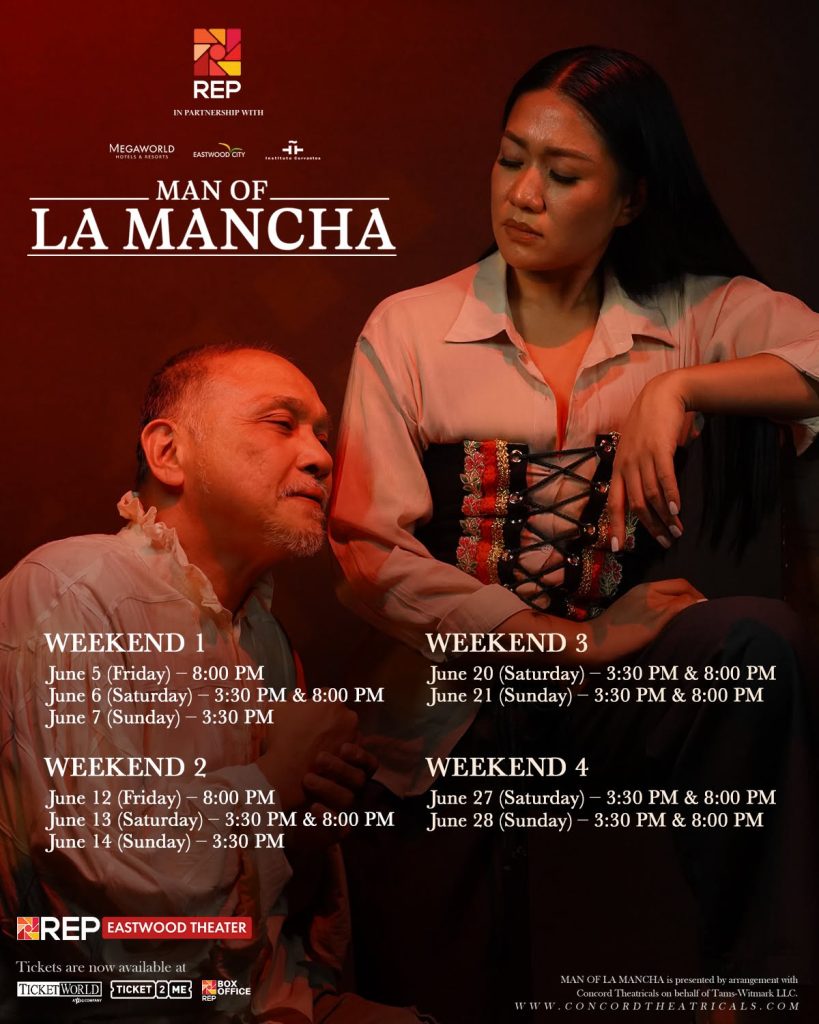
Don’t miss this striking revival! Repertory Philippines’ Man of La Mancha runs at the REP Eastwood Theater until June 28. Secure your tickets now via TicketWorld or Ticket2Me visit Repertory Philippines’ official social media pages for updates and show schedules.
Leave a Reply
You must be logged in to post a comment.