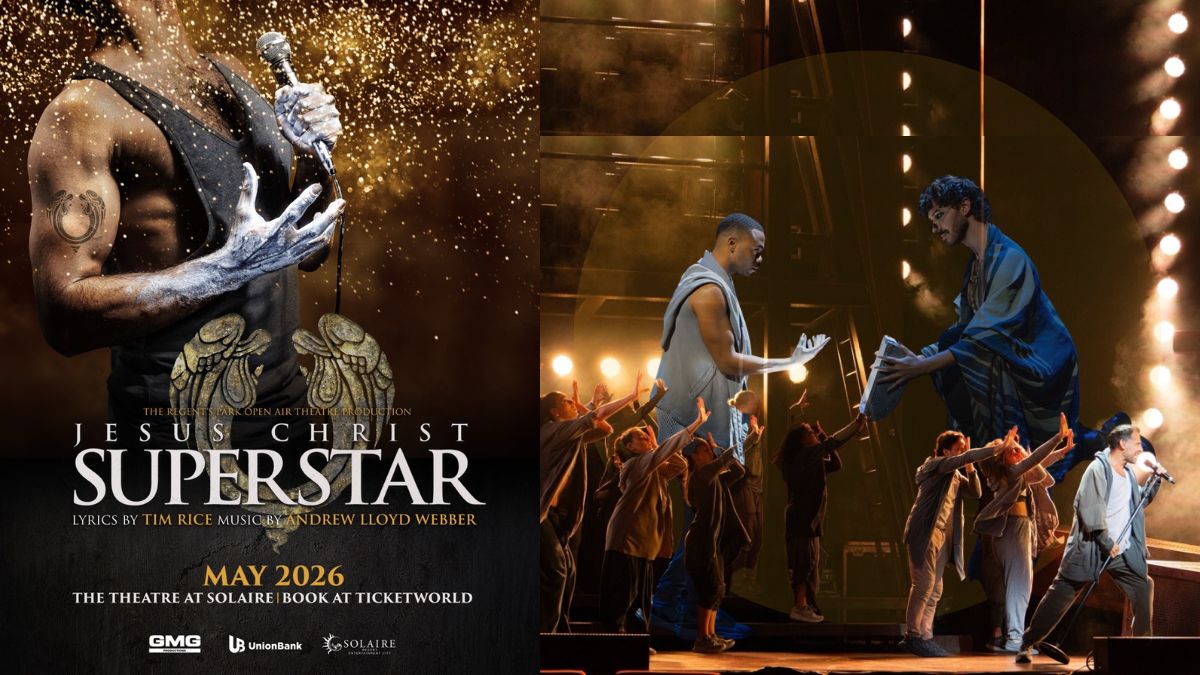
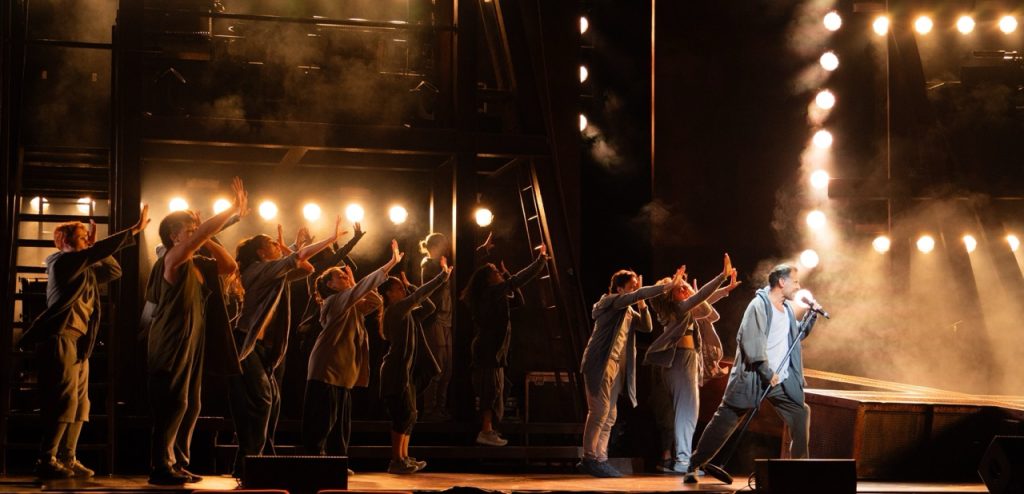
Director Timothy Sheader’s concept for the revival of Andrew Lloyd Webber and Tim Rice’s Jesus Christ Superstar is an interesting interplay of 1970s rock opera with a lot of modern sensibilities, reimagining Jesus Christ as a sort of disinterested celebrity. The stage design is sparse and foreboding: on stage right stands a two-story structure made to look like wood, while on the left, a massive platform in the shape of a cross serves as a makeshift table or an elevated stage for other characters to come through. While lighting designer Lee Curran does wonders in shaping the atmosphere, it is Tom Scutt’s set design that truly makes you feel like something bad is about to happen.
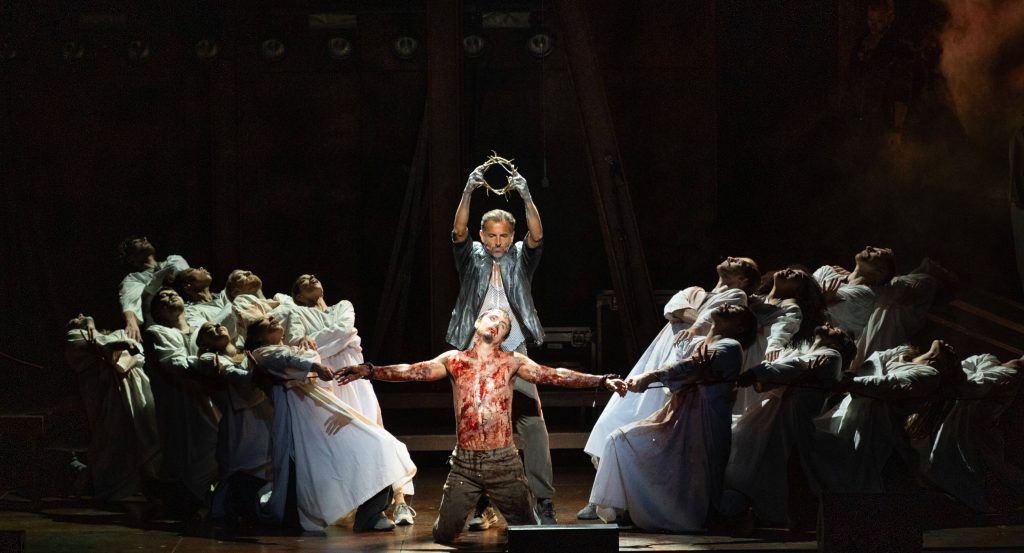
The play pulls from Gospel passages to explore – entirely through rock music – Jesus’s relationships with his disciples and followers as his rising influence begins to frighten the Pharisees and priests. Told primarily from the point of view of Judas, who remains faithful yet deeply wary that Jesus is rocking the boat too much, it tracks his eventual betrayal leading up to Jesus’ crucifixion.
Completely sung-through, the musical relies on clarity of words and and the power of the emotions as told through song so the story and its emotional weight relies heavily on the performers and the way they interpret each song. Some treat the show like a concert – singing beautifully but losing out on the narrativity of the music – while others successfully carry the story through.
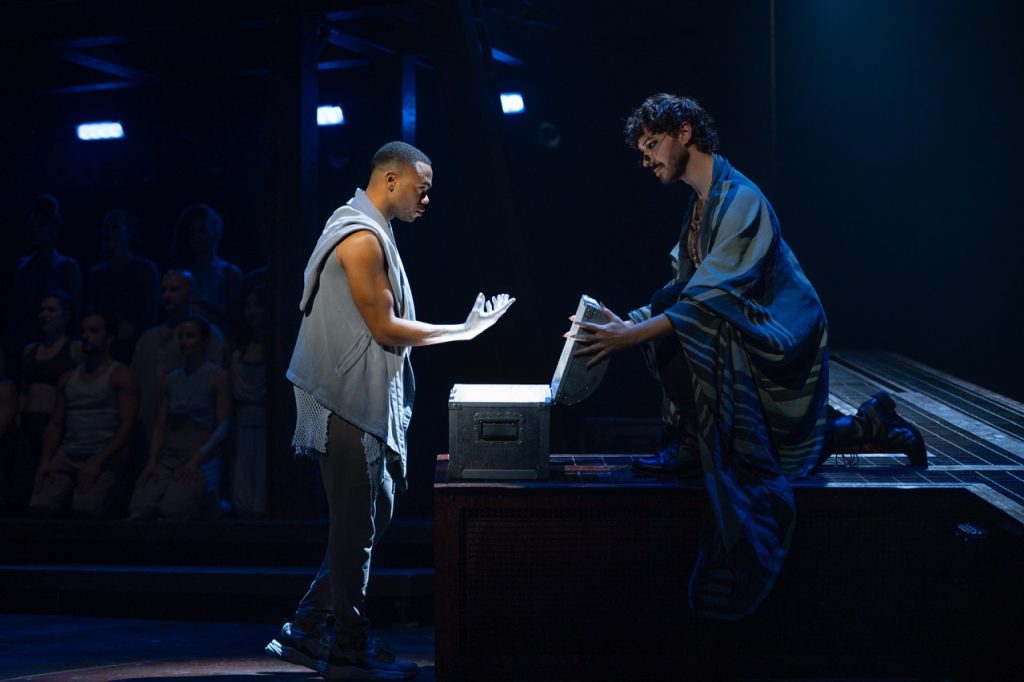
On the gala night, Javon King’s Judas was an instant standout , singing magnificently while still breathing into the songs Judas’ anger, resentment, guilt, and pathos into the role. Meanwhile, Joshua Bess’ Jesus Christ struggled through the first act but found his voice in the second; however, he was ultimately outshined by many of his co-stars, tilting the production even more towards Judas’ story.
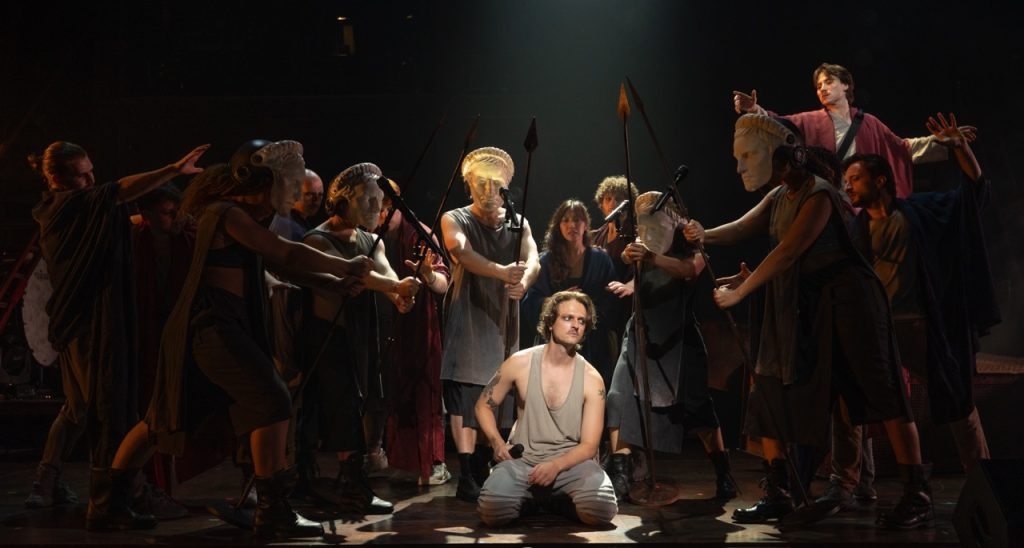
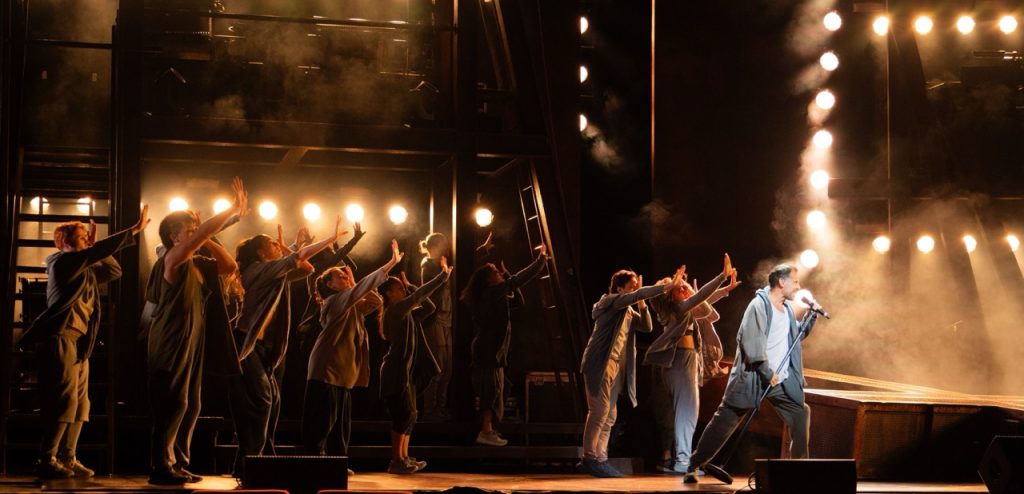
The imagery of Sheader’s revival places Jesus and his disciples in gray sweatpants and hoodies – making them look like Millennials or even Gen Zers – evoking the vibe of social media radicals changing the world through Jesus’ progressive teachings. Bess’ Jesus has a tendency to mope and cast his anxiety onto his disciples, frequently reproaching them and complaining that none of them truly care for him. He comes off as a popular influencer who has grown exhausted by fame and the burden of leading his flock.
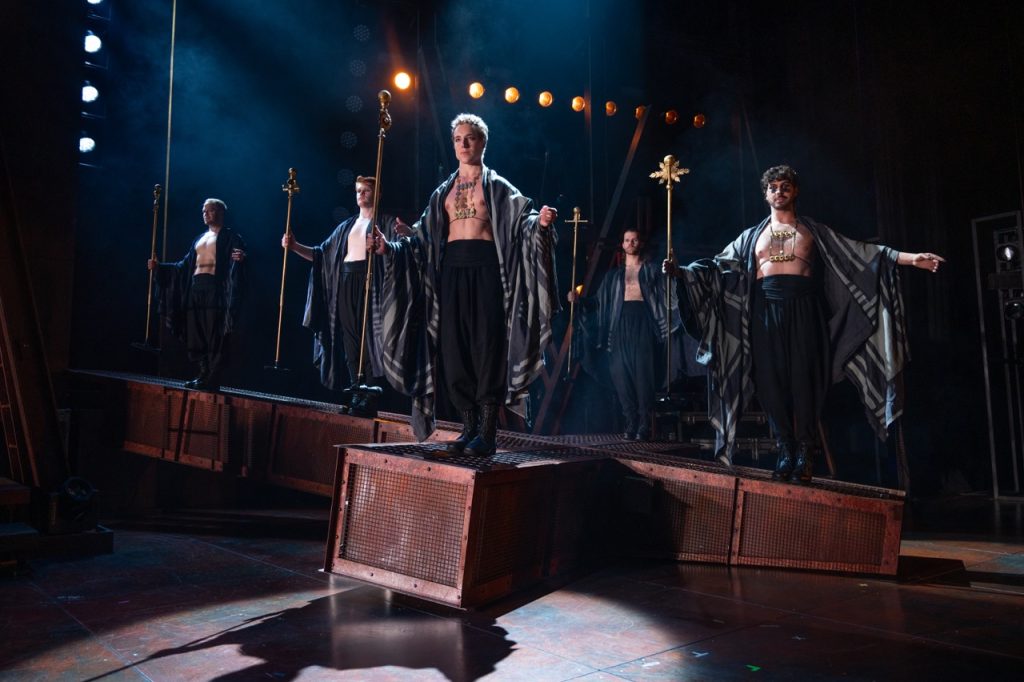
On the other hand, Judas constantly pushes Jesus to be less radical, aware of how he is ruffling feathers, especially among the Pharisees and the priests. Dressed as they are, singing to rock music against a bleak, bare stage design, the production feels like a direct commentary on today’s society: the way that the youth are trying to bring down the old ways while the old guard does whatever it takes to stay in power.
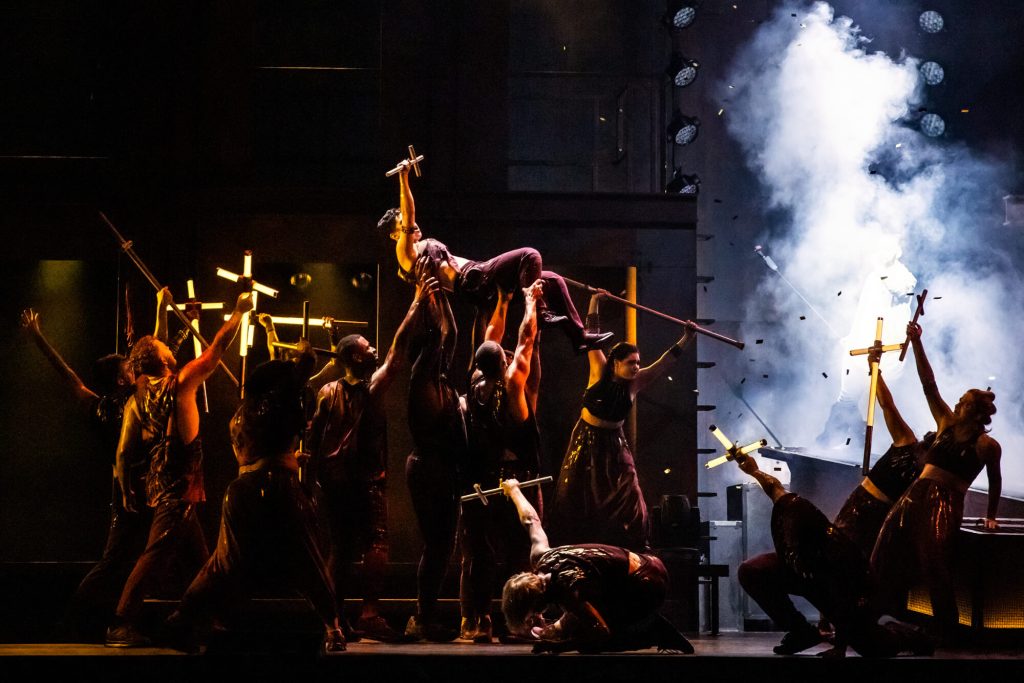
I really appreciated this tone and imagery. Drew McOnie’s demanding choreography is very hard-hitting and intensely physical, using ripple-effect movements that begin with a single dancer and then copied by one performer to the next. This creates a visual metaphor, making the energy of Jesus’ words feel infectious, moving from one person to the next.
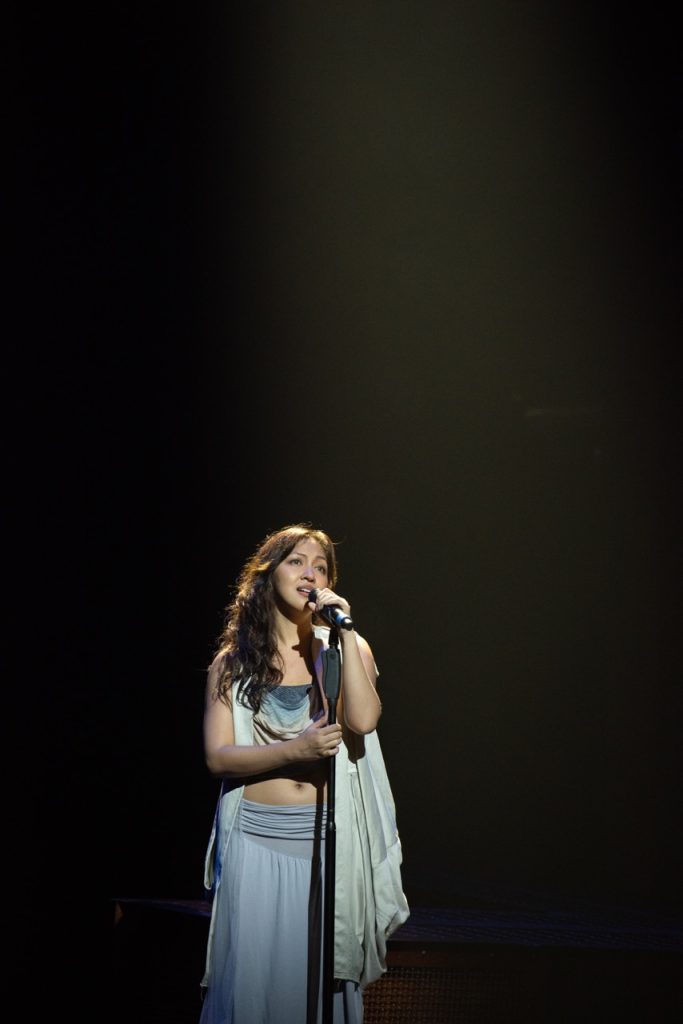
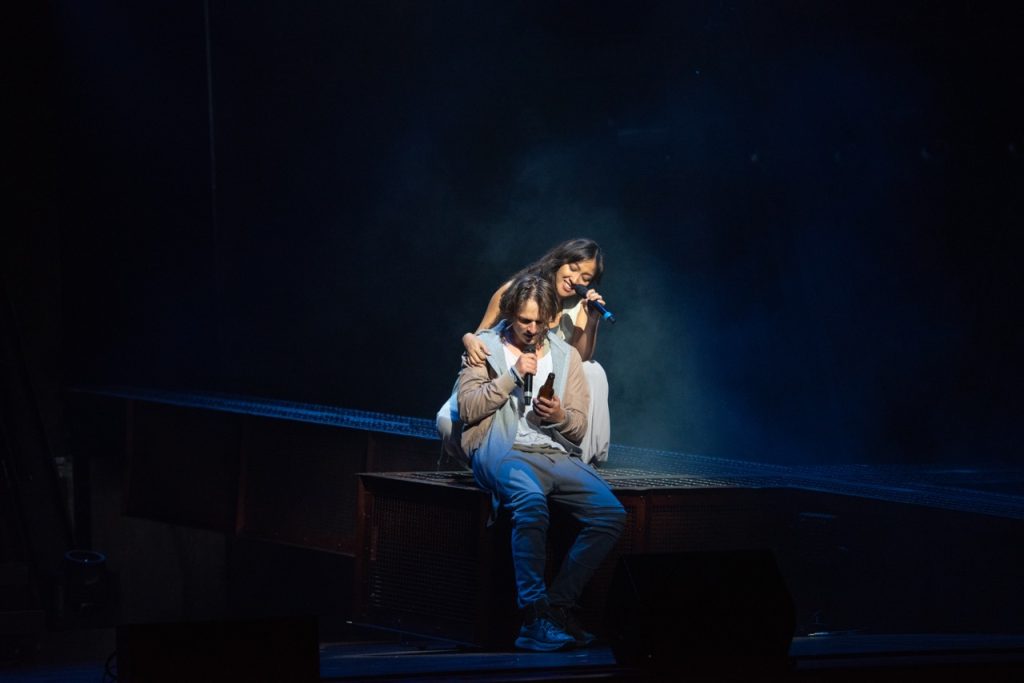
Other standouts included Gab Pangilinan as Mary Magdalene, who managed to find the right balance between the production’s message and the music’s over-the-topness.
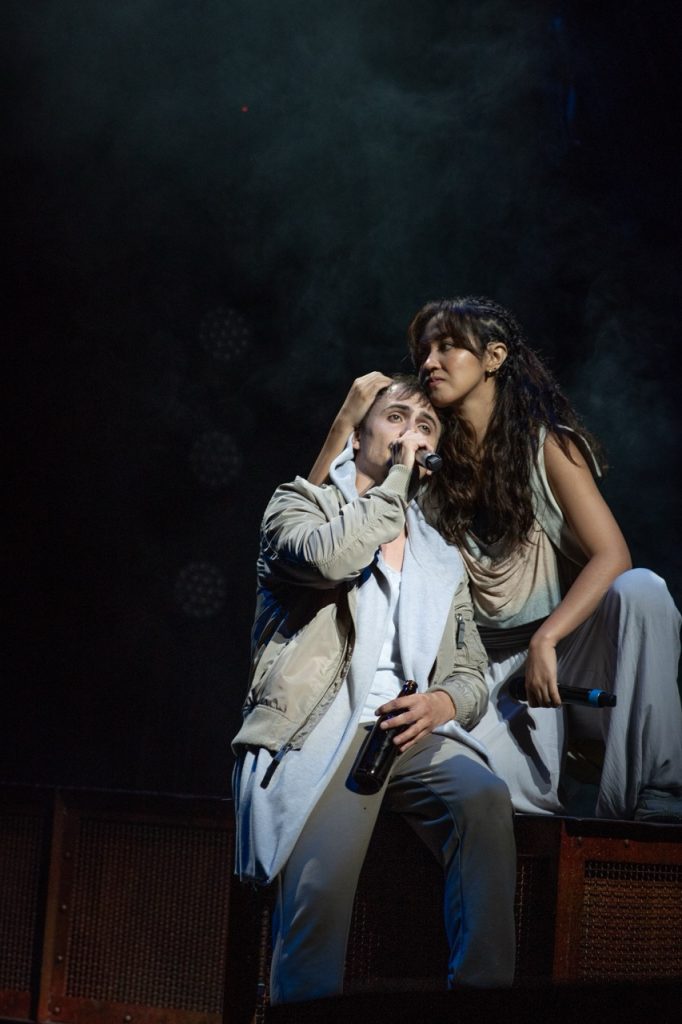
She just melded quite well into Sheader’s vision and sang my favourite songs from the musical.
The other stand out is Erick W. Schleck as King Herod. His lone number was a show-stopper with Herod in spectacular gold frock that feels very much like a drag queen, performed with such bravura that it rightfully deserved the thunderous applause that followed.
On a personal level, Jesus Christ Superstar is not my favourite of musicals. Having grown up on the music of Neil Young, David Bowie, The Rolling Stones, and other 1970s rock bands, Andrew Lloyd Webber’s brand of 1970s rock doesn’t quite hit the mark for me – though I have always loved all of Mary Magdalene’s numbers. Because the show is entirely sung-through, the musical is dependent on the performers really carrying the story through the singing and if someone doesn’t do their part, the show struggles.
But it is a spectacular show. With King, Pangilinan, and Schleck on stage alongside a powerhouse ensemble – there’s a lot to see and enjoy. Sheader’s direction, especially of his striking treatment of Judas’ suicide and how he blocks and envisions the ending, is quite a theatrical feat. Ultimately, listen to the music and if 1970s rock opera is your jam, then this is a show you will enjoy.
My Rating: 3.5 Stars

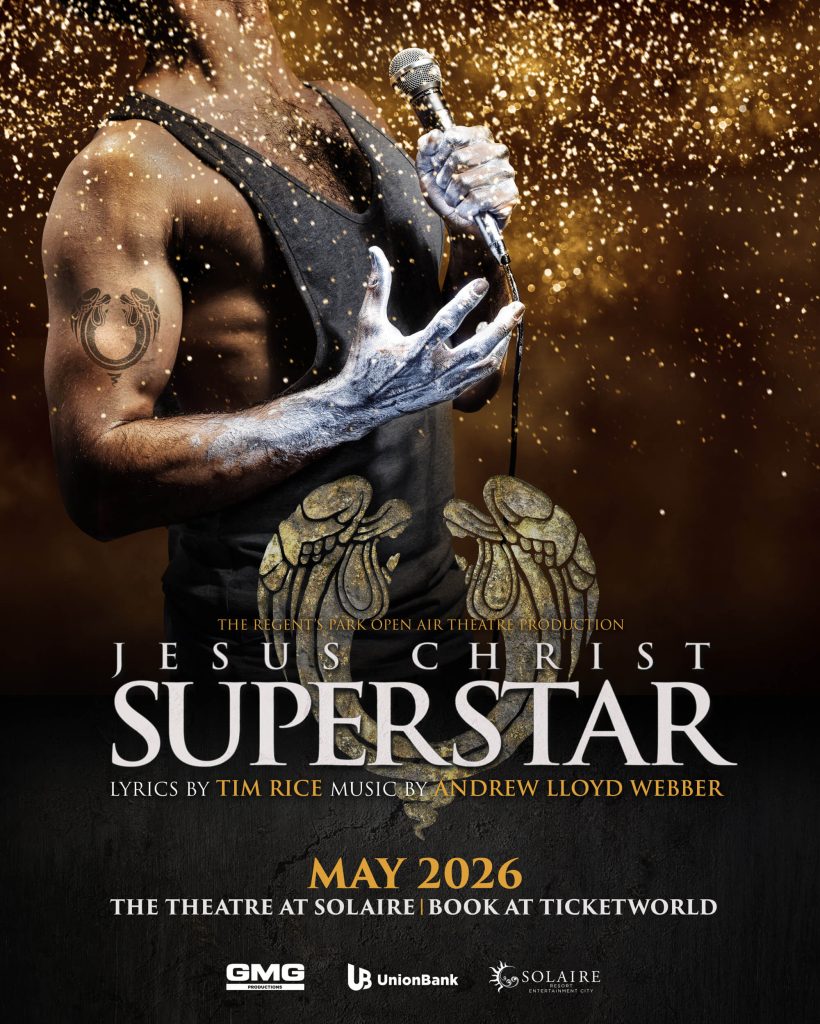
Catch Jesus Christ Superstar on stage until May 31! Don’t miss this sleek, hard-hitting reinvention of a theater classic. Whether you’re a lifelong fan of the rock opera or looking to experience its brilliant modern staging for the first time, this production is a must-watch spectacle. Don’t miss the phenomenon, grab your tickets now at Ticketworld.
Leave a Reply
You must be logged in to post a comment.