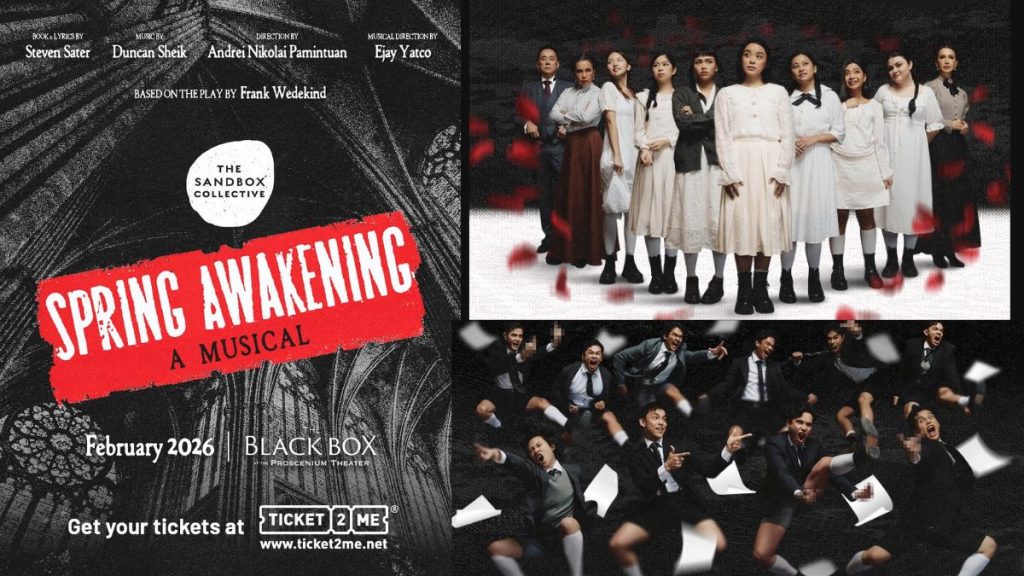
Written by Duncan Sheik and Steven Sater, Spring Awakening is a rock musical that grapples with the collision of the youth’s awakening to maturity – questioning authority, discovery of sex and desire, and finding one’s own strength and identity in a society that demands conformity. Set in the late 19th-century Germany, in a town with very conservative traditions and beliefs. It’s rebellious. It’s in-your-face (with songs titled The Bitch of Living and Totally Fucked). It’s angry. It’s bleak, though it ultimately ends with a song of hope.
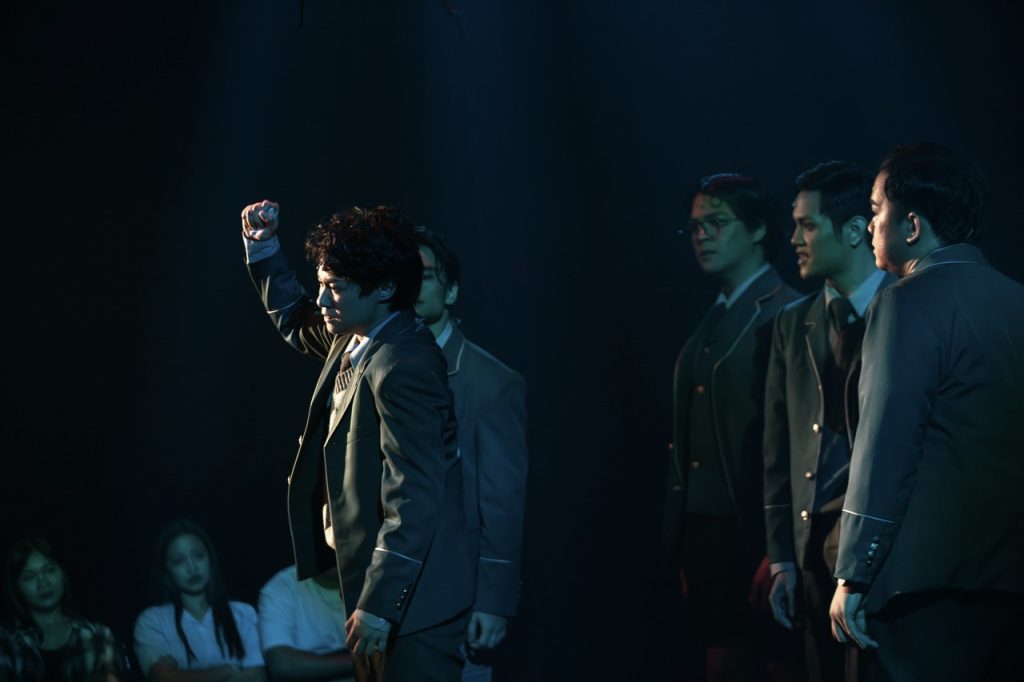
The play follows a group of teens in 19th-century Germany – Melchior, Wendla, Moritz, Martha, and Ilse – as they hit puberty, begin to discover their own sexual awakening, and start questioning authority. Melchior is well-read and a model student. He helps Moritz, who is having difficulty focusing in class, understand the changes in his body and explains sex to him. Wendla and the other girls their age are beginning to develop crushes on boys.
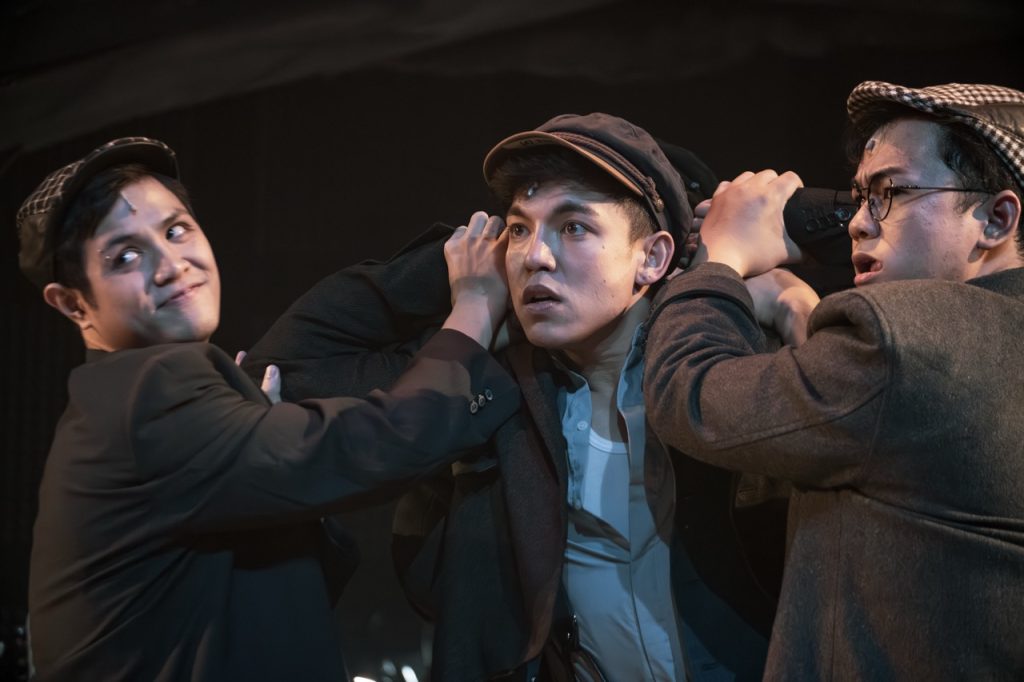
The grown-ups, however, would prefer the teens to do just as they say while the school heads would rather push Moritz out for lowering the school’s standards. As Melchior and Wendla grow closer, Moritz is kicked out, which sends him spiraling into a dark path similar to that of Ilse, who has left home to join an artist community. As the teens wake up to the darkness of their town, everything comes crashing down in an explosive way.

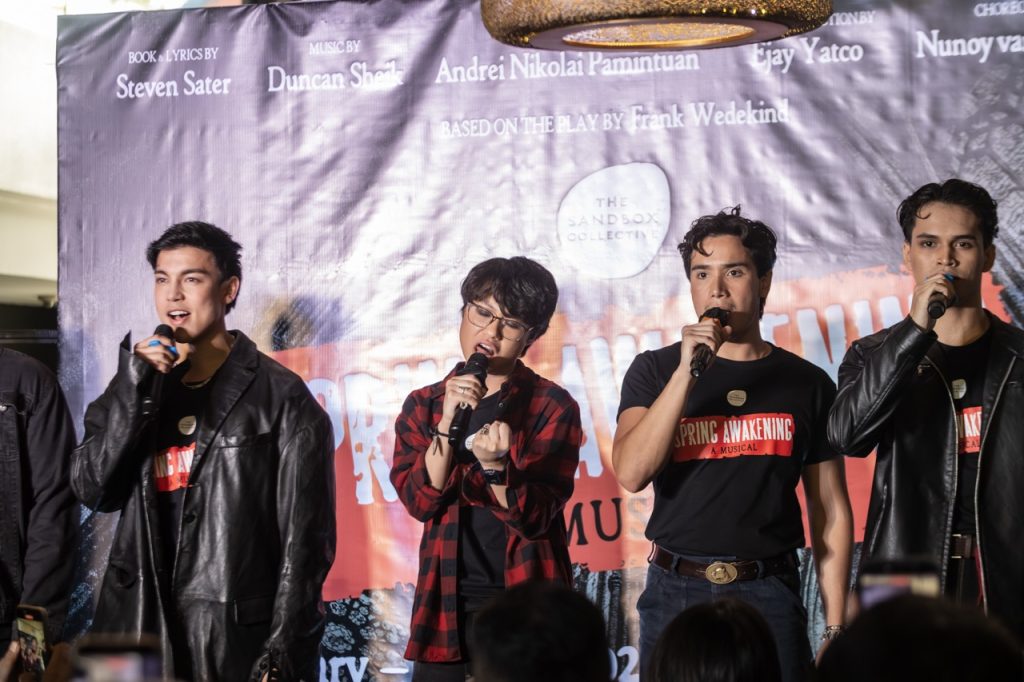
The Sandbox Collective’s production, directed by Andrei Nikolai Pamintuan, takes that energy and stages Spring Awakening with delightful verve.
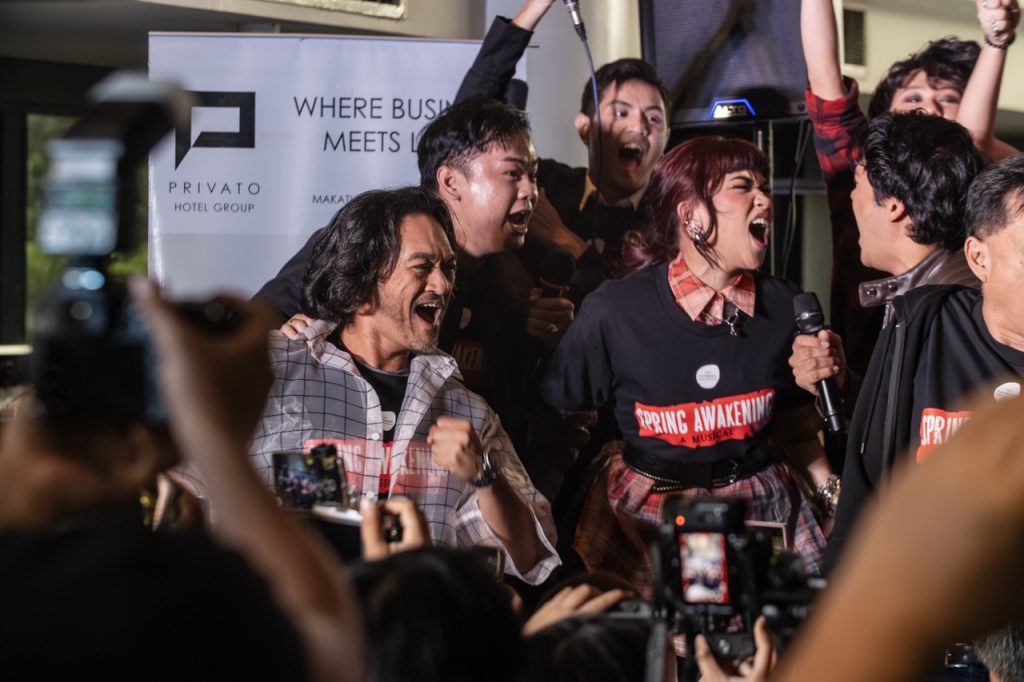
I saw the open rehearsal a week before opening and then returned for the February 14 show, and they were very different productions.

Unlike the rehearsal, the performance felt very “performed,” probably due to having over-rehearsed. Many of the cast members sang beautifully, but their riffs and vocal prowess felt more suited to a concert than to a show. During the rehearsal, there was less bravado and more intention, each song sung to tell a story.
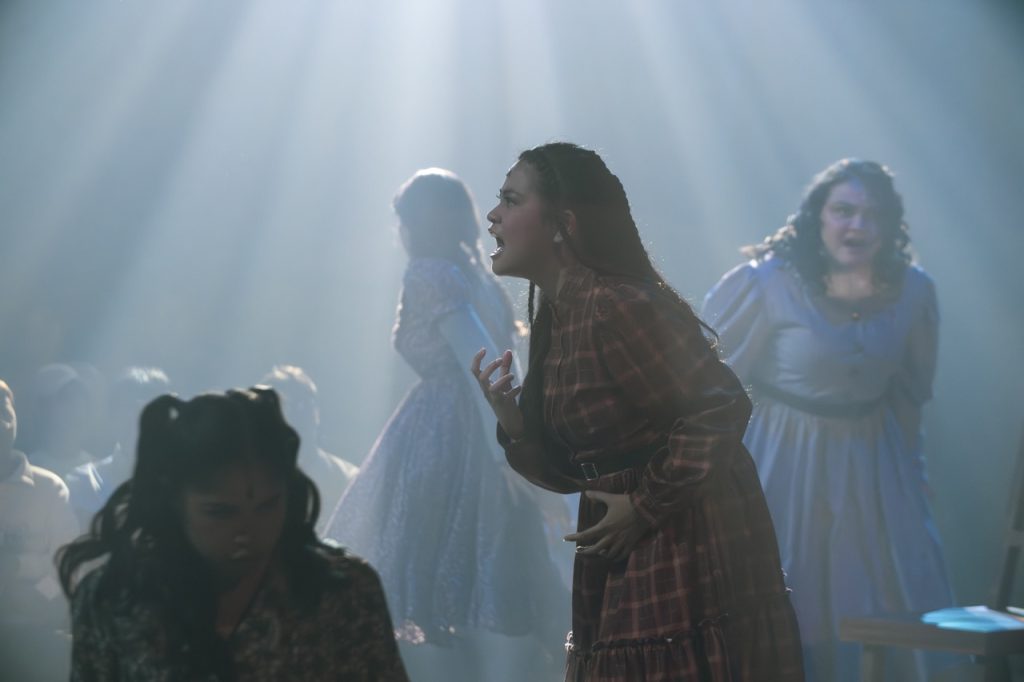
It’s probably opening weekend energy, but many were singing concert-style, and found myself missing the acting of it.
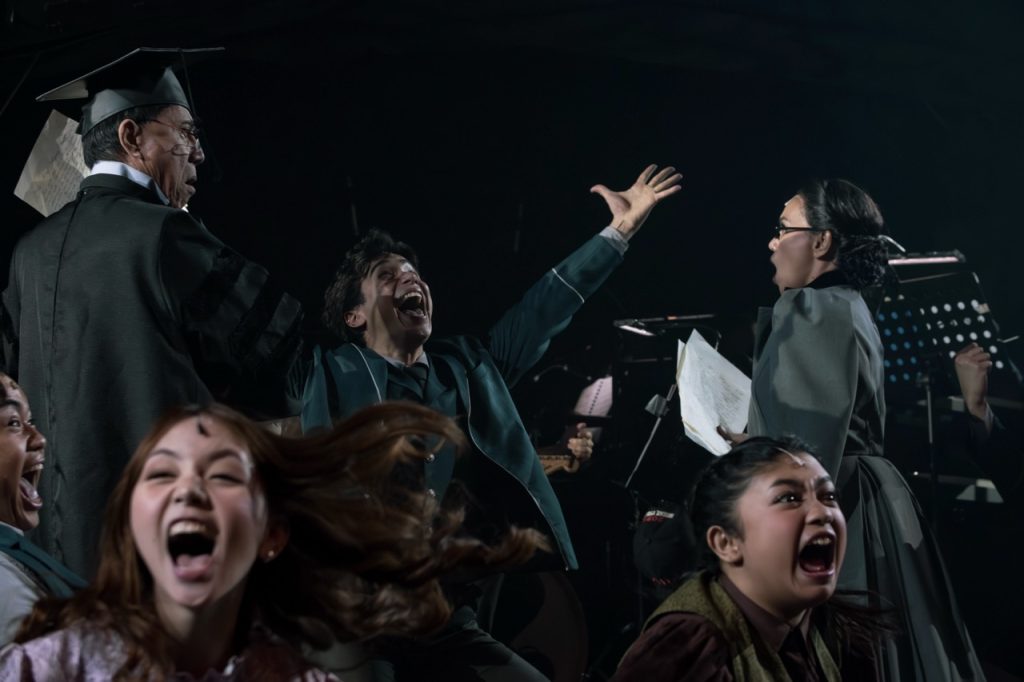
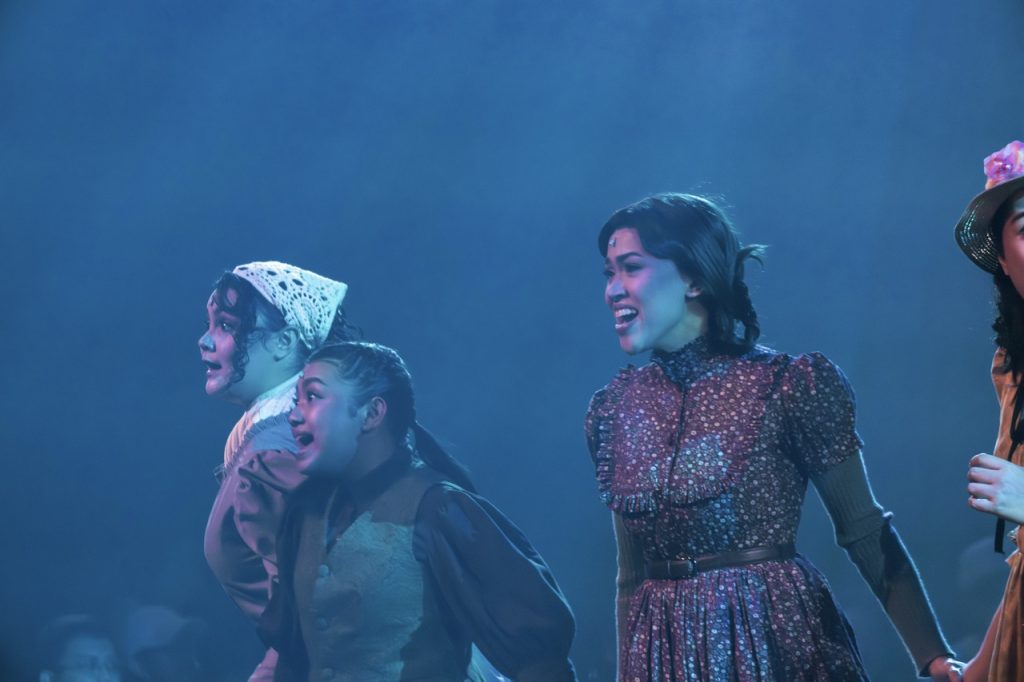
The women of the cast, however, were the stronger unit throughout the run. Led by Sheena Belarmino as Wendla, they moved in sync, creating some of the production’s strongest moments.
The giddiness of their sexual awakening as they talk about boys later flips into something when they sing about their desire for physical intimacy in the song Touch Me. In these moments, the women of the cast really bring out the tone and effect that the play feels like it is gunning for.
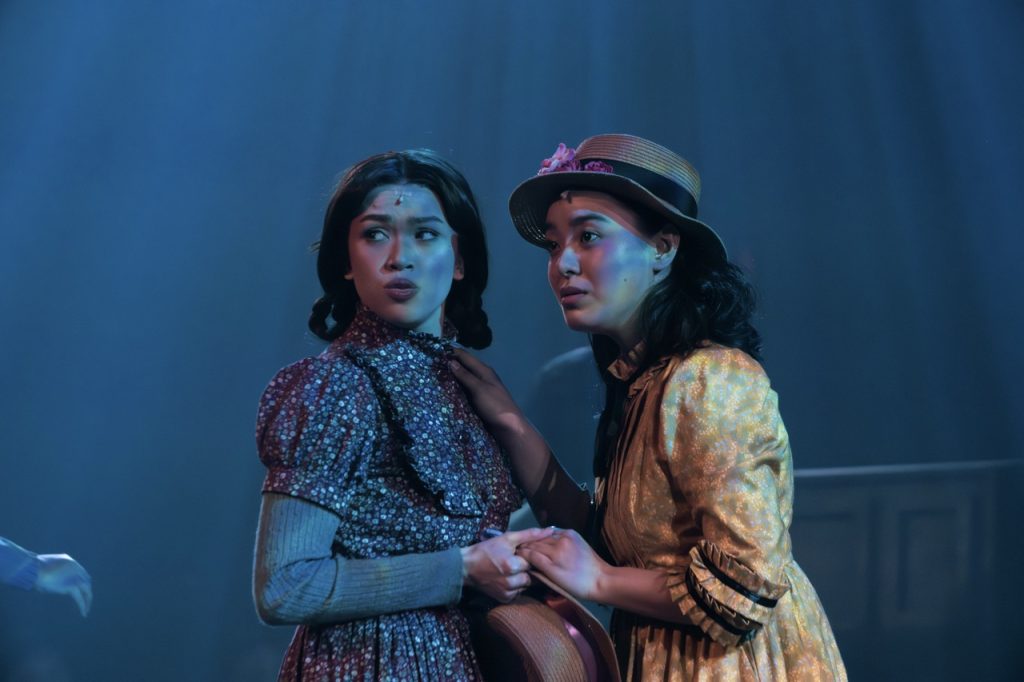
Aside from Belarmino, Angia Laurel is breathtaking as Martha. Her gorgeous voice stands out during her featured number The Dark I Know Well, right after nailing her scene when Martha admits that she is physically abused by her father. It’s a chilling performance that truly makes Laurel stand out.
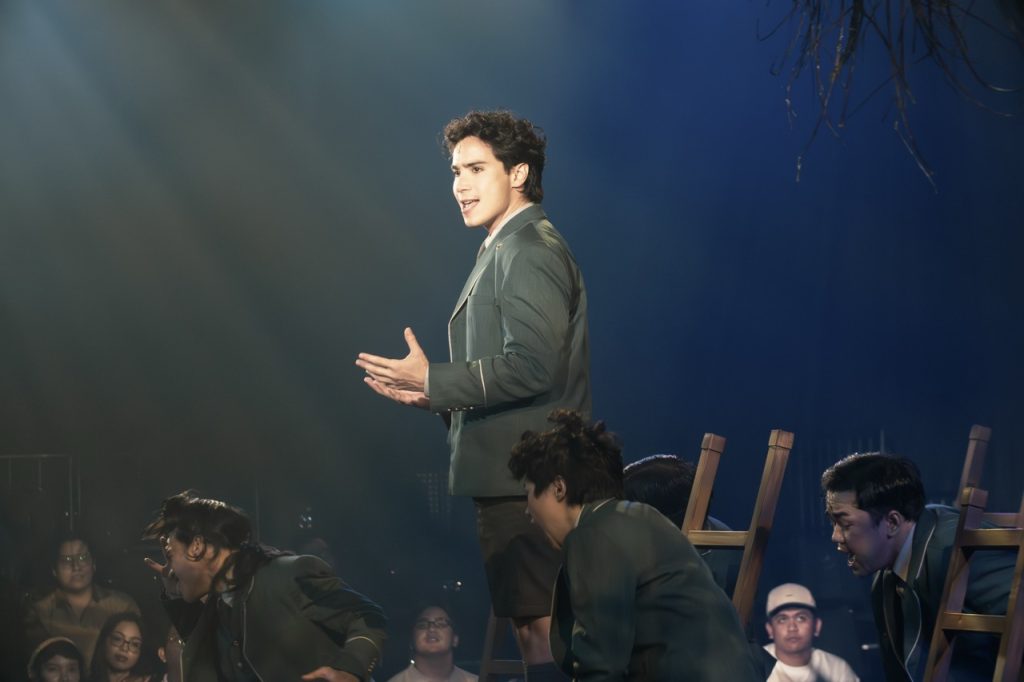
The men seemed like a mixed bag. Some members of the ensemble played it young while others played it older, which felt off since many of the discoveries are those of teens just entering puberty. Others take a more mature approach and so, as a whole, they don’t feel as connected. Omar Uddin, who plays Moritz, is incredible. I’ve seen him both in the rehearsal and during the show run, and he grounds the entire play, as Moritz’s descent serves as the fulcrum for the play’s message. He captures the awkwardness and uncertainty of puberty, singing and dancing with his whole body. This is the third show I’ve seen him in, and he has consistently delivered a strong performance, each different from his last role. Uddin’s alternate, Nic Chien, I have not seen, but I’ve heard equally good things.
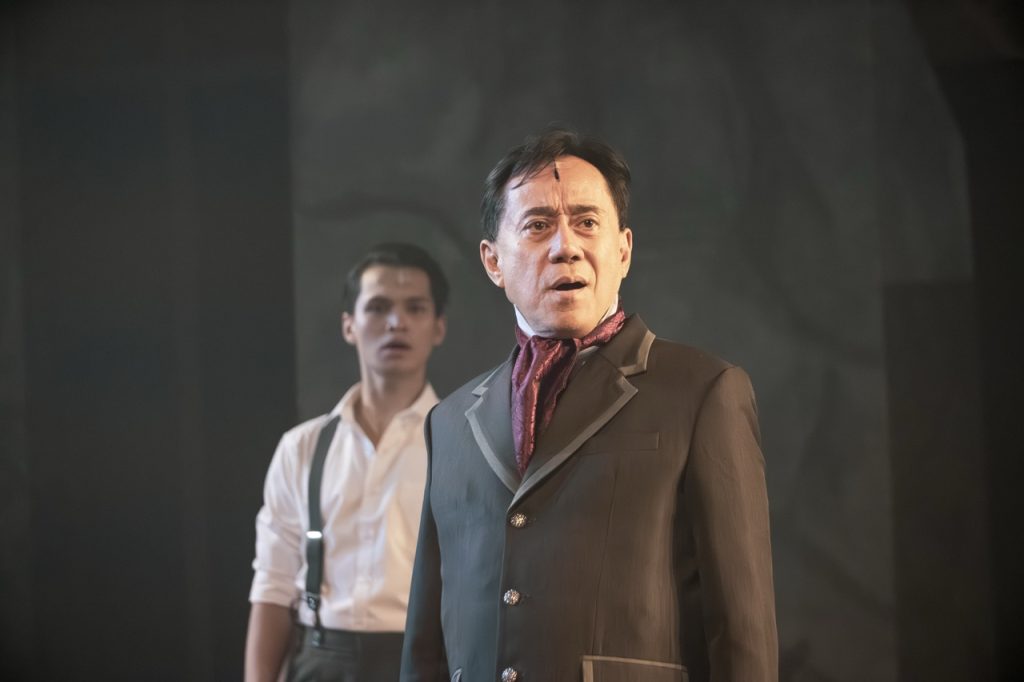
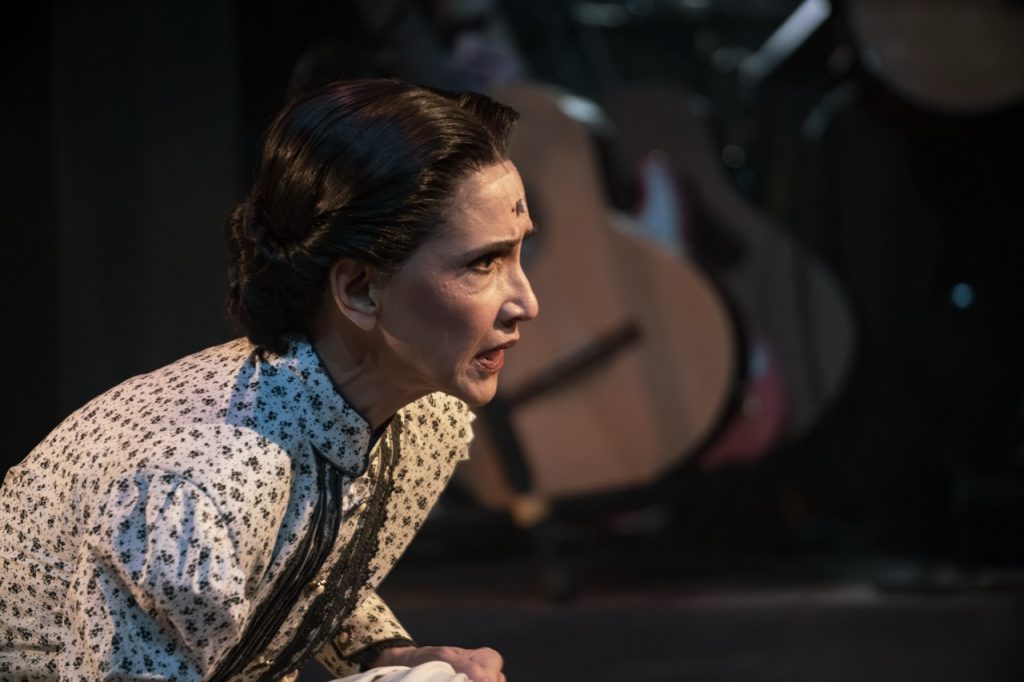
The show’s grownups are played by Audie Gemora and Menchu Lauchengco (with Ana Abad Santos as the alternate). All three (I saw Abad Santos at rehearsal and Lauchengco at the show) are superb, seamlessly shifting between roles as overprotective parents to strict and rigid teachers. While they do not have song numbers, their very presence in all their scenes elevates the moment.
The show really amplifies the tension between conservative authority and a growing, progressive youth. It’s so perfect for these times as our world still suffers under the threat of outdated traditions and beliefs. Nunoy Van Der Burgh’s choreography mirrors that, creating movements that almost feel modern but not, creating a link between 19th-century Germany and the present. Wika Nadera’s gorgeous set design is both stylistic as it is symbolic. An uprooted tree is suspended in the air, giving the impression that the foundations are not as solid as it seems. A platform, also suspended in the air, is lowered for certain scenes. It’s only as it lowers that you realise it’s in the form of a cross. The metaphor isn’t lost, though I wished the lighting could have hit it more from above so that the shadow would stretch across the stage throughout the scenes.
This was my first time seeing Spring Awakening, despite it being a well-known, multi-award-winning show (the original Broadway production won eight Tony Awards), and I’m quite fascinated with the show and its straightforward portrayal of teenage angst and rebellion. It’s a dark, challenging play, and this production has what it takes to bring it to where it has to go. I’d love to see it again to watch the cast fully settled into their roles and hear their amazing harmonies all over again.
My Rating: 3 Stars

Teenage angst, rebellion, and powerhouse performances. The 3rd weekend of Spring Awakening is fast approaching! Don’t miss the show everyone’s talking about, runs until March 22 at The Black Box, Proscenium Theater, Rockwell. Secure your seats now at ticket2me!