Tag: movie review

  • MOVIE REVIEW: Incredibly Crafted, “Bugonia” Is an Absurdist Black Comedy With Great Performances

    MOVIE REVIEW: Incredibly Crafted, “Bugonia” Is an Absurdist Black Comedy With Great Performances

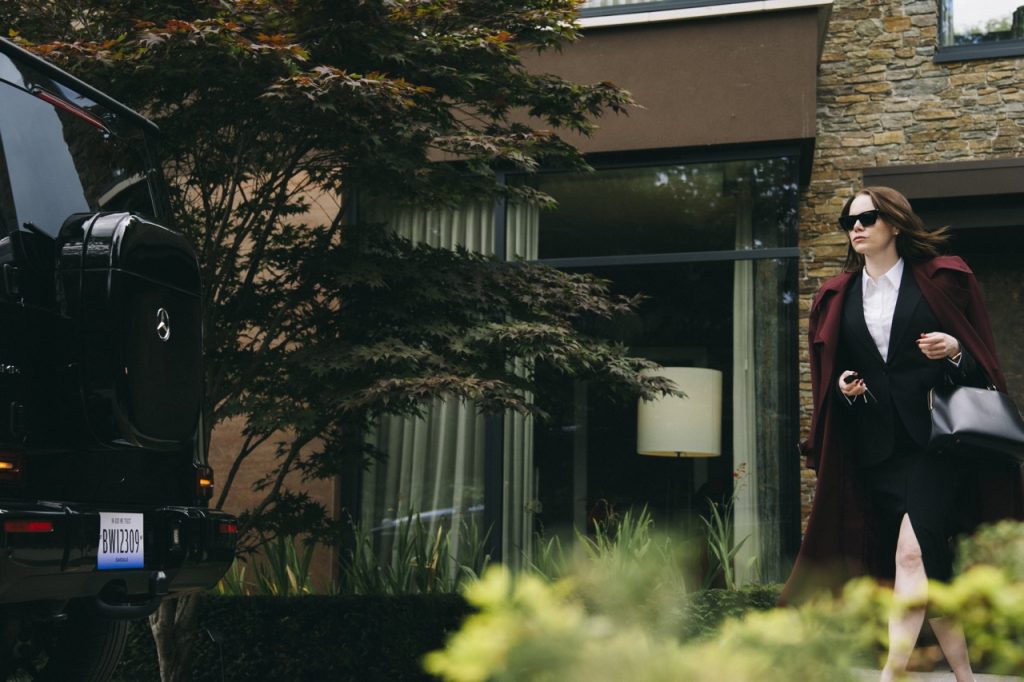
    I absolutely adore director Yorgos Lanthimos’ films. Their wildly idiosyncratic, absurdist tone is such a breath of fresh air in a cinematic landscape that can often feel heavy-handed or pandering to its audience. From The Lobster to The Favourite to Poor Things, Lanthimos creates realities that are as chaotic and off-kilter as the world now seems to be. I’ve been told his earlier Greek works are even more so, though I’ve yet to see them. In his latest outing, Bugonia, he teams up with screenwriter Will Tracy, who has written for the screenplay for The Menu and episodes of Succession, and also who also served as the former editor-in-chief of the satire website The Onion. Bugonia is an English-language remake of the Korean film Save the Green Planet! by director Jang Joon-hwan and this movie reunites Lanthimos with Emma Stone, who he has collaborated with since The Favourite.

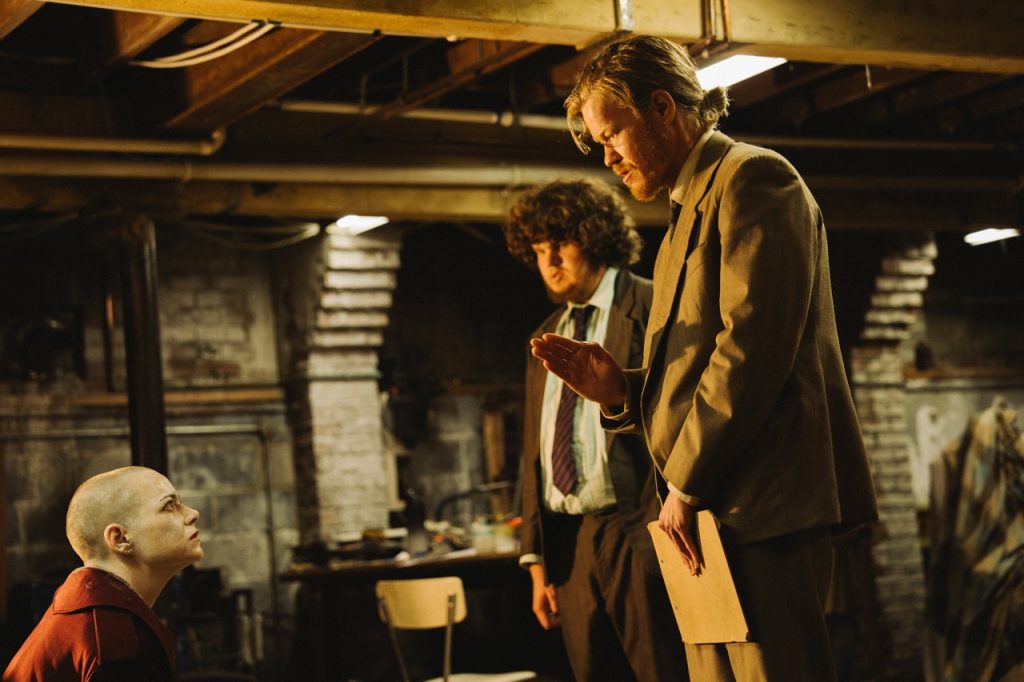
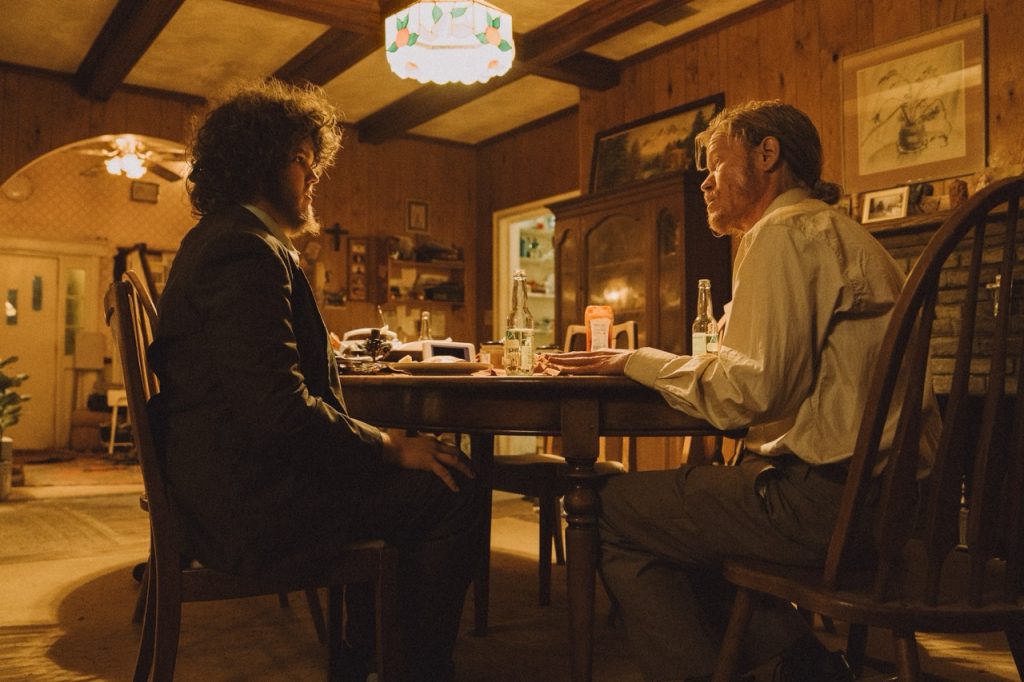
    Bugonia follows Teddy Ganz (Jesse Plemons) and his autistic cousin Don (Aidan Delbis) as they plan to kidnap CEO Michelle Fuller (Emma Stone), whom they believe is an alien from Andromeda. Teddy and Don live quite a distance from town, taking care of bees, and Teddy is completely hooked on conspiracy theories, especially those about aliens. Michelle is a no-nonsense boss, who runs a biotech company and seems to be in the process of making big changes to the corporate culture. When she’s kidnapped and chained in the cousins’ the basemen, a mental battle begins. As Michelle tries to figure out how to call for help or escape, Teddy demands that she take him to her ship so he can negotiate Earth’s freedom from Andromedan control.
    Bugonia

    Punctuated by Jerskin Fendrix’s impeccably playful score, the film’s simple premise creates a space for Stone, Plemmons, and Delbis to showcase their incredible acting abilities. Through cinematographer Robbie Ryan’s lens, Lanthimos contains the story primarily within the confines of Teddy and Don’s apartment. He creates a claustrophobic environment that heightens the battle of wits that’s occurring in the film. Stone and Plemmons are in fine form here, completely committing to the silliness of the film’s premise and allowing the comedy to rise despite the real dangers and the brutal violence that builds and bursts within the movie.
    Bugonia

    It’s interesting how the film manages to subvert emotions here, with the natural tendency to root for Stone’s Michelle Fuller, as a victim of a crazed-conspiracy junkie with violent tendencies. Except Michelle isn’t always the nicest of people, either. There’s a coldness to her and a calculating mind that comes into play as the back-and-forth start to reveal more about the two character’s connection. As more and more information is uncovered, Lanthimos and Tracy create a space for us to empathize with Teddy as well. Throughout all this, we also feel for Don, who is caught in the middle of these two powerful egos that are not beneath using him for their own ends.
    Bugonia

    Lanthimos is unafraid to get silly but at the corner of every scene is violence and impending danger for the characters and, as a director, he’s not too shy to bring us there. Teddy tortures Michelle and this is given ample screentime, showing us that as funny as we find Bugonia to be, there are dangers to this sort of blind belief in these conspiracy theories. As human as the film makes Teddy out to be, it does not shy away from also showing us how his frailty can lead him to do such horrendous things. 

    Bugonia

    As the film reaches its extremely violent climax, Lanthimos and Tracy are unafraid to push even harder into the absurdity that its ending brings out the loudest laughs in a film that has quite a lot already within its almost two hour run time. Another message is delivered, though a bit underdeveloped, but the film as a whole is a testament to Lanthimos’ mastery of the craft, bringing us along on strange, bloody ride through the darkest corners of human civilization.

    My Rating:

    A Big Bold Beautiful Journey


    Get ready for a wild, wicked ride into Yorgos Lanthimos’ bizarre world. Bugonia is now showing in cinemas, check showtimes and buy your tickets now.

  • MOVIE REVIEW: “Dreamboi” Is a Trippy, Sexy Trans-Empowerment Film That Plays by Its Own Rules

    MOVIE REVIEW: “Dreamboi” Is a Trippy, Sexy Trans-Empowerment Film That Plays by Its Own Rules

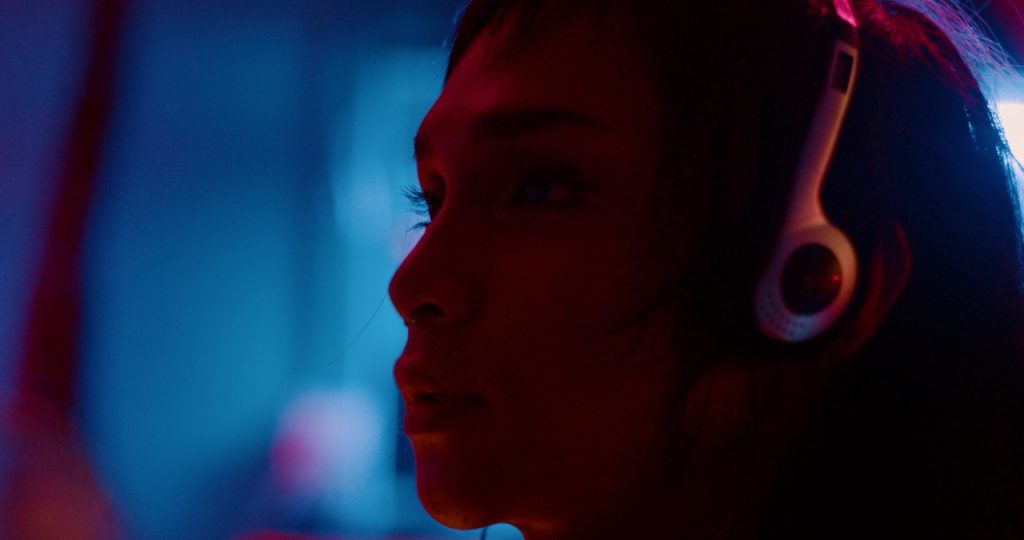
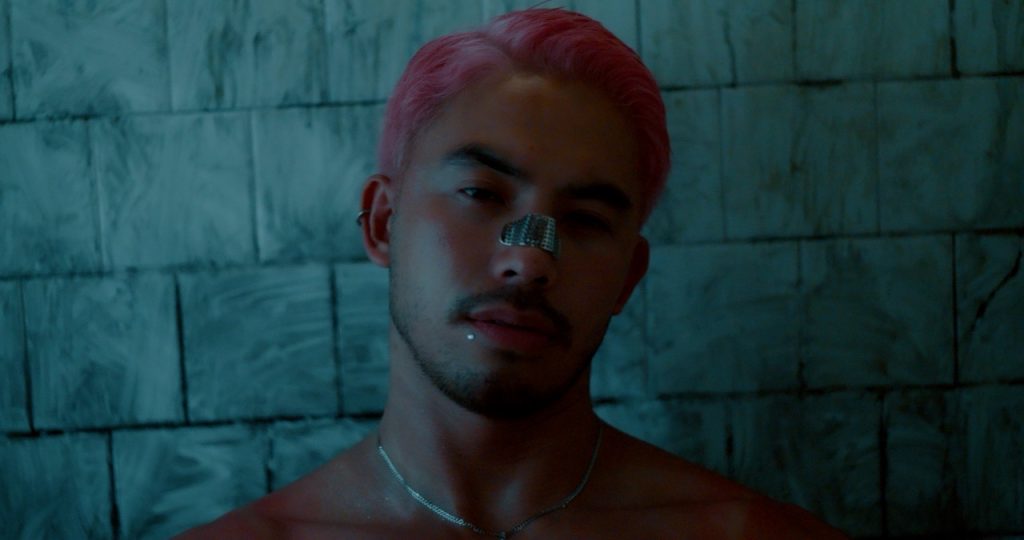
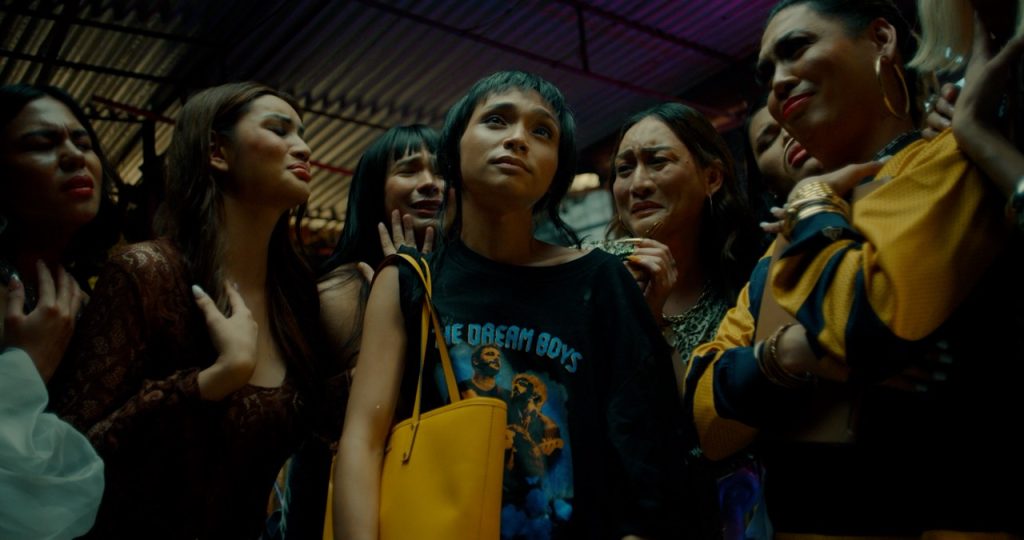
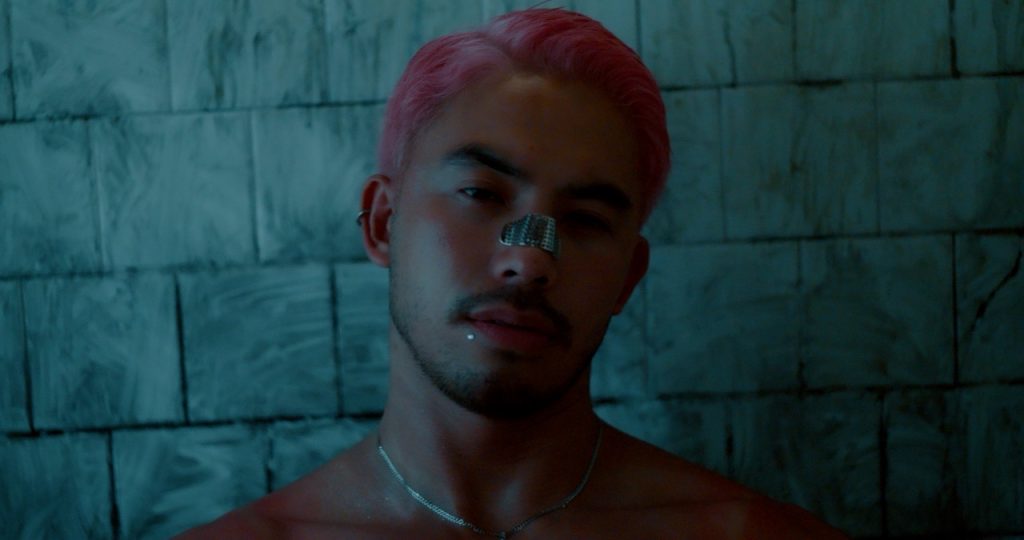
    Rodina Singh’s “Dreamboi” is a trippy exploration of how trans women use fantasy as a survival mechanism, as writer-director explained during a talkback after one of the screenings. Its lush visuals (with cinematography by Malay Javier) juxtapose a neon-lit, oversaturated erotic dreamscape with the dull, grayish tones of the protagonist’s real life. In one reality, the protagonist, Diwa (EJ Jallorina) battles the everyday challenges a trans woman faces in order to be seen, heard, and accepted, grappling with issues involving the use of public restrooms and violence in the streets. In the other reality, beyond the dirty, heavily vandalized labyrinthine steps to the level six basement where she is offered the use of a restroom that no one else uses, Diwa finds herself one cubicle away from Dreamboi (Tony Labrusca), an audio-porn star whom she subscribes to and is the center of all her erotic desires.

    Dreamboi

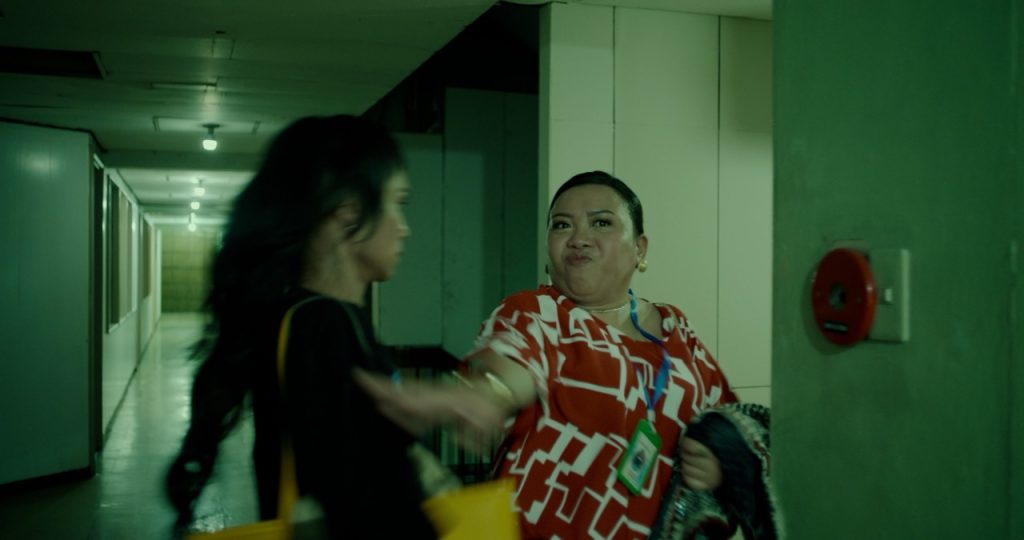
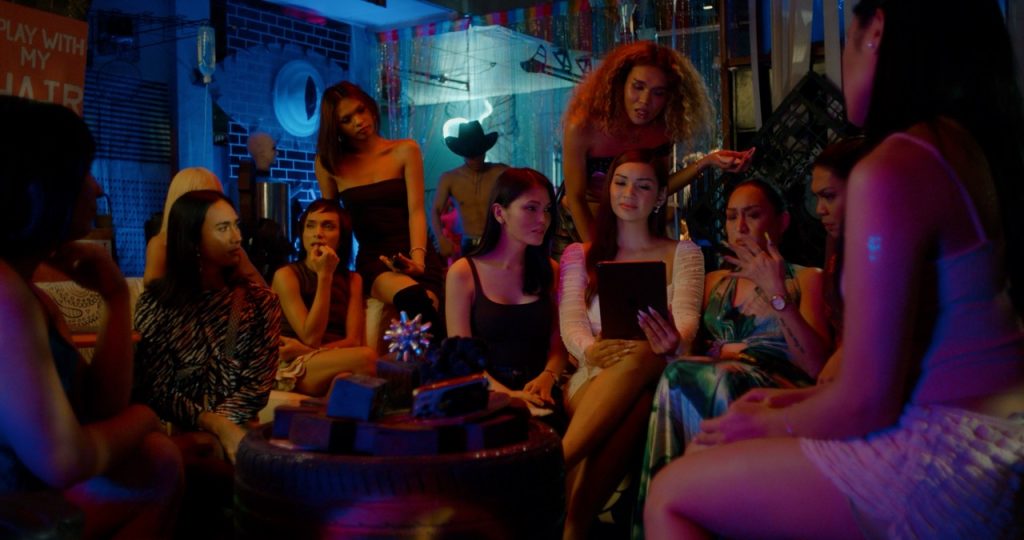
    “Dreamboi” is not your typical film that sets the main character on a journey toward a goal. Instead, Singh’s movie is an exploration of the psyche of a trans woman who navigating and surviving an unwelcoming world through fantasy. It is not enough that she has her tribe, a group of trans women who serve as Diwa’s found family, in a bar in Barangay Pag-asa run by a mother figure played with such verve by Iyah Minah. It is not enough that Diwa has an officemate, Maki (Migs Almendras), who showers her with affection and flirts with just the right amount of tenacity as to not become a stalker. Dreamboi becomes a symbol of Diwa’s strength and sense of self. Her proximity to him, whether it’s through the CDs she orders and listens to on her headphones or in the blurred lines of fantasy and reality within that basement level restroom where they see each other through a dirty mirror as Diwa relieves herself and Dreamboi pleasures himself, this becomes a coping device that allows Diwa to keep moving forward.

    Dreamboi

    Jallorina is a force of nature. She manages the tension that is pulling at Diwa, allowing her to be soft and vulnerable when she’s around her found family in Barangay Pag-asa, and equal cold and stern when confronting a bully in her office (Meanne Espinosa). She even bends this a little when around Maki, whose flirtations she does not dismiss outright but keeps him at a distance – Is it caution? Is it self-preservation? Does she not want to ruin the friendship? It’s a different character altogether but inherently still Diwa.

    Dreamboi

    Jallorina gives Diwa a full range of character that makes her fully nuanced and textured. The most powerful of which is when she allows herself to fully break down when her world crashes around her, showing a vulnerability that is captured wonderfully through the camera.

    Dreamboi

    “Dreamboi” is far from your usual, run-of-the-mill movie. It’s weird and it’s not afraid to be weird. Singh skillfully balances multiple genres, portraying the trans woman’s life as horror, comedy, light romance, moving drama, and hard-hitting erotica. The dynamic music by Silas and the sound mixing and design by Immanuel Verona and John Buquid never allows the audience to settle. The caution and apprehension Diwa feels at all times punctuates the soundscape, and Singh never fully brings the film into the genre of comedy so as to not underplay the constant threat of danger. But “Dreamboi” does have its funny moments. 

    Dreamboi

    As part of Sine Silip, “Dreamboi” also has its sexually charged scenes. But in this film, as Tony Labrusca and Jenn Rosa (who plays Lilith, Dreamboi’s partner) throws themselves into the film’s sex scenes, what we see is Diwa’s psyche taking physical form. Here, sex becomes power and the more Diwa imagines it, and eventually imagines herself a part of it, the film’s erotic scenes then become a trans woman’s reconciliation of her own empowerment. All the indignities she suffers, she pushes through as she finds it in herself to believe what she knows is true, no matter how hard others try to take it away from her.

    Dreamboi

    “Dreamboi” is more than just a movie. It’s a trippy, erotic fantasy that blurs the line between fantasy and reality to depict some of the survival mechanisms at play in a trans woman’s life. It’s a powerful film that doesn’t play by the rules and why should it? 

    My Rating:

    A Big Bold Beautiful Journey


    Step into the surreal world of “Dreamboi” a bold, rule-breaking film, now showing in cinemas. Check showtimes and buy tickets here.

  • MOVIE REVIEW: Uneven But Enjoyable, ‘Near Death’ is Still a Fun Pinoy Horror Film

    MOVIE REVIEW: Uneven But Enjoyable, ‘Near Death’ is Still a Fun Pinoy Horror Film

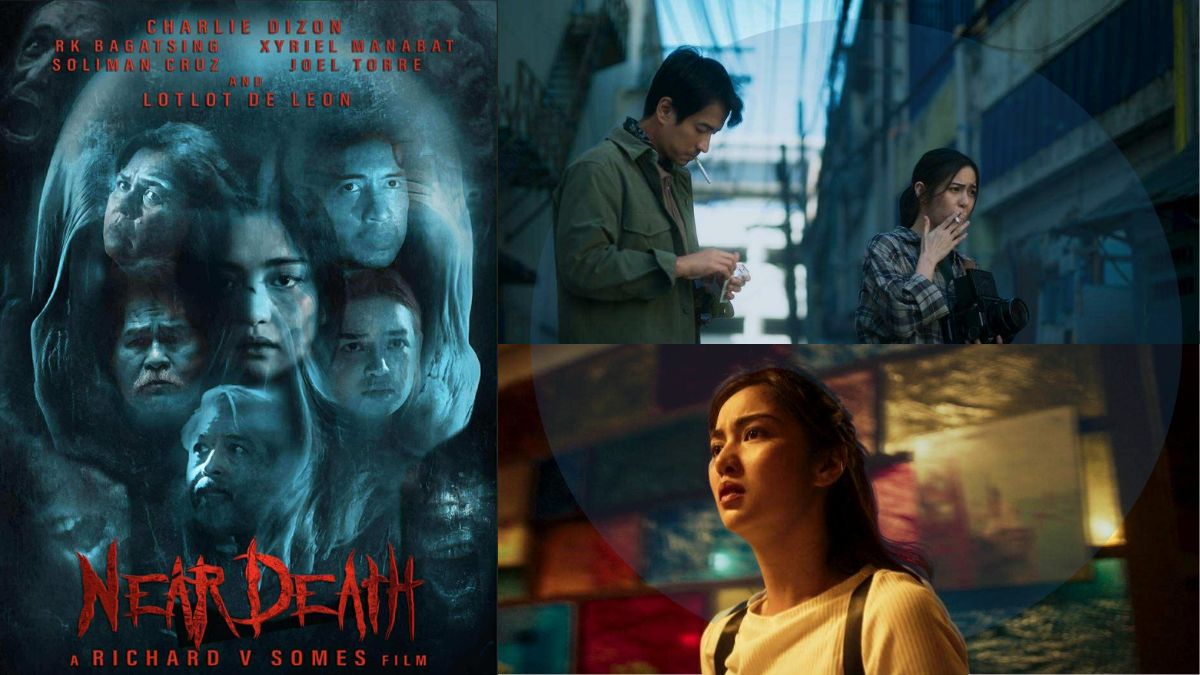
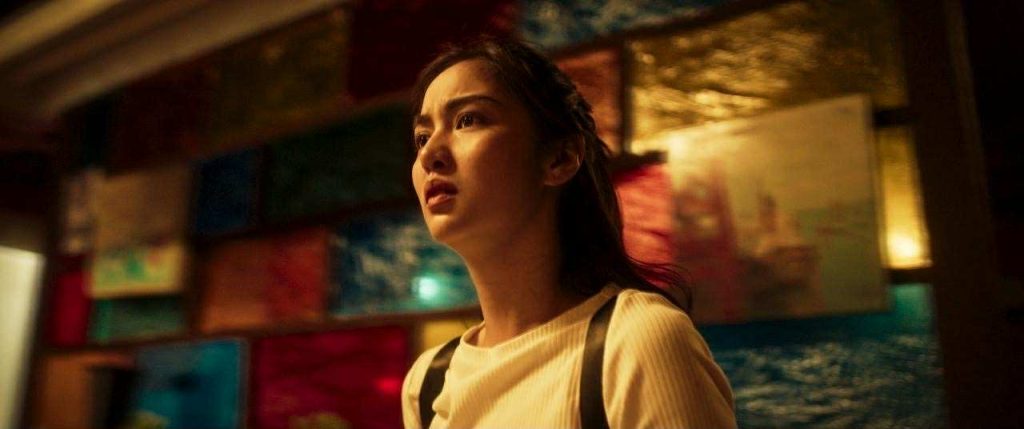
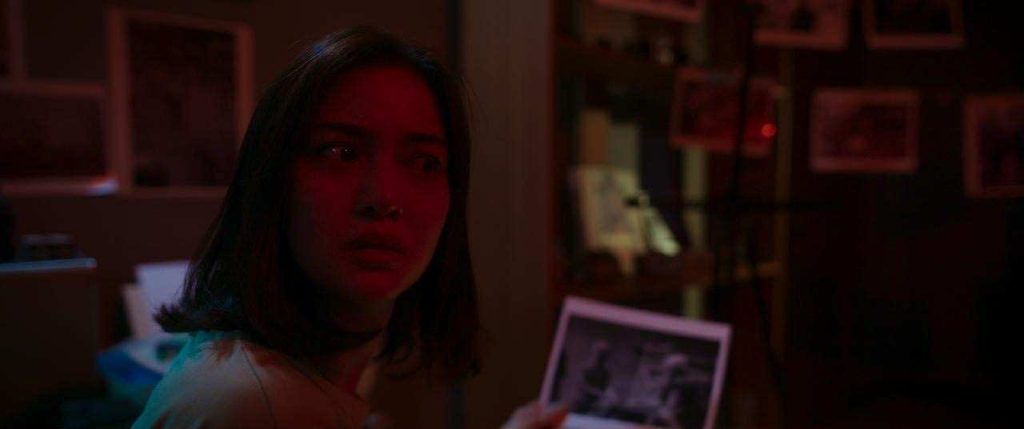
    Premiering in SM’s Sine Sindak, director Richard Somes delivers an enjoyable Pinoy horror film with lots of jump scares, frightening imagery, and brutal action in his latest film ‘Near Death.’ This is the kind of film that’s best to watch with your friends or family, screaming at the thrills and scares and having a good time this Halloween season.

    Near Death

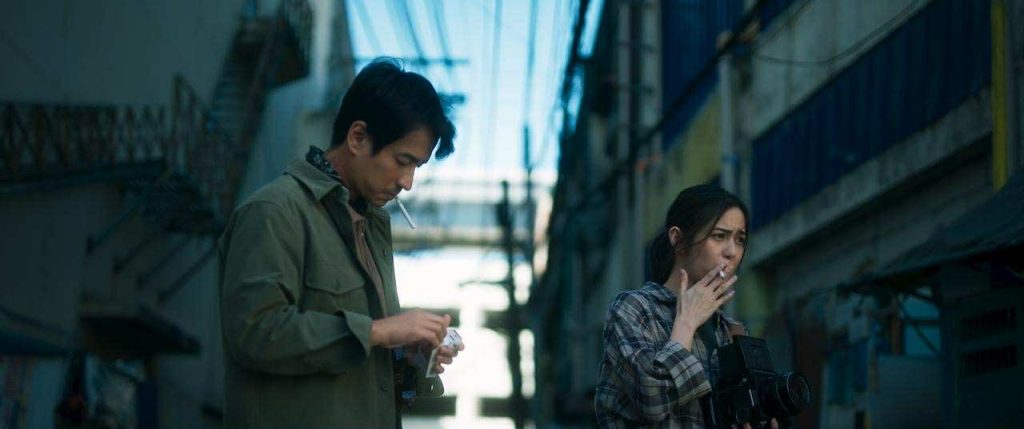
    ‘Near Death’ is about Julia (Charlie Dizon), who is revived after she throws herself off her building. She’s a tortured soul with a dark past that led her to committing suicide but she was quickly brought to the hospital and was saved by the doctors there. She recovers back at home where her sister, Mia (Xyriel Manabat), watches over her as does the security guard of her building, Mang Celso (Soliman Cruz), and a neighbour, Aling Salve (Lotlot De Leon). But when Julia was brought back, something came along with her. Visions of a hellish limbo intrudes into her sight, and she can see ghosts who are trying to take her body. While many don’t believe her, most especially Mia, Aling Salve believes in the supernatural and she finds connection with another survivor of suicide, Lucas (RK Bagatsing). 

    Near Death

    While the screenplay by Somes and Jim Flores is the weakest part of the film – it has a tendency to meander, introduce characters that don’t serve the story (such as Julia’s boyfriend who appears at the start and never is seen again), it leans too heavily on the drama at times – the film finds its footing through Somes’ understanding of the genre and his deftness at crafting the mood and atmosphere that makes the film dark, heavy, and scary.

    Somes exploration into the ghost story is very physical and kinetic. His camerawork, lenses by Luis Quirino, is an active agent in creating the set ups for the jump scares and the frightening scenes. Every place is dark, filled with shadows, and editor Jamie Dumancas allows a seamless flow so when things start to turn violent, everything is caught on camera, displaying the brutality of being haunted by ghosts.

    ‘Near Death’ explores the paranormal consequences of breaking through to the other side. It doesn’t go too deep into the psychosis of these characters but what it wants to portray is how these dark thoughts stay with us, take physical form, and harm us if we don’t try to get help and find some form of redemption from the trauma that holds us down.

    Near Death 1 2

    Dizon, De Leon, and Cruz are wonderful actors that create a sense of believability to the world. They manage to play out the film’s horror in ways that makes it thrilling and exciting but also imbibe the film with a heart that keeps the film centered on the human aspect of the film’s genre. Manabat, unfortunately, has all the high-drama moments and approaches the character at such a high level that it comes off one-dimensional. It’s high-energy that doesn’t build up and could use a bit of nuance in its delivery. On the other hand, Bagatsing is always a reliable actor, but Lucas is an underwritten character and so while Bagatsing is a good sounding board for Dizon, there’s not much he can do to make the character go beyond that of a plot-device. His own agency doesn’t quite come into play in the film.

    Regardless of its flaws, ‘Near Death’ is a perfect Pinoy horror film. Under Somes’ strong direction and production design, the film is visually impactful and has all the trappings of a fun time in the theater. This is a good popcorn movie for the Halloween season.

    My Rating:

    A Big Bold Beautiful Journey


    Near Death is now showing on the big screen. Check showtimes near you.

  • MOVIE REVIEW: If Not Taken Seriously, ‘Shell’ Can Be a Campy, Crazy Trip

    MOVIE REVIEW: If Not Taken Seriously, ‘Shell’ Can Be a Campy, Crazy Trip

    Despite a weak script by Jack Stanley, ‘Shell’ manages to be playful, silly, and also downright creepy as director Max Minghella leans towards a campy tone that saves it from failing as a horror film. The fact that its two stars, Elisabeth Moss and Kate Hudson, understood that the film lacks gravitas, plays it a little over-the-top, synching in with its silly atmosphere and bringing it to camp.

    ‘Shell’ is set in a not-too-distant future filled with a lot of self-driving cars and a beauty and cosmetic industry that ensures everyone can look good. So, when Samantha Lake (Elisabeth Moss), an actress with a hit TV sitcom, attends auditions surrounded by flawless women who are stick-thin. She has a healthy figure, with curves in all the right places and by all accounts, she is a beautiful girl, as is Moss. But the film positions her as someone who isn’t trying hard enough. It doesn’t help that she has psoriasis that adds to her insecurities. Her agency just signed a contract with a leading cosmetic treatment facility called Shell, run by Zoe Shannon (Kate Hudson), who is playing a senior citizen but the treatments at Shell have kept her youthful. Samantha’s agency suggests she takes treatments to further her career.

    Shell

    Samantha goes through with the treatment, which implants crustacean genes into her body. This allows her cellular processes to shed old cells and regrow new ones, keeping her young forever, much like Zoe. But based on the film’s opening, a prologue where a woman (a cameo by Elizabeth Berkley) is suffering from strange growths coming out of her skin. Zoe befriends Samantha and forces the meek and insecure Samantha to come out of her shell, pun intended and fully embrace her femininity and power. But Samantha begins showing signs of the same growth and the film swiftly shifts from a creepy suspense film into body horror.

    Stanley’s script is bit on the nose and has a tendency to write in scenes and narrative points that don’t really lead anywhere and slows down the film’s pace. But Minghella allows his two lead actresses to act up a storm, letting them play that leans into the silliness of the narrative and brings it into the realm of camp. Unfortunately, camp also needs to have big ambitions and failing at them and ‘Shell’ isn’t as ambitious as it should be to really settle into that mold. So, while the film fun and enjoyable, it lacks the spark that made a similar movie like ‘The Substance’ truly memorable. 

    Minghella is pretty good at creating creepy moments and managing the tension, allowing it to build and build so that when the film enters into the genre of a creature feature, complete with a giant monster, we are already prepared. The film goes off the rails and into absurdist territory by the last 20 minutes, with Kate Hudson veering into crazy villain mode that you can’t help but laugh.

    Both Moss and Hudson are exceptional actors, and the way by which they lay it on thick makes ‘Shell’ enjoyable to watch. Moss excellently shifts Samantha from the meek and insecure girl into the self-confident, empowered actress post-treatment but the character that was there at the beginning is still there, underneath, and manages to pop up when things go crazy. It’s a wonderful juggling act that elevates the film. Hudson, on the other hand, is completely committed to the craziness of the film’s premise. She sells it by being so dedicated to Zoe’s villain arc.

    What I did love about ‘Shell’, though, is how it empowers Samantha without turning her into another thin or flawless like the other women in the film. The film is steadfast in that a woman who isn’t svelte or model stereotype is still desirable and can be a star. While failing to reach the satirical heights of ‘The Substance,’ there’s a quiet charm to ‘Shell’ that manages to present this thesis that feels very progressive, authentic and true.

    My Rating:

    stars 2 0


  • MOVIE REVIEW — When Unemployment Leads to Murder: A Review of ‘No Other Choice’

    MOVIE REVIEW — When Unemployment Leads to Murder: A Review of ‘No Other Choice’

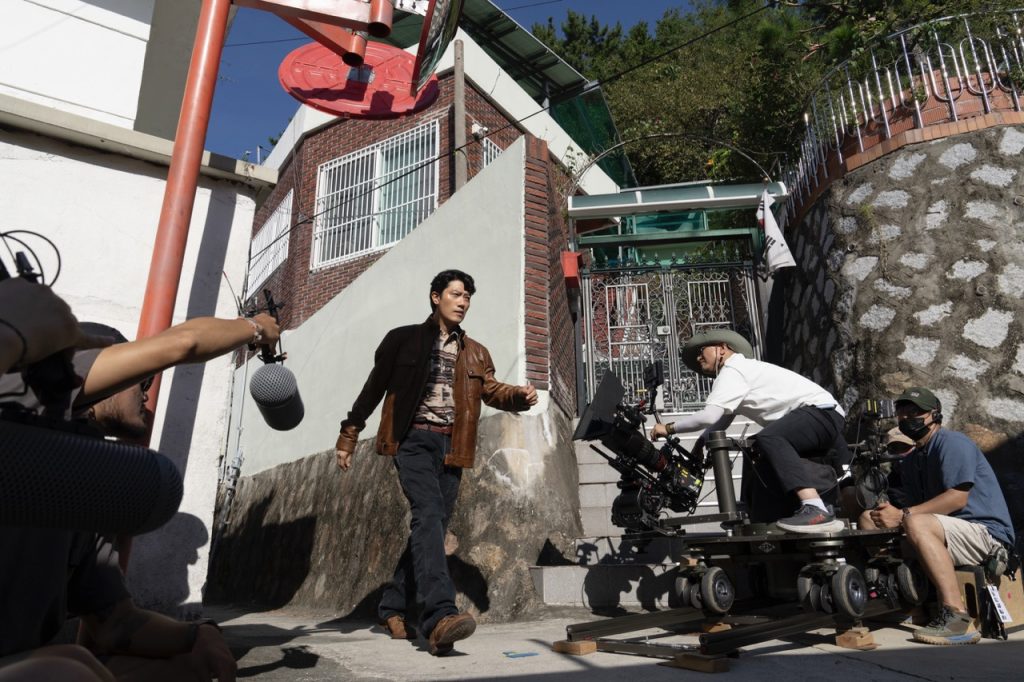
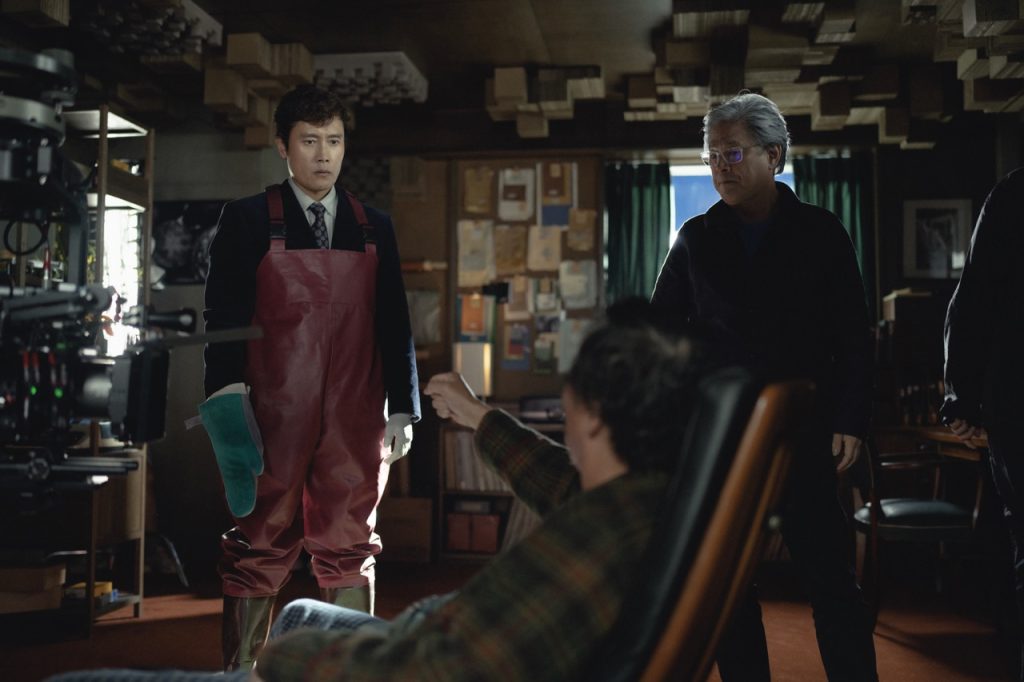
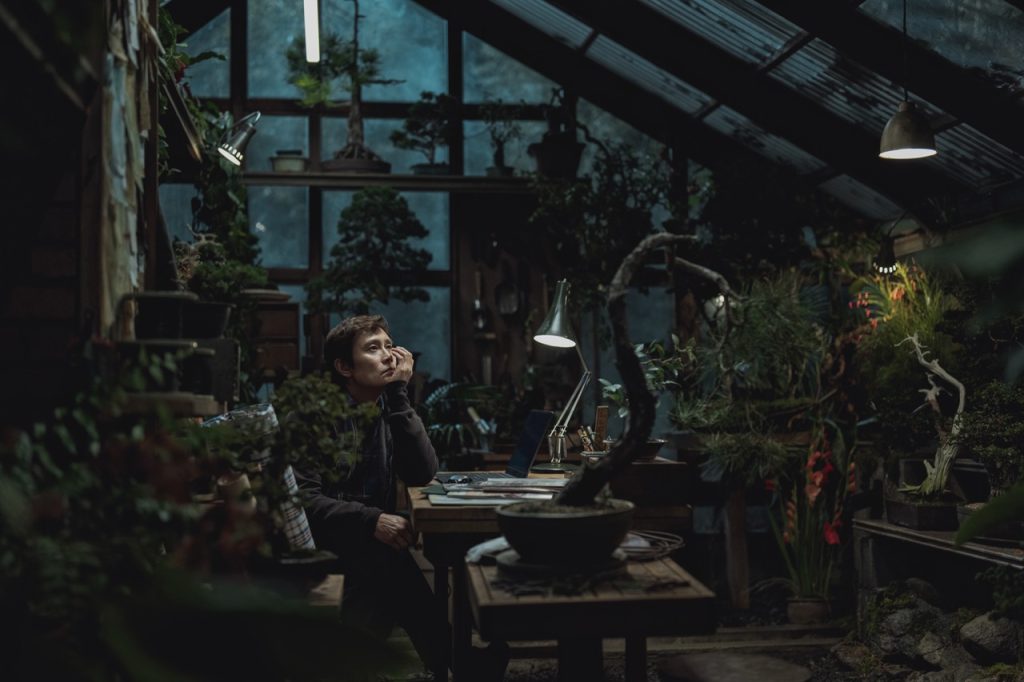
    A satirical black comedy, Park Chan-wook’s ‘No Other Choice’ uses humor and absurdity to highlight the human cost of modernization and industrialization. He spins a delicate web of fantasy and reality, taking a paper industry expert Yoo Man-su (Lee Byung-hun) and throwing his world asunder when he loses his job as the paper industry begins automating work that once needed people to do and manage. Before being laid off, Man-su was living an ideal life with his wife Mi-ri (Son Ye-jin), their two children, and two dogs in a wonderful home that he grew up in. Working in a dead-end job while applying to other paper companies, Mi-ri has to return to work while the comfortable life they used to live is slowing disappearing: less meat during meals, their dogs must move with Mi-ri’s parents, the bills are piling up unpaid. Man-su then plans to take extreme action to get back to a high paying job at a new paper company that has broken into the Japanese market and is willing to murder his competition for the post.

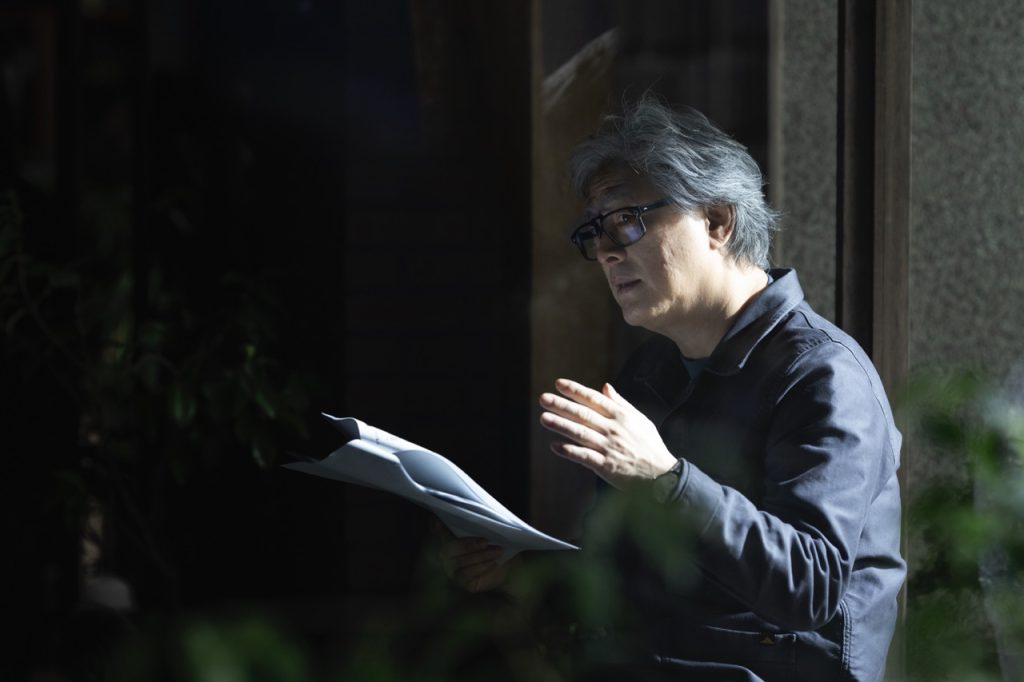
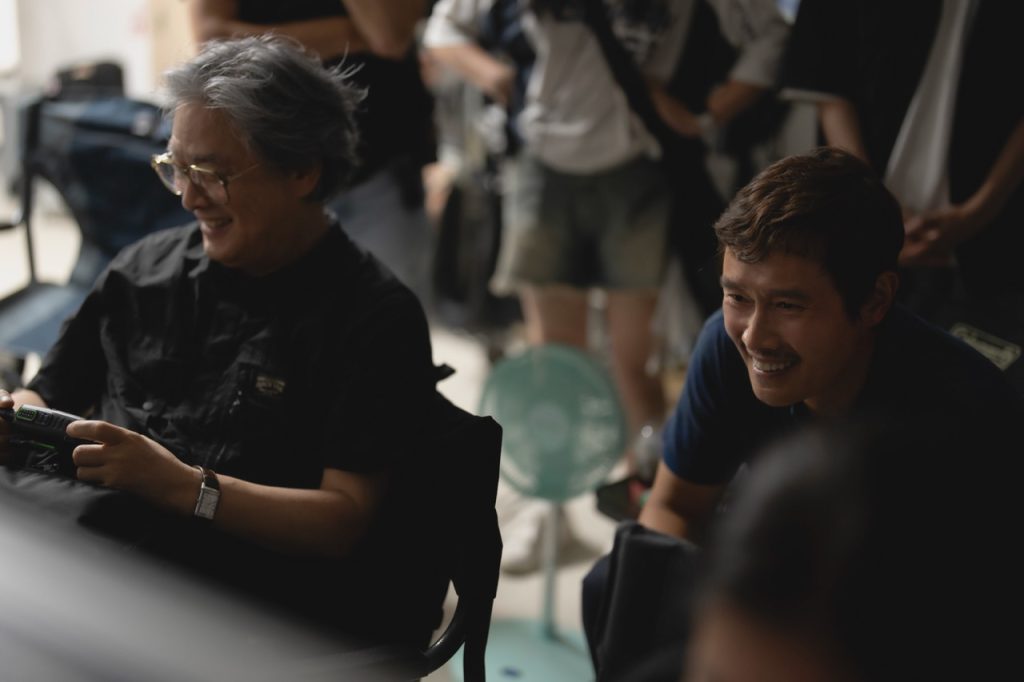
    Park Chan-wook is a fabulous director able to marry the conventions of comedy, suspense, and even absurdism into one cohesive whole. He jumps through various genres to keep the energy of the film rolling while we are laughing at the extremities of Man-su’s predicament and horrified by the lengths at which he’d go to protect his way of life.

    No Other Choice - Director

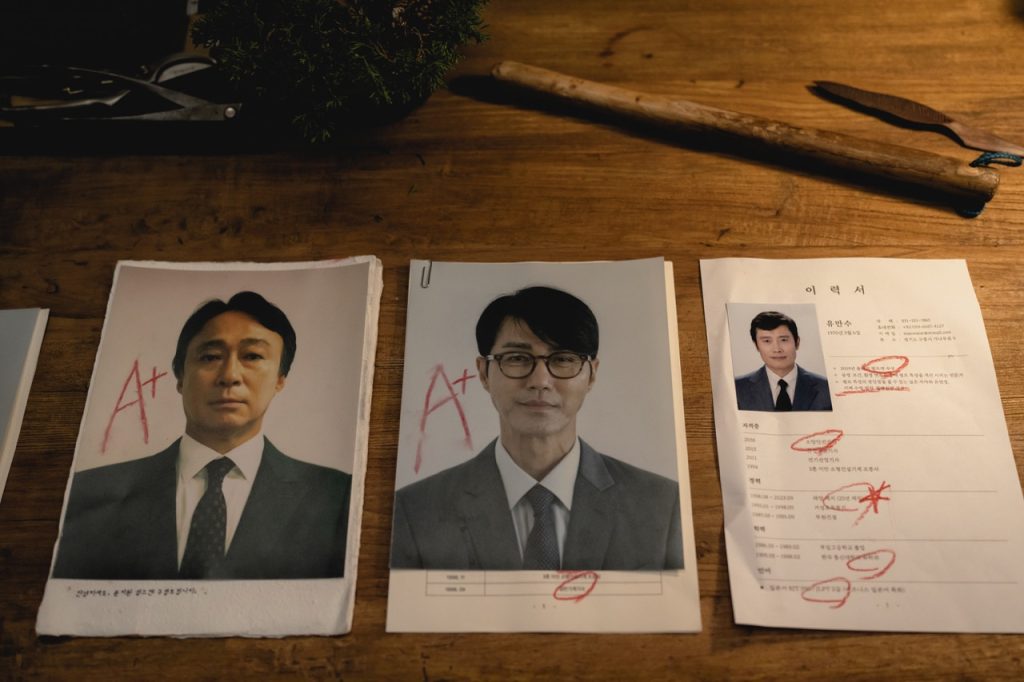
    He even goes so far as to create a fake company looking for applicants with the same qualifications as his own, just to find out who his strongest competitors are for the post at the new paper company.

    No Other Choice

    Man-su begins stalking each of them to find out how best to eradicate them from the competition. But since Man-su is not a killer, and the people who he follows are either hilariously situated in life, like Beom-mo (Lee Sung-min) and his wife (Yum Hye-ran), or on the opposite end, in a similar situation as he is, ‘No Other Choice’ brings through so many emotions.

    No Other Choice 06

    It doesn’t help that Son Ye-jin is an incredible actress, and Park Chan-wook also gives her some incredible moments that include fending off her boss at work (Yoo Yeon-seok), who obviously likes her, while wondering where her husband is off to at all hours of the day and night.

    No Other Choice STI BTS 07

    Her own fears and suspicions lead her to her own dark conclusions and those also of their son while it triggers their young daughter who is special in her own right.

    No Other Choice

    Park Chan-wook uses the full range of cinematic techniques to create vivid imagery that really elicits the emotions he wants to push in the film. Wonderful visually comedy that works hand-in-hand with the quick editing to induce humor in moments that lead to violence.

    No Other Choice

    Even the violence is funny. He manages to find humor in desperation all because there are solutions that are available, but his characters are so stuck in their old ways, their old way of living to truly embrace the change. 

    No Other Choice 01

    What he ultimately delivers is creating a powerful commentary on a capitalist world that favours having things, equating a good life with the things that money can buy, and thus allows us to laugh at Man-su and his dark road to a “better life” while still empathizing with him because we all are aware of the truth behind the seductive world of a capitalist society. There’s also a huge depiction of how modernization and industrialization are completely removing the human element, rendering us – and experts in their field – non-essential.

    No Other Choice

    ‘No Other Choice’ is a brilliant piece of work from the director behind such powerful films as ‘Old Boy,’ ‘The Handmaiden,’ and ‘Decision to Leave.’ I loved all those films, but I have to say that ‘No Other Choice’ might just be my favourite Park Chan-wook film as of the moment, for its precision and its deftness at juggling multiple genres and turning it into an enjoyable film with a strong punch.

    My Rating:

    A Big Bold Beautiful Journey


    Don’t miss Park Chan-wook’s No Other Choice, a sharp, hilarious, and haunting look at the cost of ambition in a modern world. Check showtimes and buy tickets here.

  • Movie Review —  Demystifying the Hero: a Review of ‘Quezon’

    Movie Review — Demystifying the Hero: a Review of ‘Quezon’

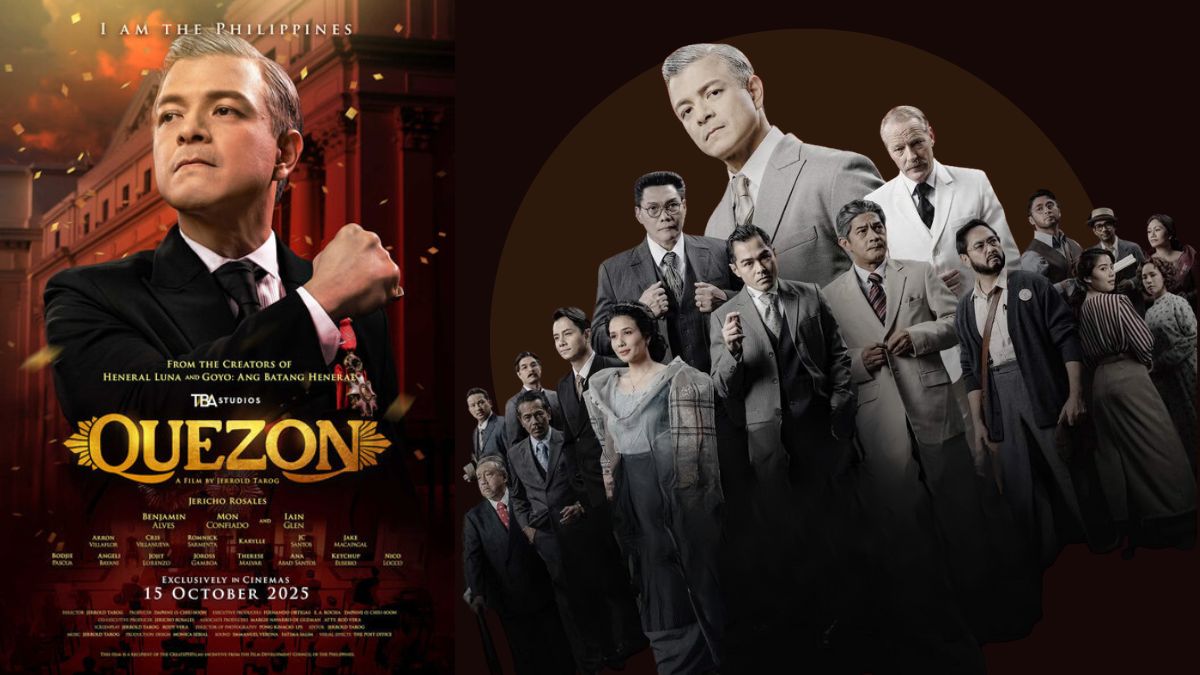
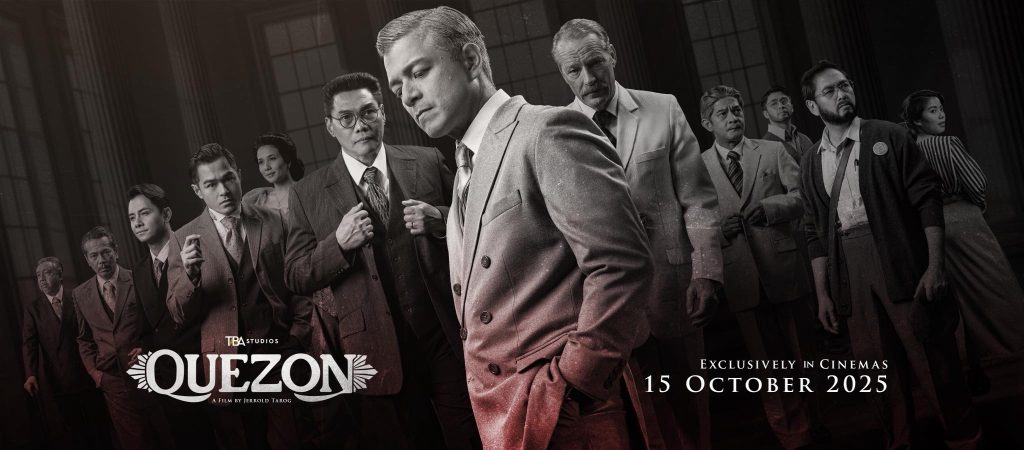
    The final installment of Jerrold Tarog’s Bayaniverse is a powerful political drama that details the cunning machinations of Manuel Quezon and his bid for being the first Filipino president of the Republic of the Philippines, outside of American colonial rule. ‘Quezon’ unabashedly paints the Philippine president as a manipulator and somewhat of a narcissist, quite adept at playing the political game and creating a system that allowed him to fulfill his agenda at the price of creating today’s patronage political system.

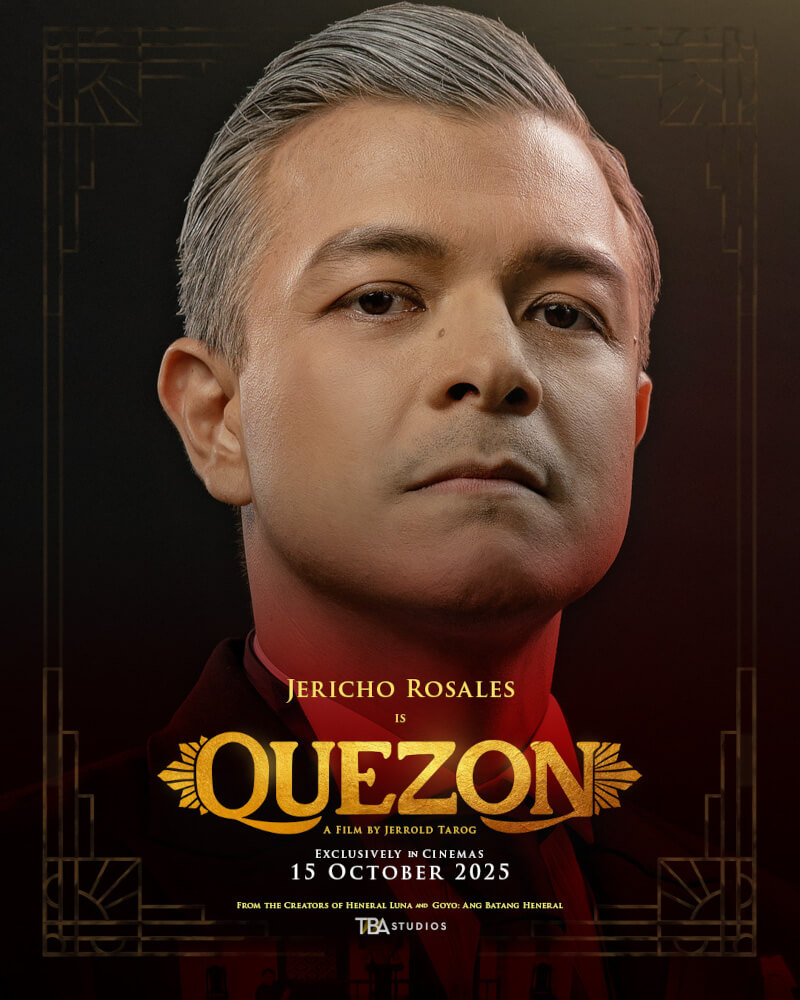
    Jericho Rosales is completely transformed as the charming, cutthroat Manuel Quezon. He uses his full superstar onscreen presence to showcase Quezon’s ability to broker deals, convince rivals to join forces, and to outwit the American colonial forces. His posture, his intonation and line delivery is so affected that it almost feels comical, put-on but as the film continues to unfold and the consistency of his performance wins you over, you stop seeing Rosales and he becomes this political mastermind.

    Quezon

    Co-written with Rody Vera, director Jerold Tarog makes full use of the medium of film, creating a film within the film to showcase Quezon’s use of the platform to help create a myth of his persona. Tarog employs the character of Nadia Hernando (Therese Malvar), who is a director and puts together Quezon’s propaganda films. The films are so successful that it helps catapults Quezon’s popularity but Nadia and her father, the journalist Joven Hernando (played by Cris Villanueva as the older Joven and Arron Villaflor as the younger Joven in flashbacks), know the truth behind the myth they’ve made.

    While the films paint Quezon as a hero, a secret cut of the film made by Nadia shows the truth she and her father know. It details the way Quezon has run circles around the American governor-general Leonard Wood (Iain Glen) and Quezon’s own rival and, later, his vice-president Sergio Osmena (Romnick Sarmenta). It details all the ugly politicking that transpired during the eventual presidential campaign when he goes toe-to-toe with Emilio Aguinaldo (Mon Confiado) for the presidency.
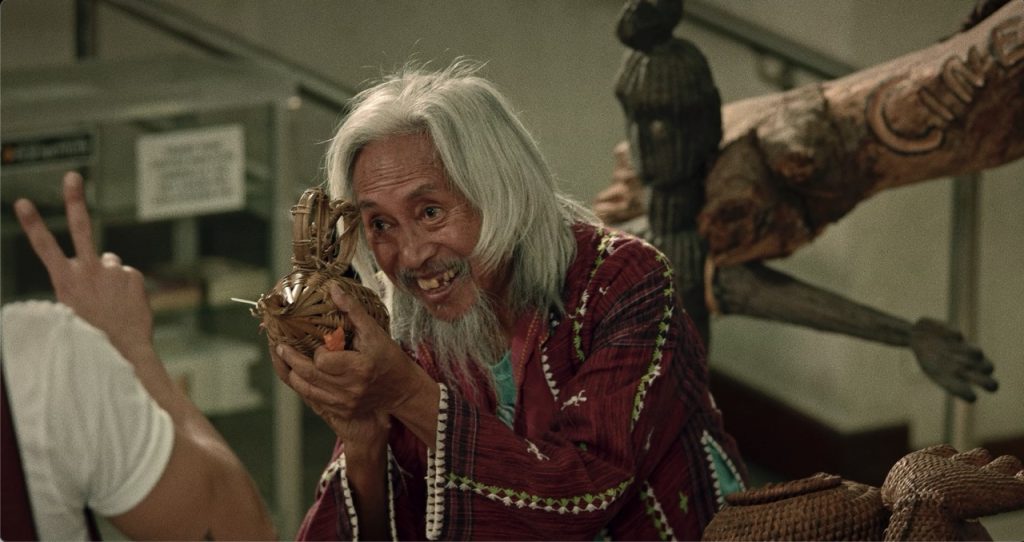
    Throughout the film’s 139-minute run time, what we see is the origins of personality politics in the country and the establishing of our patronage system. The veil has been lifted and the story that Tarog and Vera weave is one of dirty politics, all in the name of winning freedom and independence from the colonial hold of the United States.

    No matter how charming and effective Jericho Rosales is in his portrayal of Quezon, what really comes to light is how powerful media is in our game of politics, that in order to win in that field one must be willing to do whatever it takes, and like Quezon’s wife, Aurora (Karylle) tells him when he asks her if what he’s doing is right, her response is as honest as it can be: “I believe you believe what you are doing is right.”

    Quezon

    ‘Quezon’ is grand and epic in scale and scope. Tarog imagines for us what the campaign during this period would be like: large-scale crowd scenes, gorgeous scenery of colonial architecture, and striking costumes that highlight our American and Spanish colonial roots while interplaying this with that of our folk and local sensibilities when portraying the people whose very nation Quezon is fighting for.

    Quezon

    The movie is thrilling, never dawdling. The pace is quick and brutal, and its imagery is playful and dynamic. At one moment, it captures Quezon in mid-manipulation, sly and cunning; in another scene, he comically loses his temper (which funnily enough happens quite a lot). Other times, the backstory is filled in the form of a silent film that Nadia creates for us to see their perception of Quezon’s truth.

    But the most powerful thematic idea that really comes to the forefront, is in the midst of fighting for our independence, Quezon gets lost in the battle and makes this about himself; or maybe it has been about him all this time. It underscores that our political history has always been the battlefield of narcissists who crave for power, to direct the course of our nation’s history whether with the best of intentions or not. Watching the film, I’m amazed at its technical flourish, its bravado and ambition. But as the film ends, I’m feeling rage and anger, seeing the root cause of our issues with our government as detailed by the news and social media these past few weeks. The film’s timing couldn’t have been any better.

    My Rating:

    A Big Bold Beautiful Journey


    Catch Quezon on the big screen and witness how history, ambition, and myth collide in Jerrold Tarog’s bold reimagining of Philippine independence. Check showtimes near you.

  • Movie Review — Cinemalaya XXI: The Rewards of ‘Cinemartyrs’ Are Immense If You Can Get Through Its Digressive Experimental Narrative

    Movie Review — Cinemalaya XXI: The Rewards of ‘Cinemartyrs’ Are Immense If You Can Get Through Its Digressive Experimental Narrative

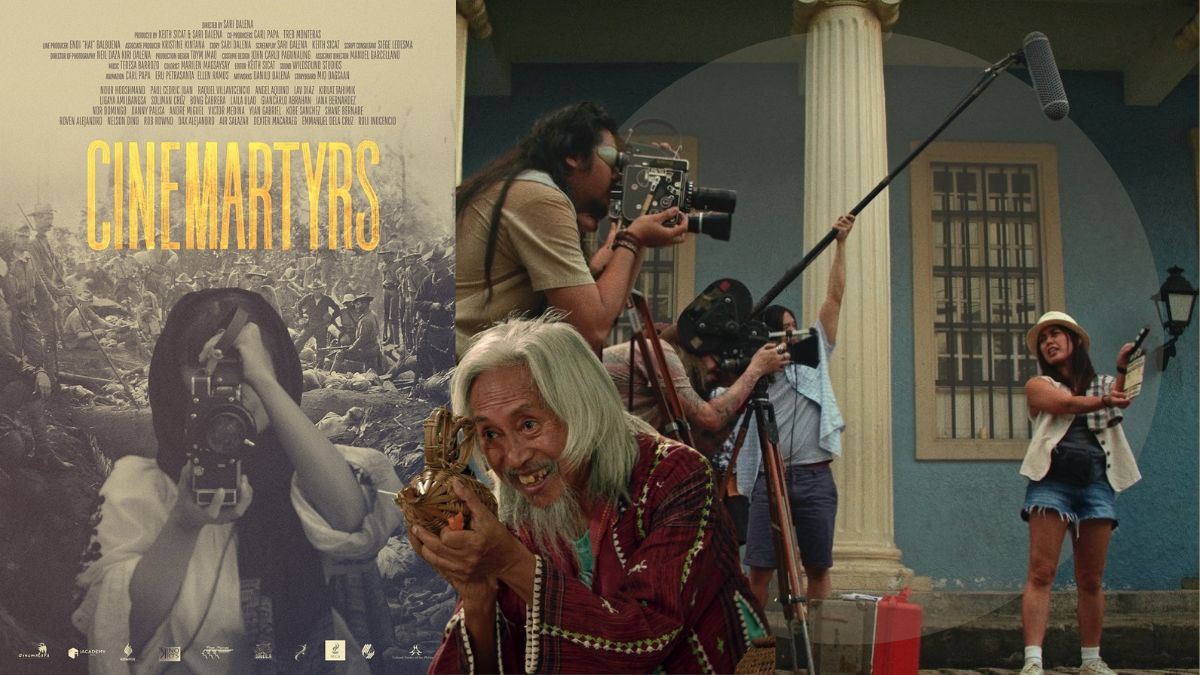
    The conceptual conceit of Sari Dalena’s ‘Cinemartyrs’ creates a fantastic moment of catharsis at her film’s end that sort of rewards the audience from being able to muster the labyrinthine first half of her film. It’s a personal essay, a narrative historical rumination, and an artist’s statement about the power of film, all rolled into one experimental movie. The film meanders and strays from its plot, building a world that picks up all the elements it juggles into the air and creates a collision that can leave you breathless. It wasn’t an easy film for its first hour but once we reach the point of intersection, the film becomes a celebration of all that is wonderful about film and filmmaking.

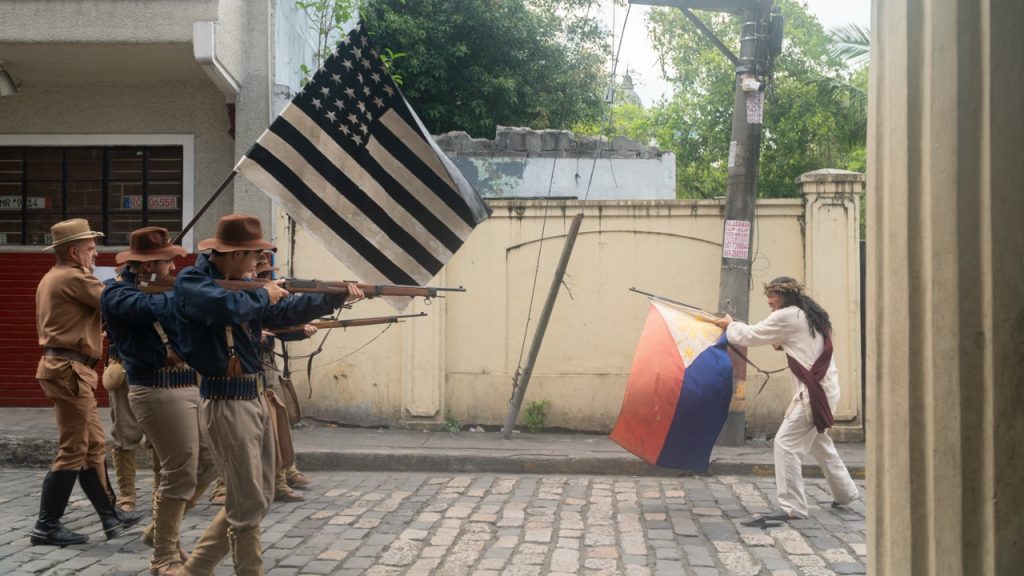
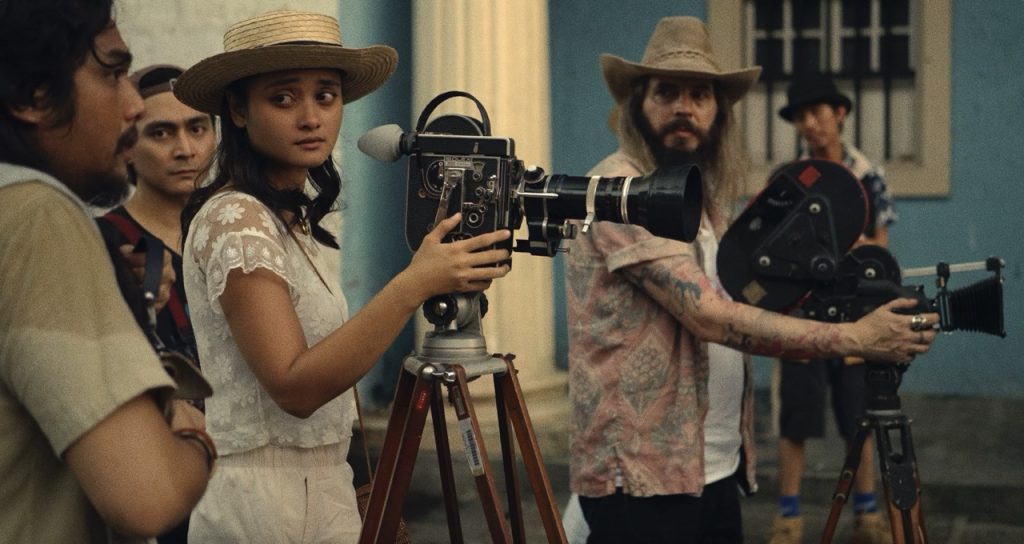
    ‘Cinemartyrs’ follows Shirin (Nour Houshmand), a young filmmaker shooting a documentary that reenacts massacres from the Philippine-American war. When she shows her progress to the grant-giving body, they belittle her and the footage she has presented calling it incomplete.

    Cinemartyrs
    Cinemartyrs | Photo courtesy of Cinemalaya / CCP Corporate Communications Division’

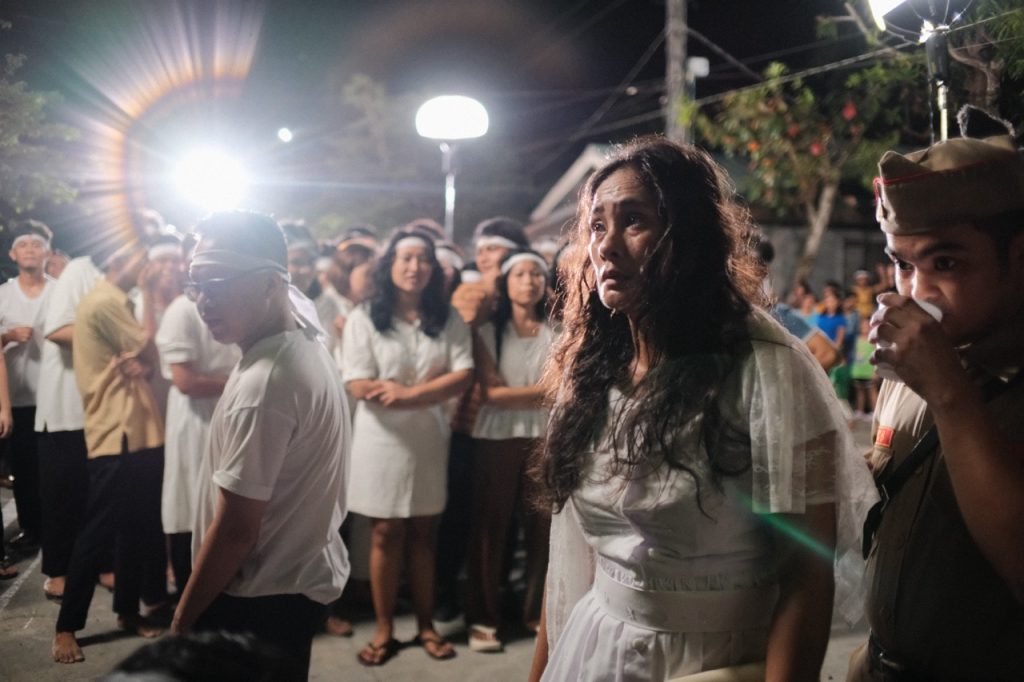
    She is then asked to include historical events that happened in Mindanao and Shirin takes her small crew to Jolo to document and revisit an American surprise attack on a Tausug village during a wedding. But as she begins filming on site, she touches upon something profound and metaphysical.

    Cinemartyrs
    Cinemartyrs | Photo courtesy of Cinemalaya / CCP Corporate Communications Division’

    ‘Cinemartyrs’ is an experimental film that uses the medium to remember fragments of history that is lost, to comment on them, and at the same time, make a commentary on the medium itself as a convergence point of history, geography, and culture.

    BTS 3 CINEMARTYRS
    Cinemartyrs | Photo courtesy of Cinemalaya / CCP Corporate Communications Division’

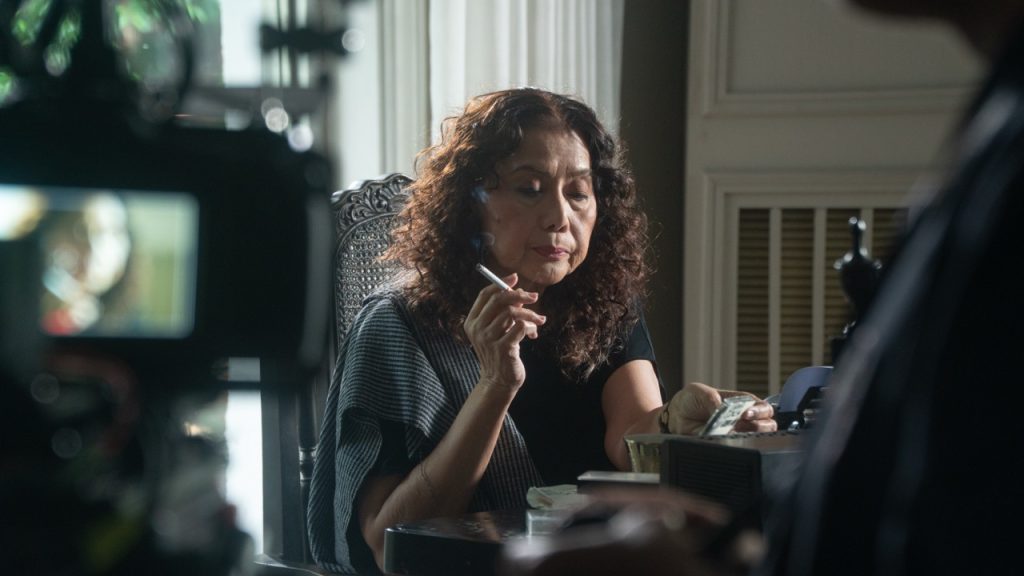
    Time operates differently in the film, such as a wonderful scene showing Shirin’s mom (Raquel Villavicencio) working on research about Filipina directors and screenwriters from the early days of the Philippine film industry.

    Cinemartyrs
    Cinemartyrs | Photo courtesy of Cinemalaya / CCP Corporate Communications Division’

    She is rediscovering them, engaging with them and their contributions to Philippine cinema and thus is able to bring back their spirit and have a conversation with them. This scene occurs within the first hour and diverts the narrative plot but becomes an essential element that plays on hard later on in the film.

    Cinemartyrs
    Cinemartyrs | Photo courtesy of Cinemalaya / CCP Corporate Communications Division’

    But there are many digressions such as these in the film that can make the viewing of it a bit strained. It starts and stops and sometimes it works marvelously, like the scene of Villavicencio, but it can also appear indulgent and unnecessary as when Shirin and her husband, Kevin (Cedrick Juan) meet and have a sit down with Kidlat Tahimik (playing himself) talking about the duende, which Tahimik has discussed in many venues. Its repetition in the film feels out of place, so ordinary in a film that’s operating in the realm of the metaphysical.

    Cinemartyrs
    Cinemartyrs | Photo courtesy of Cinemalaya / CCP Corporate Communications Division’

    Things don’t fully come together until the third act, when Shirin and her small team arrive at the Tausug village to reenact the massacre, and that’s when the film’s thesis finally comes into play. All the disparate subplots and digressions start to come together to create a climax that’s as visually stunning as it is profoundly moving.

    Cinemartyrs
    Cinemartyrs | Photo courtesy of Cinemalaya / CCP Corporate Communications Division’

    The past is thrust into the present, the present is engaging with the past in a way that may be impossible and in the final scene of the film, the future is made clear. At the center of all of this is the medium of film as a gateway for this intersection. 

    Cinemartyrs
    Cinemartyrs | Photo courtesy of Cinemalaya / CCP Corporate Communications Division’

    The film is definitely a personal one, with certain character interactions and dynamics feeling less universal and more distinct and unique; an inside joke we are made privy to but not included in. But what Dalena ends up creating is a love letter to Filipino women filmmakers who have paved the way in the industry and the way that they continue to break boundaries. Their very existence – and in the process of remembering them – is an opposition to the patriarchal hold of oppression our colonial past has left us. This is an immense work that requires a lot from its audience but also gives back tenfold.

    A Big Bold Beautiful Journey


    Cinemartyrs is showing on the big screen. Check cinema showtimes near you and grab your tickets today.

    This year, don’t miss Cinemalaya 21: LAYAG sa Alon, Hangin, at Unos happening from October 3-12, 2025! Witness another stellar lineup of stories that will move you and showcase the brilliance of Philippine cinema. Follow the Cultural Center of the Philippines and Cinemalaya for updates.

  • Movie Review: The Future is Pretty but One-Dimensional: A Review of ‘Tron: Ares’ 

    Movie Review: The Future is Pretty but One-Dimensional: A Review of ‘Tron: Ares’ 

    Set in an unspecified near future where tech companies now have the technology to transfer programs from a virtual, computerized world and give it physical form in the real world, ‘Tron: Ares’ creates many reasons for and against the future of AI technology but never really saying any one thing conclusive about it. It opens a lot of questions and points of discussion, but seems more interested with its gorgeous visual effects and a tedious, overcomplicated plot revolving around an errant AI program and a tech CEO determined to save the world.

    The film is billed as a “standalone sequel” to ‘Tron: Legacy,’ which came out 15 years ago. You don’t have to see the last film (or the first) to pick up what’s going on. I’ve seen both ‘Tron’ and ‘Tron: Legacy’ and barely remember much of both but didn’t really need that info to follow ‘Tron: Ares.’ What’s established is that there is a virtual world called The Grid, which a human was able to enter in the first two movies.

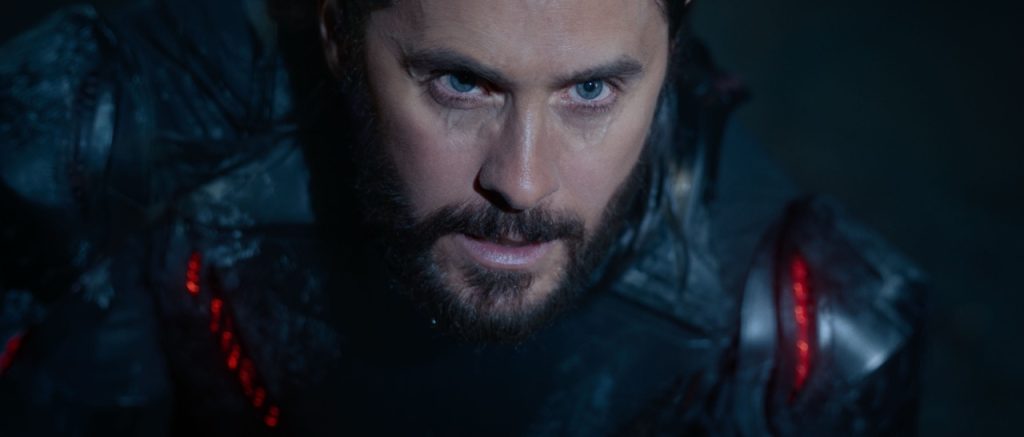
    TRON: Ares
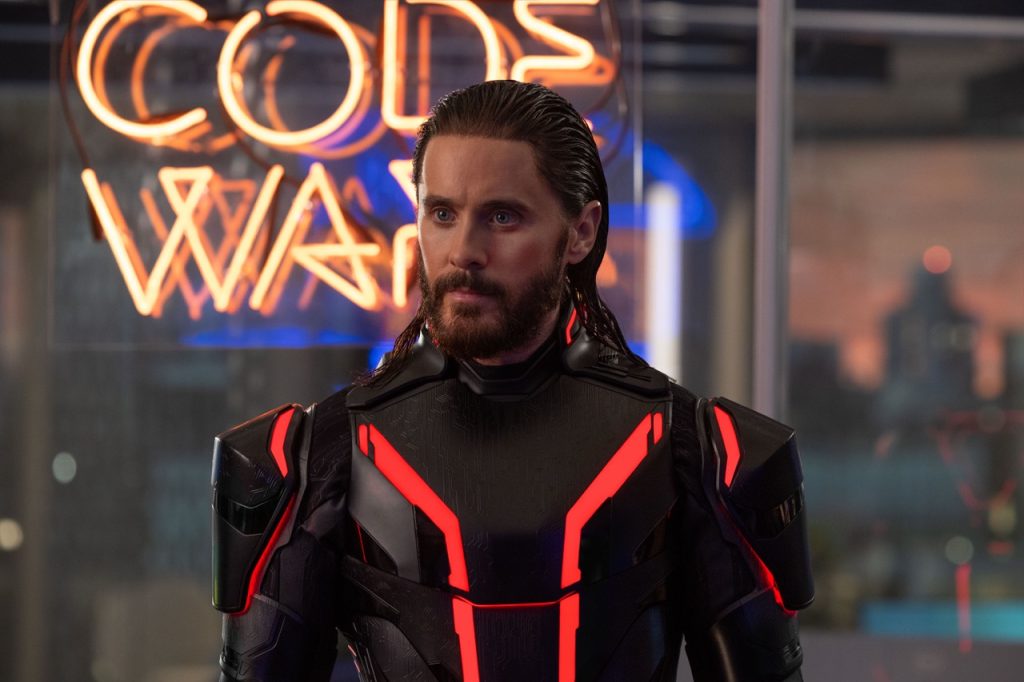
    Jared Leto as Ares in Disney’s TRON: ARES. Photo Courtesey of DIsney. © 2024 Disney Enterprises, Inc. All Rights Reserved.

    But in the third installment, two rival tech companies are competing to find a code that can make programs they laser-printed from The Grid into the real world permanent.

    TRON: Ares
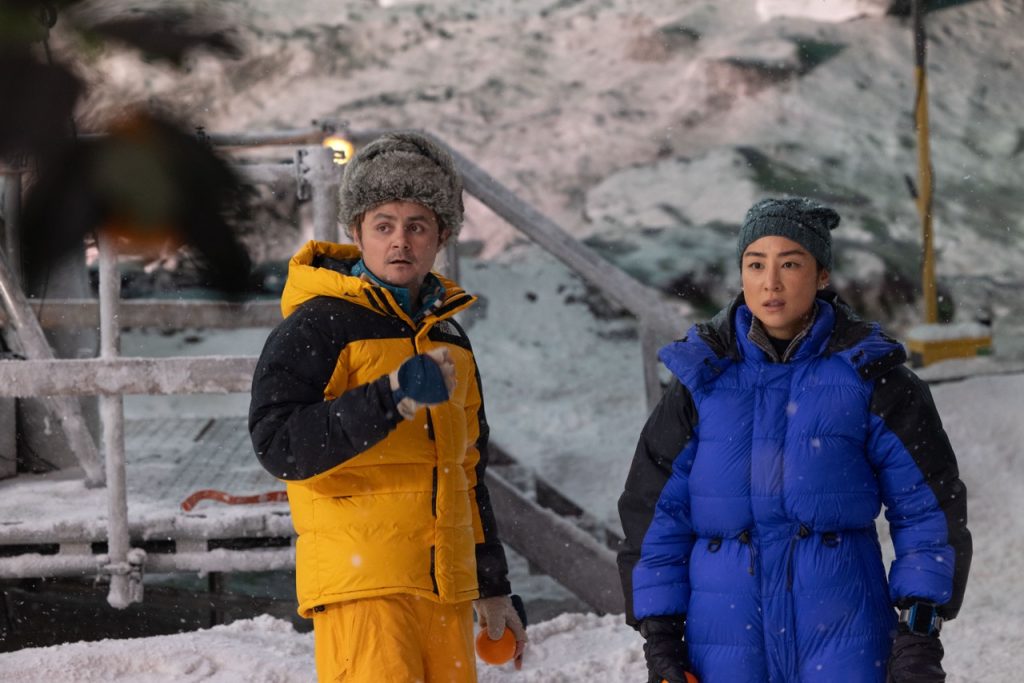
    (L-R) Arturo Castro as Seth Flores and Greta Lee as Eve Kim in Disney’s Live Action TRON: ARES. Photo by Leah Gallo. © 2025 Disney Enterprises, Inc. All Rights Reserved.

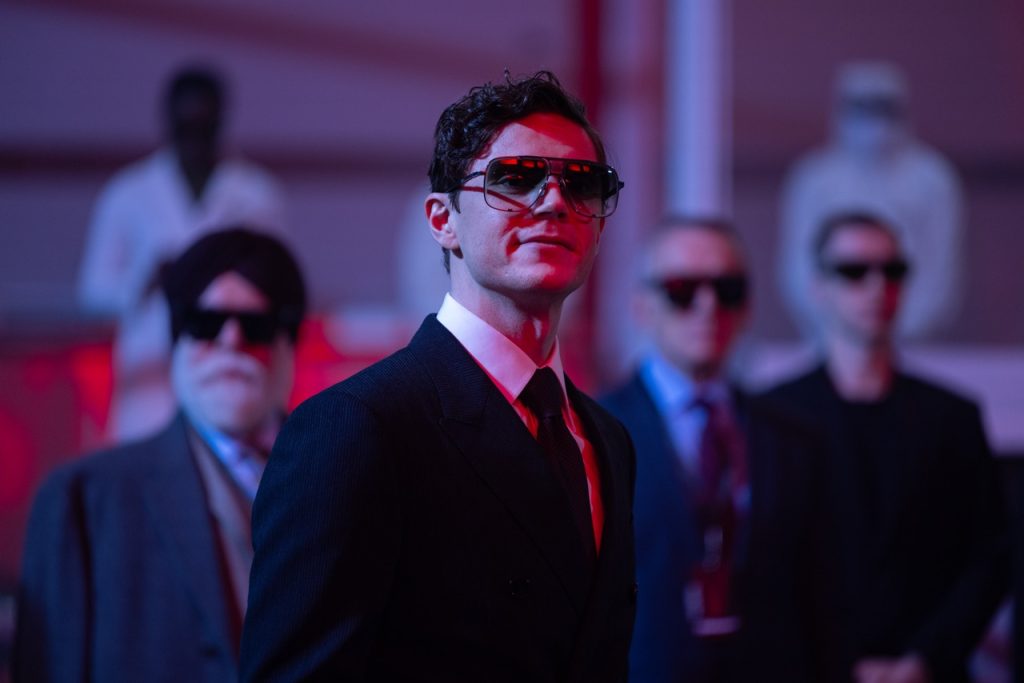
    Eve Kim (Greta Lee), CEO of ENCOM, wants to use the code improve human civilization while Julian Dillinger (Evan Peters), CEO of Dillinger Systems, wants to transfer programs from The Grid to make weapons and soldiers to sell for defense contracts with the government.

    TRON: Ares
    Hasan Minhaj as Ajay Singh in Disney’s Live Action TRON: ARES. Photo by Leah Gallo. © 2025 Disney Enterprises, Inc. All Rights Reserved.
    TRON: Ares
    Jared Leto as Ares in Disney’s TRON: ARES. Photo by Leah Gallo. © 2025 Disney Enterprises, Inc. All Rights Reserved.

    In the midst of this rivalry, Julian creates a program, Ares (Jared Leto), and trains it to be the best and sends it to follow and capture Eve Kim as she seems the closest to finding the permanence code. But in the process of research about Eve, Ares develop sentience and veers off his programming, setting out on his own agenda.

    TRON: Ares
    Evan Peters as Julian Dillinger in Disney’s Live Action TRON: ARES. Photo by Leah Gallo. © 2025 Disney Enterprises, Inc. All Rights Reserved.

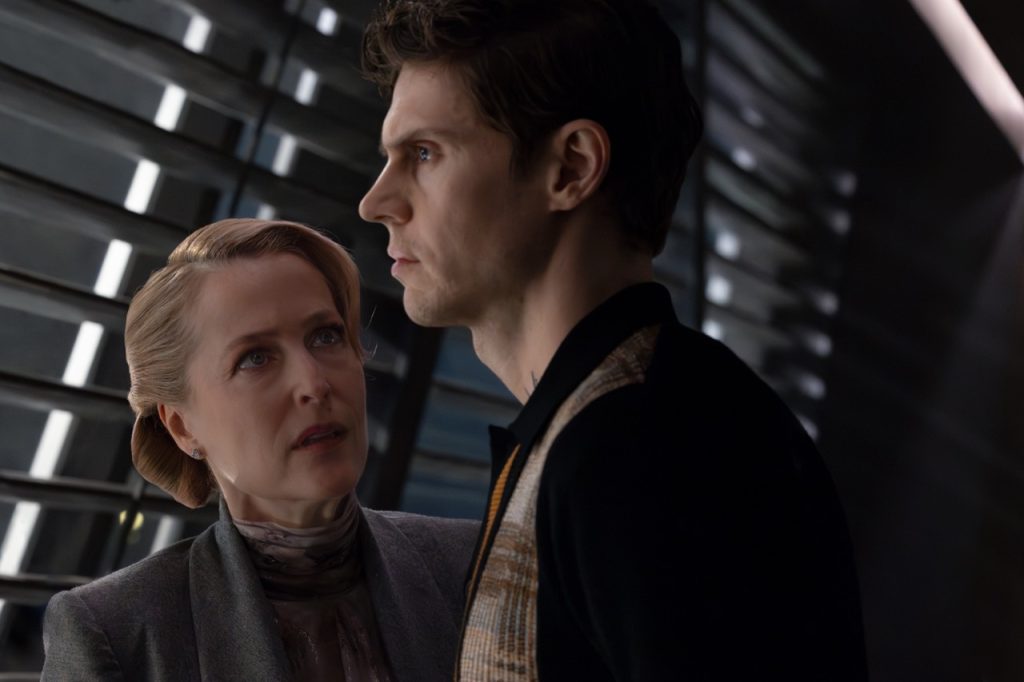
    The permanence code becomes the film’s McGuffin, the object everybody wants and needs to complete their task and goal. It’s what brings Ares and Eve cross paths and join forces while the maniacal Julian sends more and more programs after the two even against the wishes of his mother, Elisabeth Dillinger (Gillian Anderson).

    TRON: Ares
    Gillian Anderson as Elisabeth Dillinger and Evan Peters as Julian Dillinger in Disney’s Live Action TRON: ARES. Photo by Leah Gallo. © 2025 Disney Enterprises, Inc. All Rights Reserved.

    Almost all the characters here feel incomplete and one-dimensional. Eve wants to fix the world through this technology because of a promise she had with her sister, Julian is taken straight out of the evil villain trope, acting loud and proud for the work his programs do (not for anything he did in particular), while Ares wants permanence to continue his curiosity about living. None of these storylines ever fully develop, as the film moves from chase sequence after the next, showing off one gorgeous special effect after another.

    TRON: Ares
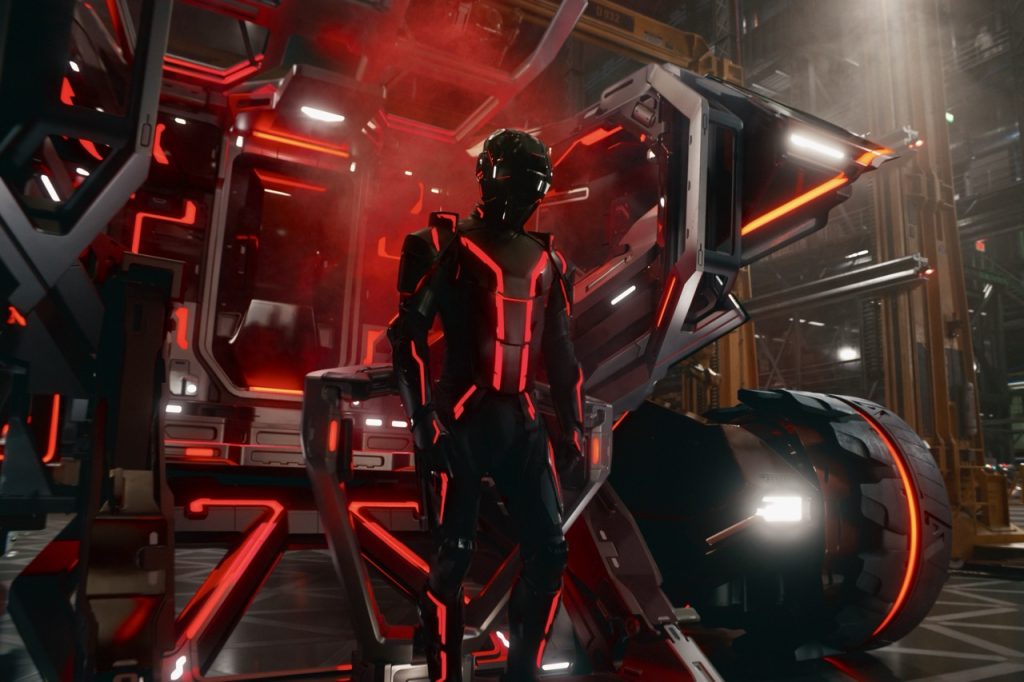
    A scene from Disney’s Live Action TRON: ARES. Photo Courtesey of DIsney. © 2025 Disney Enterprises, Inc. All Rights Reserved.

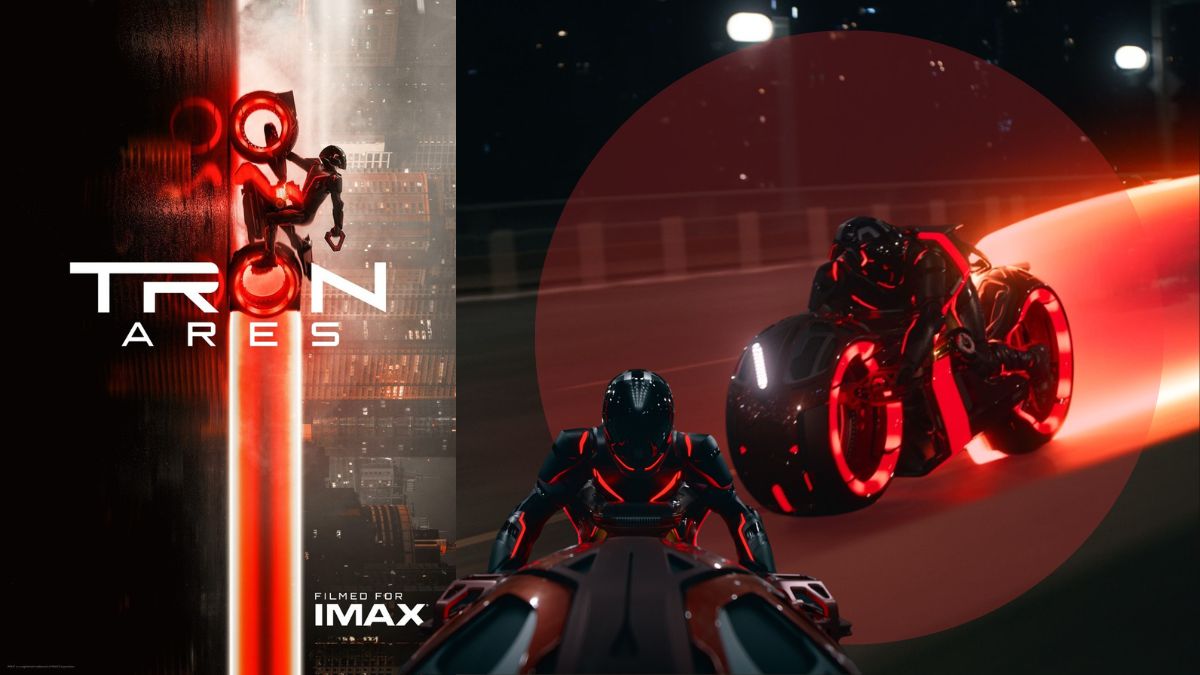
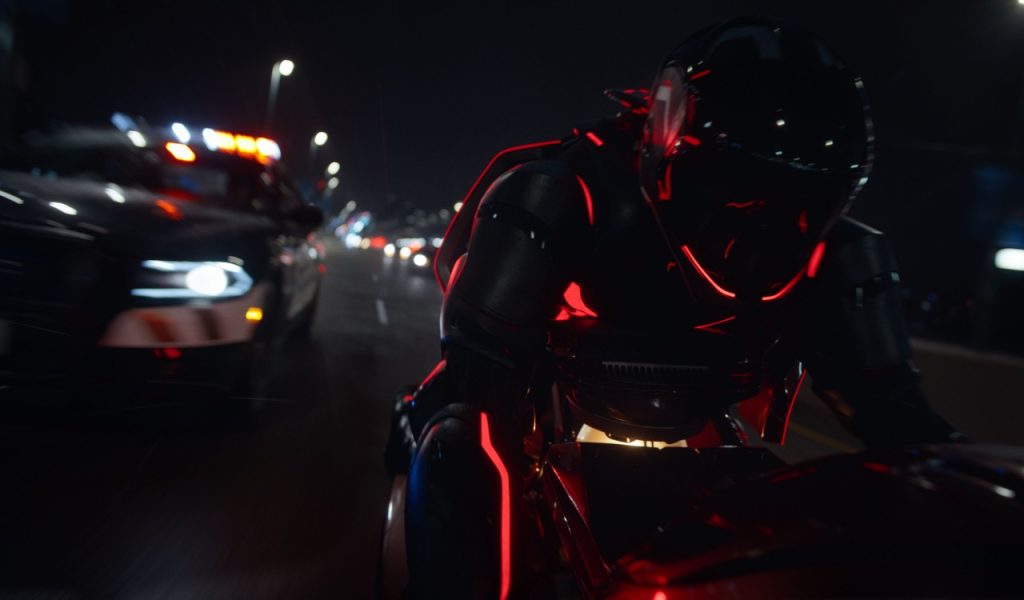
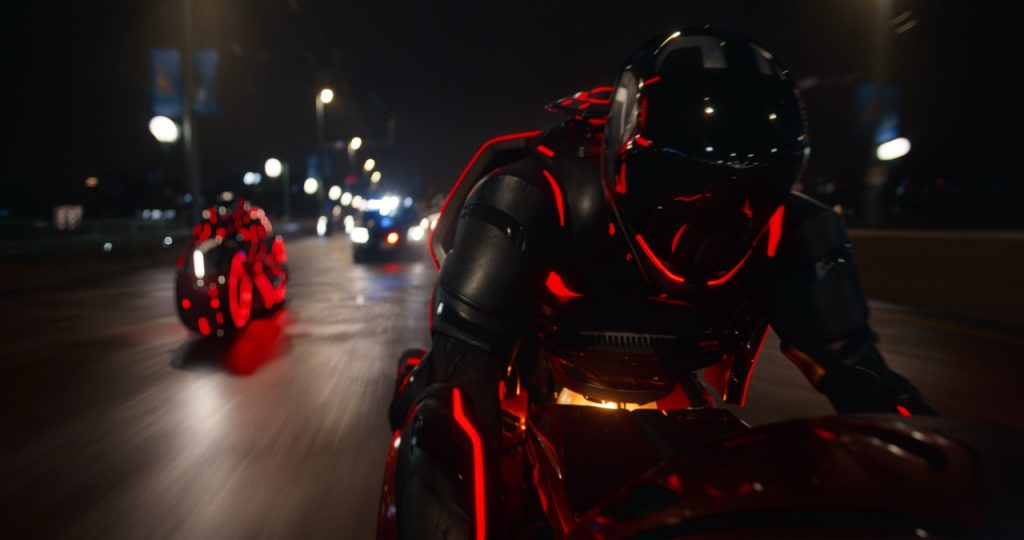
    While the story is paper thin, what makes ‘Tron: Ares’ watchable is the gorgeous CGI effects that bring these programs into the real world. There’s a bike chase sequence that’s high-speed and high-stakes.

    TRON: Ares
    A scene from Disney’s TRON: ARES. Photo courtesy of Disney. © 2025 Disney Enterprises, Inc. All Rights Reserved.

    The bikes from The Grid leaves a trail that takes physical shape and the choreography that director Joachim Ronning employs allows for excellent visuals. Later on in the film, they introduce planes and drones with a similar effect, and on 3D IMAX, the imagery is gorgeous. Amplified by a thrilling soundtrack of Nine Inch Nails, and there are some moments in the cinema that feel quite lovely to watch.

    TRON: Ares
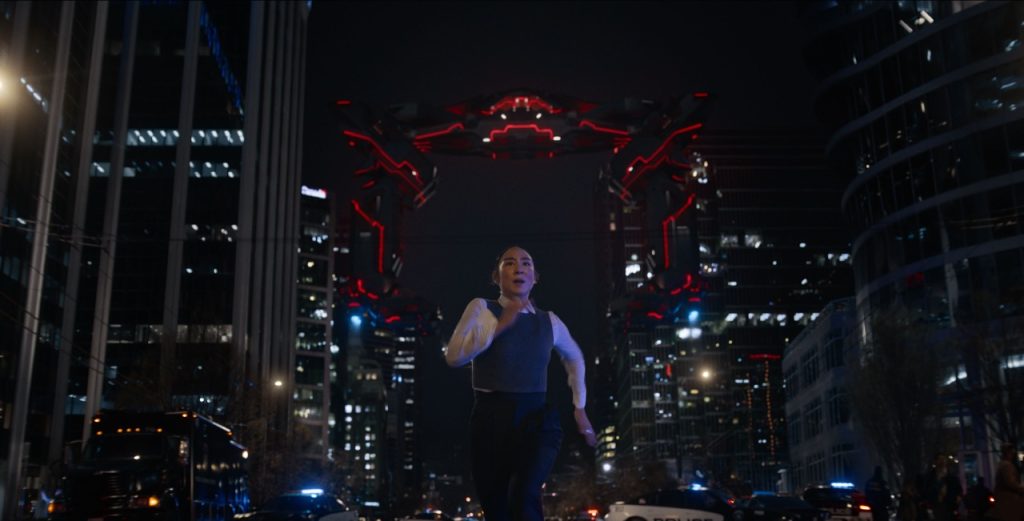
    Greta Lee as Kim in Disney’s Live Action TRON: ARES. Photo Courtesey of DIsney. © 2025 Disney Enterprises, Inc. All Rights Reserved.

    But the story is so thin that even some of the best actors in the movie don’t seem to know what to do with their characters. I love Lee since ‘Past Lives’ and ‘The Morning Show,’ but she feels so out of place here, working with a character without any real depth.

    Evans is chewing scenery and looks like he’s having fun, while Anderson is able to create some level of layer in Elisabeth but even, she seems lost in all of this. I’m not a fan of Leto or his offscreen persona and identity, so it was hard to watch the film with him as the lead knowing this but even his acting talents (he did win an Oscar, after all) couldn’t do much to make Ares an interesting character.

    TRON: Ares
    Jared Leto as Ares in Disney’s Live Action TRON: ARES. Photo Courtesey of DIsney. © 2025 Disney Enterprises, Inc. All Rights Reserved.

    Leto looks unsure about how sentient Ares could be. He tried stoicism, but the script forces him to try and attempt at humor. He seems interested in Eve Kim but is struggling to find out how that appears on a program turned real. Leto’s uncertainty makes Ares the least interesting character in the film, and this is strongly noted when his character finds himself separated from the main plot and you realise you’re not interested in his side quest.

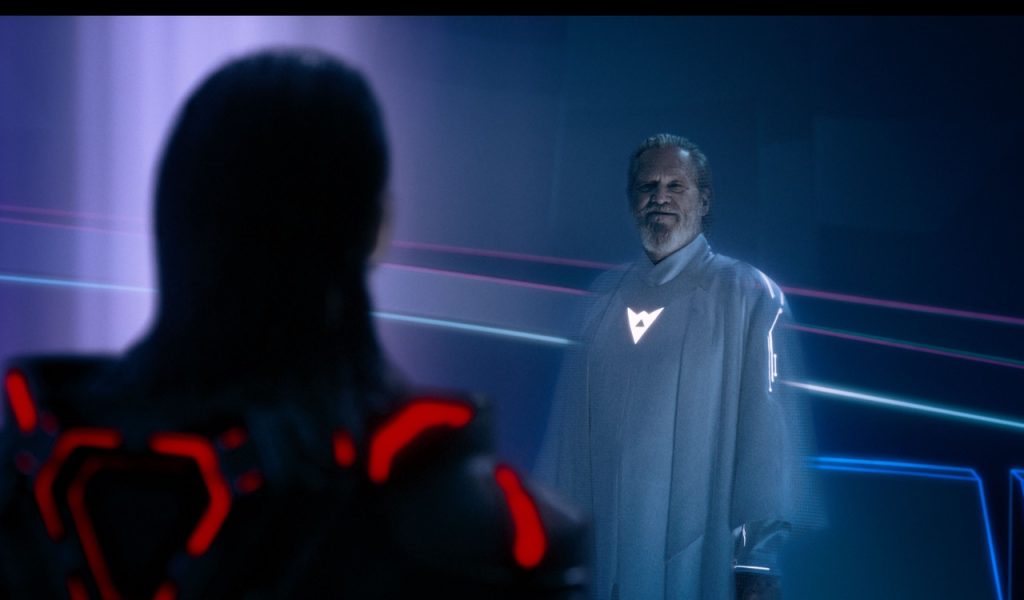
    TRON Ares dtrl2 v26oc 240ce t 250707 g r709f.089406
    (L-R) Jared Leto as Ares and Jeff BRidges as Flynn in Disney’s Live Action TRON: ARES. Photo by Leah Gallo. © 2025 Disney Enterprises, Inc. All Rights Reserved.

    The film tries to balance out both sides of the vision of future technology. Eve Kim wants to use this tech to create food, housing and cure diseases, but Julian wants it to build weapons and soldiers he can sell. We already know how damaging AI technology can be to the environment and we can’t imagine the cost to laser-print into existence all the things the film is showing us the future could hold. All that we see in the movie uses up a massive power, but the film takes it for granted, as it is more involved in its plot. It never really makes any sort of stand for whether any of this is good or bad. It gives a “good” AI (Ares) and a “bad” AI (Athena, played by Jodie Turner-Smith) but doesn’t say anything about this other than it seems to push for us to appreciate Ares’ bid for humanity. It feels like a platitude and an attempt to inject some humanity into what maybe an action thriller.

    My Rating:

    A Big Bold Beautiful Journey


    Experience the future like never before. Catch TRON: Ares on the big screen and get lost in its stunning visuals, electrifying soundtrack, and high-speed action. See it now in cinemas and feel the Grid come alive in 3D IMAX!

  • Cinemalaya XXI: The Invisible Craftsmanship of ‘Open Endings’ Makes It a Charming, Loveable Movie

    Cinemalaya XXI: The Invisible Craftsmanship of ‘Open Endings’ Makes It a Charming, Loveable Movie

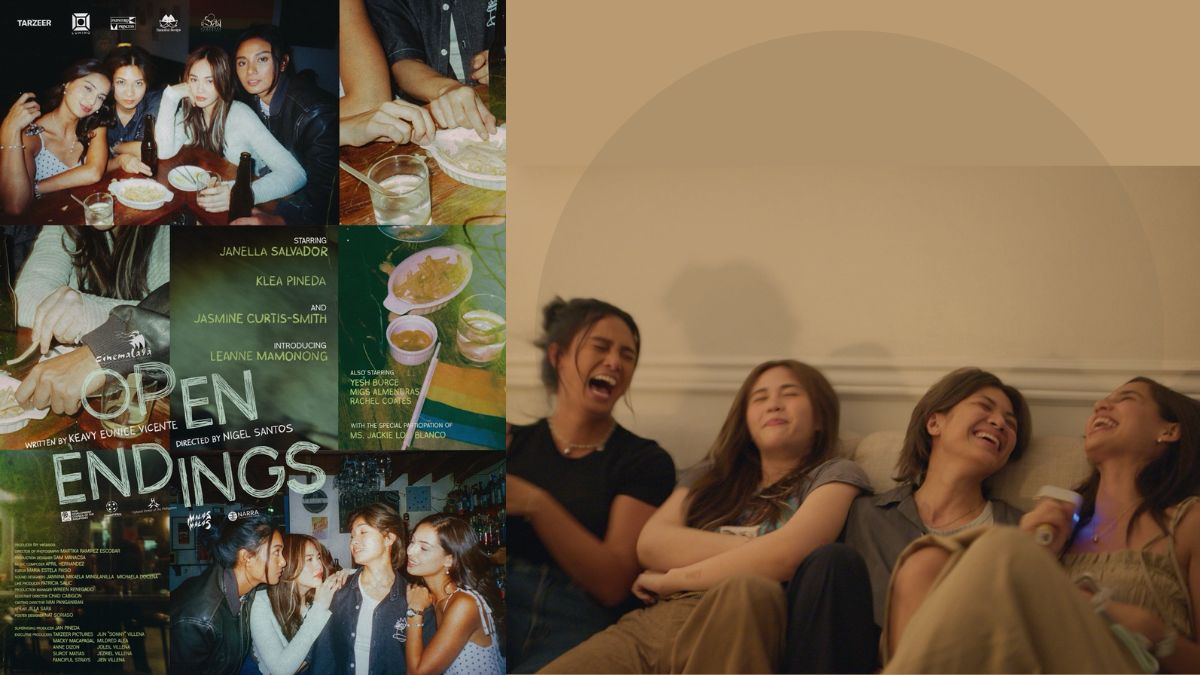
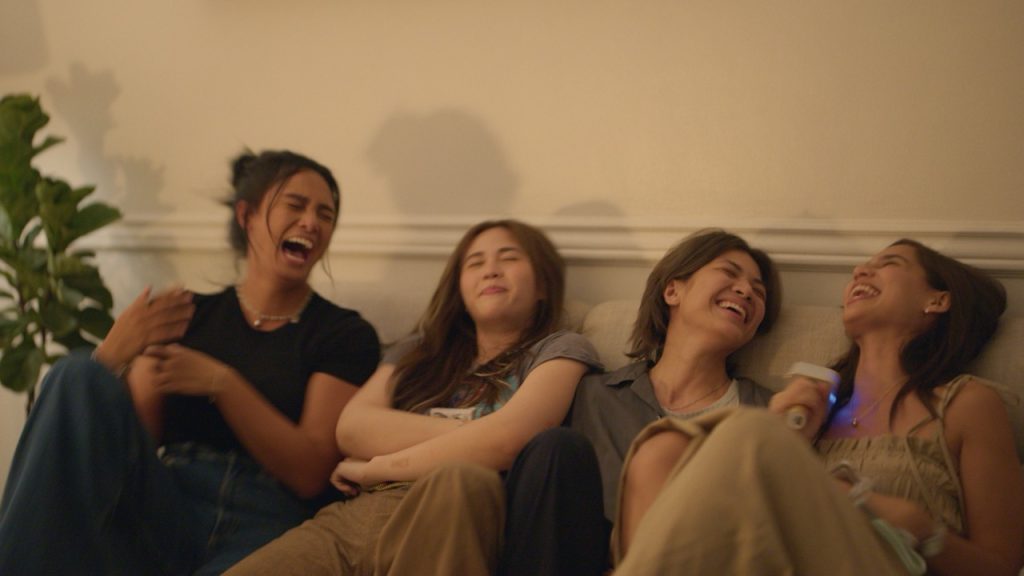
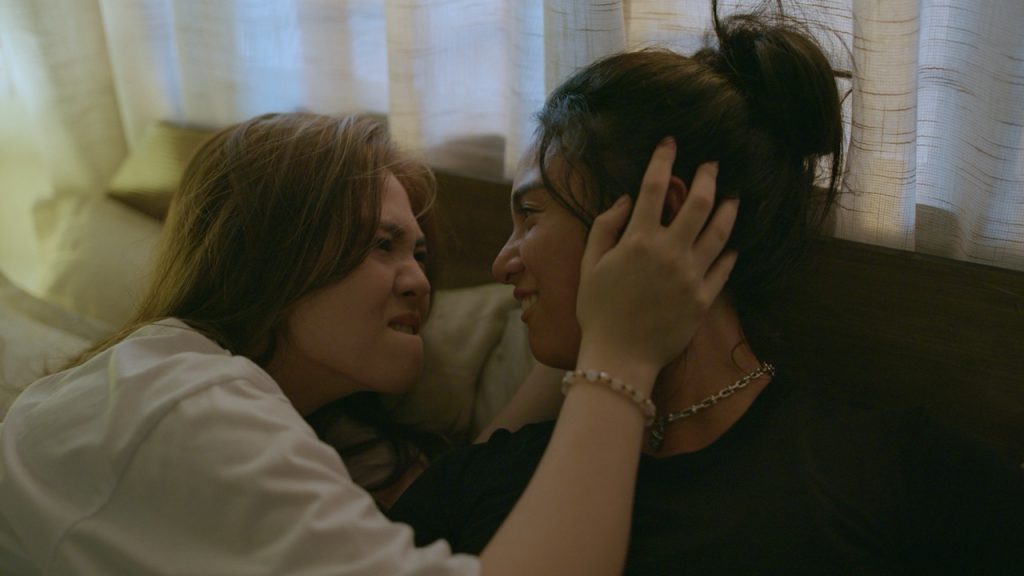
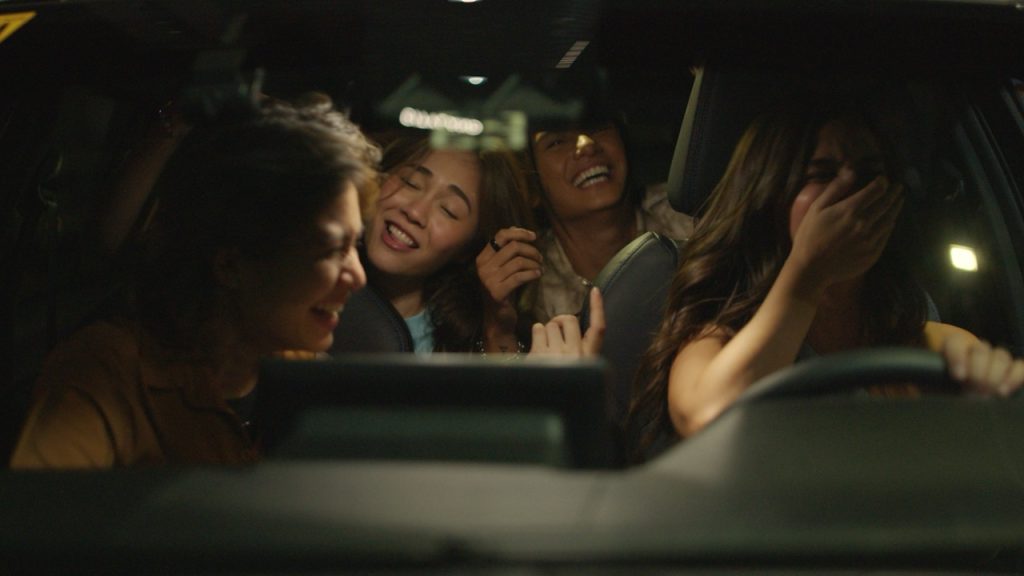
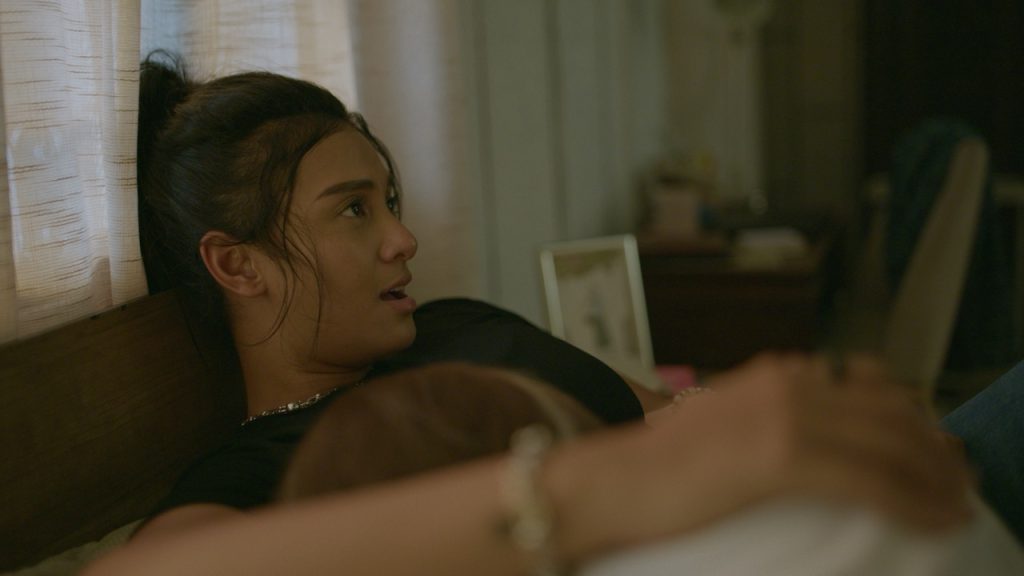
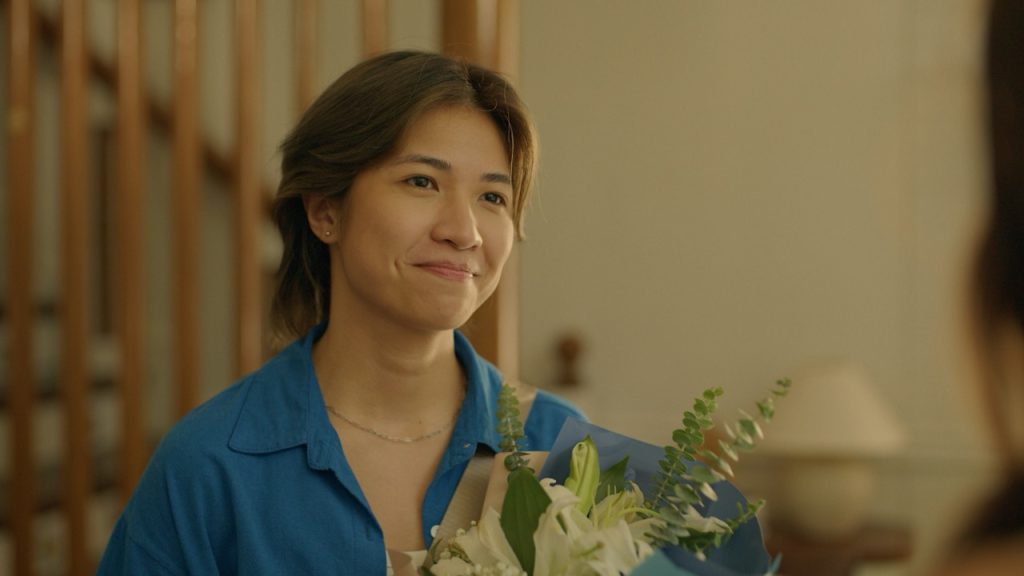
    There’s something magical about how natural and organic ‘Open Endings’ feels as a film. There’s a rhythm and flow to this slice-of-life story about four queer women who happen to be best friends while having had some romantic or sexual entanglement with each other at one point in their lives. The fact that they all consider themselves exes at some point is the film’s hook, but ‘Open Endings’ goes beyond a simple rom-com movie by also detailing how these four women navigate adulthood and try to reconcile their rather messy feelings without disrupting their friendship and their own sense of safety.

    Director Nigel Santos and screenwriter Keavy Eunice Vicente don’t try to make broad, sweeping generalizations about being a queer woman in the Philippines and by doing so, they manage expectations and go beyond it.

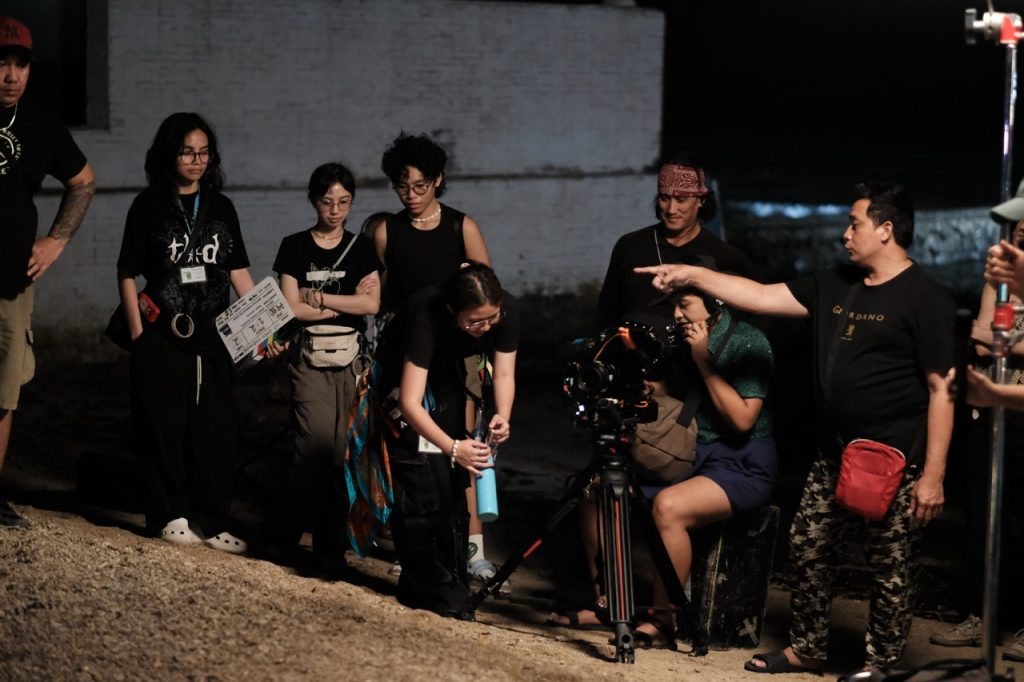
    Open Endings
    BTS Open Endings | Photo courtesy of Cinemalaya / CCP Corporate Communications Division

    The film’s issues involved become relatable and universal in the treatment of these women as individuals rather than some big allegory about the queer woman struggle. By keeping it personal and intimate, the film feels of this world. The characters become familiar and recognizable, and the audience then finds their own insights about the struggles of queer women today. It’s not force-fed and that’s where I found its charm.

    Open Endings
    Open Endings | Photo courtesy of Cinemalaya / CCP Corporate Communications Division

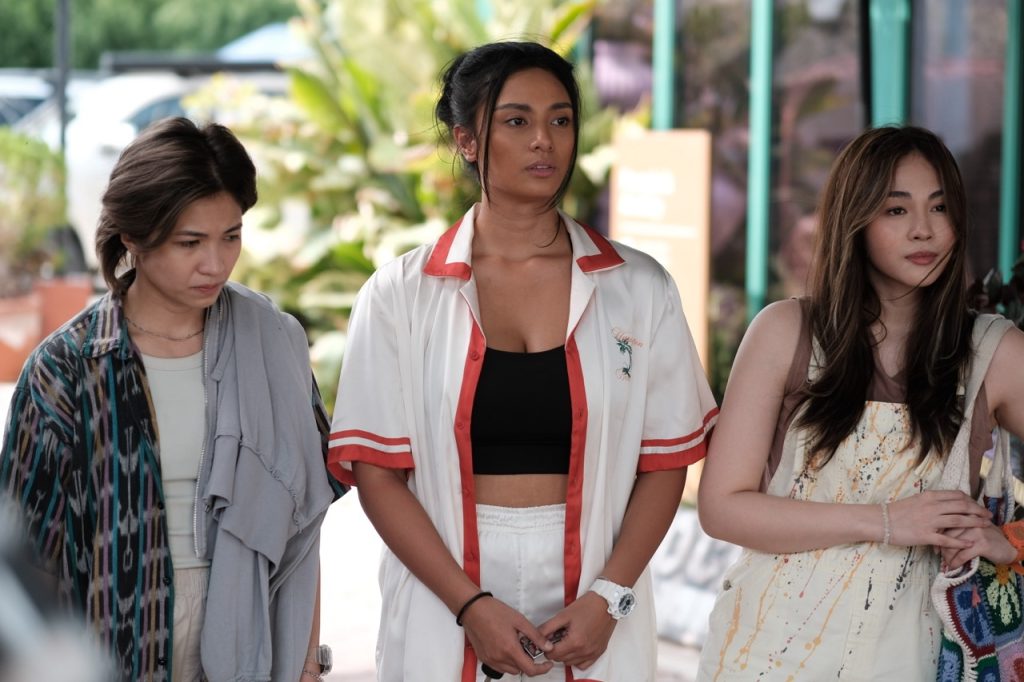
    The film focuses on four queer women – Hannah (Jasmine Curtis-Smith), Charlie (Janella Salvador), Kit (Klea Pineda), and Mihan (Leanne Mamonong) – who gather every Sunday at Hannah’s house while going through their own issues with adulthood. Hannah is ready to move on after two years of grieving her late lover.

    Open Endings
    Open Endings | Photo courtesy of Cinemalaya / CCP Corporate Communications Division

    Kit comes off as a player, regularly hooking up with other women, finds herself challenged by a growing tension with the mother of one of her students holds the key to unlocking her own free-spirited nature. Mihan still carries the torch for Hannah, whom she had been with for five years, but has commitment issues. While Charlie begins the story with her newly-formed-relationship having issues with Charlie being friends with her exes.

    Open Endings
    Open Endings | Photo courtesy of Cinemalaya / CCP Corporate Communications Division

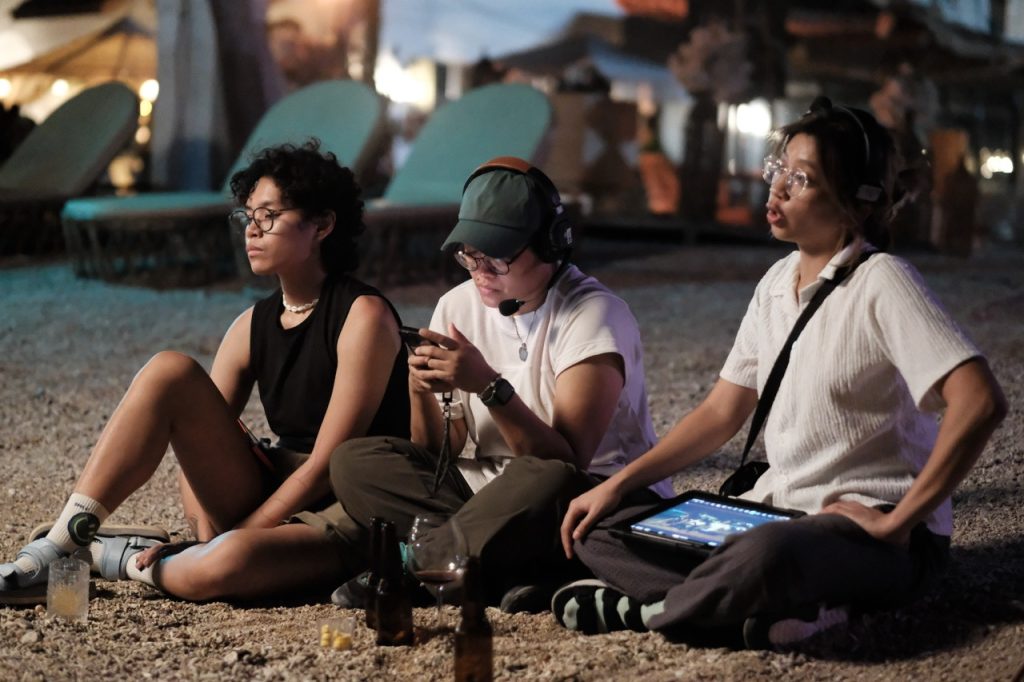
    Santos, Vicente, along with cinematographer Martika Ramirez Escobar and editor Maria Estela Paiso, keep the film from slipping into the realm of melodrama by avoiding the usual pitfalls of unnecessary overdramatic tropes. Paiso’s editing flows smoothly from one character to the next, never lingering or over-staying in a scene so that it doesn’t emphasize the drama but still highlights the character the conflict.

    Open Endings
    BTS Open Endings | Photo courtesy of Cinemalaya / CCP Corporate Communications Division

    Escobar’s cinematography pushes in, so we see each character reacting, making decisions, taking all of it in and then pulling out to put them in context of time and space. This world – one which I’m not a part of or privy to – becomes so clear and inviting. I don’t have to be a queer woman to enjoy the humor and the pathos that the film portrays. 

    Open Endings
    Open Endings | Photo courtesy of Cinemalaya / CCP Corporate Communications Division

    And the ensemble carries a natural charm and comfort in their roles, giving the film a grounded edge that makes the film all the more accessible. Salvador and Curtis-Smith are excellent as Charlie and Hannah, with Curtis-Smith doing that difficult task of not making the nurturing and loving Hannah a stereotypical nice girl.

    Open Endings
    Open Endings | Photo courtesy of Cinemalaya / CCP Corporate Communications Division

    As written, Hannah can be the most boring character of the bunch – a grieving woman who loves and takes care of her friends, sometimes to her own detriment – but Curtis-Smith doesn’t make her a caricature or a saint. It’s well done.

    Open Endings
    Open Endings | Photo courtesy of Cinemalaya / CCP Corporate Communications Division

    Pineda is a powerful screen presence and manages to go against her gorgeous appearance for some truly funny moments. There’s a silliness that she can tap into that goes contrary to her amazing physicality that creates a nice tension and makes her more interesting to watch.

    Open Endings
    Open Endings | Photo courtesy of Cinemalaya / CCP Corporate Communications Division

    But while all the performances are great, it is Mamonong who steals the show. She is the most comfortable in her character (despite having the heaviest conflict to portray) and she is the most natural in her delivery of her dialogue and her character’s quirks and eccentricities. It never feels like acting. Mamonong makes Mihan feel like a fully formed person. It’s really a breakthrough performance.
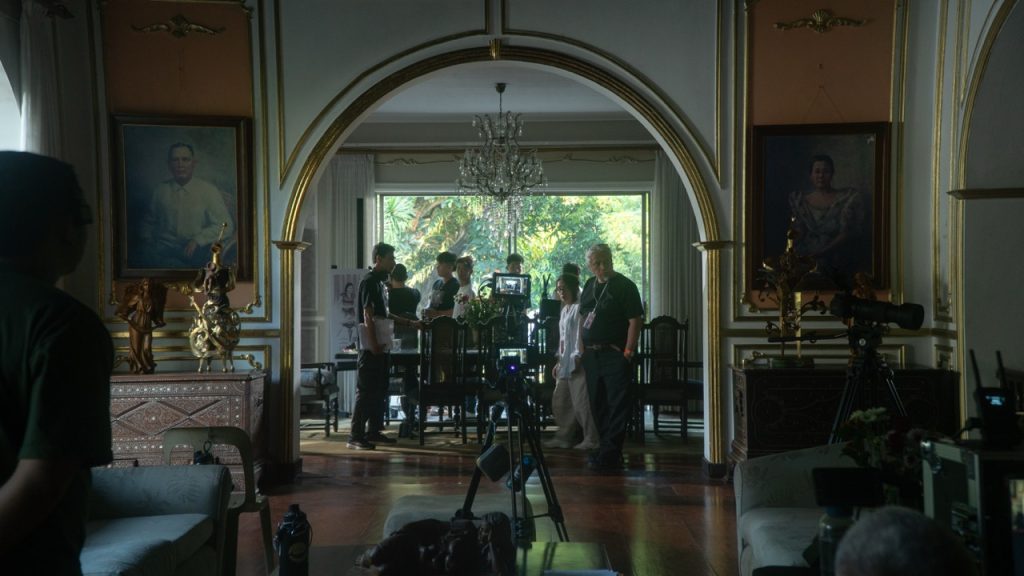
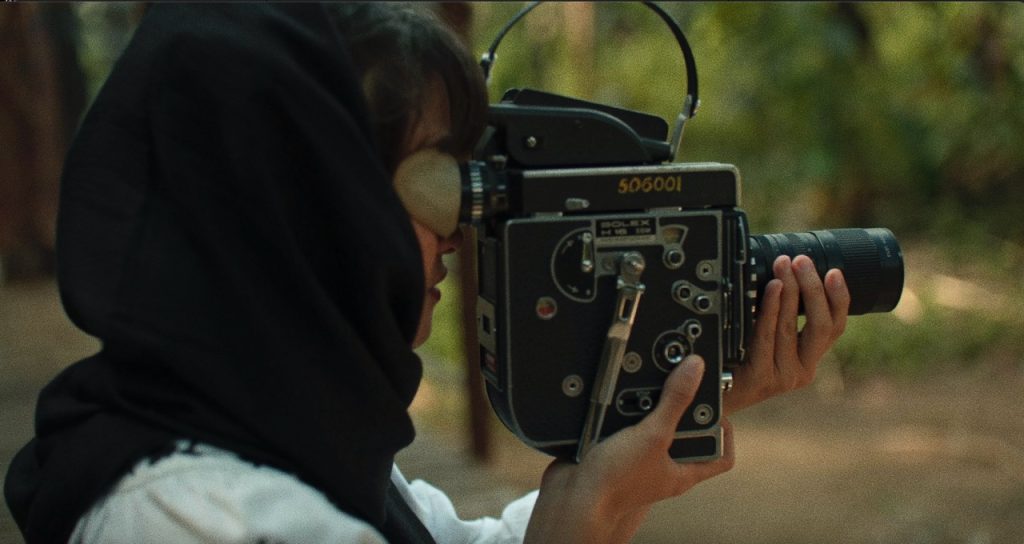
    Open Endings
    BTS Open Endings | Photo courtesy of Cinemalaya / CCP Corporate Communications Division

    There’s so much heart in ‘Open Endings,’ and the way the whole theater reacted to every story beat shows how the film holds down all the technical flourish to allow the story and the humanity of this film rise. Sometimes, the best craftsman are the ones that hide their skill that you only see the thing. All the elements – cinematography, writing, acting, editing, production design, music – just disappears and blends together that all I see is this lovely story of a messy but loveable group of friends navigating adulthood with all its open endings, as the film’s title suggests.

    A Big Bold Beautiful Journey


    Open Endings is showing on the big screen. Check cinema showtimes near you and grab your tickets today.

    This year, don’t miss Cinemalaya 21: LAYAG sa Alon, Hangin, at Unos happening from October 3-12, 2025! Witness another stellar lineup of stories that will move you and showcase the brilliance of Philippine cinema. Follow the Cultural Center of the Philippines and Cinemalaya for updates.

  • Movie Review — Cinemalaya XXI: The Weight of the Tragedy Keeps ‘Padamlagan’ from Finding Its Feet

    Movie Review — Cinemalaya XXI: The Weight of the Tragedy Keeps ‘Padamlagan’ from Finding Its Feet

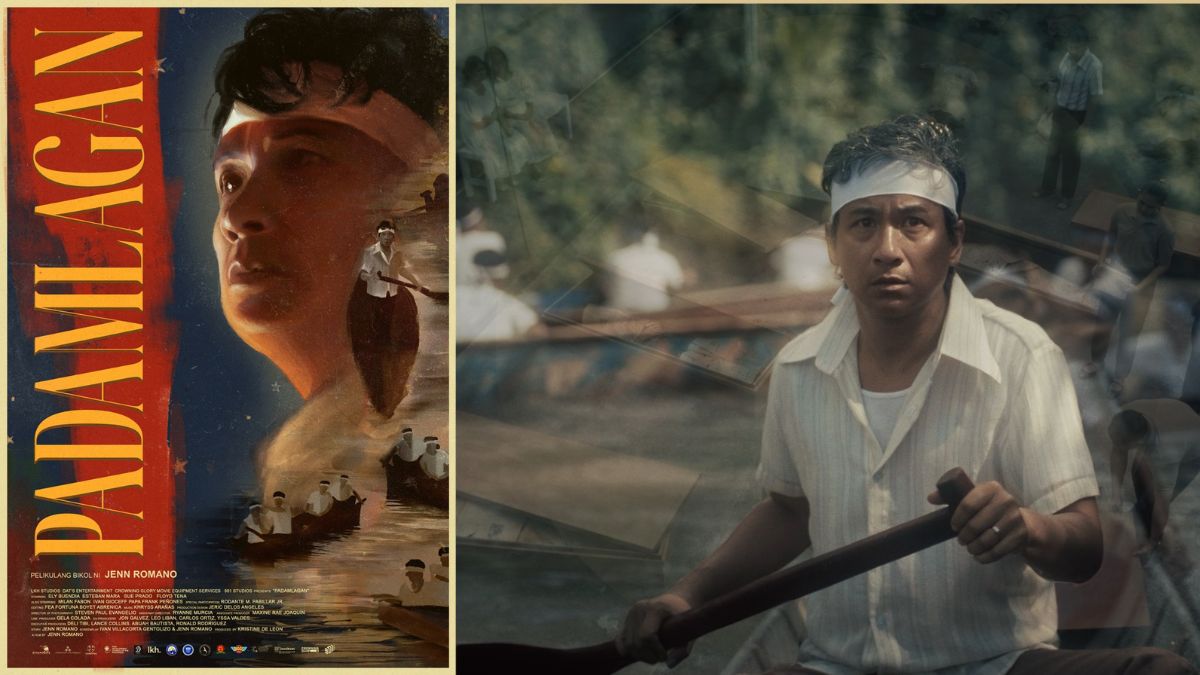
    Jenn Romano’s ‘Padamlagan’ uses film to remember, stitching together interviews about the Naga tragedy using photographs to reimagine that era, while weaving in a narrative about a father whose son goes missing to encapsulate that feeling and making it tangible. The blurring of reality and fiction is an interesting use of the medium and pushes Romano’s message that the victims of the tragedy must not be forgotten. But Romano’s film aesthetic and style linger, is a quiet remembering but the story she is trying to tell needs a bit more volume.

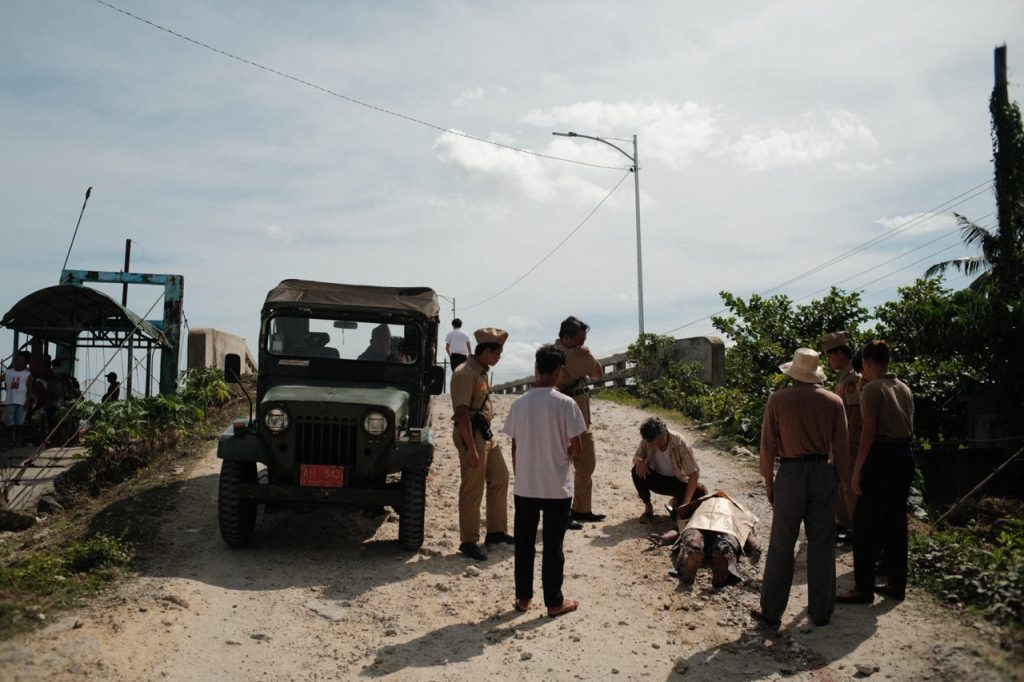
    The story in the middle of the retelling revolves around a father, Doring (Ely Buendia), who seems out of sorts, not fully in the present. He lives with his in-laws (Sue Prado and Floy Tena) while his son, Ivan (Esteban Mara), grows up and distant after a stint studying in Manila. The city of Naga is a buzz due to the fluvial procession for Our Lady of Peñafrancia. Ivan is at odds with his uncle and his father, unwilling to take part in the family going-ons and earning a reputation for being a troublemaker. When the Colgante Bridge collapses and hundreds die, Ivan goes missing. Doring spends the rest of the film looking for his son and witnessing the effects of that tragedy on the lives of the people around him.

    Padamlagan
    Padamlagan | Photo courtesy of Cinemalaya / CCP Corporate Communications Division’

    In order to create that feeling of remembrance, Romano uses a lot of still shots. Her camera, lensed by Steven Paul Evangelio, barely moves while the world enters and exits the frame. Most of the time, the film takes a long shot keeping us distant from the characters and their business. This aesthetic can leave the audience cold because we don’t really get to see the full scope of the strains of the relationship between Doring and Ivan and Ivan with the rest of his family, especially his soldier uncle.

    Padamlagan
    Padamlagan | Photo courtesy of Cinemalaya / CCP Corporate Communications Division’

    By using a still shot, the characters have to come into place, and this creates a lingering feeling. It slows down the pace and the energy of the film. It’s actually a standard 90-minute film but it can feel much longer. Except for a few actors, most of the dialogue in the narrative are delivered in short bursts with pauses or silences in-between lines. The dialogue doesn’t flow like conversational language, so the energy of the scene never really pushes through. Floyd Tena is the most conversational of the actors, delivering his dialogue (all of which is in Bicolano) with the most ease that his scenes are always the strongest, the most natural. Everyone else seems to be going through an emotional moment. Instead of nostalgia or emphasis, it makes the film feel over-dramatic.

    Padamlagan
    Padamlagan | Photo courtesy of Cinemalaya / CCP Corporate Communications Division’
    Padamlagan
    Padamlagan | Photo courtesy of Cinemalaya / CCP Corporate Communications Division’

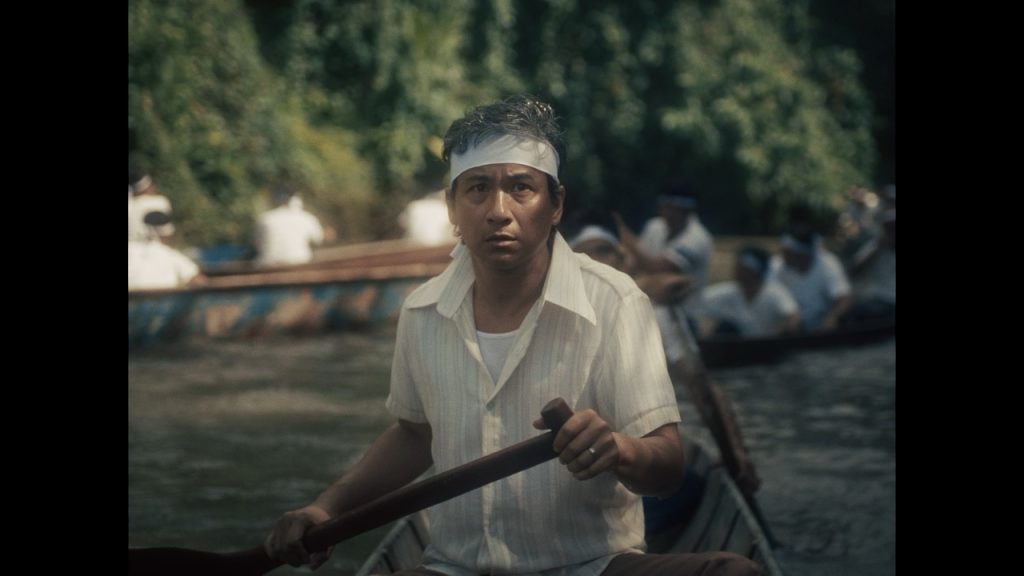
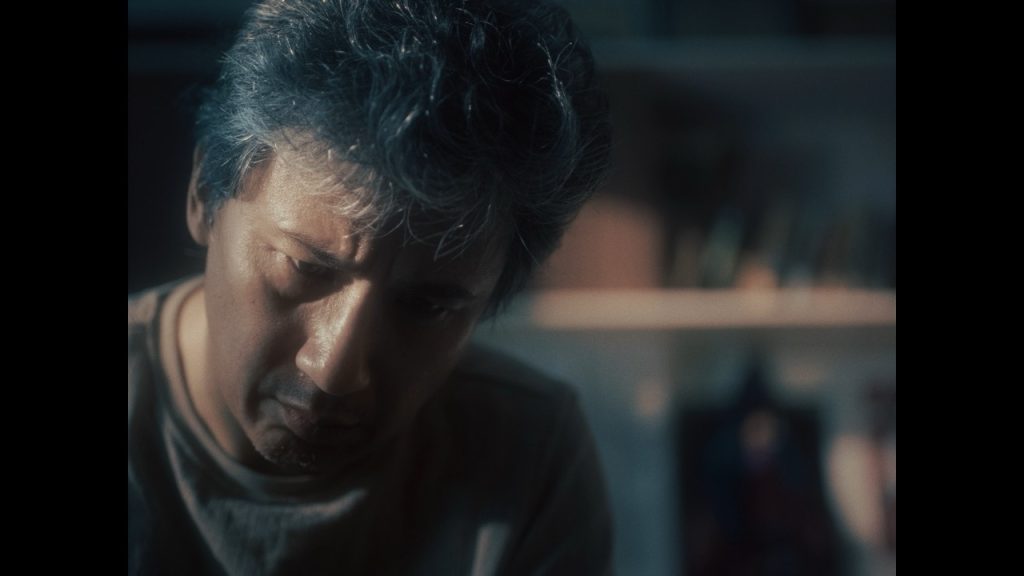
    As the main character, Buendia gets the most close-ups (followed by Mara), but unfortunately, Buendia has such a stoicism that he fails to really bring out his character’s interior world. The most telling of this is during the fluvial parade, where Doring is paddling surrounded by other paddlers on boats. Through sound effects, we realise the bridge is collapsing and all the other characters around him are panicking, their faces awash with horror. But Buendia’s face remains the same. There’s a slight tension in the jaw, but no other emotion comes out. His paddling doesn’t even change that much and so the effect of the tragedy is slightly diminished. And this is an issue I have throughout the rest of the film with him. He’s our foil, our way of understanding the story and the immense grief that followed the collapse of the bridge, but we never really get to feel it. On Mara’s close-ups, there is a world of hurt and pain there that’s hidden just below the eyes.

    Padamlagan
    Padamlagan | Photo courtesy of Cinemalaya / CCP Corporate Communications Division’

    The film talks about the tragedy in detail but only slightly implies its effect and connection to the declaration of Martial Law just a few days after the tragedy. There are implications of Ivan’s possible engagement with the communist party and there are one or two scenes of police and military brutality but it’s not enough for the film to truly make any link between the tragedy of Colgante in 1972 and the declaration of Martial Law and all the tragedies that happened due to that declaration. There’s a causality that the film attempts at establishing but doesn’t quite hunker down in any real detail. The Colgante Bridge tragedy is an event entirely of its own and by mentioning that Martial Law was declared just days after bears no meaning.

    Padamlagan
    Padamlagan | Photo courtesy of Cinemalaya / CCP Corporate Communications Division’

    The weight of memory bears down on ‘Padamlagan’ that the film doesn’t find its own two feet. There’s no catharsis in this film, a bold choice, but without a fuller understanding of Doring as a character or a means to visually grasp what he’s feeling, the film’s attempt to turn the feeling tangible escapes me. It’s strongest when it acts as memory, recounting real-life stories and showing photos of the event. That was more affecting than the film.

    A Big Bold Beautiful Journey


    Padamlagan is showing on the big screen. Check cinema showtimes near you and grab your tickets today.

    This year, don’t miss Cinemalaya 21: LAYAG sa Alon, Hangin, at Unos happening from October 3-12, 2025! Witness another stellar lineup of stories that will move you and showcase the brilliance of Philippine cinema. Follow the Cultural Center of the Philippines and Cinemalaya for updates.