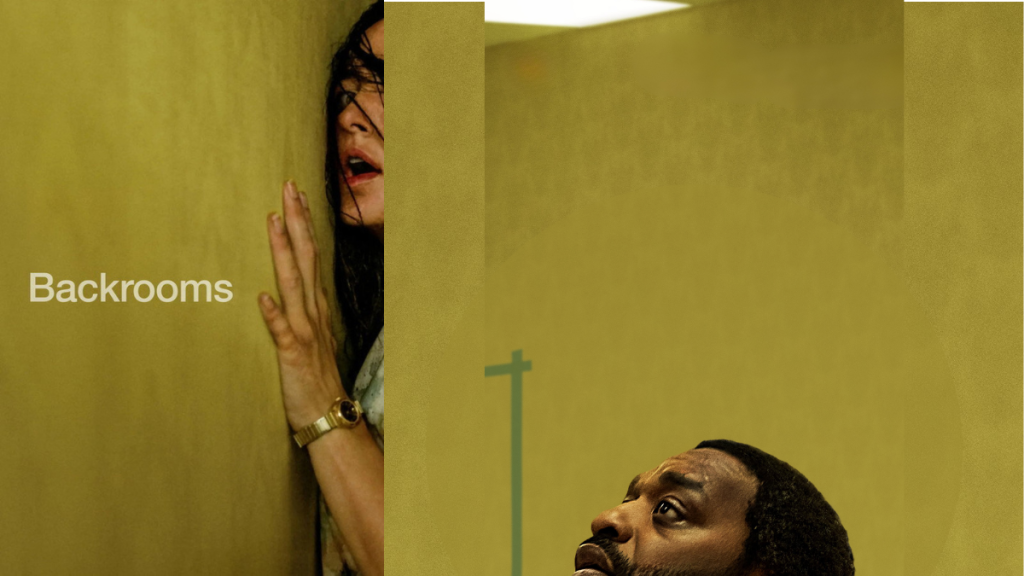
What I liked about Backrooms, the full-length feature film debut of YouTuber Kane Parsons, is its resistance to fully explaining the strangeness and supernatural elements of the story. There is pivotal moment when Clark (Chiwetel Ejiofor) shares his understanding of what this labyrinth found in a literal tear in space and time within the basement of his furniture shop with his therapist, Mary (Renate Reinsve). It is a necessary scene that helps stamp out the final images of the film, yet it never discusses the why. The Backrooms – that endless, uncanny space found through a mystical doorway – just exists. It just is. And that may very well be one of the most terrifying aspects of the movie.
So much of Western horror is ruined by the compulsive need to explain everything. In a world driven by the practical and the modern, everything needs to make sense. That the lore be perfectly complete. It is actually a very boring exercise, one that robs us of our imagination. As Asians, however, we are inherently attuned to cosmic and supernatural forces; they are deeply woven into our culture and social design. So we are not bothered or bogged down by the unexplained mystery.
In Backrooms, that mystery can kill. The film follows Clark, an unhappy man living in his failing furniture store after being kicked out by his wife. He is an alcoholic and a frustrated architect, details we learn through his tense therapy sessions with Mary, who is quietly battling her own trauma about her mother and her childhood home. Things take a surreal turn when Clark discovers a doorway into another dimension within his basement: a liminal space that is made up of an endless, maddening array of yellow rooms. As he decides to explore it, he discovers that something else lives in that space. Something dark, sinister, something that kills.
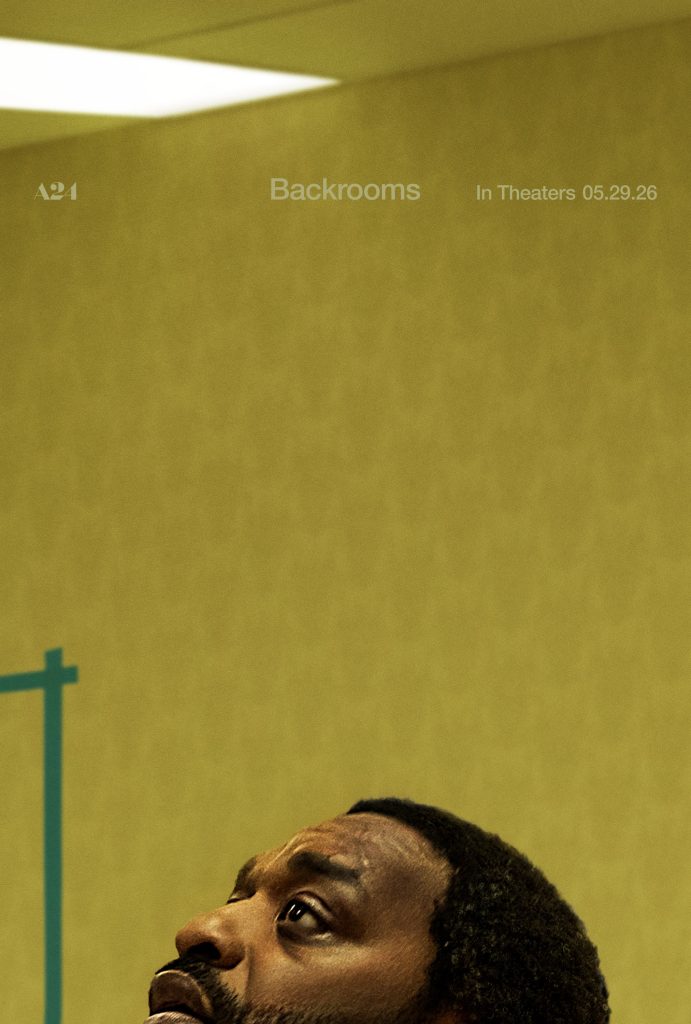
Set in the 1990s, the film utilizes a heavily saturated, grainy aesthetic to its cinematography. It adds to the existential dread hoveriing over our two leads. This analog texture also adds to the ambiguity and mystery of the Backrooms. Oftentimes, the film switches to a first person point-of-view, seeing from the lens of the person holding a 90s camcorder. The film opens with a chilling prologue establishing that someone else was in the Backrooms long before Clark’s discovery, and the use of this vintage footage increases the tension. The conceit of a found footage aesthetic means that the film can’t just cut to show us what we need to see. Instead, the character must physically turn and and point the camera where the audience needs it to point so we can follow the story – or in this case, the horror – and the limited perspective adds to the tension and the fear.
But there’s another scene midway through the film, when Clark is now exploring the labyrinth, using a camcorder to record evidence that the Backrooms is real and there’s a frightening sequence that is excellently executed – I caught myself cursing and screaming out loud – but it doesn’t make sense at that point in the narrative for Clark to take the camera and continue recording his escape. That one scene, a pivotal one, is what took me out of the whole film. It’s why found footage is such a difficult and delicate film mode to undertake because one false intention can ruin the illusion.
This is a remarkably confident debut from a first-time feature director – even if he has been directing YouTube shorts for a while now – and it will be interesting to see what else Kane Parsons is capable of next. Backrooms is utterly terrifying, weird, deliberately slow, and confident. A very strong debut indeed.
My Rating: 4 Stars

Wonderfully weird, deliberately slow, and utterly terrifying. Discover why Kane Parsons’ Backrooms is a masterclass in tension and a formidable debut. Check showtimes here.