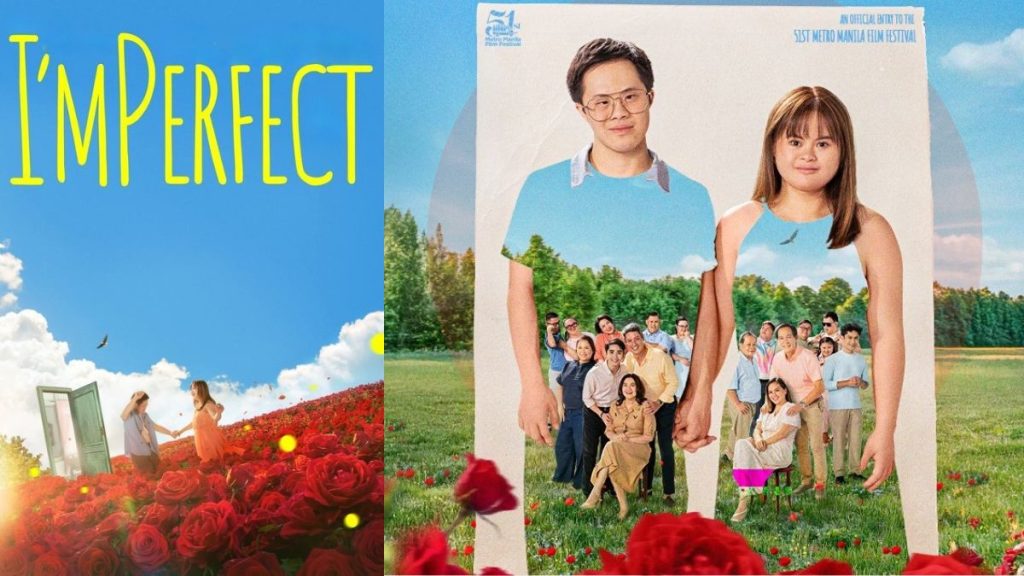
After watching I’mPerfect, I realised I knew very little about people with Down syndrome. Over the course of the film’s 131-minute running time, I was thrust into a world that really made me face my ignorance and broadened my understanding of their condition. At first, my biggest worry was whether the film would exploit their disability for drama, but I’m happy to have seen these characters portrayed not only with agency, but also shown in the most human way possible. The film explores their wants and needs and presents them as equal as those who do not share the same condition.
The story follows two people living with Down Syndrome, Jessica (Krystel Go) and Jiro (Earl Amaba). The two meet at school and fall in love almost instantly. Jessica lives with her single mother, Norma (Sylvia Sanchez) and her absentee father (Joey Marquez) suddenly return to their lives, regretting his decision to leave them when Jessica was born.
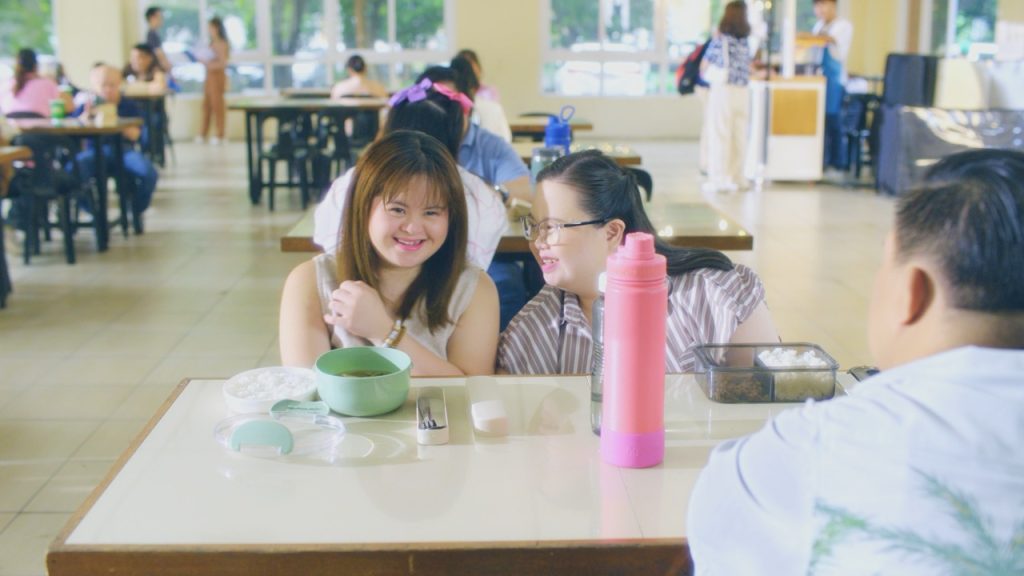
Jiro comes from an affluent family of doctors. His mother, Lizel (Lorna Tolentino), is overprotective and clings to him tightly, while his father (Tonton Gutierrez) is way more lax. Jiro is also close to his younger brother, Ryan (Zaijan Jaranilla). When both mothers dismiss the relationship blossoming between their children, Jessica and Jiro decide to elope and run away to the province to prove that they are adults (which they are) and capable of being independent.
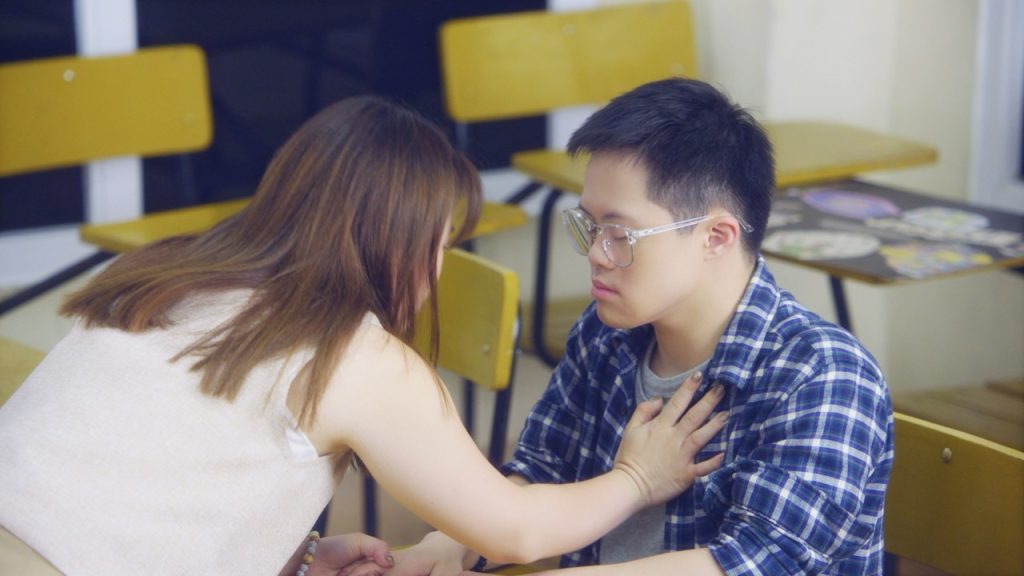
I’mPerfect, directed and written by Sigrid Andrea Bernardo, takes care to really show Jessica, Jiro, and all their friends as lively and vibrant people. They go through the familiar narrative beats of any romantic comedy, only punctuated by their particular speech patterns and movements.
At first, it feels almost comical until you realise that what’s filtering it is our own blind spots. We are so used to abled-bodied people in this genre that seeing others go through the exact same things we do can feel alien and strange.
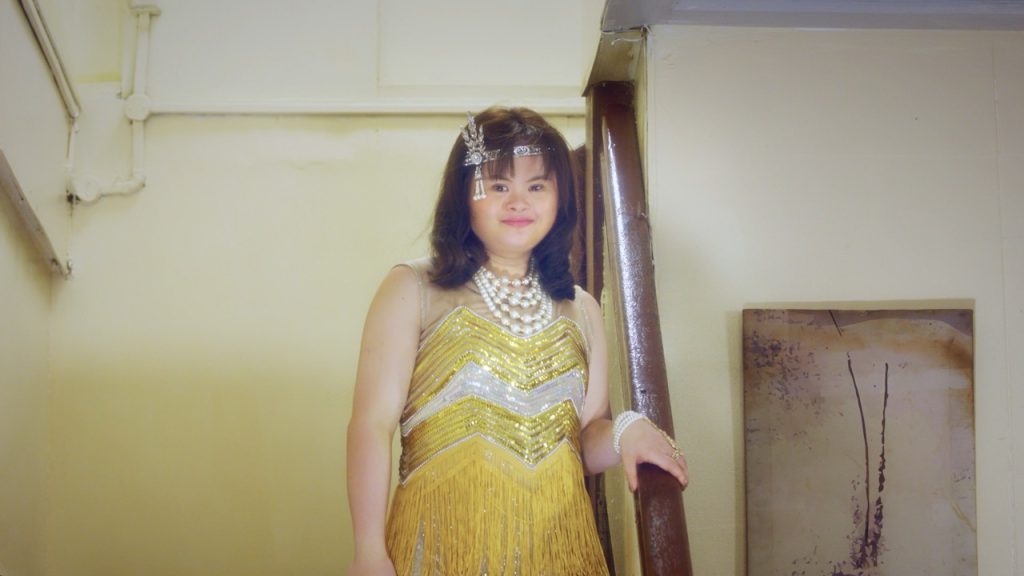
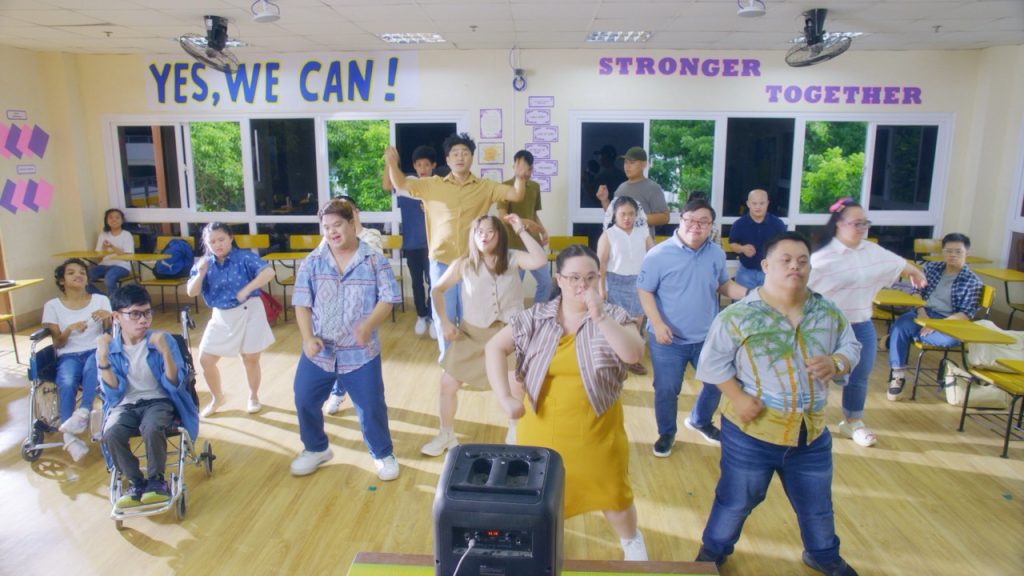
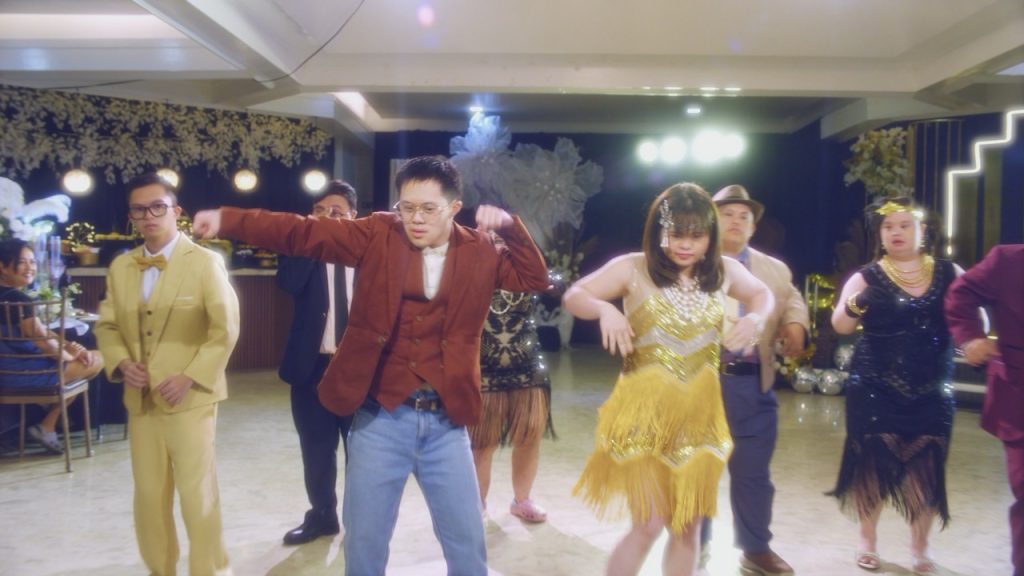
By the time Jessica and Jiro make it to their school dance, and Bernardo gives them a lovely sequence where everyone is dancing, happy and free, do we start to realise our own biases.

Bernardo also takes special care to really emphasize the dynamics of each relationship – Jiro with his family and Jessica with hers – and we really see that despite their disability, they are grown adults (Jessica is 28 and Jiro is turning 30) and they stand firm in the decisions they are making about their lives.
In some ways, the way Jessica and Jiro stand up to their parents becomes symbolic of how people with Down syndrome are asking from us to treat them the way they want to be treated. The film manages to make us face our own misconceptions about people with this condition and see them for who they truly are.

I can say this safely because these are the feelings that hit me as I was watching the film, and it was the same things the people in the row behind me, who could not help themselves but speak out loud about their own realisations. By the end of the movie, we were all rooting for Jessica and Jiro’s independence.

This film is revelatory in that way, using the genre to fully maximize film’s ability to broaden the audience’s world and to represent a sector of society that is voiceless in our society and culture. It made us laugh and cry, and, more importantly, it allowed us to see without the filter of our preconceived notions. In that sense, the film is truly successful.

There are times when the film slips to scenes that feel pedagogical, with the able-bodied characters talking about their feelings in a very literal manner. It’s inelegant and a bit inorganic in the way it was written but I understand the need for it. But it is in these moments that the film works its transformational magic on the audience. While it is not as cinematic as I might hope, but it does what it sets out to do.

The performances here are very strong. Sylvia Sanchez and Janice De Belen, who plays Jiro’s former nanny, are so in the pocket with the film’s world that their portrayals allow Go and Amaba to truly shine, and playing off the more experienced actors. The scenes between Ryan and Jiro are also particularly strong, showcasing the wonderful chemistry between Amaba and Jaranilla.
I’mPerfect can get pedantic at some points, but the power of film lies in how it amplifies the voices of people who are never really properly represented in film or in society. It does a powerful job of showing their humanity in the most familiar ways.
My Rating: 3 Stars

Experience the heart, humor, and humanity of I’mPerfect. Check showtimes now and see this uplifting story on the big screen.