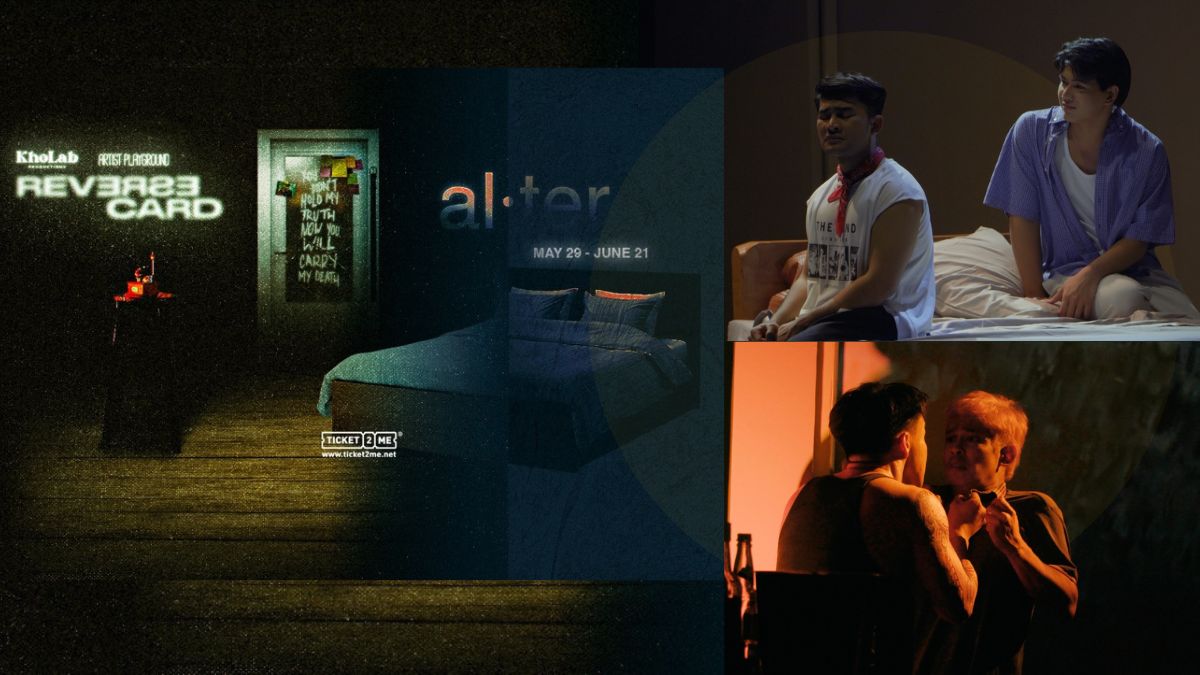
Artist Playground, in cooperation with Kho-lab Productions, presents the twin bill Double Take: Reverse Card and Al.Ter. The two one-act plays, written by Chase Kyl Loza and Pablo Joaquin respectively, are directed by Paul Jake Paule. Performed by a plethora of performers with alternates for each role, the production is slated for a stunning 20 shows over four weeks. This run cuts directly through Pride Month, a fitting backdrop since both plays revolve around queer stories.

The show opens with Al.Ter, which follows Al as he loses his live-in partner, Lester (nicknamed Ter), the morning after an argument. While wandering through the furniture section of a department store, a heartbroken Al meets Terrence, who also goes by Ter and looks exactly like Lester. Al befriends Terrence and asks him to roleplay as his deceased lover, desperate for a chance to find closure.
Al.Ter opens provocatively with Al and two other actors acting out a threesome in the dark, recording it for publication on Al’s “alter” account. It’s daring, sexy, and shot in minimal light, giving the distinctimpression that one or two of them are actually naked. However, that provocative opening is merely a hook, from there on, Al must deal with the consequences of being caught living a double life.
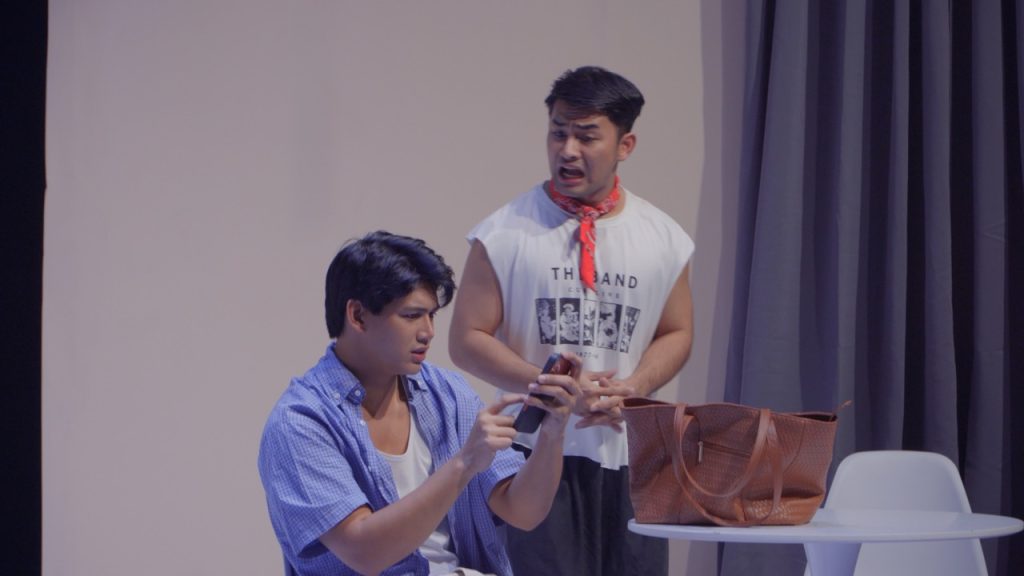
It is through Ter’s double, played by the same actor, that Al ultimately finds some level of closure. The one-act play is poignant and bittersweet, cleverly incorporating the idea of doppelgangers and the theory of genetic variation and use it to push for a moving story about forgiveness.
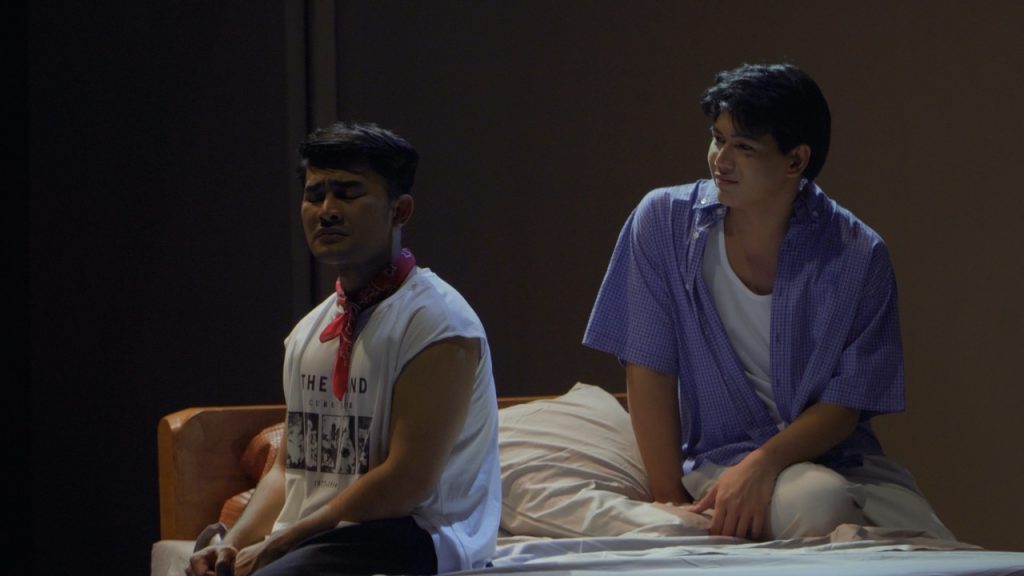
On opening night, Al.Ter was performed by Johnrey Rivas and Drei Arias as Al and Ter, respectively. I also had the opportunity to see an open rehearsal featuring Rivas alongside James Ramada, as Ter. Both Arias and Ramada have shown great skill in bringing Ter to life. Arias easily shifts from one version of Ter to the other, crafting distinct mannerisms and delivery of lines for each character; the fact that he switches between both roles in a split second on stage is quite a feat. Ramada’s approach relies on a much more internal switch.
While there’s barely a visible difference between his two iterations, his Lester is softer and warmer, whereas his Terrence is all “bro” and macho energy. Ultimately, both actors do an excellent job at finding the nuances that allow the plays’s themes of forgiveness to flow, providing a grounded emotional core. Unfortunately, Rivas’ performance feels a bit too scripted and measured. It feels less natural than that of his co-actors. There’s a predictable pace and rhythm that gets in the way of the storytelling.
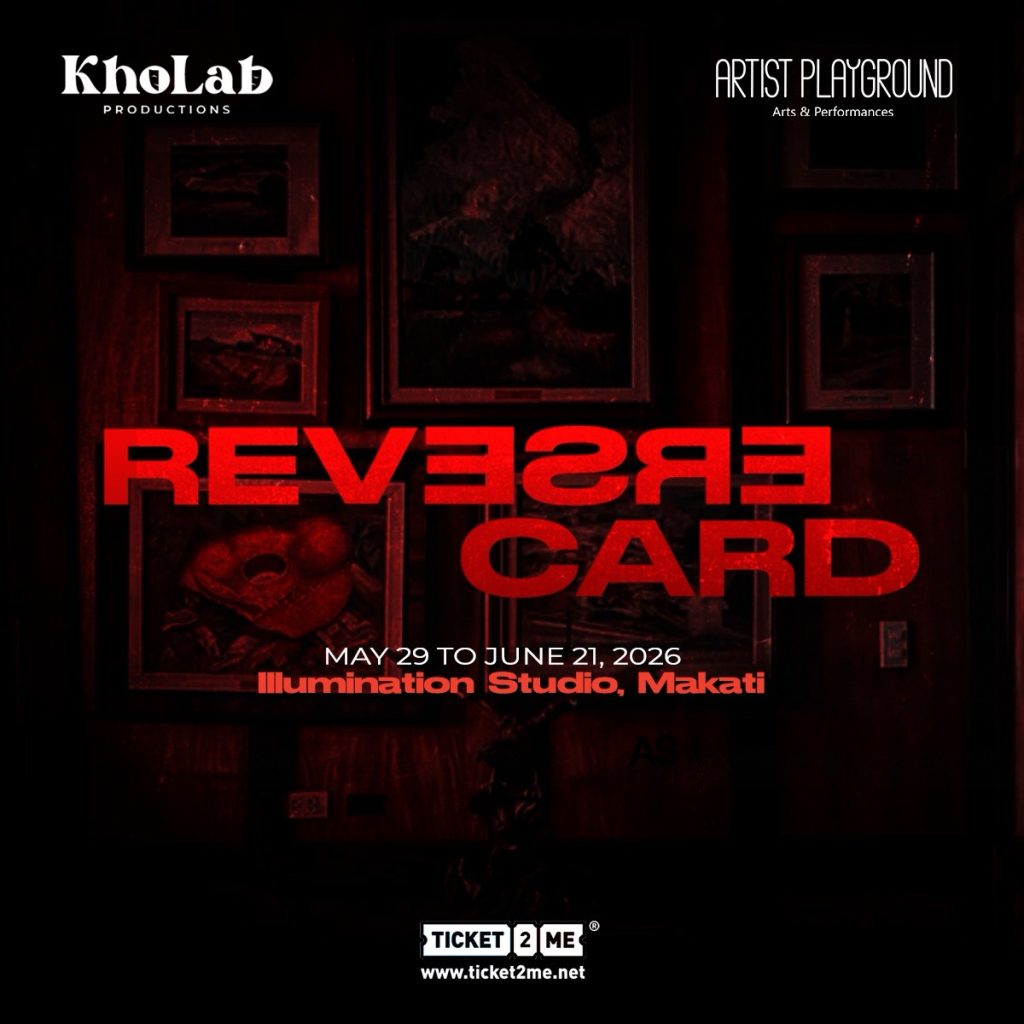
Reverse Card, on the other hand, is a tense cat-and-mouse game between Marvin, a gay aspiring writer who was bullied in school, and John, former tormentor. As the play opens, Marvin is visibly excited because John is coming over to his house. While the encounter initially feels friendly, but as the night progresses, we realise there is far more to this meeting than a simple paid hookup. With secrets waiting to be revealed and mind games to be played, the atmosphere shifts from friendly to terrifying really quickly and it opens up a lot of emotions for both characters to unearth.
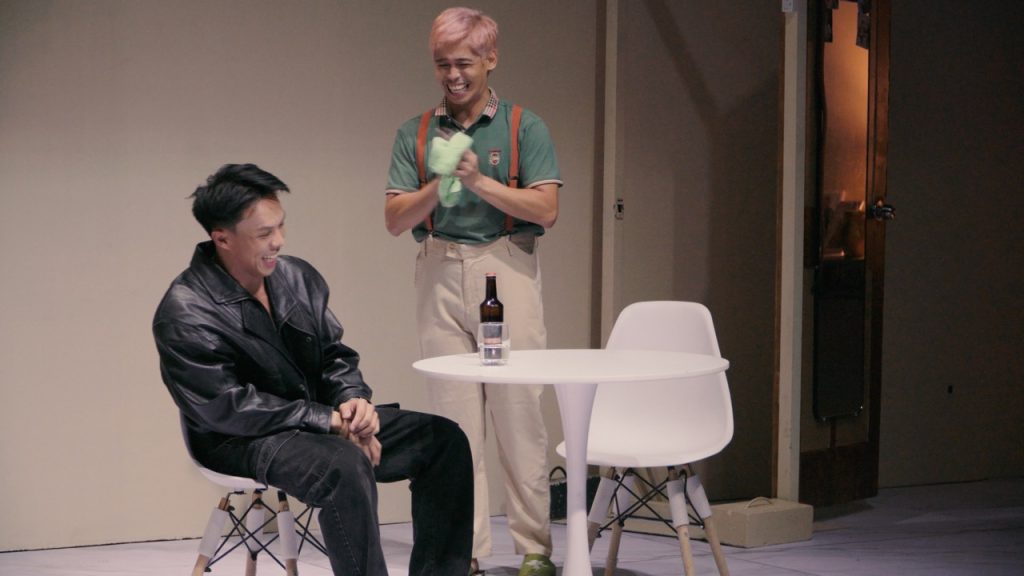
On opening night, Reverse Card starred Gerhard Krysstopher as Marvin and Gerald Magallanes as John. Both delivered incredibly strong performances. Krysstopher playing out a wide range of tones and styles for the more eccentric Marvin, who turns out to be playing a much darker game than John.
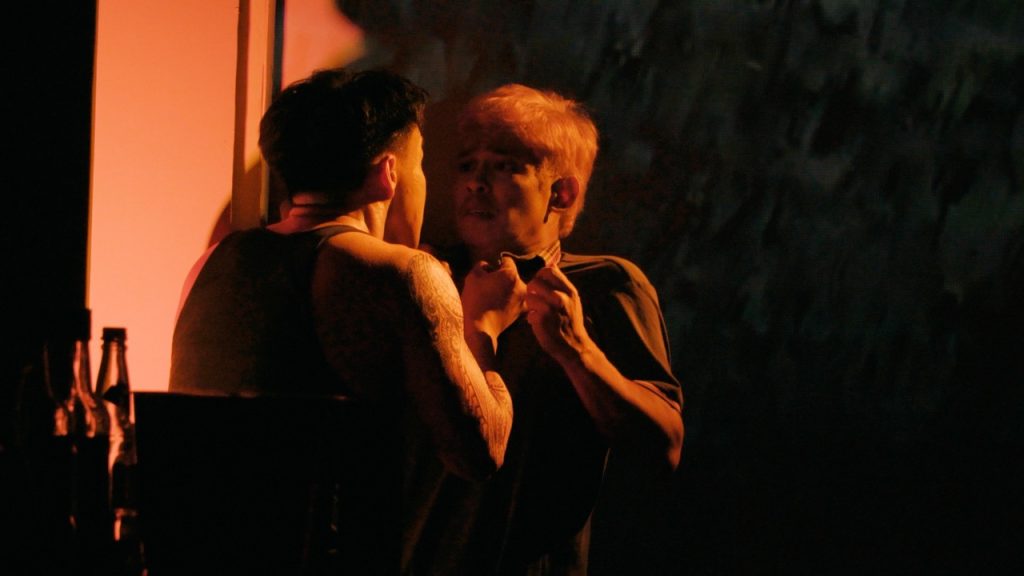
Meanwhile, Magallanes anchors the stage with a brusque, macho energy; he projects a frightening presence that makes you fear for Marvin except Marvin is not an easy character to break. I also had the opportunity to see Inah Evans and Drei Arias at the open rehearsal, and duo shared very good chemistry as well. Evans cleverly hides Marvin’s darker side behind a layer of comedy, which offers a refreshing contrast. Arias, not the other hand, brings a softer, more charming side to John that makes his John more charming and irresistible that it leads you to not question why Marvin would invite him to his home in the first place.
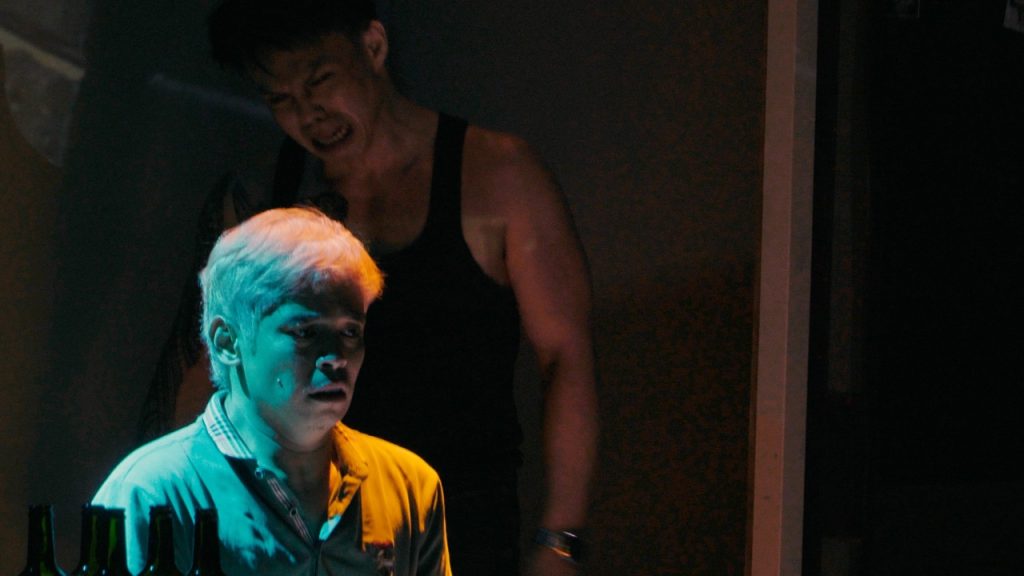
My issue with Reverse Card is how it takes the collective anger and frustration of gay people who have been bullied and mistreated poorly by their families, and channels it entirely into a spirit of vengeance. It problematizes and subverts a common trope, but instead of offering empowerment, the narrative resorts to violence and harm.
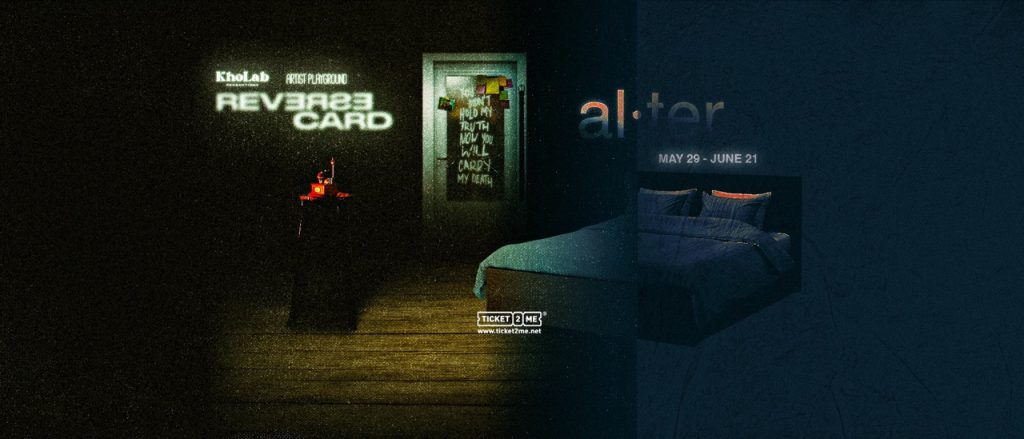
Dramaturgically, Double Take: Reverse Card and Al.Ter tackles the contrasting themes of retribution and forgiveness. The twin bill explores our shared humanity through the suffering inflicted upon us by others, alongside the suffering we inflict upon ourselves in relation to grief. However, by choosing to end it with Reverse Card, the production leaves us with such a sour note, considering that this is Pride Month. It’s not the best look.
My Rating: 3.5 Stars

Don’t miss out on this bold Pride Month twin bill. Experience the complex storytelling and powerhouse acting of Double Take live at the Illumination Studio, Makati. The production runs until June 21, 2026. Book your slots online via Ticket2Me.
Leave a Reply
You must be logged in to post a comment.