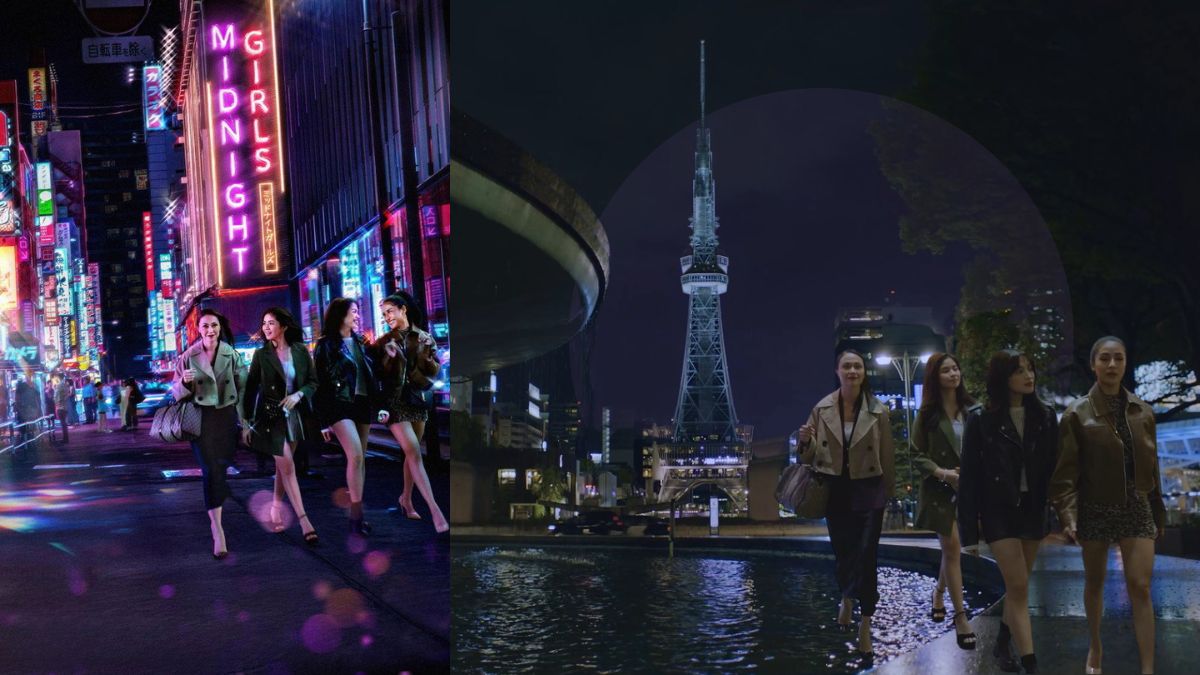
Of all of the films in Irene Emma Villamor’s filmography, Midnight Girls is the film that feels completely different, a heavy departure from her usual movies about the complex nature of love. This is a different kind of love story, one that explores what is at the core of friendships amongst Filipina entertainers in Nagoya, Japan. It is an ensemble film, featuring four strong performances from its lead cast: Jodi Sta. Maria, Sanya Lopez, Jane Oineza, and Loisa Andalio.
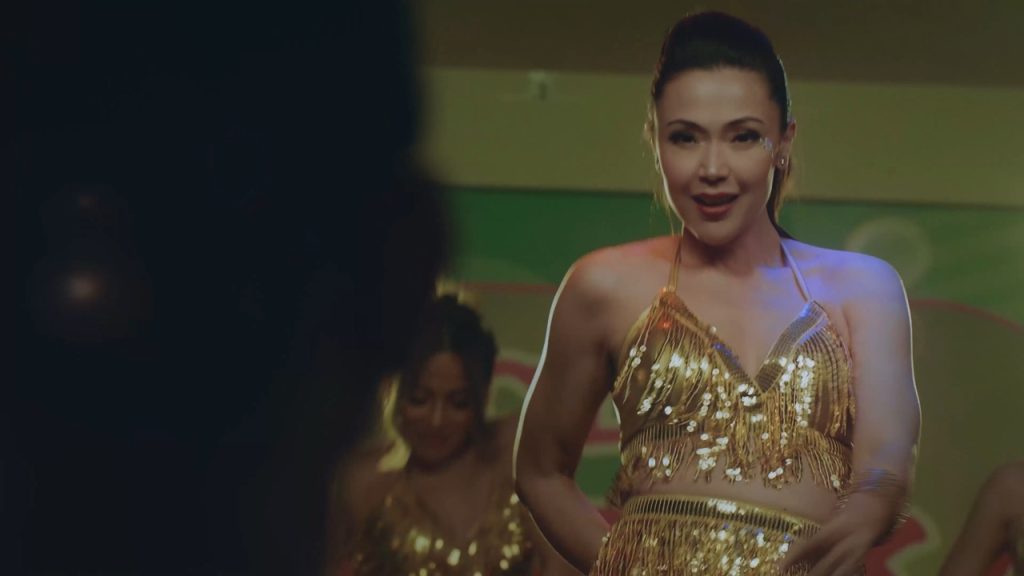
Almost plotless, Midnight Girls follows four women working in a hostess bar in Japan. Vicki (Sta. Maria) the most mature of the group, sending money to a son with whom she no longer has any real relationship after being gone for so long. She is practical and rational, but years in the working abroad have left her cold, despite her role as “older sister” to the others.
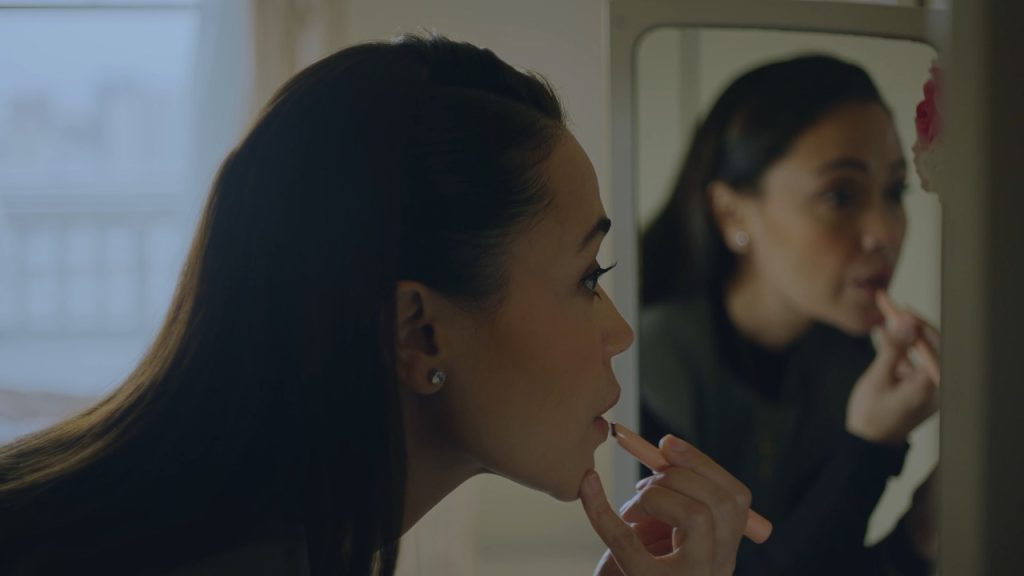
Paris (Lopez) is the explosive one, wearing her heart on her sleeve and carries the story of falling in love with a local man.
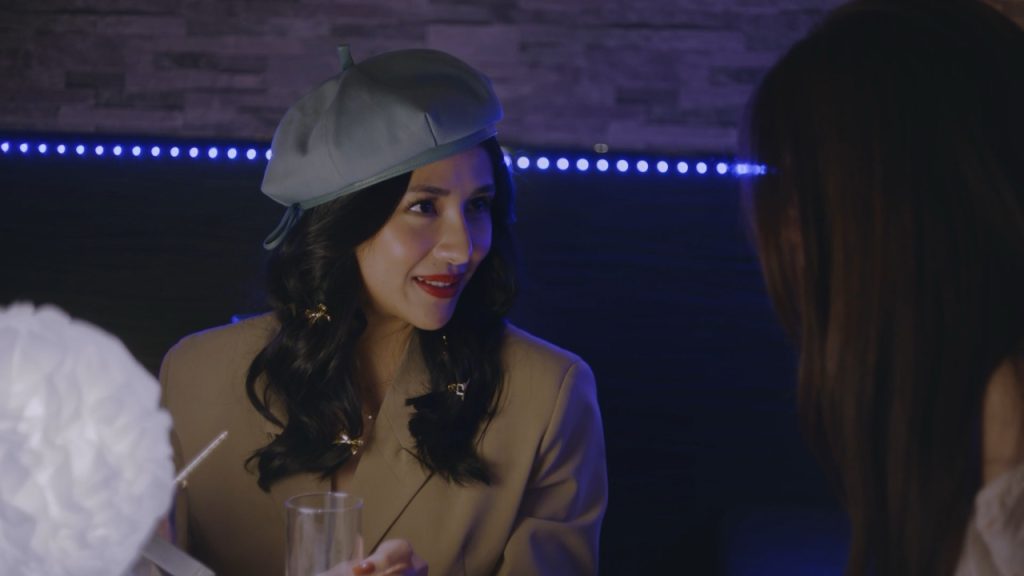
Saki (Oineza) faces an identity crisis, while the work forces her to be intimate with men, she finds herself gravitating to Paris. Finally, Wanna (Andalio) is the newcomer who left home and a boyfriend, to earn a living to send money back home.

Each woman becomes representative of the specific struggles hostesses face in this industry. Villamor takes a very interesting approach, investigating each character’s emotional struggle without delving into the inherent exploitation of the work involved. This is not an exploitation film, nor does this film attempts to paint these women as victims. Instead, Villamor is more deadset on navigating their emotional space, detailing their highs and lows, and humanizing them.
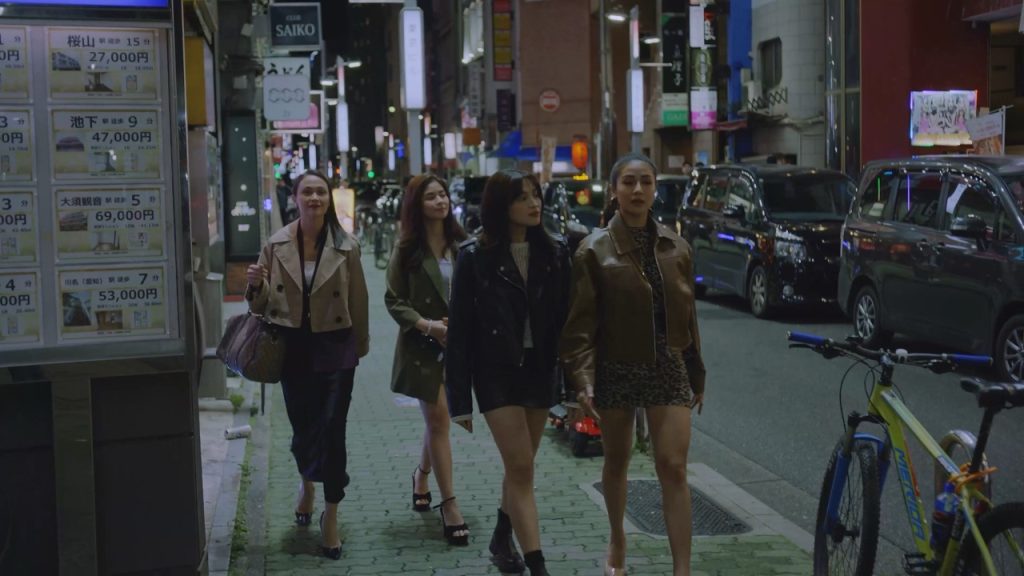
The exploitation is implied – though never spoken about – and is always at the periphery but never made present. This is not that kind of movie, and while there are other films tackle that aspect of these women’s lives head on. Instead, Midnight Girls centers its characters as people with hopes, dreams, fears, and regrets. The human aspect is front and center.

Villamor intersperses the film with actual interviews of women who are later revealed to be the inspirations for these characters. By merging the real people behind the fictional characters, the film sidesteps the need for melodrama. While the narrative occasionally skirts toward that territory, Villamor is too sophisticated a director to let go of her restraint.
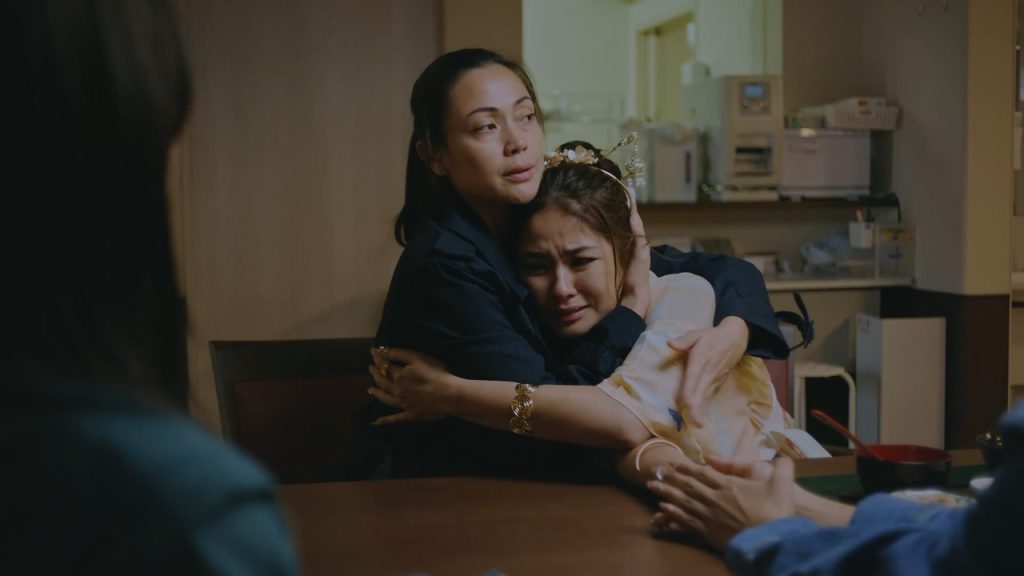
What I do miss is the director’s signature capacity for capturing the full complexity of her characters on screen. With four main characters – though Sta. Maria serves as the film’s foundation and really holds it all together – Villamor can only really touch the surface of each character, rushing certain narrative beats in order to give everyone their due within just under two-hour runtime. Had the film focused on a single character, Villamor’s trademark writing and directing style would have undoubtedly unearthed the best and worst of these people and would do it incredibly well but as an ensemble piece, we only get fragments of the bigger story. This is still a style and structure that Villamor has yet to continue to practice getting better at it.
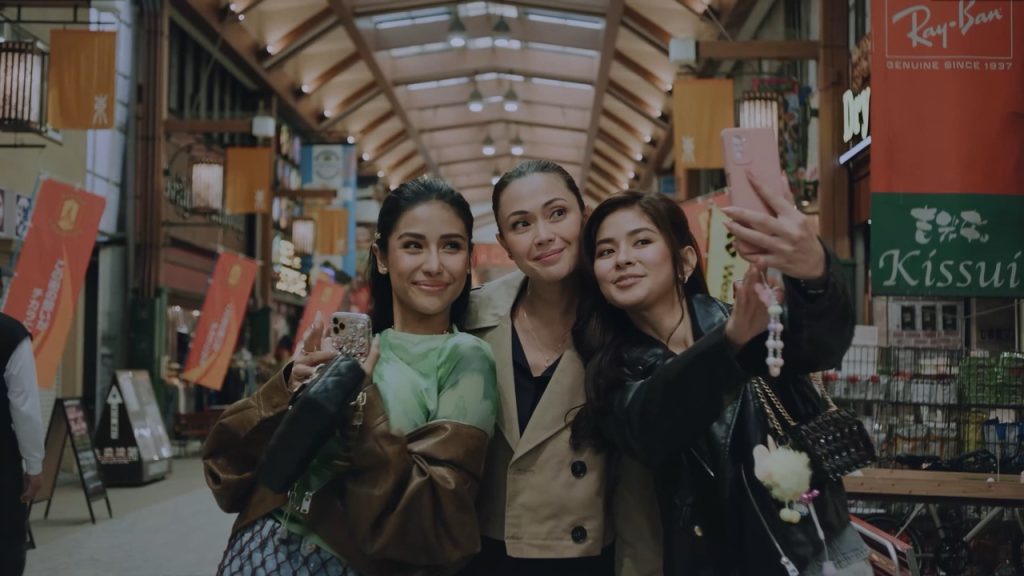
Ultimately, the film as a whole is a gorgeous love letter to these women. Elevated by incredible performances all around – especially by Sta. Maria and Oineza – Midnight Girls has moments that will make you both laugh and cry. As the film just flows steadily on, allowing time to pass and letting the women grow within their profession and all its challenges.
My Rating: 4 Stars

Curious to see Irene Emma Villamor’s new direction? Experience the heart and sisterhood of Midnight Girls on the big screen. Find showtimes here.
Leave a Reply
You must be logged in to post a comment.