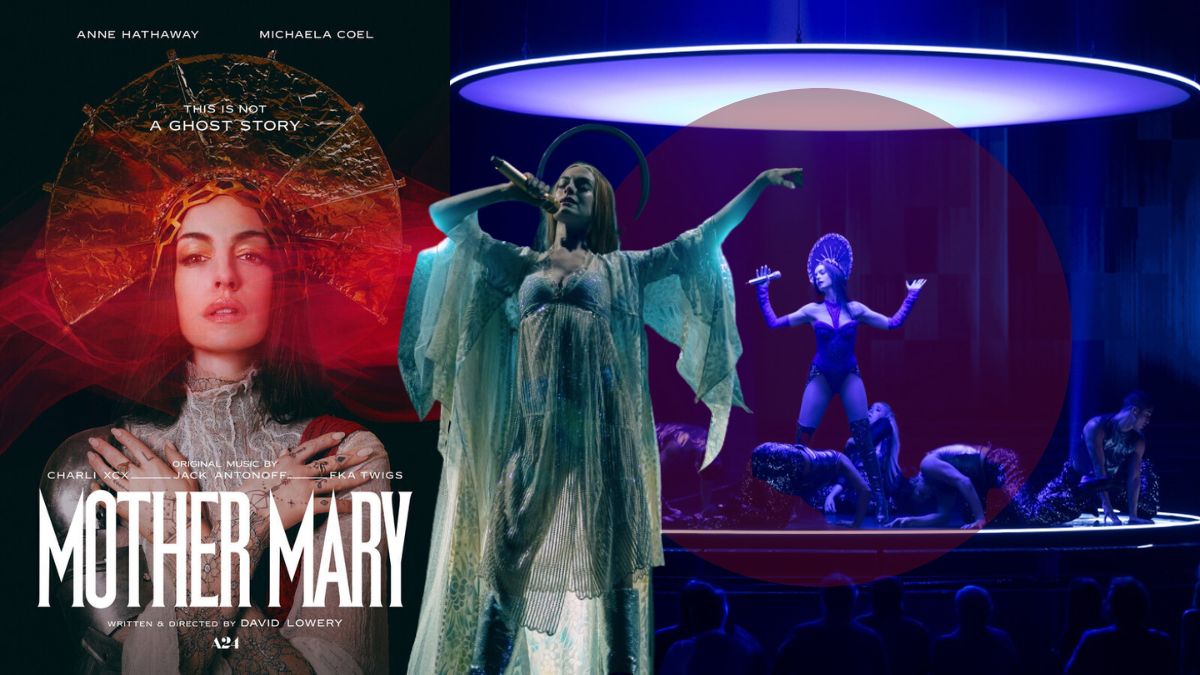
There is a profound embrace of poeticism in David Lowery’s Mother Mary. Amidst the fashionable, glamorous world of a pop star and her former costume designer and creative partner, lies a story of a friendship’s dissolution, one so devastating it leaves wounds capable of summoning specters of unsettled emotions. The film feels almost theatrical, from the dialogue spoken by Sam Anselm (portrayed by the disarming Michaela Coel) to the transitions Lowery uses to bridge the past and present. And as metaphors that take shape within the narrative, they thrust the film into an entirely different genre. It is fascinating as it is visually stunning.
Anne Hathaway stars as the titular pop icon, Mother Mary, who is about to make a comeback after a traumatic onstage accident. Exhausted, frustrated, shaken to her core by waves of emotion, she flies to England to visit the home of Sam Anselm (Michaela Coel), a fashion designer, to ask for a dress for her comeback performance. But Mother Mary and Sam have a tortured past. Sam was once Mary’s costume designer and from rifling through their history, she was more than that: a creative partner, a foundational presence who was there from the beginning, and a friend.
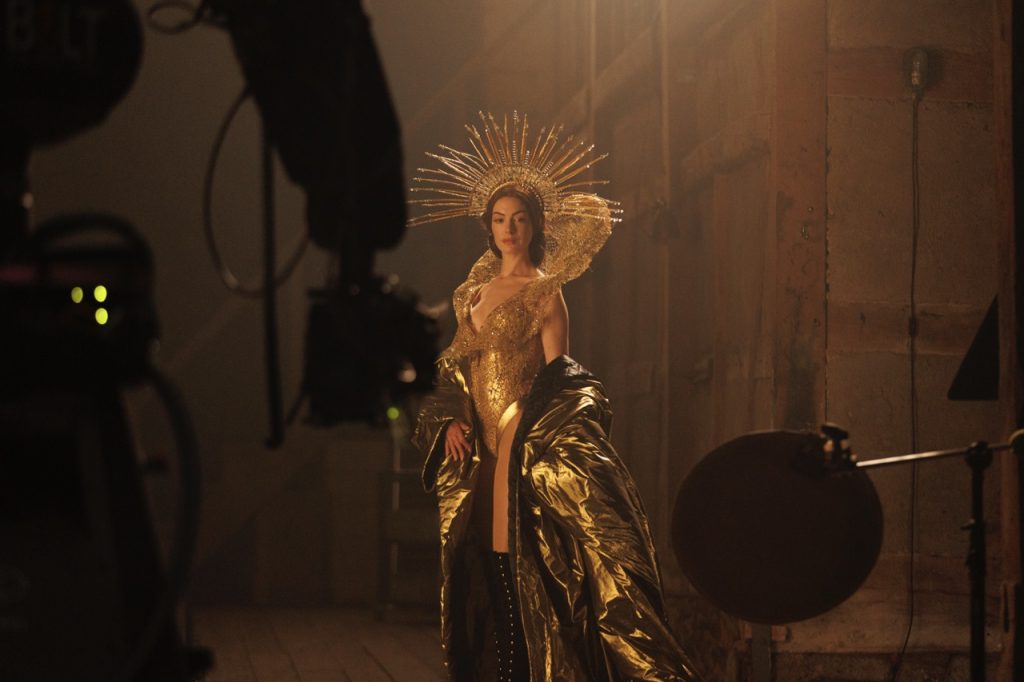
Sam is cold and detached, yet she keeps Mother Mary talking, betraying her need for something from her. She takes on the job; to design and craft a dress in less than four days. And in the process, the two women hash out that moment when their friendship ended, when Mother Mary chose to replace her original circle with a new creative team behind her. It is at that point, an hour into the film, where the film shifts radically as Sam reveals that the pain of that parting led her to a supernatural encounter: a ghost.
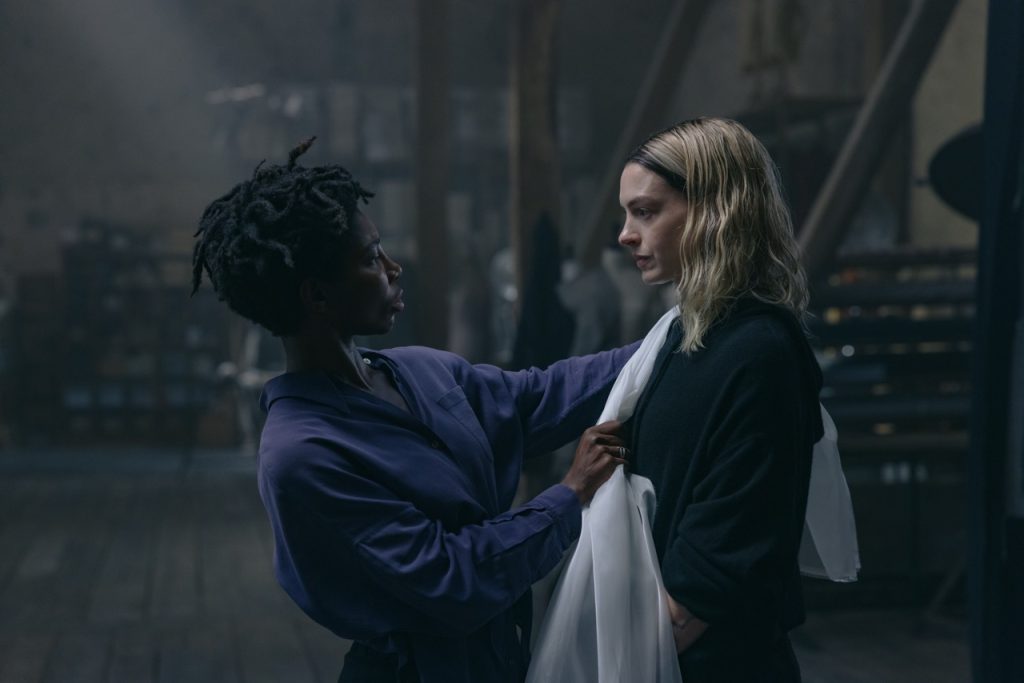
For the first hour, the film moves at a slow pace. Lowery focuses his lens on the very nuanced and layered conversations between Mary and Sam.
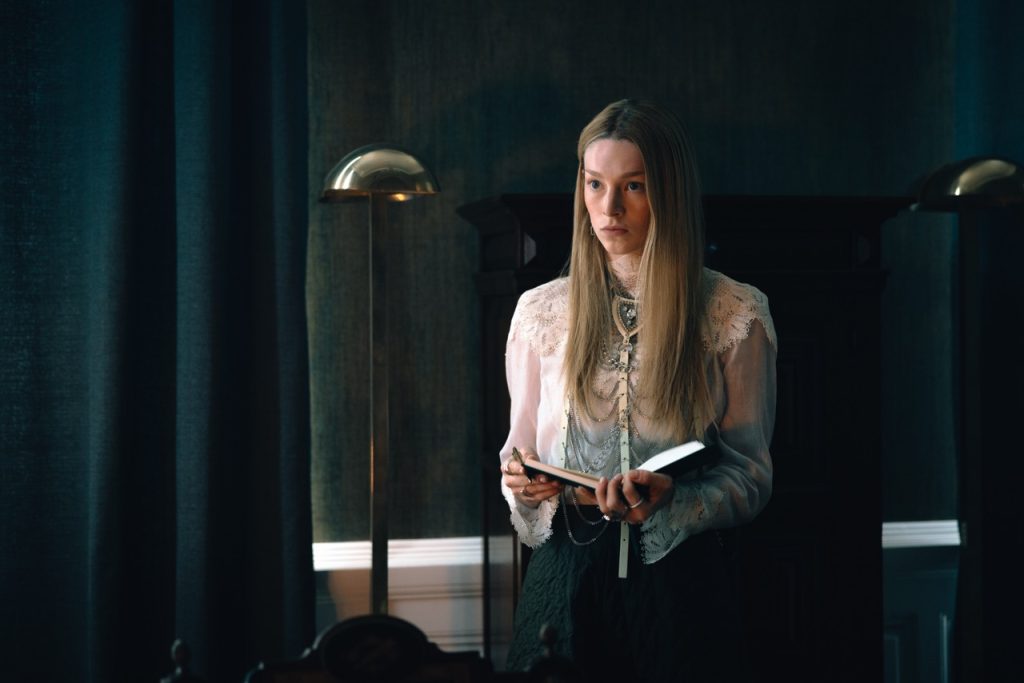
Mary is visibly broken and desperate for connection, while Sam is keeping her cool, clearly reveling in the power of being needed. Sam’s dialogue are poetic, descriptive, and eloquent. Michaela’s English delivery and sharp English accent cast a hypnotic spell.
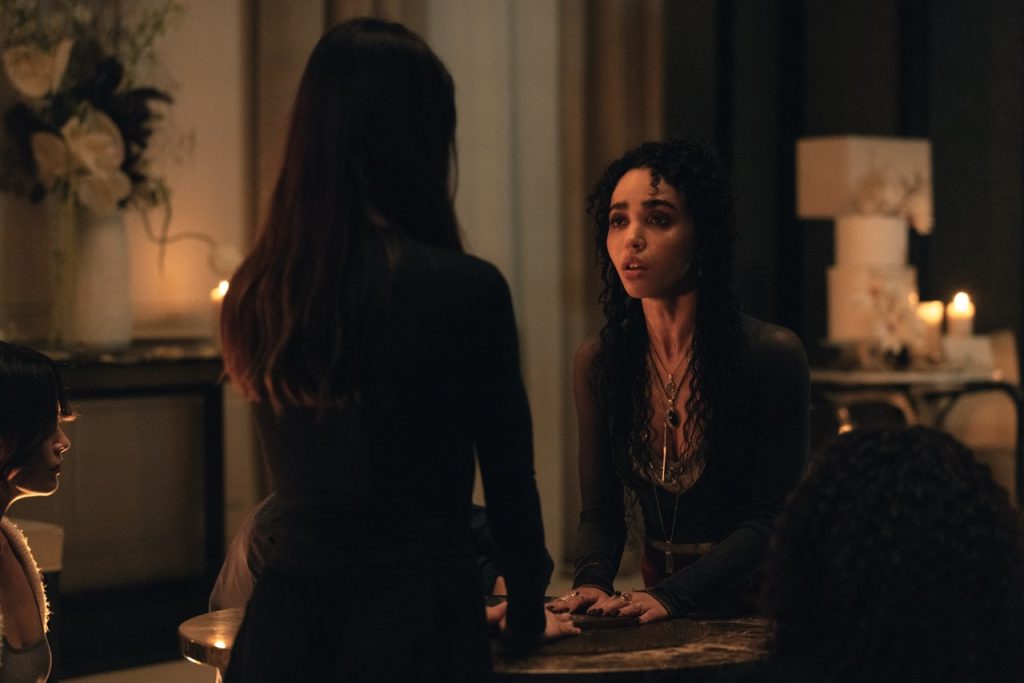
In contrast, Anne Hathaway’s Mary is a broken person, her words are unfiltered, messy, and unrehearsed. This first half of the film functions almost like a stage play – a two-hander where the only action is the two characters navigating the past.
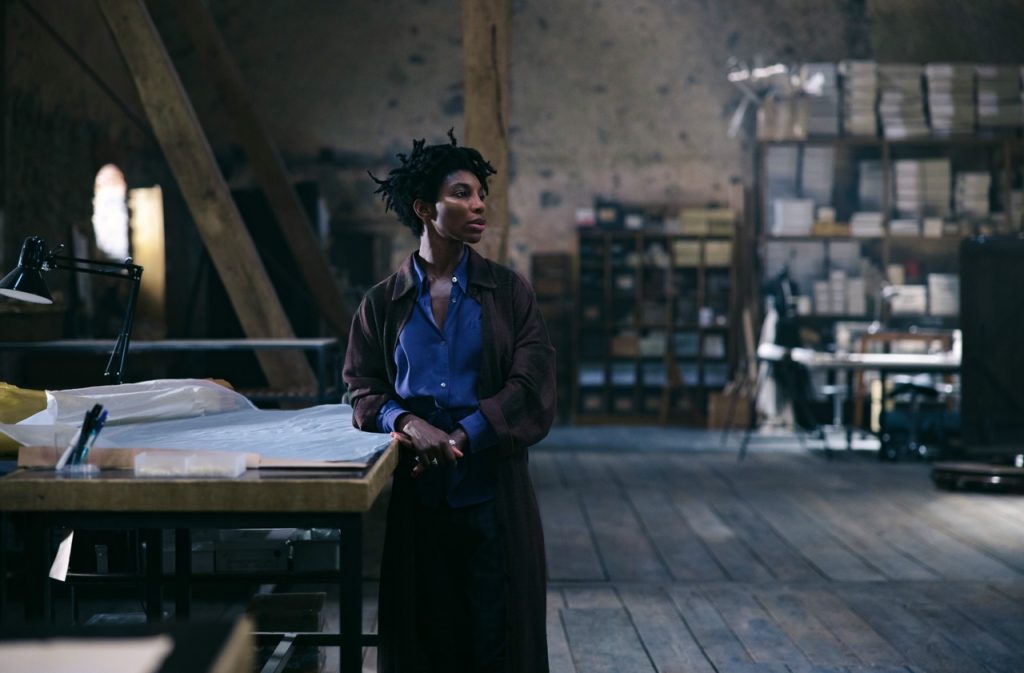
Lowery keeps it theatrical, transitioning from present to the past with a movement of the camera to reveal the past right at the edge of the screen, coming into focus, and the character in the moment of remembrance enters into the frame to act out in the flashback. No cuts.
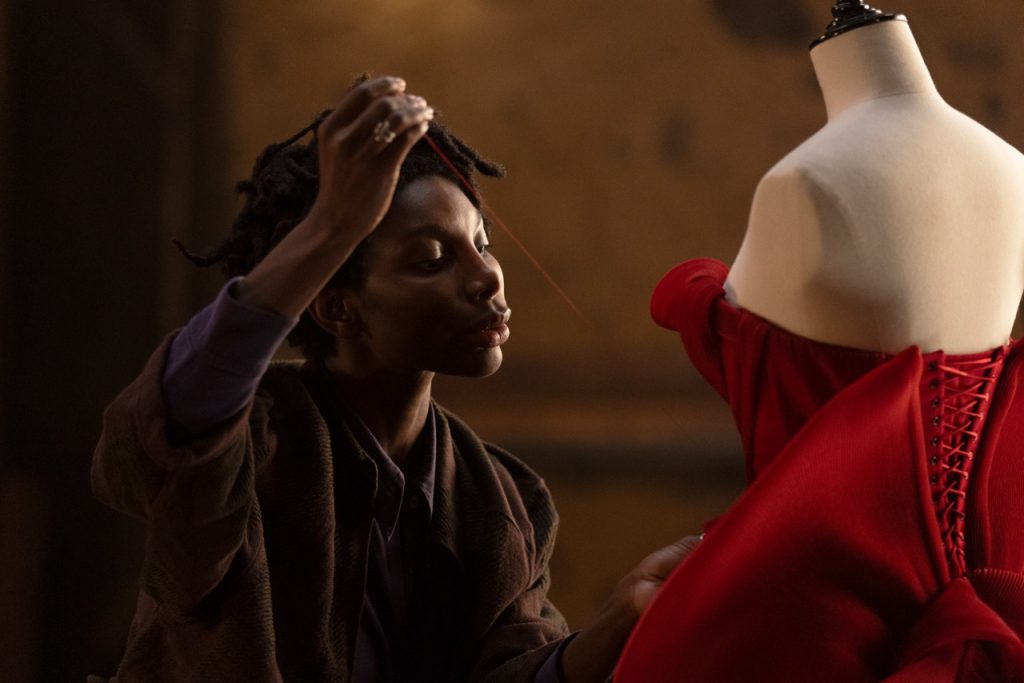
Just one continuing movement allowing time and space to collapse into each scene. Though a decade has passed since their parting, the film suggests that the past is just a camera pan away. It is a visceral reminder that these events are still very real, very present, and very close to both two women.
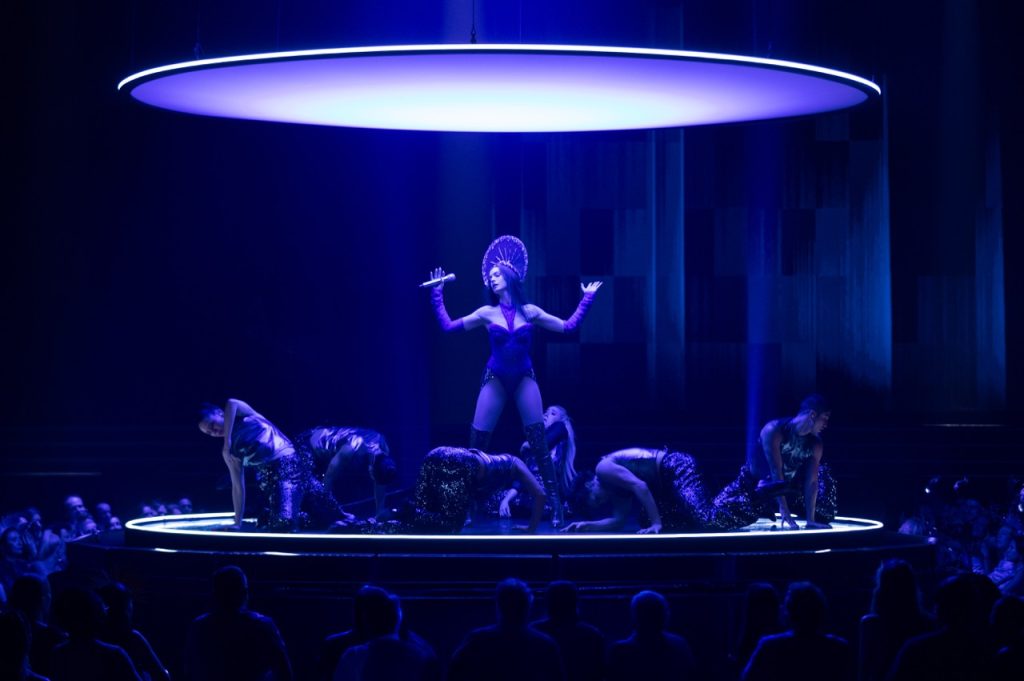
Occasionally, the film allows Mary to break into full performance, emphasizing that her stage persona is every bit a part of this story. The sharp contrast between the gothic, dark design of Sam’s workshop, and the searing bright lights of Mary’s world and massive crowds – jumping into some killer songs by Jack Antonoff and Charli XCX (with Anne Hathaway herself sharing songwriting credits) – keeps the energy running while expanding the film’s themes into that of art and creation.
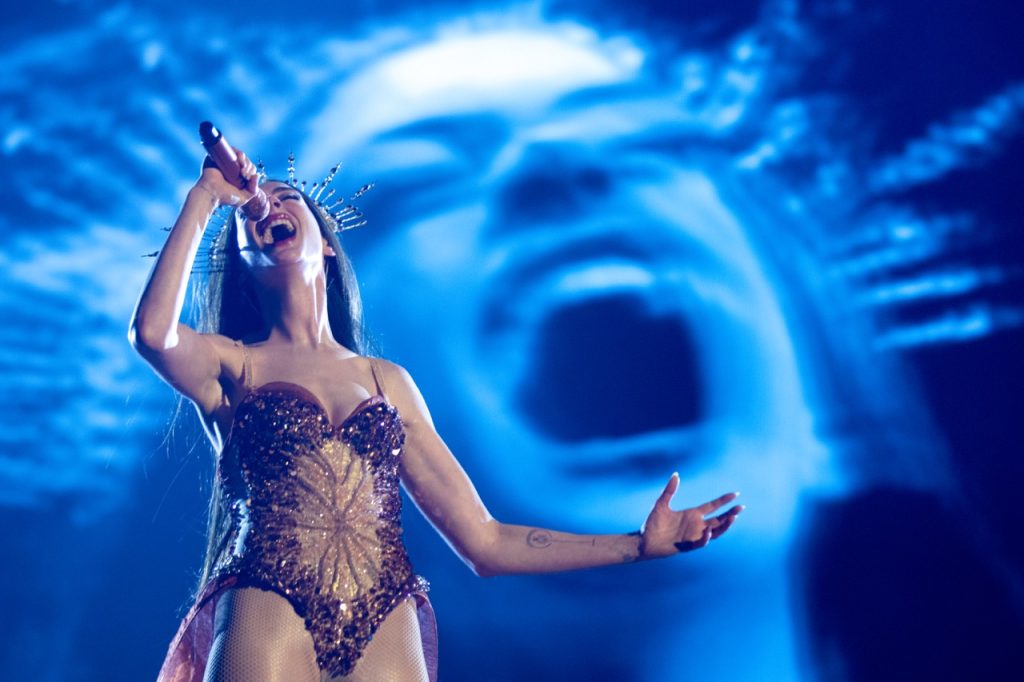
The image of the pop artist is just as instrumental as the music and the performance. Sam was taken away from something she helped craft, and Mary, standing at this critical juncture in her career, realizes she must return to the source to truly move forward.
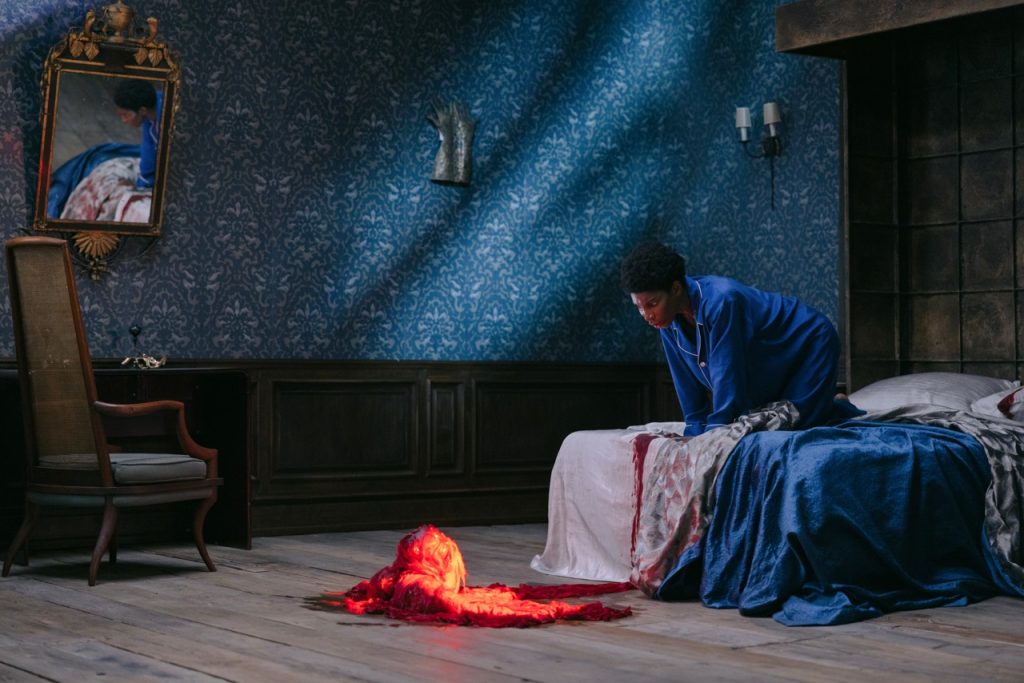
When the ghost story emerges halfway through the film, Mother Mary fully embraces its Gothic mode. The narrative shifts to the horror genre, yet it remains firmly rooted in the one thing that both women are searching for: closure. The ghost is both literal and metaphorical, and the film adopts an air of whimsy that feels entirely earned, the emotions simmering throughout the film seemed destined for this.
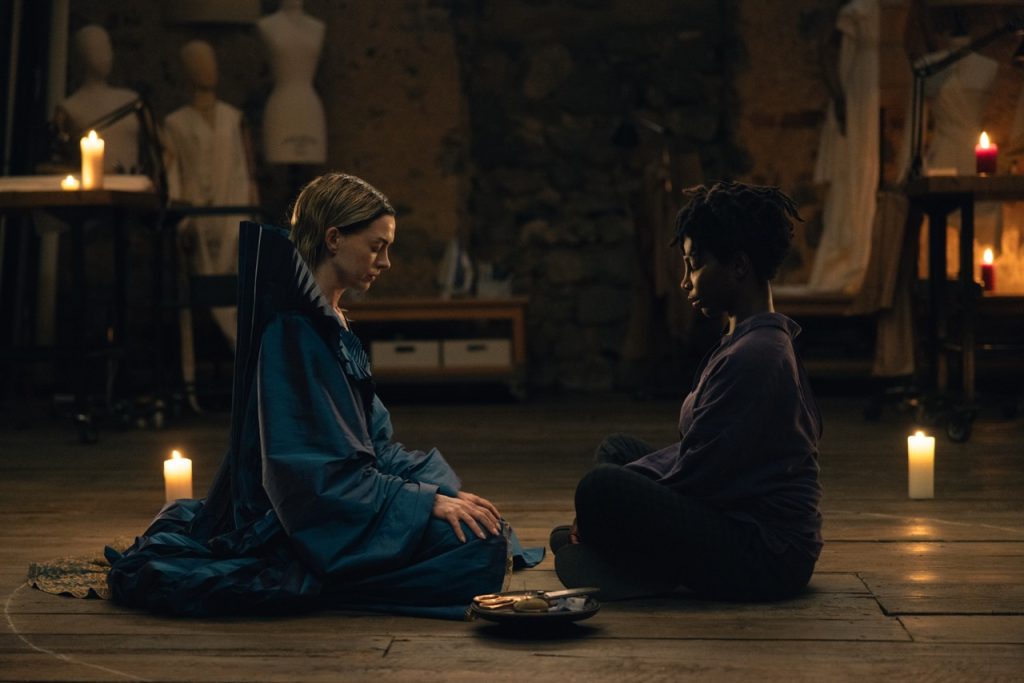
Hathaway and Coel are incredible, creating two characters so distinct and lived-in that their relationship becomes the fulcrum of all of Lowery’s storytelling techniques. The theatricality, the extreme close ups, the music, and the seamless transitions – they are all there in service to Sam and Mary’s journey towards liberation. Both actors are so profoundly committed to the film’s whole vision that the narrative never feels silly or over-the-top.
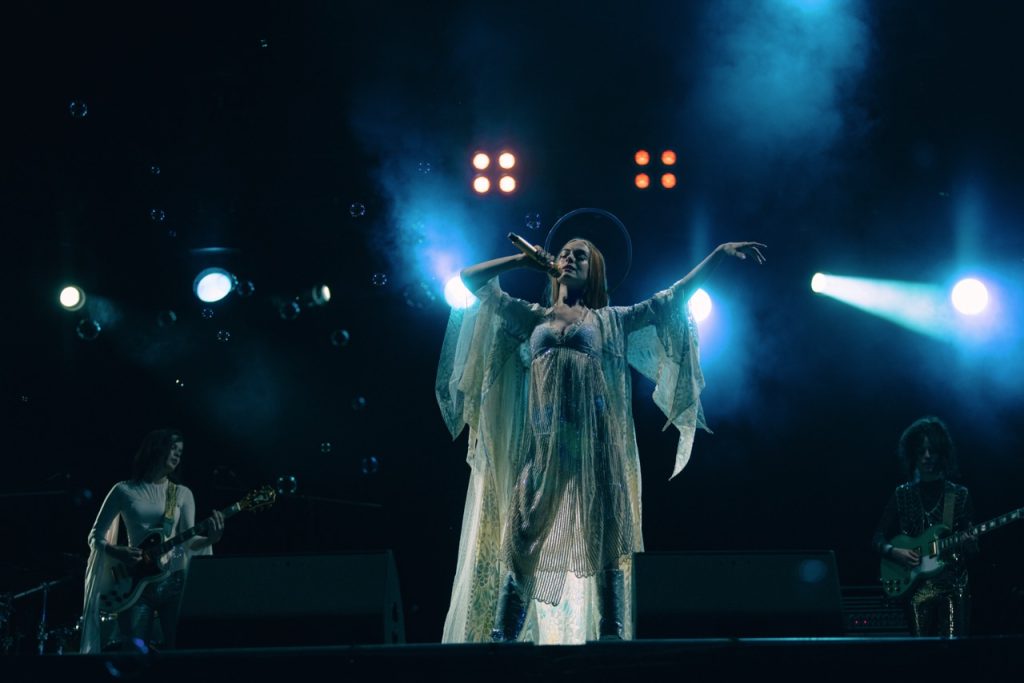
Mother Mary is a strange, little film but if you can ride its out-of-the-box presentation, it is a rare cinematic treat. At the very least, one can simply enjoy Anne Hathaway living her pop-star dreams, proving there is formidable diva within her that has finally found the perfect stage on which to shine.
My Rating: 4 Stars

Leave a Reply
You must be logged in to post a comment.