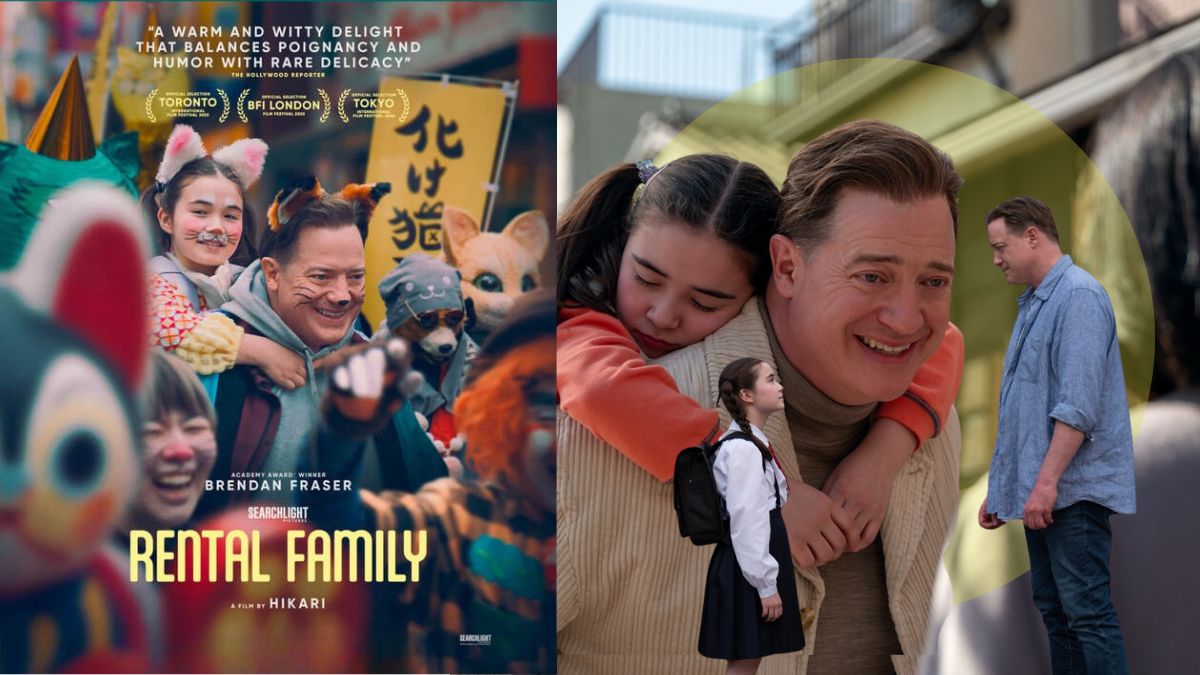
It’s a strange feeling to be watching a film and be so absolutely charmed by it and then as the movie is moving towards its third act, your feelings take a full 180-degree turn and it undermines all the great things you felt in the film’s first two acts. That sums up my experience watching Hikari’s Rental Family.
It is an exquisitely crafted film – gorgeous direction, cinematography, performances, and even music by Jónsi (of Sigur Rós) and Alex Somers. All the elements work so wonderfully together, and the tone is so well balanced between comedy and a generous heaping of sadness. My issue stems in how the film treats its subject matter and how it shifts into favouring a Western framework while being situated in an Asian country.
The issue here is one of political and cultural representation.
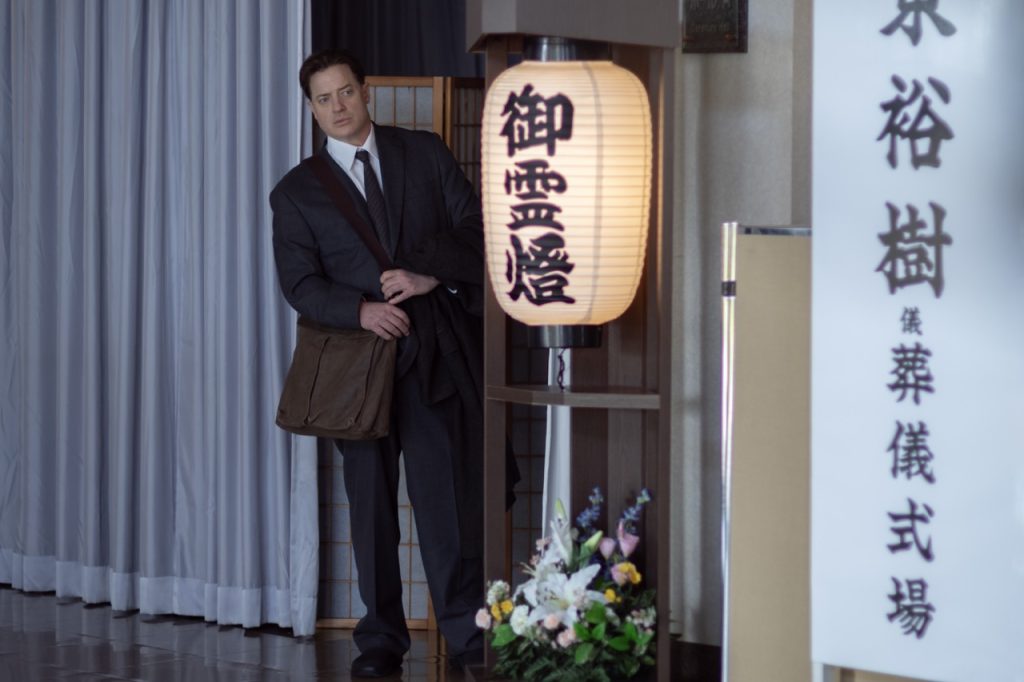
‘Rental Family’ is the story of Philip Vanderploeg (Brendan Fraser), an American actor living and working in Japan. Philip has done a Japanese commercial seven years ago and has stayed on ever since doing odd jobs playing a “token white guy” in ads and TV spots. He’s presented as a person who is isolated and alone.
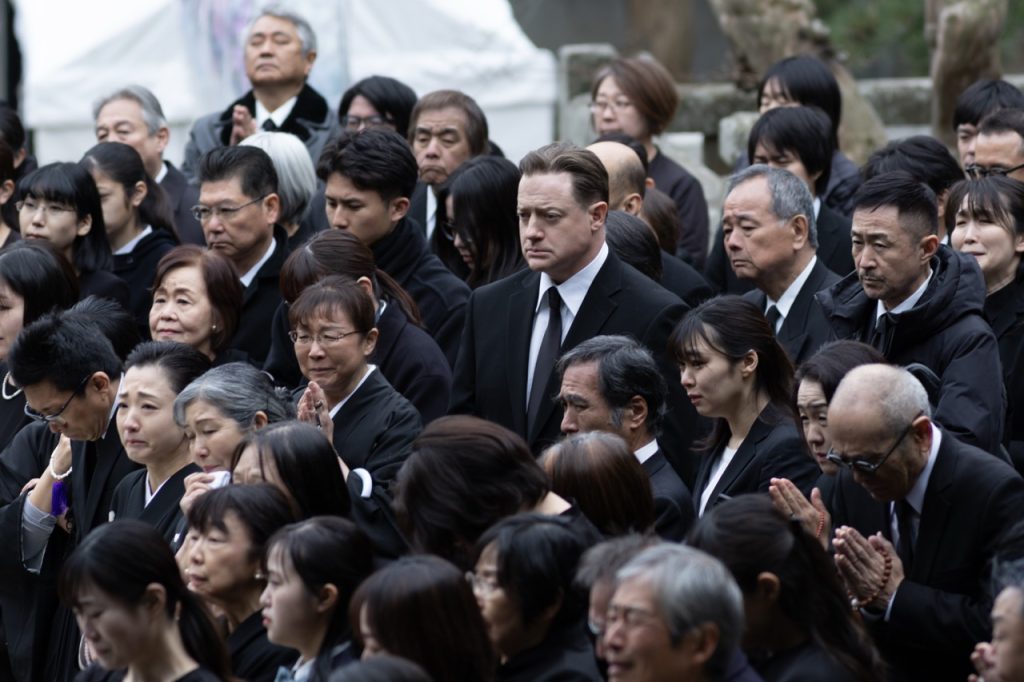
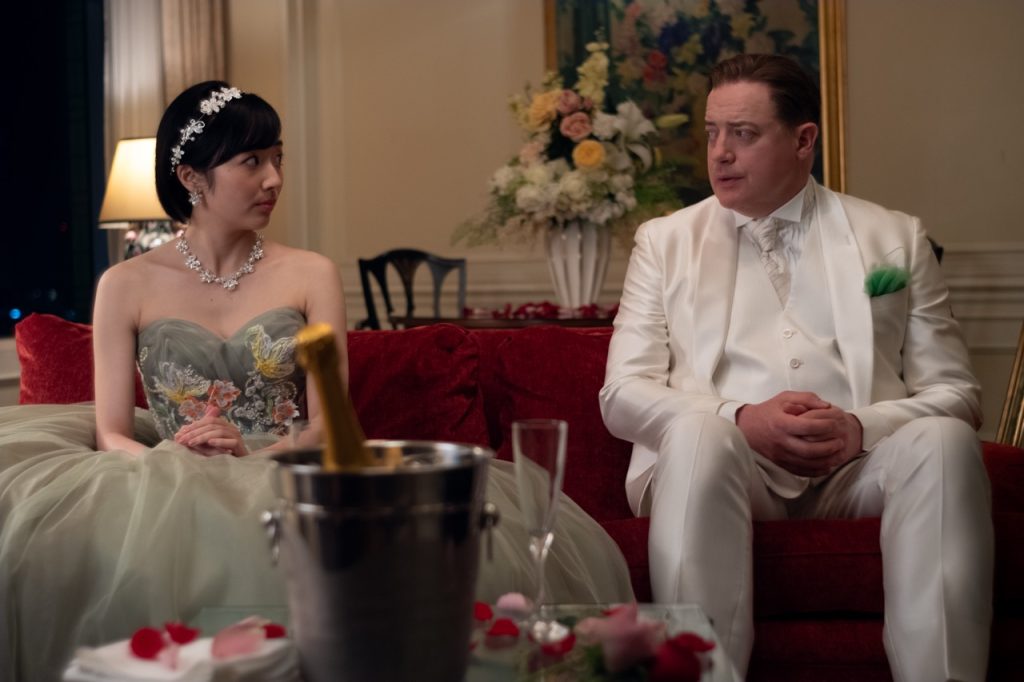
Philip then comes across a company that reenacts realistic fantasies – actors portraying a client’s family, boss, or even the guest at a wake, and other such scenarios – for a decent fee. He is hired to play a token white man, but often with a deeper connection to the client. He gets hired by a woman to play a journalist who is interviewing her father, who is an aging actor played by Akiro Emoto. He’s also hired to be buddies with a Japanese guy who likes to play video games. In another case, a young woman asks him to pose as her Canadian groom so she can give her parents the wedding they want for her and finally be free.
Naturally, Philip has a hard time with this. His boss, Shinji (Takehiro Hira), along with co-workers Aiko (Mari Yamamoto) and Kota (Kimura Bun), try to explain to him that what they are doing is capturing emotions and feelings; it isn’t exactly a lie, and that it’s something he may never fully understand as an American.
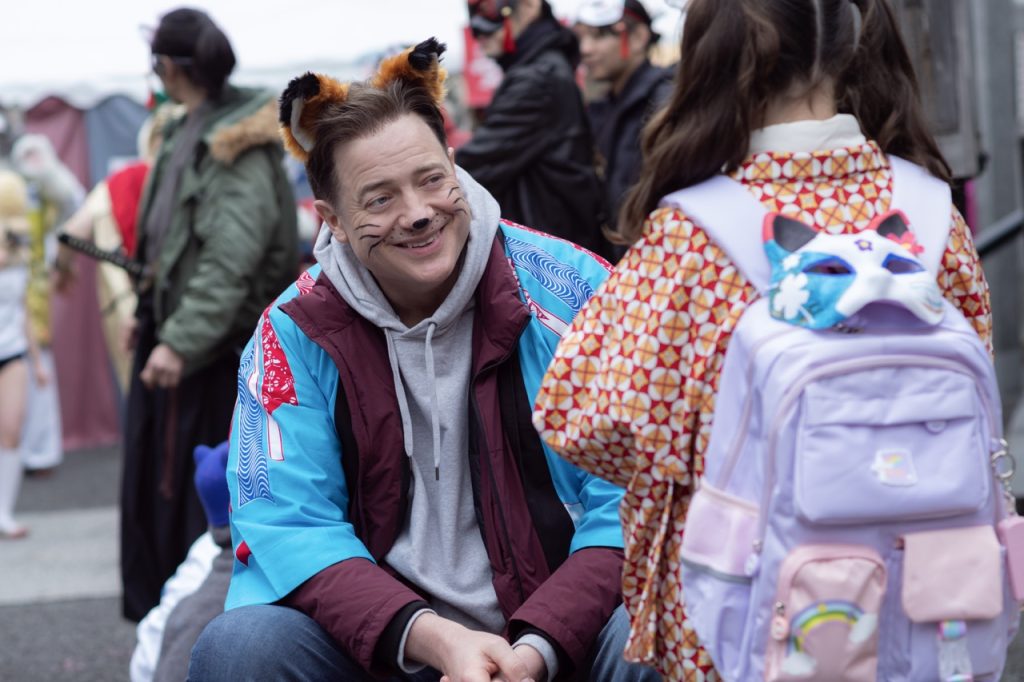
The most precarious of roles Philip has to play is that of the estranged father of a young half-Japanese girl, Mia (Shannon Mahina Gorman). Her mother, Hitomi (Shino Shinozaki), is applying at a prestigious school for Mia, and having both parents involved would help the application process a lot. But Hitomi doesn’t want Mia to know that Philip is an actor, so he has to fully commit to the role and truly pretend.
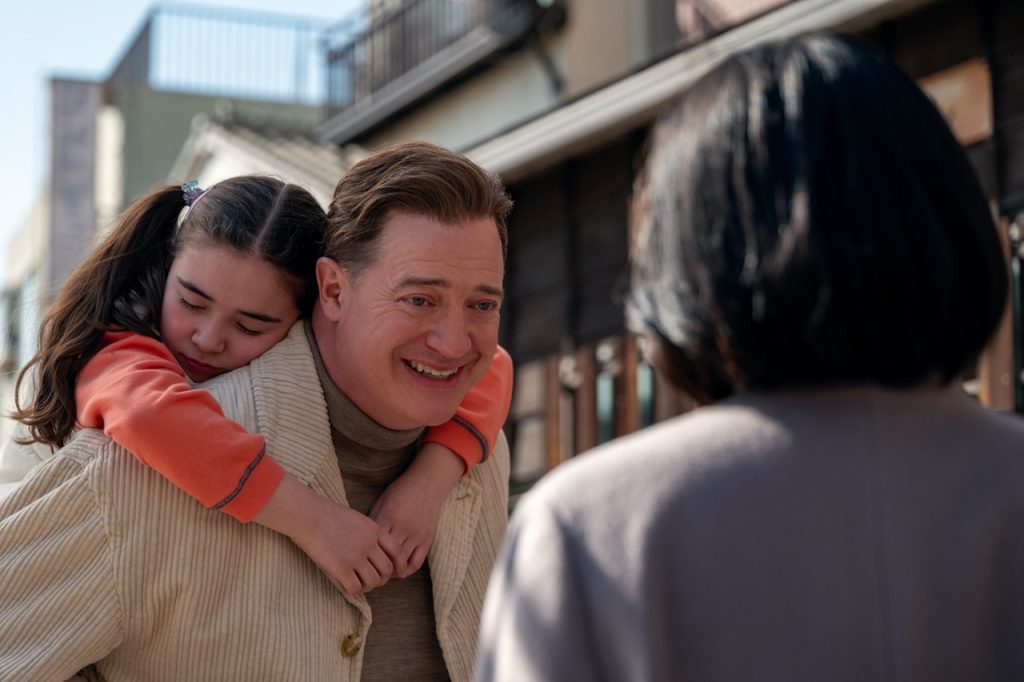
At a certain point, Philip begins to find his way, forging real connections with his regular clients, but most especially with Mia, who becomes a way for him to reconnect with his own estranged father. Things get complicated midway through, as Philip cannot help but invest himself fully in these relationships and pushes the boundaries of what is permissible and what is not in his job.
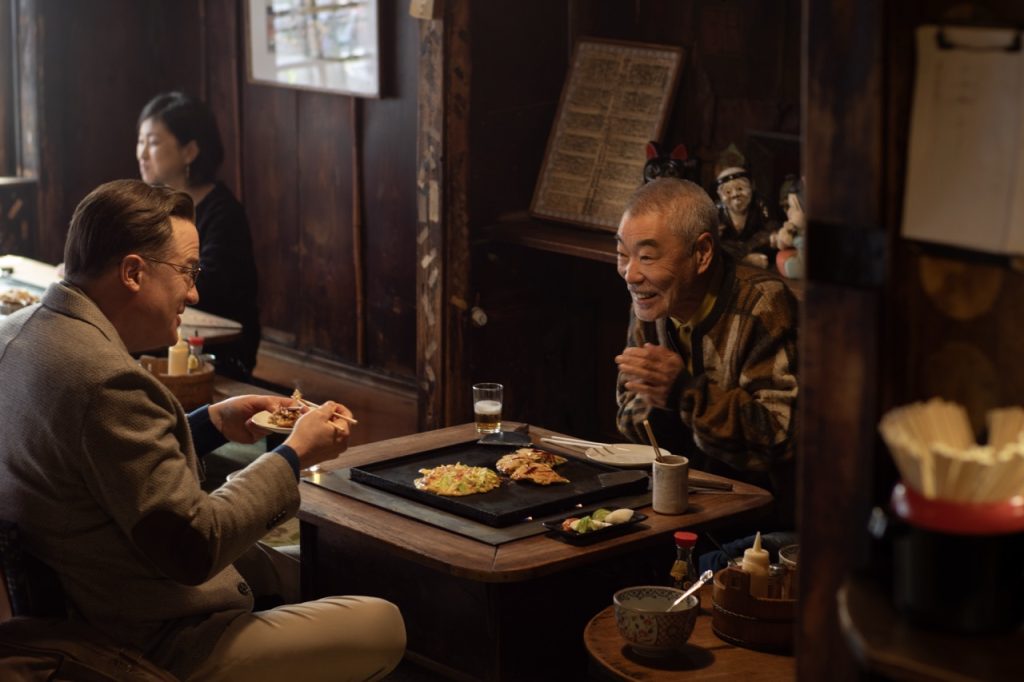
Hikari’s style is visually stunning and manages to visually capture the interconnectedness of Asian societies; and somehow isolate Philip from all of this, being an outsider. Fraser is magnificent, really embodying the everyman and then showing us how he transforms for every client. He is a very solid actor, anchoring the piece around his character. He is never flashy or overdoing it. Everything is just right. All the Japanese actors are equally fantastic, with Akira Emoto and Mari Yamamoto standing out in their roles.
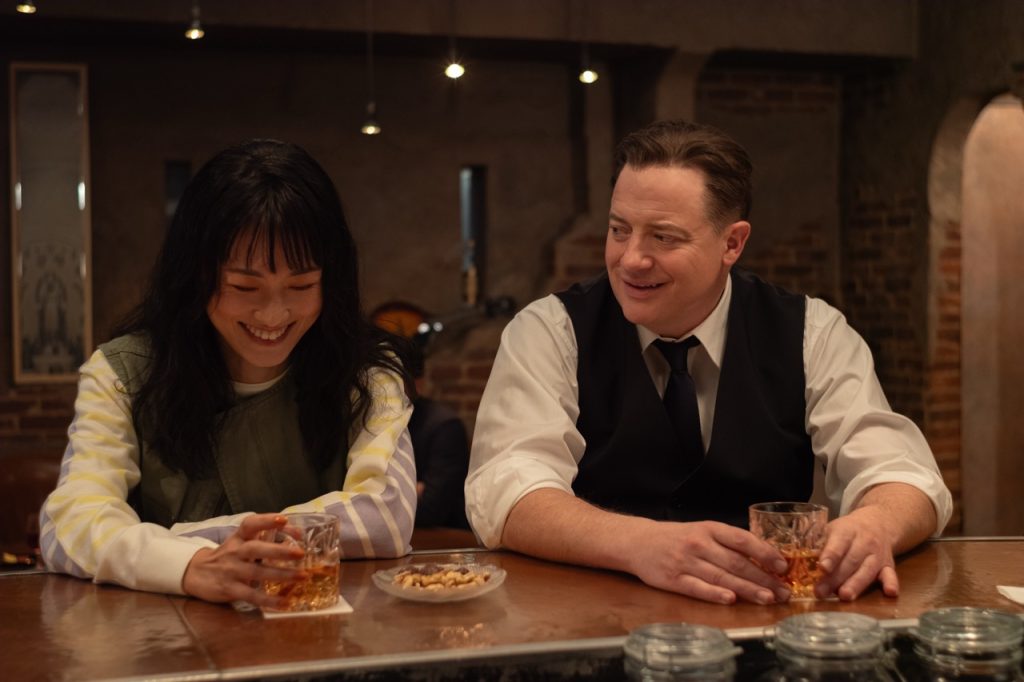
Throughout the film, though, we see the importance and value of human connection; how these feelings hold weight and are even worth being paid for. It reminds me of the social media reels about certain Asian countries offering “rent-a-boyfriend for a day” services (for non-sexual dates and companionship). Apparently, it really is a thing. And at the start the film shows how important the social fabric is to Asian culture.
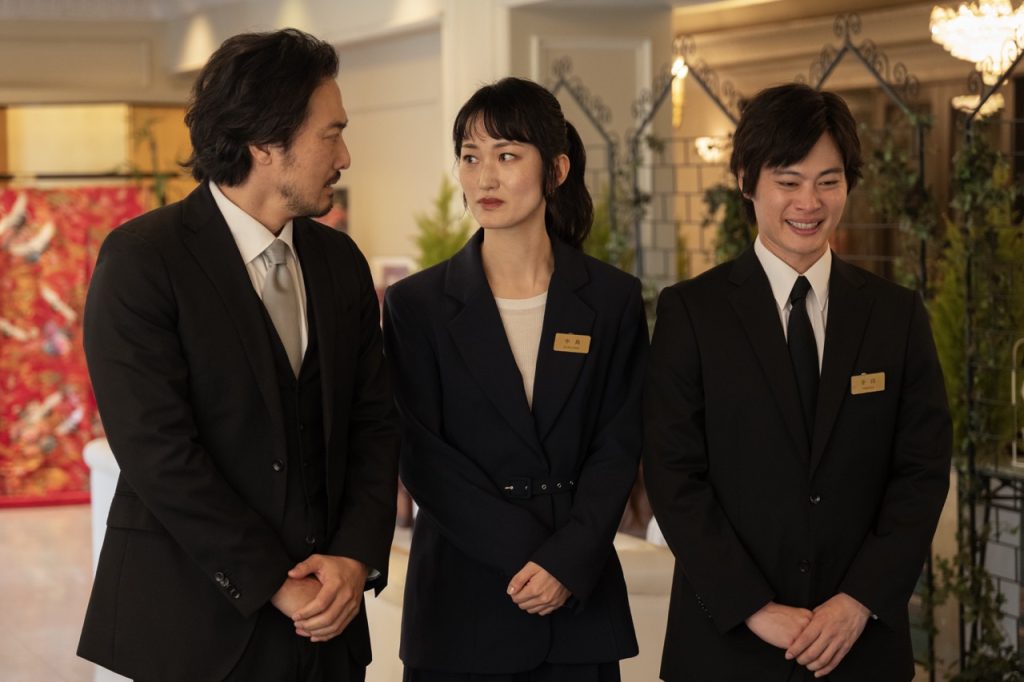
But halfway through the film, as Philip begins to get himself completely involved, he questions the company and what they are doing and goes beyond what is allowed by their rules of engagement. At this point, the film takes on an almost white saviour tone, suggesting that it is Philip who puts all these Japanese characters “in their place,” and because that things change because of him. This bothered me so much. I was absolutely charmed by this movie, by the direction, the performances, the cinematography, and the music, but when the white saviour moment happens, my experience with the film changed completely.
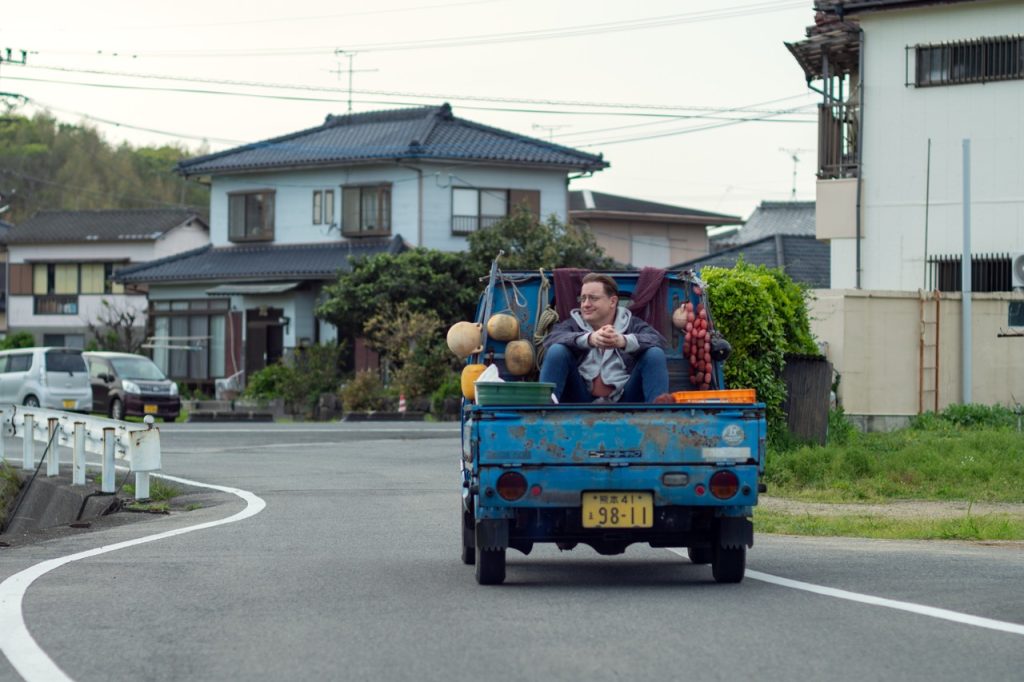
Instead of a story about a white man learning something new while living in Asia, it’s the Asian characters who learn something from the white man and this really didn’t sit well with me.
By all means, the film is well made, but I immediately understood that this movie was made for Western audiences. It was not fair in how it structured the narrative to pass judgement on the Japanese characters and position the white man as the hero of this story. It’s so beautifully made but I felt it was not made for me. It’s a story that amplifies American superiority and comes across as inauthentic and untrue when you consider the real-world conditions that we live now.
My Rating: 2.5 Stars

Rental Family opens in theaters today! Don’t miss Brendan Fraser navigating complex roles, Hikari’s stunning visuals, and a story that charms, challenges, and provokes. Check showtimes near you and experience it on the big screen.
Leave a Reply
You must be logged in to post a comment.