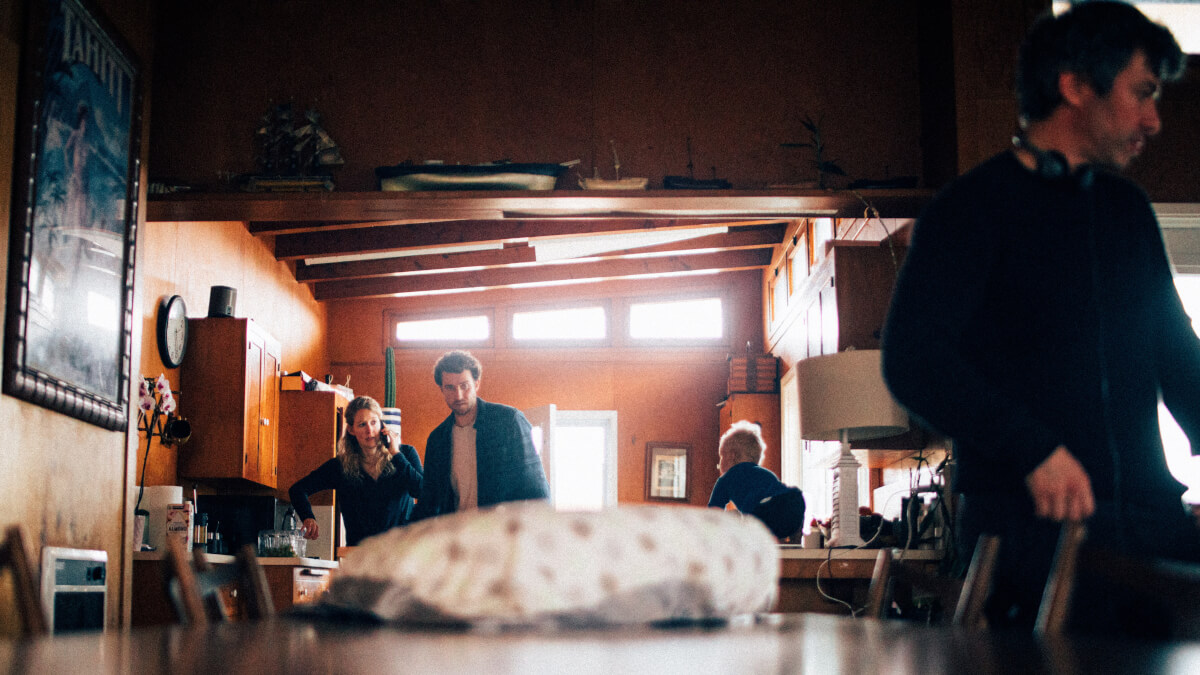
What happens when two filmmakers attempt to capture the truth about someone whose life has become synonymous with deception?
In You Can See Everything, directors Lance Oppenheim and Nathan Fielder take on a fascinating challenge: documenting the final days of disgraced Theranos founder Elizabeth Holmes before she enters prison. But as the cameras roll, the filmmakers discover that capturing reality isn’t quite as simple as pointing a lens at it.
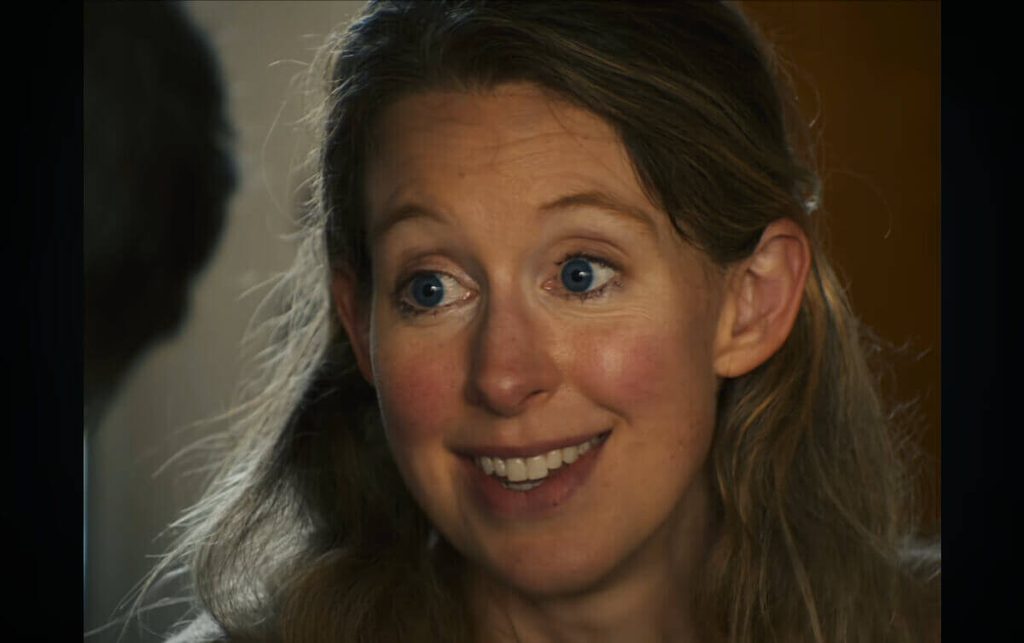
Known for his unconventional storytelling in The Rehearsal and Nathan for You, Fielder initially planned to remain behind the camera. However, as filming progressed, he found himself stepping into the frame, questioning the very people he had come to document.
The result? A compelling exploration of truth, perception, and the uneasy relationship between filmmaker and subject.
When the Man Behind the Camera Becomes Part of the Story
At first, Fielder had no intention of appearing onscreen. His role was to observe Elizabeth Holmes and her partner, Billy Evans, as they navigated the final days before Holmes’ imprisonment.
However, the filmmakers soon realized that simply recording their subjects wasn’t enough.
We started to think, ‘We can’t just give them a platform to say whatever they want to say with no pushback,’” says Fielder.
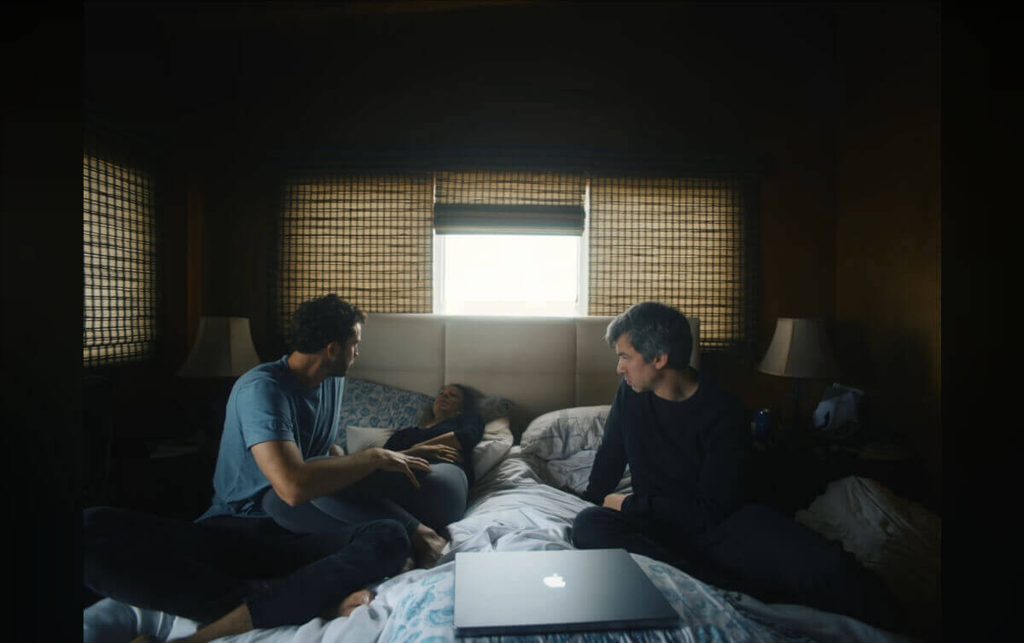
I felt the need to question things and interject. Then we realized I was doing it enough that the camera operators started panning over to me. I became a part of it, pretty organically and out of necessity.
What began as a traditional documentary approach gradually transformed into something more unpredictable, with Fielder becoming an active participant in the unfolding story.
And in a project centered on someone as controversial as Holmes, that shift would prove significant.
Filming Elizabeth Holmes’ Final Days of Freedom
For Oppenheim and Fielder, the documentary came with an unusually sensitive deadline.
Holmes was preparing to enter prison, leaving behind two young children and a family facing a difficult separation. With every passing day, the filmmakers were increasingly aware of the emotional weight surrounding their project.
We were conscious that this woman was going to prison, she had two kids, and these were her final days with her family,” says Fielder.
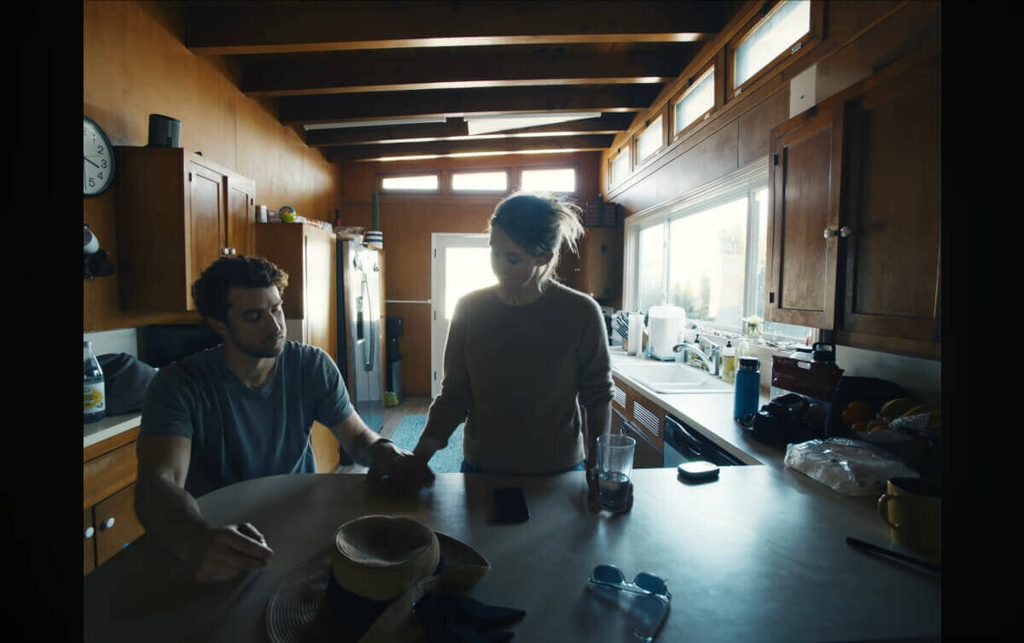
Determined to respect those circumstances, he repeatedly offered Holmes and Evans the opportunity to end filming.
I said almost every day, ‘If at any point you think this is too much and just want to spend time with your family, we will completely cut this off and we will leave.
Despite the circumstances, Holmes and Evans remained committed to completing the documentary.
As filming continued, however, the experience became more complicated for Fielder, who found himself questioning not only his subjects’ intentions but also his own reactions.
One thing that was fun for me is that I couldn’t let my guard down. I was very present, trying to understand if I was being toyed with,” says Fielder.
When I watch the footage back I see myself genuinely conflicted and struggling to make sense of these moments and what was happening.
Nathan Fielder Faces an Unexpected Challenge
Perhaps one of the documentary’s most intriguing moments involves something remarkably simple: eye contact.
Holmes has long been associated with her intense, seemingly unblinking gaze. During filming, Fielder noticed that he repeatedly struggled to maintain direct eye contact with her.
Instead of ignoring his discomfort, he decided to confront it.
I kept bailing on the moment because I felt so uncomfortable, Fielder admits.

I thought, maybe it’s interesting if I don’t. How long would she actually hold this for if I just stopped talking and kept eye contact? I’m going to play the same game and see what happens.
The encounter reveals an unexpected side of Fielder, one that audiences may not have experienced in his previous projects.
Rather than maintaining his usual controlled onscreen presence, the filmmaker allows viewers to witness his genuine uncertainty and vulnerability.
It’s a revealing reminder that even those tasked with observing reality can become caught in its psychological complexities.
Can a Documentary Ever Capture the Whole Truth?
Both Oppenheim and Fielder have built careers exploring the blurred boundaries between performance and reality.
With You Can See Everything, however, they take that fascination into especially challenging territory.
After all, the presence of a camera can change how people behave, particularly when the subjects know their actions will eventually be scrutinized by an audience.
We’re both hyper-aware of how the cameras affect trying to capture real things, says Fielder. So we normally like incorporating that into our work, because that’s what feels most honest.
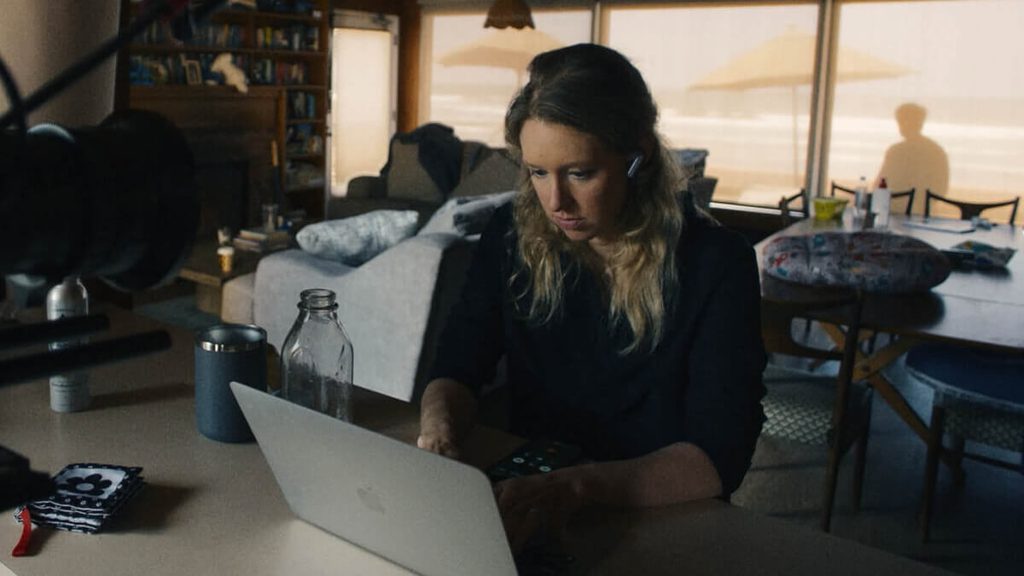
For Oppenheim, the project also presented an opportunity to rethink his usual documentary approach.
I’m often interested in a heightened depiction of reality that mirrors the emotional experiences of the people on camera, he shares.
This was an entirely different process. Our interest, and the challenge we set for ourselves, was to capture things as objectively as possible, to let viewers in on the experiences we were having and let them decide for themselves.
Rather than offering audiences a neatly packaged interpretation of Holmes, the filmmakers aim to leave room for uncertainty, discomfort, and individual judgment.
And perhaps that’s what makes the documentary particularly fascinating. When everyone knows the cameras are rolling, how much of what we’re seeing is truly unfiltered?
‘You Can See Everything’ Arrives in the Philippines November 18
Blending intimate family moments with uncomfortable conversations and questions about authenticity, You Can See Everything promises a thought-provoking look at one of Silicon Valley’s most controversial figures.
Through the perspectives of Lance Oppenheim and Nathan Fielder, audiences are invited to witness a story where the filmmakers themselves become part of the mystery.
Watch the official trailer:
You Can See Everything arrives in the Philippines on November 18, 2026. Distributed locally by Columbia Pictures PH.
Leave a Reply
You must be logged in to post a comment.