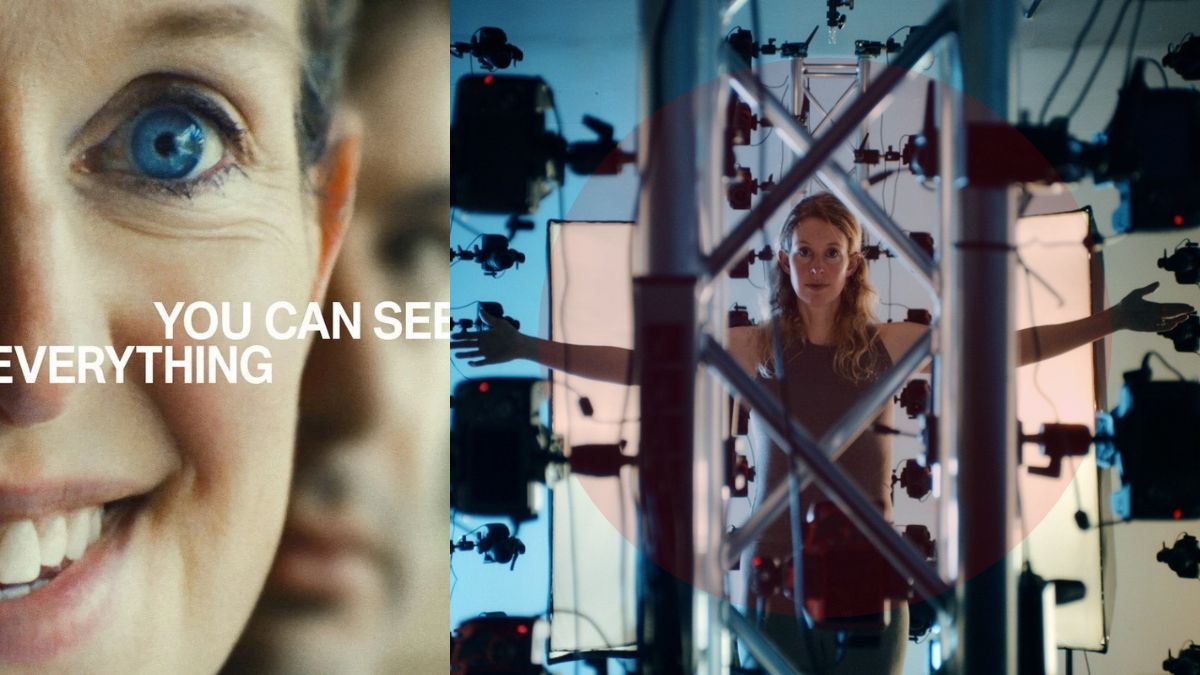
The key to any successful documentary is the quality of its access to its subject. The closer the filmmaker can get, the more footage they can gather, which determines the depth to which the documentarians can wrestle with and navigate the complexities of their story. Directors Nathan Fielder and Lance Oppenheim had full access to their subject, Elizabeth Holmes, founder of the tech company Theranos, who was convicted of defrauding her investors of over half a billion dollars. Holmes and her partner, Billy Evans, gave Fielder and Oppenheim permission to put cameras all over their house and capture their day-to-day life in order to portray Holmes as a person rather than the monster the media had “turned her into.”
What comes out is a mind-bending exploration of truth and performance as Fielder, who is on-cam and asking questions directly to Holmes and Evans, suspects that something is being hidden by the couple. At almost three hours long, the documentary delves into a narrative that Evans seemingly trying to control, which Fielder is trying to expose, while Holmes occupies this enigmatic space of whether she is a victim of these mind games or the mastermind behind them.
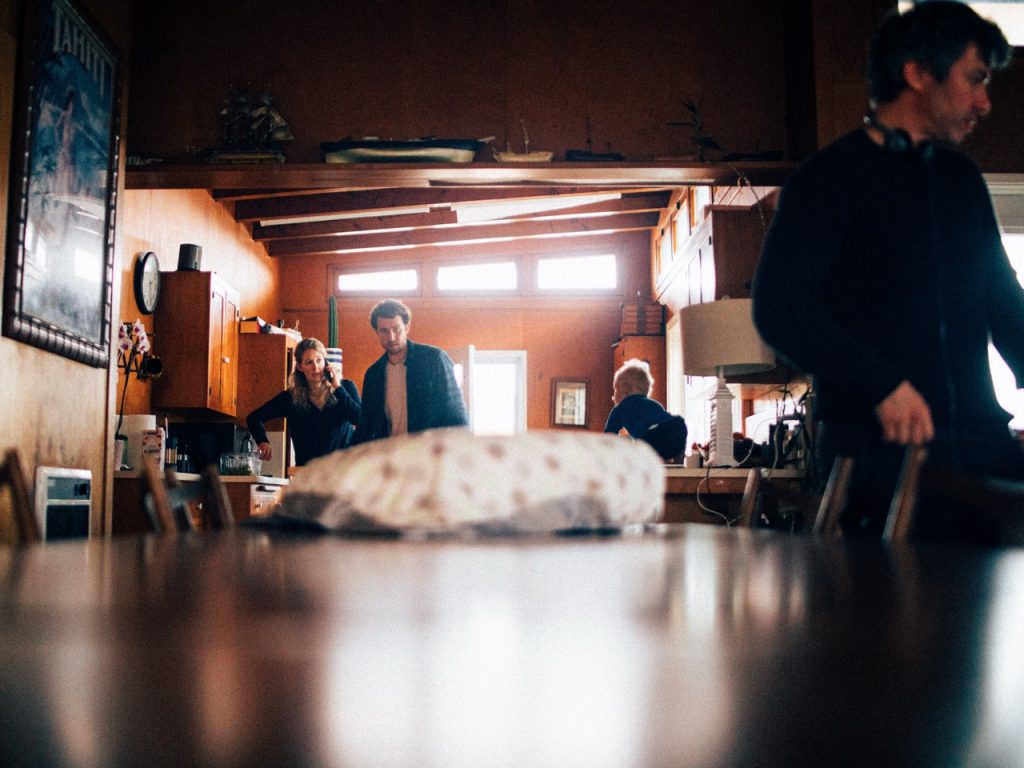
As a documentary, You Can See Everything gives Fielder and Oppenheim full reign over their coverage. Oftentimes, the documentary feels like a narrative film because the directors have enough shots to fully approximate a scripted scene. There are more than two or three cameras, which allows Fielder and Oppenheim to get reaction shows, over the shoulder shots, and really capture each moment as if it were staged and blocked. There are slow pans and extreme close-ups that we can literally see everything, as the title suggests.
What Fielder and Oppenheim are attempting to do with this coverage is to try and catch Holmes and Evans in a lie. The usage of the extreme close-ups are meant to strip away the couple’s charms and put their eyes directly into the frame for us to see either the strength of their convictions or the masterful ways in which they deceive. Evans, with his erratic behaviour and random off-the-cuff answers, gives him away, Holmes, not so much.
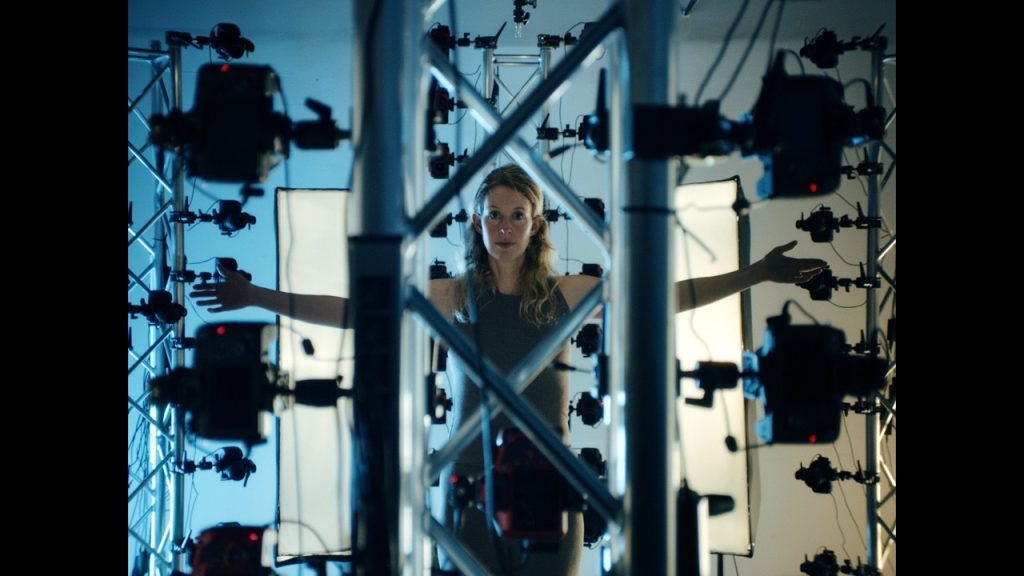
As a documentary, it is riveting and almost hypnotic. You cannot look away. This is probably every documentarian’s dream except the cameras are also on Fielder and we also suspect his own involvement in Holmes. Is he also getting swayed by the woman who was able to convince the wealthy to invest in her company that produced no working product?

The film is framed narratively by the amount of time Holmes has before she goes to prison. They have 34 days to film with Holmes to get her story out. But this covers only the first two hours of the film, as the final hour brings in actress Amanda Seyfried, who is asked to reenact scenes not captured on camera when Fielder suspects something deeper and more diabolical is happening in the background. At first, it feels strange that Seyfried, who played Holmes in a miniseries that won her an Emmy, gets so much screen time watching the footage we have been seeing. Why is her take on Fielder and Oppenheim’s unfinished documentary worth watching? It’s because she is asked to step back into the role so she can play out moments that were not recorded and needed to be in the documentary. All of a sudden, Seyfried becomes part of the narrative, and the documentary expands to question whether Holmes has been sincere or duplicitous throughout filming.
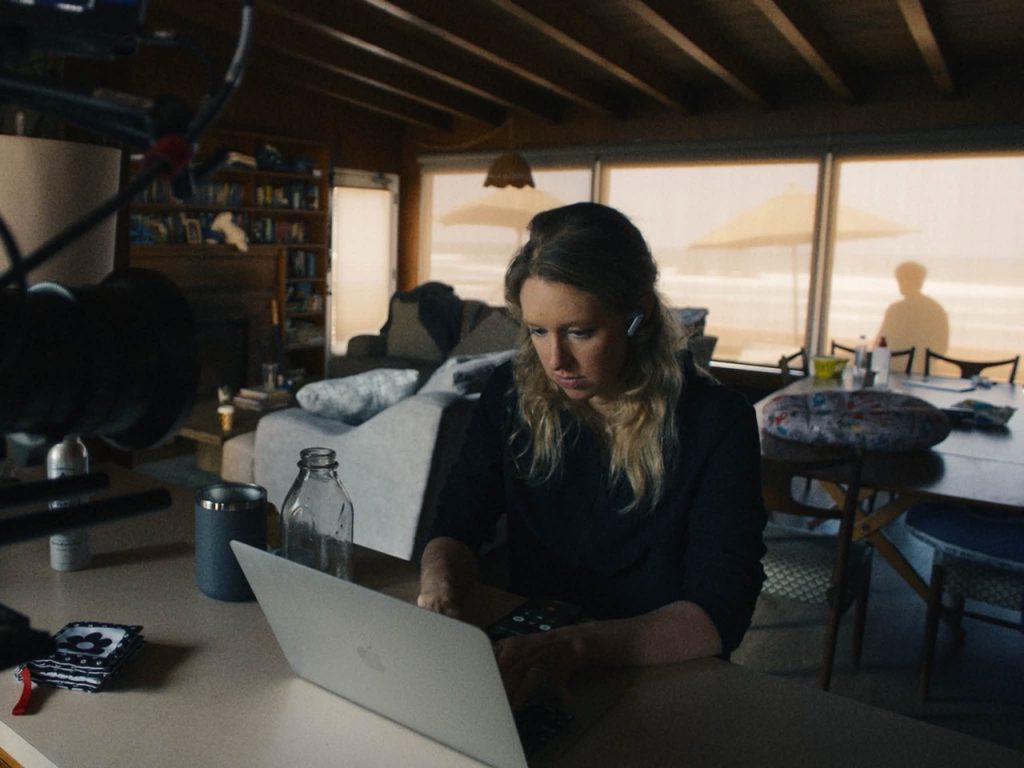
It’s jaw-dropping. It’s unbelievable. But as a documentary, it is also very telling about the world today and its obsession with fame and money. It’s about performative identities and what it takes to break them down, if that is even possible. It’s unlike anything I have ever seen before.
My Rating: 4 Stars

See how truth, performance, and hidden motives play out on the big screen. You Can See Everything is now showing in cinemas. Click here for showtimes.
Leave a Reply
You must be logged in to post a comment.