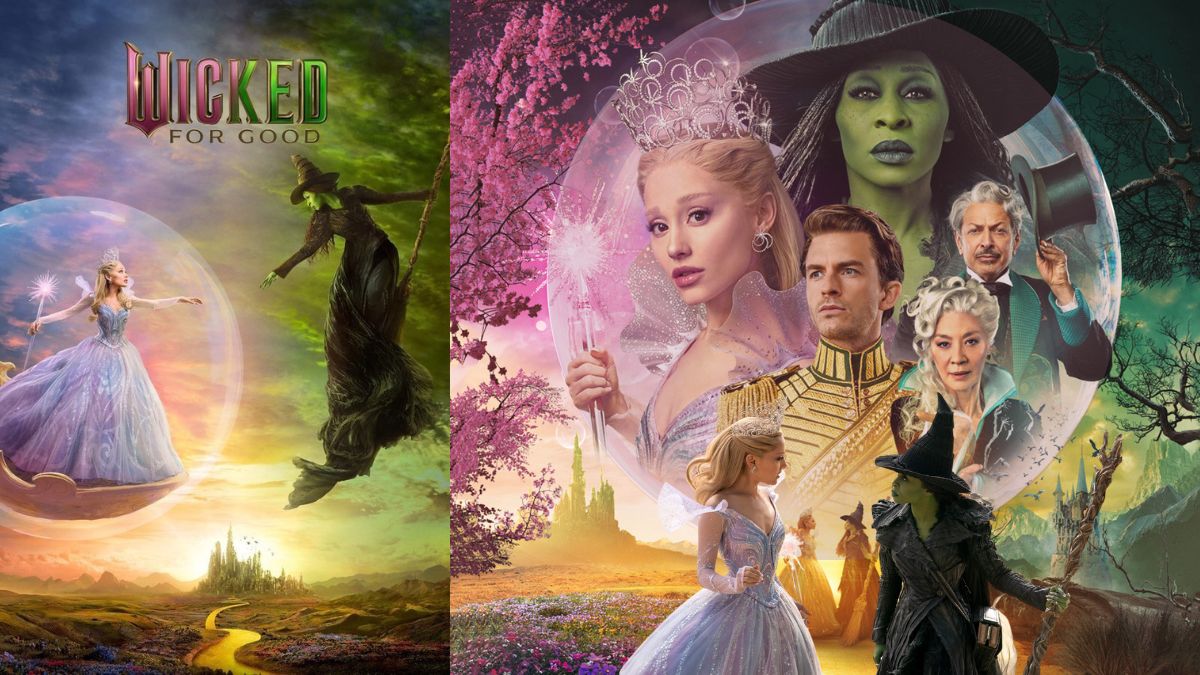
With the first film, Wicked, primarily tracking Elphaba’s (Cynthia Erivo) narrative arc, growing from a wide-eyed girl who admires the Wizard into an empowered woman willing to battle for truth and to stop oppression at the cost of her own reputation, the second film shifts the focus to Glinda (Ariana Grande). Glinda awakens from her privileged life in an unjust world that caters to and protects her and people like her. The shift in protagonists is a smart move, as there’s little new to do with Elphaba’s character. Unfortunately, in order to keep Elphaba’s presence on equal terms with Glinda, Wicked: For Good suffers from a messy plot that tends to meander before reaching its finale.
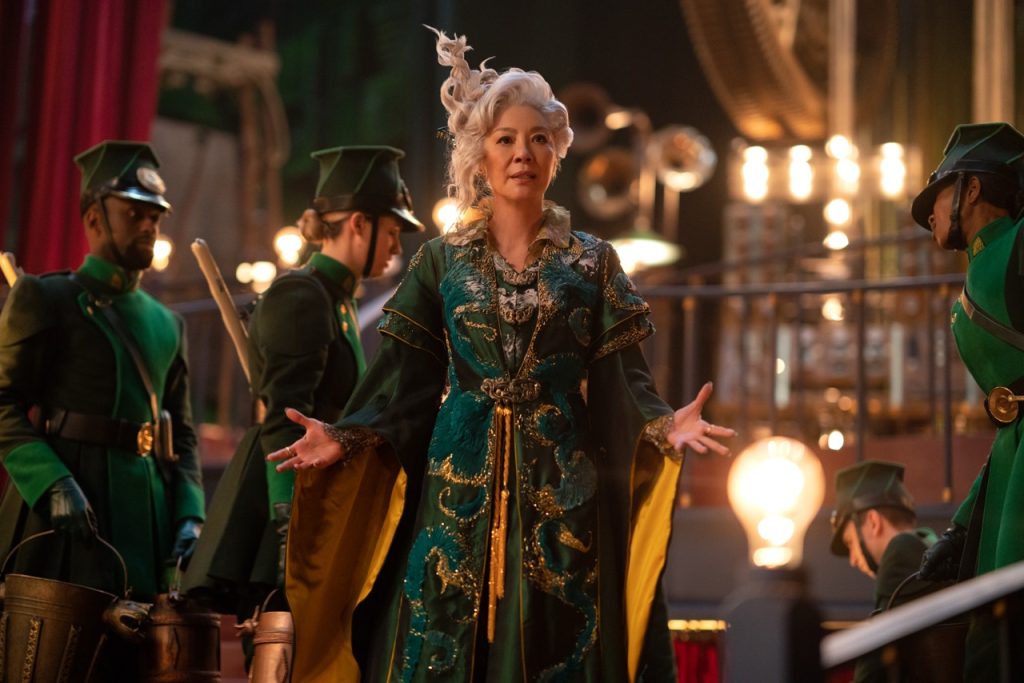
Set five years after the first film, Wicked: For Good finds Elphaba demonized as the Wicked Witch of the West, despite her efforts to free the animals from slavery and from losing their voices. Glinda, on the other hand, has become a sort of symbol for all that is good in Oz, a ruse perpetrated by the Wizard (Jeff Goldblum) and Madame Morrible (Michelle Yeoh).
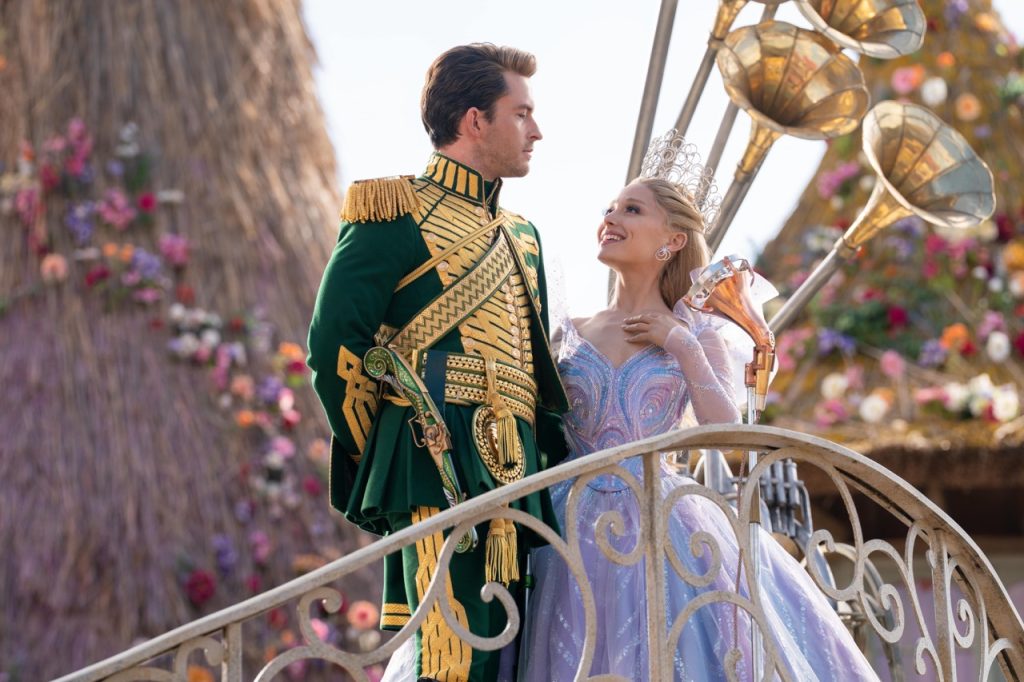
To continue distracting the people of Oz from the growing tyranny of the Wizard and Morrible, they announce Glinda’s engagement to Prince Fiyero (Jonathan Bailey), who is now the Captain of the Wizard’s Guard. While he is determined to let Glinda find happiness, he knows he is still in love with Elphaba. Elphaba must muster her newfound magic and rally any allies in the land to help battle the Wizard and his propaganda, but her greatest ally could also be her most terrible foe: Glinda.
Lucky for Wicked: For Good, the film nails its landing. It is at its best when Erivo and Grande share scenes together. Their friendship – both onscreen and off – is what really sells the whole movie. It’s the heart and soul of the piece. We follow the awakening of these two powerful women to an unjust society and how they strive to make things better as two different people from two very different backgrounds. While the first film was able to fully realise the devastating force of oppression by showing it through the character of Dr. Dillamond.
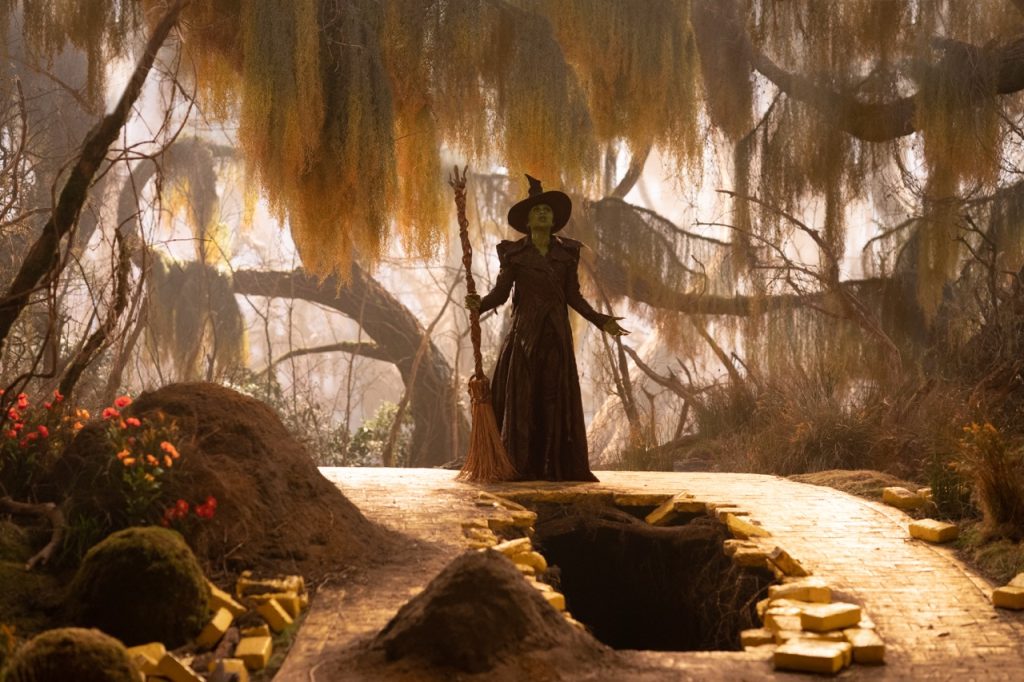
In Wicked: For Good, this aspect is not given as much emphasis and so the struggle that Elphaba takes – freedom for the animals – and what Glinda will eventually discover on her own.

This is where the film gets messy. The whole first hour of the film is set up to work on Easter eggs for the film, connecting it to TheWizard of Oz, the film the book is inspired from. Instead of showing us more of the oppression, to remind us exactly what Elphaba is fighting for, the film takes more time to introduce to us to the Cowardly Lion (voiced by Colman Domingo), showing us the origin of the Tin Man, bring in Dorothy, and tidying up the stories of Nessarose (Marissa Bode) and Boq (Ethan Slater), two characters whose presence lacks any sort of nuance or layer that would make them interesting outside of their being plot devices for Elphaba.
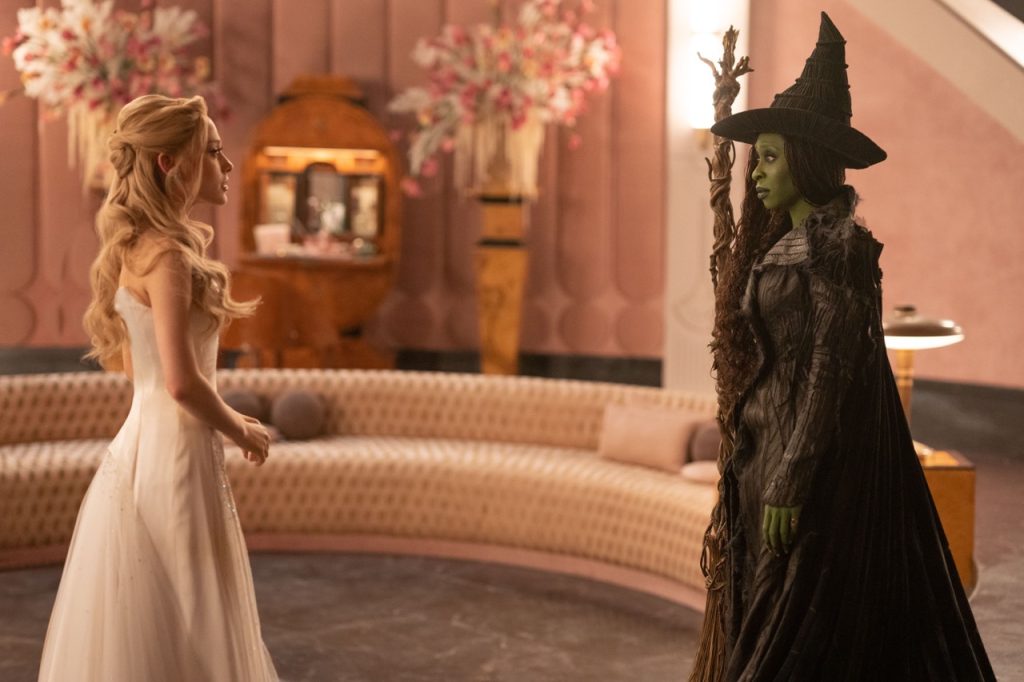
There’s even a lovely little scene between the Wizard and Glinda, featuring the lovely song number Wonderful, where they try to convince Elphaba to work with them. But it sort of drags on much too long within the story as the focus should be more on Grande as Glinda.
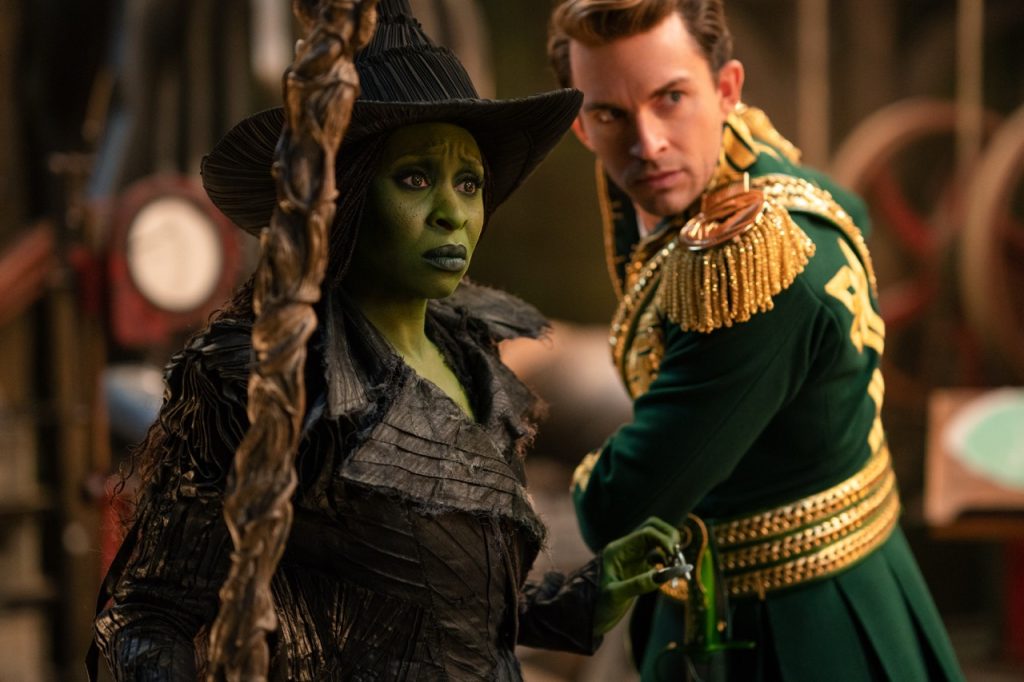
While Erivo and Bailey are terrific as Elphaba and Fiyero, it is Grande who truly shines, showcasing the full spectrum of her acting range in this movie. From her choices in singing to the way she delicately telegraphs her character’s shifts and discoveries through tiny gestures and looks, Grande elevates the character and really adds so much depth and soul to Glinda. The film is anchored by her transformation and it’s what drives the film forward. Without a strong emphasis on the oppression of the animals and the freedom the Elphaba is fighting for and Glinda is waking up to, the whole of Wicked: For Good rests upon the dynamics between the two protagonists’ relationship. That’s what is most enjoyable here.
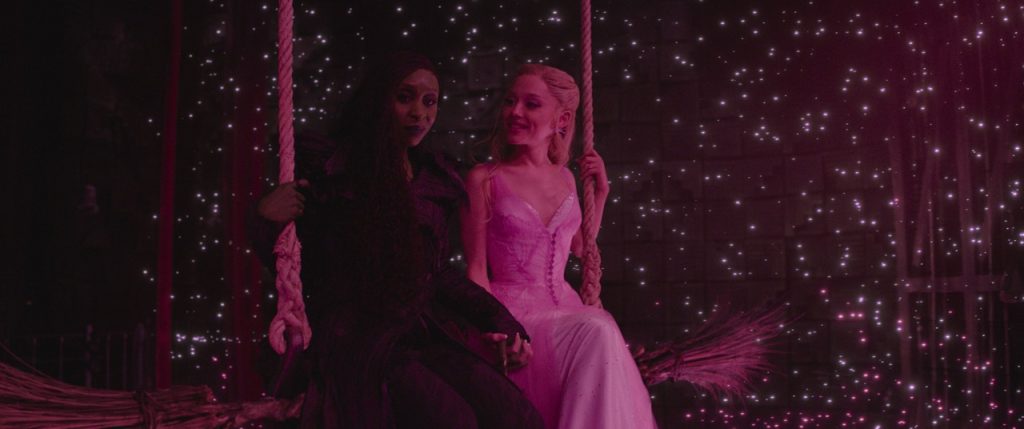
So that when they finally sing For Good, which we all know is coming, it hits with all the emotional resonance the film can provide, fulfilling a promise that was made as far back as the first movie. This is how the film nails its landing, despite its messy first two acts. While Wicked and Wicked: For Good do great work in showing how fascism and autocracy work, with the second film highlighting the importance and power of public imagery and propaganda in swaying the minds of the people – the true heart and soul of both films lies in the relationship between two very unlikely friends. It’s the reason why I can forgive Wicked: For Good for its adherence to the source material – both the musical and the throwbacks to the original film and book – because I was truly touched and moved by the friendship Erivo and Grande has breathed into Elphaba and Glinda.
My Rating:

Experience the magic yourself, catch Wicked: For Good in theaters now! Check showtimes and watch Cynthia Erivo and Ariana Grande light up the screen.
Leave a Reply
You must be logged in to post a comment.