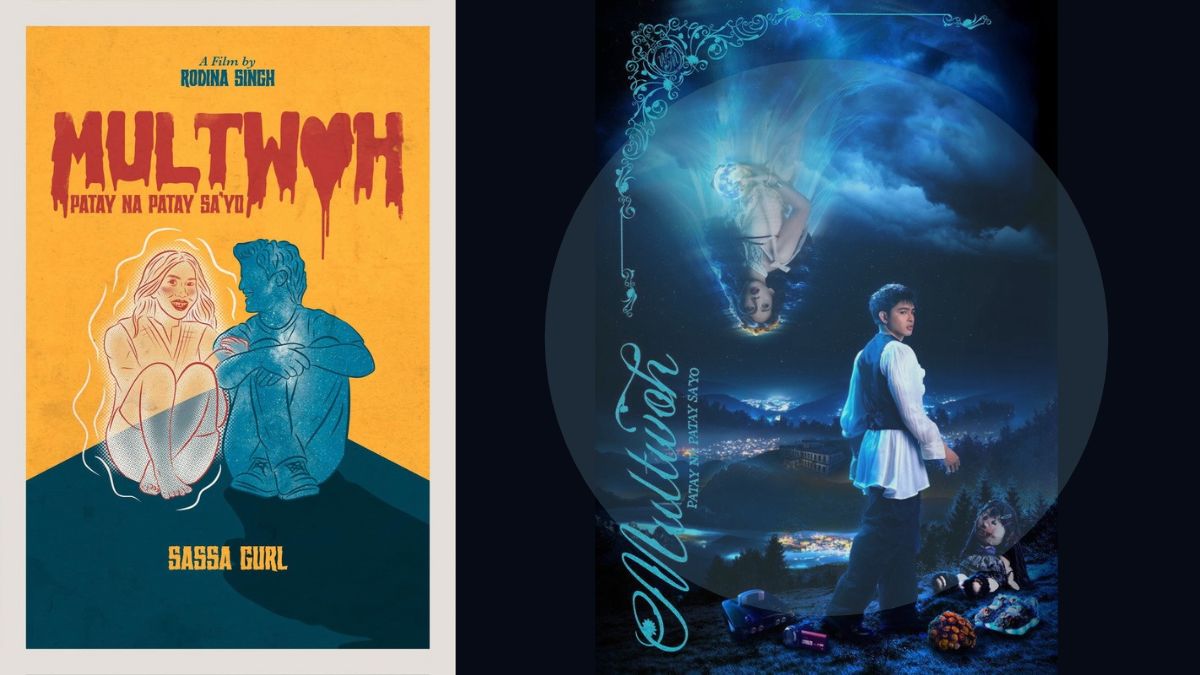
There is a confidence and certainty in Rodina Singh’s direction that I’m envious of, and it is on full display in her latest film, the romantic horror-comedy Multwoh. The film foregoes a conventional plot and linear narrative, preferring to tell its story through an emotional journey. Singh uses multiple approaches to her storytelling, opening with a flashback that is cut, rewound, and replayed alogside a voiceover that allows Marcel (Sassa Gurl) to offer editorial comments on her own memories. It is a fitting device, as Marcel is recounting her history with her high school best friend, Miguel (Joao Constancia), to her dormmates, Suzy (Pipay Kipay) and Jamba (Gaia Polyhymnia), a friend who had cut ties with Marcel and has now returned to their shared space.
Multwoh often uses these non-conventional techniques, choosing not to rush the plot, but rather to encapsulate the film’s emotional weight, something I did not realise until the final twenty minutes of the film. For audiences accustomed to watching conventional movies, this pacing can initially feel jarring, even indulgent. Early in the film, after Suzy and Jamba are furious upon learning what Miguel did to Marcel and that he has returned, they march over to his room and knock. When Miguel opens the door, revealing how much he has changed from the flashback, the film instantly cuts to a fast MTV-style glamour shot of Constancia flexing and showing off his attractive looks before cutting back to the scene.
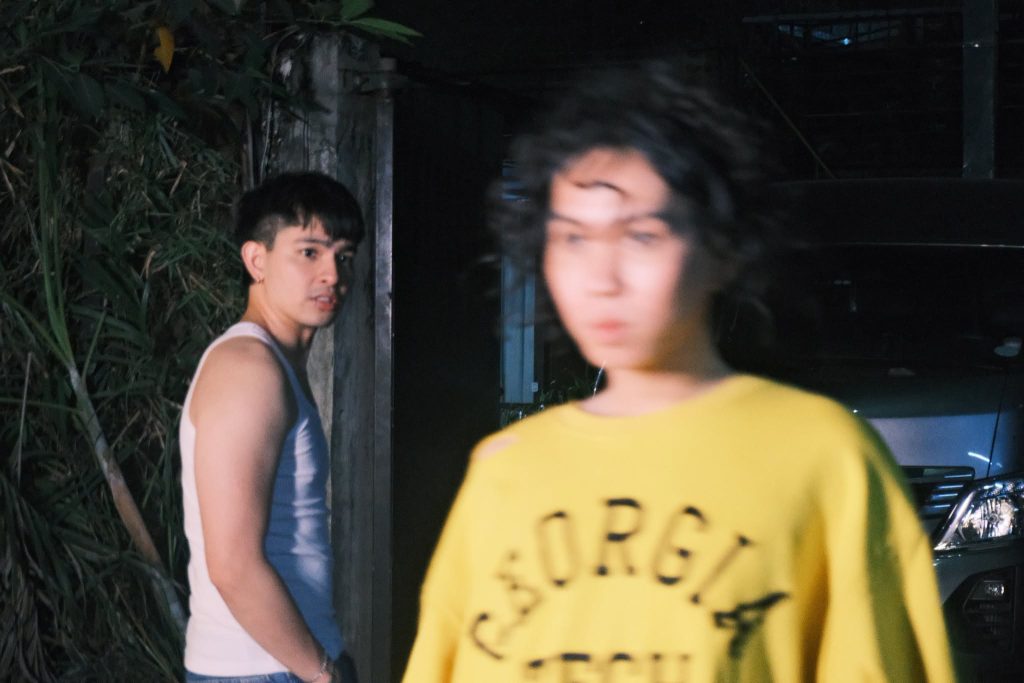
The film is filled with these breaks away from the plot and conventional filmmaking of Multwoh, which can range from comedic gags and music video-style montages to fourth-wall breaks and a pivotal shift in point of view from Marcel to Miguel in the second half.
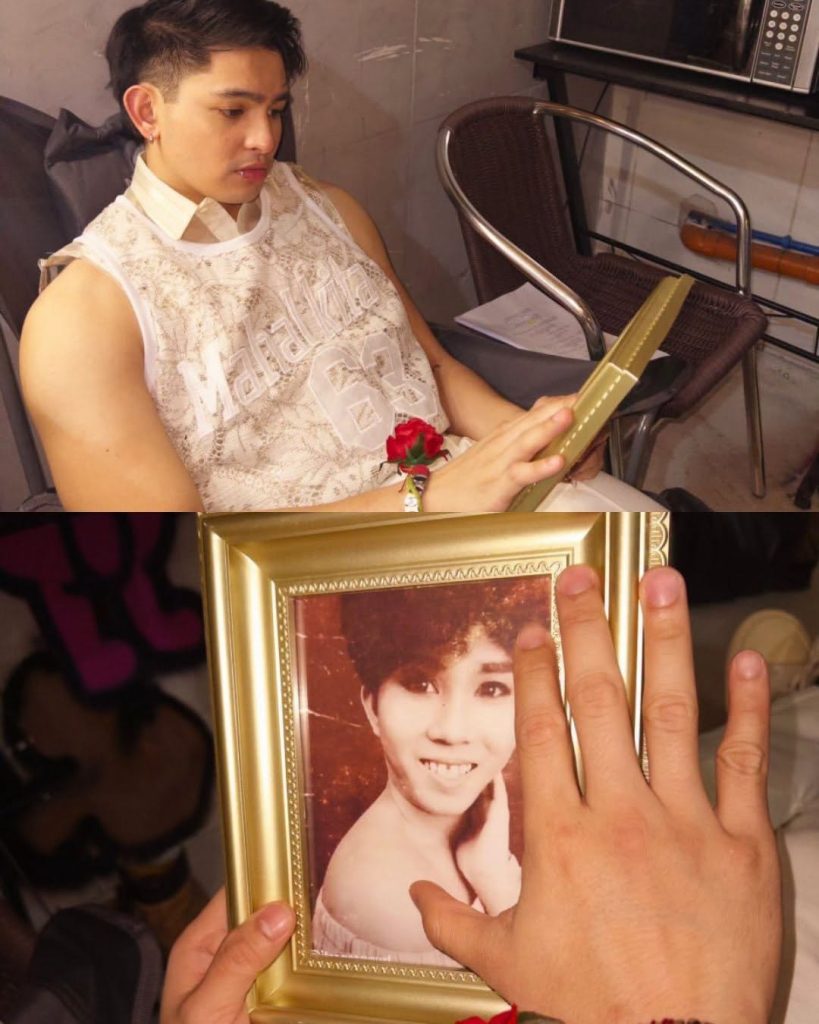
It was hard for me to follow along this route until the very end, when everything suddenly clicked into place. I finally felt like I understood what Singh was trying to do, and the execution was so surprisingly effective that I found myself tearing up and ultimately crying right there in the cinema.
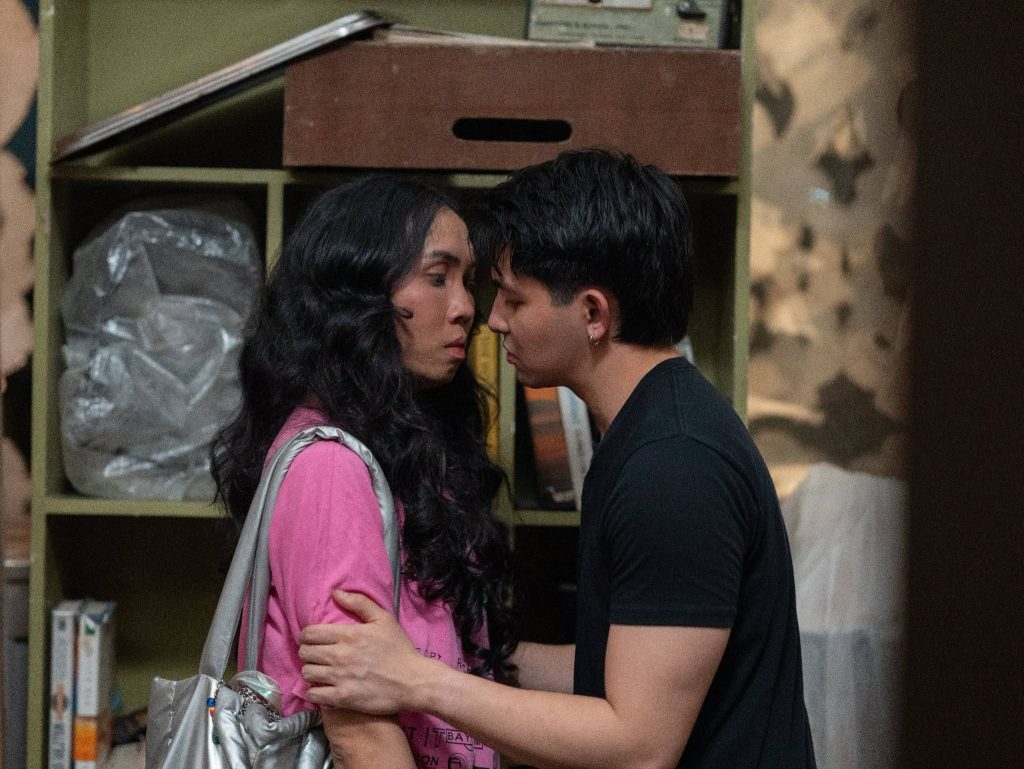
Multwoh follows Marcel, who has long fallen for her high school best friend, Miguel, believing the feeling was mutual, right up until he abruptly cut ties with her before they moved to college. Now, he is living in the same dorm, but he is a changed person. Though they run into each other constantly, neither can breach the awkwardness to say what they really want to say. Miguel eventually asks Marcel out on a date, but she never makes it. She unexpectedly passes away, leaving her spirit with just forty days to find her closure or else she’ll never have her chance again.
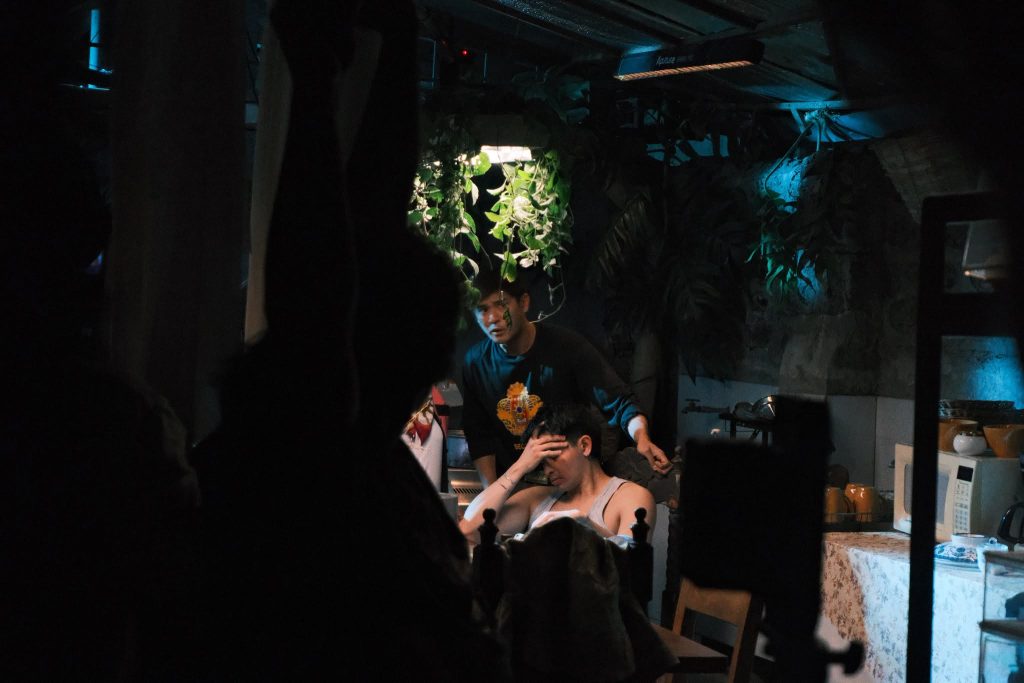
Because the film never truly takes a linear or strictly logical path to its finale, what we see are a lot of scenes that show how deeply Miguel really means to Marcel, and how much effort Marcel does to either try to forget him or to become someone he cannot avoid. Often, these scenes are wildly funny; at other times, they linger a bit too long when one might prefer to stay on the plot. They even veer into complete tangents, like a news report of gay individuals suddenly getting possessed coming up every now and then.
Once Marcel passes on and becomes a ghost, she watches Miguel, and now we see Miguel’s side and the film does the same. We witness his perspective as a former classmate (Yannie Villarosa) makes advances on him, and as he grieves while remembering Marcel. There’s a recurring video game motif that frames their entire friendship, cleverly suggesting that is often used in the film and it gives the idea that all these extra moments are side quests leading toward the film’s eventual finale.
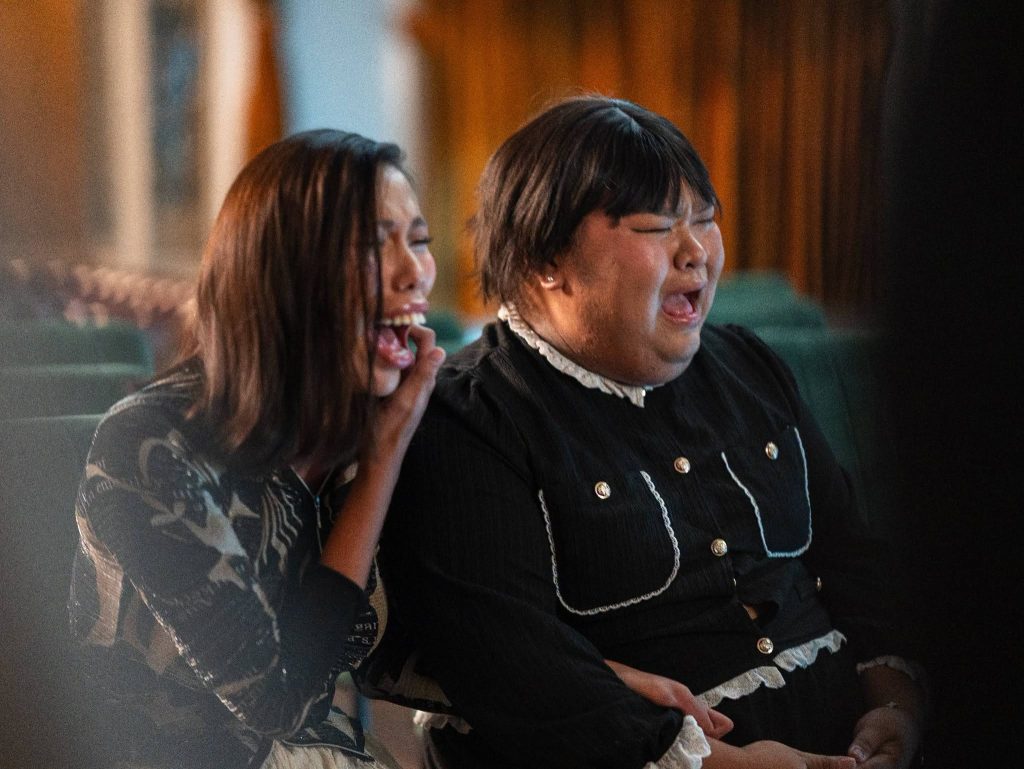
And it works. By the time we reach the end, the film finds the exact right moment to connect the two leads, weaving every prior scene – whether tangential or essential – come together to fully encompass what it feels like to have a chance to say what it is you have always wanted to say to someone very dear to you. It packs an emotional wallop, powerful enough to move me tears even after I had spent most of the time resisting the film’s form. Yet what Multwoh speaks to goes far beyond its queer themes, that are portrayed – from discrimination and the importance of a found family – but the universal truth of how important it is to say how you really feel. It is terrifying prospect, but time is short, fragile and utterly unpredictable.
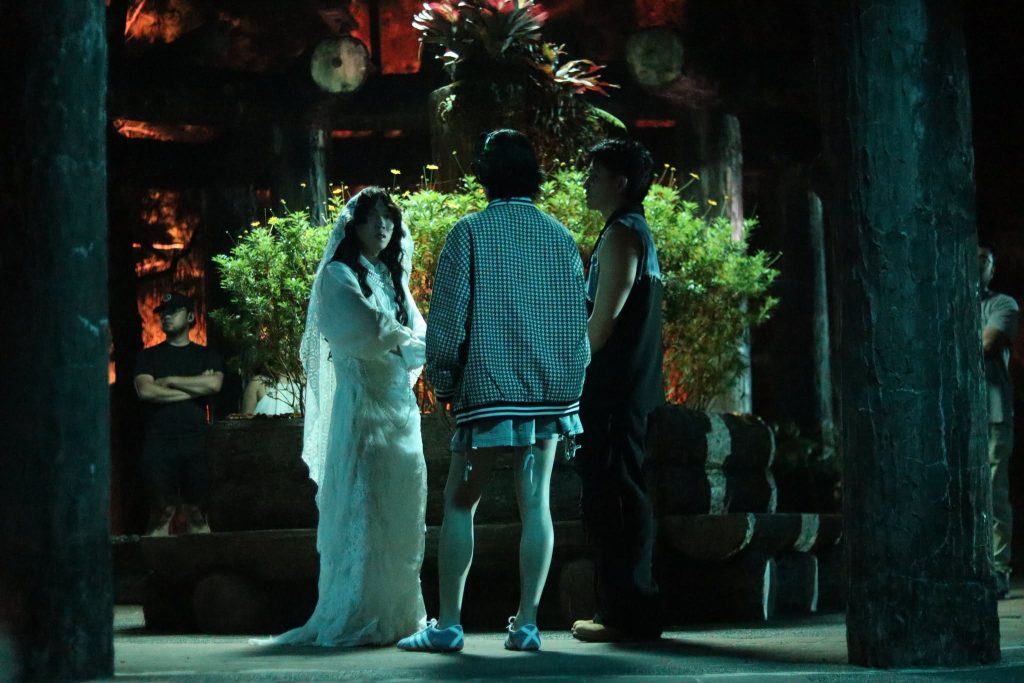
Singh bends the rules of filmmaking to construct a vibrant patchwork of scenes that, when taken as a whole, wraps the viewer in a gorgeous emotional blanket, especially those who are afraid to say what needs to be said. It is profoundly touching, and Sassa Gurl and Joao Constancia serve as excellent vessels for this unconventional love story that really hits hard. Their total commitment to these roles really sells the film’s big, beautiful heart.
My Rating: 4 Stars

Catch Sassa Gurl and Joao Constancia in Rodina Singh’s hilarious yet tear-jerking Multwoh, showing at a cinema near you. Click here for showtimes.
Leave a Reply
You must be logged in to post a comment.