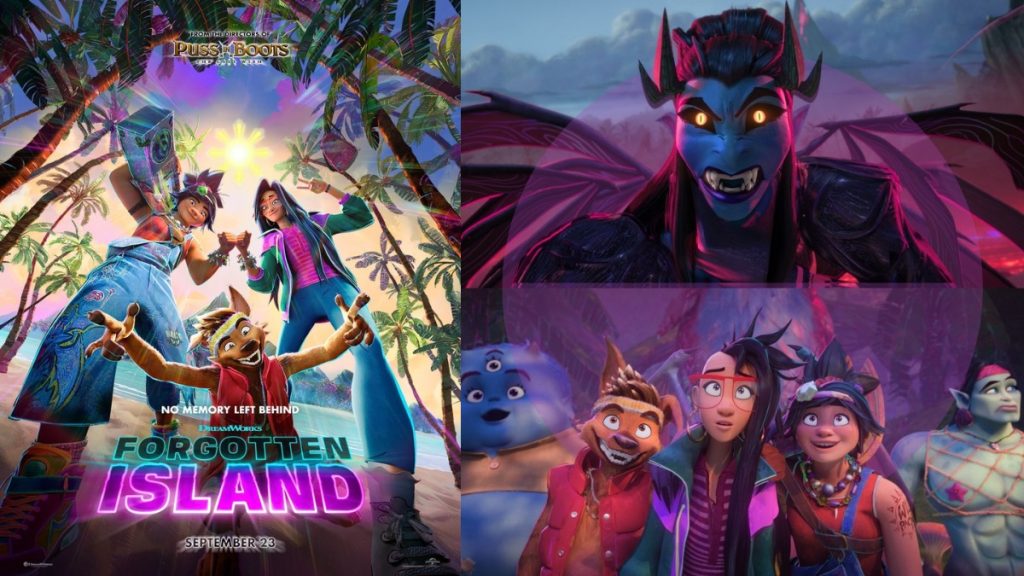
There are some animated features nowadays that seem tailor-made for the idea that younger audiences have shorter attention spans, so the film is directed loud and frenetic. Something is always happening, a gag or an action sequence, anything to grab the focus of an audience that might get bored if things slow down even a little bit. Maybe it’s my age, but I find it exhausting. Forgotten Island, the new animated feature from DreamWorks Animation directed and written by Joel Crawford and Januel Mercado, fits that exact mold. Centered around two teenage Filipina girls who find a portal to a mystical island inhabited by engkantos, all that energy and fast-paced storytelling can sometimes overshadow the film’s biggest asset: the friendship story of the two leads.
Jo (voiced by H.E.R.) and Raissa (voiced by Liza Soberano) live in an island province in the Philippines during the ’90s. They become instant best friends over a shared love of Philippine lower mythology, especially the manananggal.
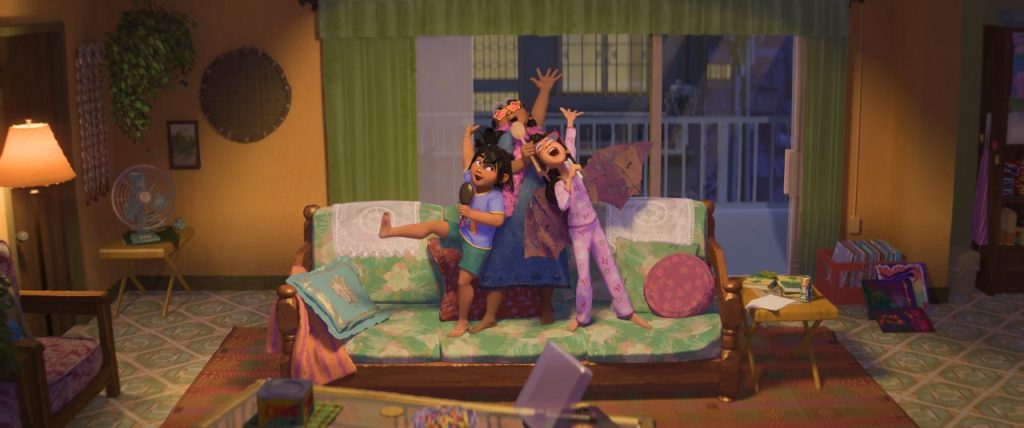
They grow up inseparable, finding themselves a bit like outcasts in the typical Filipino world they have known all their lives. But as graduation approaches, Raissa gets an offer to study abroad, putting their friendship to the ultimate test. When they discover a portal to bring them to Nakali, the mythical island of the engkantos, they jump in for one last adventure.
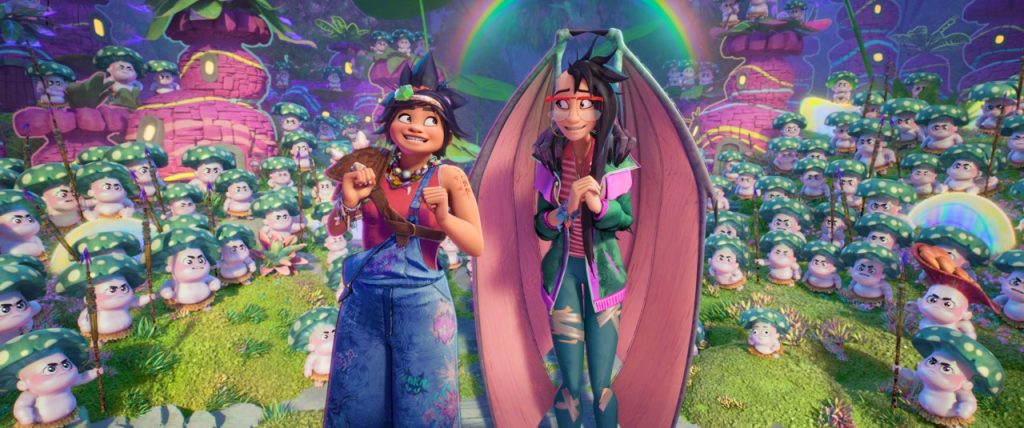
There, they encounter all kinds of supernatural creatures and find themselves running from a manananggal whose wings they accidentally stole during a night of drinking. Through all the chaos, will Jo and Raissa be able to save their friendship when they get back home… and if they can even get back at all?
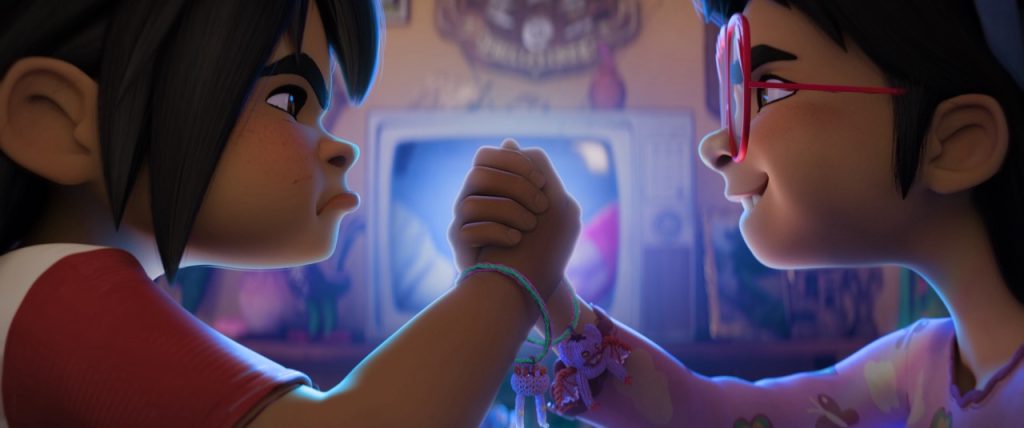
The best parts of the film really revolve around the relationship between Jo and Raissa. The two characters could not be any more opposite. Jo is literally incendiary, with a love for firecrackers and explosives, and she has a strong tendency to act spontaneously and recklessly. Raissa, on the other hand, is more cautious and book- smart, with little doubt that she will make her dreams come true with an American education.
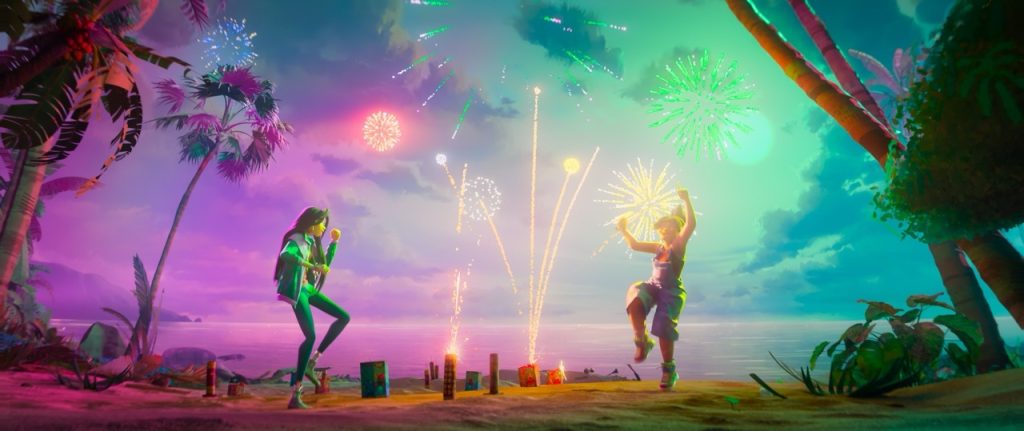
Yet there is something in the way they are written that makes you truly believe these two girls are best of friends. A wonderful first-act setup cements that friendship, and H.E.R. and Soberano do an excellent job bringing these two characters to life with their voice acting.
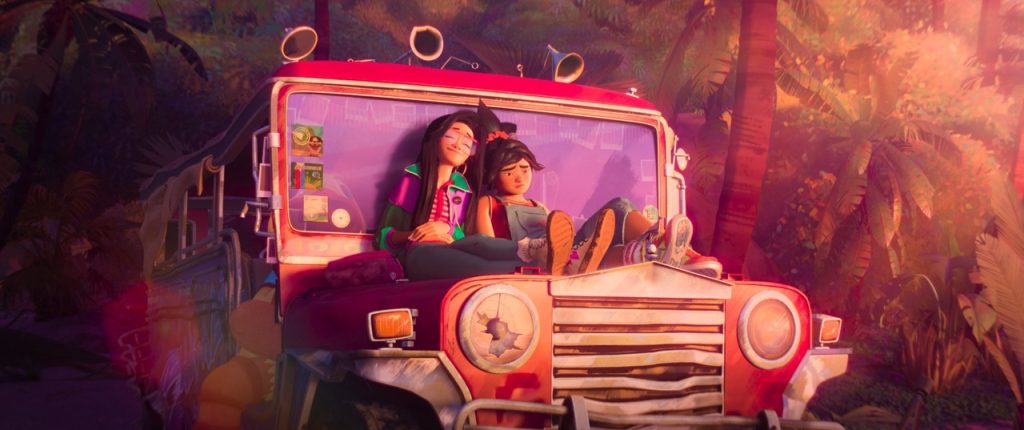
We see how their friendship gets tested as Nakali becomes an unexpected place for them to finally tell each other things they have kept hidden, whether out of fear of hurting each other or looking and acting foolish. It is the core of a great coming-of-age story, and against the backdrop of a fantastical land, the potential is endless.
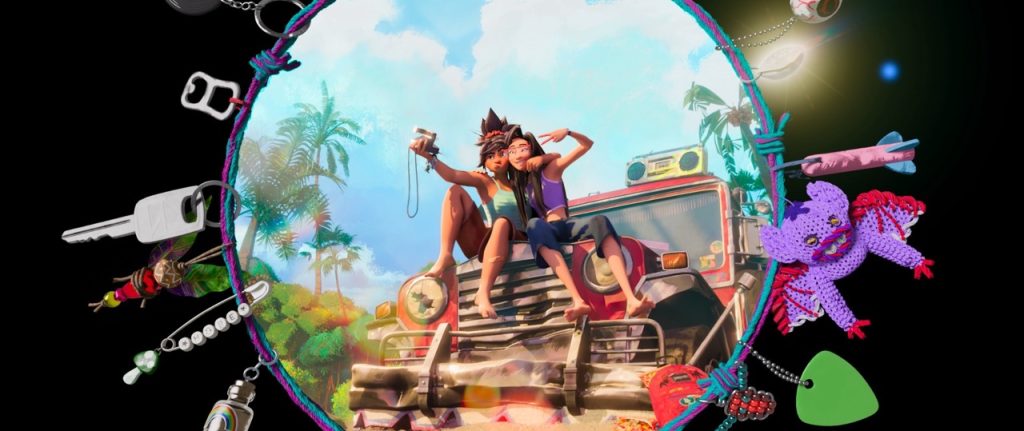
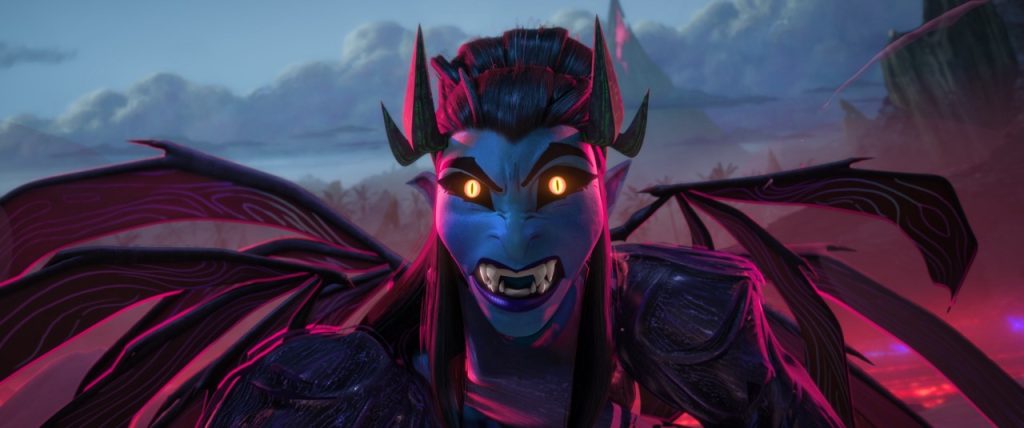
I am not personally a fan of the film’s fast-paced narrative pacing, but that comes down to a matter of taste. Crawford and Mercado do a great job of keeping things moving while directing their animation team through some truly gorgeous set pieces and artistic designs. The manananggal, voiced by Lea Salonga no less, is rendered in a way that is so different and delightfully twisted that it feels refreshing and new. As a viewer and someone who has deeply studied the lore of this specific aswang, seeing such a unique take was genuinely exciting.
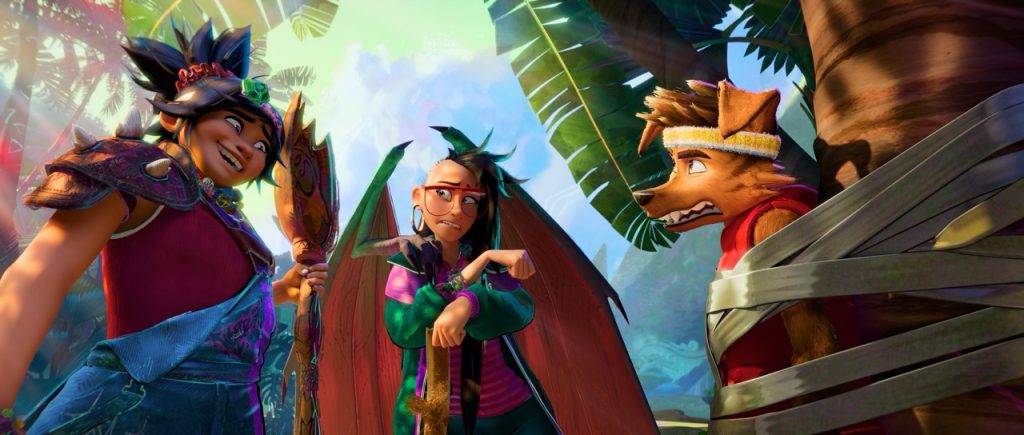
What holds me back is how westernized a lot of the other lore has become, for what maybe accessibility for a western audience or for not scaring little children. The kapres do not smoke, the duendes and the tiyanak are sanitized into cute mascots, and they even introdued a were-dog named Raww (voiced by Dave Franco), a creature I am not familiar with in all my studies of Philippine lower mythology. There are sigbins, sure, but they do not shape-shift into human.
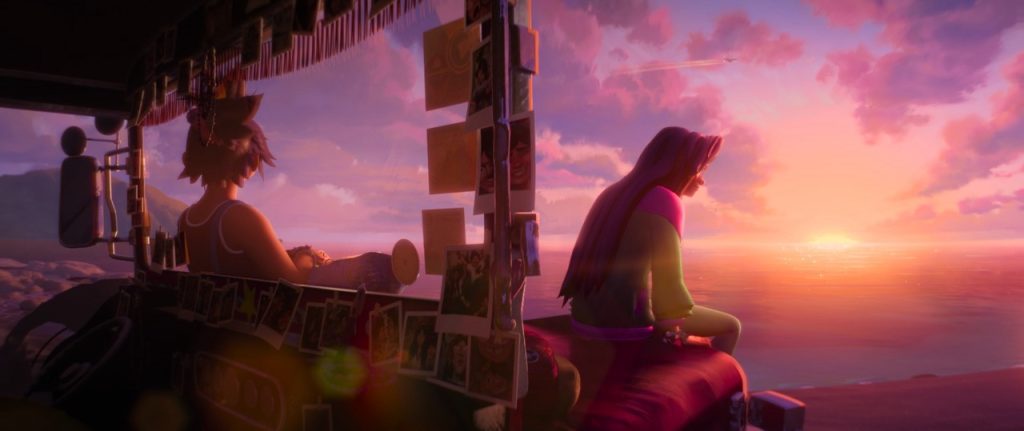
For a film set in the Philippines in the 1990s, much of the Filipino culture feels more like an aesthetic accessory than something that really pushes the story forward. The culture elements can be interchangeable with any other setting, and core story would still stand. There is no question that the movie is exceptionally well-made, but I am wary of turning our heritage into a surface-level commodity rather than treating it as something integral to the narrative’s themes.
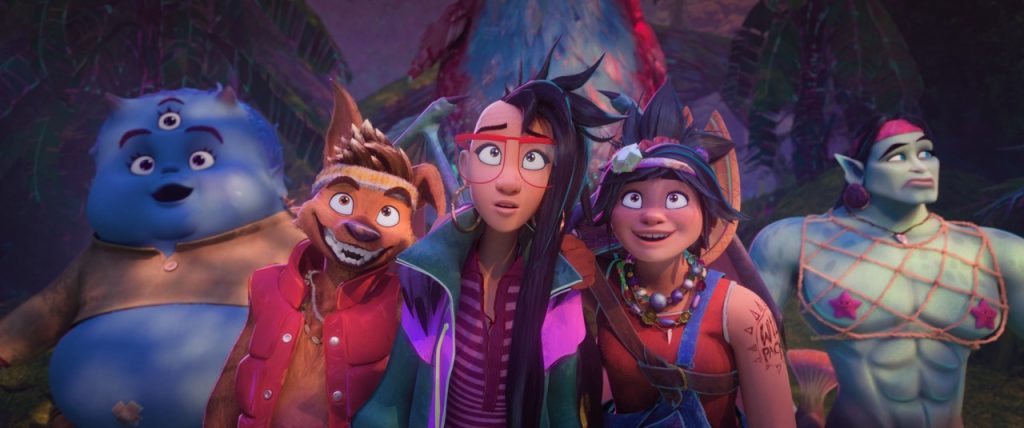
That is why the story of the two protagonists is the one that truly grounds this film, because that’s truly cultural with us: losing a friend or even a family member due to distance. Whether it is moving from the province to Manila or migrating from the Philippines to another country for education or work, this separation is a genuine concern for many relationships here. That is the part of the culture that feels so powerfully Filipino in this story, whereas everything else could easily be substituted.
Maybe I am just being territorial or possessive. I hope the film does well, but I have my serious reservations for the Filipino-American point-of-view for a story set entirely in the country. The two leads and all the engkantos speak with a westernized English accent, while every other local characters speaks English with a thick Filipino accent. What is with that othering? It is the exact question that kept popping into my head as I watched this work unfold.
My Rating: 4 Stars

Ready to watch Liza Soberano and H.E.R. trigger total mythical chaos while Lea Salonga unleashes her dark side? Round up your best friends, check showtimes, and get your tickets to Forgotten Island today, just try not to lose your wings on the way in!