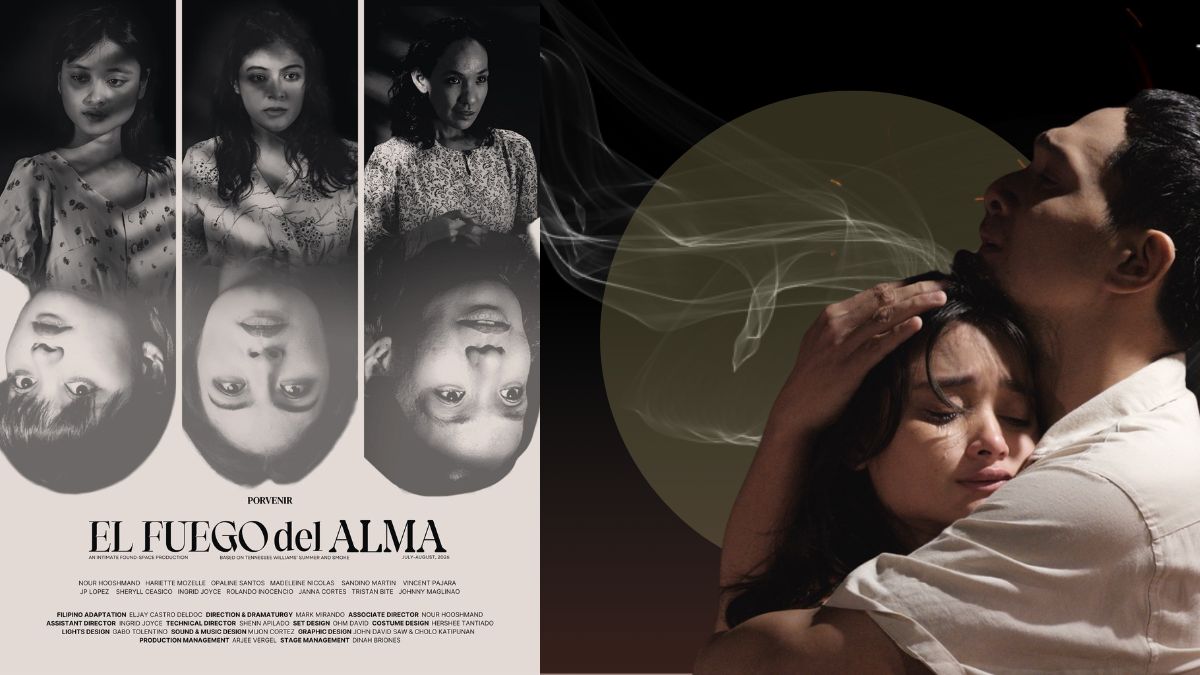
I first caught the staged reading of Porvenir Collective’s adaptation of Tennessee Williams’ Summer and Smoke last May, which was already a provocative use of space and boasted an inventive directorial vision by Mark Mirando alongside a brilliant adaptation by Eljay Castro Deldoc. Without removing any of Williams’ pathos or intensity, Deldoc manages to take the American play and situate it right at the heart of a rural Filipino town. Mirando makes full use of the venue’s design at Sine Pop in Cubao, having the actors move in and out of the stage area and utilizing the venue’s glass windows and bamboo garden so we can see the characters play out the conflict from a distance. Even the stairs leading up to the second floor are used, and the stage area is so close to the audience that you could hear their longing in every inflection, even through their mics.

The staged reading was already fantastic, led by Sandino Martin and Nour Hooshmand, but the full production sans scripts and a bit more finesse brings the show into an even more impactful theatrical experience.
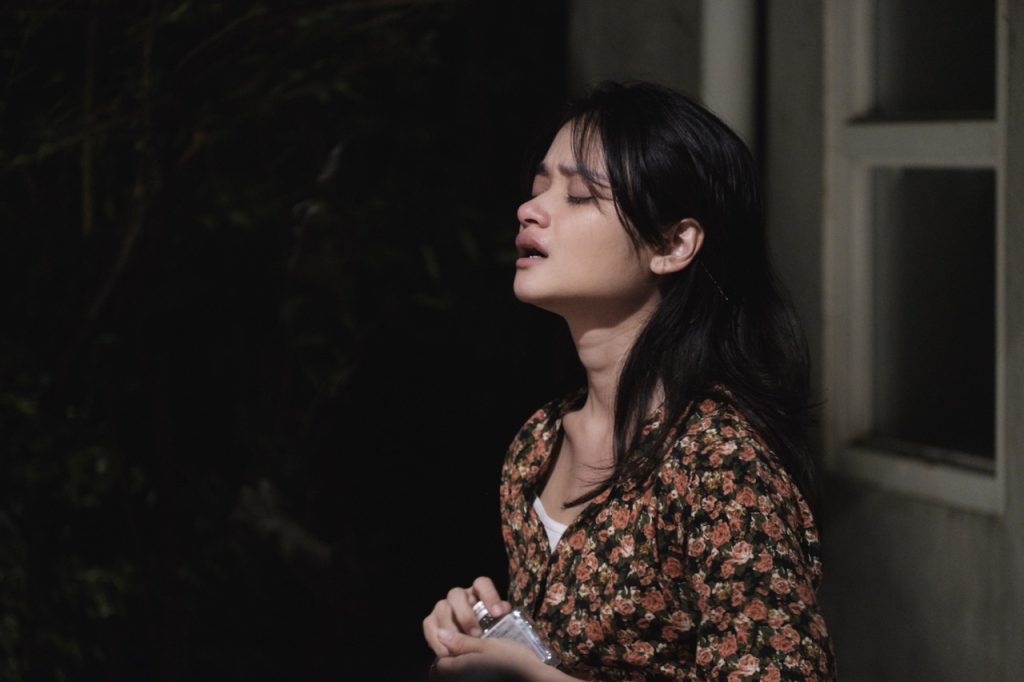
El Fuego del Alma follows Alma (Nour Hooshmand, alternating with Opeline Santos and Hariette Mozelle), an unmarried, conservative woman struggling with a chaotic home life.
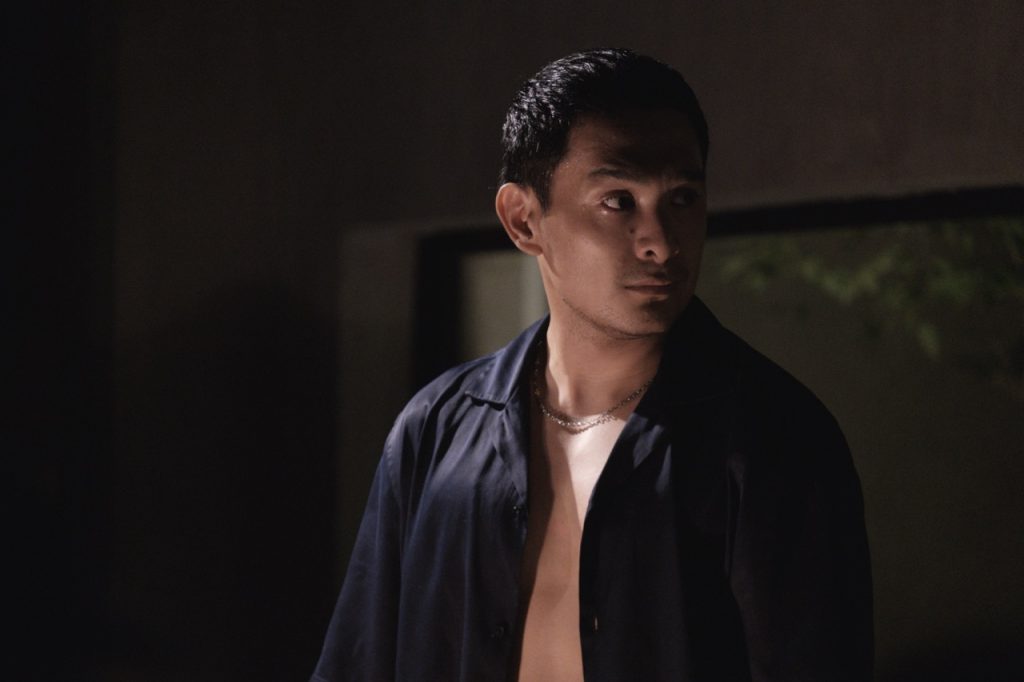
Her childhood friend, Juanito (Sandino Martin, alternating with Vincent Pajara), is the son of the town doctor. Though close as children, a romance blossoms between them as they grow up. Yet Juanito’s hedonistic indulgences run directly counter to Alma’s own spiritual convictions. This divide drives them apart and what follows is a story of repressed desire and a dissection of the spiritual bond between them.
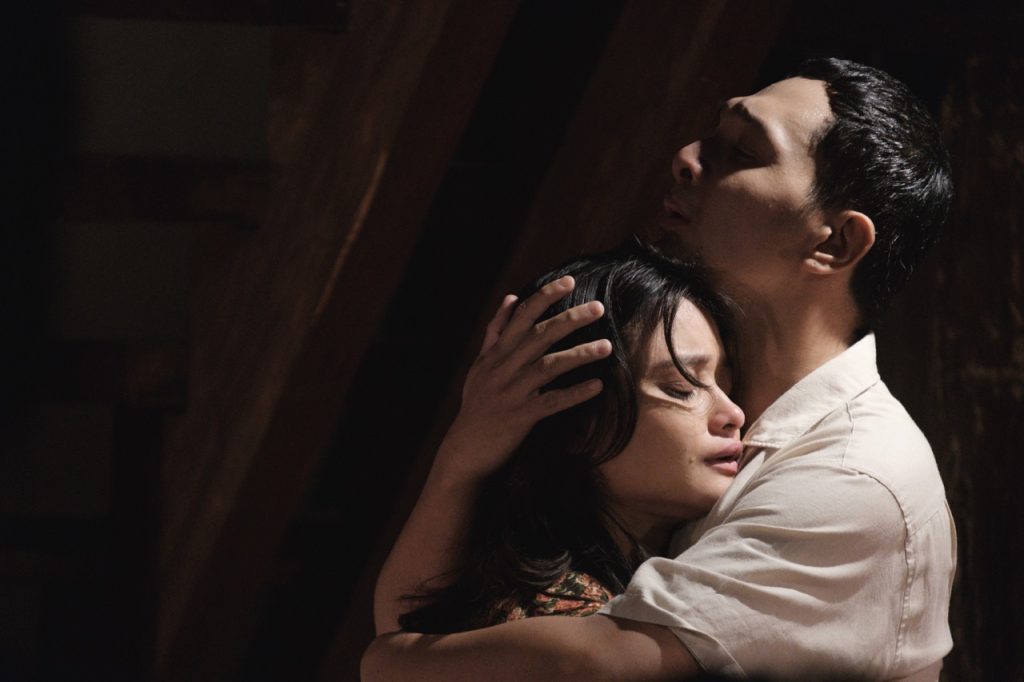
The play moves with surprising speed, despite its setting during provincial hot summer days. The imagined atmospheric heat is symbolic of the growing fire that is burning inside Alma that doesn’t come out; the same fire that Juanito is constantly fanning, with gambling and drinking and women. The two characters, with their rich history, long for each other but their contrasting principles and approach to life (one deeply restrained, the other reckless and carefree) keep them from coming together.
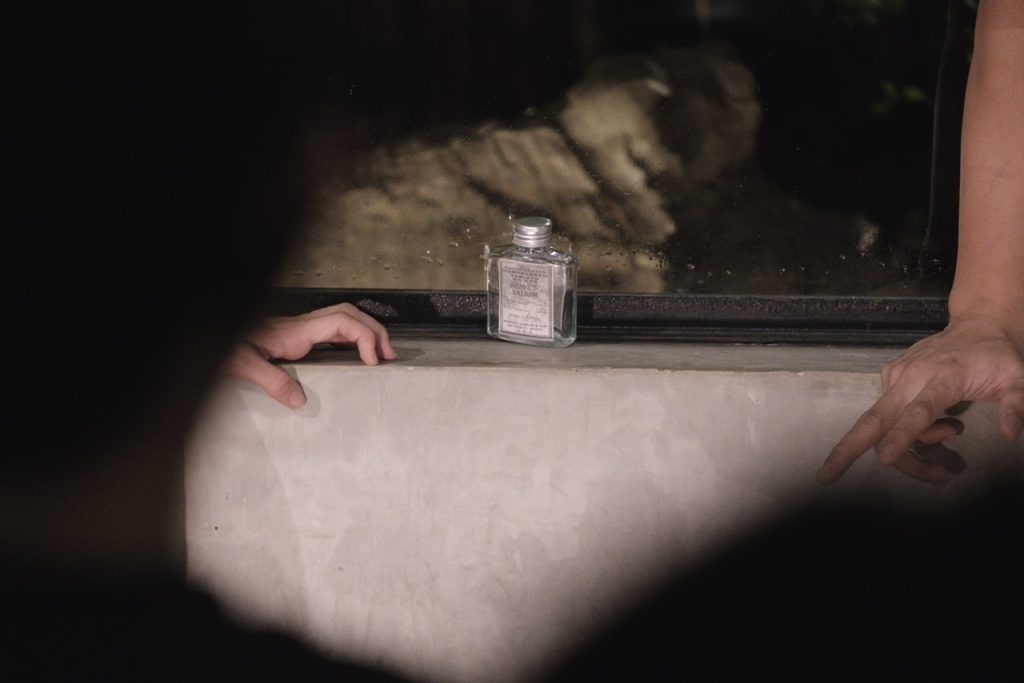
This is precisely why utilizing Sine Pop’s hall proves to be such an inventive directorial choice. Huge glass windows on all three sides of the space, allowing characters to exit the scene while still contributing to the movement of the narrative. Those left behind in the stage area can look out into the bamboo garden, watching as another character drifts into the trees or seeks a moment of freedom outside the claustrophobic constraints of their conservative nature of the quiet rural town.
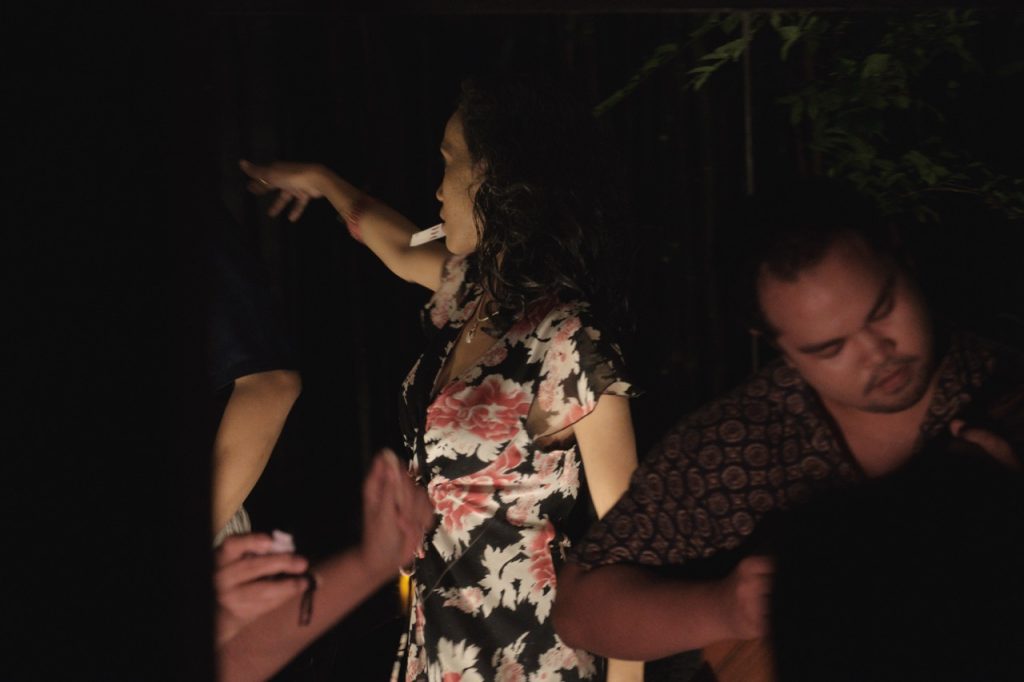
As an audience member, your senses are heightened, constantly catching movement in your periphery while knowing that lives are unfolding just outside as Alma ruminates on the choices that have left her alone.
When I got to see the full production, I saw Hooshman reprise her role as Alma, this time sharing the stage with Pajara as Juanito. No longer bound by a script like she did in the stage reading, Hooshmand uses her entire body to telegraph the fire that’s inside of her consuming her character. Every subtle gesture – a clenched fist, a sharp inhale, a stolen glance – all so visible in the proximity of the audience to the cast. It’s such delicate work. Pajara, on the other hand, leans heavily into bravado, fire, and brimstone. He frequently raises his voice, equating Juanito’s passion with volume. At a certain point, this intense approach becomes monotone, almost indistinguishable from his more somber moments. It becomes hard to see what Alma has fallen in love with in Juanito when he’s firing on all cylinders in almost every turn. By contrast, Martin’s interpretation at the reading was more tempered. Yes, he is fiery and passionate, but in doses. He calms down when he’s around Alma, emphasizing the connection the two have.
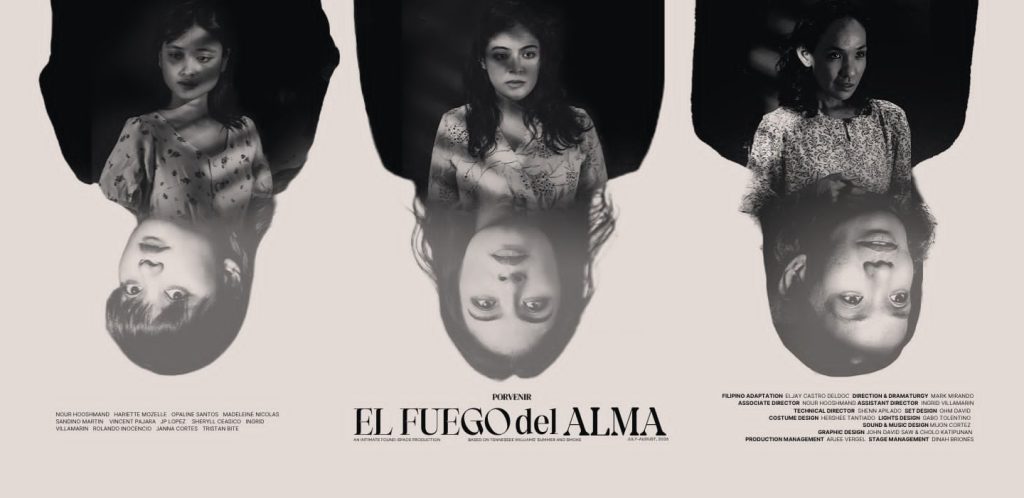
What makes Mirando’s direction even more revolutionary is how the production transforms between evening performances and daytime matinees. Natural light streaming through the glass windows bring in the sunlight during the daytime and change the mood entirely. A performance is even prepared just in case it rains; and again, a new approach is taken. The location is central to the directorial vision, but the elements of the environment also dictate what is seen. What an exciting creative use of space, making El Fuego del Alma a remarkable breakthrough in the contemporary theater landscape.
My Rating: 4.5 Stars

An exciting, inventive breakthrough that demands to be seen in person. El Fuego del Alma has extended its run from September until October, stay tuned and watch for ticket sales to resume via Ticket2Me.
Featured Images: Photo by Trish Shishikura and Poster Courtesy of Porvenir Collective
Leave a Reply
You must be logged in to post a comment.