Tag: movie review

  • MOVIE REVIEW: On the Right Note: A Review of ‘Tuner’

    MOVIE REVIEW: On the Right Note: A Review of ‘Tuner’

    There is something simple and elegant about director Daniel Roher’s crime thriller Tuner that calls back to mid-to-low-budget crime thrillers of the past. Written by Roher and Robert Ramsey, the film ably balances its independent film tone and aesthetic while still delivering mainstream satisfaction by taking the time to focus on the love story that completes the main character’s arc. The film’s duality (one part crime thriller and one part character study) works very well for the first two-thirds of the film, though its rather clean, neat ending feels more suited to a fully mainstream picture. It’s a satisfying ending, for sure, but it goes against the film’s overall tone, which may not be a bad thing; it just didn’t work for me. I liked it better when the film was messy.

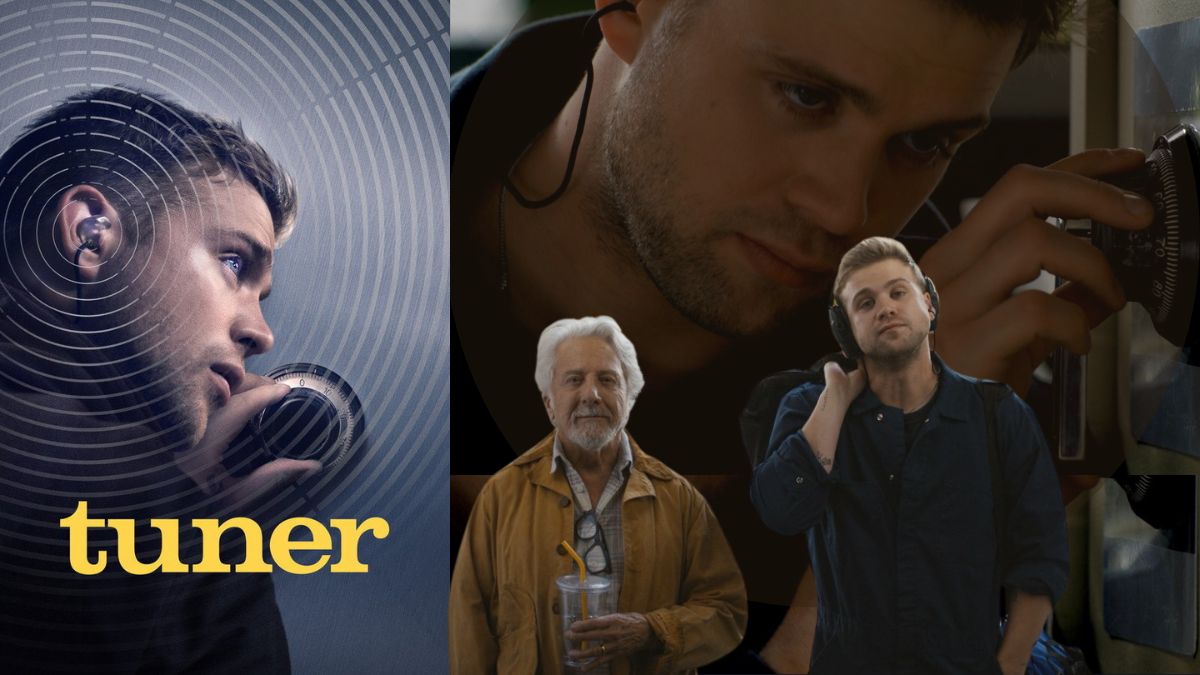
    Tuner centers on Niki White (Leo Woodall), a piano tuner with a rare condition that makes him allergic to loud noises. Hyper-sensitive to sound, he is constantly wearing earphones or headphones to drown out the sounds of the city. When his mentor, Harry (Dustin Hoffman), is hospitalized, Niki feels compelled to ally himself with Uri (Lior Raz), a security agency owner who robs from the wealthy, stealing just enough to fly under the radar. Niki’s sensitivity to sound makes him an ideal safecracker and Uri quickly puts his talents to work. As Niki take on jobs to cover for Harry’s hospital bills, he also finds himself forging a relationship with a music composition major, Ruthie (Havana Rose Liu).
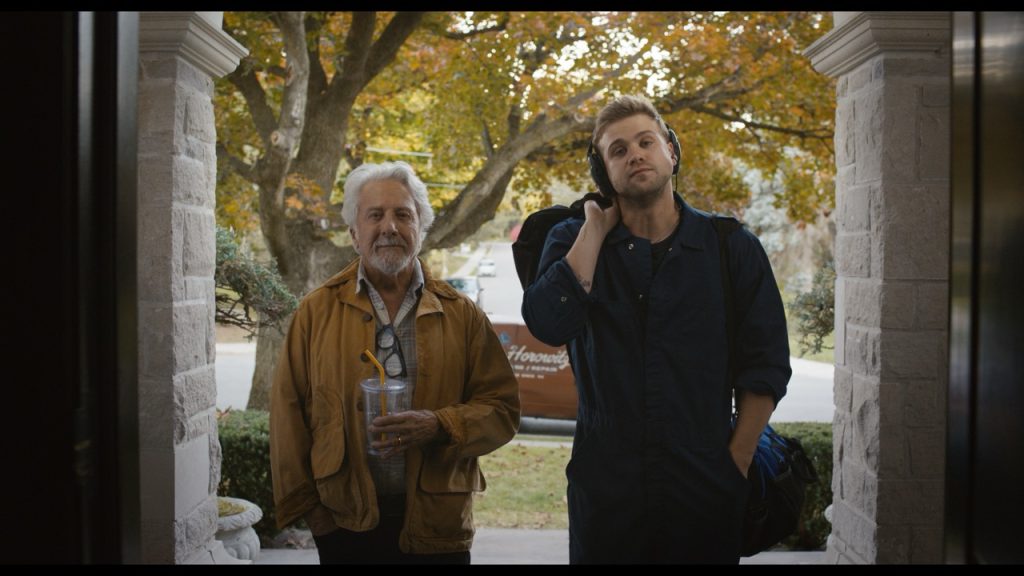
    Tuner

    Roher stays light on the crime aspect of the film, for the most part, using it as a means to an end for Niki. The illegal work allows him to take care of Harry, who has become his only family in the city. While his condition has kept him from forming real relationships and from having a real life, the money he earns from cracking safes for Uri allows him to finally reach for what he’s always wanted. It builds his confidence, giving him means to provide for Harry and his wife, Marla (Torvah Feldshuh), the only family he’s got. He can take Ruthie on dates and get her expensive gifts. The way the film tracks the apparent changes in Niki from before he started working Uri and after, allows us to see a more nuanced conversation about struggling for survival and having the money one needs to really have a life.
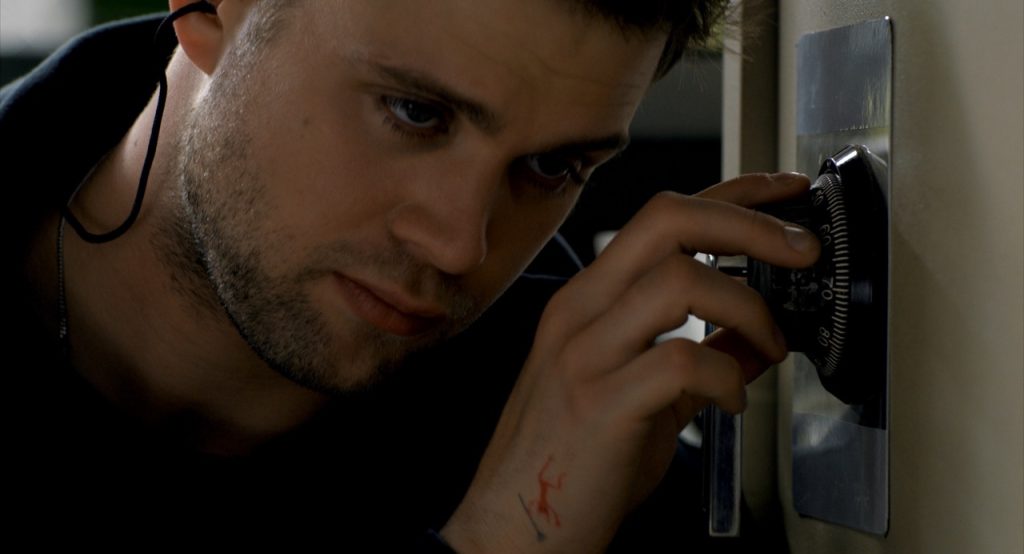
    Tuner

    There is even a Robin Hood allegory that Uri makes that creates a justification for what it is that they do. We don’t know what Uri does with his money but we do know what Niki does with his money. It’s an interesting dramatic situation that fully forms the character arc of Niki.

    But the film is also very much ready to complicate things. At the end of the day, theft is theft, and stolen money always comes with consequences. By this time, we have gotten to see Niki at his highest, watching him fall to his lowest and it makes for an interesting film. It’s really a character study, especially as the film breaks down Niki’s own past and we see the full extent of what it is he has really lost because of his condition.

    The sound design is impeccable and a compelling reason to watch the film in theaters, where the volume itself plays an important aspect in telling the story. 

    I’ve seen Woodall before in the second season of The White Lotus and the AppleTV series Prime Target, but he never truly owned the screen. But in this film, he manages to mine all of Niki’s pathos to build a deeply engaging character that is so interesting to watch. Havana Rose Liu and Tovah Feldshuh are equally excellent, allowing their characters’ vibrancy to contrast with Niki’s dour view of the world. While the performances are good across the board, these three are the ones that I must discuss.

    My Rating: 3 Stars

    stars 3 0


    While you won’t get to experience its sound design in theaters anymore, Tuner is still well worth seeking out when it hits streaming platforms.
  • MOVIE REVIEW: A Hero’s Burden: A Review of ‘Spider-Man: Brand New Day’

    MOVIE REVIEW: A Hero’s Burden: A Review of ‘Spider-Man: Brand New Day’

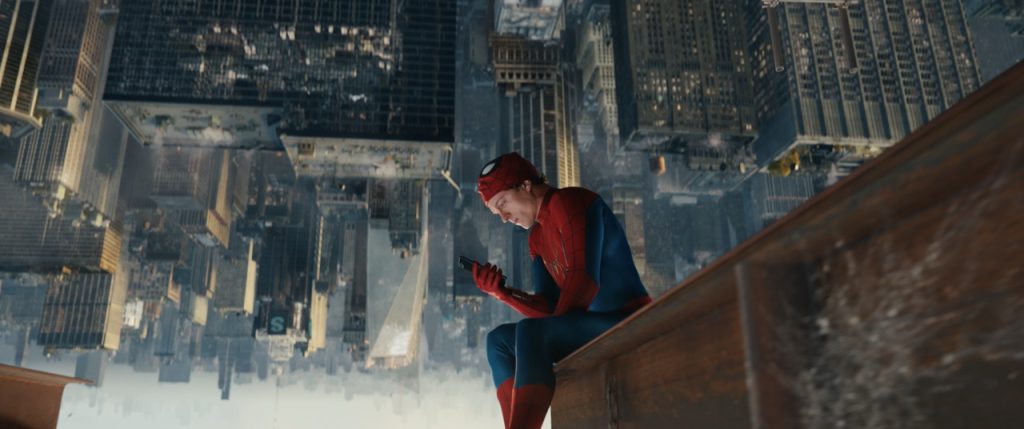
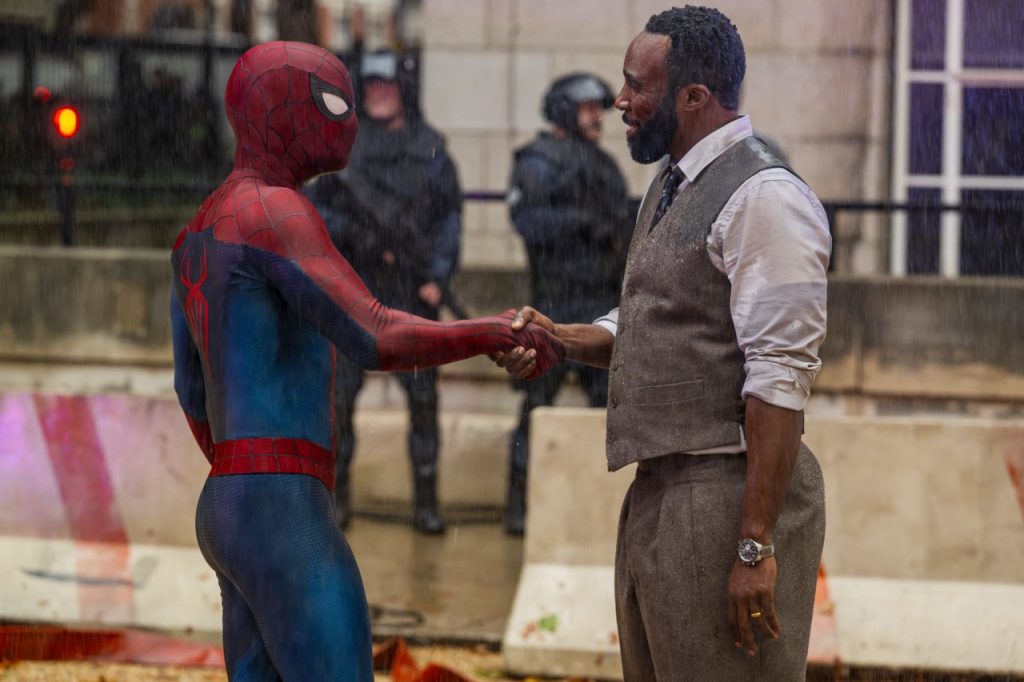
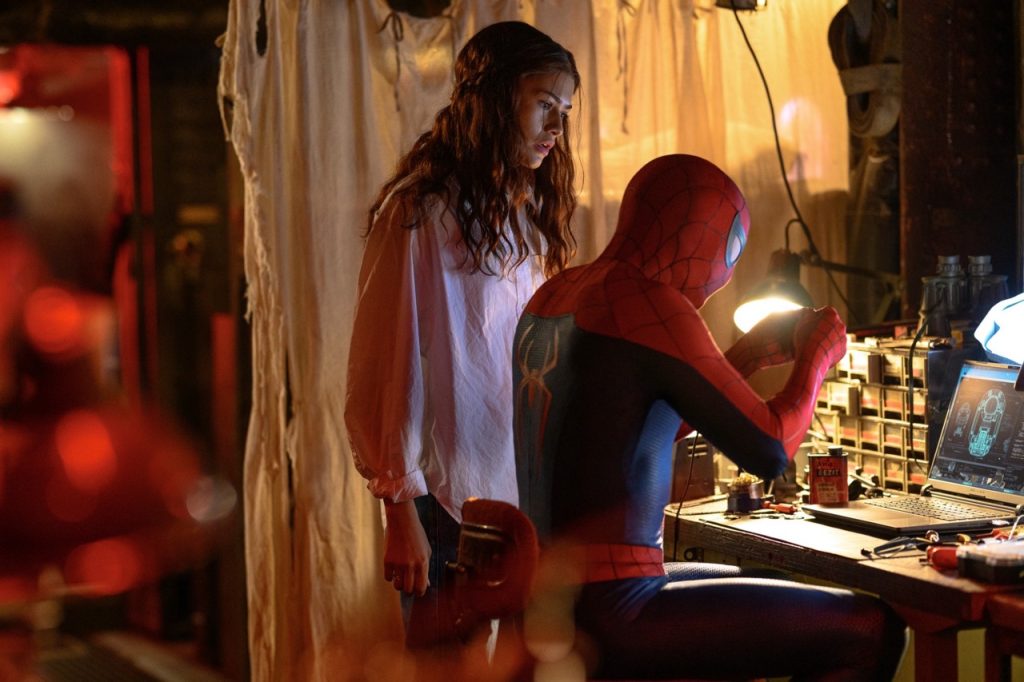
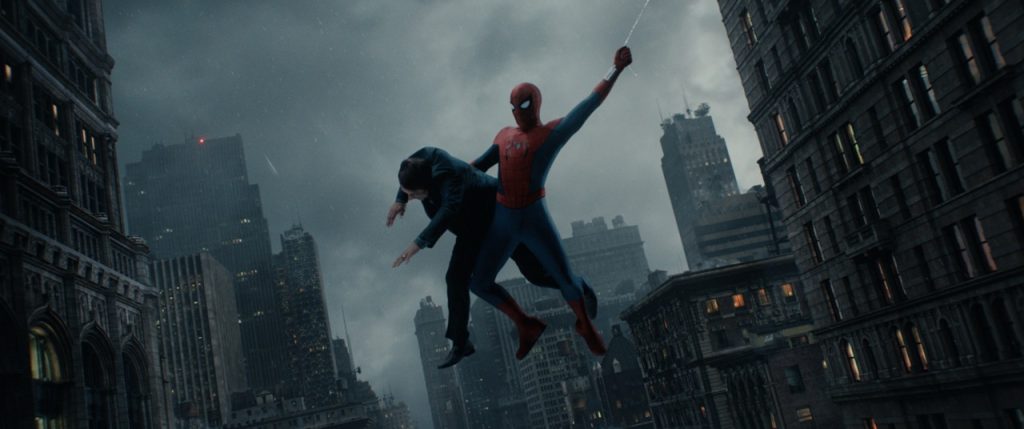
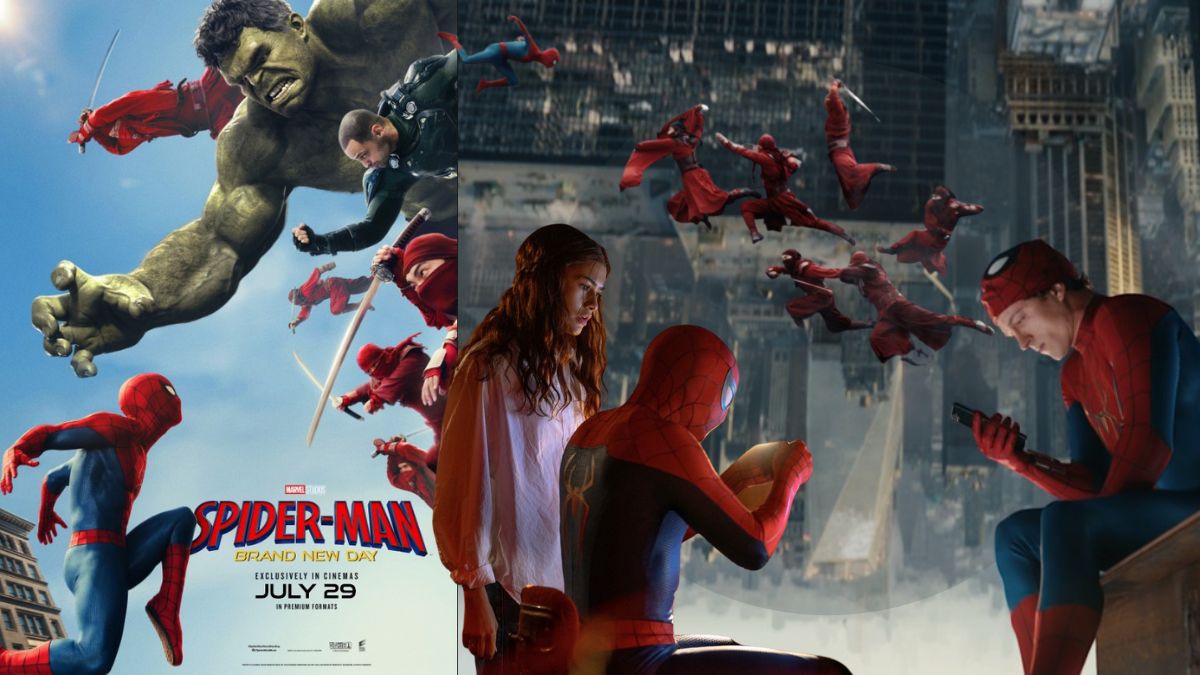
    Taking off right after the events of the previous film, Spider-Man: No Way Home, the latest installment, Spider-Man: Brand New Day, follows Peter Parker (Tom Holland) in a world that has forgotten him. Spider-Man is now a tortured hero, who spends all of his time fighting crime as his masked vigilante. He’s no longer juggling school or work. In his spare time, he watches the posts, videos, and live feeds of his best friend Ned (Jacob Batalon) and the love of his life, MJ (Zendaya), who are living their college life at MIT without him. Free from the burden of putting anyone in danger for knowing his secret identity, he is better equipped to fight crime, yet deeply trapped by the choices of his own heroism.

    Holland was born to play Peter Parker, it seems. He manages to capture the innocence, the pathos, and the vibrancy of the character, as well as the sheer physicality required for the role. In the past Spider-Man films, there were so many scenes where he was forced to take off his mask, mostly because producers and whatnot worried that audiences couldn’t connect with a masked hero. But not this film. In Spider-Man: Brand New Day, a huge chunk of the story has Spider-Man completely masked. Whether or not it’s really Tom Holland underneath the suit at all times is up for grabs, but his unmistakable voice and body language create that connection. It is such a vital part of the story: he is living behind the mask because it’s the only way he knows how to exist in this chapter of his life. The pain and loss of the previous film carry right over into this one.
    Spider-Man: Brand New Day
    Spider-Man: Brand New Day | Photo: Courtesy of Columbia Pictures

    The film, directed by Destin Daniel Cretton and written by Chris McKenna and Erik Sommers, has an amazing sense of pacing and narrative flow. They quickly speed through time, yet we never feel lost. We see his life in large fragments, coming to understand just how lonely Peter Parker’s world has become by choosing to cut himself off. And all this ties wonderfully to the main villain propelling the story forward: a powerful telepath that can jump into other minds and possess their bodies. Only Spider-Man’s enhanced awareness and senses can detect when the villain jumps from one host to the next, giving him a natural immunity to having his mind controlled.
    Spider-Man: Brand New Day
    Spider-Man: Brand New Day | Photo/Image: Courtesy of Columbia Pictures

    How does Spider-Man fight someone he cannot see and cannot touch?

    As I said before, the pacing is so good because this isn’t just a character study of Peter Parker living with his choices, it’s also a full-scale superhero movie with a whole roster of heroes and villains turning up to complete the story.

    Spider Man Brand New Day 17598 r
    Spider-Man: Brand New Day | Photo courtesy of Columbia Pictures

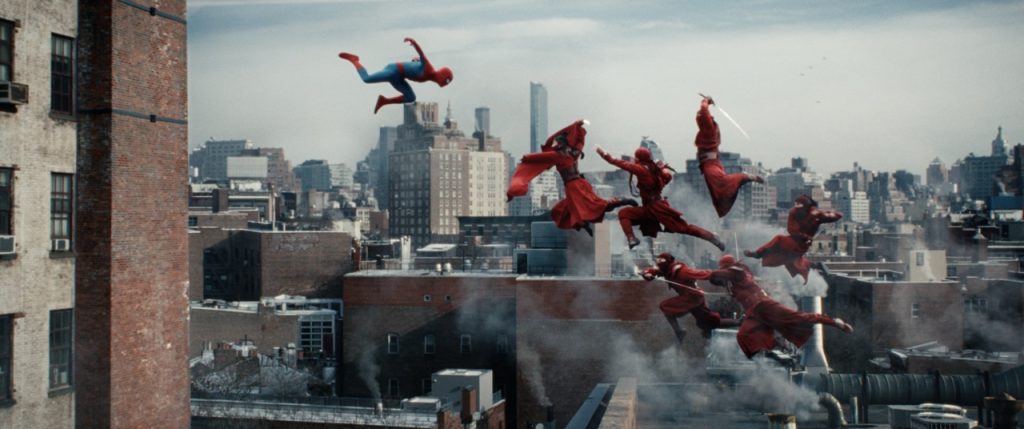
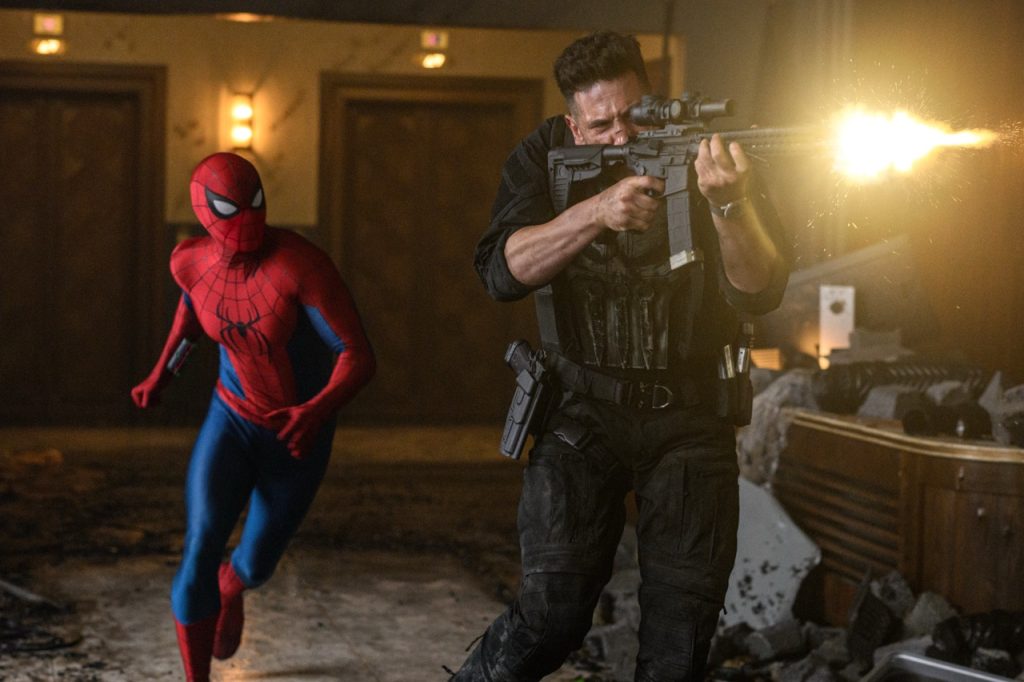
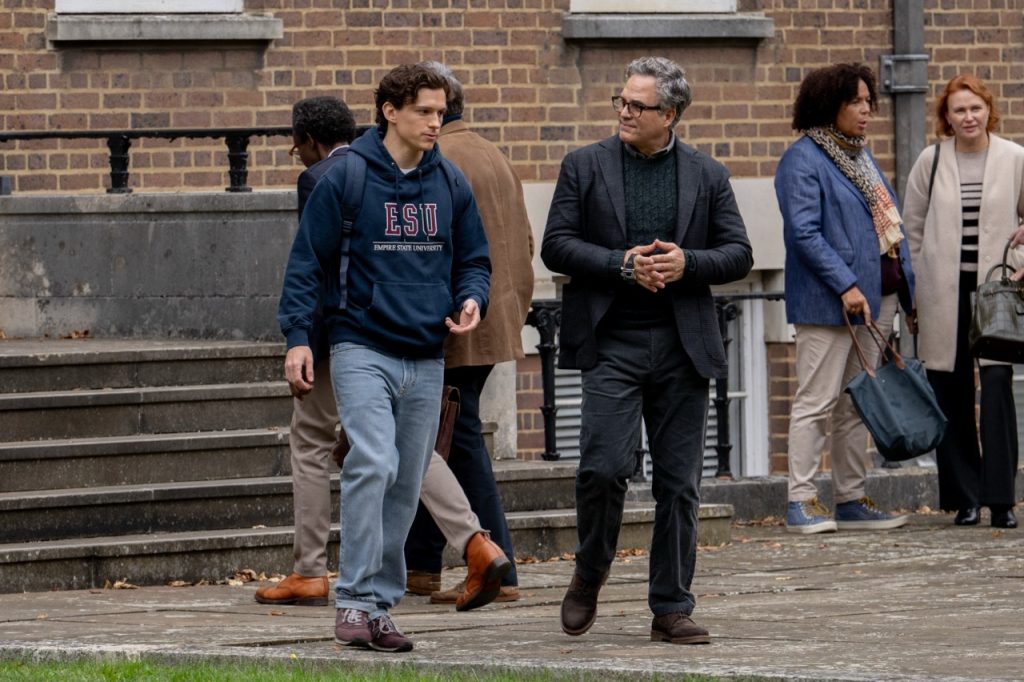
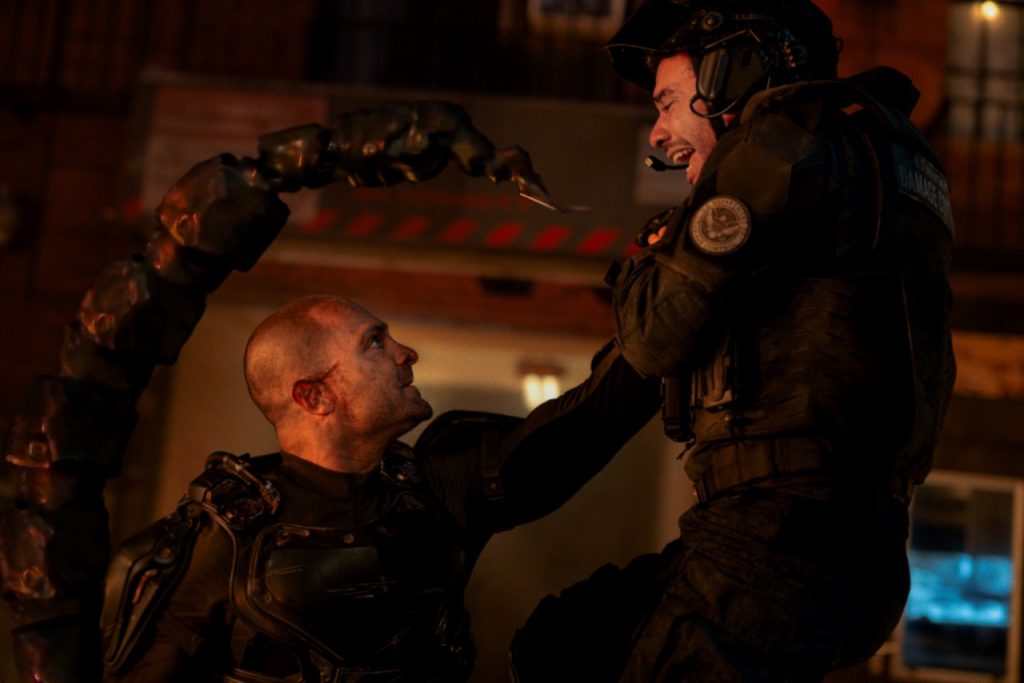
    There are the ones from the trailers, like The Punisher (Jon Bernthal), Bruce Banner/Hulk (Mark Ruffalo), Scorpion (Michael Mando), and The Hand; and then there are the surprise cameos that hadthe audience clapping and screaming when they showed up.

    Spider Man Brand New Day 15908 r
    Spider-Man: Brand New Day | Photo courtesy of Columbia Pictures

    It’s packed with a lot of action and superheroics to ensure it never gets boring. But in a way, it’s also a coming-of-age story. Peter Parker must grow up all over again because the weight of his choices are bearing down on him. And as the trailer suggests, he is entering a whole new stage in his life; and a new stage in his mutation.

    Spider-Man: Brand New Day
    Spider-Man: Brand New Day | Photo courtesy of Columbia Pictures

    In a way, this is a story about evolution and adaptation. One needs to change to survive, and while the choices Peter has made make him feel safe, they are also destroying him in the process. This is mirrored and contrasted by the choices of Bruce Banner and, in a beautiful and very enjoyable way, by The Punisher. And it is also reflected upon that of the villain.

    Spider Man Brand New Day 13059 rv2
    Spider-Man: Brand New Day | Photo courtesy of Columbia Pictures

    Holland has this character down to a tee. He makes no false moves as Peter Parker. Zendaya and Jacob Batalon keep the film grounded in its emotional core, giving Peter something to miss. Bernthal is also such a joy to watch. This is still the Frank Castle we know, but he somehow manages to still fit into a PG film without breaking character. There’s a lightness to him that fits the movie’s tone while still retaining all the darkness of The Punisher. 

    Tom Holland in Spider-Man: Brand New Day
    Spider-Man: Brand New Day | Photo courtesy of Columbia Pictures

    And Sadie Sink? I’m not saying a word. But I thought she portrayed her character in the most effective way possible. She appears one hour into the film and completely shifts its course with her arrival and character reveal. She can express so much while staying completely still, letting her eyes do all the heavy lifting. It’s a wonderful performance that will be talked about for days to come.

    Spider Man Brand New Day MON1660 TRL comp SPI v0131.1012
    Spider-Man: Brand New Day | Photo courtesy of Columbia Pictures

    I have yet to see a Tom Holland Spider-Man movie that I didn’t like. I hope he’ll want to play this character until he physically can’t do so anymore. I’m no longer a big fan of comic book movies, but this one I’ll still be showing up for an opening day.

    My Rating: 5 Stars

    stars 5 0


    Spider-Man: Brand New Day hits theaters TODAY! Anchored by Tom Holland’s finest performance yet, incredible action, and game-changing character reveals, this is a top-tier Spidey entry that demands to be seen on the biggest screen possible. Check showtimes and grab your tickets now before they sell out!

  • MOVIE REVIEW: The Live-Action Remake of ‘Moana’ Doesn’t Live up to the Original

    MOVIE REVIEW: The Live-Action Remake of ‘Moana’ Doesn’t Live up to the Original

    Moana is one of my favourite Disney cartoons. I have a personal relationship with this movie because I saw it at a time in my life when I needed to get that push to heed the “call of the sea,” so to speak. In my eyes, this is really a perfect film. So it’s hard to imagine why they would want to do a live-action remake of an already perfect animated film, especially when that animated film is only ten years old and all the images you see from the trailer tell you that so much of what you are going to see is made from CGI. What’s live action about that?

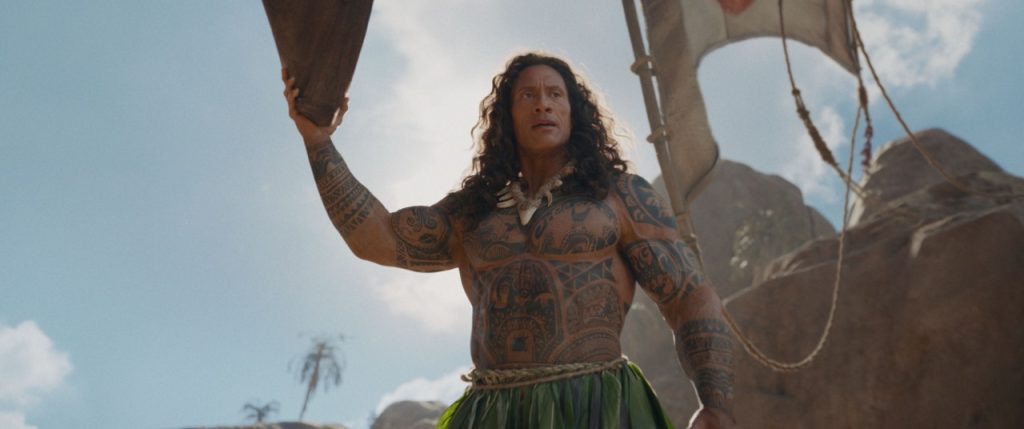
    Moana shares a lot of the same beats as the original film. Moana (Catherine Laga’aia) is the future chief of her village on the island of Motonui. Because of the antics of the demigod Maui (Dwayne Johnson), who took the heart of the island goddess Te Fiti to give to the people, a darkness has set forth on the land. And despite the order of the chief, Moana’s father, that no one sail into the ocean, Moana has learned of her people’s origins and heeds the call of adventure to find Maui, convince him to return the heart of Te Fiti, and banish the demon Te Ka, who has caused the darkness after Te Fiti went into hiding.

    Moana MNA T1 0028 Disney
    Moana in Disney’s live-action MOANA. Photo courtesy of Disney. © 2025 Disney Enterprises, Inc. All Rights Reserved.

    I found myself having a difficult time entering into this world because of how heavily animated the visuals are. The lighting is overdone, giving the film a very saturated color aesthetic, and many of the backdrops look like they were generated by CGI. It opens with a story of Maui taking the heart of Te Fiti and then shifts into the village of Motonui. We see a young Moana playing with the sea, but the sea plays back, and it’s obviously special effects; the disconnect between the two images seems to clash. Maybe due to the fact that the CGI effects aren’t as clean and seamless as we would want them to be, it means editor Melanie Ann Oliver is constantly cutting away, creating a frenetic energy that can often break a moment from its full effect. It does manage to hide the CGI from being so blatantly disturbing to see against the real people playing in a scene, but it never allows the scenes to linger and be fully absorbed.

    Dwayne Johnson
    Dwayne Johnson as Maui in Disney’s live-action MOANA. Photo courtesy of Disney. © 2026 Disney Enterprises, Inc. All Rights Reserved.

    This is an issue that sits with me throughout this film. When Moana finally goes on her journey, there are scenes where Laga’aia is on a boat and it looks like her whole backdrop is one green screen of an empty ocean. There’s a halo effect that usually happens when a bad green screen execution is mounted, and that’s what it looks like. If it’s not green screen, then the lighting and saturated colors make it look like it, so the film never feels grounded or real. Later on, when Moana and Maui finally meet, their bickering doesn’t translate well when played by actual people. Maui throws her off the boat several times and she’s rescued by the ocean, who has chosen her specifically for this mission. In the cartoon, it’s funny, because they are cartoon characters. When The Rock does it to Laga’aia, it looks misogynistic and cruel and mean.

    Moana
    Catherine Laga’aia as Moana in Disney’s MOANA. Photo courtesy of Disney. © 2026 Disney Enterprises, Inc. All Rights Reserved.

    Strangely enough, as I’m watching this film and really resisting it because of the way it looks, there is one song number that still manages to get me teary-eyed, and that’s ‘I Am Moana,’ which really resonates with me. Laga’aia is a great singer and sings the hell out of the song (though I am really partial to Auli’i Cravalho’s more full-toned voice), and the context of that song in the story still hits me hard. I cried at this point in the animated film, and I cried again at this part. Later, during the climax as Moana goes toe-to-toe with Te Ka – the only extensively CGI-heavy sequence in the film that I enjoyed watching – I once again found myself in tears when Moana restores the heart of Te Fits. Again, I am a sucker for stories about healing, and Te Fiti’s story always gets me in tears.

    Moana
    Catherine Laga’aia as Moana in Disney’s live-action MOANA. Photo courtesy of Disney. © 2026 Disney Enterprises, Inc. All Rights Reserved.

    So, while I’m not a big fan of the entire movie, the story of Moana still holds in whatever format it is delivered in. But this movie just makes me want to watch the original cartoon all over again. I really question the need for these live-action remakes when the original cartoons are already perfect as they are.

    My Rating: 2.5 Stars

    stars 2 5

    Ready to experience Motonui on the big screen? Find local showtimes and get your tickets to see Moana in theaters now!

  • MOVIE REVIEW: A Magnificent, Epic Rebuke of War, Christopher Nolan’s ‘The Odyssey’ Is Undeniably a Masterpiece

    MOVIE REVIEW: A Magnificent, Epic Rebuke of War, Christopher Nolan’s ‘The Odyssey’ Is Undeniably a Masterpiece

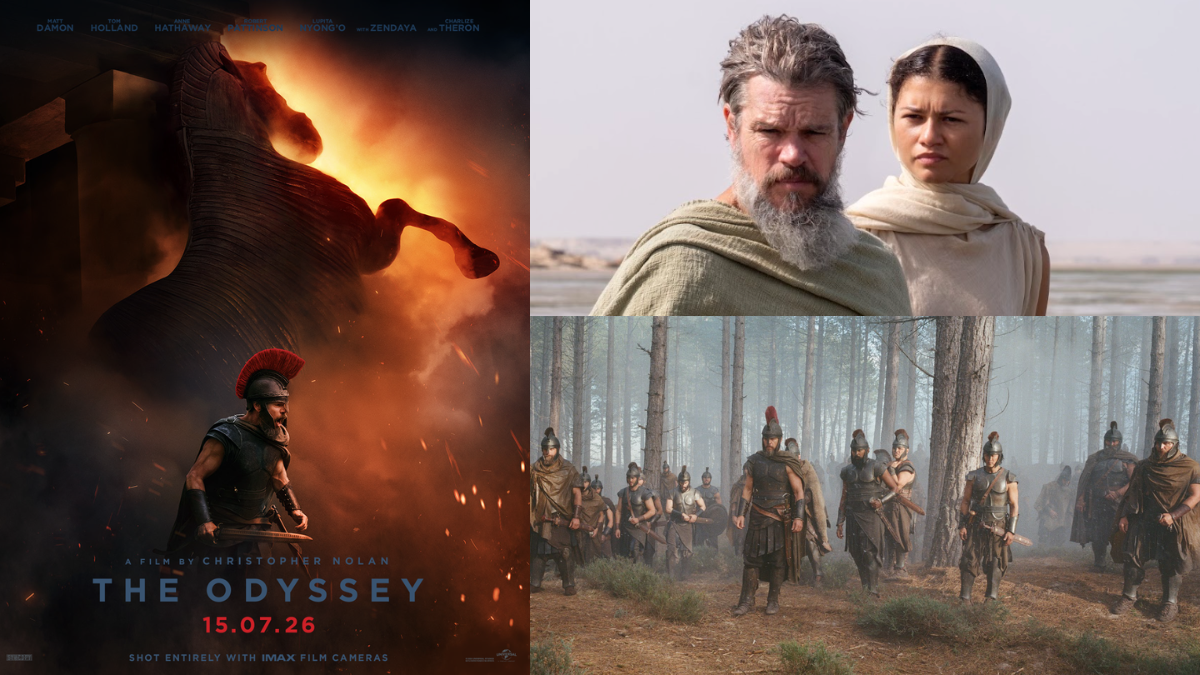
    There’s no question that Christopher Nolan is a filmmaker who makes movies for the cinema. His stories are always larger-than-life, even his earlier work before his name became a box office draw – films like ‘Memento’ and ‘Insomnia’ – were best suited on the big screen where the visual breadth of his stories amplified his message when projected at that scale. Success only allowed Nolan to work on even larger-scale movies, and with the dramatic success of ‘Oppenheimer,’ he has now been given full reign to make one of his dreams come true: to film an entire movie completely on IMAX film cameras. He takes Homer’s The Odyssey and uses translations by Emily Wilson, E. V. Rieu, and Robert Fagles as the basis of his screenplay.

    With a star-studded cast that includes Matt Damon, Anne Hathaway, Tom Holland, and Robert Pattinson in lead roles with a stellar supporting cast that includes Charlize Theron, Zendaya, Samantha Morton, Jon Bernthal, John Leguizamo, Himesh Patel, and Lupita Nyong’o, ‘The Odyssey’ primarily uses practical effects with as little CGI as possible to create a very tactile, tangible fantastical world where myths, mythology, and legends co-exist and fill up each frame with the themes that Nolan is set to deliver to his audience.

    The Odyssey

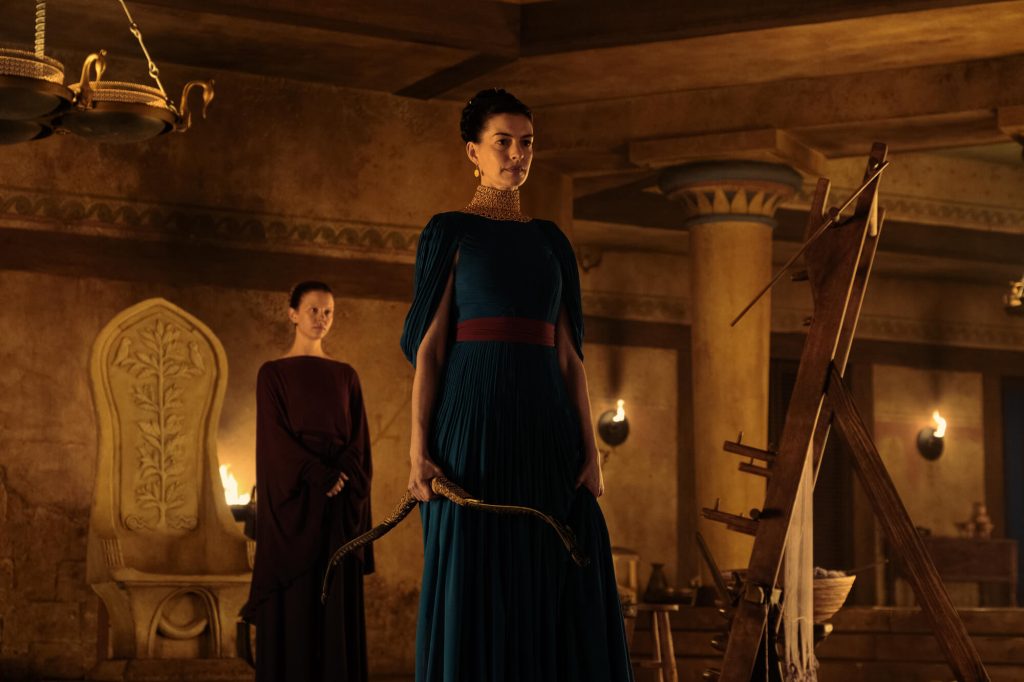
    Told from two points of view, ‘The Odyssey’ takes place after the Trojan War. In Ithaca, Penelope (Hathaway) awaits the return of her husband and king, Odysseus (Damon) but his 8-year absence since the fall of Troy has everyone assuming that she is now a widow. Suitors have come to marry her to take Ithaca as their own, among them is Antinous (Pattinson). The suitors grow in number, and Zeus’s law bids that all strangers must be welcomed. Telemachus (Holland), son of Odysseus and Penelope, laments that the suitors have feasted away Ithaca’s resources. Still too young to become king, Ithaca’s future is tenuous and Penelope is losing hope. While far away from Ithaca, Odysseus is on an island with the nymph Calypso (Theron), who is fed lotus flowers, which takes away his memory. Calypso wants Odysseus for herself but there’s a longing in him that the flowers can’t take away. To find his way home, he must recall who he is and how he got to that island, and from this retelling, we discover the adventures Odysseus has taken to return home, which includes battling a cyclops, facing the goddess and witch Circe (Morton), and flashbacks of what happened in the battle of Troy.

    1 8

    Interestingly enough, Nolan employs the use of storytelling to frame his narrative. In Ithaca, we learn about Penelope and Telemachus and of Odysseus through recollections of their time together, and of stories told during the feasts. For the Odysseus portion, it is through remembering his journey that we see his adventures. Almost like a recited epic poem back in the era of Homer and the Greeks, the story is told in story-form, enforcing the myth and myth-making nature of film and this particular approach to the telling of this story.

    CT 53255

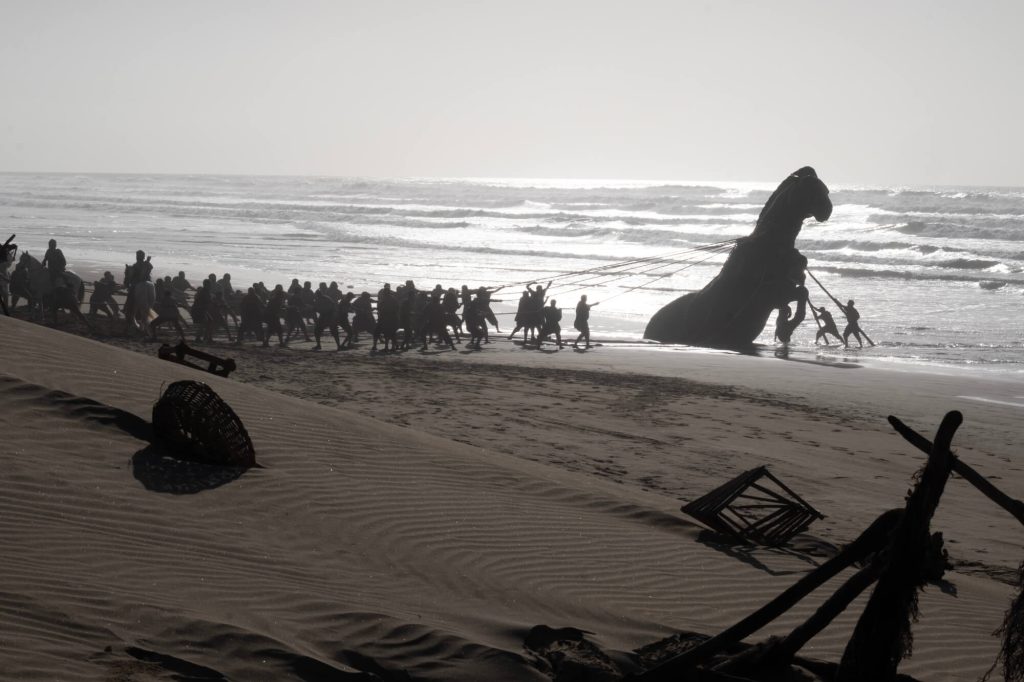
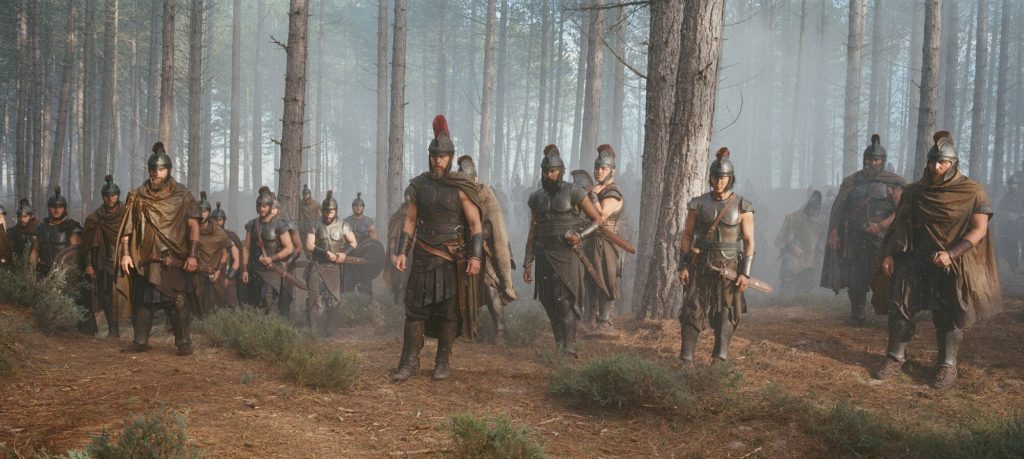
    Nolan, alongside director of photography Hoyte van Hoytema, fully utilizes the IMAX format to create a film of epic proportions. The long shots puts these characters and situates them in these vast expanse of space, visualizing Odysseus’ journey as a challenge of not just physical distance but an emotional one as well (for the film puts into question an existential force that keeps him from getting home quickly) whereas Penelope and Telemachus are constrained and imprisoned by the burden of the castle, of the kingdom, and of its laws. Even in the close-ups, the emotions at the scale are heightened and Nolan is unafraid to point his camera away from the heroics and put into center frame the characters who are suffering from the effects of this war. Slaves, soldiers, and women, amongst others are brought into the composition so that we understand that Nolan’s ‘The Odyssey’ is not just an adaptation of the Greek myth that we were taught in elementary but a searing rebuke of war and the human cost of it and of Odysseus’ part in the fall of civilization.

    CT 38345CC MSG

    What begins as a fantastical journey and a suspenseful political battle at the homefront seamlessly turns into a dissection and cross-examination of where and when and how humanity began to break down and it all returns to the fall of Troy. Taking his cues from the Wilson translation, the usage of contemporary language and straying from the usual portrayals of formal British accents for these ancient Greek mythological characters, the way the film manages to find its connections with current-day issues and discussions about war, destruction, corruption, misogyny, and the loss of human kindness and decency.

    Odyssey New Poster 4x5 1

    I cannot stress how seamlessly and quietly Nolan infuses modern day political discourse in a film that is so visually arresting and so entertaining that when the film’s finale takes place and you realise what this movie is really about; you cannot escape it and it is something you will bring with you as you leave that theater.

    This is an incredible piece of work and it is a highlight of an already remarkable filmography by Christopher Nolan, his cast, and his team. A must-watch on IMAX.

    My Rating: 5 Stars

    stars 5 0

    Ready for an unforgettable cinematic journey? Experience Christopher Nolan’s The Odyssey on the biggest screen possible. Get showtimes here.

  • MOVIE REVIEW: Lacking in Active Conflict, ‘First Light’ Is a Reflective Movie About a Crisis of Faith

    MOVIE REVIEW: Lacking in Active Conflict, ‘First Light’ Is a Reflective Movie About a Crisis of Faith

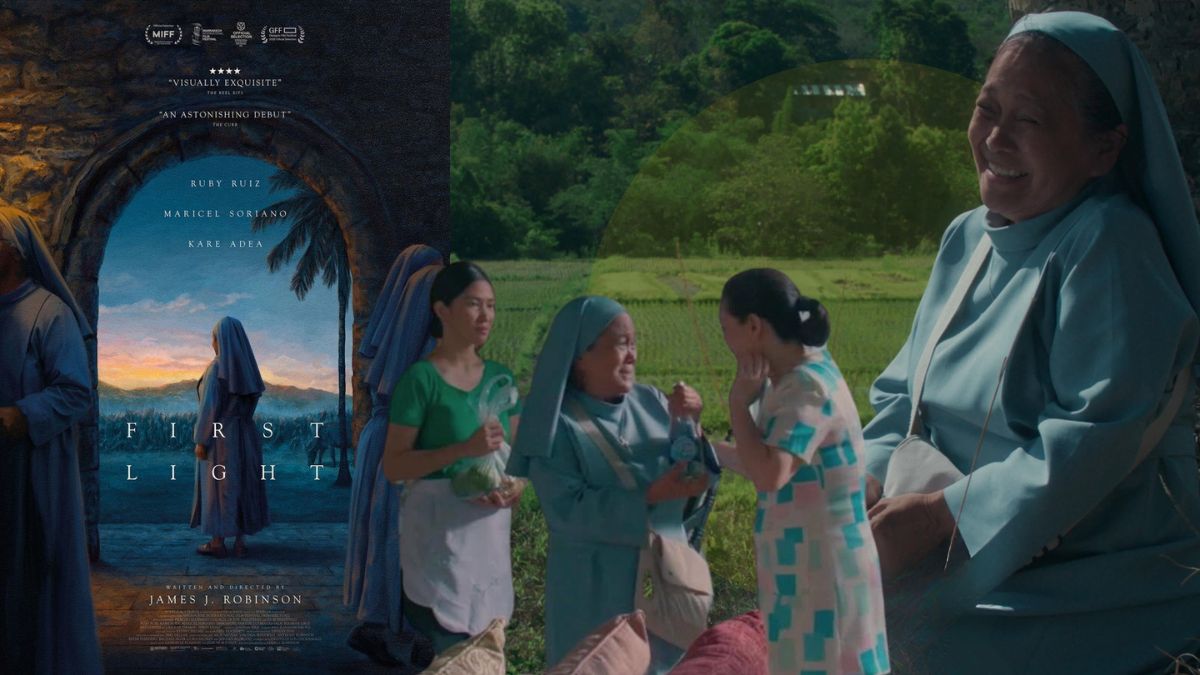
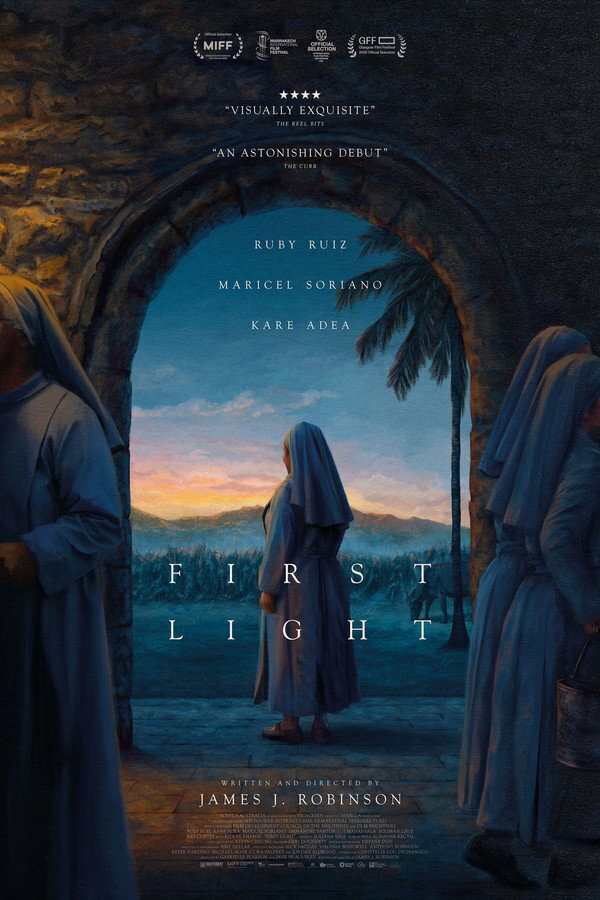
    Beautifully shot, director James J. Robinson’s debut feature film, First Light, is a slow-paced, meditative examination of corruption within idealized institutions. Collaborating with cinematographer Amy Dellar, Robinson presents a world that feels lost in time and space. The narrative unfolds in an unnamed village in the Philippines, near a decaying convent built during the Spanish occupation, a world seemingly unbothered by the modern intrusion of mobile phones or television. Its atmospheric opening, featuring the convent covered in darkness as nuns glide past with candles, initially made me believe that the film might be a period piece. It is toward the end of the first act, when a motorcycle appears on screen, that we realize we are actually grounded in the modern world. 

    First Light follows Sister Yolanda, played by Ruby Ruiz, whose faith is profoundly shaken following a tragic accident that results in the death of a young man. Driven by her moral compass to find some semblance of peace for the young man’s surviving family, she begins to unearth the complex power dynamics at play between a wealthy local clan, the government, and the church and how it ties to the suppression of the truth regarding the boy’s passing. Consequently, Sister Yolanda’s faith falters, igniting a journey to discovery begins.

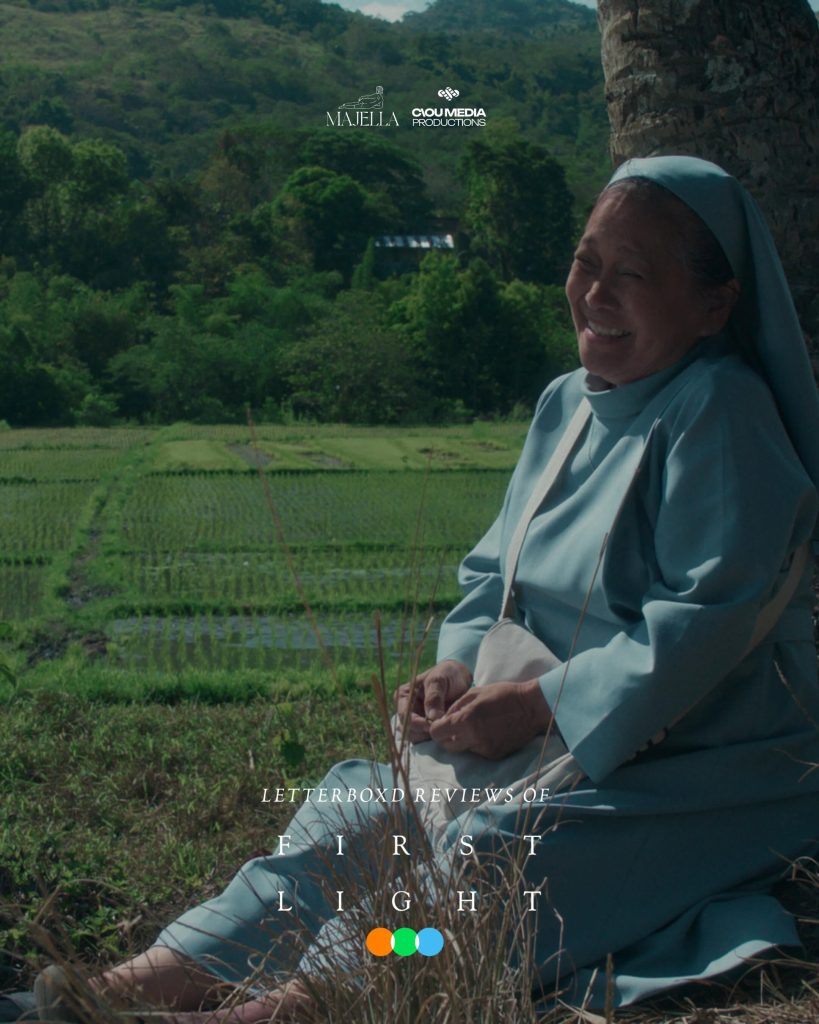
    First Light
    First Light | Image Source: Clou Media Productions FB Page

    First Light adopts a languid pace, slowly unfolding its world piece by piece with no rush or urgency. The film follows the daily life of Sister Yolanda, illustrating the extraordinary lengths she goes to for the parish, the people in it, her fellow sisters of the habit, and the church she so deeply believes in. Yet, while Dellar’s cinematography remains exquisite, the narrative pacing never truly picks up, even after the tragic death of the young man and her growing realisation about the world around her. This relentless slow-burn makes the film lack the energy it needs to fully delve into the raw emotion of Sister Yolanda’s own crisis of faith.

    This slowness also takes the form through the line delivery, where characters take prolonged pauses between lines that has a tendency to kill the organic energy of a scene. This rhythmic hesitation makes the conversations sound noticeably scripted rather than natural, as if the actors are visibly waiting for a cue or a calculated emotional beat. Ultimately, a more naturalistic, free-flowing delivery of the dialogue would have greatly helped the film achieve the grounded mood.

    At a certain point, things become a bit too easy; major discoveries are made with very little fanfare. Sister Yolanda’s own dealings, whether with the priest (Soliman Cruz), a fellow sister contemplating leaving the convent (Kare Adea), or Linda (Maricel Soriano), a wealthy matron whose mother is on life support and who Sister Yolanda visits to pray over, usually ends with a discussion but no real argument or debate. While the film constantly searches for an active conflict, it settles instead for a passive one: one of reflection.

    First Light

    Thankfully, Ruiz is exceptional at conveying these abstract thoughts and complex emotions within such a dormant narrative. There’s a lot of nuanced work here that fills in the storytelling gaps, and manages to create a version of Sister Yolanda that is remains consistently fascinating to watch. It’s in the lens of the  mundane and the ordinary that we are watching all this unfold and Ruby Ruiz harnesses that effectively. 

    Ultimately, there are many interesting things that First Light does and tries to tackle. It juxtaposes images of our Spanish colonial history as an opposing, oppressive force over its less fortunate characters, creating links to the corruption upon many hallowed institutions, most especially the church. These are the interrogations I admire but I ultimately wish the film had approached this with a little bit more narrative energy.

    My Rating: 2.5 Stars

    stars 2 5

    Keep an eye out for First Light on the film festival circuit or look out for its upcoming digital and streaming release. It is a slow-burn narrative worth tracking down just to witness Ruby Ruiz’s powerhouse, quietly powerful performance!

  • MOVIE REVIEW: Milly Alcock’s Portrayal of ‘Supergirl’ Makes the Movie

    MOVIE REVIEW: Milly Alcock’s Portrayal of ‘Supergirl’ Makes the Movie

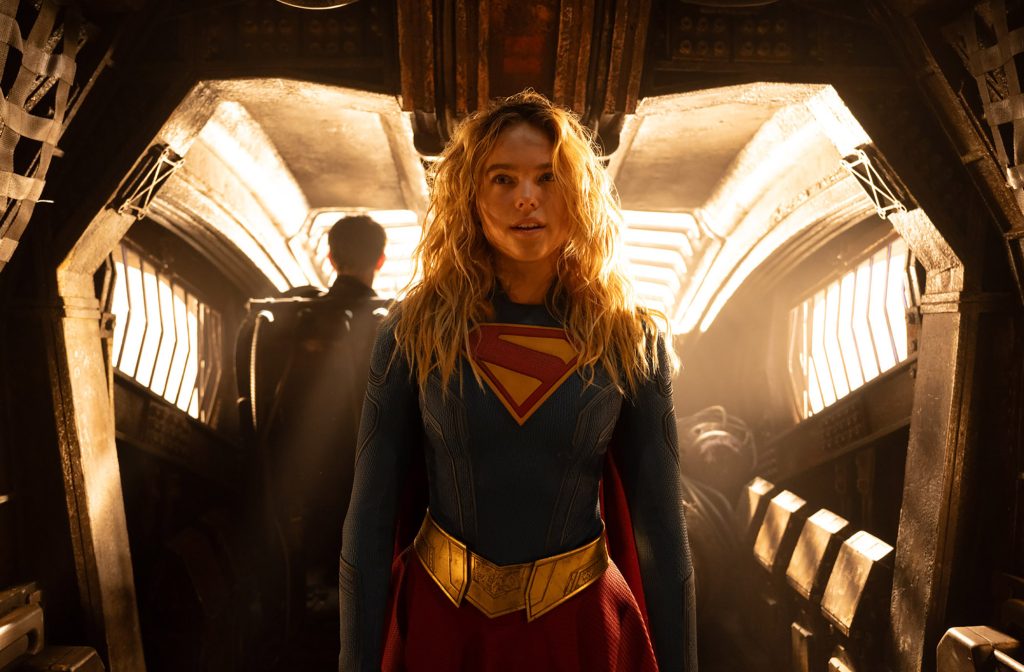
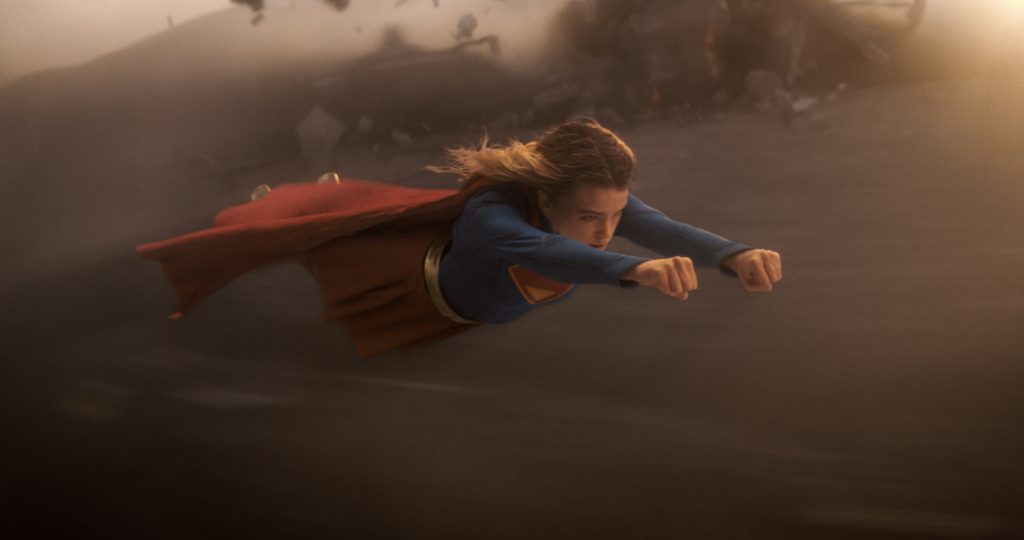
    There is actually a lot of good things that’s going on for Supergirl. I love director Craig Gillespie’s work on I, Tonya and thought he had a really sharp eye here, capturing the deeper pathos of Supergirl. As a character study, I really enjoyed how the film positions Kara as an ultimately powerful superhero, but whose sense of loss is so catastrophic that she feels lost and without purpose. These are the elements that truly resonated with me. However, I felt that the story that surrounded this and the plot that allowed Supergirl’s story to unfold felt incongruent with her personal journey. There were many moments when I felt as though I was watching two completely different films and I was definitely liking one far more than the other.

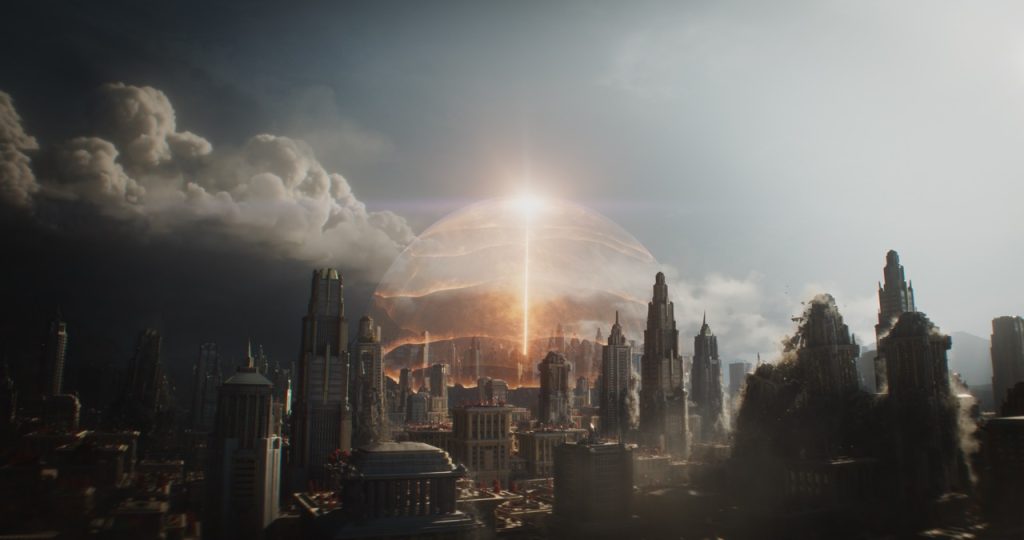
    Kara Zor-El, the cousin of Kal-El (Superman), was born eight years after the fall of Krypton. Her father, the engineer Zor-El, managed to protect a portion of the home planet within a protective force field as its core melted away.

    Supergirl TRL 022
    Supergirl | Photo Credit: Warner Bros. Pictures

    However, as the remaining survivors of Argo, Krypton are slowly dying off and Zor-El’s only recourse to save his daughter was to send her to Earth to join Kal-El. Unlike Superman, Kara did not experience his idealistic and optimistic childhood; instead, she grew up witnessing the slow death and destruction of her entire race.

    Supergirl
    Supergirl | Photo Credit: Warner Bros. Pictures

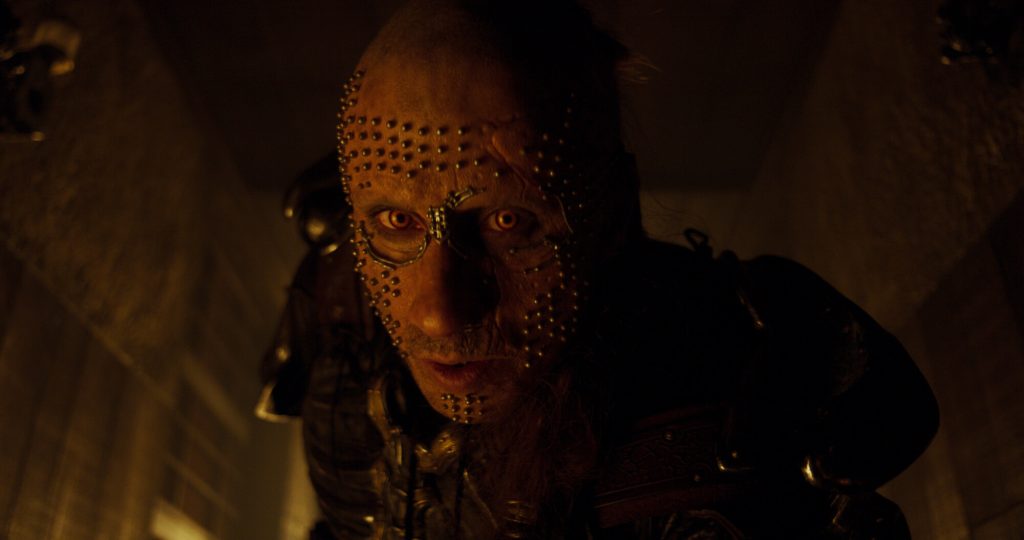
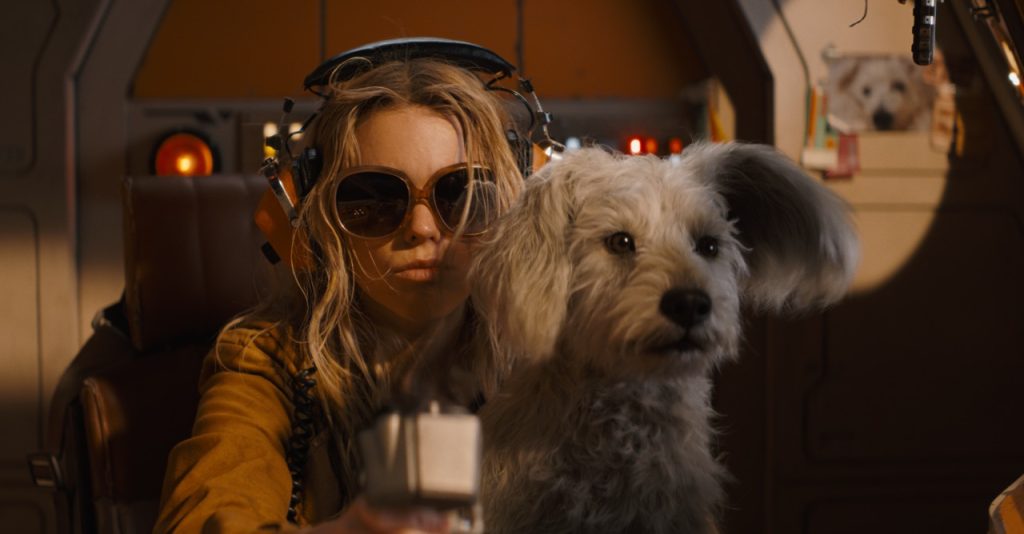
    Now turning 23, she copes by hopping between planets with her dog, Krypto, getting drunk and avoiding facing the truth about who she is and who she plans to be. Her celebration gets derailed when she meets Ruthye Marye Knoll, a young girl whose parents were killed by the ruthless brigand leader Krem of the Yellow Hills. She is on a quest to find him to exact her revenge.

    SGRL TRL 042 High Res JPEG custom proxy
    Supergirl | Photo Credit: Warner Bros. Pictures

    When Krem and his crew steal Kara’s shop and shoot Krypto with a fatal poison, the antidote to which only Krem possesses, Kara and Ruthye are forced to band together. For Kara, the stakes transform into a desperate mission to save Krypto, the last living connection to her lost home.

    Supergirl TRL 101
    Supergirl | Photo Credit: Warner Bros. Pictures

    As Kara, Milly Alcock is a wonderful personification of Supergirl’s intense emotional turmoil. She layers her performance with the knowledge that she’s extremely powerful, unapologetic about it, but also uncaring about it. Alcock fully embodies Kara’s deep sense of displacement and purposelessness. There’s a tired way by how she goes about things. She’s dazzling to watch because you know underneath all the walls she has put up is a powerhouse that flattens mountains with a punch or a blast from her eye beams. But her heart isn’t in it. It is such an arresting performance that I could easily watch it all day.

    SGRL 02926r High Res JPEG custom proxy
    Supergirl | Photo Credit: Warner Bros. Pictures

    What I did not appreciate, however, was how the plot utilizes this young girl’s quest for vengeance tagging along to somehow mirror or parallel Kara’s own emotional journey. I get it, both characters have suffered greatly and it is through each other that they will find some sort of insight about how to push forward. There is something touching about Ruthye (Eve Ridley), a seemingly hapless child carrying her father’s sword seeking revenge. Yet, her tragic backstory is granted a four-minute prologue, the slaughter of her family ultimately feels more like a convenient plot device than a character-driven storyline. We don’t even get to see the weapons her father died protecting. Instead, Rutheye spends most of the movie wanting revenge and getting into trouble, only to be constantly saved by the more powerful Supergirl, leaving no real room for to see her grow. If she’s mirroring or her journey is to parallel that of Kara-El’s, it doesn’t quite help us gain any new insight into Kara’s deep-seated depression.

    Supergirl
    Supergirl | Photo Credit: Warner Bros. Pictures

    There is even a subplot of how the brigands are capturing women as brides because they are an all-male species. This add no real bearing to Kara’s personal journey, or Ruthye’s, for that matter, but its includion feels like a forced, surface-level attempt to show how feminist the film’s story is. You can remove that storyline and the movie would remain still strong and feminist, in just how much more of a burden Kara carries over her more idealistic cousin (still played wonderfully by David Corenswet). Same abilities, same trauma, but different approach; different realities.

    Utilmately, the film offers fantastic moments of cinema. This is especially true during the breathtaking sequences in outer space where Supergirl absorbs the energy of the yellow sun and comes into her own, alongside some great, complex fight scenes that allow us to see the full extent of who she is as a superhero and as a character. We get to witness her when at her most vulnerable, completely depowered under the dim light of a red sun, and at her most formidable, super-charged under the radiant rays of the yellow sun. Through it all, she is remains fearless and persistent. What Superman possesses in heart, Supergirl matches in sheer grit.

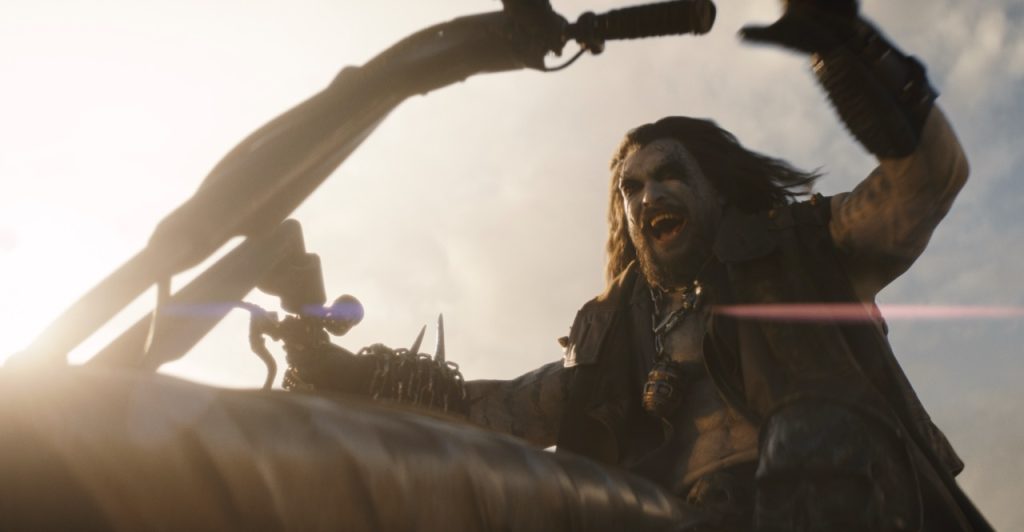
    Jason Momoa as Lobo in Supergirl
    Supergirl | Photo Credit: Warner Bros. Pictures

    There is undoubtedly a lot of good materials in this film – some great set pieces, a quick pace, some really great character moments – but I wished the plot had dealt more directly with Kara and her personal emotional journey. I felt Ruthye was not compelling enough as a mirror and it gave no real insight to Kara’s own choices. Meanwhile, Jason Momoa’s appearance as Lobo is exactly how I imagined him to be. It is a highly predictable performance that has no real bearing in the movie other than to put another recognizable DC character into the mix. Ultimately, I really just wanted more of Supergirl herself and I didn’t get nearly enough.

    My Rating: 2.5 Stars

    stars 2 5

    Supergirl is now playing in theaters nationwide. Check showtimes, grab your tickets today, and see the cosmic powerhouse in action on the biggest screen possible!

  • MOVIE REVIEW: Though a Little Tired and Old, ‘Toy Story 5’ Still Has That Charm and Warmth

    MOVIE REVIEW: Though a Little Tired and Old, ‘Toy Story 5’ Still Has That Charm and Warmth

    I am consistently surprised by how resilient, wonderful, and relevant the Toy Story franchise has remained over the years. As critics and audiences have said many times before, the creators realised the fans of the original movie have grown up and may now have children of their own. So the stories always reflected that of the first audience of the first film and reflected their own relationship with youth, play, and toys. I even enjoyed the fourth installment, despite it not being remembered as fondly. I felt that the story of Woody (Tom Hanks), and his realisation that he had to move on to other things, to pursue a different purpose separate from the one he fought so hard for in previous installments was such a fitting life lesson for me, when I watched it seven years ago; as a man who just turned forty.

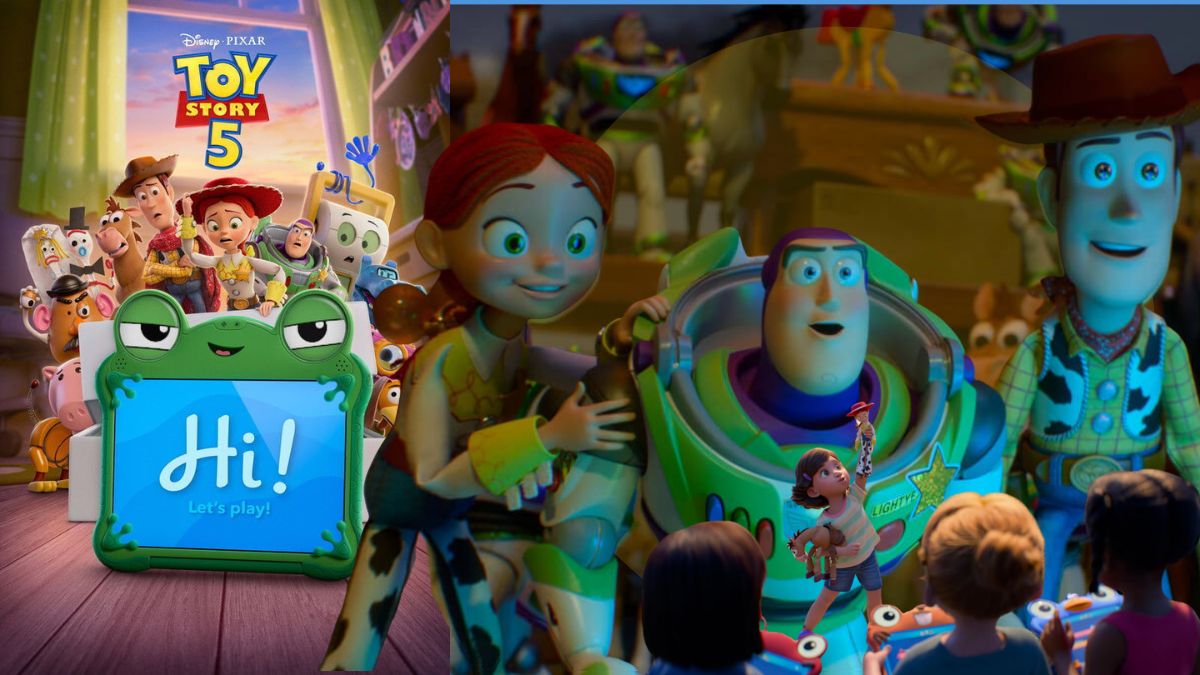
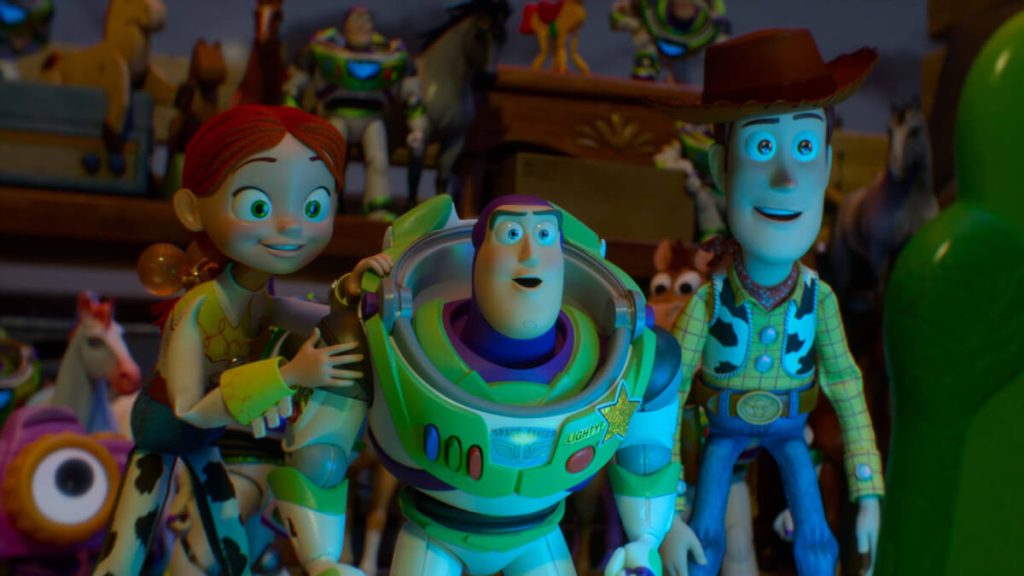
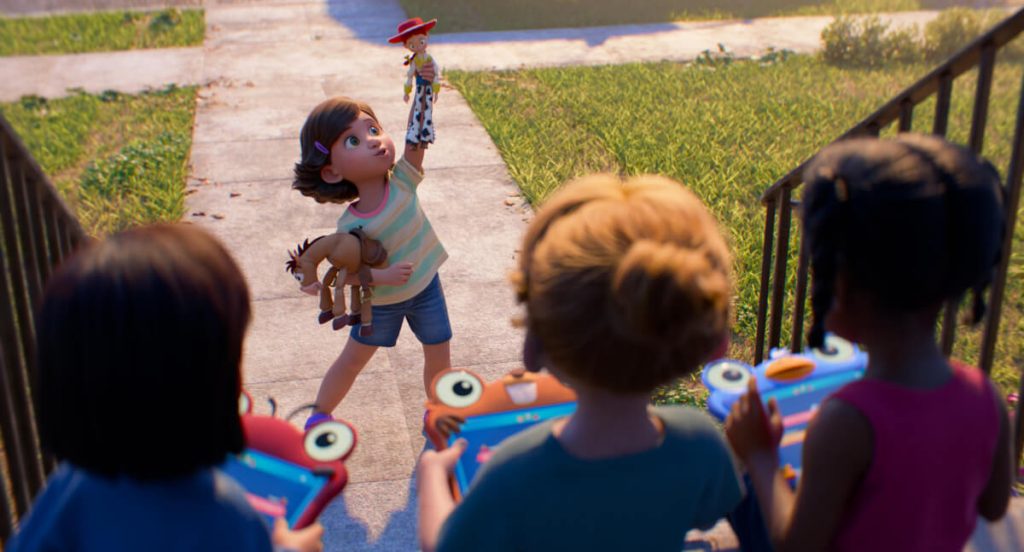
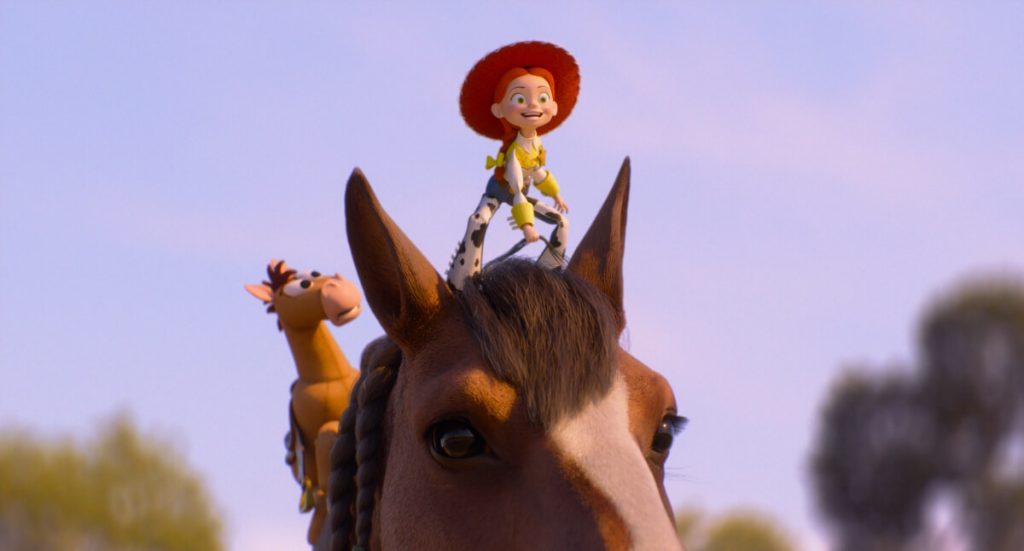
    The fifth installment sidelines Woody and Buzz Lightyear (Tim Allen) to center its focus now on Jessie (Joan Cusack), the new sheriff of the children’s room. Having experienced being given away twice before – first by Emily and later by Andy as he outgrew his childhood – Jessie serves as the main protagonist of this story that directly deals with her trauma of being replaced. This time, however, the threat isn’t that their new owner, Bonnie, has outgrown them, at eight years old, she is still young enough to play. Instead, Jessie and the rest of the gang are being displaced by modern tech toys. Joining the franchise is Lily (Greta Lee), a sleek tablet short for “Lilypad”, who promises to help Bonnie make friends.

    Toy Story 5 thumb nail

    Toy Story 5 deals with the impersonal world of tech and the changing nature of social interactions, making a good case for how digital screens can arrest a child’s social development. This leaves Jessie fighting a battle on two fronts: first, for the emotional well-being of her child, Bonnie; and second, against her own unresolved issue of abandonment. Cusack is wonderful in the role, imbuing Jessie with an urgency. This heightened emotional tension is brilliantly articulated through both Cusack’s frantic voice acting and the animators’ incredible character design work and expressive animation.

    Toy Story 5 Bonnie

    However, director and writer Andrew Stanton (alongside co-writer Kenna Harris), doesn’t quite capture the same magic found in the previous installments, considering he co-wrote the first two films, the fourth, and wrote a draft of the story for the third. Despite knowing this material so well but somehow Stanton struggles with the movie’s first half, creating a heightened sense of drama when a subtler, more grounded approach might have eased us into the world more effectively. It feels as though Stanton and his team were overcompensating for switching the protagonist to Jessie and sidelining Buzz and Woody in this sequel.

    Once the story gets into full swing and the characters are fully established, the second half feels a lot more secure as the film’s emotional weight starts to carry through. Jessie finds herself at the home of Emily, her original owner. While Emily is no longer there, Jessie meets a new child alongside an older generation of tech, which beautifully deepens the ongoing toys-versus-tech debate. I am not surprised that Pixar and Disney chose to find a middle ground here. As someone who is inherently wary and cautious of technology, especially for children, I feel this balanced point-of-view to be the safe choice, though not necessarily the strongest one. But, of course, that is just my own prejudice talking.

    Toy Story 5
    Toy Story 5

    There is an undeniable predictability to Toy Story 5. While it still hits narrative beats that surprise us, the ending is signaled loud and clear; at a certain point, you can practically see Stanton, Harris, and Pixar steering the story toward the safer choice. What keeps the film interesting, however, is a gripping subplot involving a wrecked container filled with new versions of Buzz Lightyear toys. Serving as transitional sequences throughout the movie, this subplot delivers the most surprising plot insertion in the entire film. But before it reaches that point, it builds a sense of tension and mystery that keeps the movie’s energy running. That sort of energy could have also been afforded to Jessie’s storyline as well.

    Ultimately, while this is not the strongest entry in the franchise, it is still a good movie. It is charming and poignant that I even caught myself holding back tears. The classic Pixar magic still has that charm, but like the very first generation of children who watched the original ‘Toy Story’ as kids in 1995, this franchise is getting old. Five is a good number to end on.

    My Rating: 3.5 Stars

    stars 3 5

    Toy Story 5 is still playing exclusively in theaters! Check showtimes and grab your tickets today to see Jessie take the reins in the gang’s latest battle against tech, then head back here and drop a comment to share your thoughts on the new sequel!

  • MOVIE REVIEW: Luca Guadagnino’s ‘Queer’ Shines a Spotlight on the Sadness of the Gay Man

    MOVIE REVIEW: Luca Guadagnino’s ‘Queer’ Shines a Spotlight on the Sadness of the Gay Man

    I’m a huge Luca Guadagnino fan. I have always found his work to be visually stimulating while cutting through the complexities of human emotions. We see this in his in drama like Challengers or Call Me by Your Name. and even when h e filters intimacy through the lens of the paranormal or supernatural, like in Suspiria and Bones and All. There is a sensuality to his filmmaking that really gets my attention. Because of this, I am always eager to see what new thing he puts out, even if it is less than stellar, as was in the case with After the Hunt, which I still enjoyed but not as much as the others.

    Naturally, my anticipation for Queer was incredibly hight. When I saw it, I was completely unaware that the film was an adaptation of a William S. Burroughs novella. While I have previously read some of Burroughs’ essays and watched the film adaptation of Naked Lunch, which was based on his landmark novels, not realising the source material here left me entirely unprepared for the for the emotional coldness of the characters and the deeply trippy third act of the film.

    Queer
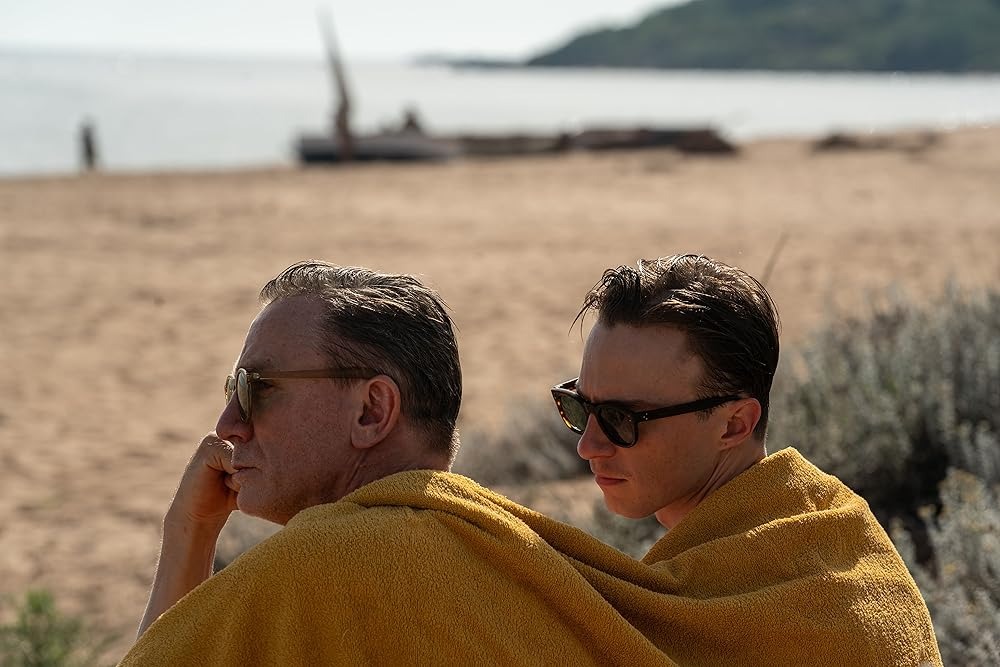
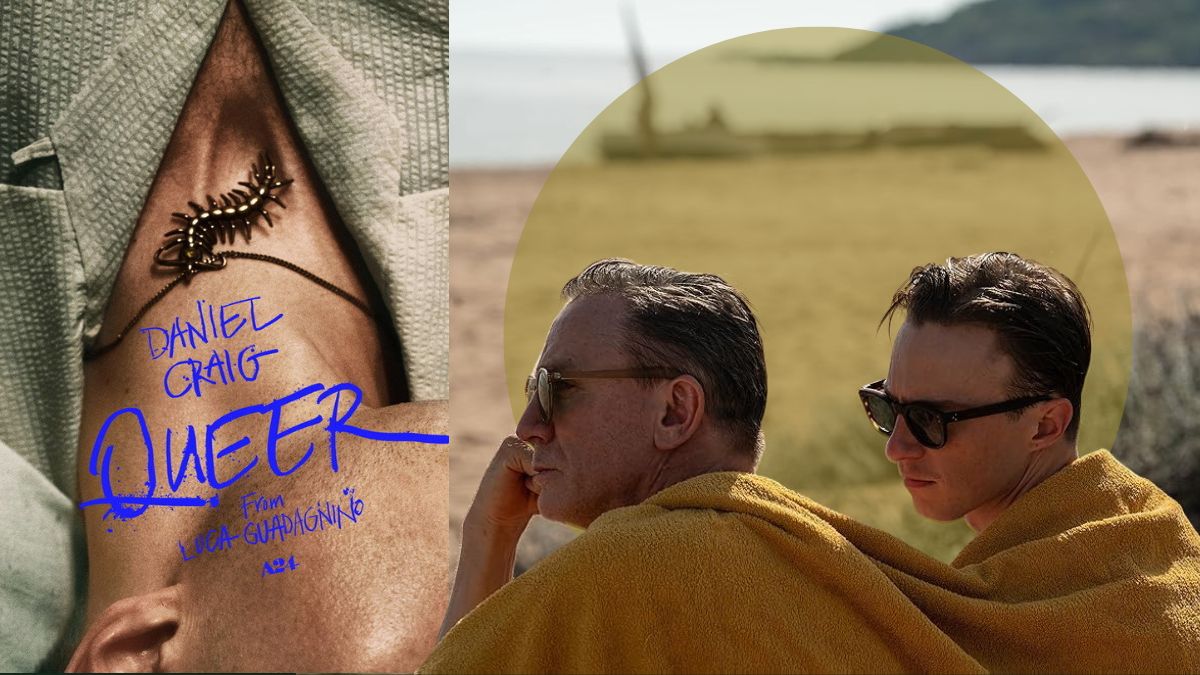
    (left) Daniel Craig as William Lee, (right) Drew Starkey as Eugene in Queer | Photo credit: A24

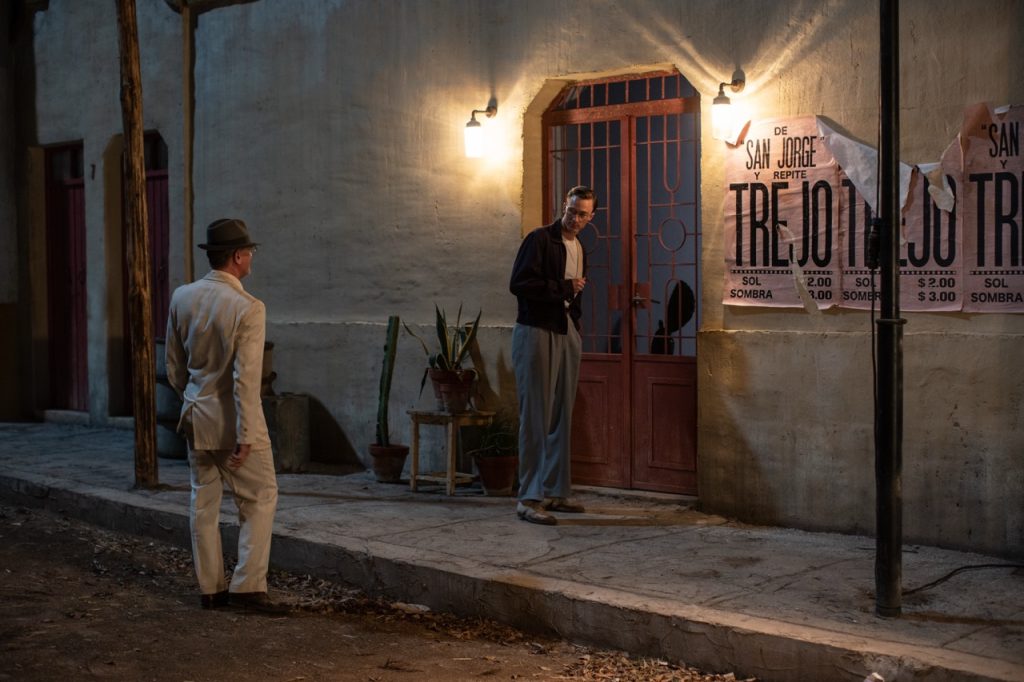
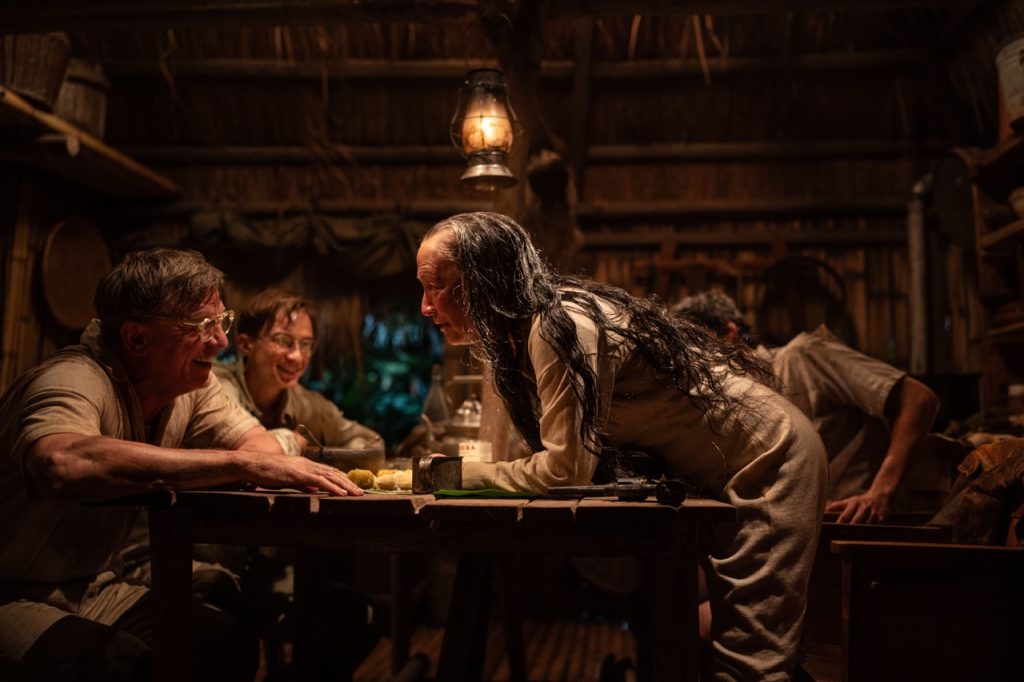
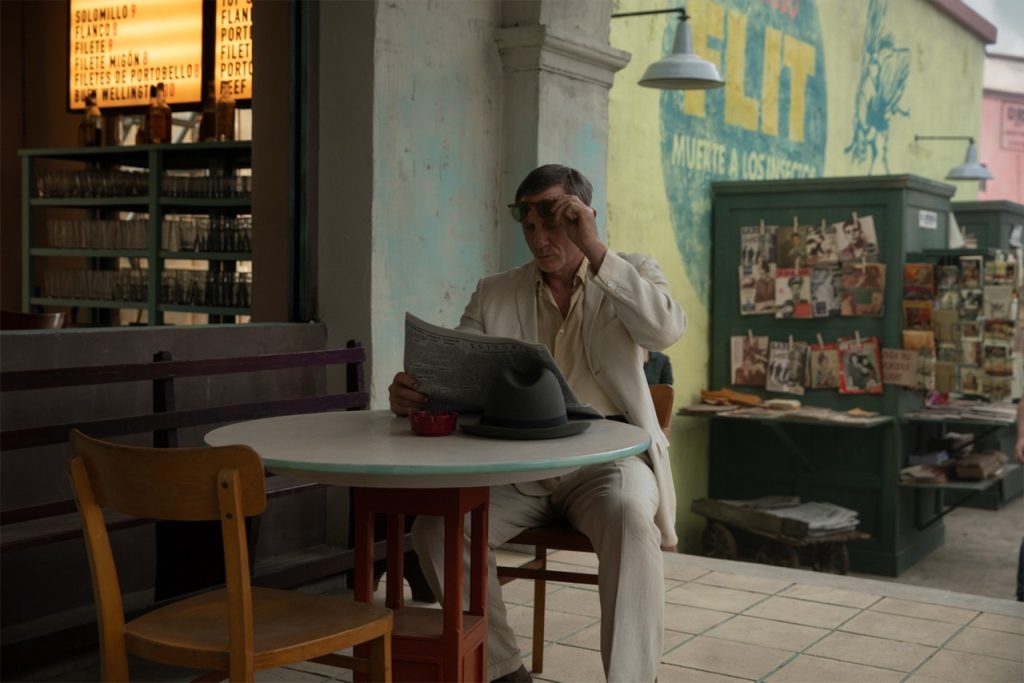
    Set in the 1950s Mexico City, Queer follows William Lee (Daniel Craig), an American expatriate who spends his days and nights drifting through bars and sleeping with younger men. His routine was disrupted when he meets Eugene Allerton (Drew Starkey), a. younger American expat and recently discharged serviceman. William quickly becomes infatuated with Allergen and follows him around, trying to get his affection. While the tow men form a bond, Allerton remains intentionally distant, insisting he does not view his own sexuality in the same “queer” light as William’s. In order to push their relationship further, the drug-addicted William convinces Allerton to join him on a journey search for a psychotropic plant that promises telepathic communication and a higher state of consciousness.

    Queer
    Queer | Photo credit: A24

    What is so striking about Queer is how Guadagnino alongside cinematographer Sayombhu Mukdeeprom and regular collaborators Trent Reznor and Atticus Rose working on the musical score, captures the profound loneliness of older gay men, particularly during that era. It is a time that offered them no recourse for building a traditional home or family. Ostracized and despised in their homeland, they often sought solace in foreign countries to enjoy the shield of anonymity, escaping the burden of bringing shame upon themselves or their families. On the surface, William lives vicariously, talks big, and projects an aura of sophistication at every turn; beneath it all, however, he is a lonely man. Guadagnino and his team are so precise in how they translate this internal desolation onto the screen for all of us to witness.

    Queer
    Daniel Craig as William Lee in Queer | Photo credit: A24

    Craig is incredible – throwing himself into the role with so much commitment that one completely forgets he ever played James Bond (and he is easily my personal favourite Bond). There is a palpable neediness to the way he looks at Drew Starkey’s Allerton, who does a solid job of standing on his own two feet opposite an acting powerhouse like Craig on the opposite side of the screen. The tension between them is electric, and continues to highlight the epidemic of loneliness that a forced relationship and mind-altering drugs appear to be the only recourse William has left to feel whole.

    Queer
    (left) Daniel Craig as William Lee, (right) Drew Starkey as Eugene in Queer | Photo credit: A24

    Watching Queer serves as a poignant reminder of how precarious a gay man’s life can be, even in the modern world. It explores how one can conflate sex with true emotional intimacy, and that sometimes, just being able to hold someone is a far more powerful act than a sexual one. The film’s incredible, hallucinogenic third-act trip that William and Allerton take becomes a metaphor for something deeply abstract – what a relationship needs to feel like for persecuted people like queer people are. Ultimately, this melding of bodies stands as a striking form of pure intimacy.

    It is a categorically sad film and a stark reminder of what it means to feel rejected and isolated from the rest of the world. Yet, despite its cold and distant nature, Queer remains a beautiful film. What I saw on the screen is a portent of a long, frightening life of being alone as a gay man. It is not a pretty picture, but then again, not all of art has to be. 

    My Rating: 3.5 Stars

    stars 3 5

    What are your thoughts on Luca Guadagnino’s haunting new vision? Whether you caught the film or are just following Wanggo’s cinematic reviews, drop a comment to share your take on Daniel Craig’s fearless performance and this devastating portrait of isolation.


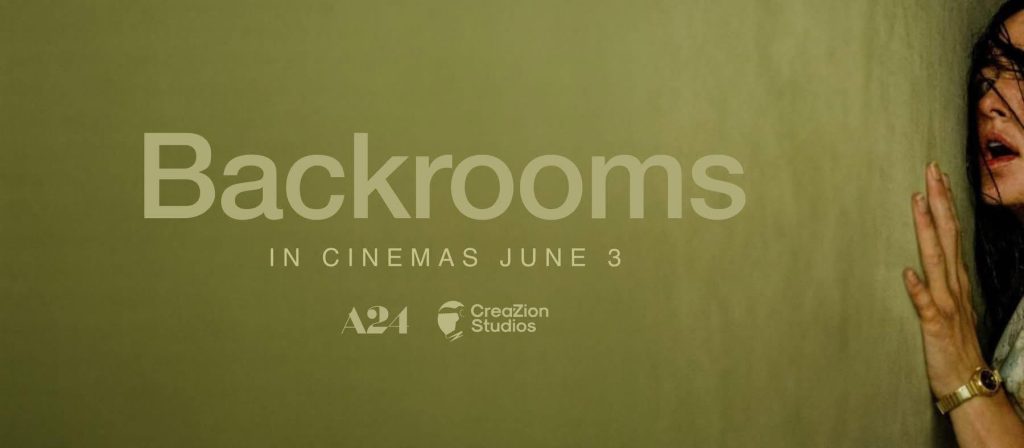
  • MOVIE REVIEW: ‘Backrooms’ Is a Confident Full-Length Feature Debut for YouTuber Kane Parsons

    MOVIE REVIEW: ‘Backrooms’ Is a Confident Full-Length Feature Debut for YouTuber Kane Parsons

    What I liked about Backrooms, the full-length feature film debut of YouTuber Kane Parsons, is its resistance to fully explaining the strangeness and supernatural elements of the story. There is pivotal moment when Clark (Chiwetel Ejiofor) shares his understanding of what this labyrinth found in a literal tear in space and time within the basement of his furniture shop with his therapist, Mary (Renate Reinsve). It is a necessary scene that helps stamp out the final images of the film, yet it never discusses the why. The Backrooms – that endless, uncanny space found through a mystical doorway – just exists. It just is. And that may very well be one of the most terrifying aspects of the movie.

    So much of Western horror is ruined by the compulsive need to explain everything. In a world driven by the practical and the modern, everything needs to make sense. That the lore be perfectly complete. It is actually a very boring exercise, one that robs us of our imagination. As Asians, however, we are inherently attuned to cosmic and supernatural forces; they are deeply woven into our culture and social design. So we are not bothered or bogged down by the unexplained mystery.

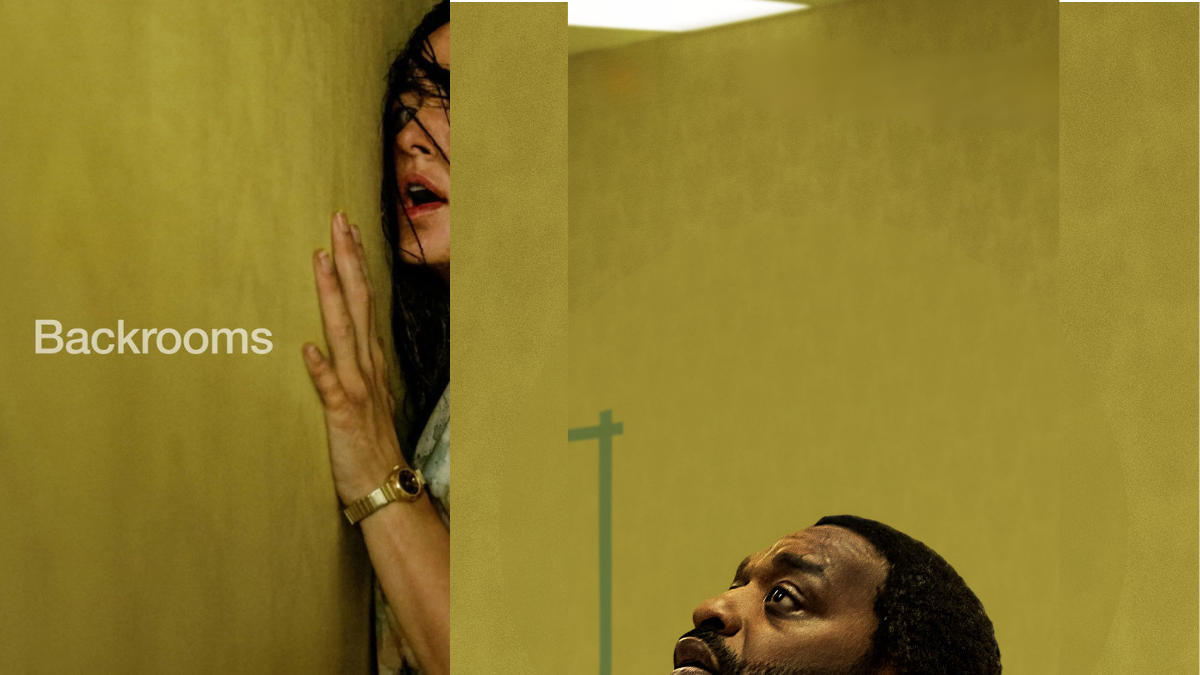
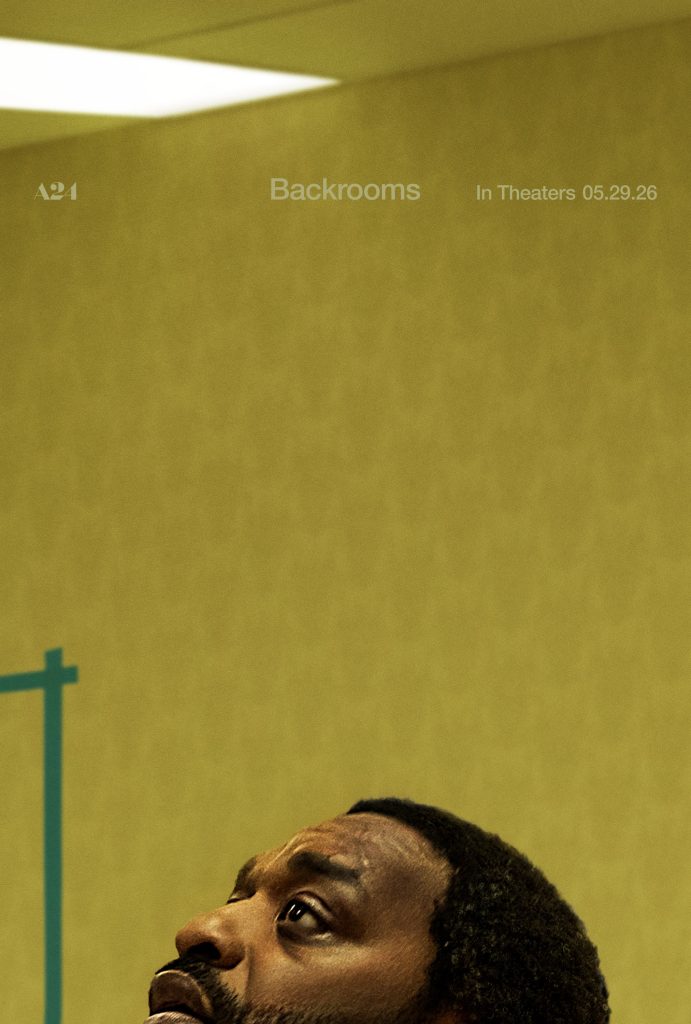
    In Backrooms, that mystery can kill. The film follows Clark, an unhappy man living in his failing furniture store after being kicked out by his wife. He is an alcoholic and a frustrated architect, details we learn through his tense therapy sessions with Mary, who is quietly battling her own trauma about her mother and her childhood home. Things take a surreal turn when Clark discovers a doorway into another dimension within his basement: a liminal space that is made up of an endless, maddening array of yellow rooms. As he decides to explore it, he discovers that something else lives in that space. Something dark, sinister, something that kills.

    BACKROOMS Digi 1 Sheet 2025x3000 Chiwetel W6 FIN03
    Image Source: a24films.com

    Set in the 1990s, the film utilizes a heavily saturated, grainy aesthetic to its cinematography. It adds to the existential dread hoveriing over our two leads. This analog texture also adds to the ambiguity and mystery of the Backrooms. Oftentimes, the film switches to a first person point-of-view, seeing from the lens of the person holding a 90s camcorder. The film opens with a chilling prologue establishing that someone else was in the Backrooms long before Clark’s discovery, and the use of this vintage footage increases the tension. The conceit of a found footage aesthetic means that the film can’t just cut to show us what we need to see. Instead, the character must physically turn and and point the camera where the audience needs it to point so we can follow the story – or in this case, the horror – and the limited perspective adds to the tension and the fear.

    700708361 981283334544524 2584726932059409977 n

    But there’s another scene midway through the film, when Clark is now exploring the labyrinth, using a camcorder to record evidence that the Backrooms is real and there’s a frightening sequence that is excellently executed – I caught myself cursing and screaming out loud – but it doesn’t make sense at that point in the narrative for Clark to take the camera and continue recording his escape. That one scene, a pivotal one, is what took me out of the whole film. It’s why found footage is such a difficult and delicate film mode to undertake because one false intention can ruin the illusion.

    This is a remarkably confident debut from a first-time feature director – even if he has been directing YouTube shorts for a while now – and it will be interesting to see what else Kane Parsons is capable of next. Backrooms is utterly terrifying, weird, deliberately slow, and confident. A very strong debut indeed.

    My Rating: 4 Stars

    stars 4 0


    Wonderfully weird, deliberately slow, and utterly terrifying. Discover why Kane Parsons’ Backrooms is a masterclass in tension and a formidable debut. Check showtimes here.

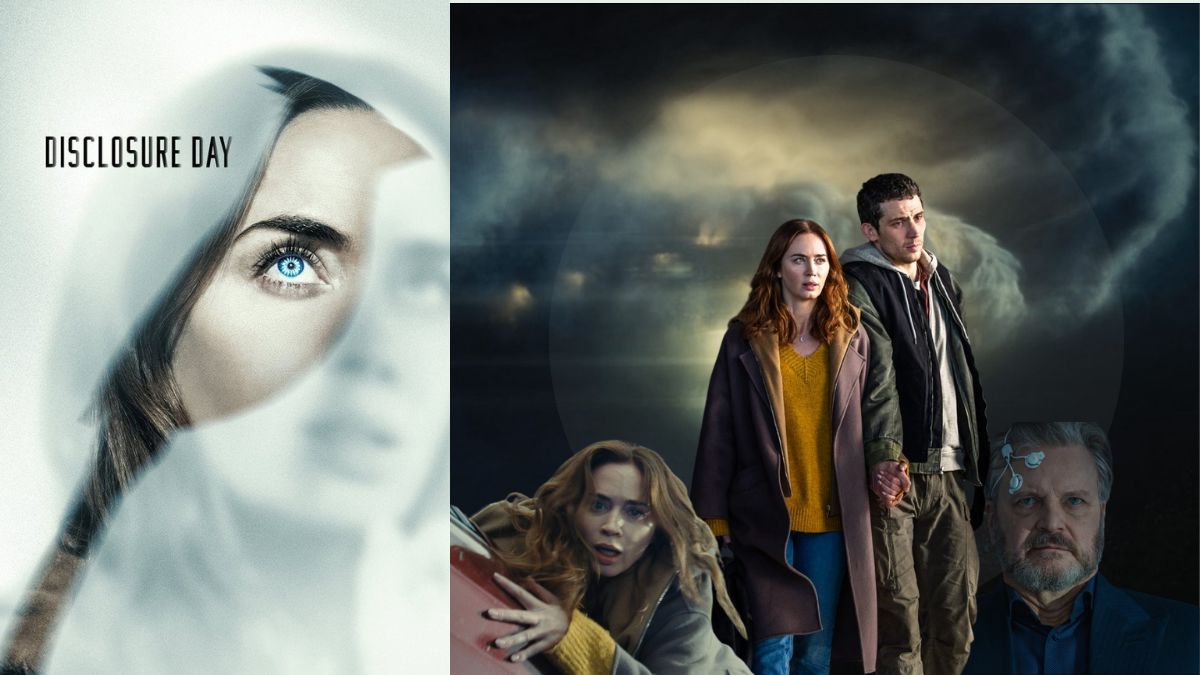
  • MOVIE REVIEW: ‘Disclosure Day’ Is a Film That Uses Spielberg’s Entire Array of Cinematic Tools While Remaining Fun and Exciting to Watch

    MOVIE REVIEW: ‘Disclosure Day’ Is a Film That Uses Spielberg’s Entire Array of Cinematic Tools While Remaining Fun and Exciting to Watch

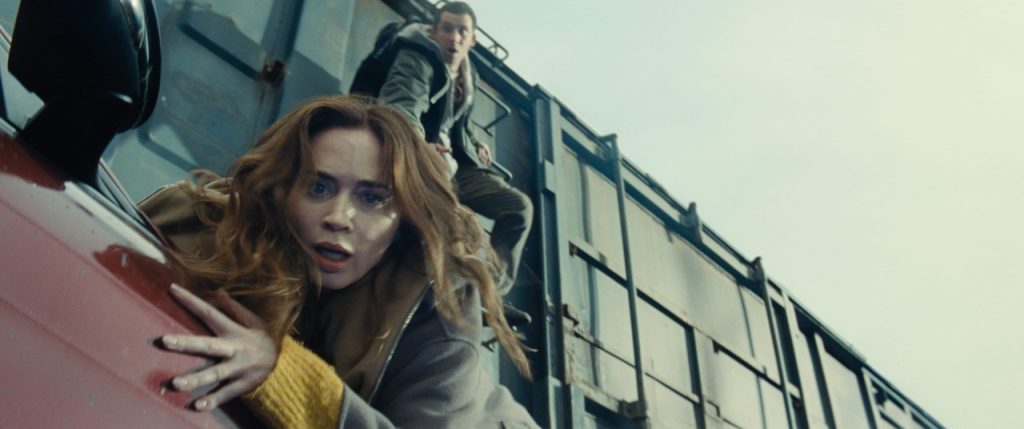
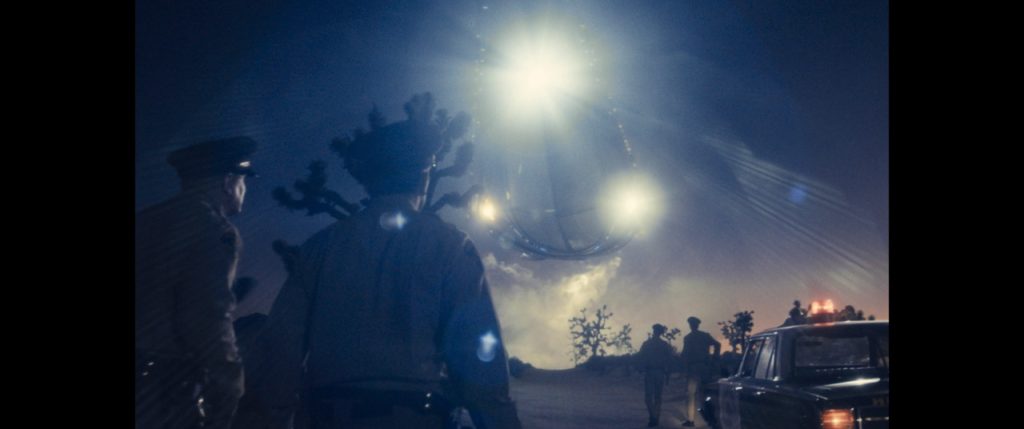
    There’s a classic feel to Disclosure Day, and I credit that to Steven Spielberg’s direction, Janusz Kaminski’s cinematography, Sarah Broshar’s editing, and John Williams’ score. The craftsmanship behind this epic sci-fi mystery thriller is so impeccable that you are effortlessly guided toward the exact emotions that Spielberg and his team want you to feel. The storytelling is so exquisite that it sweeps you up from the very first scene until its big finale, never letting you go through it all. Sure, they use a lot of new techniques as well; multiple one-shot takes that are complicated and involve stunt work, but where they point that camera and how they cut the scenes creates a seamless flow that really builds upon this amazing story about truth, aliens, and the human condition.

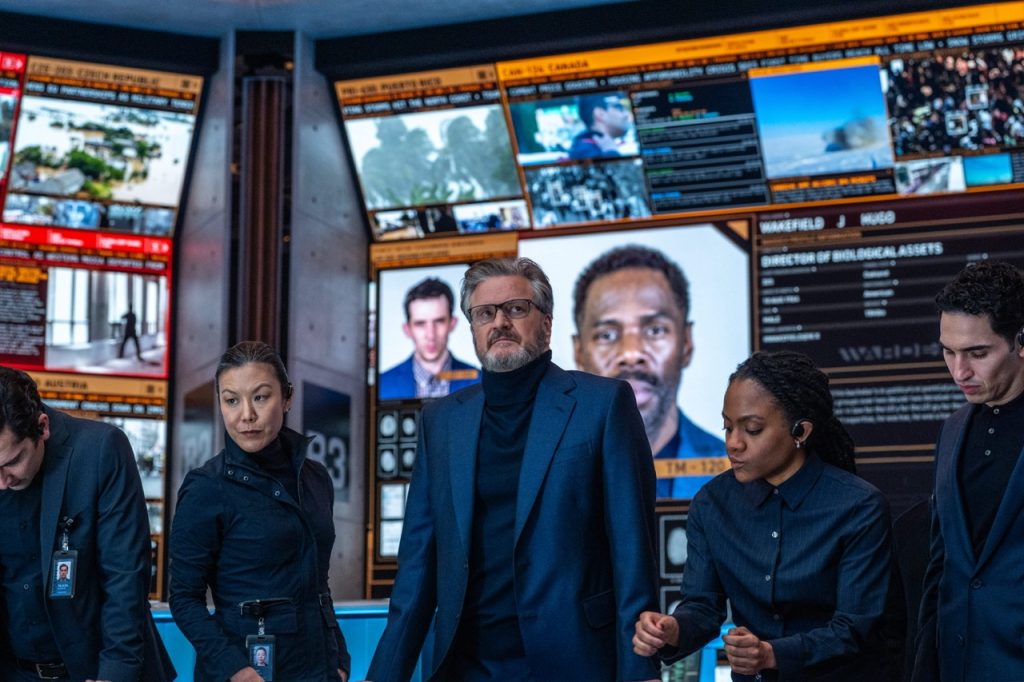
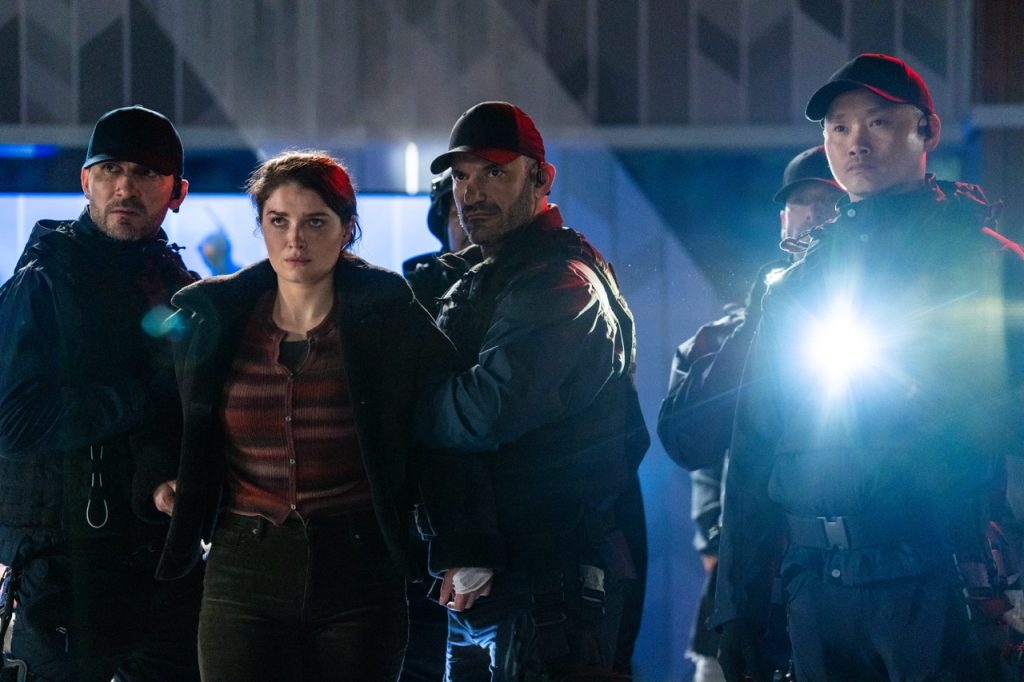
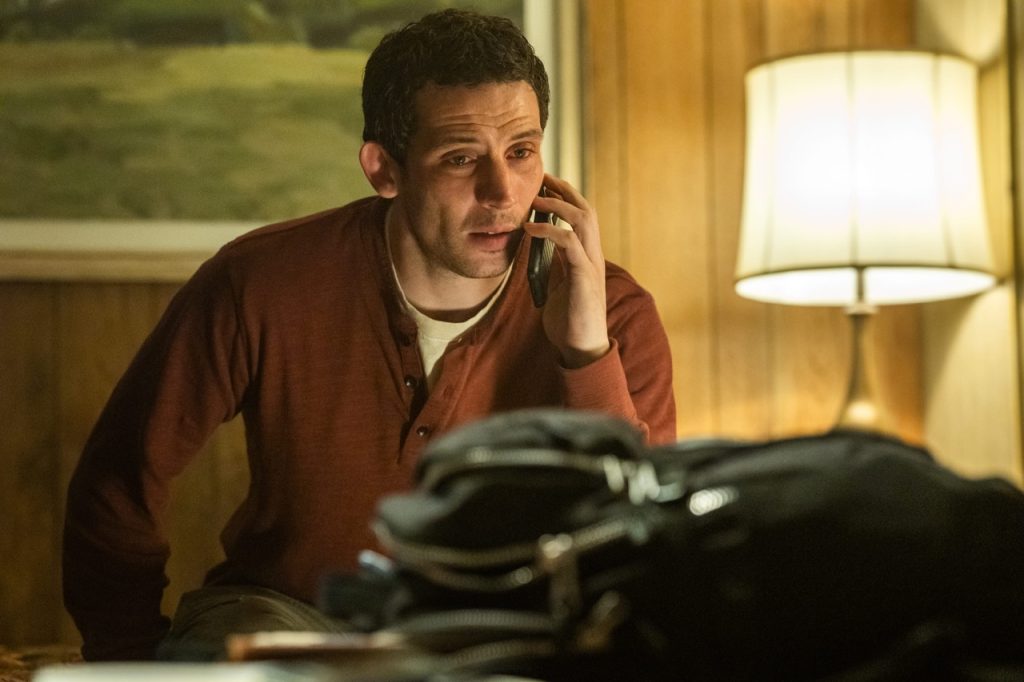
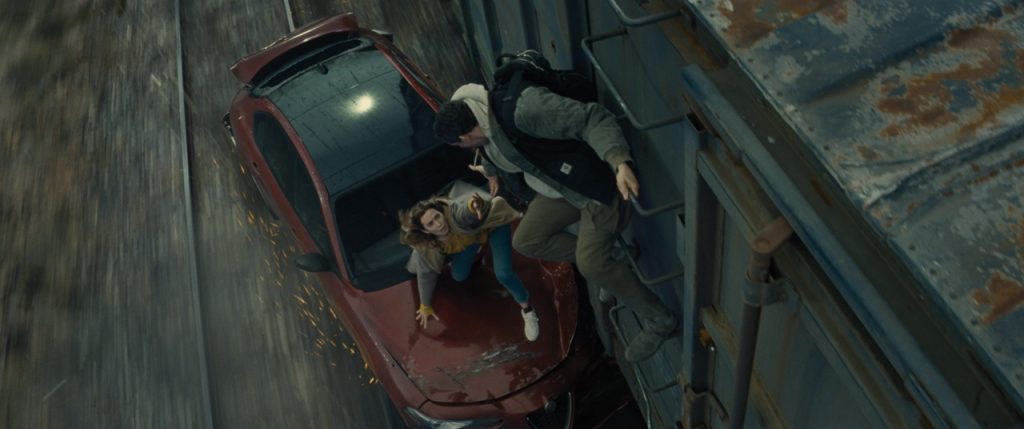
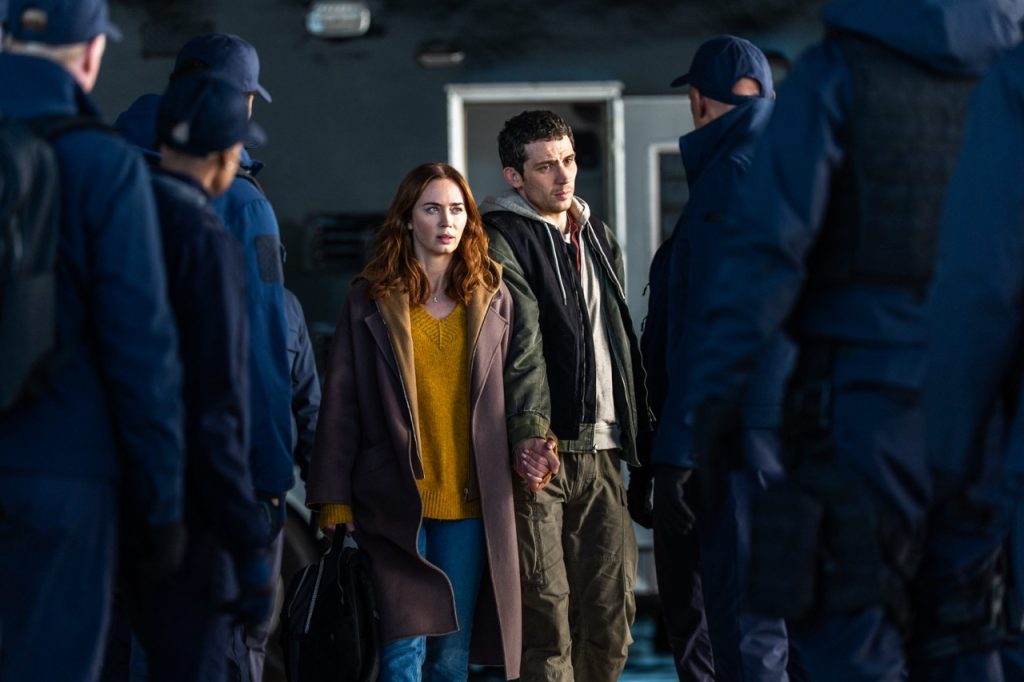
    Disclosure Day follows Daniel (Josh O’Connor) as he attempts a high-stakes trade off with what appear to be government forces led by Noah Scanlon (Colin Firth). Scanlon’s men have taken Daniel’s girlfriend, Jane (Eve Hewson); in exchange for her freedom, Daniel must return stolen documents and an alien artifact.

    Disclosure Day

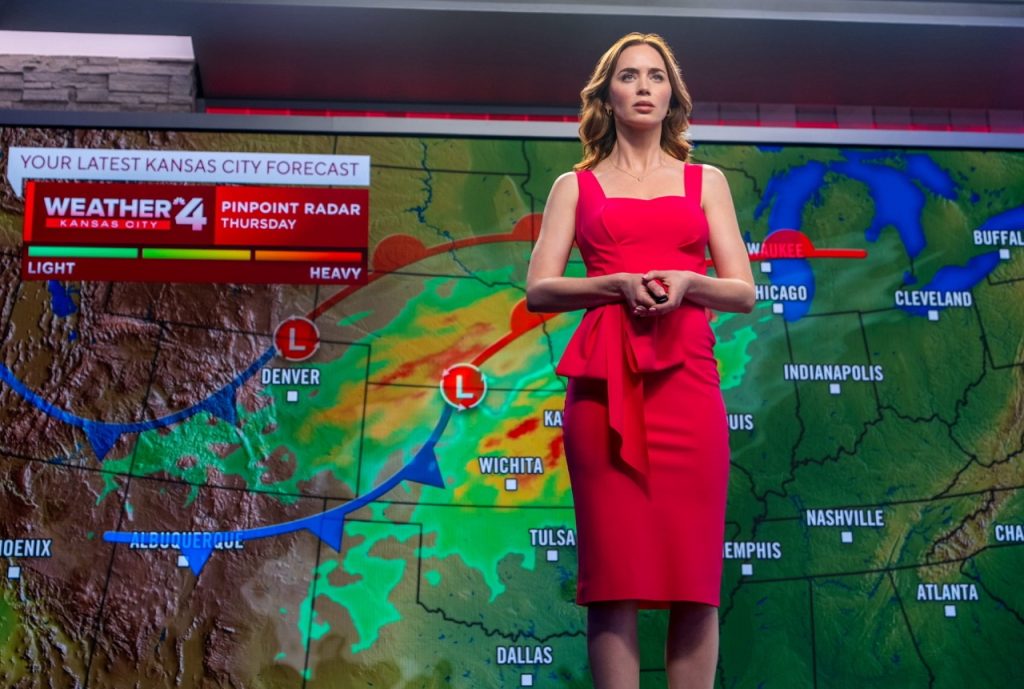
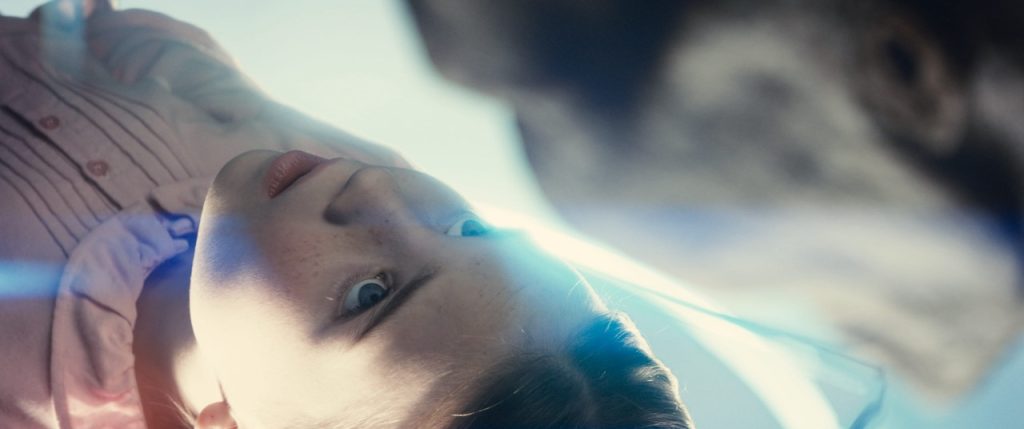
    However, Daniel manages to rescue his girlfriend and retrieve the items and escape. Simultaneously, Margaret (Emily Blunt), a meteorologist, experiences a strange visit that alters her, suddenly granting her inexplicable knowledge an the ability to speak multiple languages.

    DisclosureDay 3

    She feels compelled to search out Daniel, who in turn, is told to seek her out by his informant, Hugo (Coleman Domingo). The story and all its secrets unfolds one piece at a time while Daniel is on the run, Noah Scanlon gives chase, and a bewildered Margaret is drawn right into the center of the storm, completely unaware she is meeting the three right at the center of all of this.

    Disclosure Day ColinFirth2

    Written by David Koepp from a story by Spielberg, Disclosure Day has an unconventional narrative structure. It thrusts the audience directly into the middle of all the action – no exposition whatsoever – and we are learning about these characters and their dramatic situation as the film unfolds.

    Disclosure Day EveHewson

    Everything is a mystery, from the true identities of Daniel, Jane, and Margaret, to the capabilities and origins of the alien artifact. Everything is shrouded in secrets, the narrative relies on Spielberg and his team to let us into this world just one piece of information at a time. 

    DisclosureDay 2

    While he is doing this, he shows us a world on the brink of collapse; populated by people who are overthinking or would rather cede their autonomy to a higher authority. It’s a chaotic world, and Daniel is in the middle of it. He’s at the center of the conspiracy, he witnesses the sheer darkness that it holds and how it directly affects the people around him, especially Jane.

    DisclosureDay 1

    On the other hand, through Margaret, we can also see the wonder of it all: the awe-inspiring effect of a paranormal occurrence. Her sudden, inexplicable knowledge and ability to know things and people, it is played out with such levity and whimsy that it creates some of the most enjoyable scenes in the film. 

    DisclosureDay JoshOConnor

    In fact, O’Connor and Blunt play off of each other beautifully, marrying the film’s two contrasting sides – the pessimistic and the optimistic – and really grounding the film into a balanced shape. While O’Connor delivers a solid performance and holds his own in such a massive production, this territory is a walk in the park for Blunt, who has had her share of huge box-office movies. Yet, she adds a little bit more, her portrayal of Margaret is that of a woman completely overtaken by this alien power.

    Disclosure Day EmilyJosh

    She’s in awe of it, and while it frightens her, the phenomenon also feels like an answer to her character’s search for purpose. It is a complex, highly demanding role, yet Blunt manages to keep it real and engaging despite the fact she remains mostly reactive until the tide finally turns.

    DisclosureDay 6

    This movie makes full use of Spielberg’s greatest strengths as a director. It features stunning, large-scale chase sequences, intricate character work, and scenes where people find themselves beholden to forces far larger than themselves. While Disclosure Day evokes classic, old-school Spielberg, it simultaneously possesses a refreshing quality and a hopefulness that feels so fitting for this day and age. It is a lovely film even with some scenes where the narrative gets untethered, or takes a didactic approach to answer some questions still left hanging, these minor flaws are just a small price to pay for a cinematic experience that reaches out and makes us feel and believe in magic again.

    My Rating: 4.5 Stars

    stars 4 5


    Are you ready to experience the magic of classic Spielberg again? Disclosure Day is officially out in theaters. Check showtimes here.