Tag: Likhang HABI Market Fair

  • Bigger, Bolder HABI Market Fair Celebrates 15 Years at SPACE One Ayala

    Bigger, Bolder HABI Market Fair Celebrates 15 Years at SPACE One Ayala

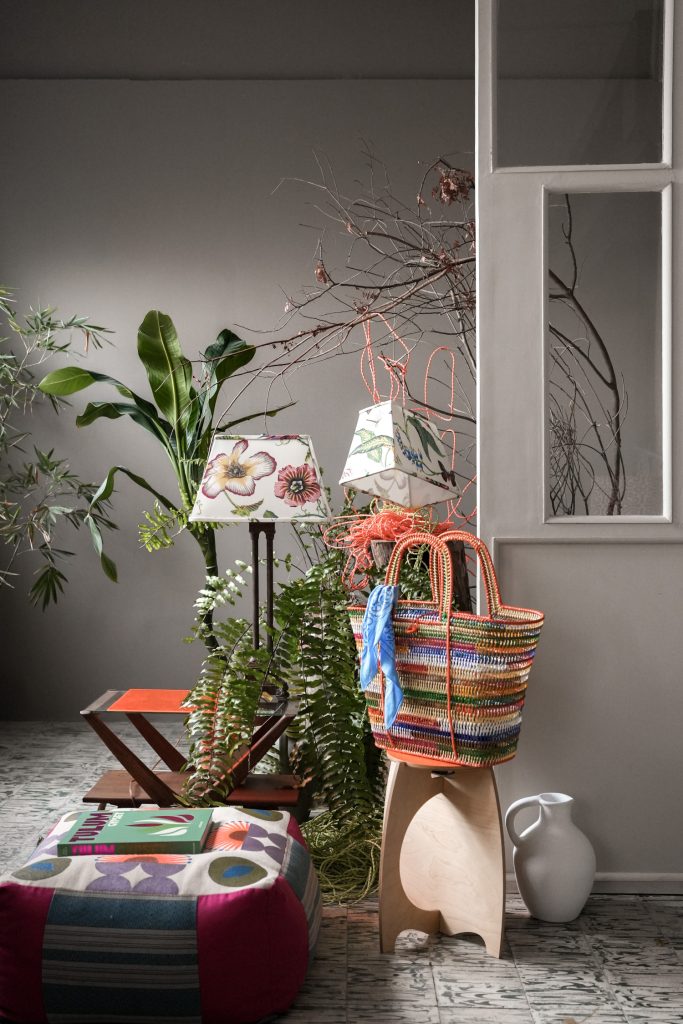
    On its 15th year of celebrating the fabric of our culture, the Likhang Habi Market Fair is set to return on October 10 – 12, 2025, this time at the SPACE Events Hall of One Ayala (former site of the Hotel Intercontinental Manila) in Makati City. Moving to a bigger venue, the Fair will be hosting a fast-growing community of close to a hundred artisans and weavers from all over the country, offering unique and innovative products fresh off the loom.
    HABI Photo 1

    The flagship program of HABI: The Philippine Textile Council, this year’s theme, Sining ng Tela – The Art and Legacy of Philippine Textiles, puts the spotlight on the creative forces behind the weaves that define our identity as Filipinos.

    With a growing focus on the educational aspect of their mission, the HABI Council is taking advantage of the larger facility and will be holding a variety of events such as the HABI Lectures – a series of talks and panel discussions on design, entrepreneurship, and building a Filipino brand. There will also be presentations to highlight the rich cultures that produce the intricate weaves, screenings of the various documentaries that the council has created, and exhibitions of the entries to the 8th Lourdes Montinola Piña Weaving Competition and the 4th Eloisa Hizon Gomez Abaca Weaving Competition, among others.
    HABI Photo 2

    “We want to give voice and value to the hands behind every woven creation,” said HABI Chairman Emeritus Maribel Ongpin. “The artistry of Filipino weavers deserves a national stage.” A staunch supporter of the weaving industry, she established the textile council in 2009 together with HABI President Emeritus Adelaida Lim and other fellow weaving advocates to revive and revitalize what was then a dying craft.
    HABI Photo 4

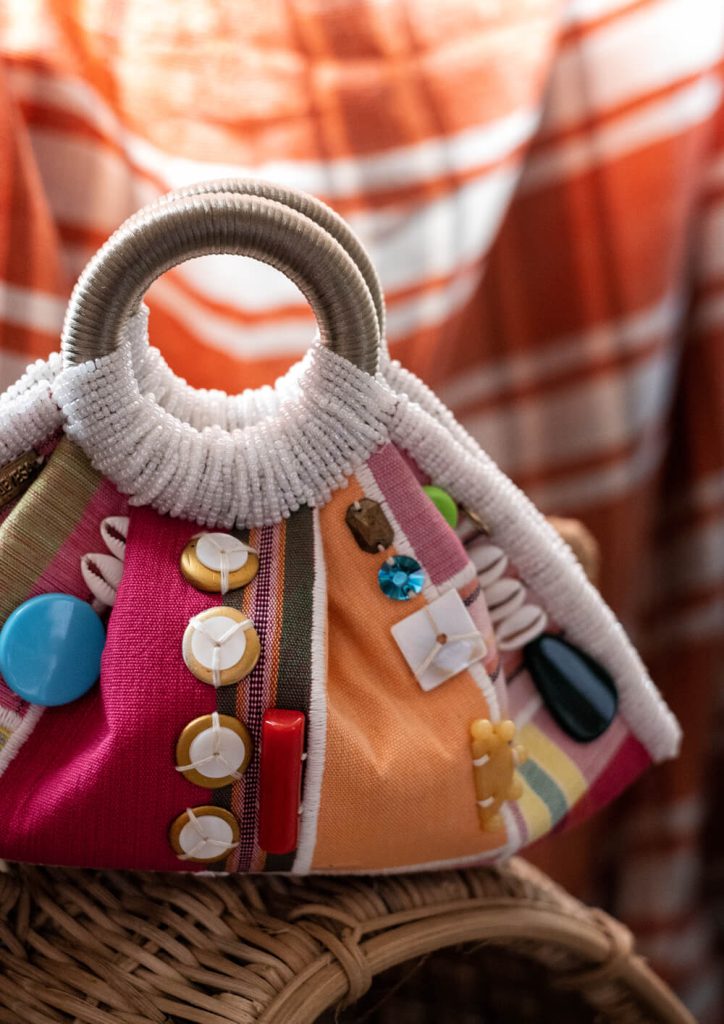
    Today, the Likhang Habi Market Fair stands as incontrovertible proof that the weaving industry is back and stronger than ever. This vibrant marketplace offers a unique cultural platform where heritage, artistry and community are seamlessly woven to provide a meaningful market encounter. More than just a venue to buy and sell, it provides the artisans and weavers the opportunity to meet the people who actually use their products, understand their needs and improve what they can offer in the future. In turn, buyers and designers are introduced to the communities that produce the weaves, learn about the meanings behind the designs, and use the fabrics in ways that honors the culture that created it. Ms. Lim pointed out that at the heart of most weaving cultures are the women because the activity is considered a female pursuit. With the HABI Council making a range of resources and information accessible, they expect a rise of women in leadership roles as they facilitate the growing business of weaving.“The empowerment of women is an important advocacy of the HABI Council,” she reiterated. “This is in line with the Sustainable Development Goals of the United Nations which we are actively pursuing. The availability of resources shifts the perspective, taking weaving from being a chore for girls into a viable career that will also aid in preserving their culture.”
    HABI Photo 7

    The three-day fair brings together the different stakeholders under one roof – weavers, designers, entrepreneurs, suppliers, distributors and buyers – where connections are made and relationships are fostered to support an industry that is engaged and sustainable.
    HABI Photo 9

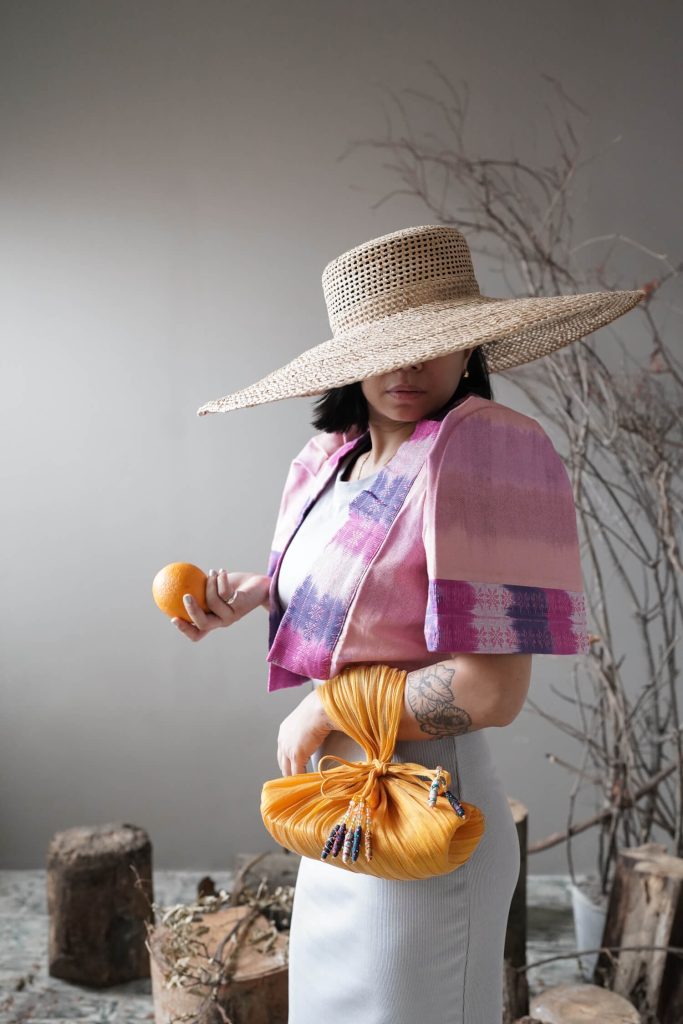
    Mia Villanueva, HABI President adds: “Because we are in a new venue, we want our visitors to have a richer experience this year. Guests can expect a full spectrum of products using a wide range of indigenous weaves including handwoven textiles, garments, accessories, homeware, jewelry, and curated crafts. They can take time off from shopping by learning something new and interesting from the HABI lecture series, or sample a variety of regional delicacies from culinary artisans such as Chef Sau Del Rosario at the lounge and dining area .”

    More than just a marketplace, Likhang Habi Market Fair promises to weave opportunities for growth, celebrate our identity, and strengthen the ties that bind us to our heritage.

  • Likhang HABI Market Fair returns, weaves heritage and elegance in a 3-day affair

    The Philippine Textile Council (HABI) has announced the return of the annual Likhang HABI Market Fair at the Glorietta Activity Center from October 14 to 16, 2022.

    Likhang HABI Market Fair

    Now in its 12th year, the Likhang HABI Market Fair will have more than 60 vendors offering handmade pieces, like woven fabrics, ready-to-wear clothes, home accessories, and even locally made furniture and pottery.

    Event stylist Kitty Bunag has been tasked to transform the Glorietta Activity Center into a heritage hub showcasing the best creations from some of the most celebrated artisans around the Philippines. “The overall look and feel for the Habi Market Fair will be inspired by outdoor souks and markets here and in other parts of the world.  Vendor booths will be made of wood and canvas where each retailer can best showcase their products. Textiles hanging from dried ornamental trees serve as the main focal of the venue. We’re creating a space that will be familiar for both local and foreign patrons,“ says Bunag.

    Likhang HABI Market Fair PIDAYRIT CAMISA AMANA TINAMPUSO

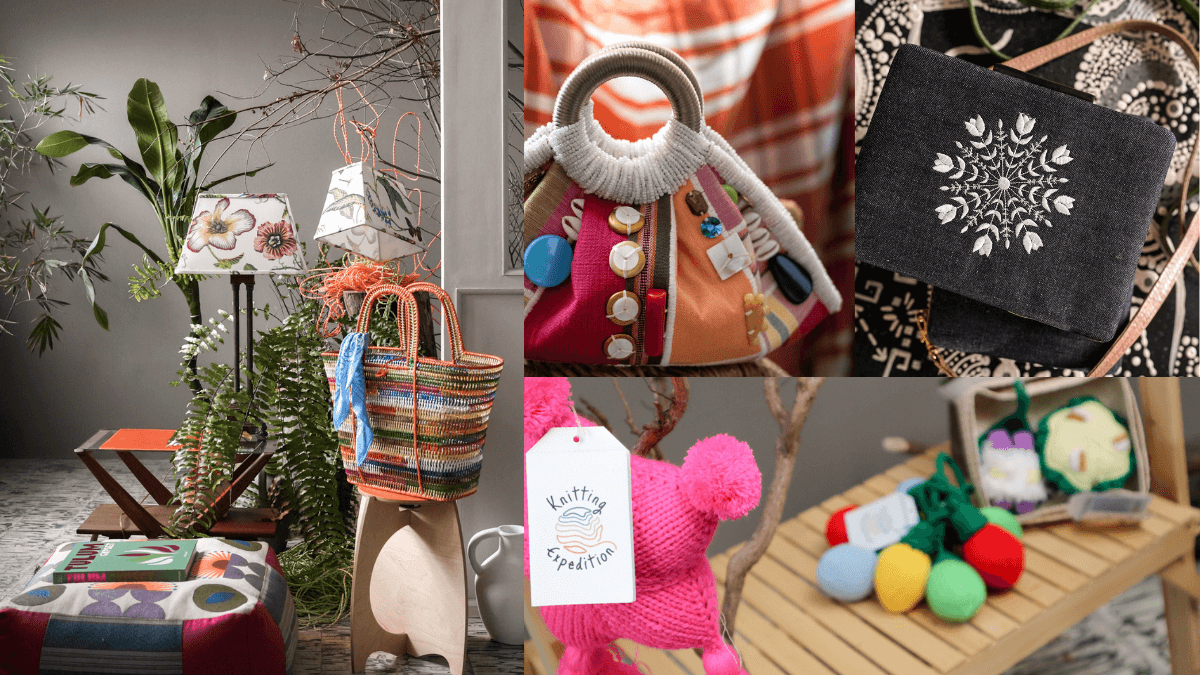
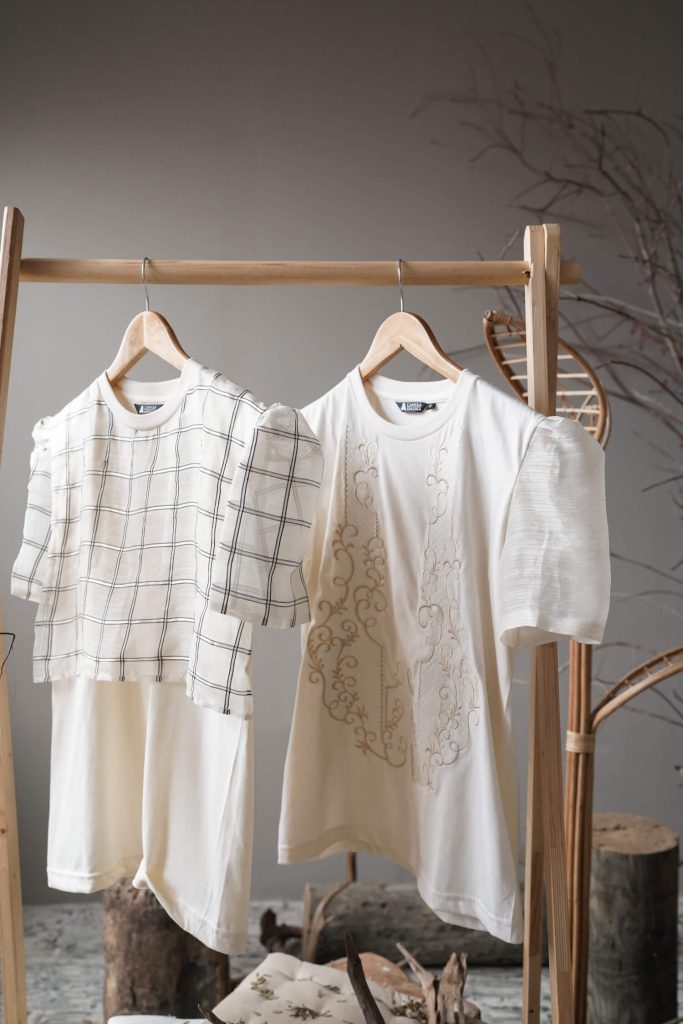
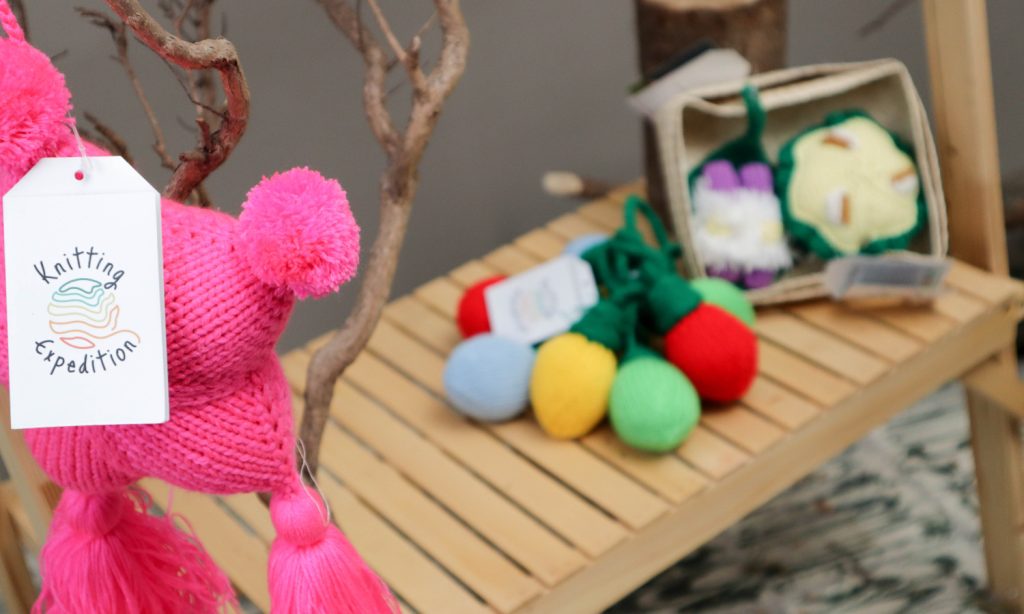
    Showcased during the 3-day fair are homegrown brands Abek Home & Culture,  Abre Linea, Accelerate Sulu, Adante Leyesa, Aishe Fashion, Angie’s Yakan Handloom Weaving, Anihan sa Ibaan, Aruga Handwovens, Balud Craft, Bicol Sweetgrass Handicrafts, Camisa Amana, Cariñosa, Casa Garcia, Coco & Tress, Crafted Pilipinas, Creative Definitions, Ditta Sandico, En Barong Filipino, Gifts and Graces, Habi, Helena Alegre Sculptural Jewelry, Idyllic Summers, Ifugao Nation, Iraya Mangyan Art, Jor-El Espina, Kalinga Weaving, Kaya Mana PH, Knitting Expedition, La Bonne Vie, La Herminia, Lakat Sustainables,  Local Home + Art + Fashion, Mabaysay,  MCV Designs, Milvidas, Monica Madrigal, Narda’s Nina Abel, Pidayit, Piesa,  Pina Seda Primera, PNay, Provenciana, Raquel’s Piña Cloth Products, Ruby Roa with Lila Lifestyle, Rurungan Collective, Siegrid Bangyay Pottery, Silahis Arts and Artifacts, Style Isle, Tadeco Home, The Manila Collectible Co, Tinampuso, Tuwas Yakan Weavers, WeaveManila Inc., Woven, WVN Living, and WYC Wear Your Culture.

    As a member of the ASEAN Traditional Textile Symposium, part of HABI: The Philippine Textile Council’s mission is to promote the art of hand-weaving and provide opportunities for talented Filipino artisans to showcase their products to an eager market. 

    Likhang HABI Market Fair 2022 1

    Being the first of its kind in the country, the fair will also feature two uniquely Filipino competitions: the annual Lourdes Montinola Piña Weaving Competition and, starting this year, the Eloisa Hizon Gomez Abaca Competition. Contestants are going to be judged by a panel of experts on Philippine textiles, processes, and materials. 

    “This is our fifth year of holding the piña competition and since we’ve had it, we’ve noticed that artisans working on piña have been leveling up,” says HABI president Adelaida Lim.

    Council member Mike Claparols shared that HABI’s greatest contributions include encouraging weaving communities to use cotton and educating the public about the painstaking art form that is hand weaving. 

    He explains, “A lot of consumers think that hand-woven fabrics are too expensive. Many try to bargain with weavers by asking for big discounts. What they don’t know is that weaving is a learned skill that requires time and dedication to master.” 

    “We’re the first in this line of promoting indigenous fabrics as fashion,” says Maribel Ongpin, Founder of HABI. “Second, while most of the other bazaars have reached a sophisticated level, we continue to go grassroots.” 

    Ultimately, the three-day fair is HABI’s biggest and most talked about fundraising activity. Aside from direct donations from individuals and companies, the fair is one of the main sources of funding for the council’s projects, which includes preservation of the art of weaving, educating consumers, and pushing locally made products and artists to the national — and global — market.

    “As a country, we carry important fibers like piña and abaca that are uniquely ours. [These] are world-renowned. Since museums in the world feature [these pieces, it’s] considered a legacy of Filipino craftsmanship, identity, and the nation,” Ongpin concludes. 

    Likhang HABI Market Fair 2022 is made possible by the generous contribution of council sponsors: Glorietta Mall, Ayala Center, Union Bank of the Philippines, The Philippine Gaming Corporation (PAGCOR), AY Foundation, Emerging Power Inc., Marubeni Philippines Corporation, Holiday Inn & Suites Makati, Far Eastern University (FEU), and Pancake House with radio partners  DZRH Manila, RPN DYKB Bacolod City, and DYRF Cebu City. 

    For more information about HABI: The Philippine Textile Council, please call +63 921 849-6974 or email support@habiphilippinetextilecouncil.com.

  • 5th Lourdes Montinola Piña Weaving Competition Invites Artisans To Showcase Talent and Artistry

    Calling all piña fabric artisans!  The stage is set for them once again to showcase their unique talents in the art of weaving, dyeing, embroidering, and embellishing piña as the Lourdes Montinola Weaving Competition launches its 5th edition and welcomes new entries from all over the Philippines. The country’s premier piña weaving contest is back and will be one of the highlighted activities  during HABI Philippine Textile Council’s Likhang Habi Market Fair slated October 14-16, 2022. The annual competition seeks to encourage piña weavers to keep to their traditional craft, continue creativity in weaving, and innovate their piña weaving techniques.

    Raquel Eliserio
    1st Place-“Sintas” by Raquel Eliserio. Image by Lisa Lorenzo

    “We see weavers coming up with both traditional and innovative techniques, [and these] play a role in strengthening awareness and patronage of piña,” says Lourdes Montinola, founder of the competition, chair emeritus of the Far Eastern University, and author of “Piña,” the 1991 book about the Philippine pineapple textile.

    Perlie
    2nd Place-“PS Diamond” by Perlie Feleciano of La Hermiña. Image by Lisa Lorenzo

    To join, participants must submit a panel that’s at least two meters long. More than 50 percent of the body of the cloth must be made of piña, and must come with a detailed description and a photograph showing the weaver working on his/her entry. Entries must be submitted to the HABI Office, 962 May Street, Mandaluyong City, Metro Manila. Deadline for submission is on Sept. 30, 2022.

    As with last year’s competition, the 5th Lourdes Montinola Piña Weaving Competition will give out three major cash prizes: P50,000 for the first-place winner; P30,000 for second; and P20,000 for third.

    Jannalyn Rasonable
    3rd Place-“Jannalyn” by Jannalyn Rasonable. Image by Lisa Lorenzo

    Major winners from last year’s competition were Jannalyn Rasonable of Elizabeth Rasonable Piña Weaving, who bagged third place with her piña with polyester embroidery titled “Jannalyn”; Perlie Feleciano of La Herminia Piña Weaving, whose “PS Diamond” featuring fine details of the sinuksuk and tablero rengge techniques earned her second place; and first-placer Raquel Eliserio, whose “Sintas” showcased a new method of embellishment of the same name, combined with sinuksuk, in-stripe, and rengge techniques on a mixture of piña, cotton, rayon, and silk.

    Two special awards, the Philippine Innovation Award for Textile Innovation and Nadres Award for Outstanding Young Weaver will also be given out, respectively, by Filip + Inna (a fashion brand championed by Len Cabili) and the Nadres family, whose business, for generations, has been the creation of some of the best barong products in the Philippines. 

    Carlo Eliserio
    Innovation Award – “Iñigo” by Carlo Eliserio. Image by Lisa Lorenzo

    Last year, out of the 42 entries which were displayed at the Silverlens Gallery, these two special awards were given, respectively, to 25-year-old Carlo Eliserio from Aklan  for his unique ability to combine different fibers such as piña, cotton, polyester, and silk in his piece titled “Iñigo”; and to 13-year-old Delara Beltran, who used a handloom to create her piece titled “Sampaguita” showcasing the traditional sinuksuk design.

    Sampaguita Delara Beltran
    Young Weaver Award -“Sampaguita” Delara Beltran. Image by Lisa Lorenzo

    “The surprising thing about the contest is that every year, better and more exquisite pieces are entered. With the Young Weaver Award, it became evident that young people are into practicing the craft, thus ensuring a resurgence and continuity,” says  Habi President Adelaida Lim.

    Through this competition, Gino Gonzales, co-author of the fashion history book, “Fashionable Filipinas” and one of last year’s judges, says the country is “reminded of the many possibilities of piña and its design process.”

    He adds, “I am reminded of the fact that there are other points of view on what we can wear. They’re not just art forms; they’re things that you want to put on  your body.”

    Interested parties may call HABI: The Philippine Textile Council T: +63 921 849-6974 or send an e-mail to support@habiphilippinetextilecouncil.com for more information.