Tag: HABI

  • HABI: The Philippine Textile Council Announces  Return of its Prestigious Piña and Abaca Weaving Competitions

    HABI: The Philippine Textile Council Announces  Return of its Prestigious Piña and Abaca Weaving Competitions

    HABI: The Philippine Textile Council invites piña and abaca weavers to showcase their skills in its two flagship competitions—the 7th Lourdes Montinola Piña Weaving Competition and the 3rd Eloisa Hizon-Gomez Abaca Weaving Competition.

    Image 8 Last years competition jurors were comprised of distinguished heritage advocates fashion designers craftsmen and artisans. names provided in enclosed word doc

    The competitions, which are part of HABI’s mission to preserve, promote, celebrate, and develop Philippine textiles and the country’s weaving culture, are among the highlights of the council’s annual Likhang Habi Fair which will be held from October 18 to 20, 2024 at the Glorietta Activity Center in Makati. 

    Artisans from all over the Philippines are welcome to join. 

    Last year, Marilyn Almero of La Herminia Piña Weaving won two prizes at the 6th Lourdes Montinola Piña Competition for the excellence and innovation of her piece called “Peacock.” Aklan weavers Raquel Eliserio and Anna India Legazpi were first and second runner-up, respectively. 
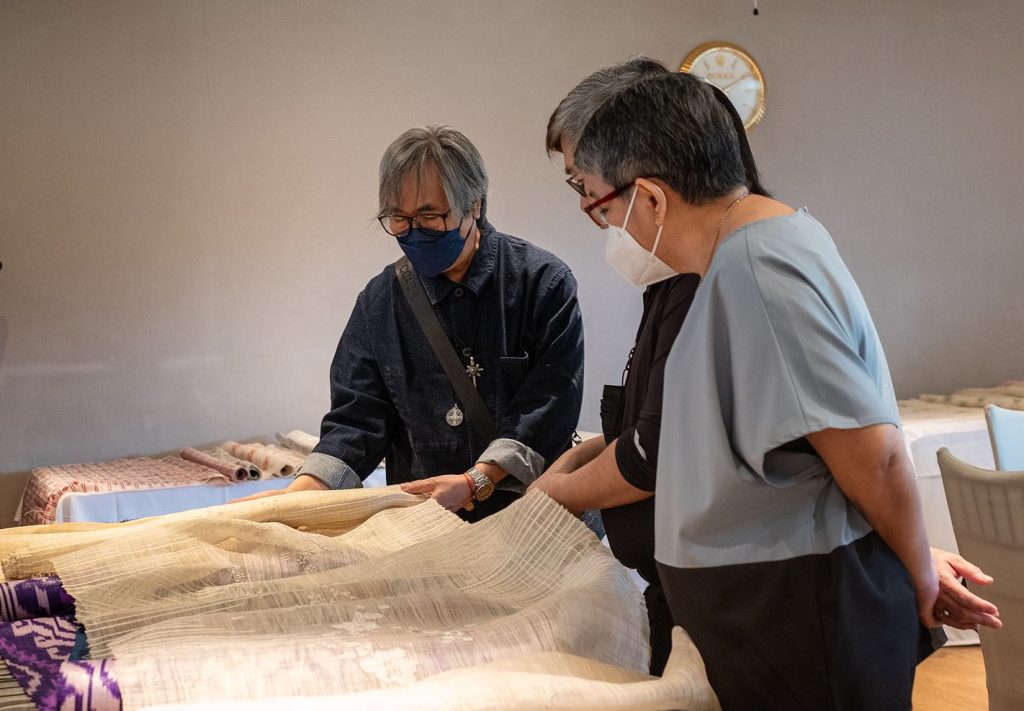
    Image 9.jpg A scene from last years judging and deliberation of entries From left Fashion designer Barge Ramos Noli Hans Hidden and Erlie Gomez Manaloto

    Winners of last year’s Eloisa Hizon-Gomez Abaca Weaving Competition were Anna India Legazpi, Agustin Tawi Sudaw of Bulacan, and Edgar Cornito, a T’Boli from  Lake Sebu, South Cotabato. 

    This is the 7th edition of the Lourdes Montinola Piña Weaving Competition, the Philippines’ premier piña weaving contest, named after the chair emeritus of the Far Eastern University and author who is a champion of indigenous textiles. She has written several books including “Piña,” a landmark book about the origins, the history, and the artistry of piña cloth. 
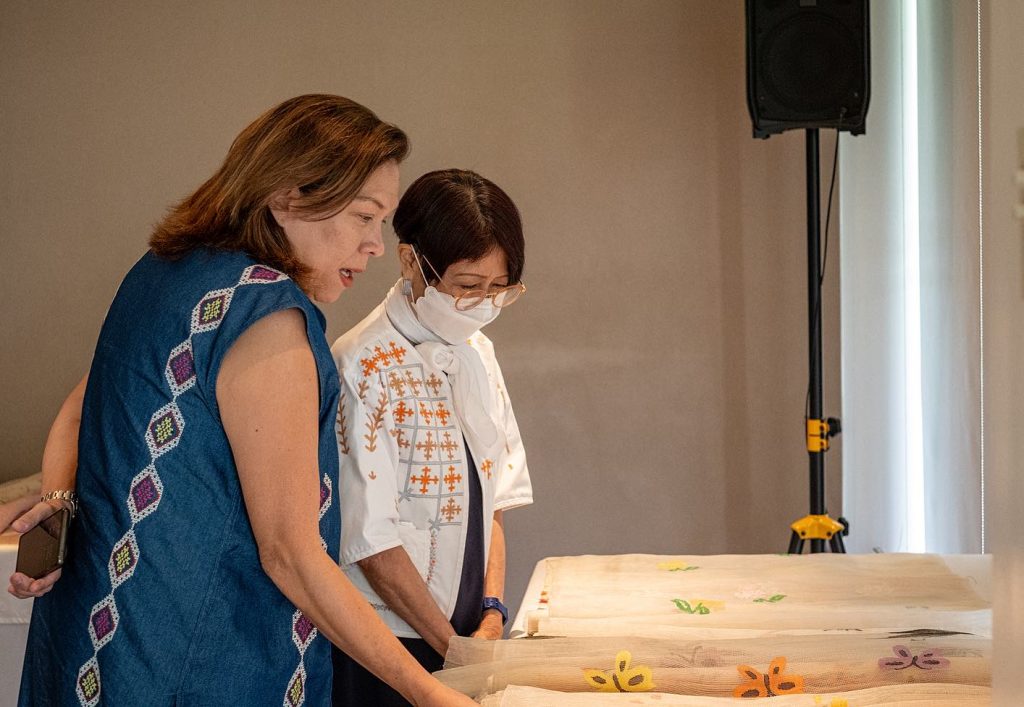
    Image 10 At last years judging and deliberation of entries From left HABI President Mia Villanueva and Heritage advocate and author Felice Prudente Sta. Maria

    Artists and artisans who want to join the competition may work on their own or collaborate in creating extraordinary piña cloth. 

    Entries will be evaluated based on quality of making—excellence of the range of processes used including the knotting of the fiber, control over weaving tension, balance between the tensile strengths of piña and other fibers woven with the pineapple fiber, dyeing or other form of coloring, the physical relationship of the embellishments to the woven cloth and more—and quality of innovation and use of imagination.

    The judges will be looking for freshness and excellence in the way they handle piña as a material. Blending with other natural fibers is allowed, as long as piña makes up more than 50% of the body of the cloth.

    Participants are encouraged to explore new possibilities for couture and experiment with new procedures in the making of pineapple fiber cloth.
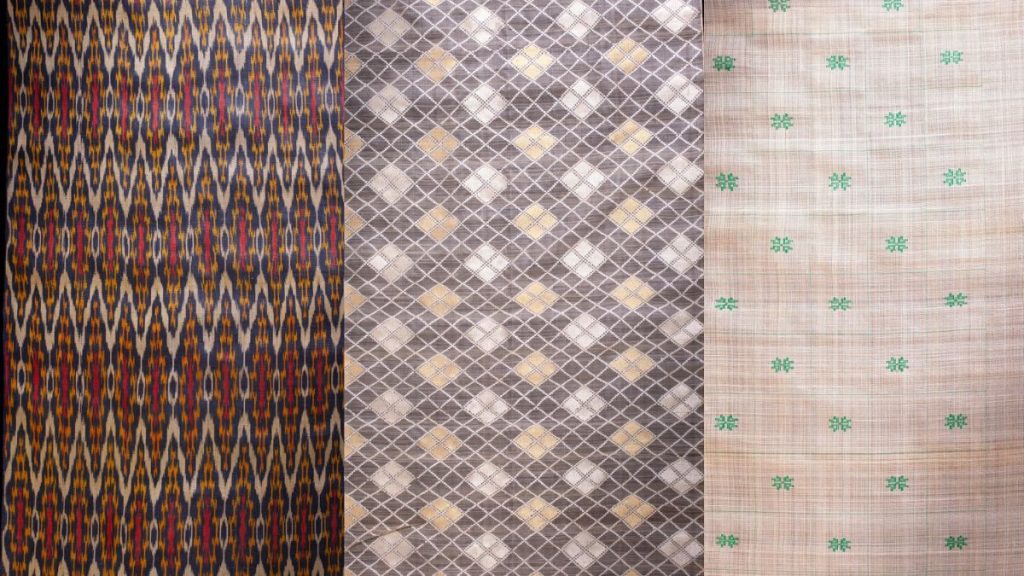
    Abacca 1

    Submissions need to be at least two meters long. There is no regulation on the width.

    Three winners will be chosen and ranked 1st, 2nd and 3rd. But that’s not all. “There will be special awards for young weavers under 30 years old and for outstanding innovation,” said Adelaida Lim, President Emeritus of HABI.

    Abaca weavers get their chance to shine in the Eloisa Hizon Gomez Abaca Weaving Competition. Lim shared, “The abaca competition was initiated by the former fashion designer Gang Gomez, now Don Martin, OSB, and his siblings, to honor the memory of their mother who championed the wearing of native attires and use of local textiles.” 
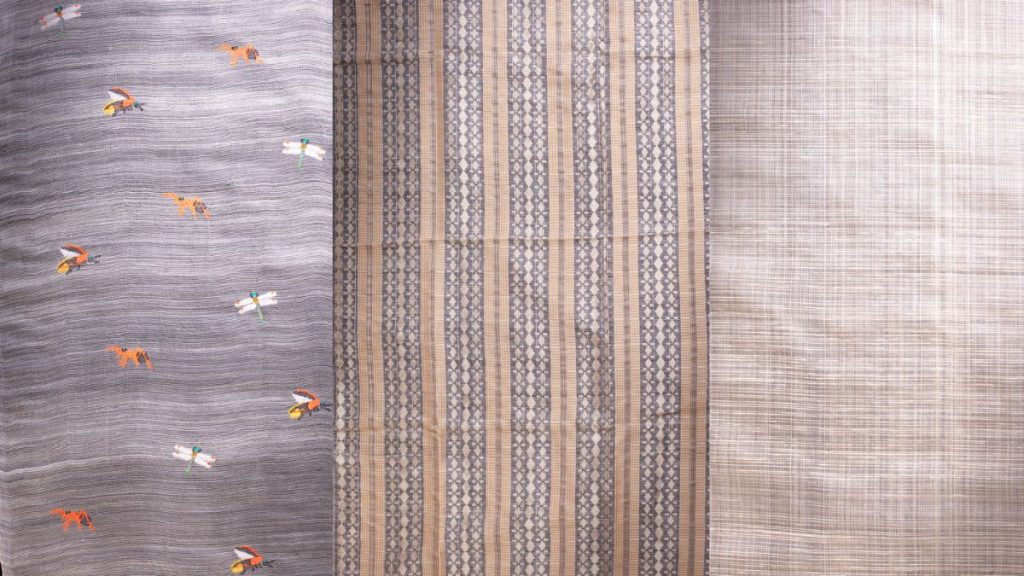
    Abacca 2

    For the 3rd Eloisa Hizon-Gomez Abaca Weaving Competition, participants may also work on their own or collaborate with other artists in creating extraordinary abaca cloth.
 Submissions must be at least three meters long and woven exclusively using abaca fiber. The width is up to the contestants. 

    Entries will be judged based on excellence in execution, skill and technique, including knotting and control of weaving tension, design and weaving qualities specific to the culture of the weaving community, aesthetics, dyeing or other forms of coloring, and quality of innovation, if any. 

    Three exceptional pieces will be chosen and awarded equal prizes. 

    Entries must be packed with care and submitted to HABI: The Philippine Textile Council, Inc. Office at No. 962 May Street, Mandaluyong City, Metro Manila, Philippines. Include a signed application form with the following details: title of work, name of weaver, age of weaver, Indigenous group, mentor, address, weaving experience, how long it took to make the piece, description of the process, and date. The deadline for submissions is on September 16, 2024. 

    Interested parties may find out more about the competition mechanics by checking the council’s website habiphilippinetextilecouncil.com,  and its social media pages on Facebook and Instagram (@HABIcouncil).

    The winners of both competitions will get to exhibit and sell their work at the forthcoming  Likhang Habi Market Fair slated for October 18-20, 2024 at the Glorietta Activity Center in Makati City. 

    The winning works will remain the property of their makers after HABI: The Philippine Textile Council, Inc. fully documents them. HABI will also assist them in selling their creations. 

    For more information, call HABI: The Philippine Textile Council at +63921849-6974 or e-mail support@habiphilippinetextilecouncil.com.

  • Likhang HABI Market Fair returns, weaves heritage and elegance in a 3-day affair

    The Philippine Textile Council (HABI) has announced the return of the annual Likhang HABI Market Fair at the Glorietta Activity Center from October 14 to 16, 2022.

    Likhang HABI Market Fair

    Now in its 12th year, the Likhang HABI Market Fair will have more than 60 vendors offering handmade pieces, like woven fabrics, ready-to-wear clothes, home accessories, and even locally made furniture and pottery.

    Event stylist Kitty Bunag has been tasked to transform the Glorietta Activity Center into a heritage hub showcasing the best creations from some of the most celebrated artisans around the Philippines. “The overall look and feel for the Habi Market Fair will be inspired by outdoor souks and markets here and in other parts of the world.  Vendor booths will be made of wood and canvas where each retailer can best showcase their products. Textiles hanging from dried ornamental trees serve as the main focal of the venue. We’re creating a space that will be familiar for both local and foreign patrons,“ says Bunag.

    Likhang HABI Market Fair PIDAYRIT CAMISA AMANA TINAMPUSO

    Showcased during the 3-day fair are homegrown brands Abek Home & Culture,  Abre Linea, Accelerate Sulu, Adante Leyesa, Aishe Fashion, Angie’s Yakan Handloom Weaving, Anihan sa Ibaan, Aruga Handwovens, Balud Craft, Bicol Sweetgrass Handicrafts, Camisa Amana, Cariñosa, Casa Garcia, Coco & Tress, Crafted Pilipinas, Creative Definitions, Ditta Sandico, En Barong Filipino, Gifts and Graces, Habi, Helena Alegre Sculptural Jewelry, Idyllic Summers, Ifugao Nation, Iraya Mangyan Art, Jor-El Espina, Kalinga Weaving, Kaya Mana PH, Knitting Expedition, La Bonne Vie, La Herminia, Lakat Sustainables,  Local Home + Art + Fashion, Mabaysay,  MCV Designs, Milvidas, Monica Madrigal, Narda’s Nina Abel, Pidayit, Piesa,  Pina Seda Primera, PNay, Provenciana, Raquel’s Piña Cloth Products, Ruby Roa with Lila Lifestyle, Rurungan Collective, Siegrid Bangyay Pottery, Silahis Arts and Artifacts, Style Isle, Tadeco Home, The Manila Collectible Co, Tinampuso, Tuwas Yakan Weavers, WeaveManila Inc., Woven, WVN Living, and WYC Wear Your Culture.

    As a member of the ASEAN Traditional Textile Symposium, part of HABI: The Philippine Textile Council’s mission is to promote the art of hand-weaving and provide opportunities for talented Filipino artisans to showcase their products to an eager market. 

    Likhang HABI Market Fair 2022 1

    Being the first of its kind in the country, the fair will also feature two uniquely Filipino competitions: the annual Lourdes Montinola Piña Weaving Competition and, starting this year, the Eloisa Hizon Gomez Abaca Competition. Contestants are going to be judged by a panel of experts on Philippine textiles, processes, and materials. 

    “This is our fifth year of holding the piña competition and since we’ve had it, we’ve noticed that artisans working on piña have been leveling up,” says HABI president Adelaida Lim.

    Council member Mike Claparols shared that HABI’s greatest contributions include encouraging weaving communities to use cotton and educating the public about the painstaking art form that is hand weaving. 

    He explains, “A lot of consumers think that hand-woven fabrics are too expensive. Many try to bargain with weavers by asking for big discounts. What they don’t know is that weaving is a learned skill that requires time and dedication to master.” 

    “We’re the first in this line of promoting indigenous fabrics as fashion,” says Maribel Ongpin, Founder of HABI. “Second, while most of the other bazaars have reached a sophisticated level, we continue to go grassroots.” 

    Ultimately, the three-day fair is HABI’s biggest and most talked about fundraising activity. Aside from direct donations from individuals and companies, the fair is one of the main sources of funding for the council’s projects, which includes preservation of the art of weaving, educating consumers, and pushing locally made products and artists to the national — and global — market.

    “As a country, we carry important fibers like piña and abaca that are uniquely ours. [These] are world-renowned. Since museums in the world feature [these pieces, it’s] considered a legacy of Filipino craftsmanship, identity, and the nation,” Ongpin concludes. 

    Likhang HABI Market Fair 2022 is made possible by the generous contribution of council sponsors: Glorietta Mall, Ayala Center, Union Bank of the Philippines, The Philippine Gaming Corporation (PAGCOR), AY Foundation, Emerging Power Inc., Marubeni Philippines Corporation, Holiday Inn & Suites Makati, Far Eastern University (FEU), and Pancake House with radio partners  DZRH Manila, RPN DYKB Bacolod City, and DYRF Cebu City. 

    For more information about HABI: The Philippine Textile Council, please call +63 921 849-6974 or email support@habiphilippinetextilecouncil.com.

  • HABI launches the Eloisa Hizon Gomez Abaca Competition to revive abaca weaving across the Philippines

    With the continued success of its Lourdes Montinola Piña Weaving Competition, HABI Philippine Textile Council is training the spotlight, through a new contest, on a textile material that’s deeply rooted in Filipino culture and history: abaca. For the first time, as part of its Likhang HABI Market Fair in October, HABI is introducing the Eloisa Hizon Gomez Abaca Competition, which is open to all local abaca weavers raring to showcase their artistry using this well-loved fiber.

    Eloisa Hizon Gomez Abaca Competitio Large
    Abaca continues to be a source of livelihood for many Filipinos, such as this community in Camarines Norte.
    (Photo credits: Lisa Lorenzo-Uy)

    The competition is inspired by its namesake—a prominent Kapampangan who actively encouraged the use of Filipino textiles, and is mother to popular haute couture ‘70s   fashion designer Gang Gomez, now known as Dom Martin Gomez, OSB. As the main man behind this competition, which is a fitting tribute to his mother’s advocacy, Gomez says the main goal of the event is to revive and encourage the weaving of abaca cloth, as practiced in Mindanao among the T’boli and other indigenous groups, the Visayas, and the Bicol region where the plant grows well. 

    Eloisa Hizon Gomez Abaca Competition Abaca Large
    (Photo credits: Lisa Lorenzo-Uy)

    Even as a contemplative monk, Gomez still continues to work with local weavers to develop and innovate traditional textiles, while also designing church vestments. He approached HABI with the idea of holding a competition for abaca artisans, which is supported by his vision of upscaled and refined craftsmanship for the industry.

    “There is nothing like competition to stimulate our artisans’ creativity to strengthen and grow that industry,“ adds Adelaida Lim, HABI president.

    Aside from reviving and promoting the use of abaca, the competition also serves to remind us of the versatility of this fiber, which is also globally known as Manila hemp.

    “Abaca is the Philippines’ major export product.  We are known the world over for it.  In the maritime industry, ropes made of abaca are widely used. The Japanese yen incorporates abaca fibers in their paper currency,” Lim says. “We have even acquired new uses for it, such as in the manufacturing of automobiles.” 

    Eloisa Hizon Gomez Abaca Competition Event Poster Prizes

    To join the Eloisa Hizon Gomez Abaca Competition, participants must submit a panel measuring at least six meters long. There are no restrictions on the width; however, entries must be made of 100-percent abaca and based on a traditional pattern and/or weaving technique. 

    Each entry must also have a title, a detailed description, and a photograph showing the weaver working on his/her entry. Entries must be packed with care and submitted to the HABI Office at 962 May Street, Mandaluyong City, Metro Manila. Deadline for submission is on Sept. 30, 2022. 

    Three winners will be announced at the Likhang HABI Market Fair slated October 14 – 16 this year.  They will each receive a prize of P50,000.00. The entries will be exhibited as part of the fair and sold, should the contestants agree. These pieces will be displayed alongside entries of the Lourdes Montinola Piña Weaving Competition, making them officially part of a HABI Market Fair annual tradition.

    As with its piña weaving competition, HABI hopes to inspire mainstream fashion retailers, through this abaca weaving contest, to patronize abaca just as they do the piña cloth, in order to keep alive local textile creations and the use of natural fibers. 

    “The use of our textiles, whether commercial, through fashion retailers, or personal, is the only way our textile industry will survive and grow,” says Len Cabili, founder and creative director of Filip + Inna, and also a strong advocate of local textiles. “We are excited to see the excellent craftsmanship of weavers around the Philippines.”

    In addition to inspiring more weavers to pass on a heritage tradition to the next generation, the competition would also contribute to the sustainability of the fashion industry, as abaca could cut the need to import polyester yarns created by the demand for fast fashion, which directly increases environmental pollution.

    “Abaca is important because it is the genuine Filipino weaving fiber,” says Gomez. “Filipinos were already wearing clothes made from abaca weaves when the Spanish colonizers arrived. If we had only given abaca as much attention in its development as we have given to piña, can you imagine how much progress could have been attained by now? Hopefully, this annual competition will give the abaca weaving industry that much-needed push!”

    Interested parties may call HABI: The Philippine Textile Council T: +63 921 849-6974 or send an e-mail to support@habiphilippinetextilecouncil.com for more information.