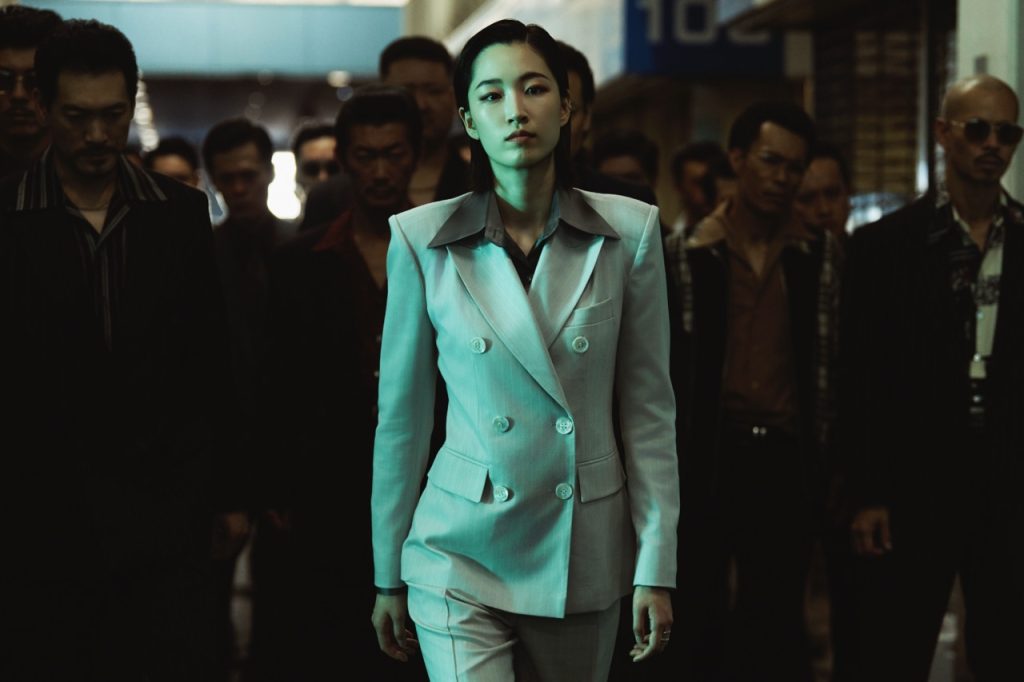
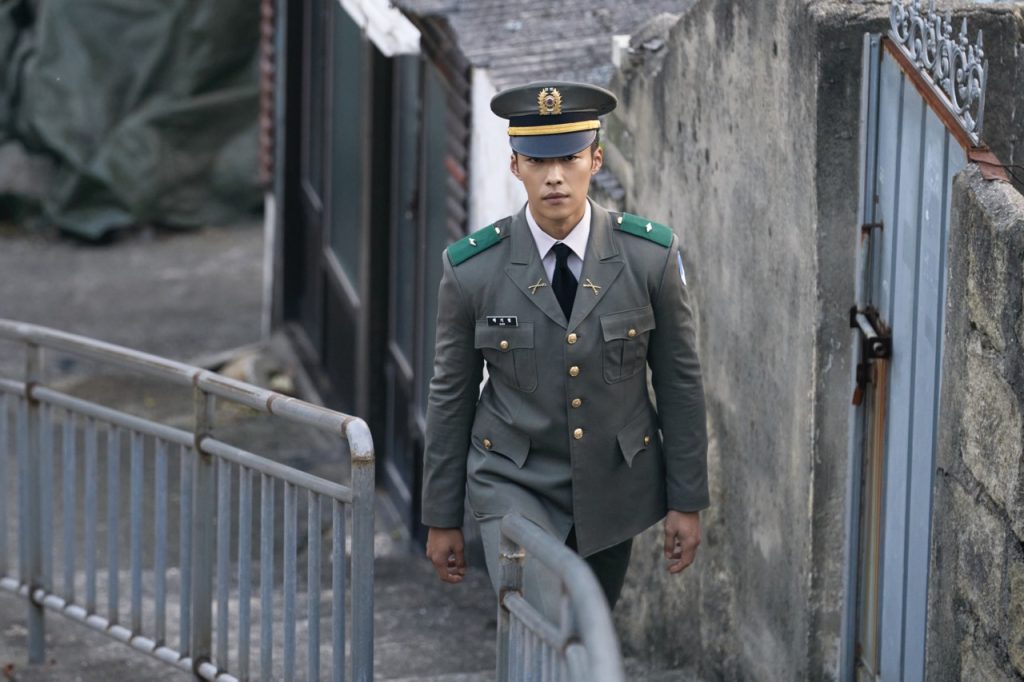
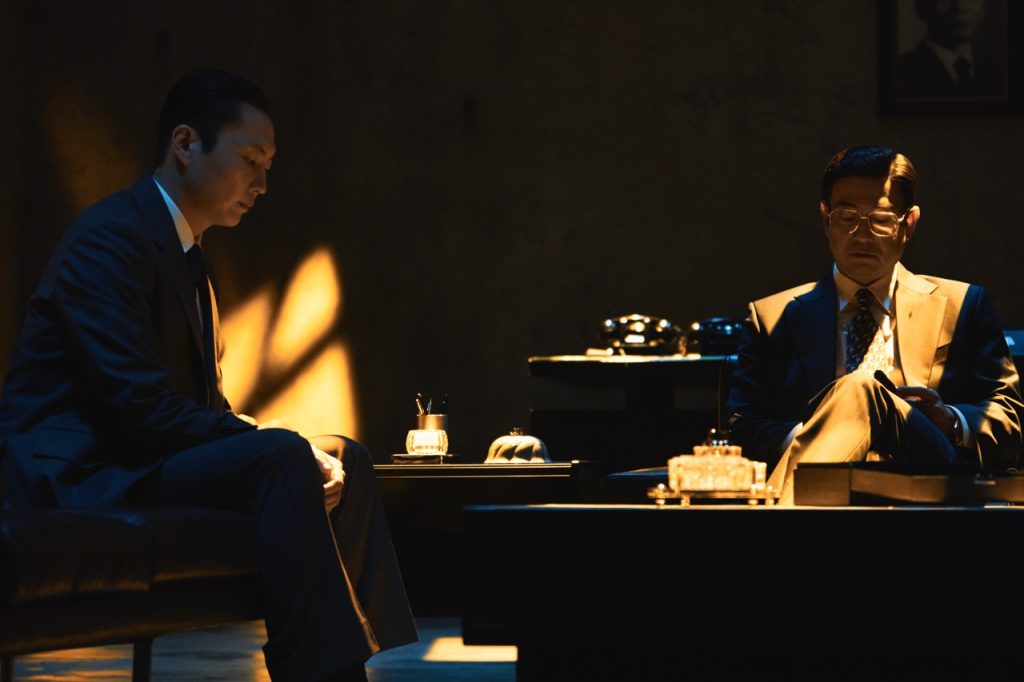
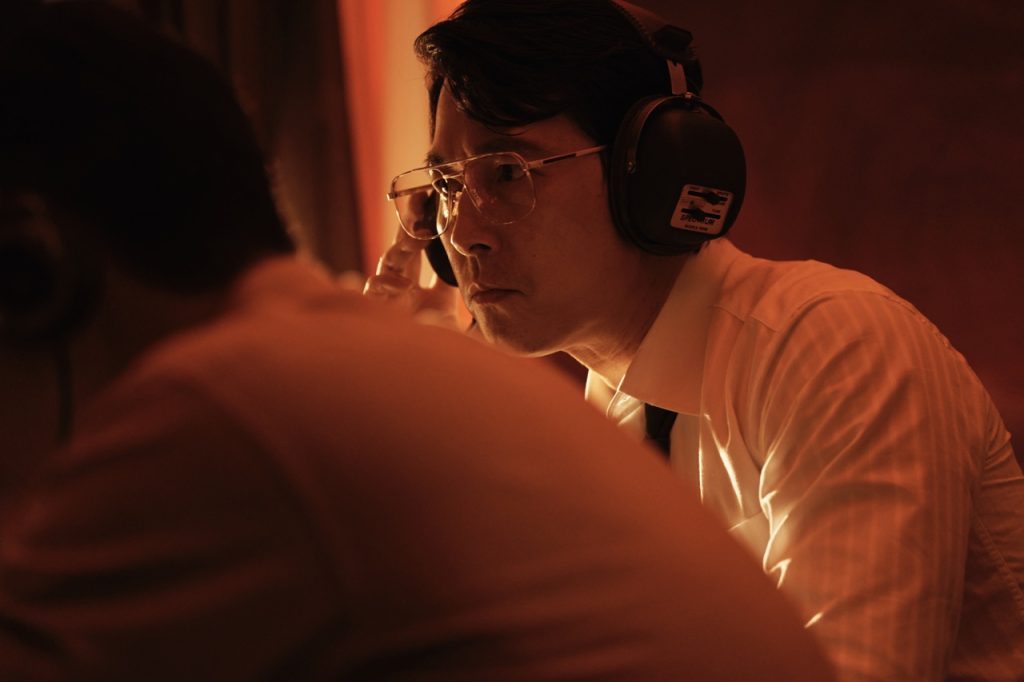
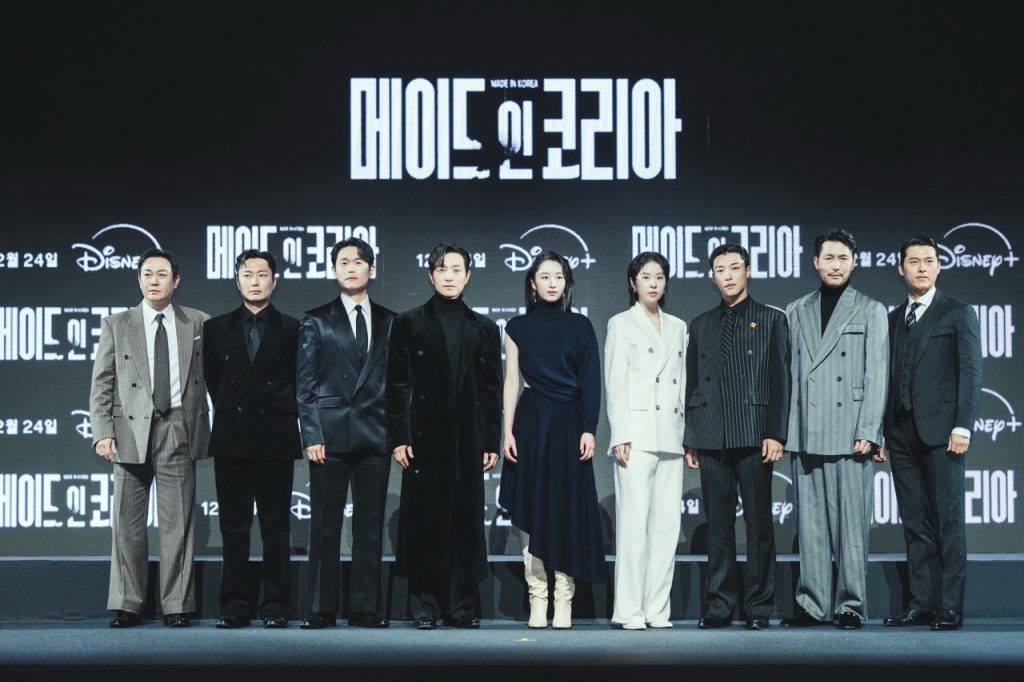
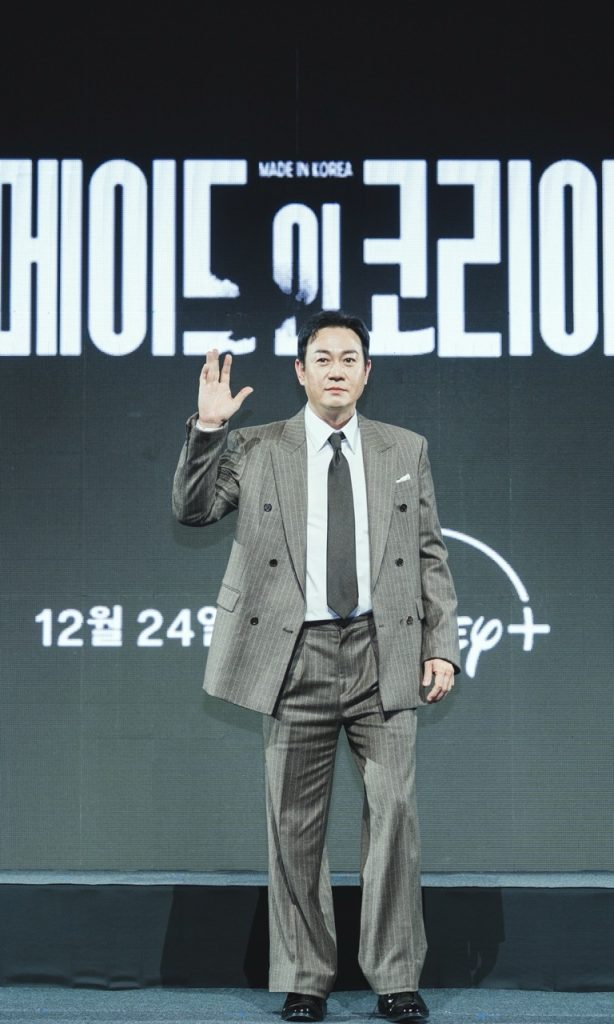
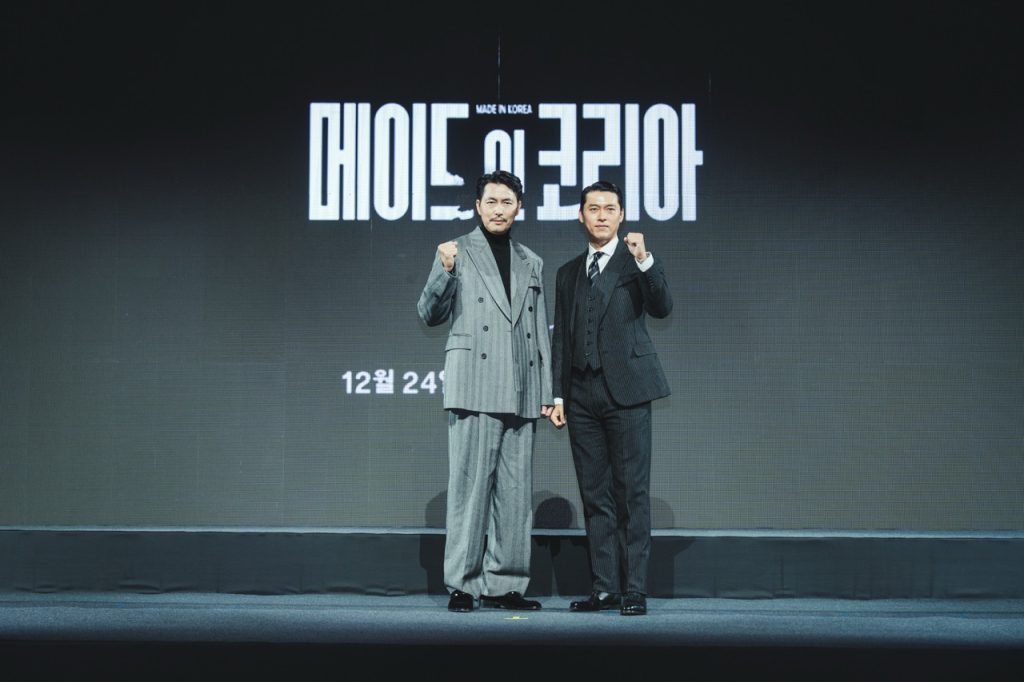
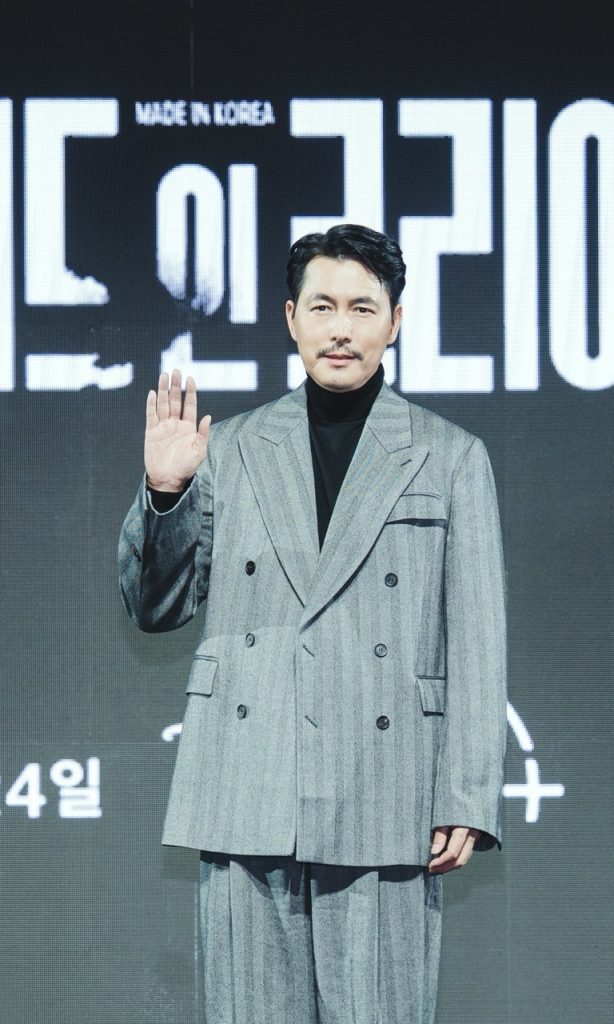
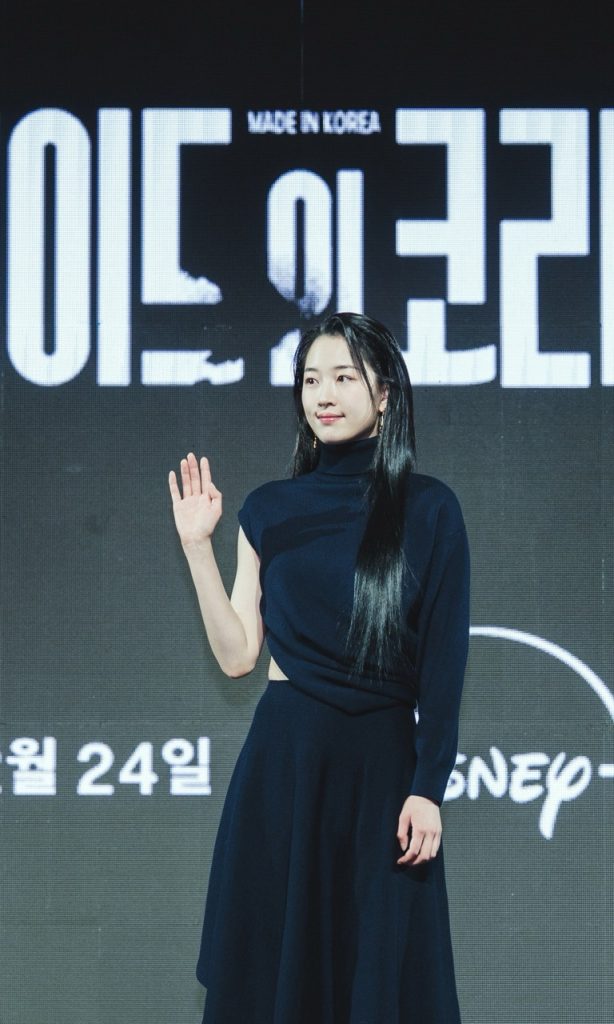
The first two episodes of the explosive six episode series of Made In Korea has dropped in Disney+ and aside from its star-studded cast – Hyun Bin, Jung Woosung, Woo Do-hwan, Seo Eun-soo, Won Ji-an, Jung Sung-il, and many more – Director Woo Min-ho has delivered a gripping period political action thriller that ends 2025 with a bang and promises a spectacular finish by the finale on January 14.
The show’s premise follows a “rising KCIA agent (Hyun Bin) who leads a double life as a night-time smuggler.” But his extracurricular activities have put him in the crosshairs of a relentless prosecutor (Jung Woo-sung). The two become bitter rivals who battle to bring the other down against the chaotic backdrop of 1970s South Korea.
Made In Korea
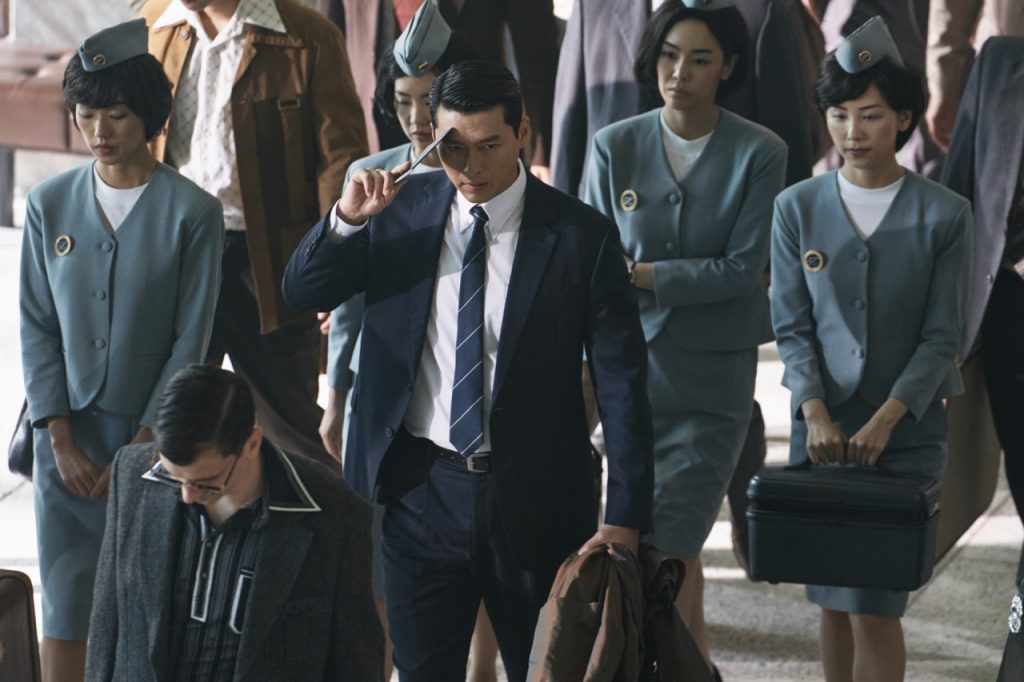
The show’s first episode plays out like a movie, focused primarily during a real-life event in Japan and South Korea’s history, the show openly fictionalizes the hijacking of Japan Airlines Flight 351 to introduce us to Hyun Bin’s Baek Ki-tae. Ki-tae is smart, cunning, physically capable of taking down a plane of hijackers by his lonesome, while maneuvering through his own double life as an agent for the KCIA and as a smuggler. The episode is thrilling, suspenseful, and action packed and allows us a glimpse of how capable our protagonist is and how dangerous he can be.
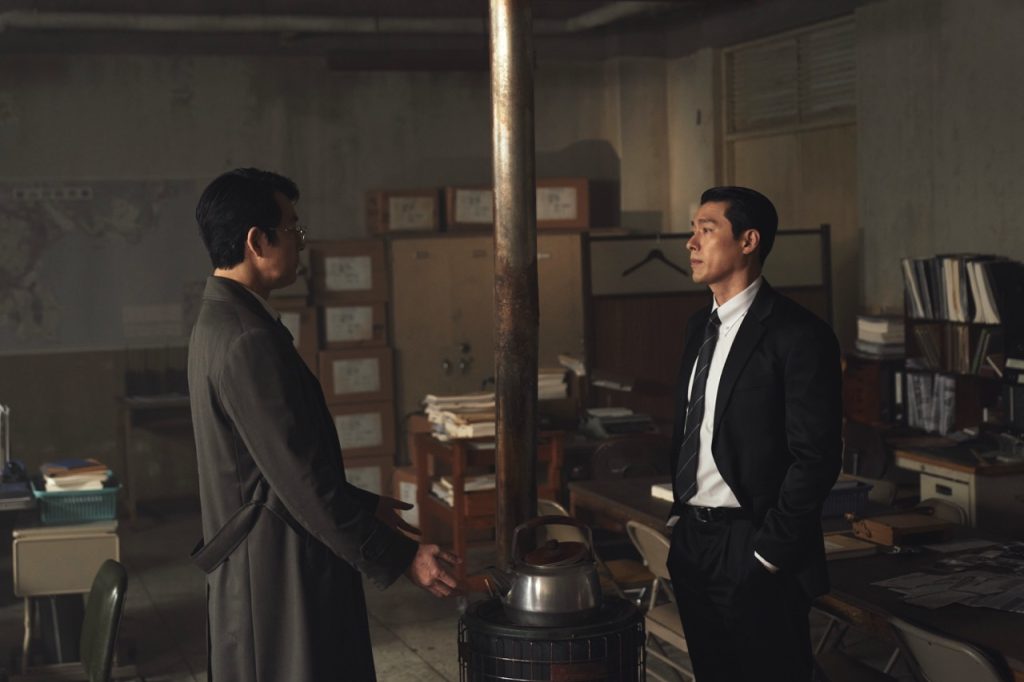
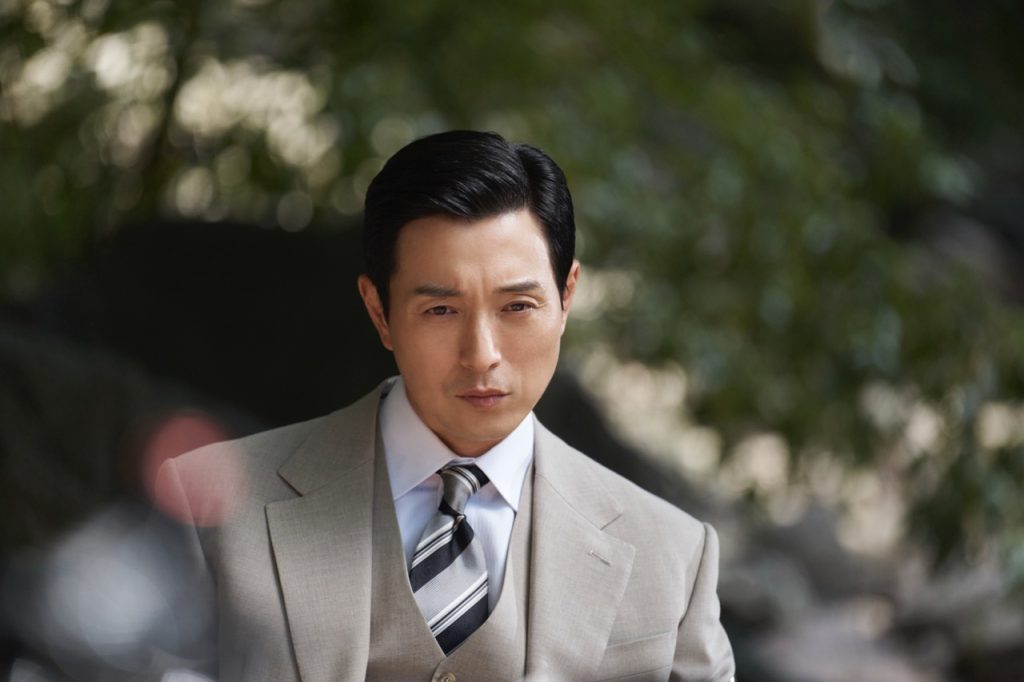
The second episode takes on noir sensibilities, introducing us into the world of Jung Woo-sung’s Jang Geon-young. Jung Woo-sung is not afraid to show him as utterly relentless, the press material and press conference defines him as “dogged” in his obsession with his work.
When a string of murders and drug dealings leads him to Baek Ki-tae, we see an epic showdown coming to a head. Jang Geon-young is no team player, for sure, but he’s smart, crafty, and punctuates his obsessiveness with a loud, maniacal laugh that is very off-putting. He may technically be on the side of the law, the one we should be rooting for, yet Jung Woo-sung’s performance and Director Woo Min-ho are not afraid to approach him like a villain.
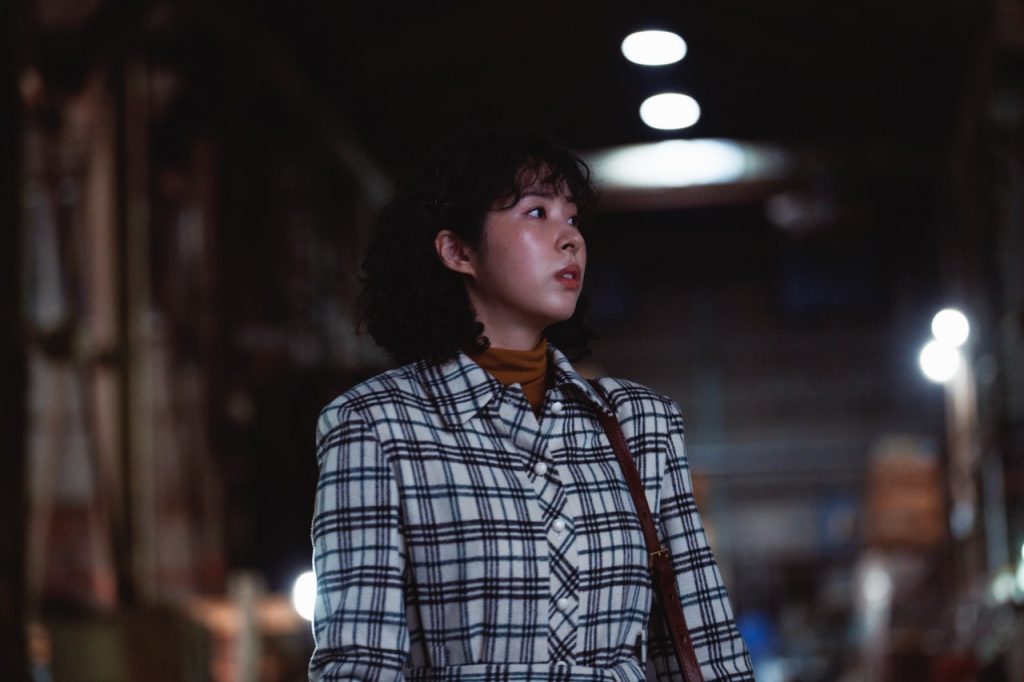
Rounding out the cast are Seo Eun-soo as Oh Ye-jin, a detective who wants to be a prosecutor in a period when women weren’t allowed to be prosecutors. While obviously taking on a symbolic feminist role, she playfully portrays Ye-jin, turning into a fangirl when fawning over her boss, Jang Geon-young, but switches gears when in pursuit.
Evoto
Won Ji-an plays Yuji Ikeda, the power behind the Yakuza throne. Though we only get a glimpse of her in episode one and hear a mention in episode two, we know that her role will get bigger as she and Baek Ki-tae will probably have to cross paths as they both seem to want the same things.
Woo Do-hwan plays Baek Ki-hyun, Baek Ki-tae’s younger brother, who is in the military. When we first see him, he is rigid, much like that of someone in the military academy, which Baek Ki-hyun is. His relationship with his brother appears strained, and we have no real insight yet as to what he thinks of his brother and his work, how much he knows, and whether this seemingly upstanding soldier will be on his side or against him. Considering the actor, his billing, and the set up for his character, we know that this is going to be another important dynamic in Baek Ki-tae’s story.
While the series gears up to be a thrilling, action-packed political drama, its social commentary involved does not go unnoticed. Set in a time period and the way the South Korean government uses the KCIA for its own purposes, outside of its government mandate, pokes questions at the way the government uses institutions to benefit themselves and consolidate power. It frames each character by their own desires and amplifies the age-old adage: “Power corrupts, and absolute power corrupts absolutely.” This series already hits the ground running and with a confirmed second season, this is shaping up to be an event drama for 2026 and, hopefully, another season in 2027.
My Rating: 5 Stars
Buckle up for intrigue, action, and power plays, stream Made In Korea now on Disney+ and witness the thrilling chaos of 1970s South Korea unfold!
Last December 15, Disney+ held the Korean press conference for one of the most highly anticipated Korean dramas of the year: Made In Korea. Starring Hyun Bin, Jung Woo-sung, and Woo Do-hwan. With Director Woo Min-ho, who is known for politically charged films like The Man Standing Next and the hit webtoon adaptation Inside Men, makes his directorial debut in dramas with this retro political thriller about the chaotic political era of 1970s Korea. His previous film, Harbin starred Hyun Bin and drew over 4 million admissions, cementing its status as a hit.
At the press conference, Director Woo and the three lead stars were joined by the rest of the ensemble, including Seo Eun-soo, Won Ji-an, Jung Sung-il, Kang Gil-woo, Roh Jae-won, and Park Yung-woo.
Made In Korea
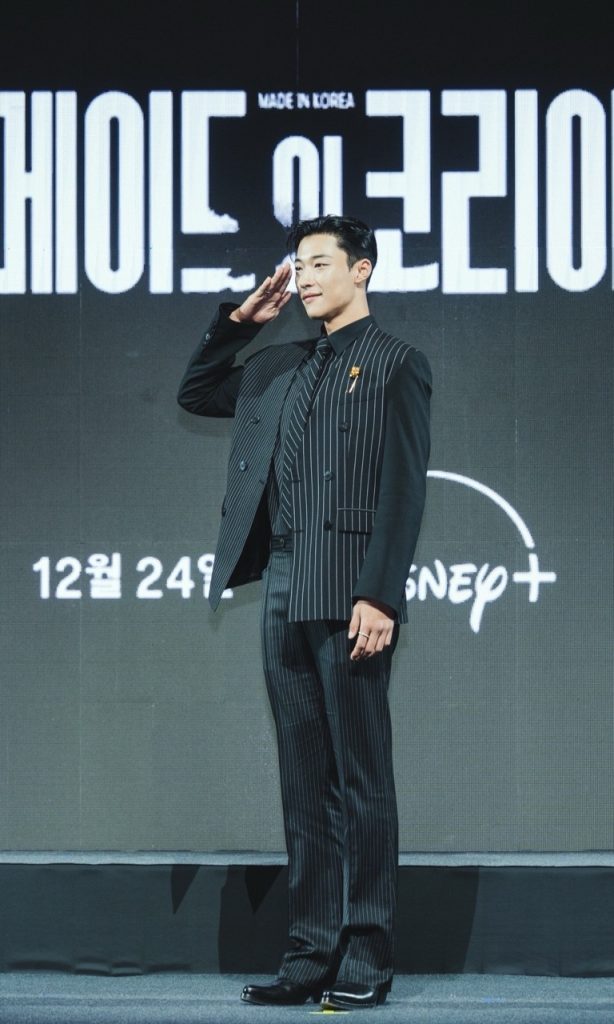
As usual, the event began with each cast member coming up to take their photos, all looking serious, except for Woo Do-hwan, who was the only one smiling as he waves. He even struck a second pose, saluting the press, invoking his character in the series, Baek Ki-hyun, a cadet at a military academy.
Made In Korea | Woo Do-hwan (Baek Ki-hyun)
Members of the press were given access to the first two episodes of the six-episode series, which uses fiction to create a thriller that reimagines real events in Korean history. Like the first episode’s retelling of a hijacked Japan Airlines Flight 351, when Japan Red Army faction took the plane to fly to North Korea. It was retold to introduce Hyun Bin’s character to the audience and to showcase Director Woo Min-ho’s cinematic coverage and dense narrative storytelling style. It highlights the series’ gripping and high-tension action sequences while signaling to us that it will take creative licenses with real events of that era.
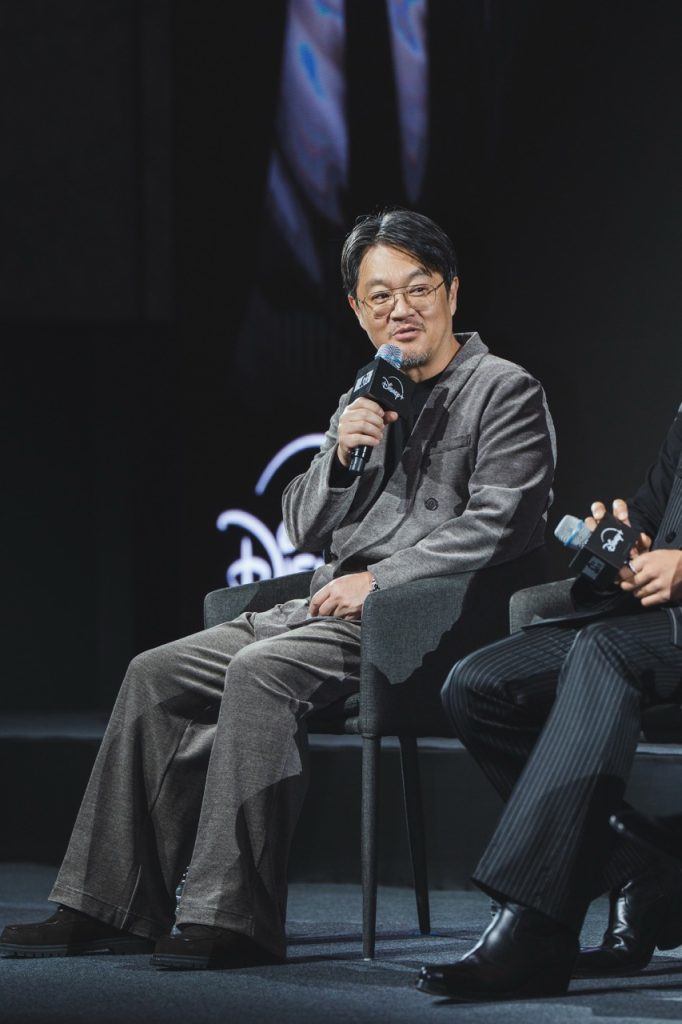
Made In Korea | Director Woo Min-ho
Here are some highlights from the press conference:
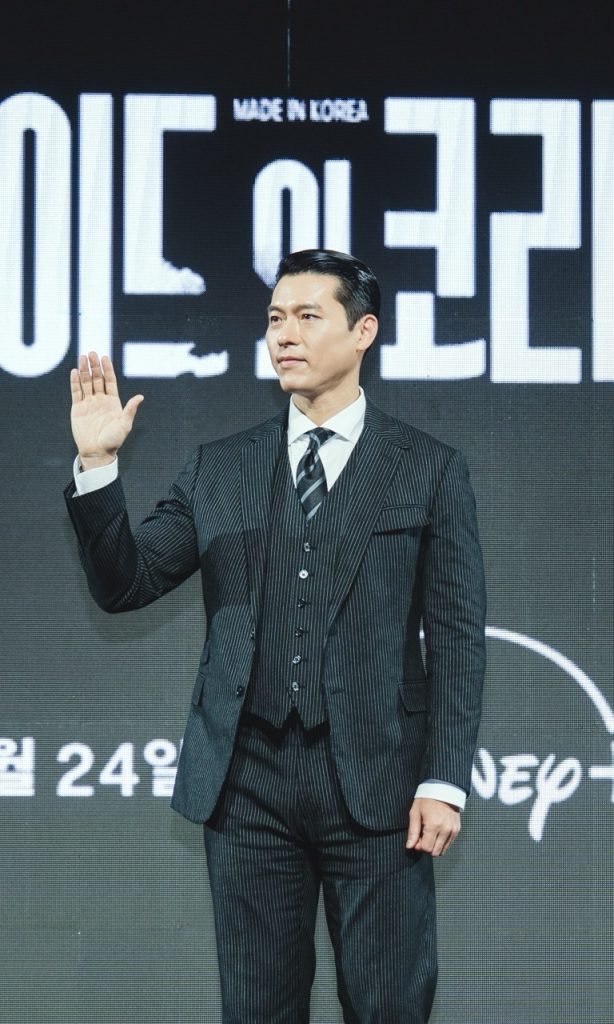
Made In Korea | Hyun Bin
Director Woo Min-ho and Hyun Bin were asked about working together again since Harbin. Hyun Bin shares that he has “an immense amount of trust” with Director Woo, and that working with him has proven that “he can bring out a different side of me” as an actor. Director Woo is quick to point out that “Harbin was about a real person” whereas Made in Korea is purely fictional so he says that “we could play more” in the show. He talks about having a collaborative spirit on set that all the actors got to “collaborate freely and really play on set.”
Made In Korea | Park Yong-woo
It was implied that every actor had a hand in the creation of their character. Park Yong-woo, who plays Hyun Bin’s boss, shares that it was his idea that Hwang Guk-pyeong, the head of the controversial KCIA in Busan, to wear a wig. Throughout the first episode, Guk-pyeong’s obsession with primping it and making it look good, so much so that Jung Sung-il remarked that when his character first appears, on his first day at the set, his reaction to Guk-pyeong’s wig makes for a funny reaction.
The ensemble on stage is a feast of talent and Director Woo remarked how he feels “so lucky to have all these actors in the call sheet.” It was so much fun working on the set that he felt emboldened to say that “this is the most fun I’ve had on set. It’s my most entertaining work out of all that I’ve done.” He even confessed feeling nervous saying this, unsure of how people would react.
Made In Korea | Jung Woo-sung
For Jung Woo-sung, it was the “bold imagination” of the story that attracted him to the project. “It gave me a lot of courage as an actor,” he shares, “because we can really explore” in that kind of creative working environment. He plays Jang Geon-yeong, a “dogged prosecutor” who becomes obsessive in his pursuit of criminals and Hyun Bin’s Baek Ki-tae gets caught in his crosshairs.
Made In Korea | Won Ji-an
Rounding up the cast is Won Ji-an, who plays Ikeda Yuji, the power behind the Japanese yakuza throne. We catch glimpses of her in episode one and a brief mention in episode two, but we are assured through the video clips shown at the press conference that her role will get bigger as Hyun Bin’s Baek Ki-tae and Ikeda Yuji work together to consolidate more power and money. For Won Ji-an, she really focused on mastering the language. “I had to get it right,” she said, portraying a character raised by the yakuza and had lived in Japan. She also shared how much she has “learned from all my senior actors and Director Woo.”
Playing a wild card in the show is Woo Do-hwan’s Baek Ki-hyun, identified as Ki-hyun is identified as Ki-tae’s brother who is in the military academy. “I love my brother,” Woo Do-hwan says of his character, “but I don’t want to be under his shadow.” He shared how he worked closely with Director Woo in finding “the balance of the character. To make him strong but not vague.” He studied people in the military academy and wanted to try to capture the rigidness of their speech and to find a way to create nuance from blank expressions. You could hear how much work and detail Do-hwan and the rest of the cast invested in perfecting their characters for the show.
The cast and director shared their excitement about working on the show and how Director Woo ensured to make all six episodes feel like six standalone movies. Director Woo didn’t want to use CGI so he looked for locations that could portray the 1970s architecture of that period, filming in Kobe, Japan, and Thailand for the Vietnam scenes. This show looks and feels epic already from the way the whole team is talking about it and from the first two episodes that the press were allowed to view. Some of the actors and Director Woo himself already hinted that a second season is in the works, so we are sure that we will be exploring the dark, chaotic 1970s in Korea for a little while longer.
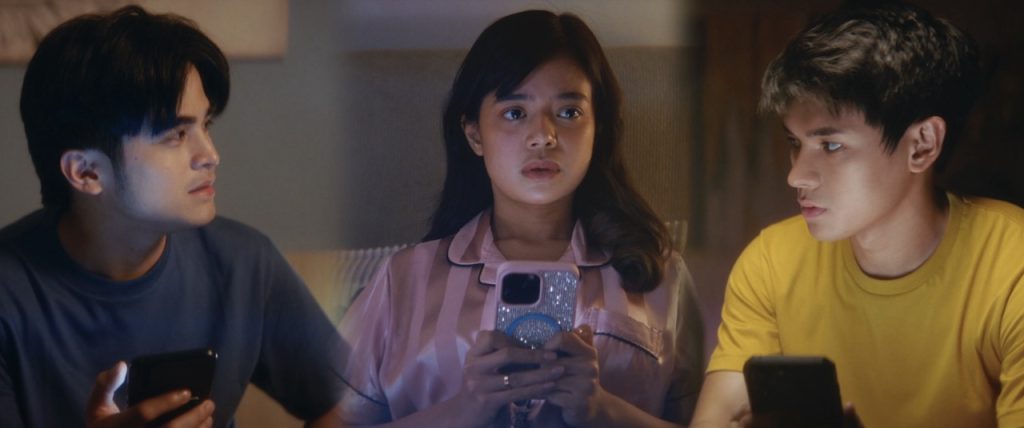
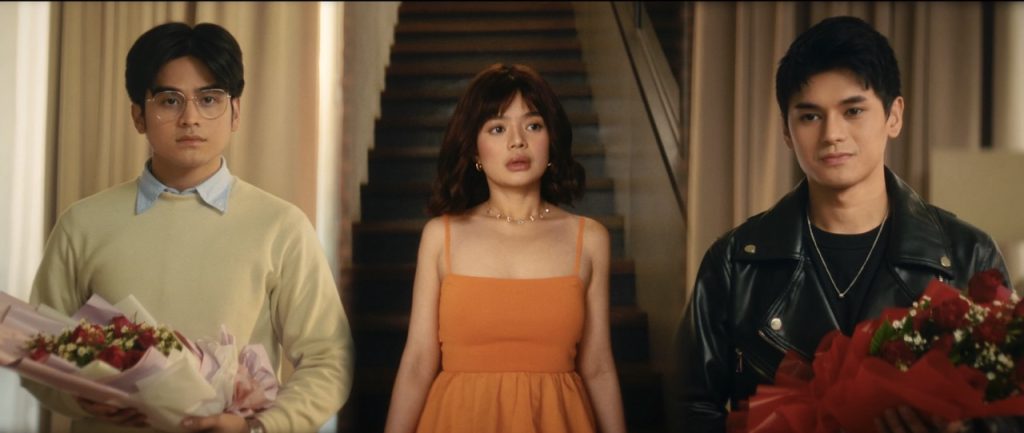
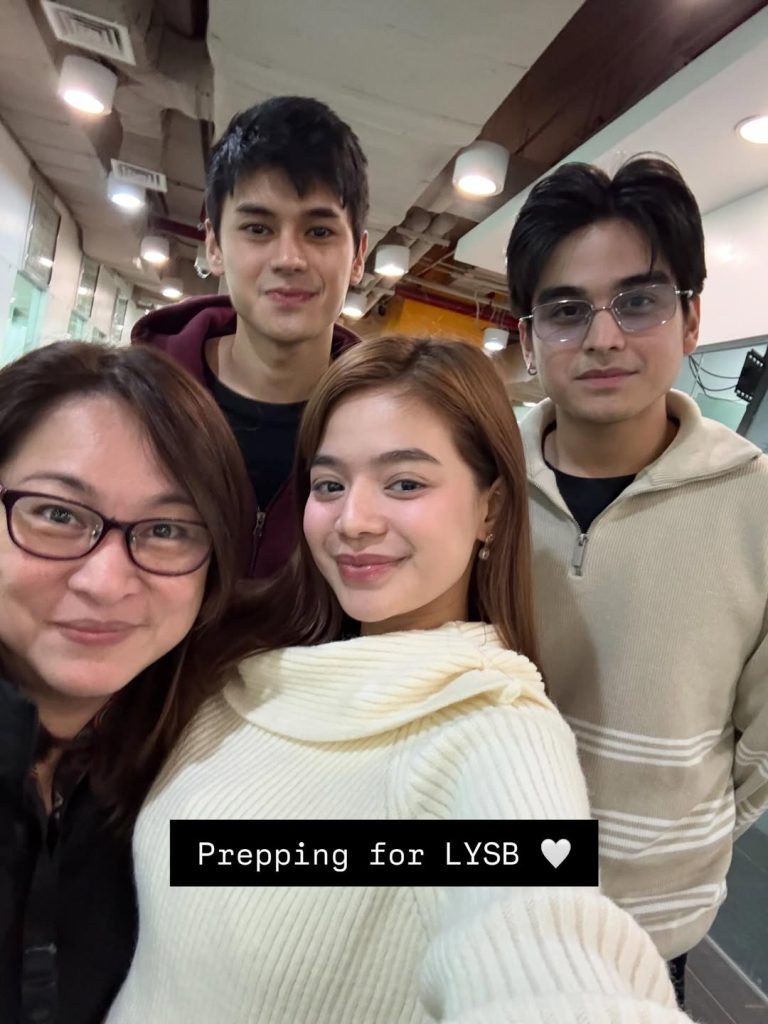
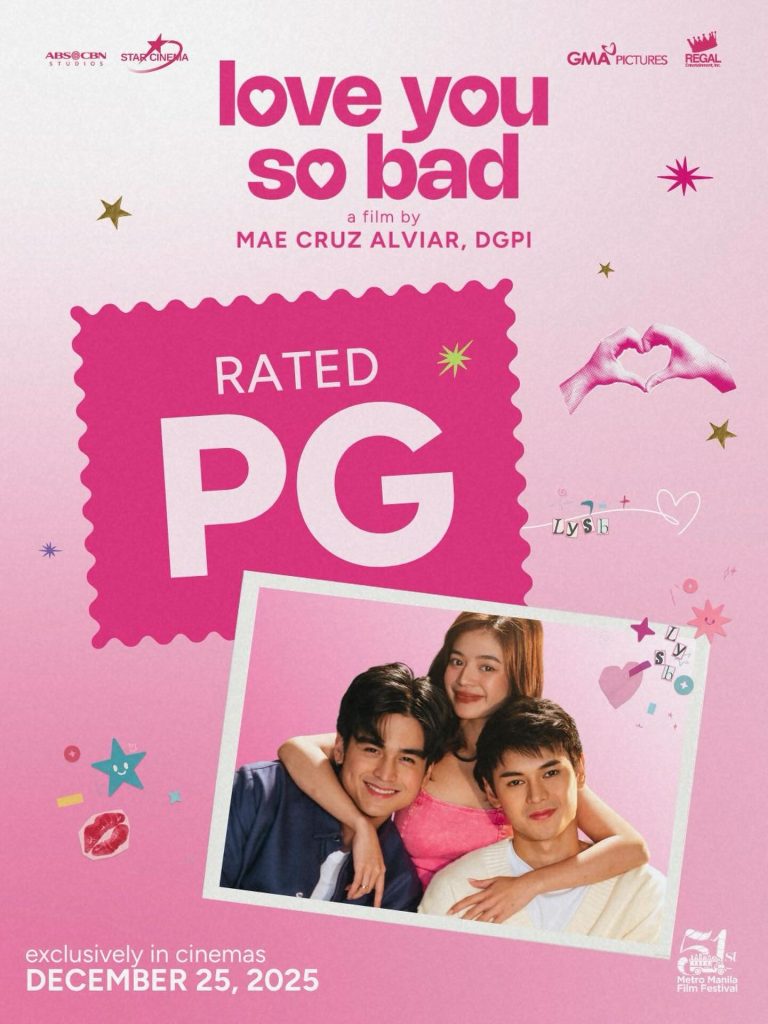
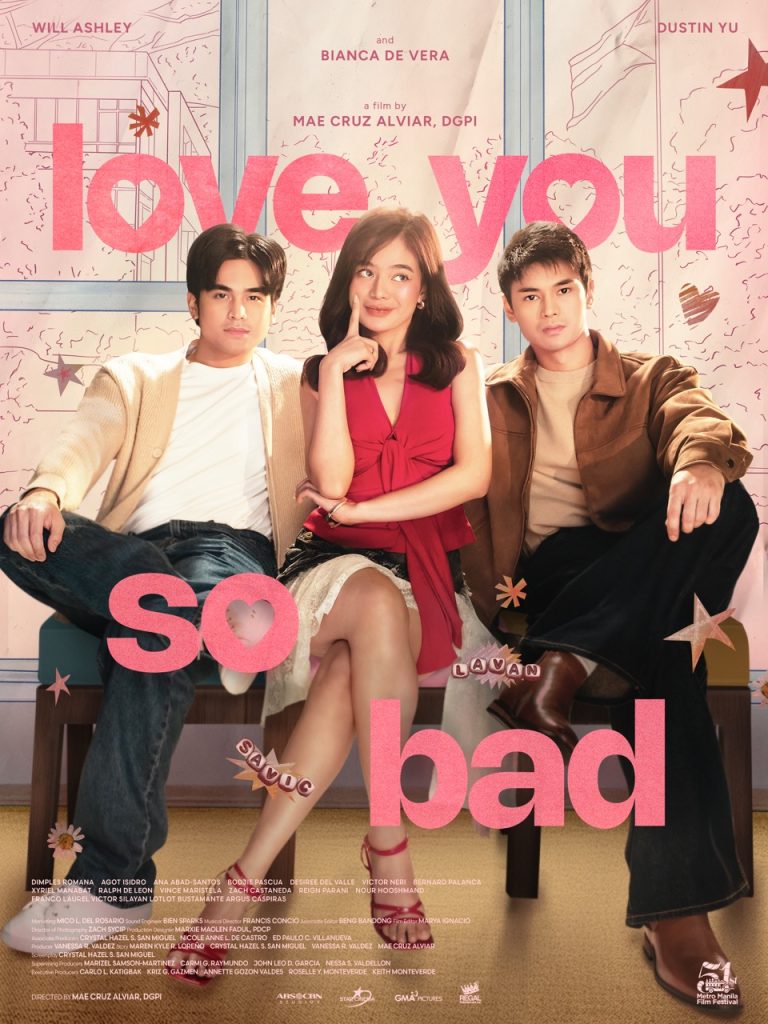
‘Love You So Bad’ is a refreshing, high-spirited romantic comedy that plays out as a farce, a love triangle complicated by a lie rooted in a truth. Director Mae Cruz-Alviar does an amazing job at keeping the energy high, playing right for a heartstrings, and utilizing her actors’ strengths to deliver the thrills, while pivoting last minute to deliver something more.
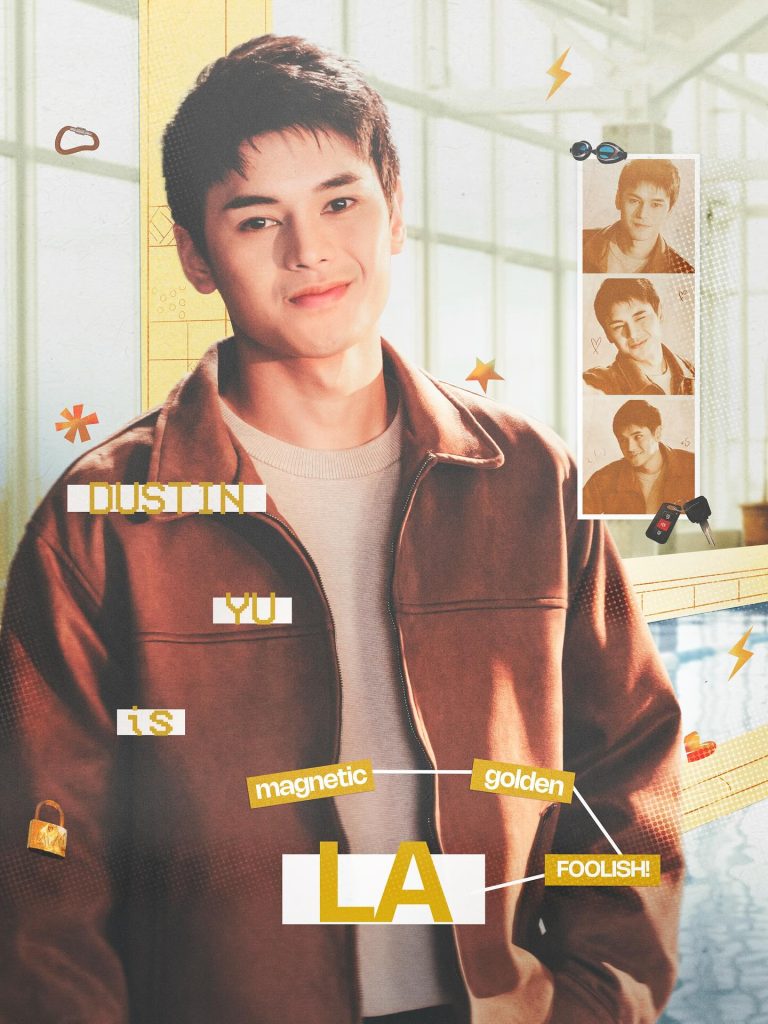
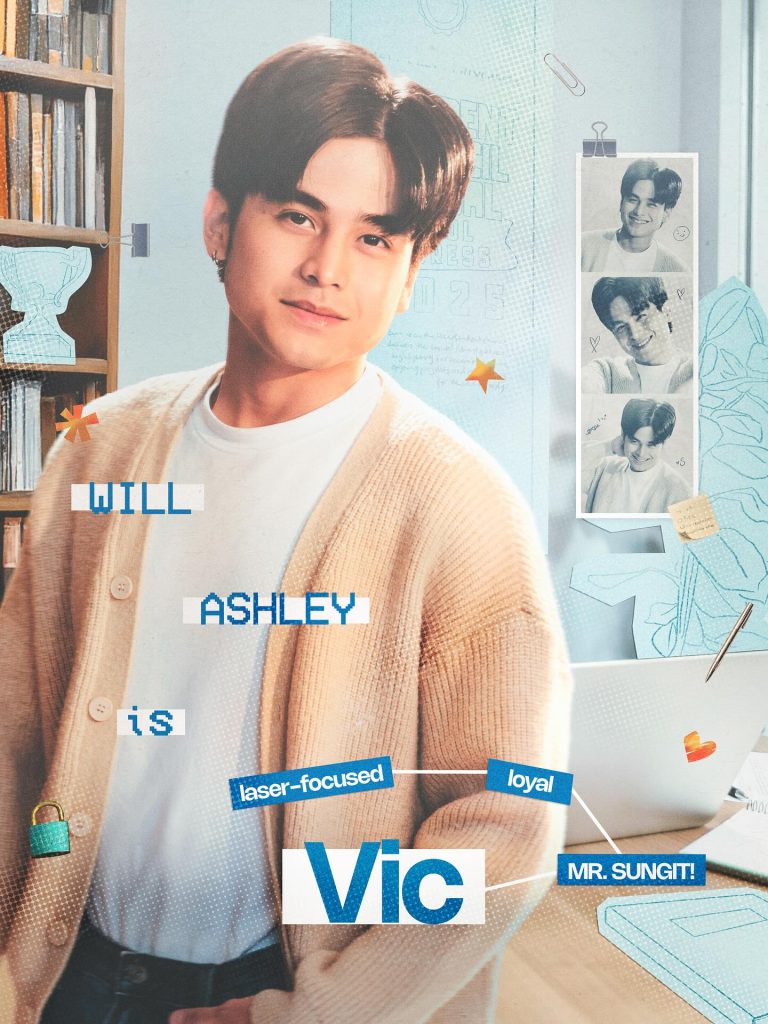
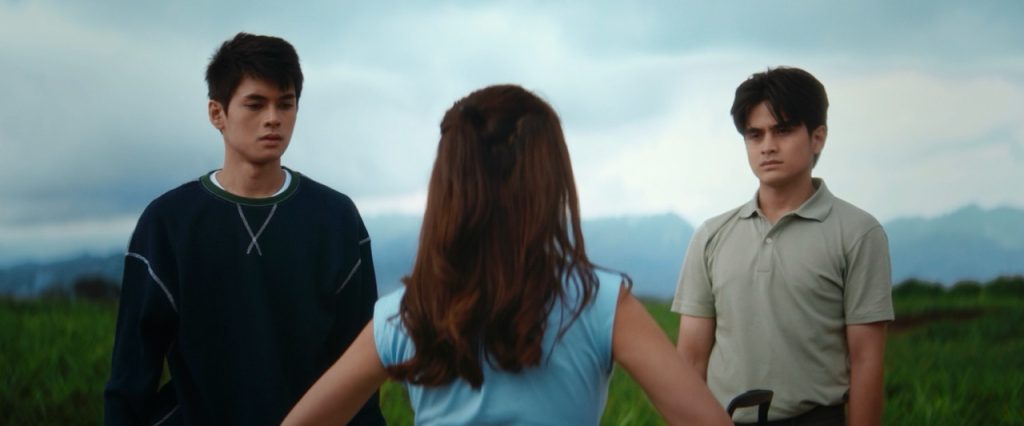
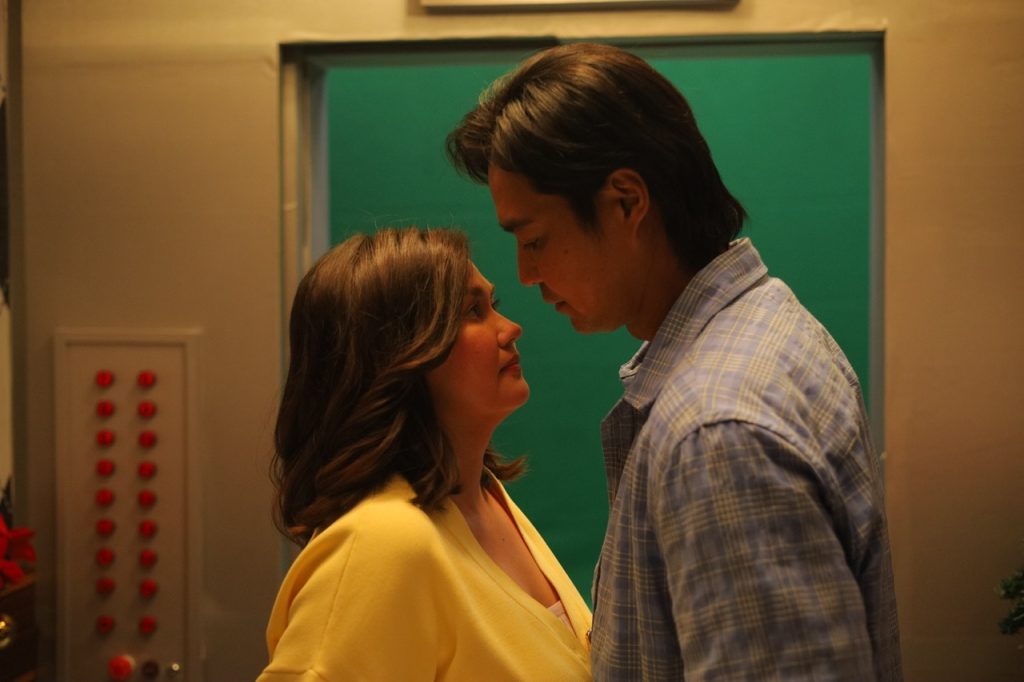
The movie follows Savannah (Bianca De Vera), LA (Dustin Yu), and Vic (Will Ashley), who are caught up in a love triangle that forces each of them to face their own inner demons. At the beginning of the film, Savannah is drinking and partying, trying to forget her boyfriend, LA, who has just ghosted her. In a drunken state, she inadvertently asks for help from her thesis mate and school president, Vic, who comes to her rescue.
Things get complicated when a misleading video makes it appear that Savannah and Vic hooked up, and LA officially drops Savannah in front of the entire school. To spare Savannah from embarrassment, Vic declares his love for her. In private, the two agree to play the part of a couple so that Savannah can show LA she’s doing fine without him (and hopefully to make him jealous), while Vic its as a way to motivate Savannah to take their thesis more seriously.
Love You So Bad
It’s a classic romantic comedy trope, and we know that Vic will fall for Savannah as they play the part of a couple. The movie expertly uses every cinematic element to push for these characters to collide because we also know that LA is harboring a secret and that he still loves Savannah.
Love You So Bad | Image Source: ABS-CBN Film Productions Inc. (Star Cinema) FB
Despite its classic formula, Cruz-Alviar’s direction is filled with youthful energy and plays up the romance angle expertly creating loud responses from the packed theater I was in. What surprised all of us, though, was how easily the film pivots to introduce heavier topics, like Savannah’s living conditions – she lives with her aunt who is a mistress, and LA’s family background – he’s the child of an affair of his mom and is mistreated by his mother’s husband – and, later on, the reasons behind why Vic is such an over-achiever.
Love You So Bad | Image Source: ABS-CBN Film Productions Inc. (Star Cinema) FB
While the film remains fully in romantic comedy mode, some of these subplots are either left unresolved or wrapped up too quickly. That’s not necessarily a bad thing because it creates a textured world and leaves some aspects messy, something that ultimately feels more real.
Love You So Bad | Image Source: ABS-CBN Film Productions Inc. (Star Cinema) FB
Bianca De Vera manages to hold her ground and carry this movie that revolves around her character. She’s a generous actor who shines when working in a scene with others, though she can sometimes lose that sparkle when having to perform alone. I think with more experience, she’s going to blossom wonderfully.
Love You So Bad | Image Source: ABS-CBN Film Productions Inc. (Star Cinema) FB
It seems that Dustin Yu has to fight his strong features. He doesn’t have the most expressive face which means he needs to work more on conveying his character’s internal world through his eyes or gestures. While he possesses a strong screen presence, he has a tendency to get swallowed by his co-actors. Sometimes, Yu can tap into his vulnerability, but it isn’t always consistent. I think he needs more experience and must rely less on his good looks, he could deliver more fully rounded performance.
Love You So Bad | Image Source: ABS-CBN Film Productions Inc. (Star Cinema) FB
But Will Ashley is a force. The film, inadvertently, really favors Vic not only because he comes across as Savannah’s savior, but also because Ashley has loads of charm and an everyman quality that he knows how to use. And he can really dig into his vulnerability and bring it out. You see what his character is going through even if Vic is trying to hold things close to his chest. It plays so well onscreen, and having seen him also in ‘Bar Boys: After School,’ his range is really impressive.
The film dares to push boundaries and subvert the genre, but in this case, I really wanted the film to have a full-on romantic comedy ending. It’s so well-crafted in the lines of the genre that it should finish in that same mold. But I still agree with the overall messaging and how it does it. It’s an unapologetic rom-com and I’m all for it.
Love You So Bad | Image Source: ABS-CBN Film Productions Inc. (Star Cinema) FB
I love a good romantic comedy, and this one has all the right stuff going for it but I am conflicted about the ending. Trying not to spoil anything, I love the message of the ending and what the film is trying to say. In fact, the film is subtly leading us up to it from the very start. I love how it never judges Savannah for her choices and for who she is, and I think that’s very strong.
My Rating: 4 Stars
Don’t miss Love You So Bad, check showtimes and grab your tickets now. Join Savannah, Vic, and LA on this rollercoaster of laughs, love, and unexpected heart.
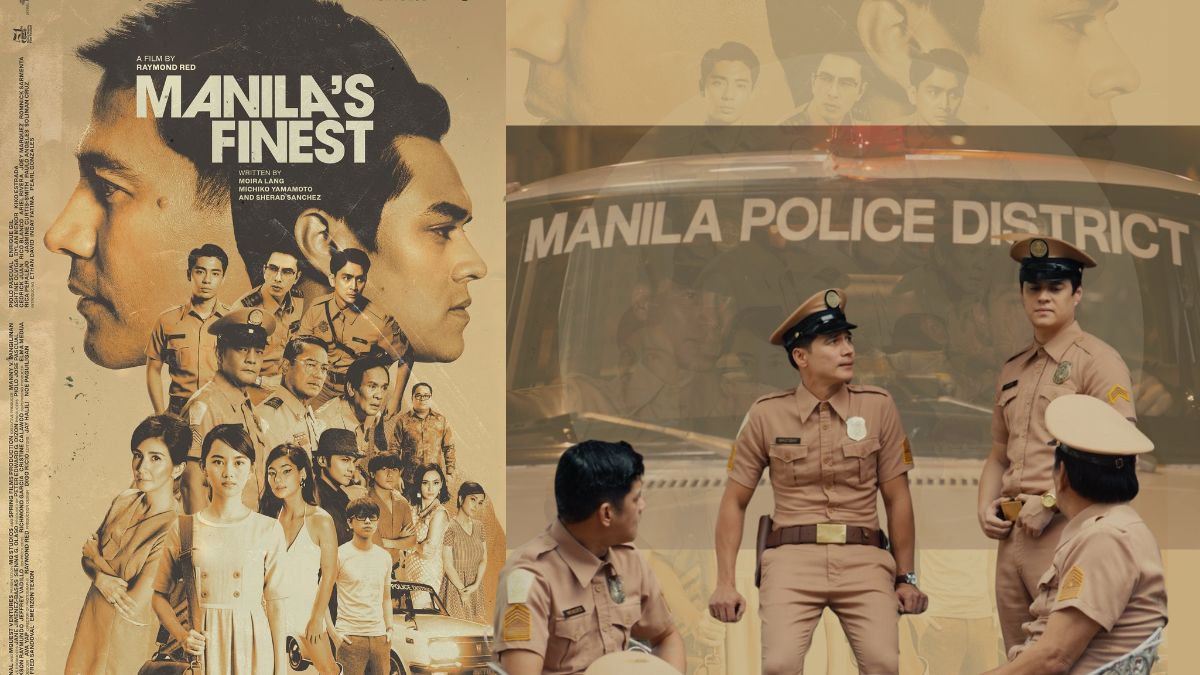
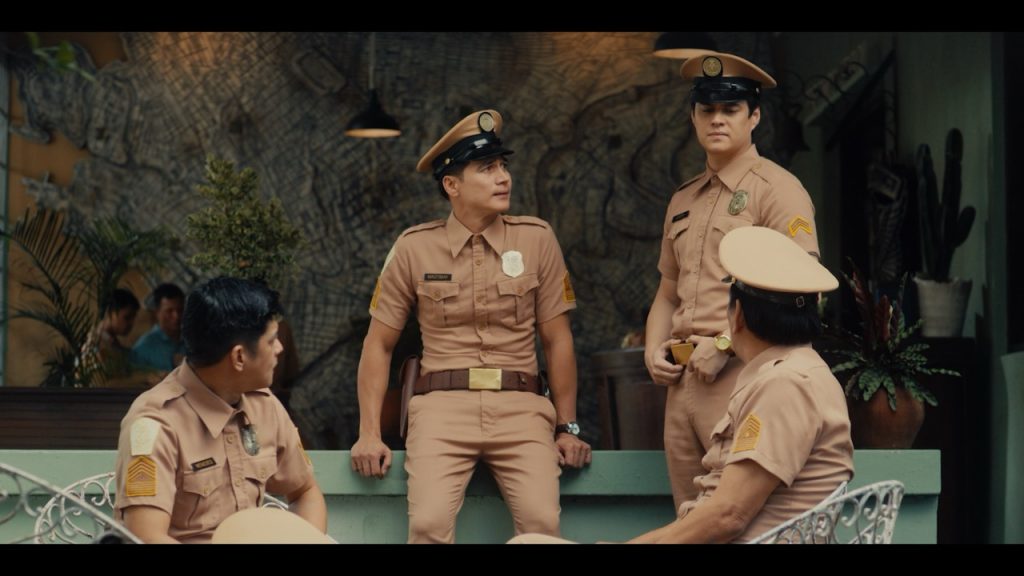
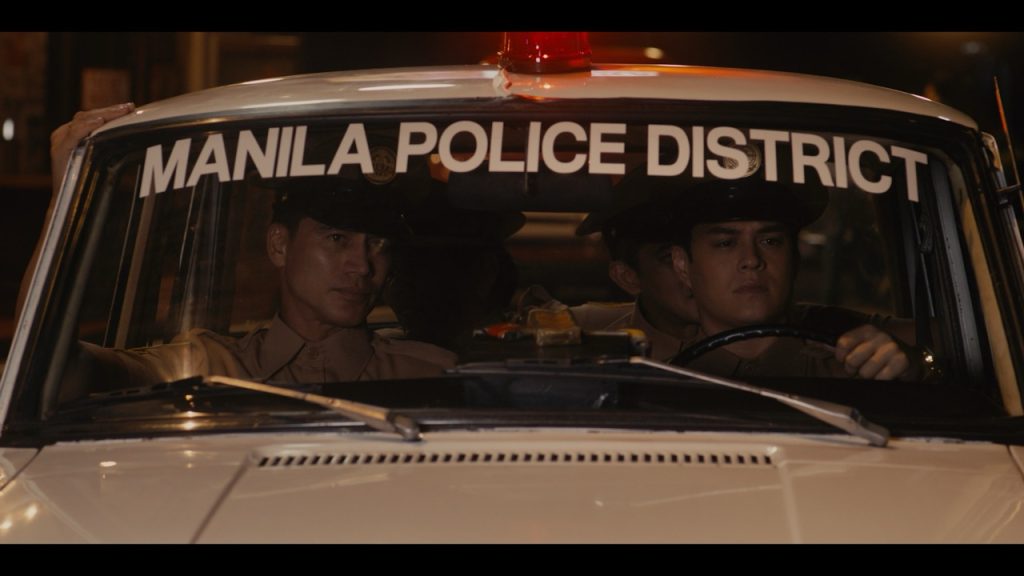
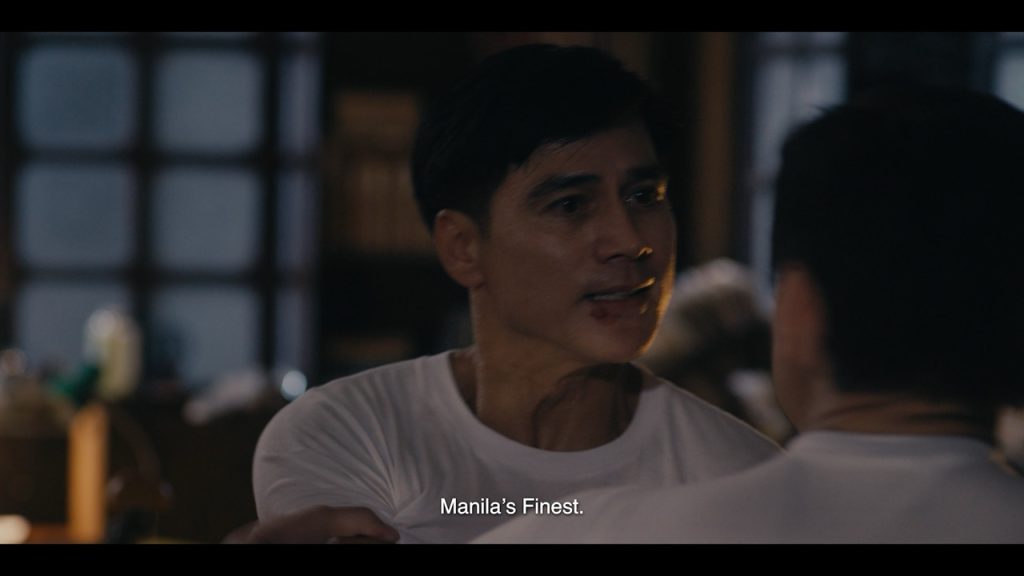
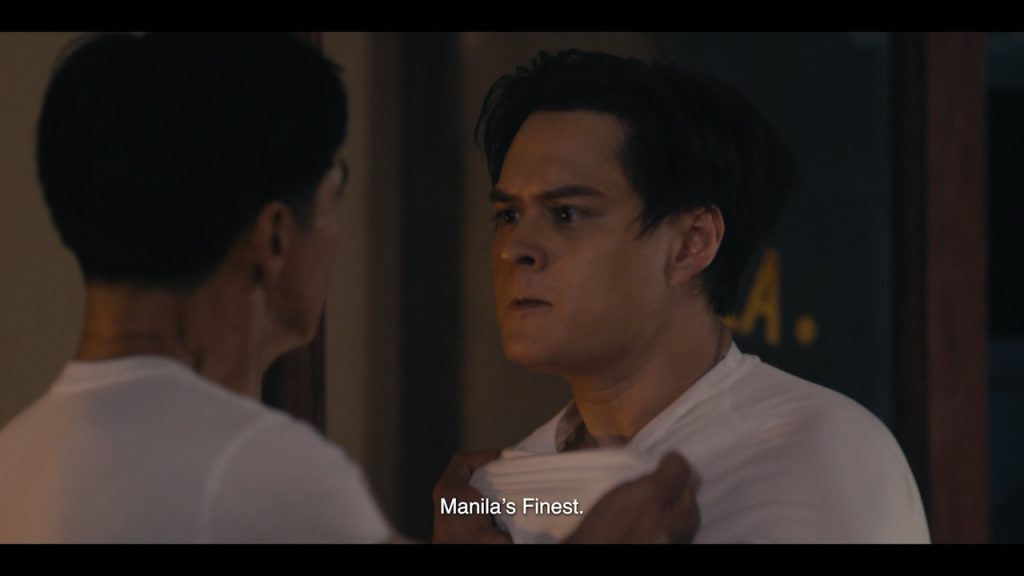
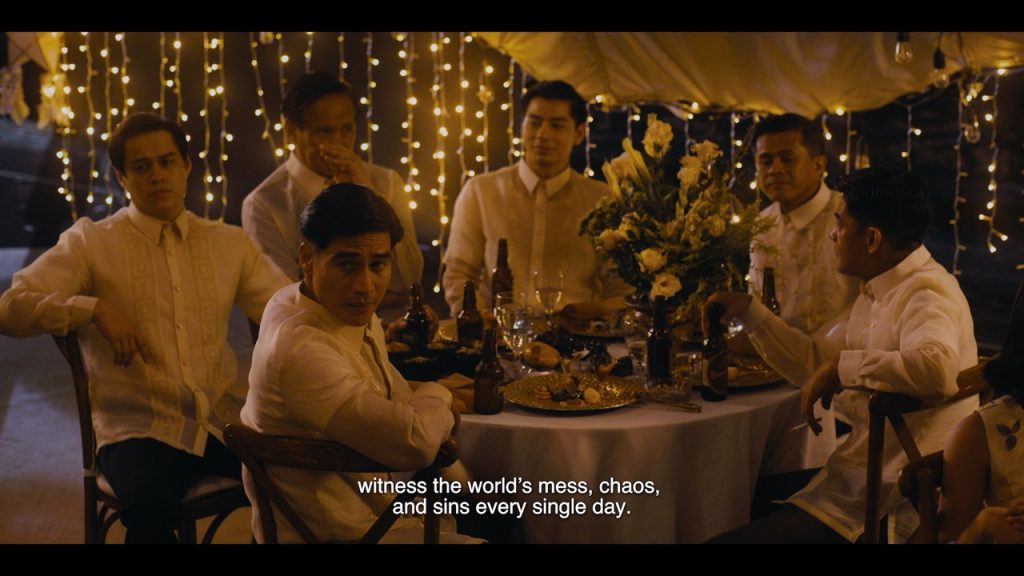
Gorgeously shot and resembling old pictures brought to life, director Raymond Red’s Manila’s Finest is a quiet period thriller that follows a policeman in the late 1960s as he observes how the city he loves is slowly changing. Gangs, corrupt politicians, and businessmen are turning Manila into a dark, unsafe city.
With lush production design by Digo Ricio, aided by visual effects to bring the full image to Manila circa late 1960s and the sharp and detailed cinematography by director Raymond Red, Manila’s Finest is a visually arresting look at a moment when things changed for our country.
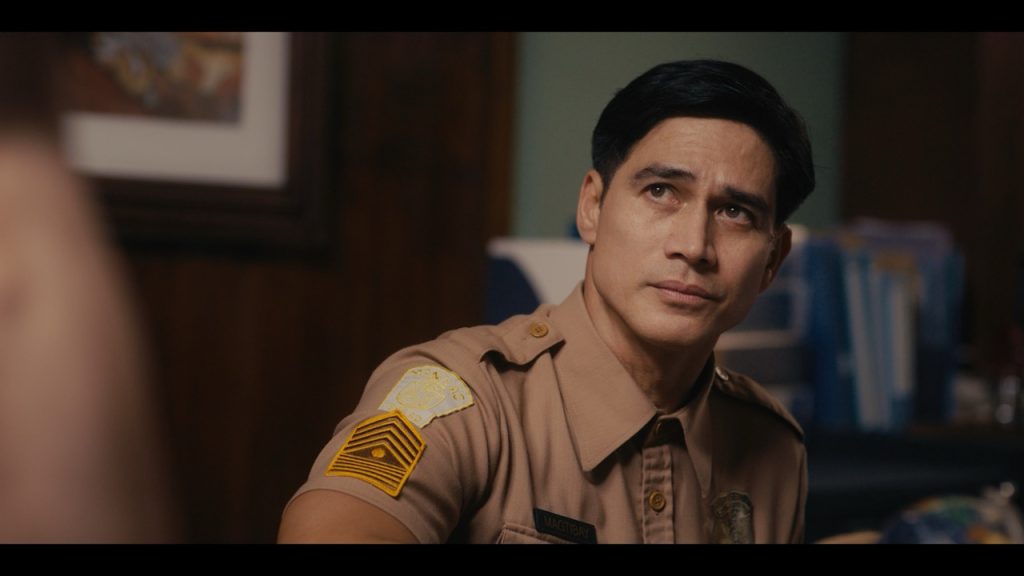
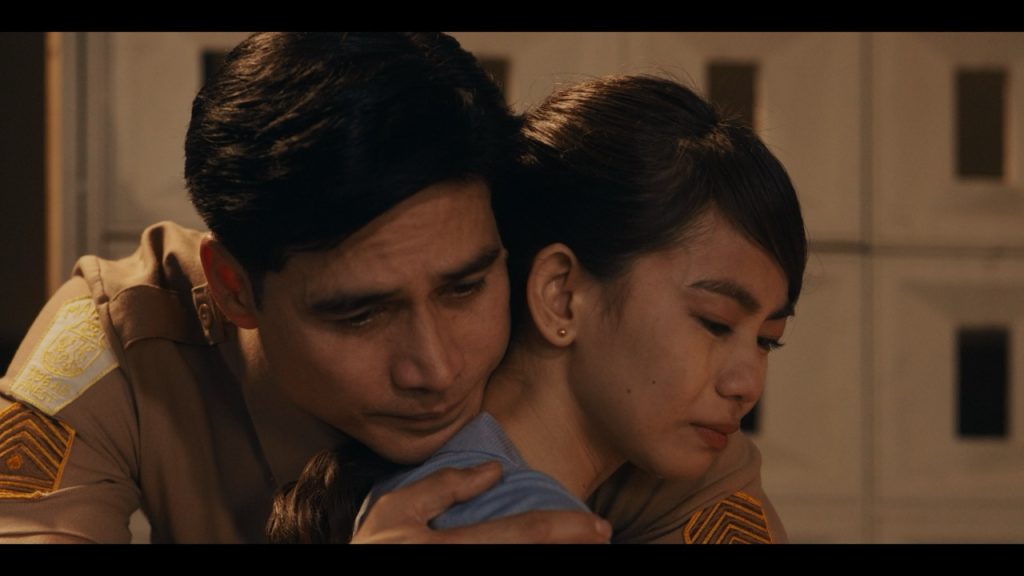
The film follows Captain Homer Magtibay (Piolo Pascual), a police officer with principles, who leads by example. He is good to his team – 1st Lieutenant Billy Ojeda (Enrique Gil), Severino Meneses (Romnick Sarmienta), and Rogelio Liwanag (Joey Marquez) – and well as his loving wife, Yoly (Rica Paralejo) and their children, and his daughter from another relationship, Agnes (Ashtine Olviga).
Yes, Homer is far from a perfect man. While he does good for his community and even maintains a having some sort of working relationship with Manila’s gang heads. But he’s not some fictional hero without faults. He’s painted as human, and this includes his relationship with a sex worker, Janette (Jasmine Curtis-Smith).
As the number of murder cases begin to rise at the same rate as the slums are growing, evidence points to a bloody feud between rival gangs. But Homer and his Station Chief, Major Conrado Belarmino (Ariel Rivera), dig deeper to find that men in power are pulling the strings. It doesn’t help that the Philippine Constabulary, through orders of the president, have started to interfere with the work of the police. Student rallies decrying the corruption that has equally risen, and Homer and his team are caught in the middle of all these changes, not just in the Manila, and invariably, across the entire country.
There’s a remarkable restraint in the screenplay by Moira Lang, Michiko Yamamoto, and Sherad Sanchez and it is so well executed by Director Raymond Red. Everything is just bubbling under the surface. The world is changing, but it’s not explosive. It’s just an accumulation of little things that puts pressure on each character’s principles and beliefs.
While the film does have a major plot to follow – Homer’s investigation into the brutal murders in the city – the film feels almost like a slice of life as it seamlessly shifts from character to character to create a feeling of what that period was like, what change can look like, and how quietly it can creep up on us, that we are all caught unaware.
While this is Pascual’s and Gil’s movie, every member of the cast delivers exceptional work, making it a true ensemble effort. Everyone contributed greatly to the mood, to bringing to life Red and the writing team’s exploration of when the dictatorship began to erode the very moral fabric of the country. What we see in the film is an ideal police force; one that cares about the people they are out to protect. People who believed in justice. But as the Philippine Constabulary begins to overlaps in their duties with the cops, and for the most nefarious of reasons for the top brass in the government, we see the deterioration of that moral center. We are given a first-hand look of how the police lost their power and their way.
Manila’s Finest is a gripping thriller and drama that explores humanity on the edge of change. It’s a look into our history from the points-of-view of people who were caught unaware by shifts in our society and it’s an important film to catch.
My Rating: 4.5 Stars
Step back into 1960s Manila and witness a city on the edge. Check showtimes and watch Manila Finest in theaters today.
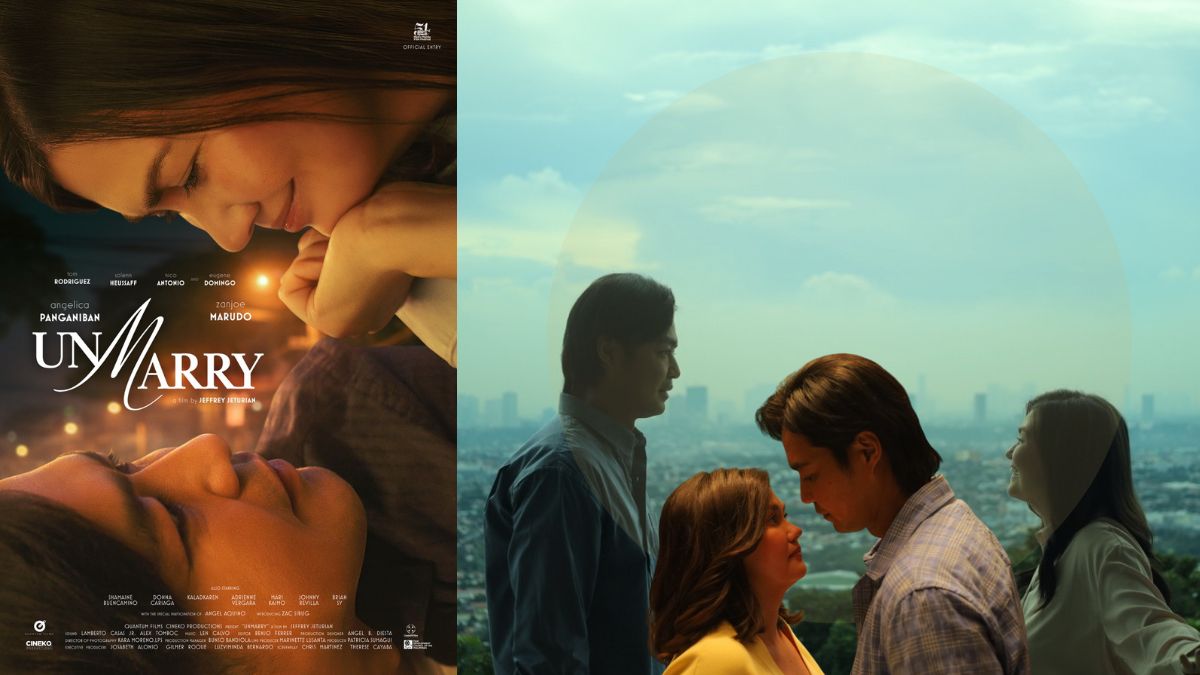
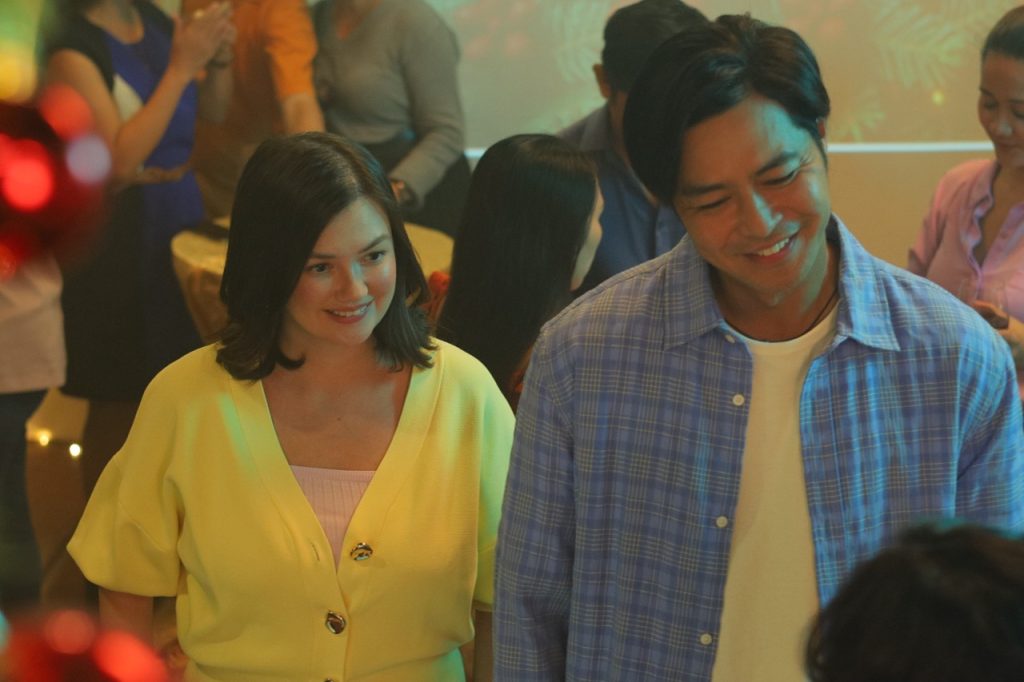
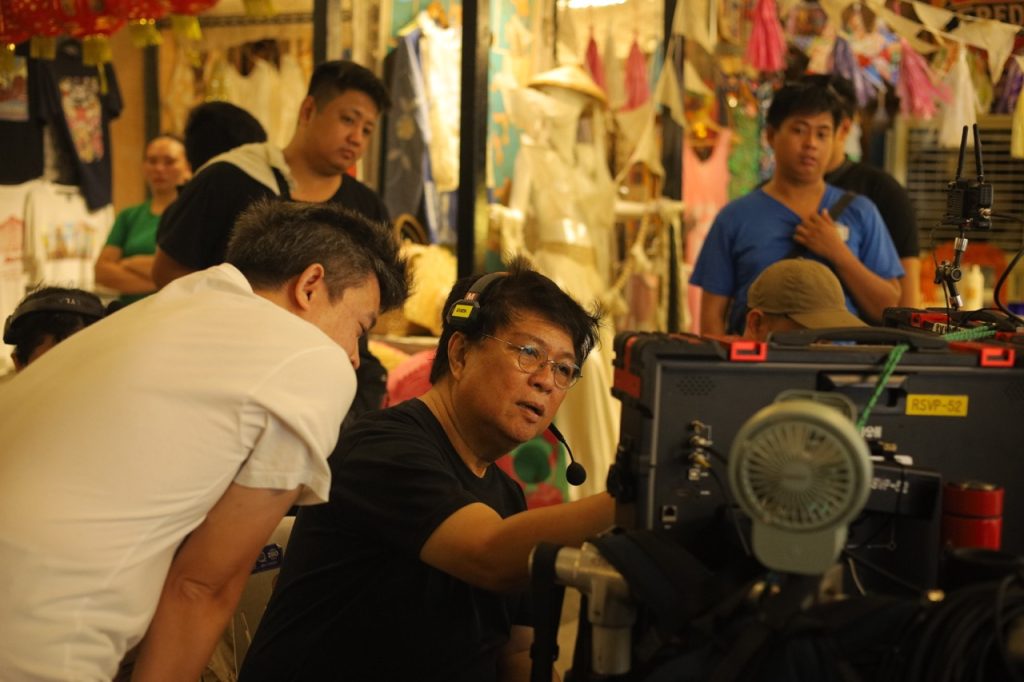
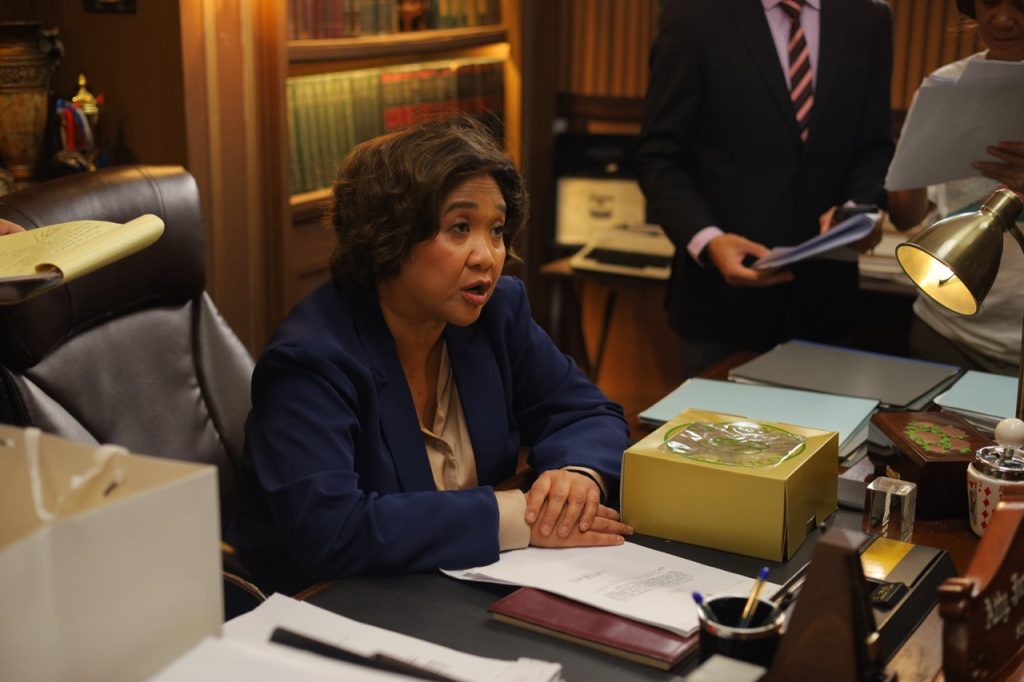
I’m a huge fan of director Jeffrey Jeturian’s work. From his earlier films like Pila Balde and Tuhog, which I teach in my class, to his gritty, award-winning film Kubrador and the hilarious satire Ekstra, Jeturian has a keen eye for detail, bringing them out to the forefront in his stories while using cinematic techniques to make these narratives touch upon universal themes. So, naturally, I was excited to see his return to the MMFF with Unmarry, a film that tackles annulment but, with screenwriters Chris Martinez and Therese Cayaba, approaches it in a very human, very Pinoy way.
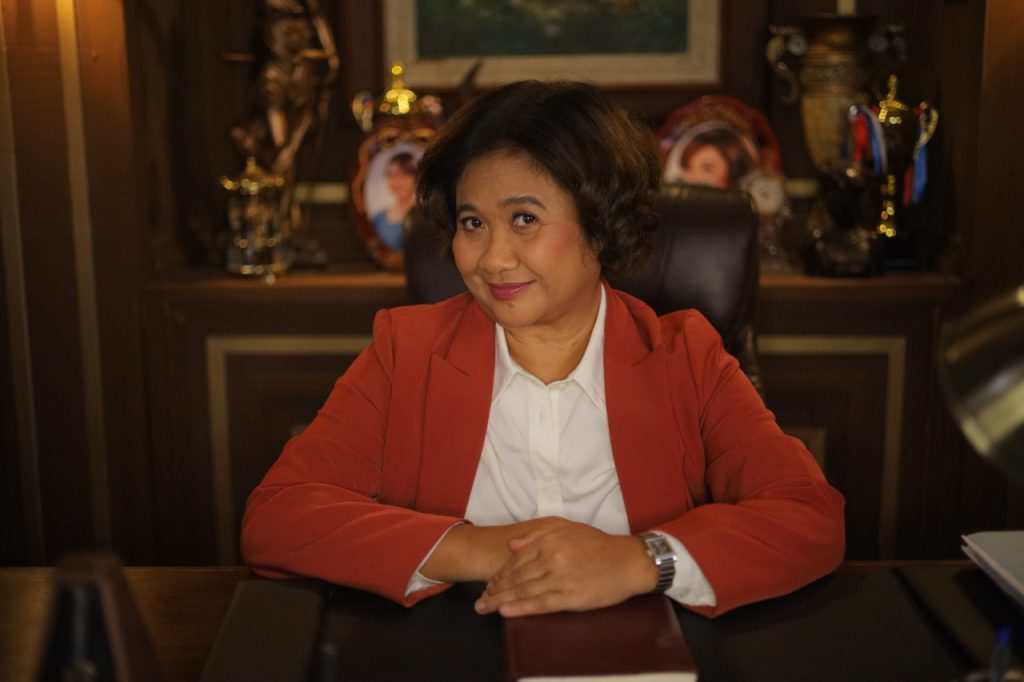
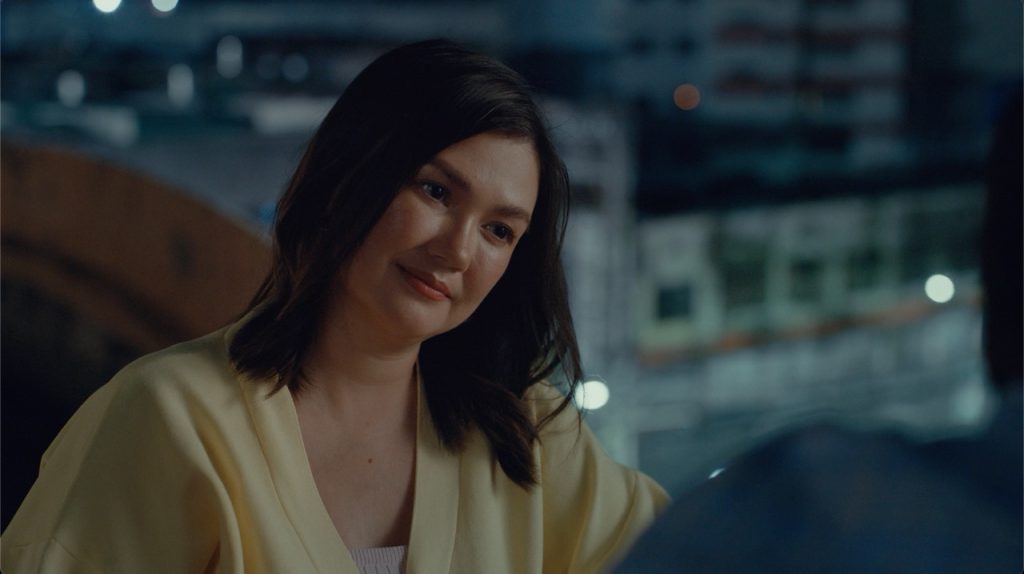
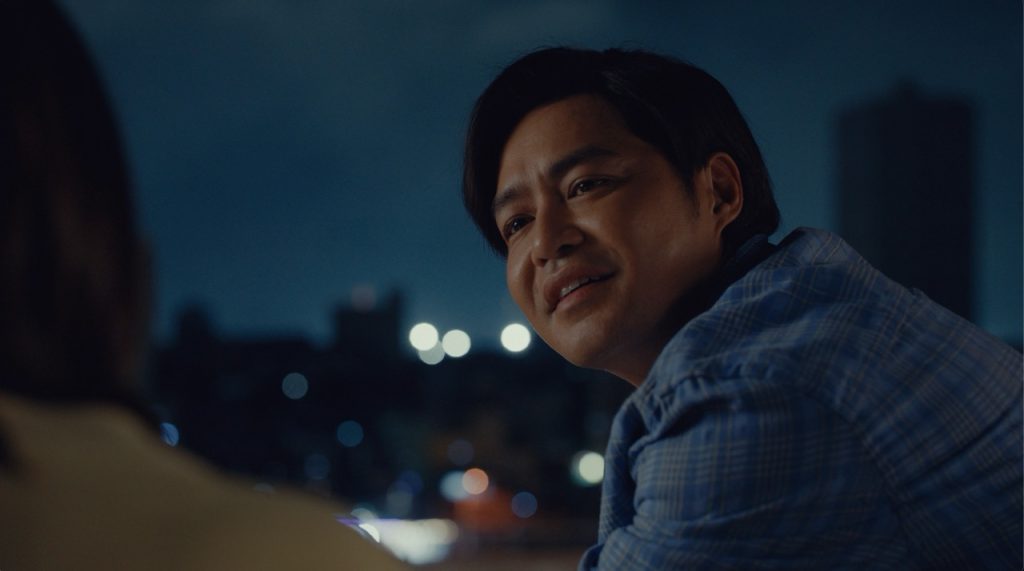
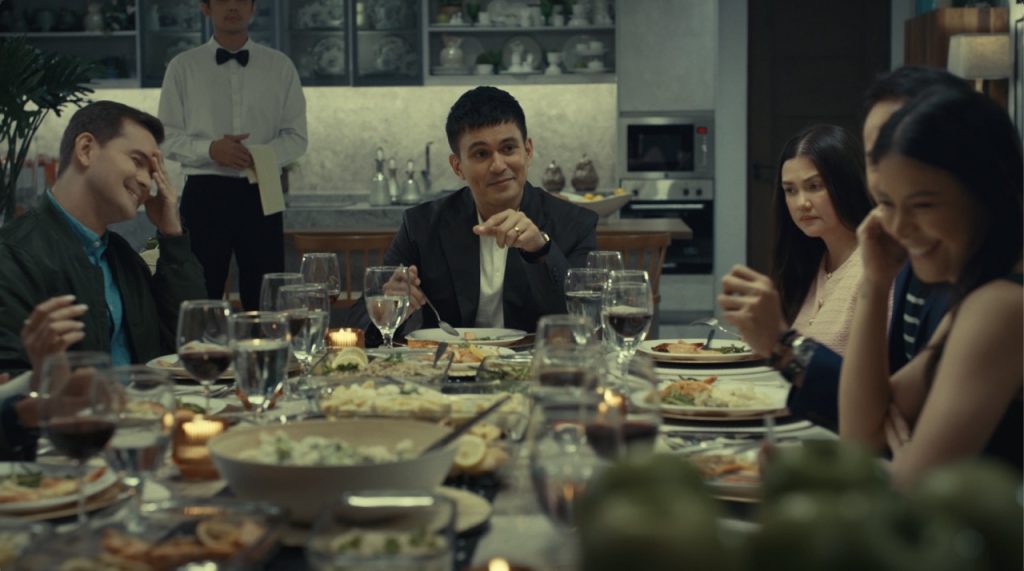
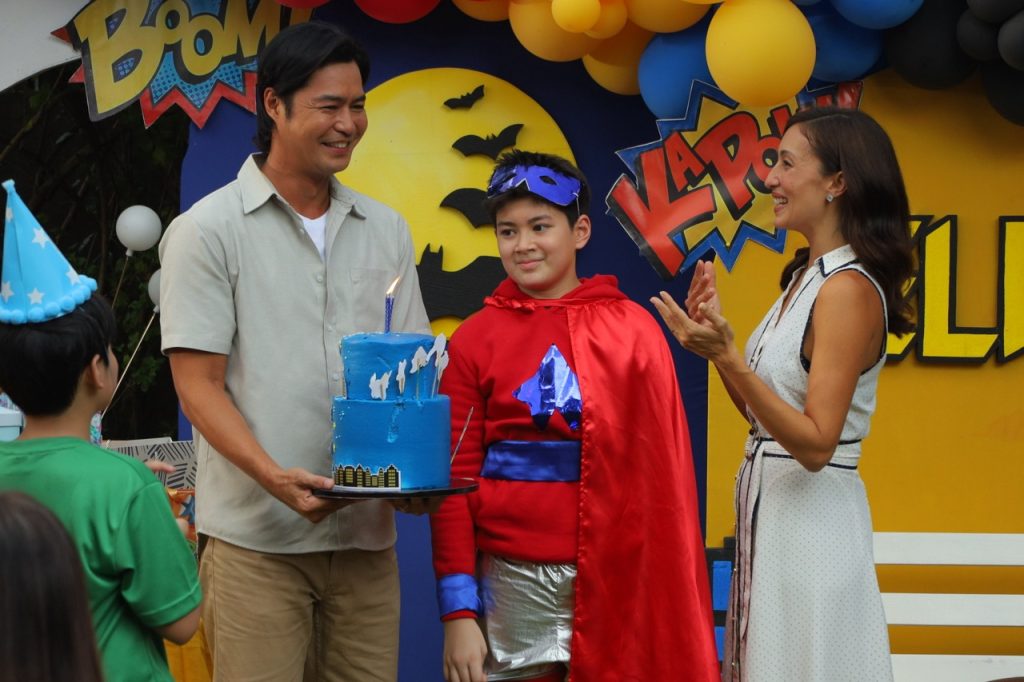
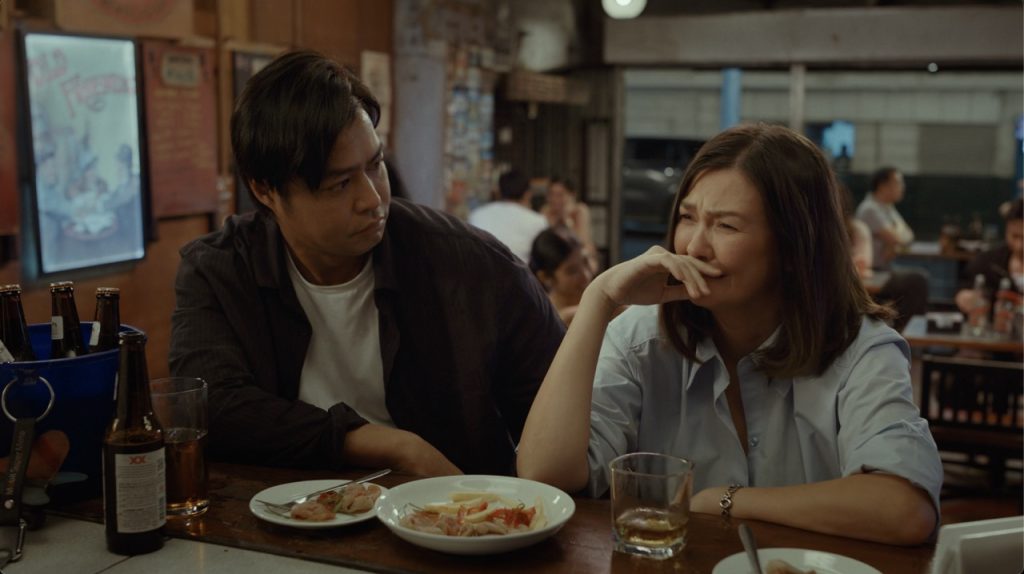
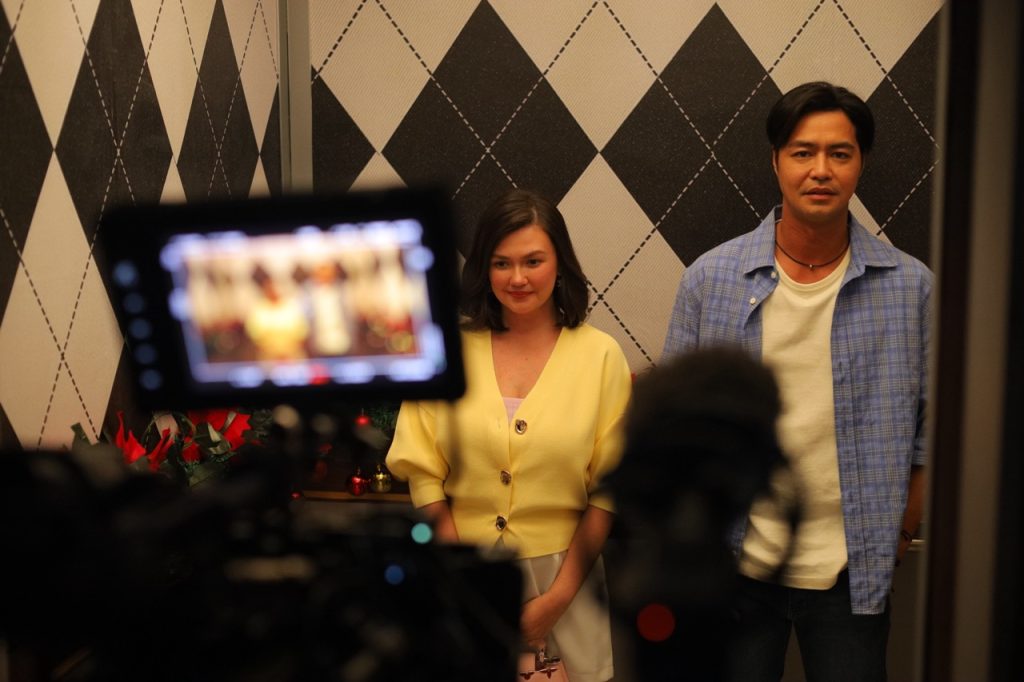
At the law office of Attorney Jacqueline Lambridas (Eugene Domingo), Celine (Angelica Panganiban) and Ivan (Zanjoe Marudo) meet in a full rom-com set-up.
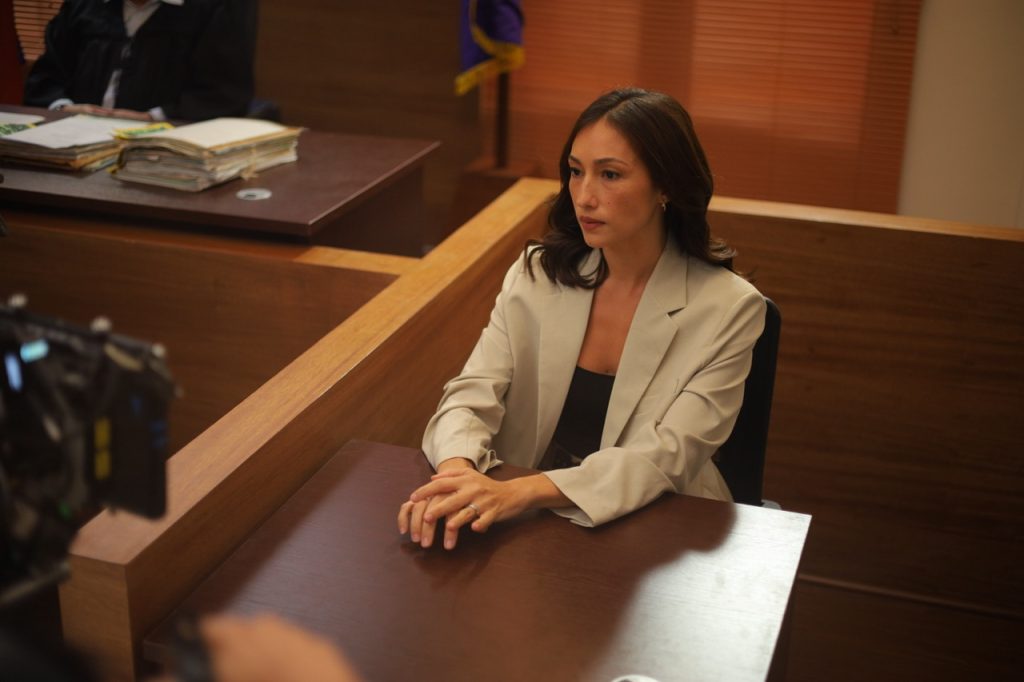
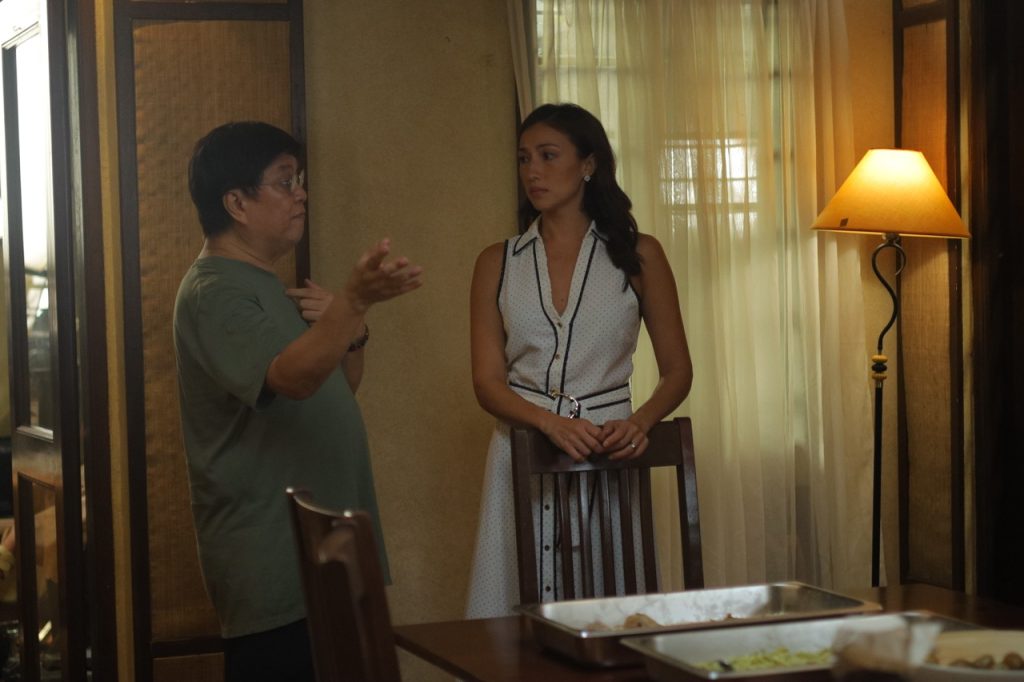
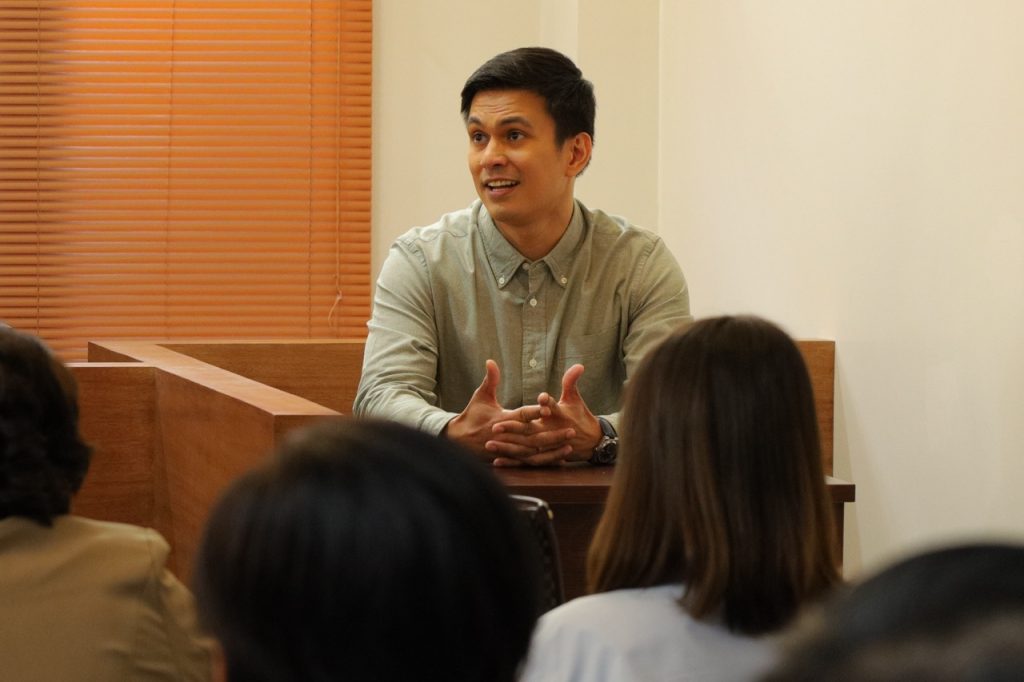
Celine is filing for an annulment from her controlling, misogynistic husband, Stephen (Tom Rodriguez), while Ivan needs a lawyer as his wife, Maya (Solenn Heussaff), is filing one for their marriage.
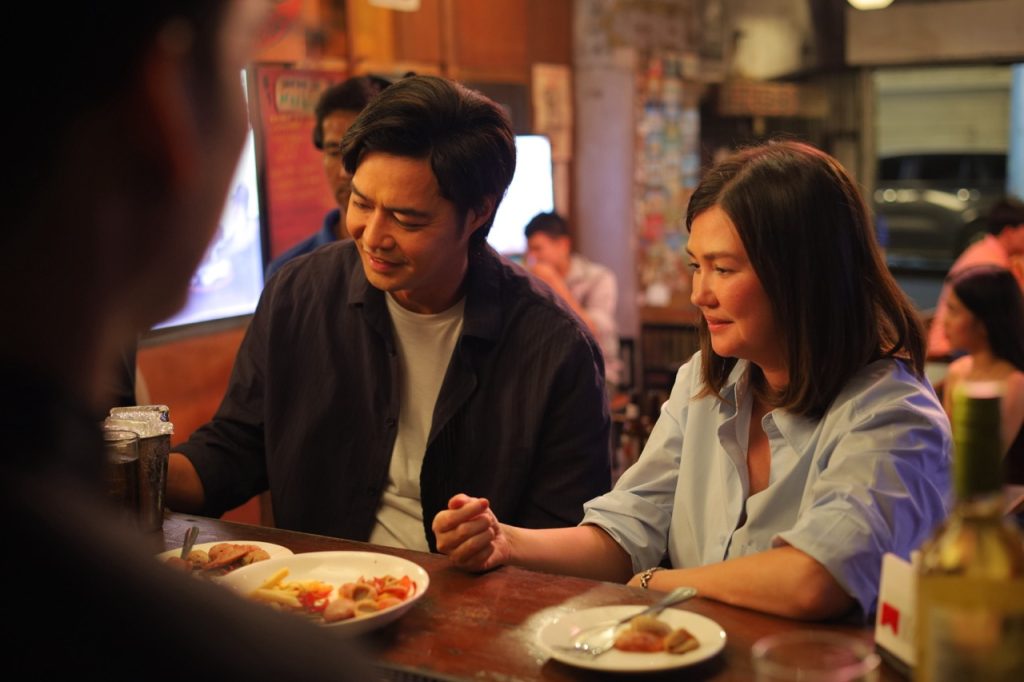
The two end up bonding over their shared predicament, though they’re on the opposite sides of the case, Celine wants to separate while Ivan wants to fight the annulment, as both find kindred spirits in each other.
The film goes through each step of the annulment process, with Celine and Ivan find themselves leaning on one another as their whole lives are laid bare out into the open: all their mistakes, their vulnerabilities, and their weaknesses come into the foreground.
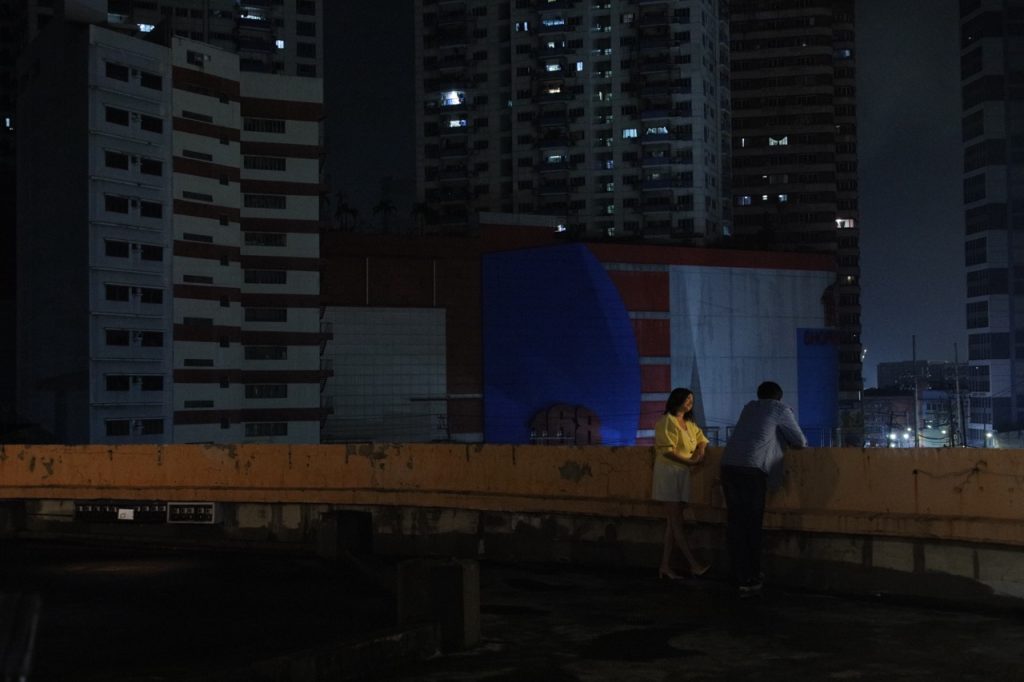
But as Celine and Ivan prepare for a serious legal battle, sparks begin to fly, and the possibility of a new romantic beginning starts to sprout between the two.
What initially surprised me in the first twenty minutes was the utter simplicity of Jeturian’s direction and the script of Martinez and Cayaba. It wasn’t what I was expecting. The mise-en-scene is quite conventional, with no complicated camera work or playful visual setups. The script could be very straight-forward, though funny at all the right moments. At first, I was disappointed, anticipating something bigger and grander.
But as the film unfolds, I realised that the simplicity of it felt deliberate. Through its clean, neat, and no-frills direction, Unmarry ends up highlighting the themes of the story, allowing the characters to be seen as human beings going through a very difficult challenge in their lives. While it has the pacing and the tempo of a commercial film, it never feels like it exploits these characters’ drama for entertainment. We see them as people, and we witness the very struggles of wives and husbands who are going through the annulment process.
Even the acting is deliberately downplayed. Panganiban and Marudo are consistently so powerful and reliable in the work that they do. This could easily sway into the realm of the melodrama, but they play it so light and so naturally that the emotions feel real. It’s very human and it’s such a delicate performance, it’s wonderful to watch.
This is also one of my favourite Eugene Domingo performances in a long time. This feels like early-era Eugene Domingo where she just played the scene as is, letting the humor come out with just the smallest of gestures and expressions, impeccable timing, and need to dig in deep. And when she has to get serious, she shifts seamlessly so that she helps the film to pivot tonally when it needs to in key moments.
Heussaff delivers such an honest performance, with none of her lines ever feeling scripted. She’s always such a strong screen presence, but in this film, she allows herself to get vulnerable without having to perform it, staying in tune with the rest of the cast.
My only issue, though, is with Tom Rodriguez’s Stephen. Rodriguez is a good actor, but his choice to play Stephen as a one-dimensional narcissist feels off-putting in a film that is otherwise so restrained. He is the film’s primary antagonist but since everything about this film feels grounded, his singular attack on a narcissism feels cartoon-y here and out of sync with the grounded tone of the rest of the movie.
Someone very close to me has gone through what Celine has gone through, so watching this movie really hit home for me. All the emotions, the struggle, the self-doubt felt very familiar to me. I found myself recalling all the late-night talks with this person as I was watching the film and I cannot stress how wonderful it is to see this movie present these issues in a restrained and non-judgmental way.
The way the whole cast and crew juggle the tonal shifts, jumping seamlessly back and forth between comic and tragic, amplifies the human aspect of these events. The film makes no prescription about marriages that are falling apart. Some characters are for it and some characters are against it; the aftermath of which are the character’s own rewards or consequences that they have to face. It’s up to the audience to make their own decisions. And while this is a work of fiction, the authentic human experience is there for us to discuss.
I really do hope people see this film.
My Rating: 4.5 Stars
Don’t miss this charming, human take on love and annulment and authenticity of Unmarry. Check showtimes here.
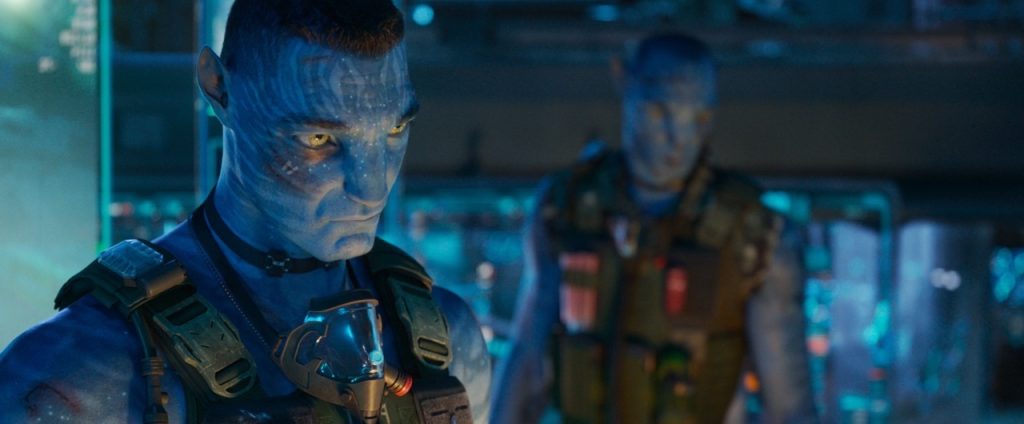
There’s no question that director James Cameron knows how to direct an event movie, a blockbuster film that uses sound and imagery to their full potential. He has delivered masterpieces like Aliens, the first two Terminator films, The Abyss, and, of course, Titanic. With Avatar, he developed groundbreaking filmmaking technology innovations to create a truly magnificent alien world for us to be immersed in, best experienced in 3D IMAX cinemas, regaling us with an epic adventure in a foreign world. The first two films in the franchise opened our eyes to how cinema can transport us to new places and make us feel them, all while sitting comfortably in a movie theater with popcorn and a cold drink in hand.
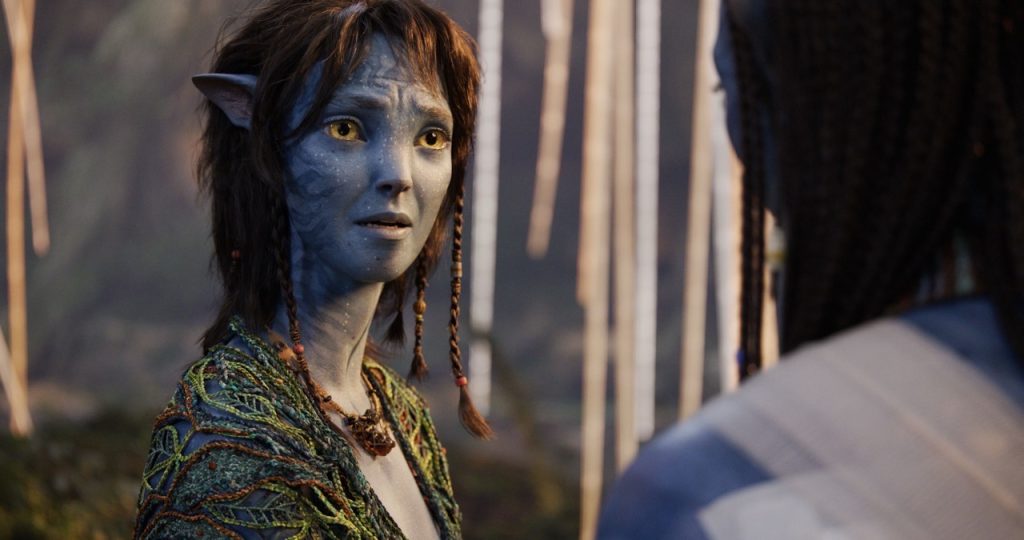
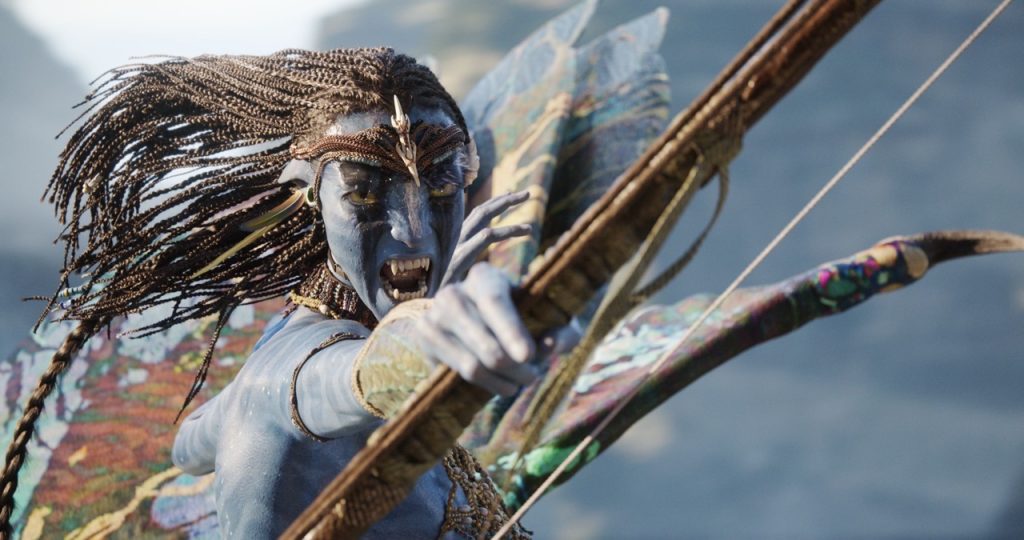
In Avatar: Fire and Ash, we continue to see Cameron pull us further and deeper into the world of Pandora and the adventures of Jake Sully (Sam Worthington) and his family with the Na’vi, Neytiri (Zoe Saldaña).
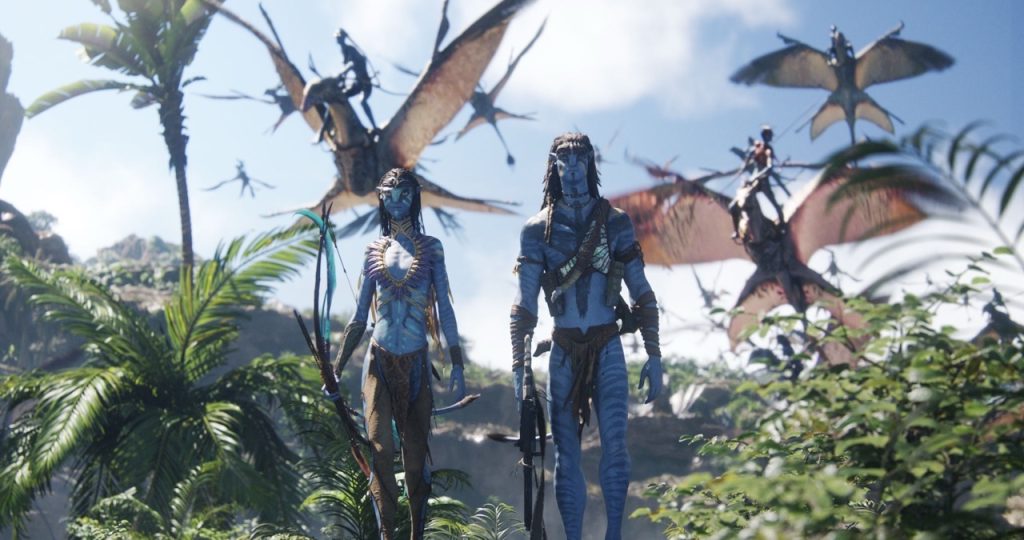
He once again brings us to through the skies and beneath the water, deep into the forests (or is it jungles) of Pandora, and shows us the natural habitats of various Na’vi tribes as well as the antiseptic, metallic human settlement in the planet. The humans, through its enforcer Colonel Miles Quaritch (Stephen Lang) continue to hunt down Jake and his family for leading the Na’vi against them in the previous movie, while helping the rest of the human settlement try to mine and exploit the planet’s resources for their own gain.
A lot of what is happening in this movie is merely echoing what has happened in the previous installments. Similar themes continue to be explored though it doesn’t say anything really new. Where it expands is tracking the emotional struggles that Jake’s family is going through as they are grieving after the loss of one of their child, Neteyam, in Avatar: The Way of Water. Jake and Neytiri aren’t the inseparable couple they once were in the first two films, and Jake’s human way of dealing with grief goes counter that with the Na’vi way. He estranges himself with his children, especially Lo’ak (Britain Dalton), who he cannot bring himself to believe that he blames for Neteyam’s death. At the same time, their adopted child Spider (Jack Champion), the only human born and raised in Pandora, living off an oxygen mask, has become a source of anger and frustration for Neytiri. She wants to see all humans destroyed, and despite raising Spider as one of her own, he has become a stark reminder of how they’ve taken everything from her.
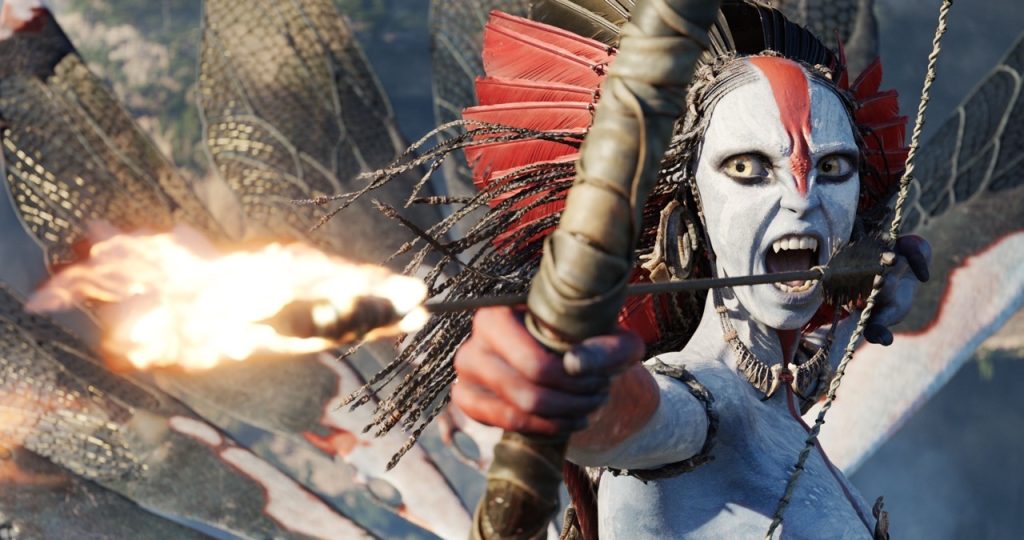
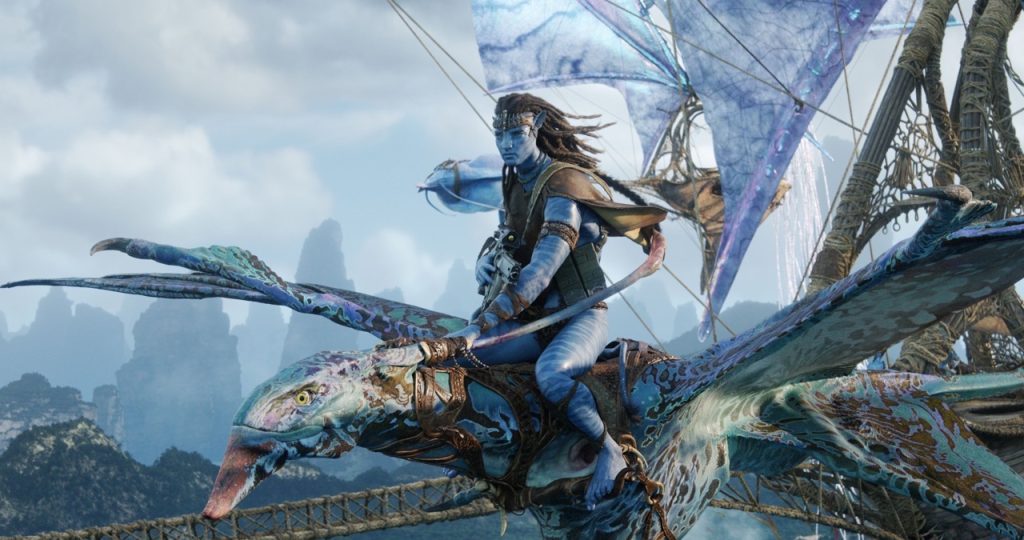
The first hour of the three-hour-and-seventeen-minute epic adventure finds the main characters acting out of character. They’ve taken the loss to heart, making reckless choices – especially the Na’vi children – and are on the verge of completely unraveling as a family. It isn’t easy to watch, but luckily, the visual world of Pandora is still quite an exquisite view from Cameron’s lens. He now opens up for us the idea of Na’vi traders, traveling by air ships pulled by flying whalelike creatures. Aside from traders, Cameron also introduces to us the Mangkwan clan, a fierce tribe of Na’vi who have cut their ties with Eywa and are deadset in turning other Na’vi tribes into ash. The only character who seems collected enough to root for from start to finish is Spider, who seems to act rationally in the face of all this emotional turmoil. Consequently, his continued relationship with the Na’vi, particularly with Kiri (Sigourney Weaver), brings him to a dramatic event that turns everything over its head and puts the focus onto him.
Once again, Cameron proves he knows how to fill a screen. On 3D IMAX, the film is a stunning spectacle from start to finish. He plays with frame rates so that in dramatic moments, intimate moments, the film looks like a movie, but it shifts to a higher frame rate during action sequences and air or underwater sequences to try and become more immersive. At first, it can feel jarring, but after a while your vision adjusts, and you take it as normal. Cameron is a classic filmmaker, so the direction is clear and flows easily. You know where everything is and there’s an order to the action sequences, making them thrilling and interconnected – especially the massive battle sequences toward the end.
For three hours and seventeen minutes, the film, as one reviewer puts it, “is never boring.” But the script by Cameron, Rick Jaffa, and Amanda Silver (with story credits going to Cameron, Jaffa, Silver, and Josh Friedman, and Shane Salerno) is the weakest part of the movie.
While the film adds layers and textures of racism (this time from Neytiri’s side as she lets her grief get in the way of her relationship with Spider) and makes surprising character dimensions with Quaritch, the film doubles down on themes they’ve already presented in prior installments. Its portrayal of teen angst and rebellion is overplayed and has been done so many times before that it never really feels fresh and new.
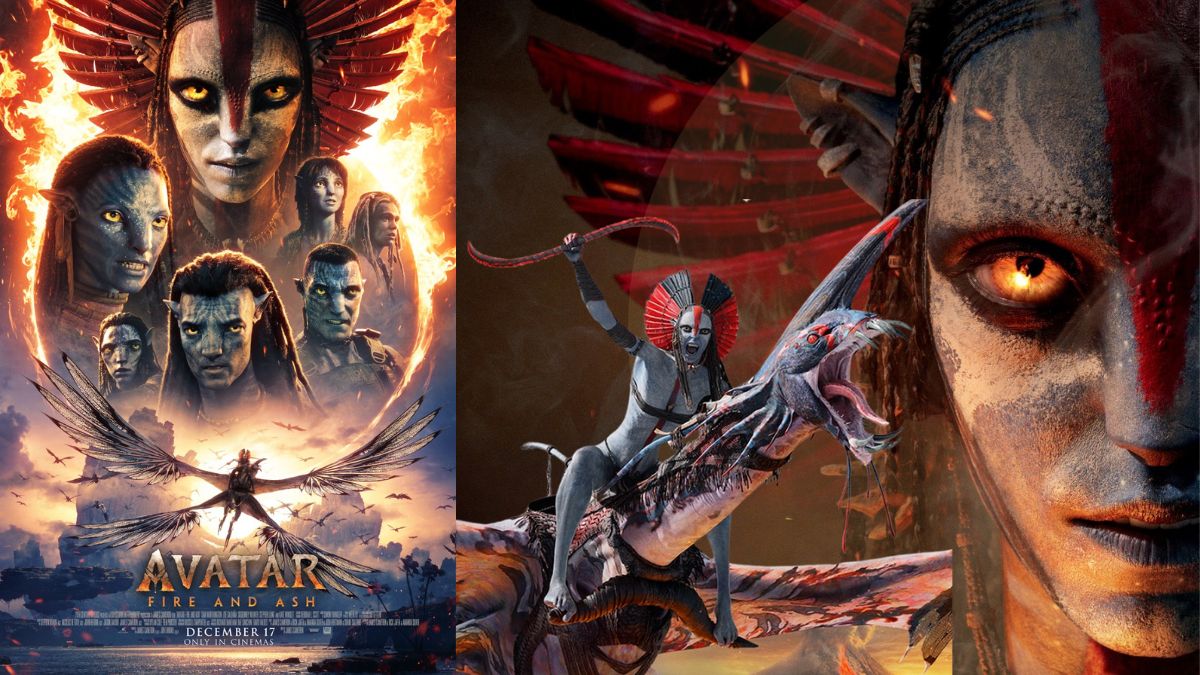
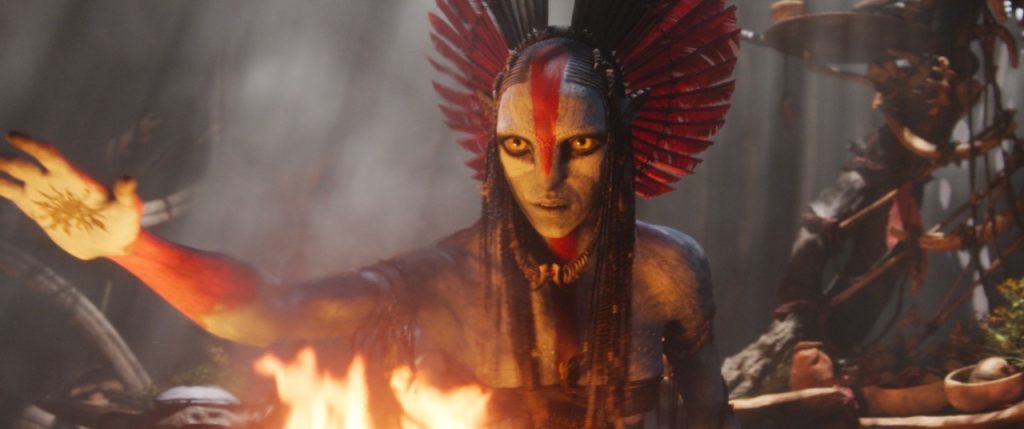
The most interesting new dimension, the Mangkwan clan and their fierce and impressive leader Varang (Oona Chaplin), doesn’t get the full attention it deserves because it’s a shared antagonist role with Quaritch and the humans. Varang and the Mangkwan feel like they should have their own film in the series, not sharing it with Quaritch and the rest of the corporate, greedy humans.
Despite my extreme resistance to the script, I find that Avatar: Fire and Ash is still a fun film to watch, especially with a packed audience because it’s old-school event filmmaking at its core. There are scenes that got the whole audience clapping and cheering. It was meant to be awe-inspiring and to be marveled at, a real event on the big screen.
My Rating: 3.5 Stars
Ready to return to Pandora? Check showtimes and catch Avatar: Fire and Ash on the biggest screen near you to see the world come alive in all its epic glory.
It has been a whole year since the release of the first season of Fallout, which I enjoyed a great deal. I never played the game, so I found myself immersed in the show’s world-building – the low-key insanity of the Vault, the indoctrination and rigid structures of the Brotherhood of Steel, and the no-man’s-land aspect of the rest of the world – and how the three main characters, Lucy (Ella Purnell), Maximus (Aaron Moten), and the bounty hunter, The Ghoul (Walton Goggins) lead us into an exploration of this post-apocalyptic narrative. It was kooky and offbeat, but it also showed us a civilization frayed at the edges, which, in many ways, sort of mirrors the fraying of our modern-day society as well.
Surprisingly, it has only been a year, because after watching the first three episodes of the show, even with the recap, I’ve forgotten a lot of things already. Luckily, each episode begins with a recap that features scenes from the previous season, but I still feel somewhat disconnected again from the characters. The major shake-up in Lucy’s life – learning about her father (Kyle MacLachlan) and his involvement in the destruction of Shady Sands – pushes her to team up with The Ghoul to track him and find out the truth about his actions.
Meanwhile, Maximus, now heralded as a hero for killing the New California Republic commander Lee Moldaver (even though he didn’t), returns to the Steel Brotherhood as a true knight and hero, only to discover they may be heading into war.
Lucy and The Ghoul, by all means, should make an interesting pair, as they represent two sides of this world. Lucy is the idealistic one, raised innocently with a clear moral center as she was raised in the safety confines of the Vault. The Ghoul, whose real name is Cooper Howard, has seen the worst of it. On paper, their interactions should make an interesting match, but instead Lucy’s insistence of staying true to her values feels out of sync with everything she has seen in the previous season. She’s doubling down on her values when a person as smart as her, should be reassessing the situation considering what she has discovered about her father and what she has already experienced. While Purnell continues to deliver a wonderfully committed performance, the character feels stagnant and out of place as we move forward into the world of Fallout.
The first two episodes, however, switch into flashbacks of life before the cataclysm that changed everything, showing Cooper Howard struggling to make sense of his own wife’s involvement with Vault-Tec and witnessing the imminent nuclear destruction firsthand. This gives Goggins a lot of range to play with – the tortured Ghoul with an axe to grind and the empathetic Cooper, a father who has a daughter to save. Goggins does a wonderful job of layering his performance across both timelines. It’s the same person, yet one is full of dread, love, and hope while the other is indifferent, callous, and ready to kill.
The Maximus storyline is interesting as it explores the inner workings of the Brotherhood of Steel. Aaron Moten does a splendid job of portraying the conflict that comes to Maximus as he finds the respect and adoration he has always wanted, being a revered knight of the Brotherhood but also remembering the bond of friendship he has formed with Lucy.
This is tested even more as the Elder Cleric Quintus (Michael Cristofer) politicizes the Brotherhood and seeks to expand its power. This storyline deals with the politics of the world above, the government system, and the broader networks at play.
Through Maximus’s eyes, it is interesting to watch, as he, in his own way, is an innocent as well, much like Lucy. These challenges are poised to shake him to the core.
Walton Goggins, Frances Turner
The second season has a rougher pace than the first. Most of the world-building was already established in season one, so the first three episodes have to both remind us what happened while pushing the individual stories further along. It doesn’t help that we keep returning to the past to show how the nuclear fallout started in the first place, as if it is leading to something bigger for its finale. I’m hoping the pacing picks up and that Lucy begins to evolve into someone more suited for the world, because it’s always difficult to root for characters in a post-apocalyptic world who doesn’t adapt.
The effects are incredible, and the tone remains flippant and kooky, which is much appreciated. There’s enough action to keep the story from getting too slow. I think Fallout Season 2 may be starting off slow, but once it picks up the pace and leans on its strengths, as it did in the first season, it will be just as enjoyable as the first. Especially since the third season has already been greenlit. This is a show you know is gonna be there next year.
My Rating:
Catch all the action, kooky twists, and post-apocalyptic drama of Fallout Season 2, now streaming exclusively on Prime Video.
One of Prime Video’s biggest hits last year was the series adaptation of the popular role-playing video game franchise Fallout. The eight-episode show immerses viewers into a post-apocalyptic world, following the stories of three survivors of the nuclear fallout that ruined America.
Fallout Season Two Red Carpet Premiere Event | Credit: Phillip Faraone/Getty Images for Prime Video LOS ANGELES, CALIFORNIA – DECEMBER 08: (L-R) Albert Cheng, Vice President, Prime Video U.S., Peter Friedlander, Head of Global TV, Amazon MGM Studios, Sue Kroll, Global Head of Marketing, Amazon MGM Studios, Laura Lancaster, Head, US SVOD TV Development and Series – Co-Productions, Amazon MGM Studios, James Altman, Kyle MacLachlan, Geneva Robertson-Dworet, Todd Howard, Justin Theroux, Ella Purnell, Walton Goggins, Jonathan Nolan, Aaron Moten, Lisa Joy and Mike Hopkins, Worldwide Head of Prime Video and Amazon MGM Studios attend the Fallout season two red carpet premiere event at Academy Museum of Motion Pictures on December 08, 2025 in Los Angeles, California. (Photo by Phillip Faraone/Getty Images for Prime Video)
It follows Lucy (Ella Purnell), an inhabitant of an underground vault, who grew up there, unaware of the world above. When she exits the vault, she meets a world in survival mode and is the antithesis of what she raised for. There she meets Maximus (Aaron Moten), a squire of the Brotherhood of Steel, an order of soldiers that battles in metal suits, and later on, The Ghoul (Walton Goggins), a mutated bounty hunter transformed by radiation poisoning.
Once known as Cooper Howard, The Ghoul was an actor who become an endorser for the company that built the vaults and was alive before the Great War that triggered the nuclear cataclysm 200 years ago.
Now, the second season of the hit series arrives on December 17, and ClickTheCity was invited to a virtual roundtable interview with the three lead actors and alongside fellow journalists from across the Asia Pacific, to talk about what’s in store for the new season.
Fallout Season Two Red Carpet Premiere Event | Credit: Phillip Faraone/Getty Images for Prime Video LOS ANGELES, CALIFORNIA – DECEMBER 08: (L-R) Lisa Joy, Walton Goggins and Jonathan Nolan attend the Fallout season two red carpet premiere event at Academy Museum of Motion Pictures on December 08, 2025 in Los Angeles, California. (Photo by Phillip Faraone/Getty Images for Prime Video)
Seated side by side, the three stars showed great comfort in each other’s company. They eagerly listened to each other’s answers, and even being late into their interview schedule (they had several roundtable interviews before our session), they were enthusiastic and excited to talk about the new season.
The discussion below is a mix of ours and the other journalists’ questions:
Fallout Season Two Red Carpet Premiere Event | Credit: Phillip Faraone/Getty Images for Prime Video LOS ANGELES, CALIFORNIA – DECEMBER 08: (L-R) Kyle MacLachlan, Justin Theroux, Ella Purnell, Walton Goggins and Aaron Moten attend the Fallout season two red carpet premiere event at Academy Museum of Motion Pictures on December 08, 2025 in Los Angeles, California. (Photo by Phillip Faraone/Getty Images for Prime Video)
Do you remember how you felt when season 2 was greenlit, since it has been a while?
Aaron Moten: It has been a while since season 2 was greenlit. (laughs)
Ella Purnell: (turning to Aaron) I think we were at a wine bar, right? We were getting dinner or something?
AM: That’s right.
EP: And then Jonah told us and we cheered. And I had a feeling, but I wasn’t sure and it was a beautiful, happy moment, surrounded by this kind of little family. It was really great. I found it really emotional.
Fallout Season 2 – First Look | Courtesy of Prime
Going into the second season, were there any suggestions you were able to give for your character that you were able to implement? Now that you know your character better, were there ways where you were able to show yourselves in that character?
Walton Goggins | Credit: Lorenzo Sisti/Prime Video
Walton Goggins: There were things about Cooper Howard that I can’t get into, but we dig much deeper into who he is. We pick up where we left off last year with the realisation that his wife might be the principal architect of the end of the world. And it was about talking with the writers about his journey and what is ultimately revealed and how best to get to that point. There were a lot of discussions back and forth about the relationship between Frances Turner, who plays my wife Barb, and it was a lovely collaboration. I can’t wait for people to see that side of the story.
Speaking of revelations, there were several revelations your characters discovered at the end of season one. How have those revelations changed your characters coming into this second season, without spoiling too much?
AM: Yeah, right. Because a SWAT team will come in and take us out.
(Ella Purnell laughs at the joke)
AM: It’s a beautiful thing that you are touching upon here because we are just at the beginning of our story. Thankfully. We are so happy to be doing the second one and finally get to be showing it to a wide audience and we are excited about getting into a third. But it’s a beautiful thing to know that these experiences that we have now been sharing together are changing these characters. And that where they are going is this mystery and I’d like to fantasize that we might not recognize them by the end of it from where they started. This is still the beginning. I just loved getting into season 2 because we are expanding these themes. We just come out of the overture and we’re now in the first movement, you know what I mean? And there are new players at the board. I was also obsessing about [Justin} Theroux and what he’s done and Kumail [Nanjiani] and Macaulay Culkin joining our show. We get a lot more and we have more to say this year and it is super exciting, all the growth these characters have.
I’ve seen how much excitement you guys have in talking about this show in season one and now in season two. Why does this show mean so much to you, in terms of making it and the story?
(They discuss amongst themselves who would take the question. Goggins asks if he could and Purnell says she has a take, but he should go but then Purnell takes it while everyone laughs)
EP: We were talking about this today at the car. This show has changed my life on so many levels. It’s so incredibly, creatively fulfilling. I’ve learned so much in my personal life and I’ve become a better actor and I’ve met some incredible life-long friends. The reason I talk about this show so much with pride and excitement is because of how deeply it has shaped me. And how deeply it has touched me in so many ways. I carry this character in me. And I will forever. It’s been an incredible, emotional– and it’s not done! We’re doing it again! And it’s going to keep going on and keep evolving and hopefully, fingers crossed, touch wood, it will be with me in my thirties and for many more years. I think about when I hear the fans of the game, you know it’s been twenty years since this game has been around, and thousands of people have shaped this game and this show. We have 700 crew. We have an incredible ensemble. You know fathers have played it with their sons and fathers have played it with their fathers. People get emotional when they talk about this game. This is a global community and to be even a tiniest part of that, like, that’s incredible. It’s mind blowing.
How do you feel about your character’s growth looking back at season one again?
AM: I’m very excited about it. I don’t know. Maybe my excitement is… (thinks hard) It’s really interesting to do films and obsess over one script. Right? It’s one way we tell a story but we get eight scripts in every season of this show. And I love that we created this world where I’m not bored… as an actor. And I don’t mean that I’m easily bored but I do just think that if it were the same I would lose my taste for it. I like new problems to solve. I get excited about the development because it is what keeps me invested in what we put together. And not just the story but in how I’m evolving as an artist. Sometimes it’s even hard for me to talk about season two. It is the past for me. We are about to share it with the world but I’ve already moved on. Sometimes, even that can be challenging. But I know that it is going to keep growing and doesn’t necessarily mean in the linear way with how these characters develop. But it is exciting.
After watching the first three episodes, it would be interesting to ask Walton who he prefers playing, Cooper or the Ghoul? Because they are two different people. What was that like?
WG: You know, you can’t have one without the other, right? And I enjoy both. One of them takes two and half hour on the [makeup] chair and the other takes about eight minutes on the chair. But Cooper Howard is going through a lot this year and he’s a man who is having his entire – much like Lucy, in a way, coming out of the vault – I never really thought or talked about it in this way. Like Lucy comes out of the vault in season one and the world that you thought you knew is not the reality of what the world is and that is a journey that Cooper Howard is on. And it is chaotic. It just doesn’t make sense to him and it was so delicious and so complicated and so dark, going to work, even when it’s funny. And then anytime I get to put on that jacket and those spurs and walk in the desert as the Ghoul, man. (laughs) Look. Look. I love everything about this show. The question before this, it dovetails into this: about why we care so much about it? Because if we don’t care than nobody else will care. But if we do care, then maybe everybody else will care. And more importantly, it’s because this is what I love to do most in the world. I don’t know how not to care about something I am a part of. I wouldn’t be here if I didn’t care. And just to speak to that, very specifically. You guys have seen the first three episodes but this journey that Lucy and I go on, it’s fun to think “Oh it’s two actors on a fucking road trip.” Well, who gives a shit? I’ve seen that movie, right? But then I see two people: one, who doesn’t even know how to have a conversation with another human being, you know? He doesn’t do that. And the other doesn’t know where she’s going or what she’s doing. They are in two completely different spaces. One is an optimist and the other is a nihilist. And eventually, she is thinking “I will or vice-versa” but that’s irrelevant to me. We had the most fun. There was one morning when we first started, Ella and I were walking next to each other – this is just an example – and then Ella said “wait a minute, why are we walking beside each other?” Because it’s easier for you to get a two-shot? Why am I walking next to him? (looking at Purnell) And I was, like, “Yeah? Why are you walking next to him?”
EP: They would not walk next to each other!
WG: They don’t. They’d drift back and forth. Right? They have to earn that proximity. And we messed with all of that and thought about who is the first person to speak. It was Lucy. What was the first time the Ghoul answered? What was the first thing out of her mouth that the Ghoul had a response to. And what was the first question the Ghoul asked her about her life?I just get obsessed about thinking about the reality of any situation and that’s a long-winded answer to the question you were asking.
Last month, Disney+ unveiled its new slate of streaming shows at a major press event in Hong Kong. The President of the Walt Disney Corporation Asia Pacific, Luke Kang, announced how there’s a stronger push to leverage Disney’s global market to highlight Asian series, specifically Korean and Japanese shows. He also cited that anime, as a genre, has seen a significant 60% growth in countries outside the Asia Pacific region.
Their big Christmas gift? A lot of new and exciting anime shows are premiering next year, along with new seasons of well-loved shows will be seeing new seasons in the coming months.
Here’s a rundown of what to expect in the coming weeks:
Merry Berry Love (working title)
A Japanese and Korean collaboration, this romantic comedy stars Ji Chan Wook and Mio Imada and follows the story of a “botched Korean designer and a Japanese farmer who begin an unlikely co-farming journey on a mysterious island in Japan.” The two stars attended the event and shared the experiences working on the project. Ji Chan Wook stated how he enjoyed the premise of his character and was excited to work in Japan, while Mio Imada talked about the language barrier, which is an integral part of the story element in the drama and how she studied K-drama romcoms to prepare for her role.
There’s no official release date yet, and the title is still a working one as the team continues to finalize the episodes, but it is expected to be released next year.
Cat’s Eye (Season 2)
The popular anime’s second season has been confirmed. The series follows three sisters who run a cafe as a cover for their other job, which is to retrieve their father’s art collection, which was stolen by an underground art broker syndicate known as “Cat’s Eye.” Things get messy when one of the sisters starts dating the detective assigned to the Cat’s Eye case.
Season 2 premieres on December 26.
Tokyo Revengers: The War of the Three Titans Arc (Season 3)
The hit anime, part of Disney’s long-standing partnership with leading manga publisher Kodansha, will premiere its third season in 2026. The new season will reconcile the tragic events of the previous season’s epic feud, as characters carry their grief into the future. As the characters confront their inner demons, the world will enter the “Three Titans Era,” where three powerful teams will vie for supremacy. This sounds incredible and will give everyone a chance to catch up as Disney+ promises that the “final revenge begins.”
Travis Japan Summer Vacation! In the USA
This unscripted series follows the seven-member Japanese global group Travis Japan as they travel across America for a 10-day well-deserved summer vacation. Two members of the group were present to talk about their upcoming series. Umi revealed that viewers will get to see a different side, more authentic side of the band, while Genta talks about how the band had travelled previously to the US to study for seven months but now they get to really immerse in that world and see the landscape and culture.
The reality show is set to premiere in the summer of 2026.
Medalist (Season 2)
Another collaboration between Kodansha and Disney, the second season of this anime follows Tsukasa Akeuraji, a failed figure skater, who meets Inori Yuitsuka, a young girl with big dreams but whose parents are pushing her to give them up. Impressed by her determination, Tsukasa takes Inori under his wing and works together to become world-class medalists. Reports have been made that former Olympic skater Rika Hongo will provide motion-capture performances for the skating, with choreography by former Olympic skater Akiko Suzuki.
Medalist season 2 premieres on January 24, 2026.
Death Stranding Isolations (working title)
Based on the popular video game by legendary game creator Hideo Kojima, Death Stranding: Isolations will be a Japanese anime series that tells an entirely new story set in the world of the game. According to director Takayuki Sano, the show will be able to stand side-by-side with the game and promise stunning visuals and imagery as the anime will feature 2D hand-drawn animation. Hideo Kojima, who attended the press event with Takayuki Sano, explained that he wanted even those who haven’t played the game to experience the world he created, and asked the director to utilize anime’s storytelling strengths to tell the story in a fresh way.
No release date has been announced yet, but the anime is already in the works.
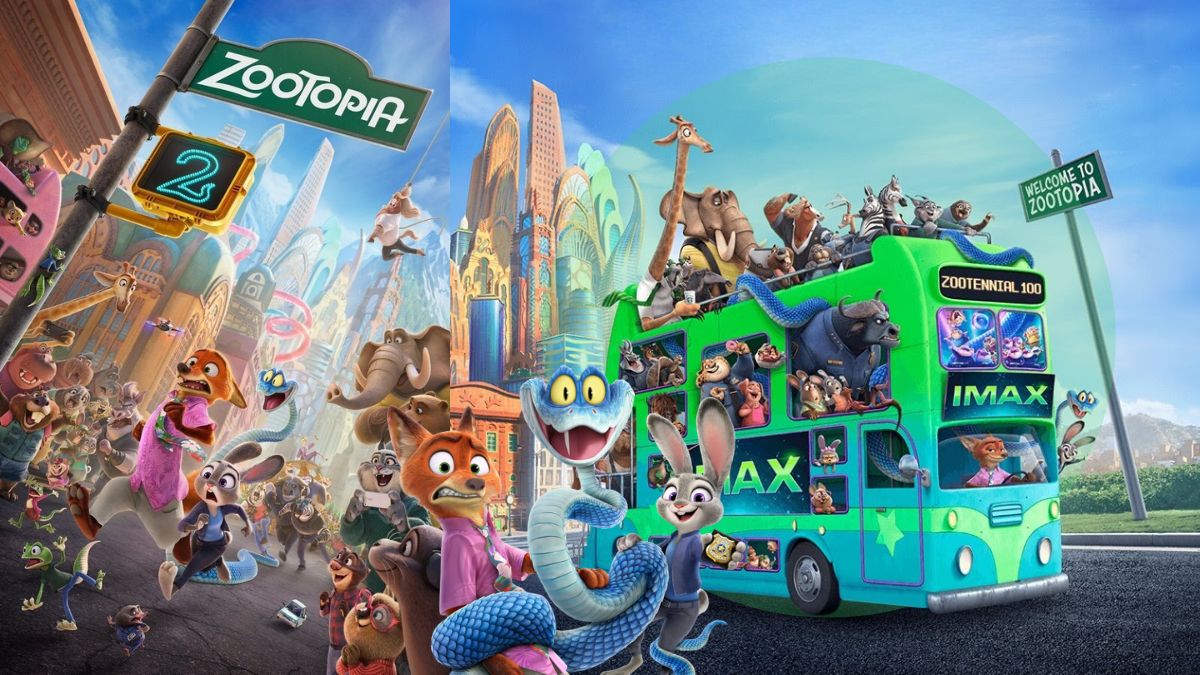
The strongest element in Zootopia 2 is its world-building and how it connects the expansion of the Zootopia geography and politics with an allegory of our current global condition. Zootopia was already a rich world from the first movie but the second one dives deeper into its history and is unafraid of relating it to real-world issues like erasure, discrimination, and xenophobia (in this case, amongst other species). When the movie revolves around this, it really finds its center and shines. However, the film can get pretty chaotic, and the character dynamics, which thrusts the narrative forward, is a disjointed discussion that favours one character’s flaws over another that can be misinterpreted in many ways.
Following directly after the events of the first film, Zootopia 2 continues the story of Judy Hopps (voiced by Ginnifer Goodwin) and Nick Wilde (Jason Bateman), who are now partners in the Zootopia Police Department. Having saved the city, all eyes are on them but their personalities constantly clash, and Judy’s overbearing need to prove herself constantly puts her in the ire of the police chief and the rest of the department.
After a smuggling bust goes awry, Judy finds evidence that a snake may have entered Zootopia. Snakes, and other reptiles, have not been allowed in Zootopia for a hundred years. But after the mishap in the smuggling case, Judy and Nick are sent to partner therapy, but Judy goes on the case anyway to discover a snake (Ke Huy Quan) has gotten into Zootopia and he wants to steal a journal from the Lynxley family, a rich and powerful family in the city.
Throughout the film, Judy and Nick are constantly bickering. Judy is deadset in solving the case, while Nick is more than willing to let it go so as to not get into any more hot water with the chief. Throughout the film, Nick is constantly being led into trouble and danger because Judy is sure that something wrong is happening and she will save the day no matter what the cost. Considering the film is talking about partnership and trust, the film feels skewed towards favouring Judy over Nick. We are led to believe early on that Judy is right, so the film absolves her when she puts herself, Nick, and others in danger just to assuage her sense of right and wrong. It favours her gung-ho, no holds barred approach and never seems to take into account that Nick is doing everything in his power to keep Judy from getting into more trouble than she already is. The film talks about equal partnership but throughout the movie, it seems like Judy keeps taking and Nick has no choice but to follow along. It doesn’t feel equal to me, and it feels off considering this is a movie that is also pushing for cooperation, consideration, and true partnership.
I also find the film’s opening, Judy going against orders, to be such an overplayed trope that really needs reconsideration. The maverick stereotype, who is never truly humbled, is not an ideal example to show children.
Aside from that, Zootopia 2 really hits hard with its metaphor about racism and oppression; how the ruling class can rewrite or erase history while maintaining power, all in the guide of polite society. The movie also takes us down to Marsh Market, a district occupied primarily by marine mammals and that world is so interesting and such a fine contrast to the cosmopolitan allure of Zootopia. It feels rural or provincial and less elitist and when we see the world of the reptiles, the symbol becomes quite clear. While it is easy to relate Zootopia and its push back against reptiles as America versus minority races, this can be compared to any such sort of prejudice or divide, be it gender identity or preference, race, religion, or other divides.
The animation is beautifully rendered, allowing the world to truly come alive and engaging both kids and adults alike. There are quite a bit of action and a lot of gags, some are good and evoke laugh out loud responses while the others can get gimmicky. Regardless of my misgivings about the central dynamic between Judy and Nick, Zootopia 2 still has its charms and if they can continue to explore the other areas of Zootopia with the same way they did in Marsh Market, a third installment would be warranted.
My Rating:
Don’t miss the adventure, Zootopia 2 is still in theaters! Get your tickets today and join Judy, Nick, and the rest of Zootopia for an unforgettable adventure full of laughs, action, and stunning animation.