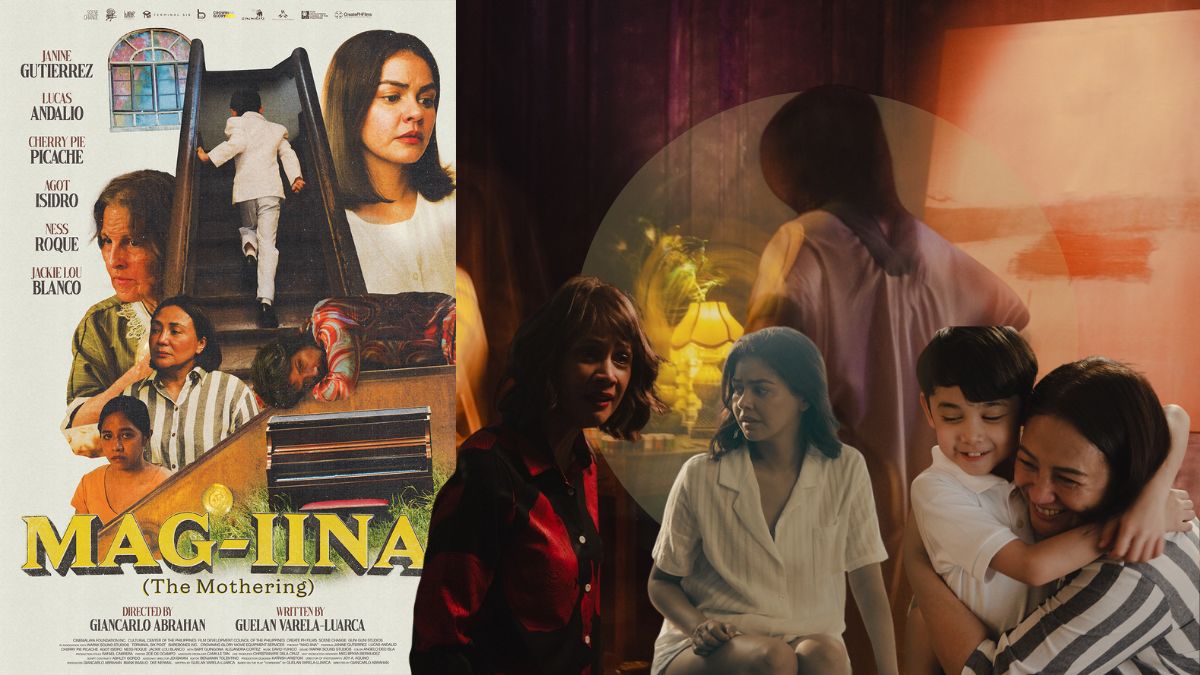
I love a weakness for twisted, off-kilter movies that mess with your mind. Directed by Giancarlo Abrahan and written by Guelan Luarca-Varela, adapted from his own play ‘Corridors,’ Mag-iina is a gothic family-drama and horror movie that starts off grounded and begins to build slowly and slowly, getting weirder and darker as it gradually peels back its layers, eventually what is left is the realisation that underneath it all is a deeply rooted brokenness that needs to be looked at. On the level of a horror film, Mag-iina already succeeds. The tension is palpable. Set almost entirely within a decaying and old provincial mansion, the central family dynamic is grotesque in its dysfunction. Yet what makes the film even stronger is its sharp political metaphor that calls out one of the many ills of this country.
The story begins with Anj (Janine Gutierrez) returning from abroad to mourn her father’s passing. It is near the 40th day since her father’s death, and she has come home to their fading mansion in the province. There she finds her mother Mita (Agot Isidro) slipping into madness, desperately hoping to see her late husband again, even as a ghost.
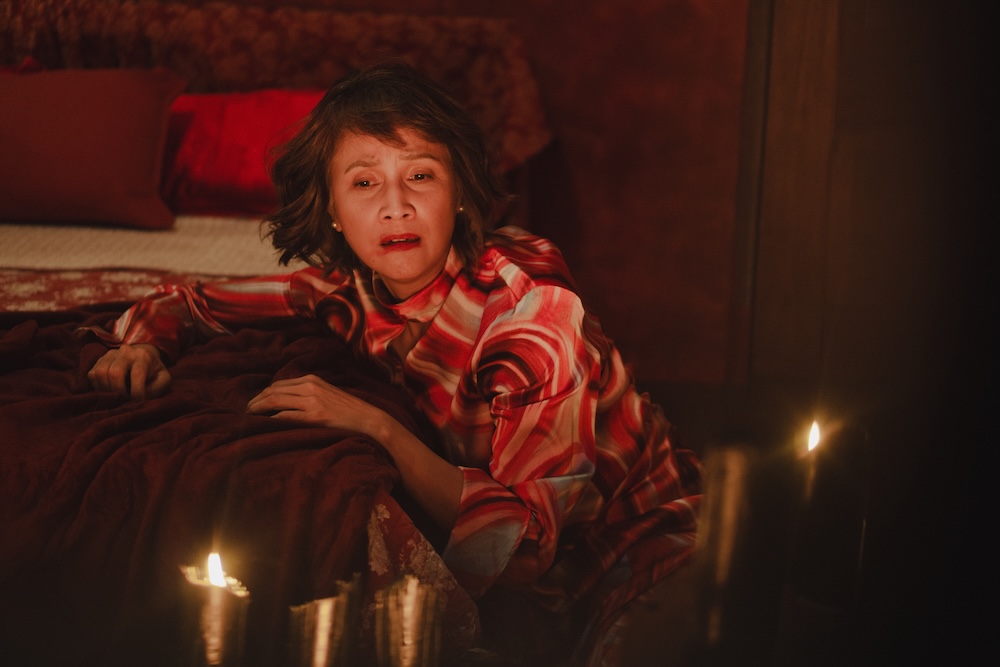
Her aunt Ysobel (Cherry Pie Picache) desperately trying to keep that household intact alongside their sole helper Katte (Ness Roque), while the family matriarch Angela (Jackie Lou Blanco), a revered National Artist for painting, holds the entire home in her chokehold.
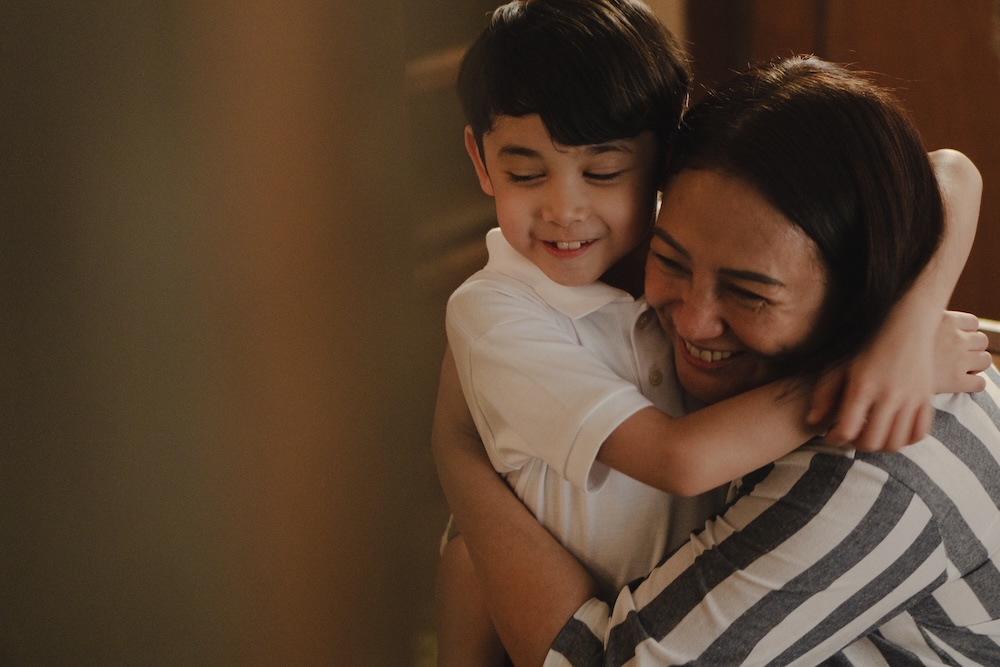
The only male presence is Ysobel’s adopted son Ynigo (Lucas Andalio), named after Anj’s late father, who soon begins exhibiting unsettling signs of possession by his namesake.
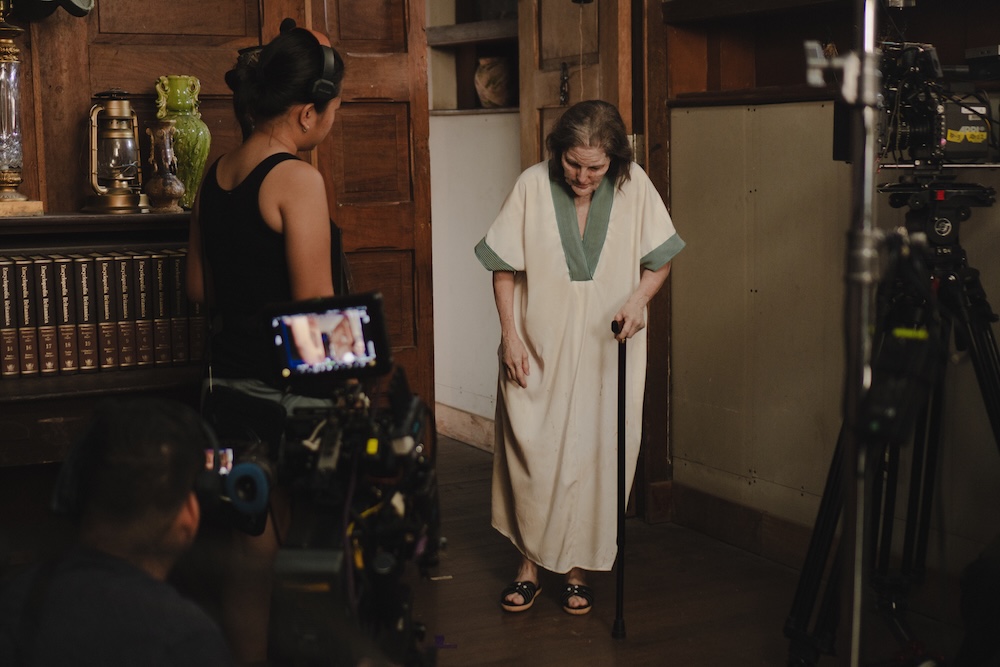
The entire estate is falling apart from the inside out, deteriorating both physically and spiritually. Something is broken within and Anj, having been sent away at a very young age, she finds herself in collision with the traditions of that household. Younger, progressive, and her value systems run contrary to the traditional and almost draconian way that governs the household. It’s a house running on fear and tyranny. Production designer Katrish Aristoki signals a home frozen in time, stubbornly refusing to modernize. With its frayed upholstery and rotting timber, every corner feels trapped in a bygone era, clinging desperately to an expired glory.
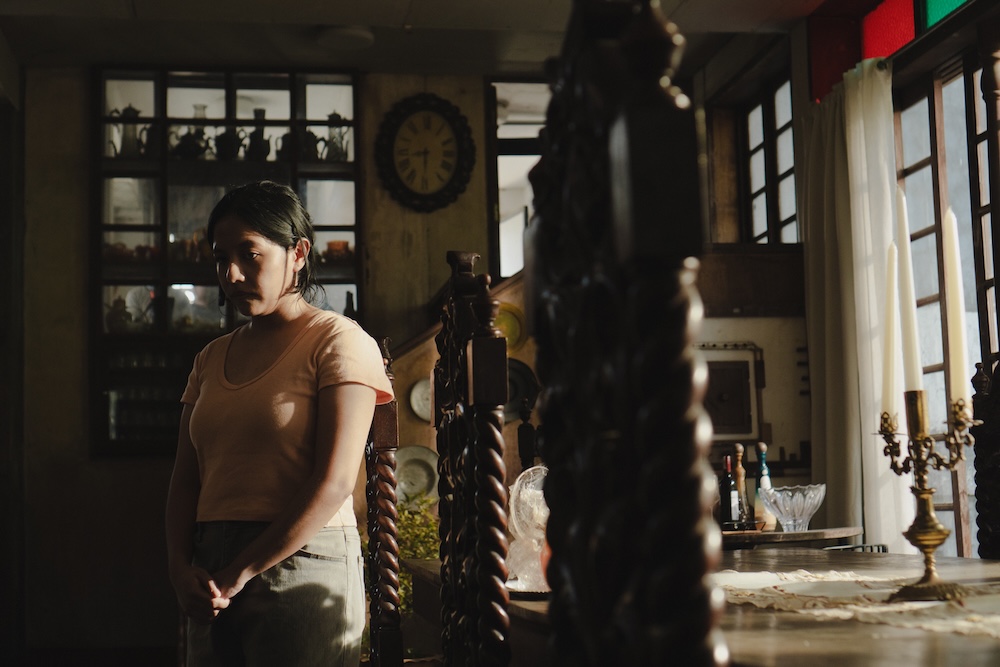
Cinematographer Joy A. Aquino makes full use of the house’s architecture to create arresting visuals that heighten the tension and create a feeling of a suffocating labyrinth. Anj is hopelessly stuck there. As the story progresses and the hauntings escalates, the audience feels an almost instinctual urge that they must get out of that house. Yet through meticulous camerawork, Abrahan and Aquino assure us that escape is impossible in that house. The varied rooms, the spiraling staircases, the windows that present us a world outside, but one the characters can’t seem to get to. It is magnificent how the filmmaking makes us feel so trapped in that madness.
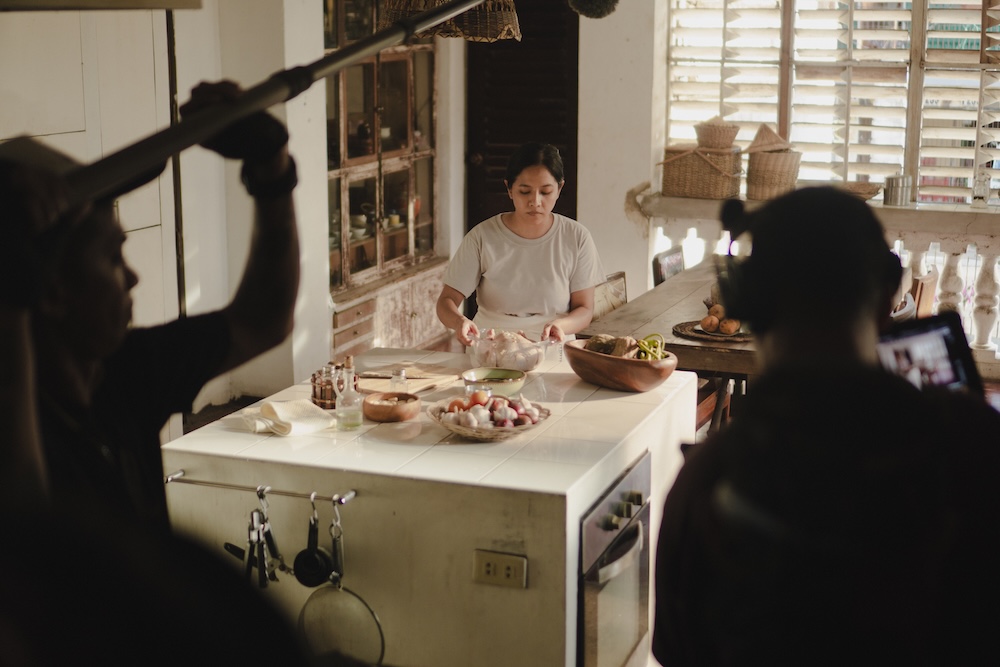
As the horror escalates, the family’s dark secrets are revealed and it’s the worst kind of horror. We learn early on that Anj’s father was an adulterer, but when we discover who, it points us to the film’s larger, political message. Ysobel’s own dark desires, while hinted at in the first act, are fully visualised later on and what we see is an aristocratic family’s inability to contain their darkest urges. Mita, who married into the family, has been driven to madness simply by having lived this house. Meanwhile, Katte quietly carries the burden of their sins just to be able to earn a living. She is the most obvious victim, presenting Anj with a toxic legacy she must either find a way to end or inherit.
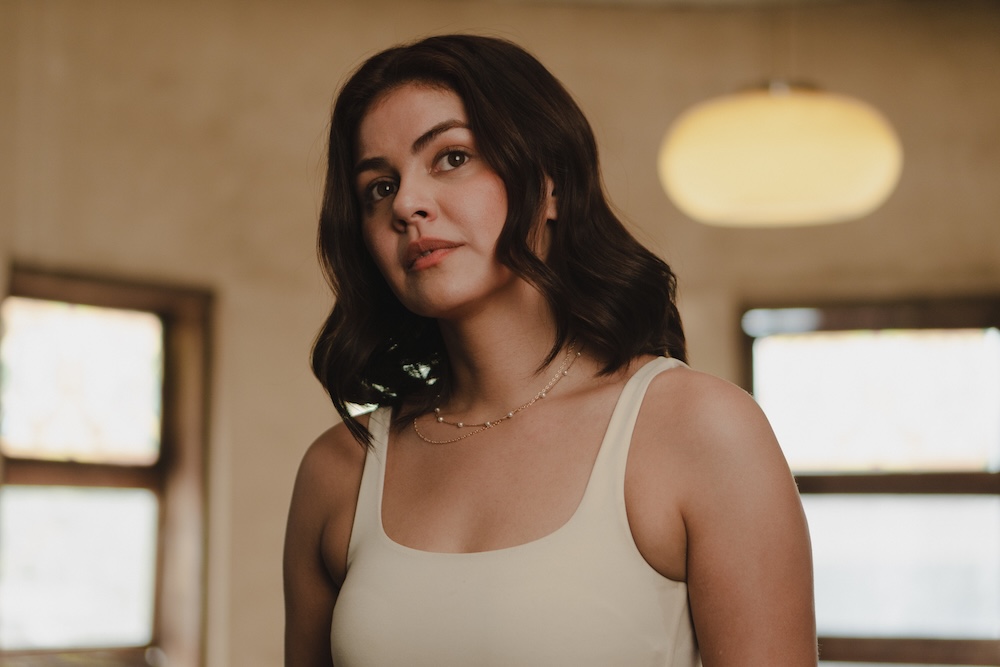
The cast is so unbelievably en pointe, flowing with the film’s steady rise to absurdity completely in sync with each other and the film’s tone. They all start off grounded and as the film gets weirder, darker, more twisted; each of the cast brings their performances to another level. Gutierrez is a strong foil, allowing us to root for her, even as her character begins to show her own frailty and self-righteousness. Roque understands her character’s importance of being both a fully formed person but also the symbol of the common man. Isidro is fully committed to the madness that consumes Mita. Picache is a tower of repressed rage. Andalio is brilliant playing the demanding duality of his role. But Blanco is a powerhouse. With very little scenes, she enters like a storm, turning and twisting everything in her path. Each performer plays off so well with each other that the ensemble, as a whole, works as one unit.
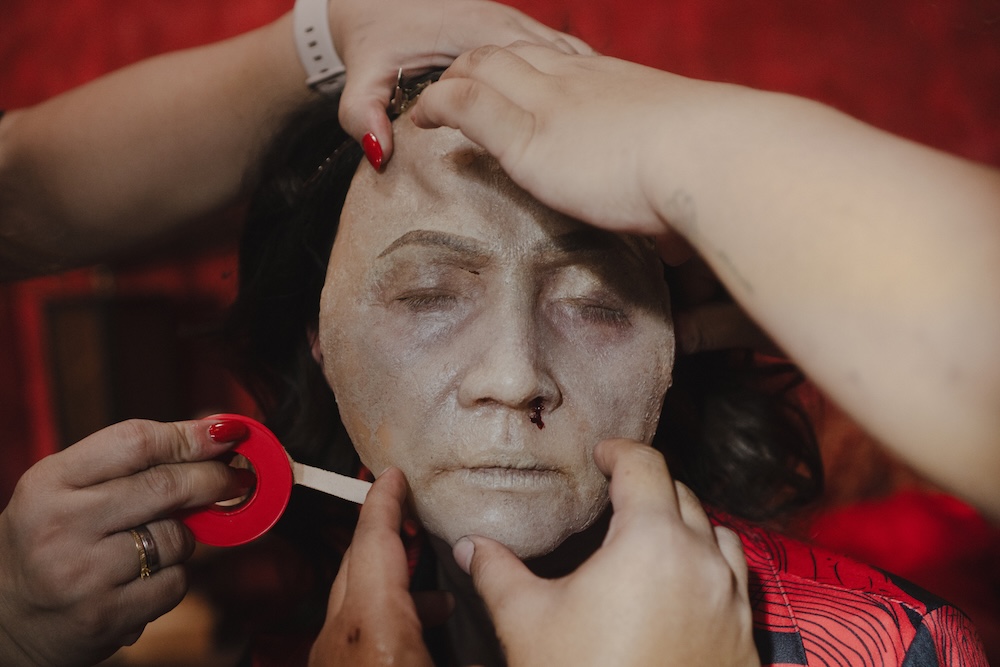
This is not your typical horror built on cheap jump scares. Instead, the film plays with dread, tone and oppressive atmosphere. Our nervous systems are firing up, and we just want these characters to get out of there and that’s where the fear stems from. It’s amazing once you realise that this is a metaphor for our country; a nation where the people in power refuse to change, feeding upon itself to remain in power and indulging in every dark desire to the detriment of everyday people. That decaying house is our country, and Mag-iina stands as a film, is symbolic of our need to overthrow this antiquated system.
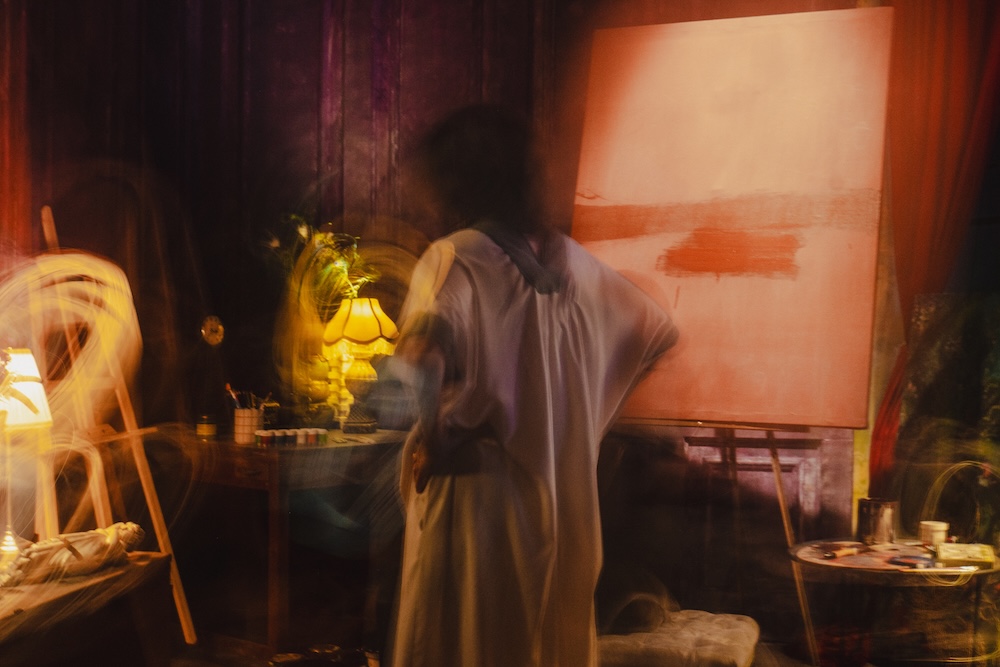
Mag-iina is set to disturb and rock us to our core, and it absolutely should. Consider what it says and what it decides to name; it should. You should be disturbed.
My Rating: 5 Stars

Prepare to be shaken to your core. Catch Mag-iina on the big screen at Cinemalaya 22. Check showtimes and grab your tickets today.
Don’t miss Cinemalaya 22: Reel Reflections, running August 6 to 18 at Red Carpet Cinemas (Shangri-La Plaza), Gateway Cineplex 18, and Ayala Malls Cinemas. Witness a stellar lineup of stories that will move you and showcase the brilliance of local filmmaking. Follow the Cultural Center of the Philippines and Cinemalaya for official updates.
Leave a Reply
You must be logged in to post a comment.