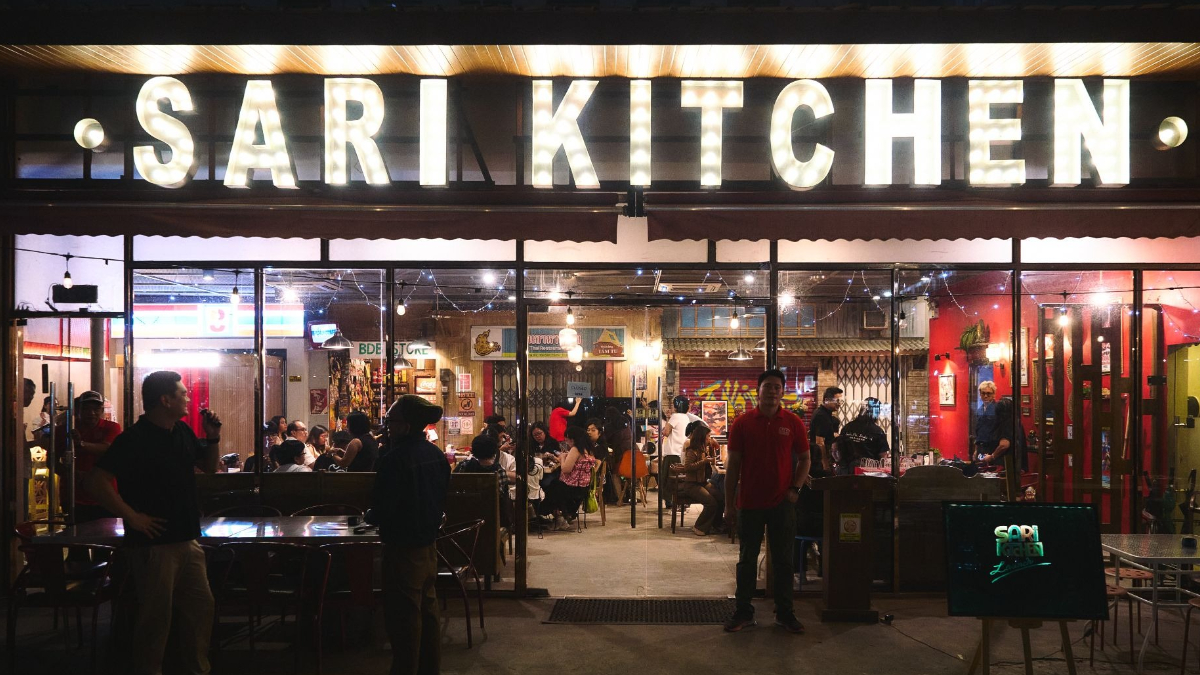
From familiar Filipino comfort food to sumptuous flavors from Thailand and across Asia, Sari Kitchen is shaking up Makati’s dining and nightlife scene with a refreshed identity, a more focused menu, and a renewed vision for what a neighborhood restaurant can be.
Formerly known as Thai Mookata, the restaurant has moved away from its original Thai hot pot and grill concept to embrace a broader culinary direction built around accessibility and discovery. Guided by the tagline “Your Neighborhood Asian Kitchen,” Sari Kitchen combines Filipino and Thai staples with Asian fusion-style dishes in a welcoming space for everyday meals, after-work gatherings, and long evenings with friends and family.
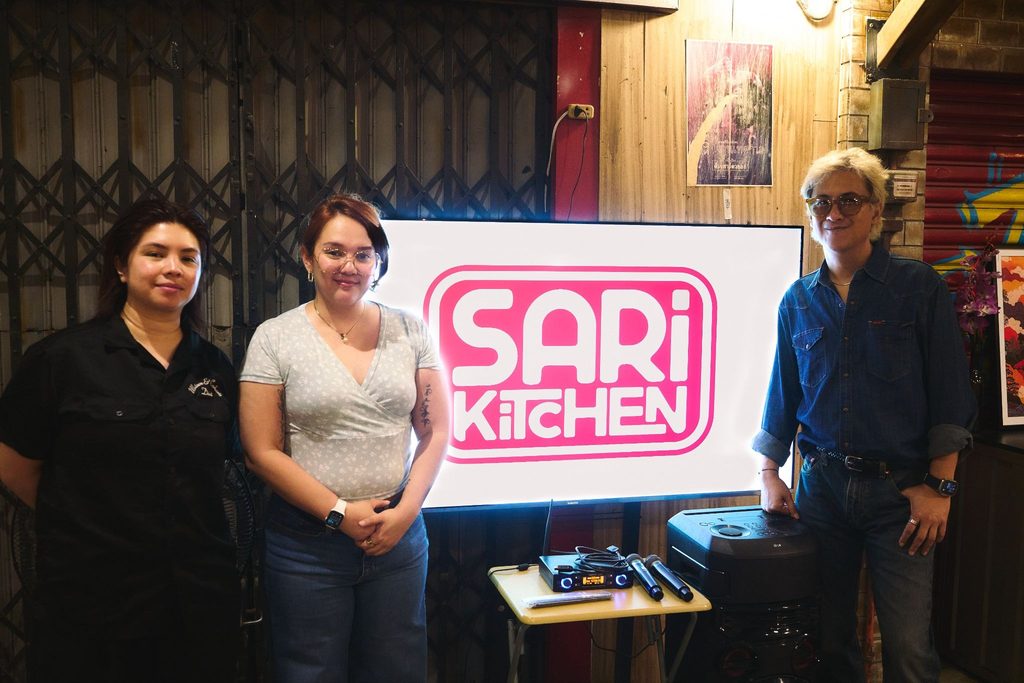
The rebrand, according to co-owners Ely Buendia, Pat Sarabia, and Audry Dionisio aligns with their collective and individual tastes and with the natural progression of what Sari Kitchen has become: a contemporary nightlife and dining hub specializing in Asian comfort food.
“For a year we’ve tried to really not change anything at all since we took over the place, but we decided it was time to make a change when we saw who was going to Sari,” Ely Buendia explains. “And let’s face it, nobody was familiar with Mookata.”
For Sarabia, the new name offers a more distinctly Filipino identity while strengthening the restaurant’s relationship with Sari-Sari Bar, its intimate bar tucked within the establishment. “We wanted something more accessible and Filipino, and feel that it aligns more with the branding of Sari Sari bar,” she says.
Dionisio adds that the transformation also creates room to move beyond a concept inherited from the previous ownership. “Thai Mookata gave us a great starting point and taught us a lot about the food and beverage business and the kind of dining experience our guests respond to. Over time, though, we realized that we wanted more room to explore beyond one cuisine or style of dining. Also, Thai Mookata was a concept of the previous owner, so we wanted to change it to something that was more us.”
A broader culinary identity, grounded in comfort
While Thai Mookata is focused on a specific cuisine and the communal experience of hot pot and grilling, Sari Kitchen now takes on a more specialized approach to Asian dining. Its identity is defined not by one culinary tradition but by what emerges when familiar flavors, personal experiences, and regional influences come together.
The shift, according to the owners, is about creating a cohesive menu that people recognize and crave, alongside interpretations that introduce something unexpected without sacrificing familiarity.
“The biggest difference is freedom,” Dionisio says. “Thai Mookata naturally operated within a very specific culinary identity. With Sari Kitchen, we’re able to look across Asia for inspiration, from flavors and dishes we grew up eating to things we’ve discovered through travel, restaurants, street food, and our own experiences.”
In developing the menu, the team focused on a simple but personal question: Would they genuinely want to eat the dishes themselves?
Dionisio relates, “We didn’t want to create dishes just because they sounded inventive. There still has to be familiarity and comfort at the heart of the menu. The goal is for the menu to feel exciting without being complicated.”
The newly improved selection veers away from the predecessor’s unli-buffet format. With options better tailored to individuals and couples, Sari Kitchen lets diners choose their own dishes, discover personal favorites, and return for something different on their next visit.
Your neighborhood Asian kitchen
Integral to Sari Kitchen’s rebrand is the idea that good food doesn’t need an occasion. Instead of positioning itself solely as a destination for a particular dining experience, the restaurant aims to become a familiar neighborhood fixture for spontaneous meals, post-work decompression, casual drinks, and conversations that extend well beyond dinner.
“Well, it’s right there in the tagline: it’s an unassuming and unpretentious place,” Buendia says. “We want diners to be surprised and delighted to find something like this in the neighborhood.”
For Sarabia, that means becoming the neighborhood’s after-work watering hole and go-to comfort-food destination. Dionisio imagines an even more personal role for the restaurant: a space that feels like an extension of home, where guests can talk about their day, laugh, disagree, celebrate, and simply enjoy each other’s company.
“You can drop by for a casual meal, bring your family, meet friends for dinner, have a few drinks, kill traffic, or discover something new on the menu without the experience ever feeling intimidating or overly formal,” she says.
Beyond the plate: a space to settle into
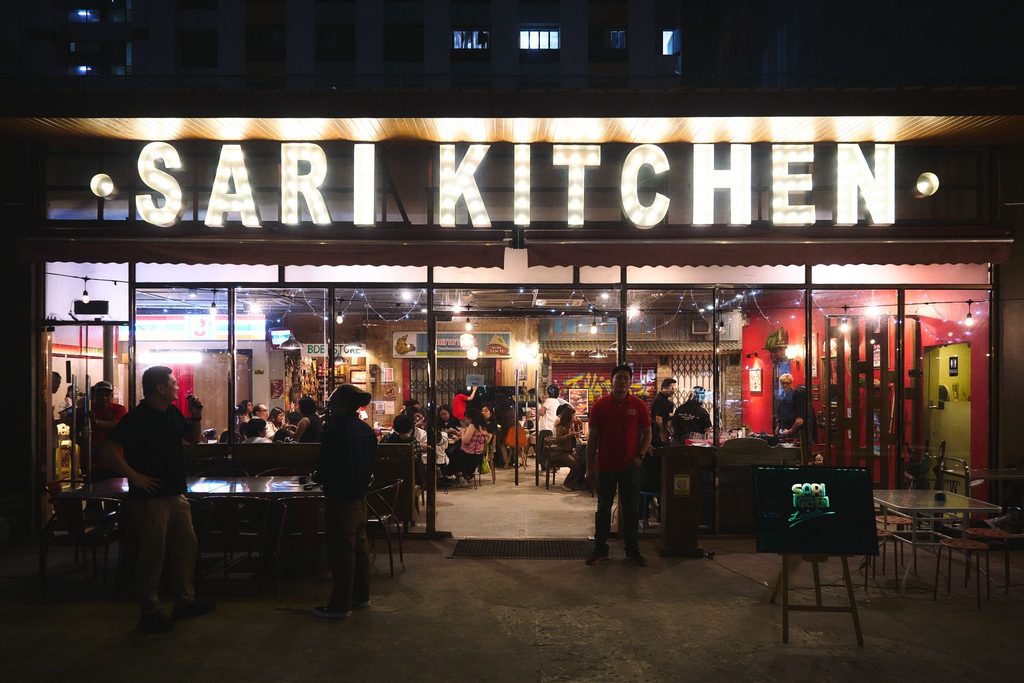
Moving away from the bright lights and stainless-steel aesthetic of its previous incarnation, Sari Kitchen pivots toward a warmer, more relaxed environment, letting guests experience the space with openness. The intention is to create a space that feels lived-in rather than overly designed, balancing the energy of a social gathering place with the comfort of a familiar neighborhood staple.
Sarabia also highlights a distinctly communal element of the restaurant’s social experience: karaoke, a familiar fixture at Filipino gatherings with friends and family. The addition reinforces Sari Kitchen’s focus on shared experiences, where dining gives way to singing, conversation, and spontaneous celebrations.
“We want the entire experience to reflect the idea of your family’s own kitchen, like having your friends over,” Dionisio says. “We want guests to feel like they can settle in rather than simply eat and leave.”
Sari-Sari Bar: keeping the creative spirit alive
An integral part of the establishment’s identity is Sari-Sari Bar, an intimate space within the restaurant that has built its own following—thanks to live jazz sessions, production nights, and film-centered gatherings. As Sari Kitchen enters its next chapter, the bar remains an important expression of the venue’s commitment to culture, creativity, and community.
Its programming, including themed trivia events such as Cinephile Nights, reflects the owners’ interest in bringing people together through communal, family-style experiences. Plans include more trivia and game nights, alongside the bar’s continuing mix of music-led and film-oriented events.
“We were always on the lookout for new and exciting experiences at Sari Bar. And that’s not going to change any time soon,” Buendia says.
Rather than overhaul the bar’s identity, the team intends to build on what already works while exploring new ways to bring people together. The restaurant and bar work together to offer different experiences under one roof: a satisfying meal, a casual drink, a night of music, or an evening spent discovering something new.
Together, Sari Kitchen and Sari-Sari Bar anchor a larger vision of hospitality that treats food, culture, and community as connected parts of the same experience.
A place to keep coming back to
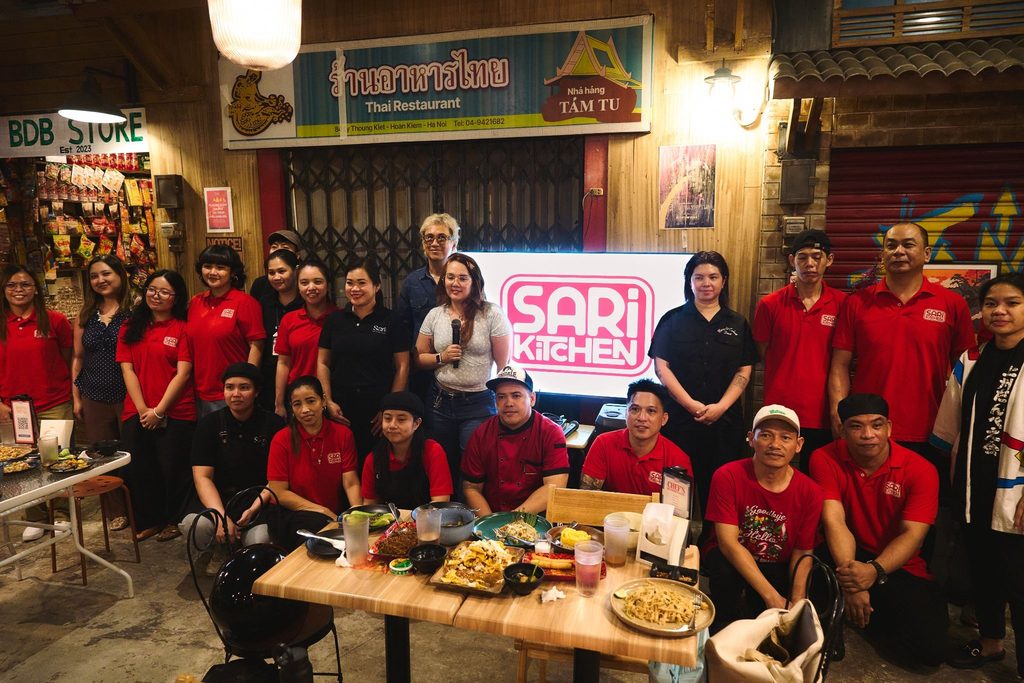
As Sari Kitchen settles into its new identity, its ambitions remain grounded in the everyday pleasures of dining out. The goal is not simply to introduce a new name or a wider menu, but to establish a lasting place in the neighborhood’s social and culinary landscape.
For Buendia, the aspiration is simply straightforward: to become the area’s dependable destination for great, affordable food. For Sarabia, success also means creating a setting where people can build happy memories, forge new friendships, and strengthen existing relationships. Dionisio shares that long-term vision, seeing Sari Kitchen as a place that can accommodate the many rhythms of everyday life—from quick meals and after-work drinks to spontaneous reunions and evenings that unfold without a plan.
With its refreshed identity, more expansive culinary direction, and continued commitment to creative programming, Sari Kitchen invites Makati diners to discover a neighborhood kitchen that feels familiar from the first visit and gives them a reason to return.