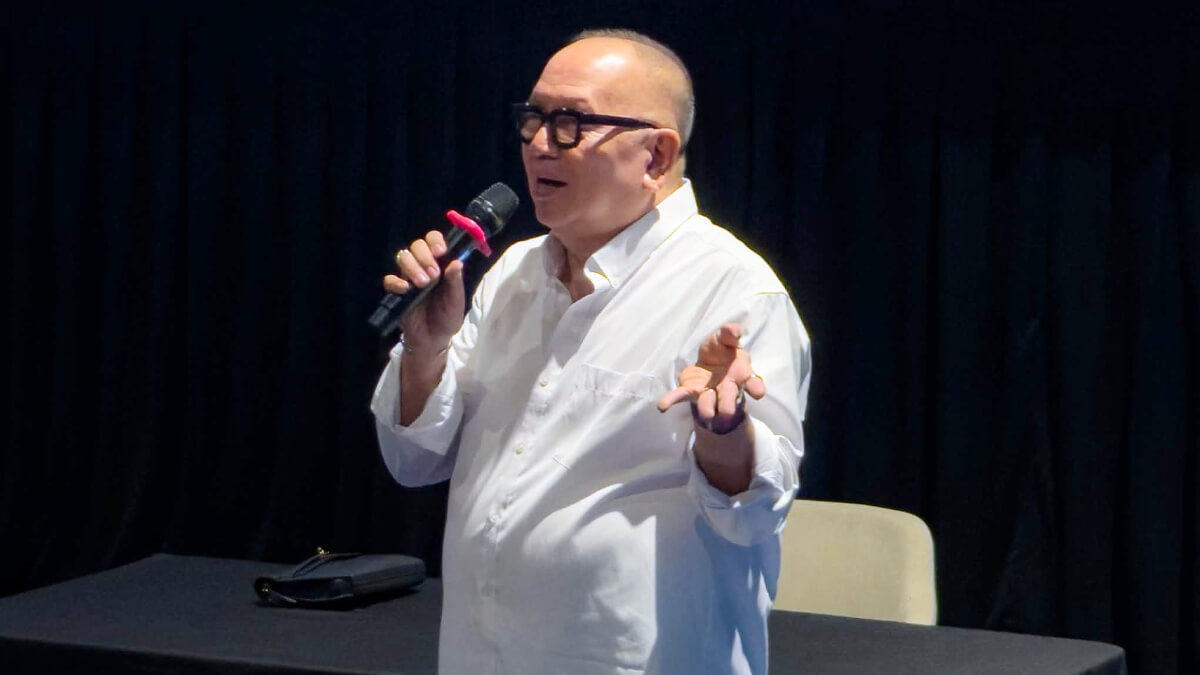
What happens when war strips away everything that makes us civilized? For acclaimed filmmaker Jose “Direk Joey” Javier Reyes, the answer lies in one of Philippine cinema’s most unforgettable masterpieces, Oro, Plata, Mata.
The Film Development Council of the Philippines (FDCP) Chair and CEO revisited the haunting realities of World War II during a special lecture titled “Ravages of War: Filipinos in Peacetime, Conflict, and Its Aftermath in Oro, Plata, Mata,” held on October 24 at Power Plant Mall in Rockwell, Makati City.
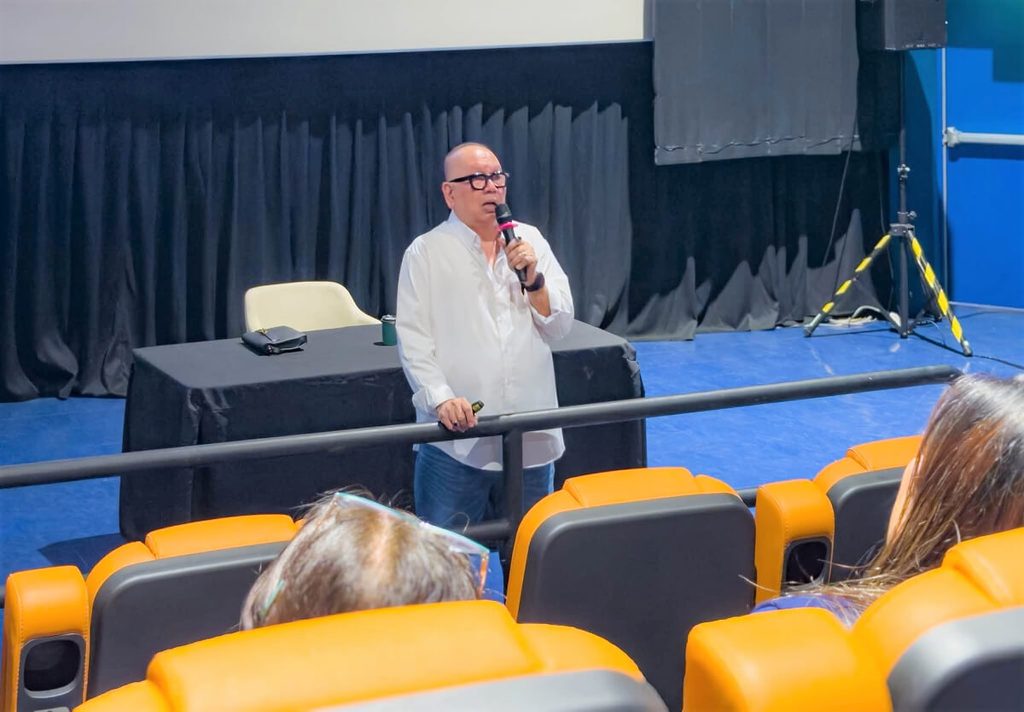
More than a discussion about a celebrated Filipino film, the event offered a powerful reflection on survival, morality, and the lasting scars of history.
Behind the Masterpiece: Direk Joey Revisits ‘Oro, Plata, Mata’
Long before leading the FDCP, Direk Joey had already made his mark as one of the country’s most accomplished storytellers. A filmmaker, playwright, and educator, he penned the screenplay for Oro, Plata, Mata early in his career, helping shape what would become a landmark achievement in Philippine cinema.
Released in 1982 and directed by the late Peque Gallaga, Oro, Plata, Mata follows two wealthy haciendero families in Negros as they struggle to survive the Japanese occupation during World War II.
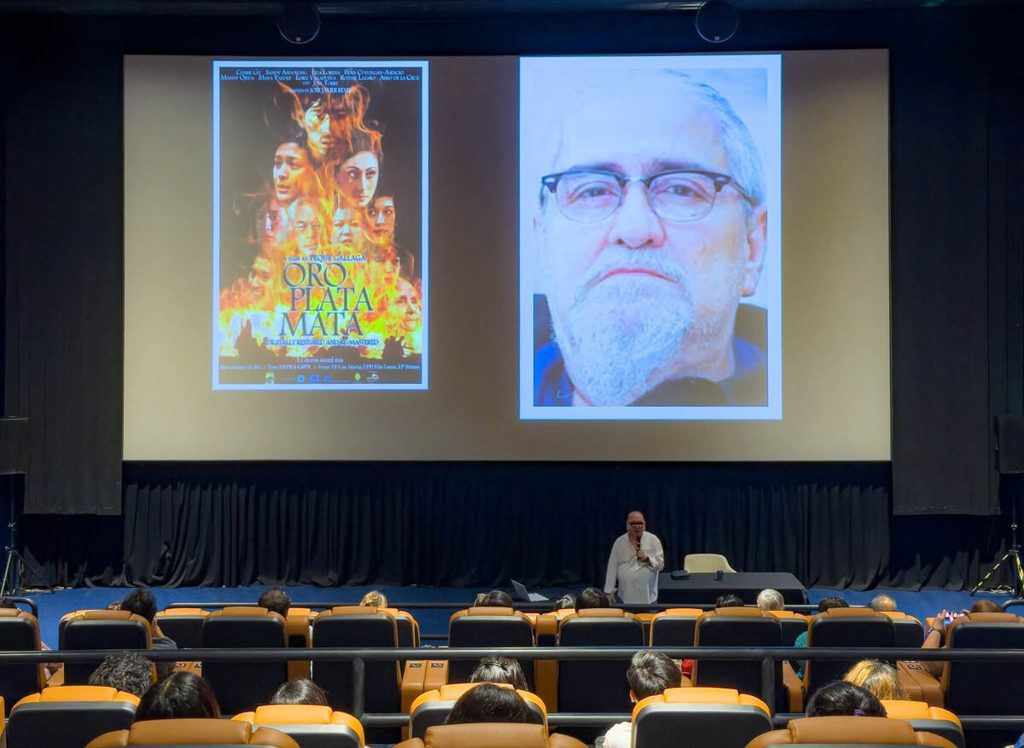
As the families abandon their comfortable lives and retreat from the violence, their privileged world begins to unravel. Soon, wealth and social standing offer little protection against the brutal realities of war.
Even the film’s title carries an ominous meaning.
Derived from a traditional architectural superstition about counting stair steps, “Oro, Plata, Mata” translates to “Gold, Silver, Death.” The phrase becomes a striking metaphor for the characters’ journey from prosperity to devastation.
The Hidden Horrors of War Beyond the Battlefield
While many war films focus on soldiers and combat, Oro, Plata, Mata explores a different kind of battlefield: the human conscience.
During his lecture, Direk Joey shared insights drawn from extensive historical research and personal family accounts of World War II. These stories helped him transform historical experiences into a deeply human narrative about fear, desperation, and survival.
But here’s what makes the film especially chilling.
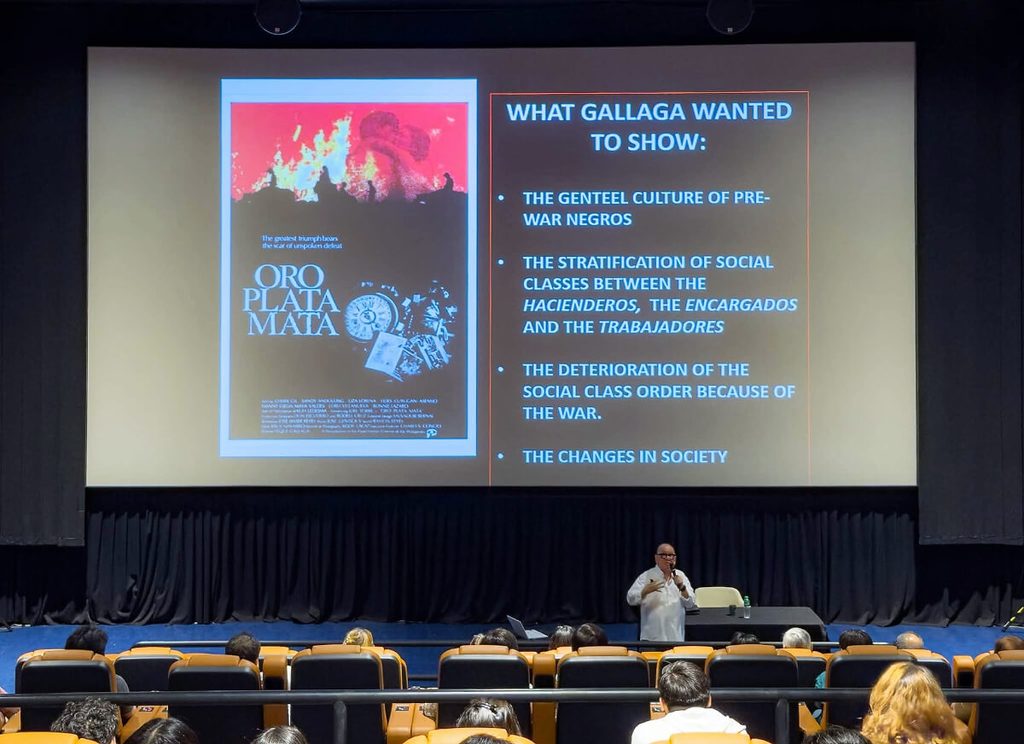
Its most disturbing moments do not necessarily come from the violence of war itself. Instead, they emerge from the choices people make when society’s rules no longer apply.
Direk Joey emphasized that war destroys more than homes, communities, and livelihoods. It also threatens the values, manners, and moral boundaries that hold people together.
As the characters become increasingly isolated, their once-refined behavior gives way to primal instincts. Social status loses its meaning, familiar relationships fracture, and survival becomes the ultimate priority.
Behind the elegant clothing and privileged lifestyles, the film reveals an uncomfortable truth: civilization can be frighteningly fragile.
Why Confronting the Past Matters Today
Beyond discussing the film’s creation, Direk Joey also examined its lasting relevance to Filipino identity.
Through key sequences in the film’s final act, he highlighted Gallaga’s message about the impossibility of escaping historical trauma simply by refusing to acknowledge it.
The consequences of war, he explained, extend far beyond those who experienced it firsthand. Its emotional and moral wounds can continue shaping families, communities, and entire generations.
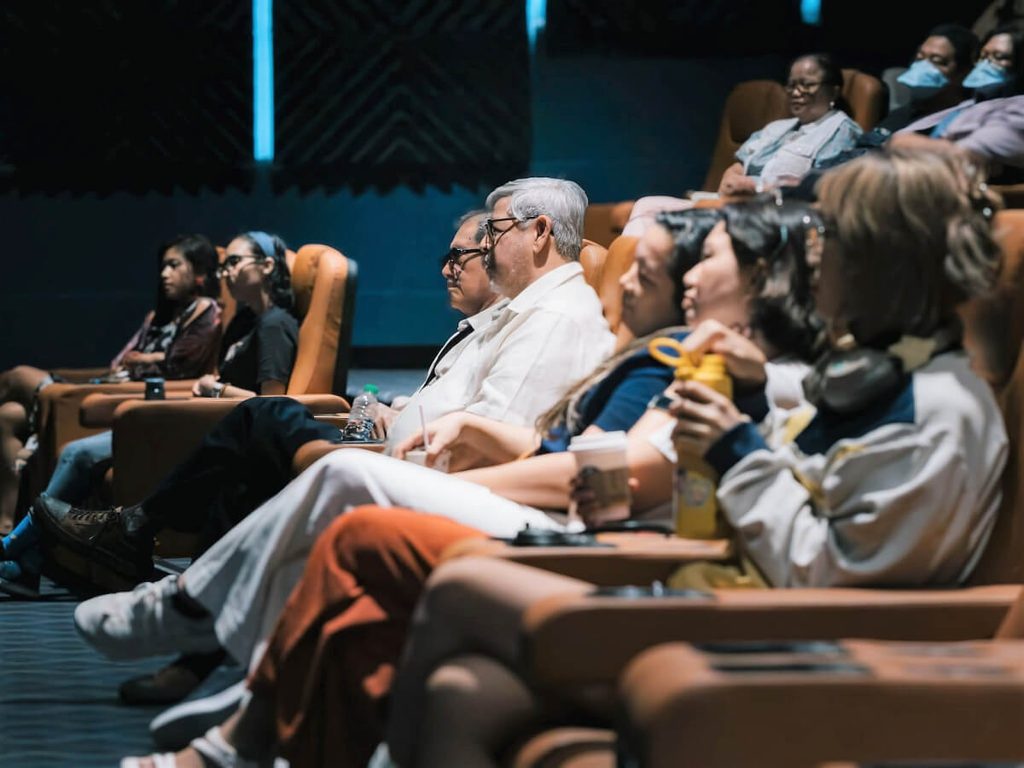
We should put greater value on looking at our past, because the past is the foundation of who we have become here and now, Direk Joey stressed.
His message resonated with the students and film enthusiasts in attendance, reminding them that understanding history requires more than memorizing dates and events. It means recognizing the difficult decisions, painful compromises, and experiences that helped shape the nation.
And sometimes, cinema offers one of the most compelling ways to begin that conversation.
A Restored Filipino Classic Returns to the Big Screen
Adding another meaningful layer to the event, attendees enjoyed a special screening of the digitally restored Oro, Plata, Mata following Direk Joey’s lecture.
Original cast members Joel Torre and Ronnie Lazaro were also present, making the occasion a memorable celebration of the film’s enduring legacy.
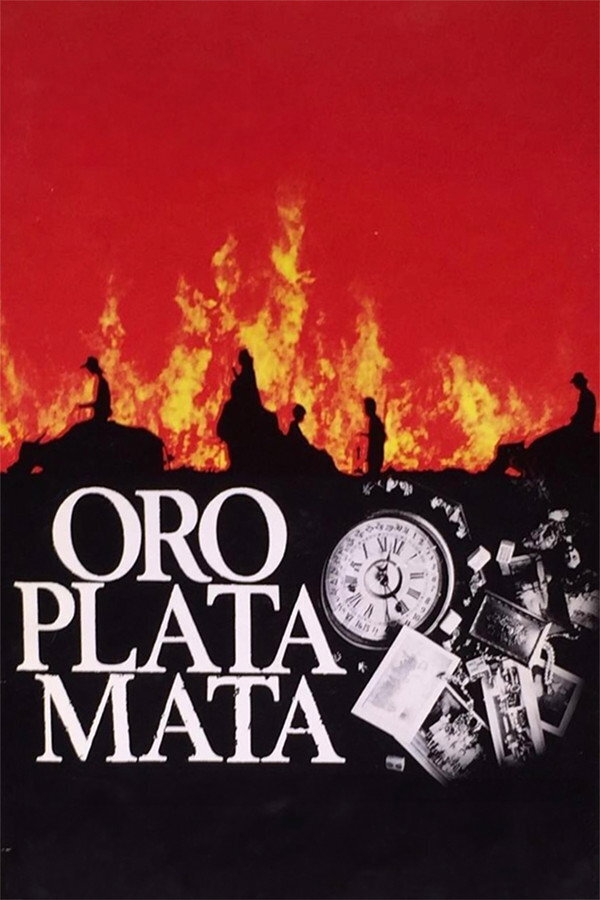
The event was co-presented by the Lopez Museum and Library, the National Commission for Culture and the Arts (NCCA), and the FDCP, with support from Power Plant Mall and ABS-CBN Sagip Pelikula, also known as the ABS-CBN Film Restoration Project.
By bringing this cinematic treasure back to audiences, the screening underscored the importance of preserving Filipino films as vital records of the nation’s cultural memory.
More than four decades after its original release, Oro, Plata, Mata remains a compelling exploration of humanity at its most vulnerable.
And as Direk Joey’s lecture made clear, its message remains urgent: To understand the present, Filipinos must first confront the truths of their past.