Tag: Cinemalaya

  • Benilde MMA Alumna Repeats as Best Director at Cinemalaya

    Benilde MMA Alumna Repeats as Best Director at Cinemalaya

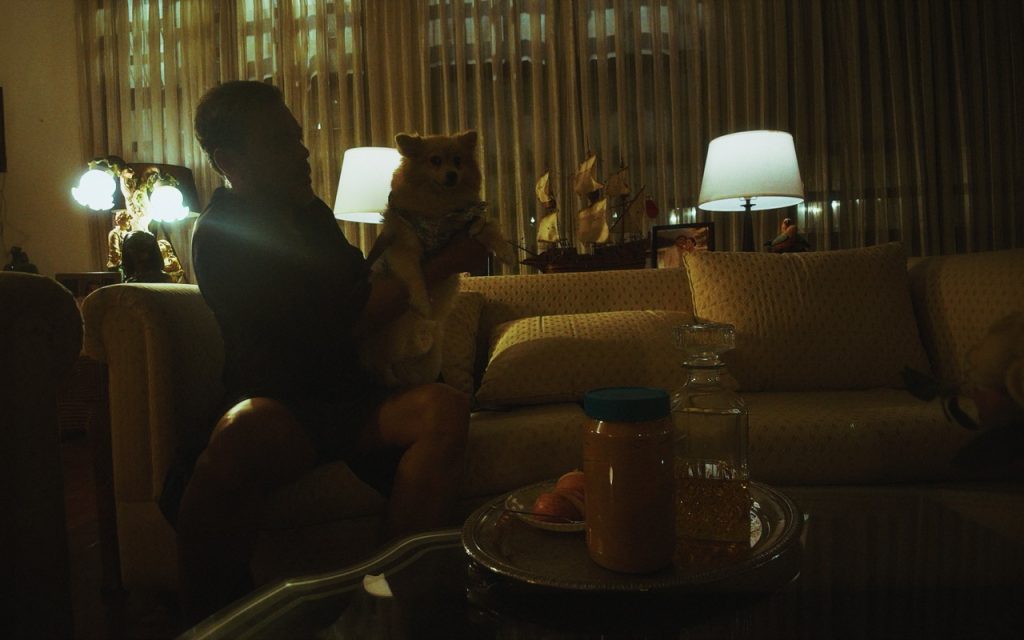
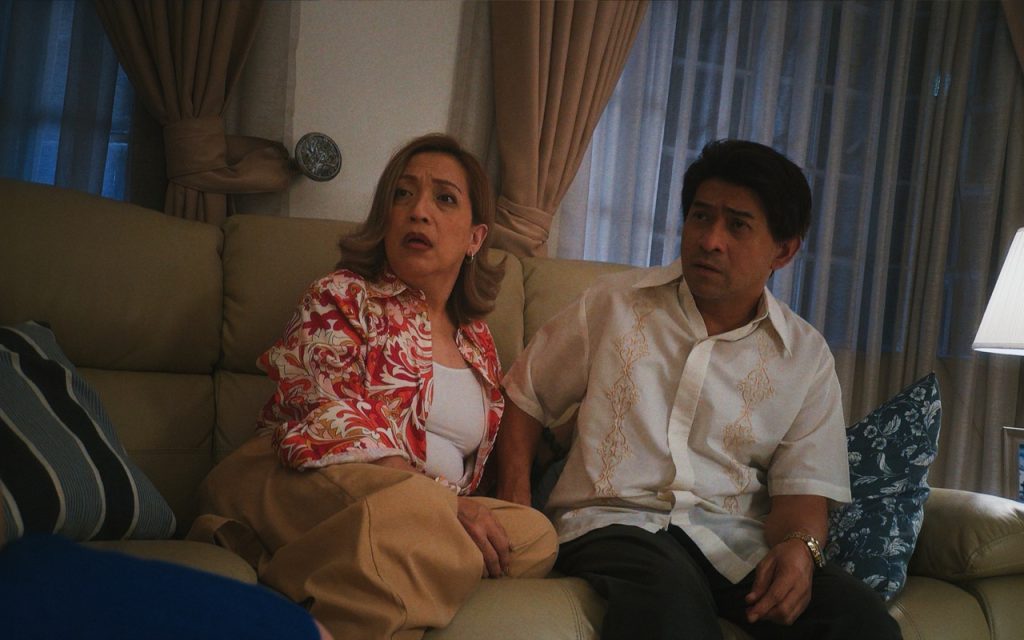
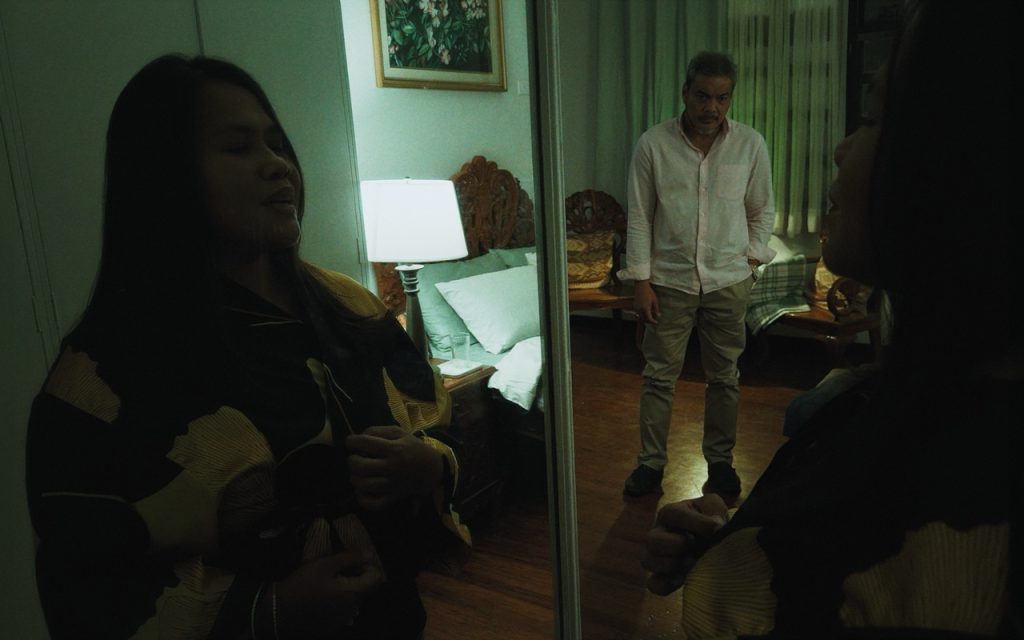
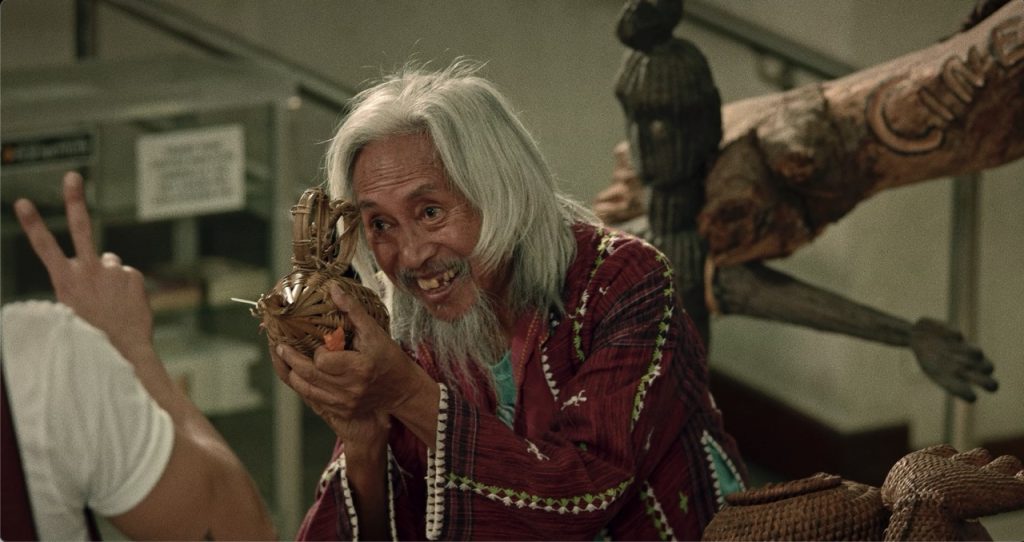
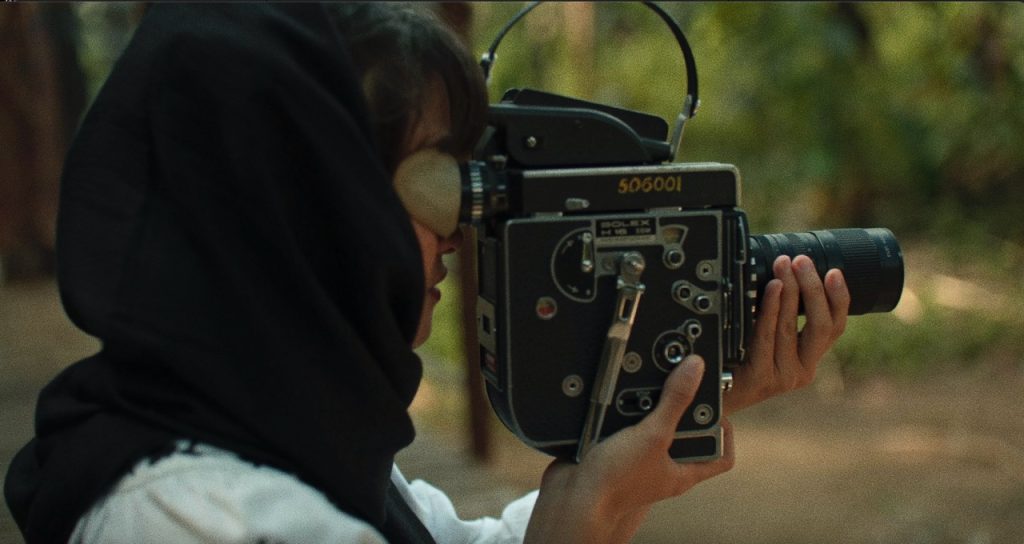
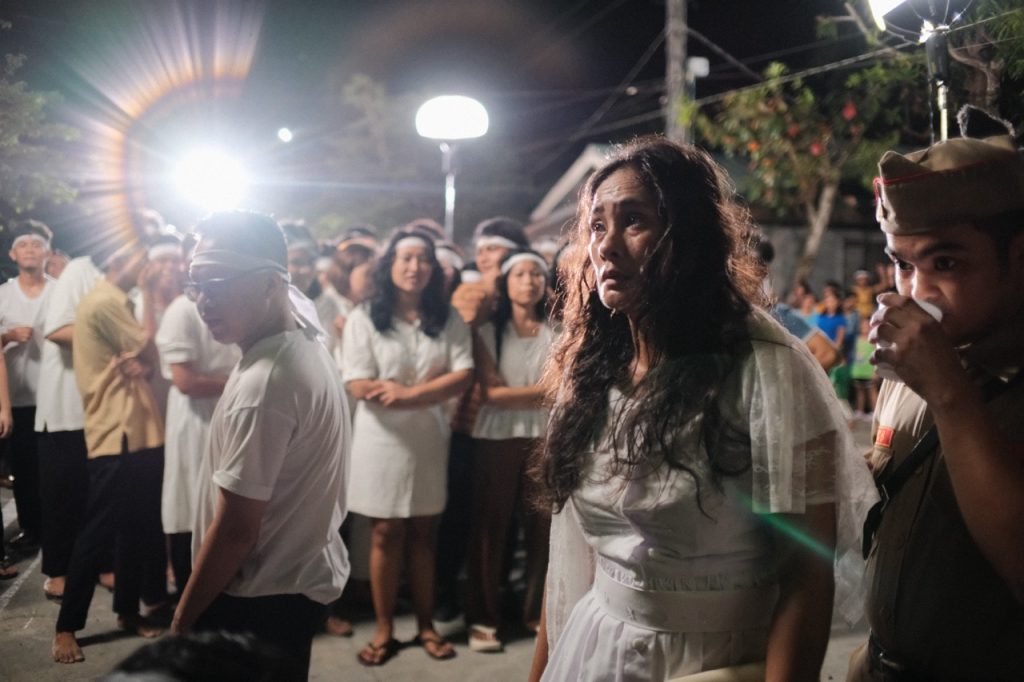
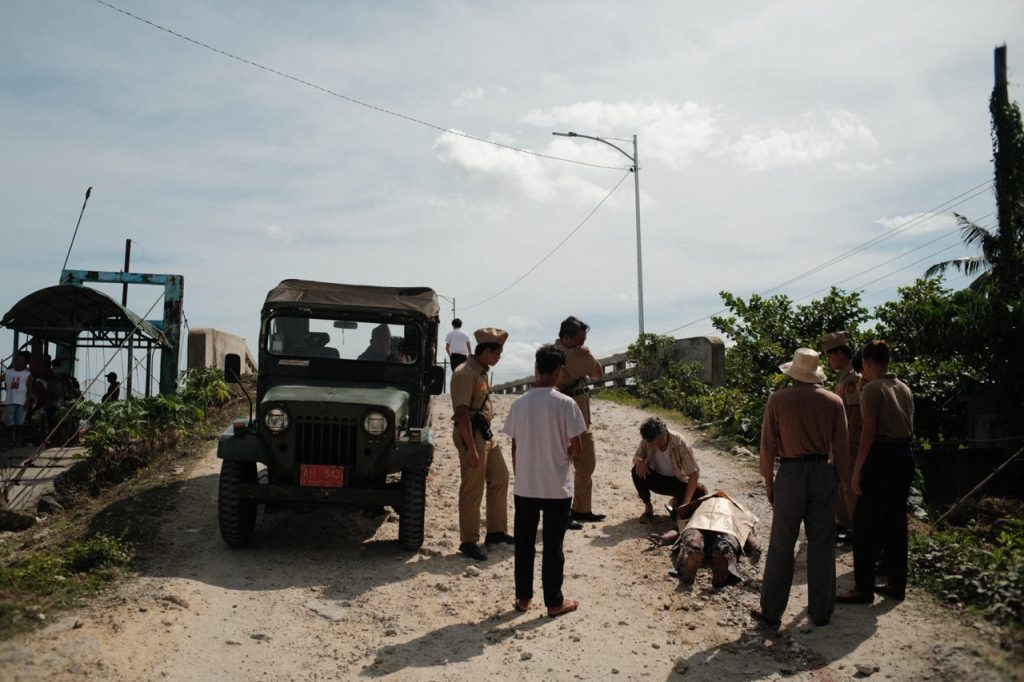
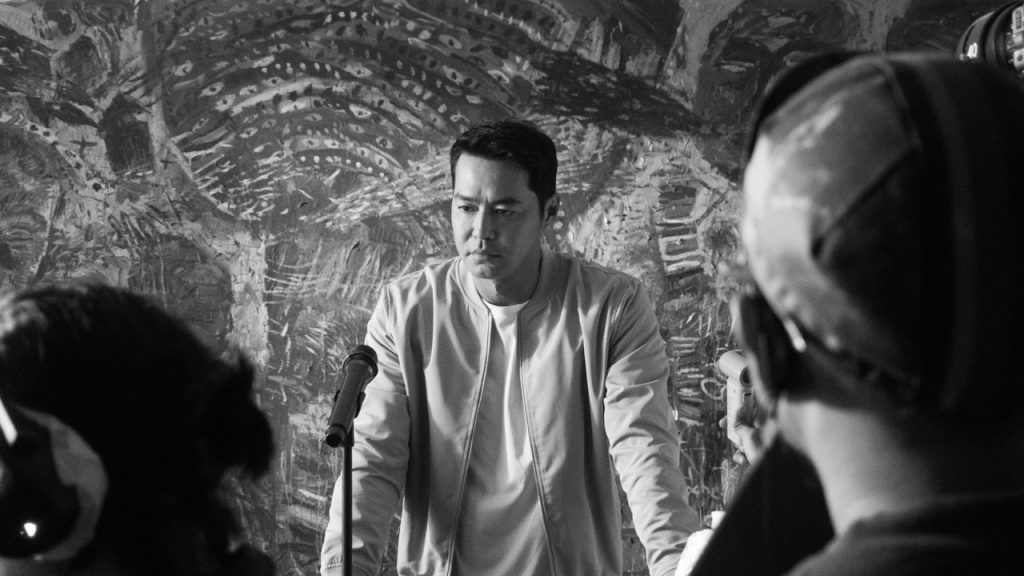
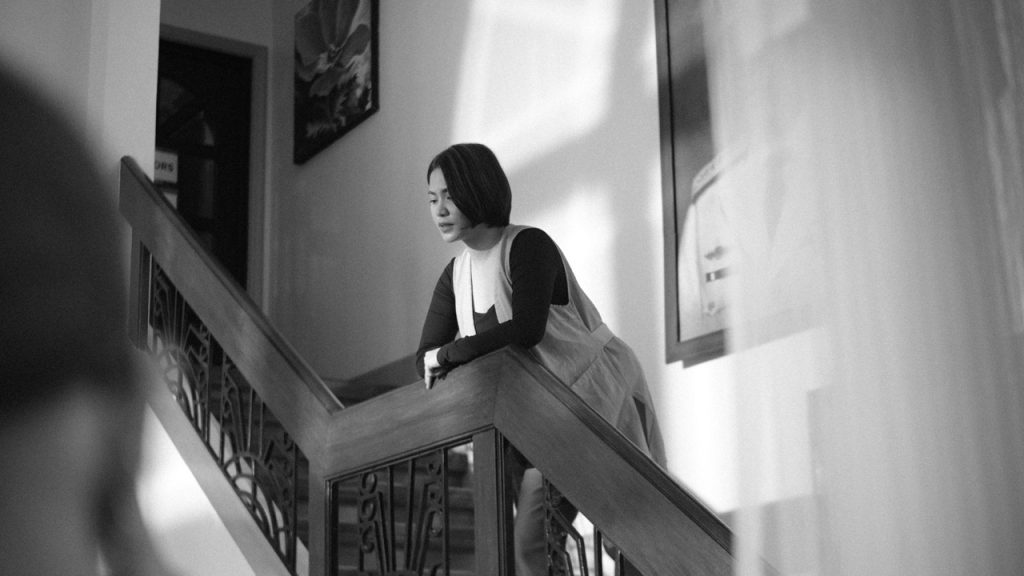
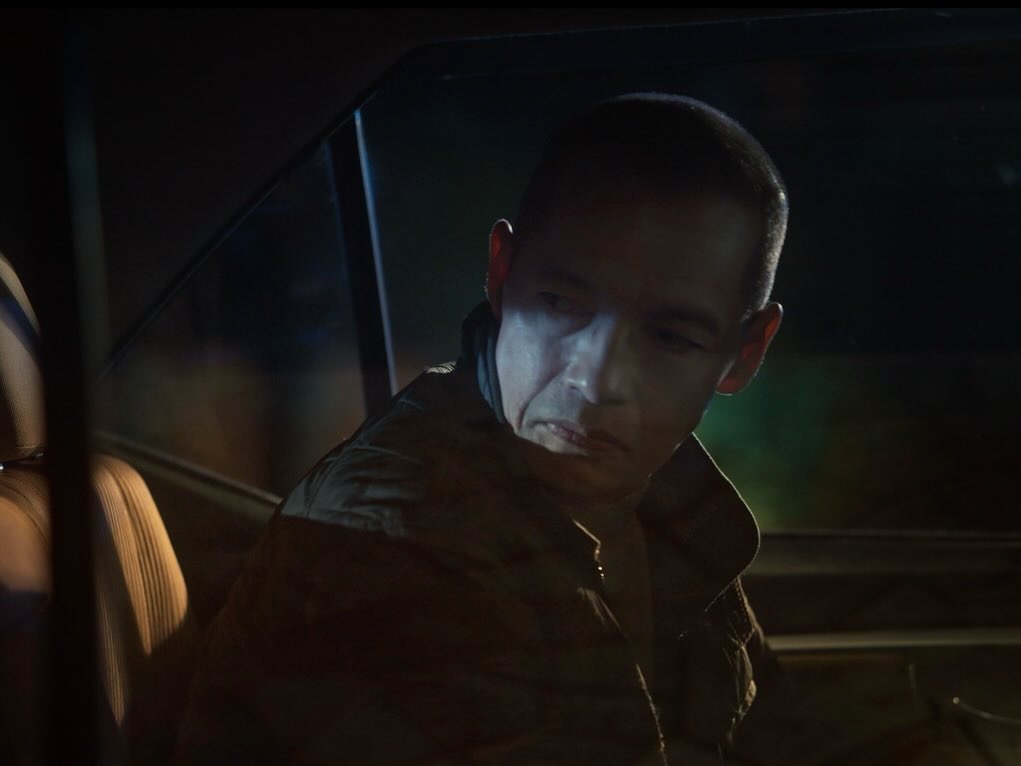
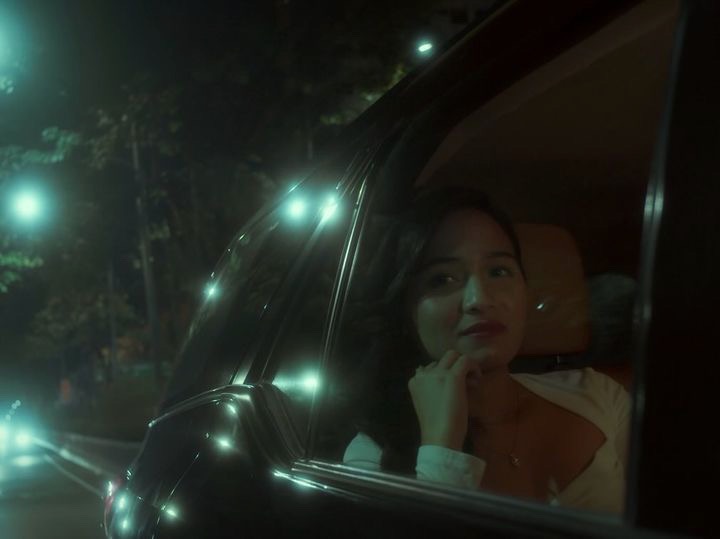
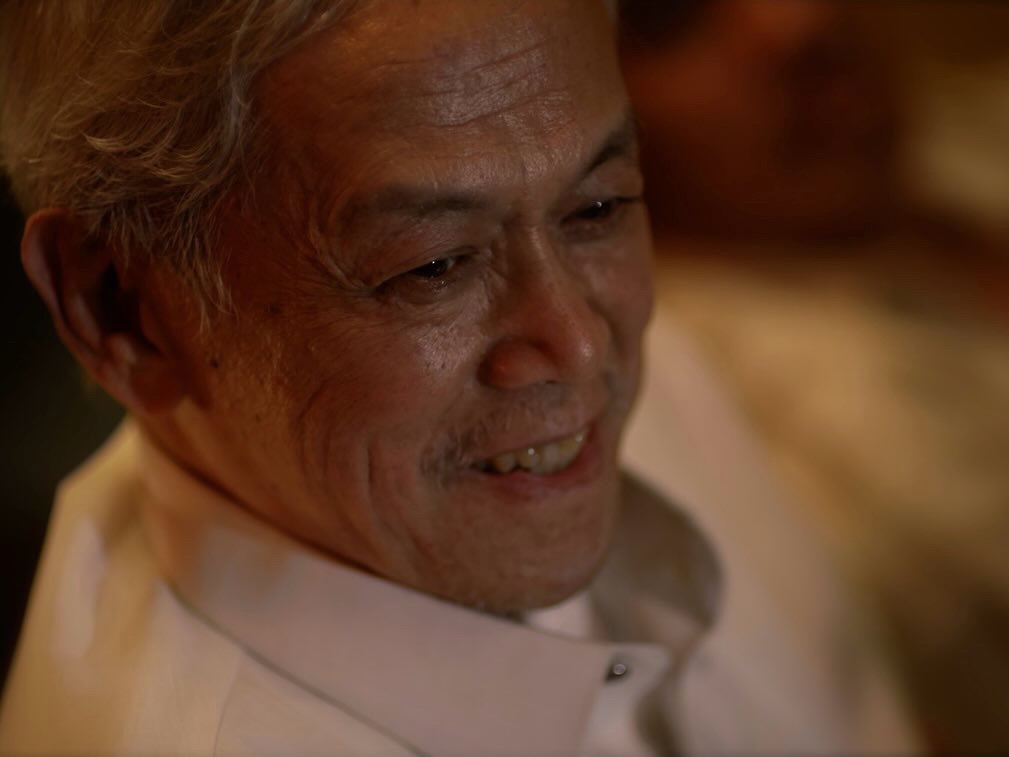
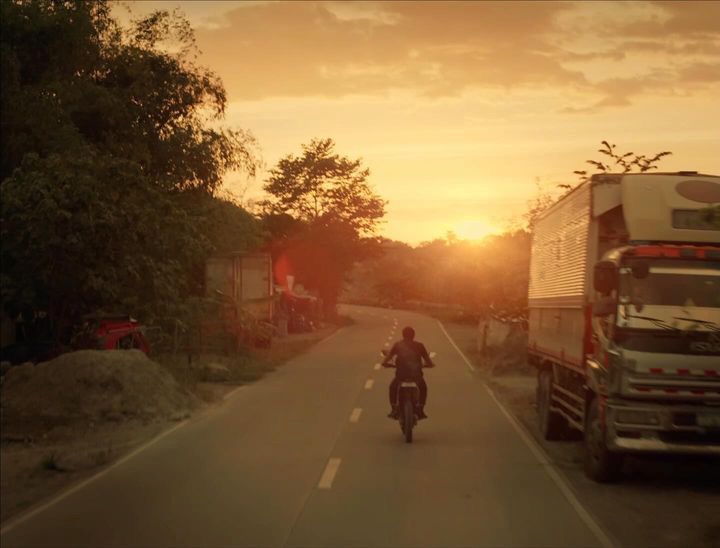
    Filmmaker and De La Salle-College of Saint Benilde Multimedia Arts alumna Gabriela “Gaby” Serrano got another Best Director award in the Short Film category of the 22nd Cinemalaya Philippine Independent Film Festival, this time for her short film “Elenita Elena Elaine.”

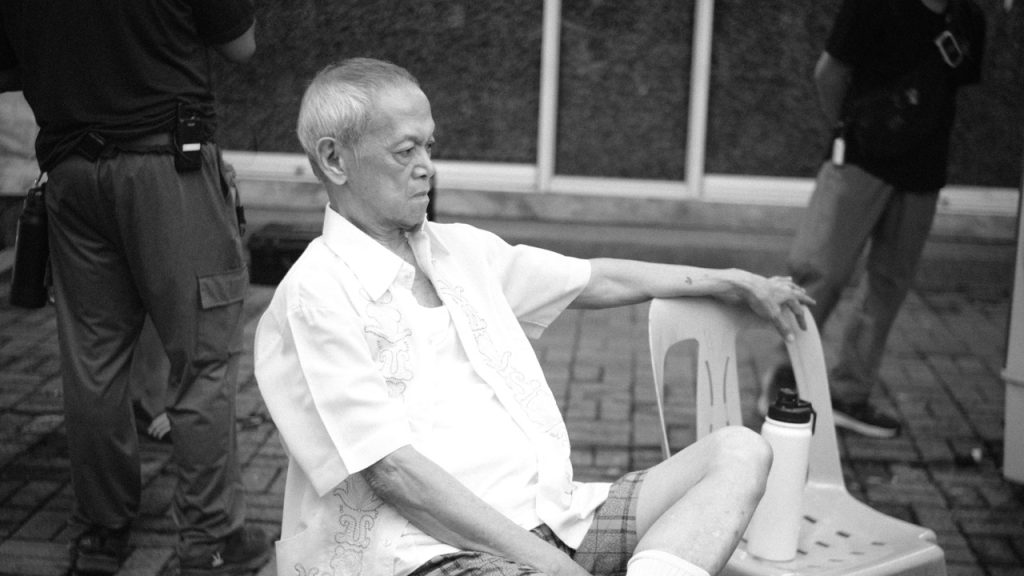
    Gabriela Serrano with her second Best Director trophy at Cinemalaya 22
    Gabriela Serrano with her second Best Director trophy at Cinemalaya 22

    The recognition highlights her distinct voice in contemporary Philippine cinema and underscores the growing impact of bold, genre-expanding storytelling.

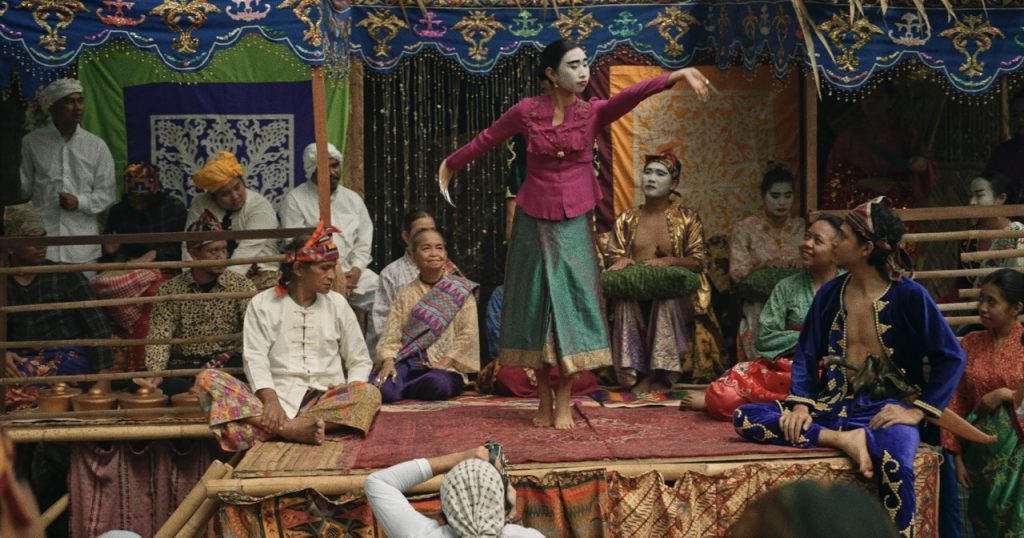
    “Elenita Elena Elaine” is a dystopian sci-fi drama set against a sleepless, dreamless Manila where dreaming itself is outsourced. Produced by Archipelago, Studio Dalaga, Key Pictures, Lunari Global, and Membrana Pictures, and supported by the 2025 Momo Film Co Distribution Grant, it explores mother-daughter dynamics, economic displacement, and personal sacrifice.

    The narrative shifts across time to follow three interconnected Filipino women: a pop idol, a young graduate preparing to go abroad, and a call-center agent whose voice slowly fades under late-night shifts.
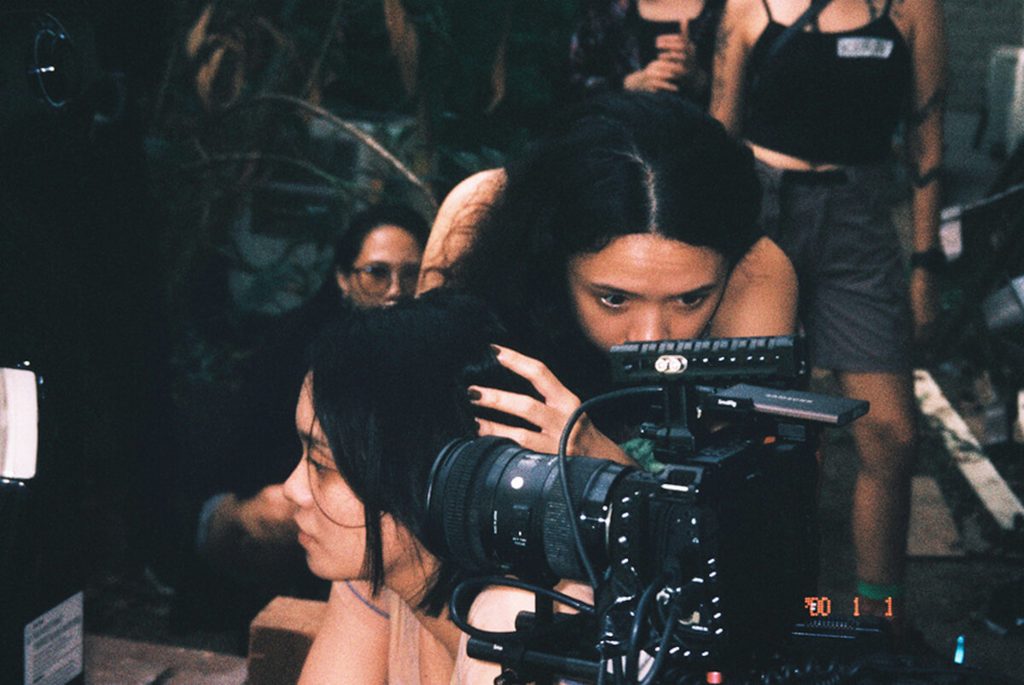
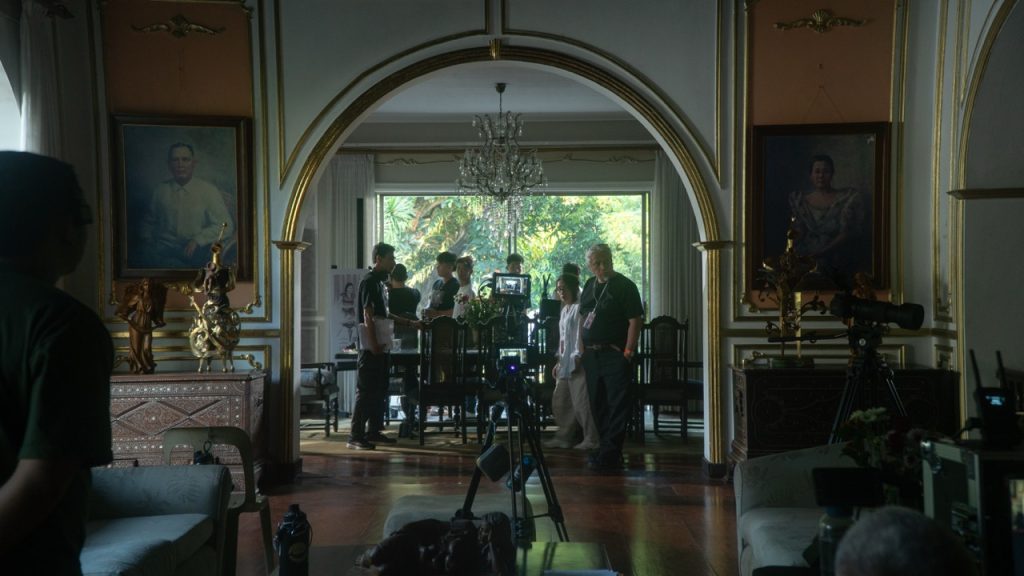
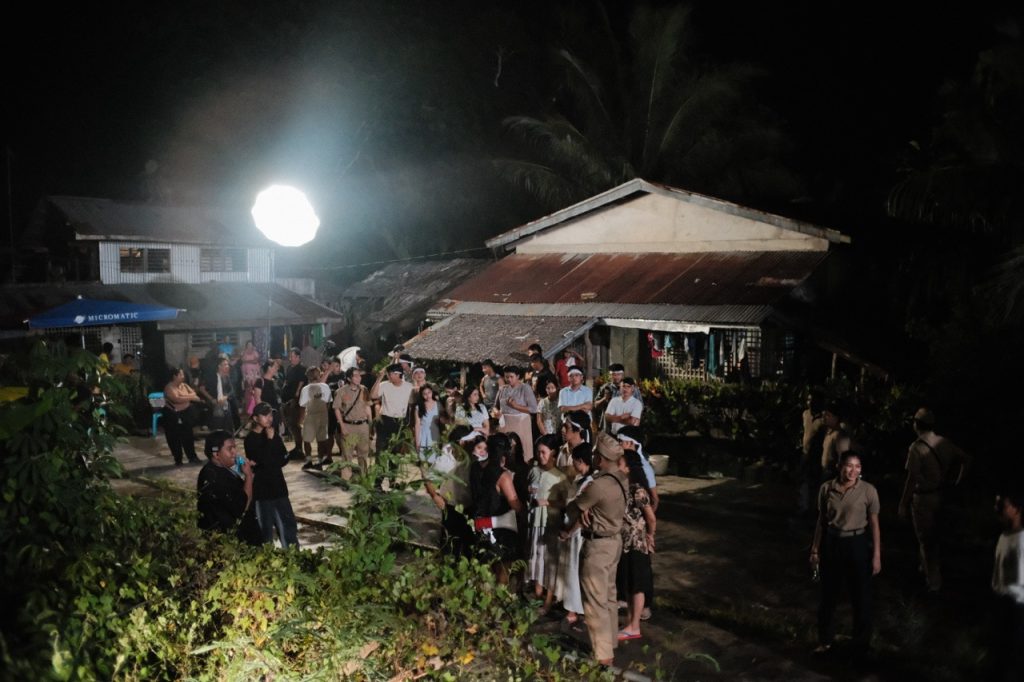
    Gabriela Serrano at work with sister Mariana
    Gabriela Serrano at work with sister Mariana

    Serrano drew directly from her own life for the project, reflecting on a period when she and her mother worked remote, outsourced jobs side by side in their living room. While her mother handled foreign call-center support, she served as a series editor on FX’s Spirit Award-nominated series “The Choe Show.”

    We worked alongside each other from our living room in Manila, and though our new jobs sustained our household, the darker sides of globalization took root inside our home. Endless night shifts, underpaid labor, and cultural gaps started draining us both of time, sleep and hopes for brighter futures, the filmmaker shared.

    Amidst this, we began to confide in one another dreams we had each put on the backburner: my aspirations to direct films someday, and her teenage wish to be a singer. Like millions in the Philippines, our true voices were rendered silent in order to survive our neocolonial economy, she added.

    The shared strain of grueling hours and underpaid labor brought forward their suppressed ambitions, shaping the tender, speculative foundation of the film.
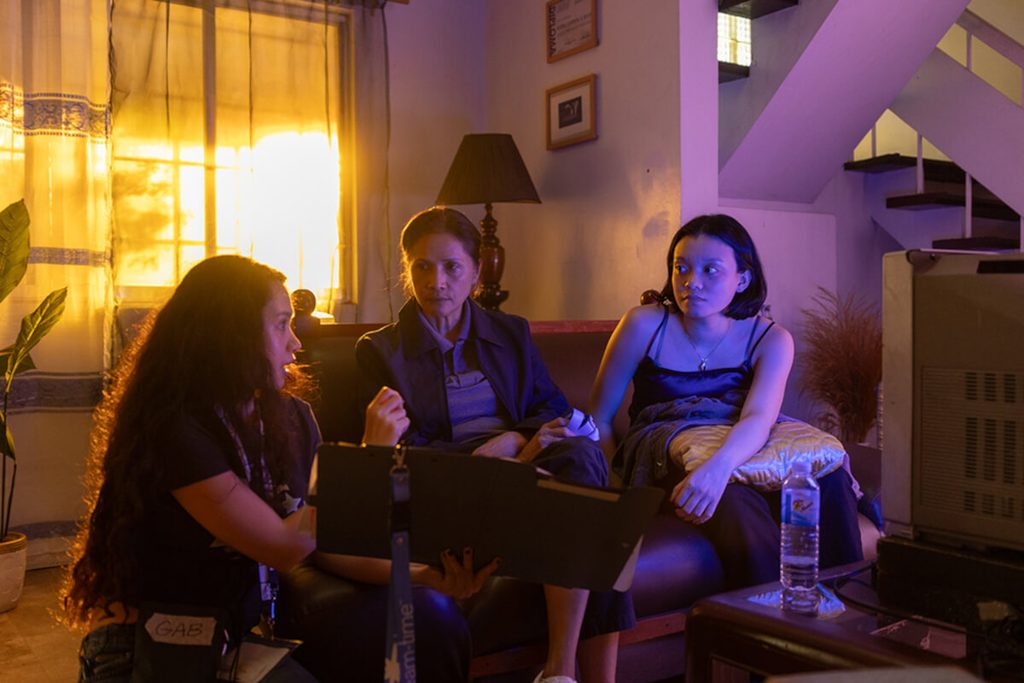
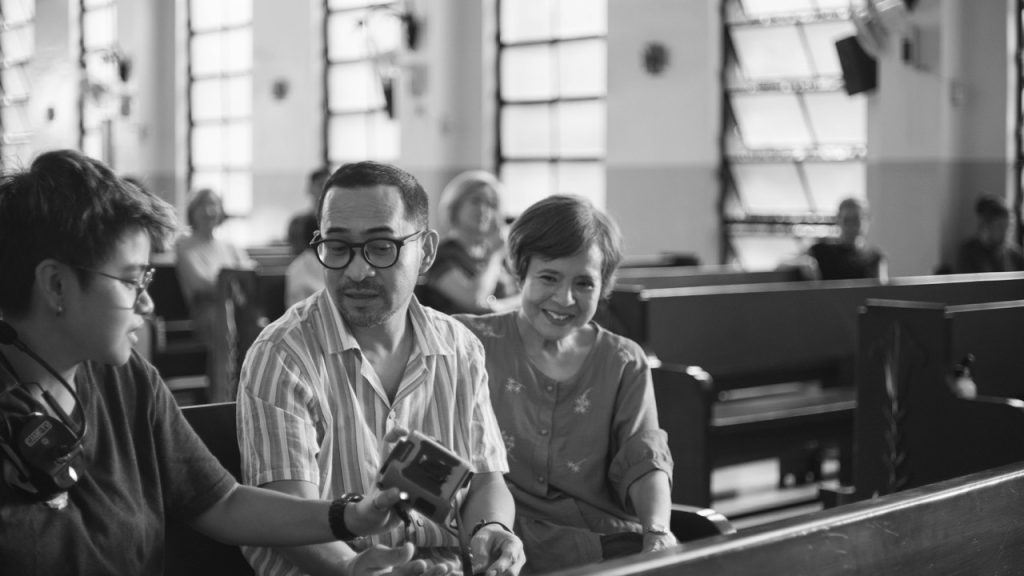
    Gabriela Serrano directing Agot Isidro and sister Mariana
    Gabriela Serrano directing Agot Isidro and sister Mariana

    Serrano’s work routinely weaves folklore, surrealism, and local socio-economic realities. She previously won Best Director and the Special Jury Prize at Cinemalaya 18 for her split-screen folk-thriller “Dikit,” Best Short Film at QCinema’s QCShorts Lokal for the surreal short “Surface Tension” which she co-directed with her sister Mariana in 2025.

    Serrano collaborated again with her sister, co-writer, and actor Mariana, together with executive producers Kim Jones, Gabie Tanjutco, and Mike Marks, producers Gale Osorio and Keith Deligero, cinematographer Kara Moreno, production designer Pauline Olarte, sound designers Dawr Toñacao and Deligero, musical scorer Andrea Ramos, and Mariana’s co-actors Agot Isidro and Gabby Padilla.

    Gabriela and Mariana Serrano
    Gabriela and Mariana Serrano

    Serrano is currently developing her feature-length sci-fi project “Please Bear With Me,” a companion piece to “Elenita Elena Elaine” which also expands on similar themes of call-center labor, and earned pitch recognitions at the Bucheon International Fantastic Film Festival (BIFAN), Festival du nouveau cinéma (FNC) Montréal, and the Southeast Asian Film Lab.

    Serrano’s latest win at Cinemalaya reinforces a rising path for Filipina filmmakers pushing genre boundaries, proving that personal truths can redefine the scope of local cinema.

  • Cinemalaya Films Score 29 Gawad Urian Nominations

    Cinemalaya Films Score 29 Gawad Urian Nominations

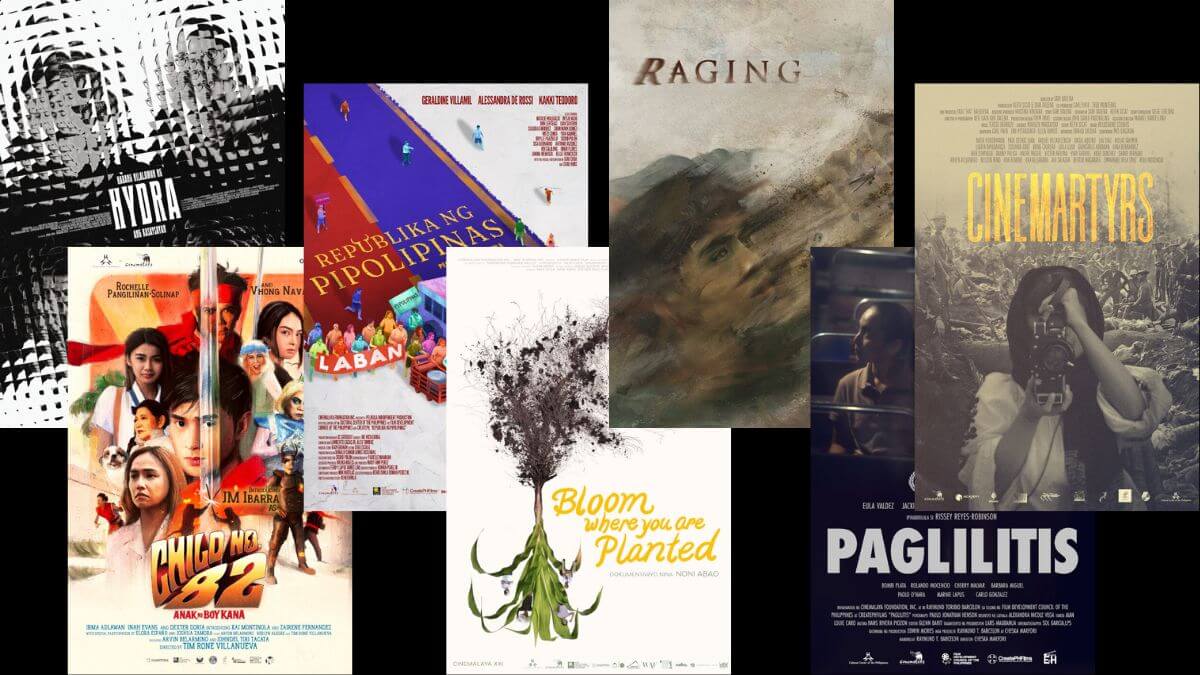
    Seven films from the 21st edition of Cinemalaya have earned a total of 29 nominations at the Gawad Urian Awards, recognizing the filmmakers, artists, and creatives behind some of the festival’s most compelling works. The nominations span major categories from Best Film and Best Director to acting, screenplay, cinematography, editing, music and sound, reaffirming the strength of the country’s indie filmmaking scene.

    The nominated films are Bloom Where You Are Planted, Cinemartyrs, Republika ng Pipolipinas, Paglilitis, Raging, Habang Nilalamon ng Hydra ang Kasaysayan, and Child No. 82: Anak ni Boy Kana. All seven were part of the full-length category of Cinemalaya 21 (2025).

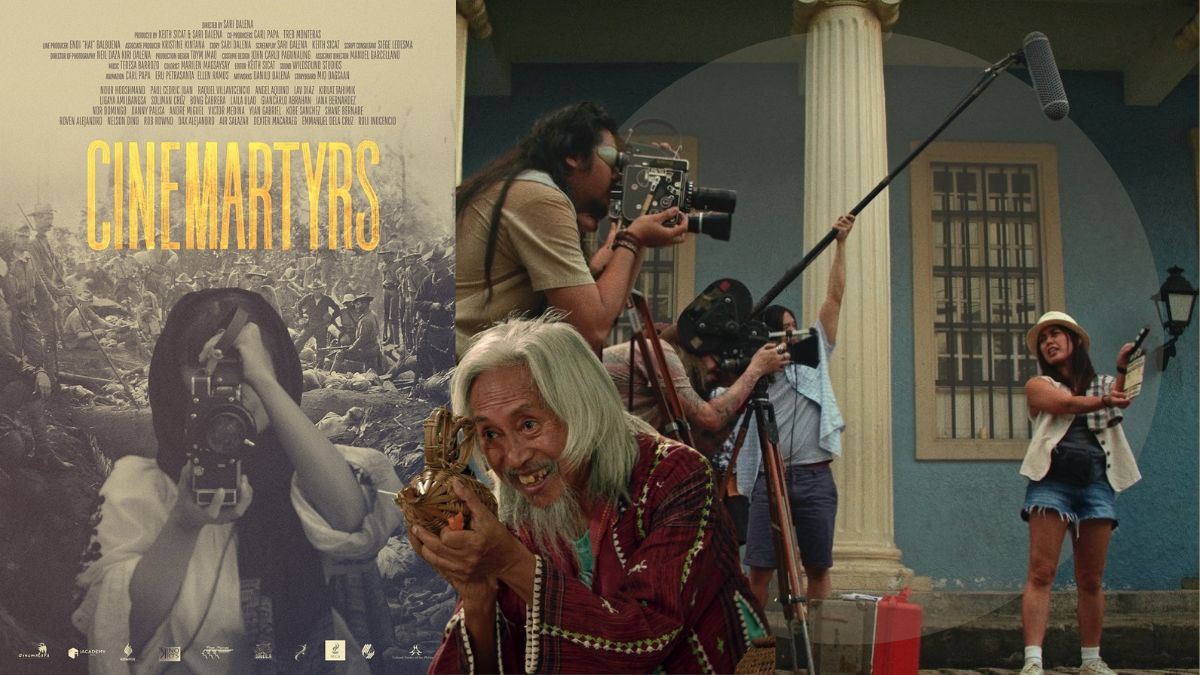
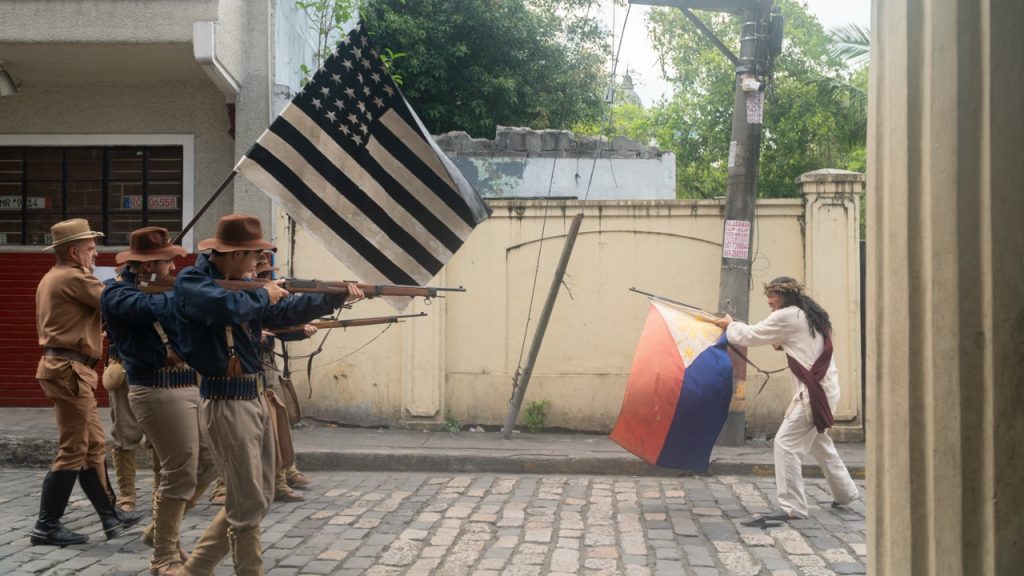
    Leading the nominations is Cinemartyrs by Sari Dalena, with eight nods, including Best Film for Kino Arts, Best Director for Sari Dalena, Best Screenplay for Sari Dalena and Keith Sicat, Best Actress for Nour Hooshmand, Best Production Design for Toym Imao, Best Cinematography for Neil Daza and Kiri Dalena, Best Editing for Keith Sicat, and Best Sound for Emilio Bien Sparks. The film follows a young filmmaker who sets out to recreate forgotten massacres from Philippine history, only to awaken the spirits of those who were killed at one of the massacre sites.

    POSTER Bloom Where You Are Planted

    Bloom Where You Are Planted

    By Noni Abao earned six nominations, including Best Film and Best Documentary for Alex Poblete, Taripnong Cagayan Valley, and Noni Abao, Best Director for Noni Abao, Best Editing for Che Tagyamon, Best Music for Glenn Barit, and Best Sound for Mikko Quizon and John Michael Perez. The documentary follows three land rights activists in Cagayan Valley as they confront threats, displacement, and the struggle to find a secure place to call home.

    REPUBLIKA NG PIPOLIPINAS Aug 10 REVISED

    Republika ng Pipolipinas

    Received three nominations, including Best Screenplay for Renei Dimla, Best Actress for Geraldine Villamil, and Best Supporting Actress for Alessandra de Rossi. The mockumentary follows Cora Vitug, a disillusioned farmer who, after facing eviction from her land, renounces her Filipino citizenship and establishes her own micronation.

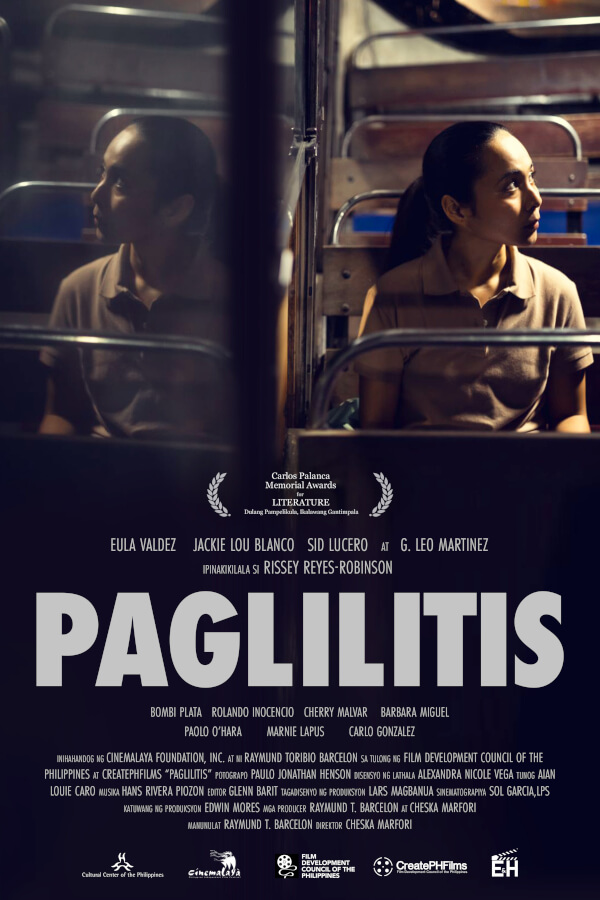
    POSTER Paglilitis

    Paglilitis

    Earned two acting nominations, for Best Actress for Rissey Reyes-Robinson and Best Supporting Actress for Eula Valdez. The drama explores the aftermath of workplace sexual harassment and the complicated pursuit of justice in an age when social media can turn a personal grievance into a public trial.

    20886

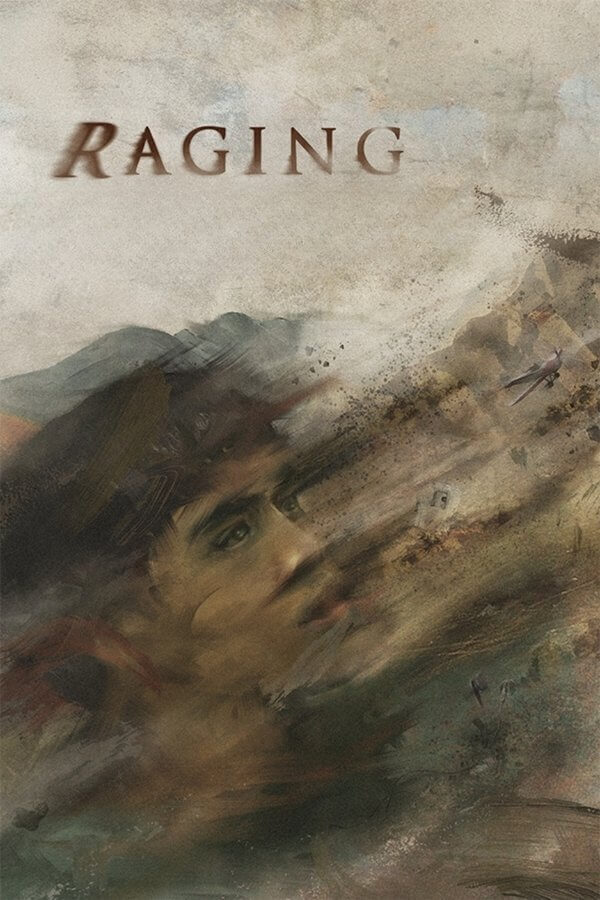
    Raging

    Directed by Ryan Machado, garnered three nominations, including Best Actor for Elijah Canlas, Best Cinematography for Theo Lozada, and Best Sound for Lamberto Casas. Set in 1990s Sibuyan Island, the film follows a young man traumatized by abuse whose discovery of a crashed plane draws him into a dangerous mystery and a quest for truth and justice.

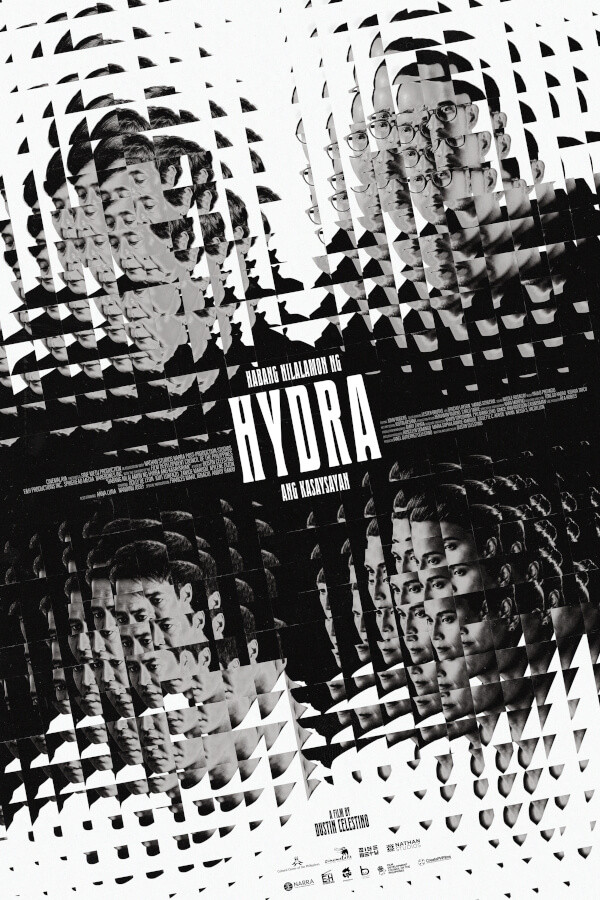
    POSTER Habang Nilalamon ng Hydra ang Kasaysayan

    Habang Nilalamon ng Hydra ang Kasaysayan

    Received four nominations, including Best Actor for Jojit Lorenzo, Best Supporting Actress for Dolly de Leon, Best Supporting Actor for Nanding Josef, and Best Music for Paulo Protacio. The existential drama follows four Filipinos grappling with the aftermath of a painful political defeat as they confront disinformation, fading memories, and questions of purpose, truth, and hope.

    POSTER Child No.82

    Child No. 82: Anak ni Boy Kana

    Received three nominations: Best Supporting Actress for Rochelle Pangilinan-Solinap, Best Editing for Vanessa Ubas De Leon, and Best Sound for Alex Tomboc. The fantasy-comedy drama follows Max, a young man who sets out to prove he is the 82nd child of a legendary action star in the hope of seeing his recently deceased father one last time, only to confront the complicated truth about his family and his own identity.

    Since its inception in 2005, Cinemalaya has become a vital platform for showcasing the unique voices in Philippine independent cinema. It has launched the careers of numerous acclaimed filmmakers and actors, fostering a vibrant community that challenges mainstream narratives and pushes creative boundaries. Beyond awards, Cinemalaya’s influence extends to sparking important conversations about society, culture, and identity, making it not just a film festival, but a powerful movement that continues to shape and redefine Philippine storytelling on both local and international stages.

    The Gawad Urian Awards is one of the most prestigious film award-giving bodies in the Philippines, organized by the Manunuri ng Pelikulang Pilipino. Known for its critical and discerning approach, Gawad Urian has long been regarded as a benchmark for artistic and cinematic quality in the country’s film industry since its inception in 1977.

    To date, Cinemalaya has nurtured over 200 Filipino filmmakers and showcased over 1,000 of their works, including full-feature films, shorts, documentaries, Filipino film classics, and art films.

    With the recent conclusion of its 22nd edition, Cinemalaya will surely continue to uphold its vision to discover, encourage, support, train and recognize gifted Filipino independent filmmakers.

  • CINEMALAYA 22 FILM FESTIVAL REVIEW: Dustin Celestino’s ‘A.ni.mal’ Is a Comedic Departure From His Previous Cinemalaya Work

    CINEMALAYA 22 FILM FESTIVAL REVIEW: Dustin Celestino’s ‘A.ni.mal’ Is a Comedic Departure From His Previous Cinemalaya Work

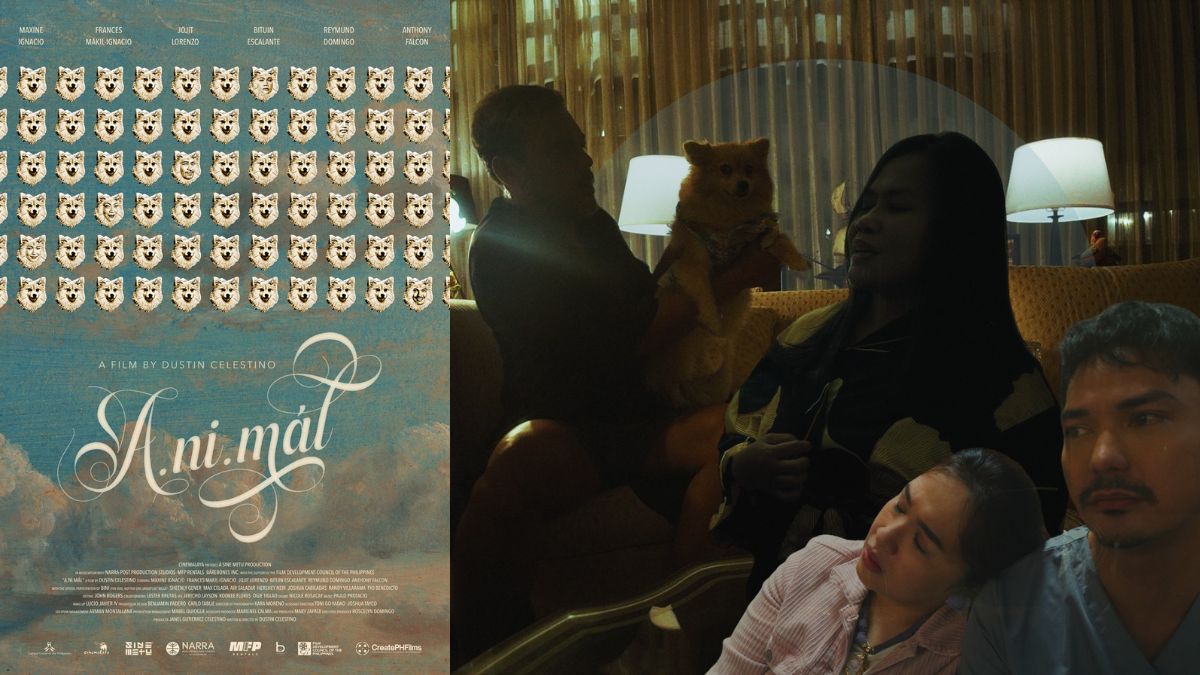
    If, like me, you are only familiar with Dustin Celestino’s work through his last two Cinemalaya films, Duyan ng Magiting and Habang Nilalamon ng Hydra ang Kasaysayan, then you’d think that his third entry to beanother serious, politically charged drama. But A.ni.mal is nothing like Celestino’s first two critically acclaimed Cinemalaya films. ‘A.ni.mal’ is a funny, dark comedy; a satire that explores one of the many faces of evil; breaking it down to its most mundane form in an almost farcical tragic comedy that strips away the pristine facades of people in the public eye.

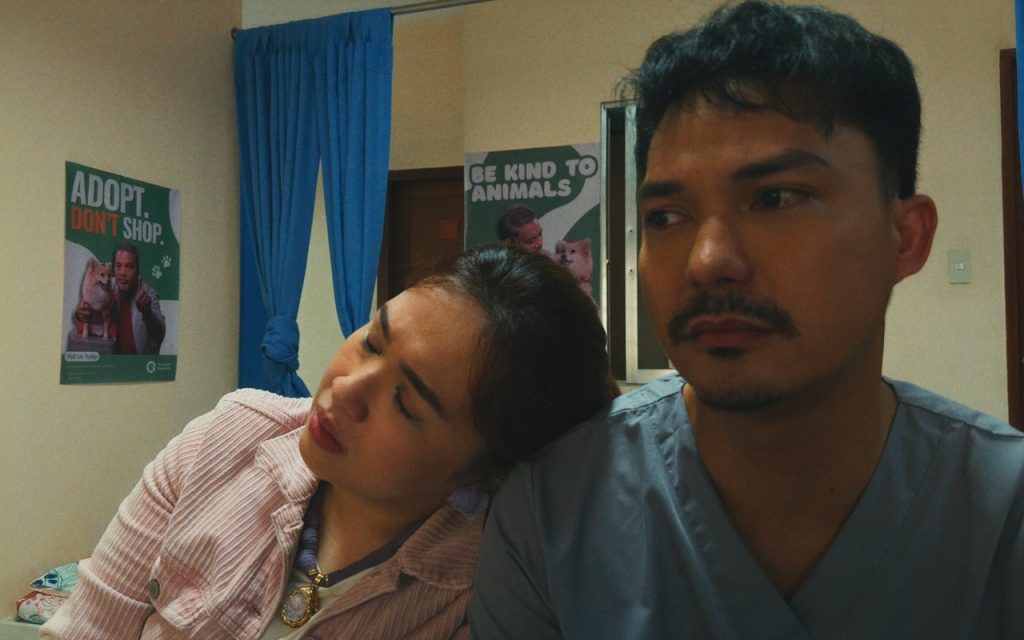
    The film centers on a leaked stolen cellphone recording of a Governor (Reymund Domingo) being intimate with his dog. The recording was captured by his goddaughter, Lily (Maxine Ignacio), who is the daughter of the mayor (Jojit Lorenzo). Lily, who imagines herself a young progressive, wants to protect the dog. After all, she volunteers at a pet shelter to prove she’s not just another nepo baby. But the video becomes a contentious topic. The Mayor wants it deleted but his wife, Ofel (Frances Makil-Ignacio), sees an opportunity to weaponize the secret and curry favour with the Governor’s wife, Grace (Bituin Escalante). The video’s mere existence and the subject matter of its content thrusts all the characters into a moral dilemma that becomes an exhibition of the worst of human nature.

    ANML Film Still 06 Cinemalaya 22
    Cinemalaya 22 A.ni.mal | Photo courtesy of Sine Metu Media Productions

    From the onset, A.ni.mal is hilarious, often-times absurd, and a clever and biting in its social commentary. The characters’ political nature and their desperate need to maintain the importance of their public image and branding becomes the focal point of many of the comedic elements. How these characters present themselves to the public are very much the opposite of what lingers in their minds. Shot entirely on iPhone 17 Pro Max, Celestino and Director of Photography Kara Moreno are not afraid to get really up close into the actor’s faces, capturing the nuances of their expressions. A lot about who we are is hidden but when the camera gets that close, everything is revealed. 

    ANML Film Still 07 Cinemalaya 22
    Cinemalaya 22 A.ni.mal | Photo courtesy of Sine Metu Media Productions

    The film’s cinematography generated an almost raw, documentary-like effect. Through handheld camera work, natural lighting, and an intense proximity to the subjects, Celestino and Moreno layer the film with added meaning. The imagery evokes the language of mobile screens, cellphone recordings, dramas, memes, and other viral videos we watch on our mobile phones. It adds a texture of engagement with the material, meant to create a relationship with the audience. What they are seeing onscreen is akin to what they watch all day on their phones.

    ANML Film Still 08 Cinemalaya 22
    Cinemalaya 22 A.ni.mal | Photo courtesy of Sine Metu Media Productions

    Witty and clever, A.ni.mal is propelled by spectacular performances, most notably from Maxine Ignacio, Bituin Escalante (whose terrifying third-act monologue is absolutely electrifying), and Anthony Falcon, who plays a veterinarian at the pet shelter, who serves as the film’s moral core, to a certain point. All the performances are solid here; another perfectly synergized ensemble in a Dustin Celestino film but certain characters do stand out.

    A.ni.mal
    Cinemalaya 22 A.ni.mal | Photo courtesy of Sine Metu Media Productions

    At the very center of this is Ignacio’s Lily, who carries most of the outrage at the film’s beginning that pushes this narrative forward and when her character is later fully revealed, do we see the brilliance of Ignacio’s approach. Each of the actors understand the dramatic frequency needed to fully embody this hilarious satire, and they use it for full effect.

    ANML Film Still 02 Cinemalaya 22
    Photo courtesy of Sine Metu Media Productions

    It is easily the most visually fluid work in Celestino’s filmography. The precise camerawork, thoughtful mise-en-scene, and the framing constantly amplifies and highlights the film’s themes. While just as politically charge as Duyan ng Magiting and Habang Nilalamon ng Hydra ang Kasaysayan, this entry feels far more accessible. 

    My Rating: 5 Stars

    A Big Bold Beautiful Journey


    A.ni.mal is now showing on the big screen. Check cinema showtimes near you and grab your tickets today.

    This year, don’t miss Cinemalaya 22: Reel Reflections runs this August 6 to 18 at Red Carpet Cinemas (Shangri-La Plaza), Gateway Cineplex 18, and Ayala Malls Cinemas. Witness another stellar lineup of stories that will move you and showcase the brilliance of Philippine cinema. Follow the Cultural Center of the Philippines and Cinemalaya for updates.
  • Movie Review — Cinemalaya XXI: The Rewards of ‘Cinemartyrs’ Are Immense If You Can Get Through Its Digressive Experimental Narrative

    Movie Review — Cinemalaya XXI: The Rewards of ‘Cinemartyrs’ Are Immense If You Can Get Through Its Digressive Experimental Narrative

    The conceptual conceit of Sari Dalena’s ‘Cinemartyrs’ creates a fantastic moment of catharsis at her film’s end that sort of rewards the audience from being able to muster the labyrinthine first half of her film. It’s a personal essay, a narrative historical rumination, and an artist’s statement about the power of film, all rolled into one experimental movie. The film meanders and strays from its plot, building a world that picks up all the elements it juggles into the air and creates a collision that can leave you breathless. It wasn’t an easy film for its first hour but once we reach the point of intersection, the film becomes a celebration of all that is wonderful about film and filmmaking.

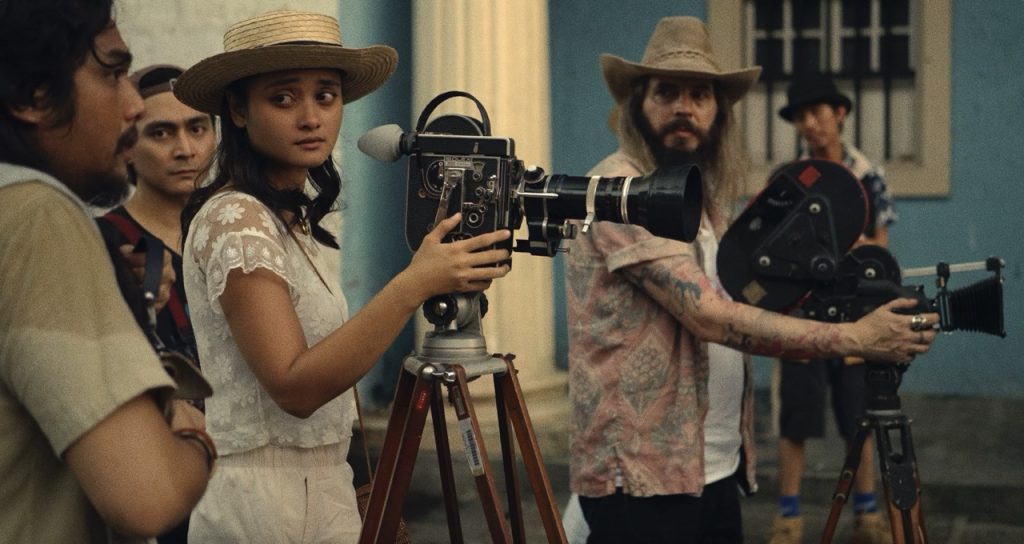
    ‘Cinemartyrs’ follows Shirin (Nour Houshmand), a young filmmaker shooting a documentary that reenacts massacres from the Philippine-American war. When she shows her progress to the grant-giving body, they belittle her and the footage she has presented calling it incomplete.

    Cinemartyrs
    Cinemartyrs | Photo courtesy of Cinemalaya / CCP Corporate Communications Division’

    She is then asked to include historical events that happened in Mindanao and Shirin takes her small crew to Jolo to document and revisit an American surprise attack on a Tausug village during a wedding. But as she begins filming on site, she touches upon something profound and metaphysical.

    Cinemartyrs
    Cinemartyrs | Photo courtesy of Cinemalaya / CCP Corporate Communications Division’

    ‘Cinemartyrs’ is an experimental film that uses the medium to remember fragments of history that is lost, to comment on them, and at the same time, make a commentary on the medium itself as a convergence point of history, geography, and culture.

    BTS 3 CINEMARTYRS
    Cinemartyrs | Photo courtesy of Cinemalaya / CCP Corporate Communications Division’

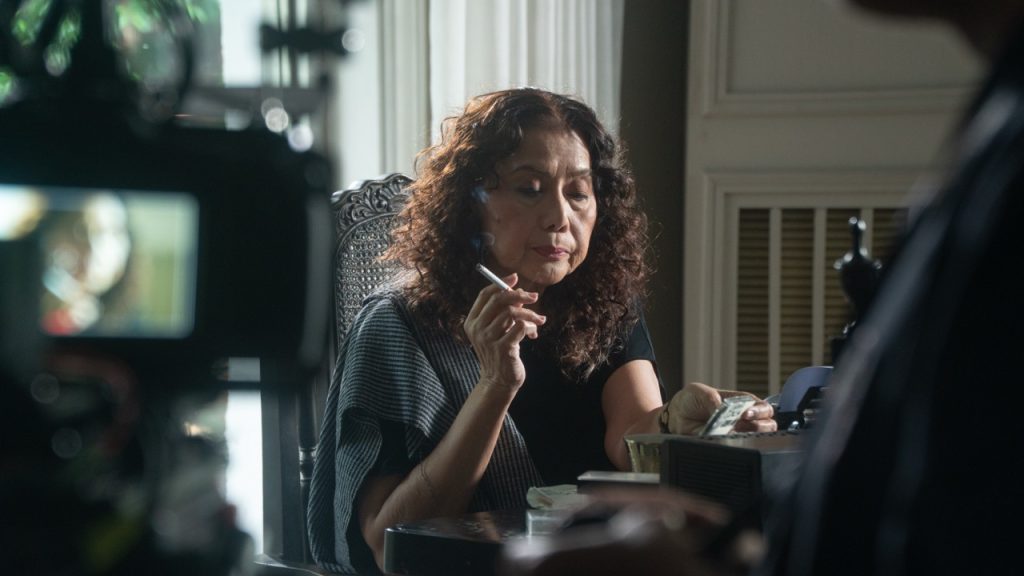
    Time operates differently in the film, such as a wonderful scene showing Shirin’s mom (Raquel Villavicencio) working on research about Filipina directors and screenwriters from the early days of the Philippine film industry.

    Cinemartyrs
    Cinemartyrs | Photo courtesy of Cinemalaya / CCP Corporate Communications Division’

    She is rediscovering them, engaging with them and their contributions to Philippine cinema and thus is able to bring back their spirit and have a conversation with them. This scene occurs within the first hour and diverts the narrative plot but becomes an essential element that plays on hard later on in the film.

    Cinemartyrs
    Cinemartyrs | Photo courtesy of Cinemalaya / CCP Corporate Communications Division’

    But there are many digressions such as these in the film that can make the viewing of it a bit strained. It starts and stops and sometimes it works marvelously, like the scene of Villavicencio, but it can also appear indulgent and unnecessary as when Shirin and her husband, Kevin (Cedrick Juan) meet and have a sit down with Kidlat Tahimik (playing himself) talking about the duende, which Tahimik has discussed in many venues. Its repetition in the film feels out of place, so ordinary in a film that’s operating in the realm of the metaphysical.

    Cinemartyrs
    Cinemartyrs | Photo courtesy of Cinemalaya / CCP Corporate Communications Division’

    Things don’t fully come together until the third act, when Shirin and her small team arrive at the Tausug village to reenact the massacre, and that’s when the film’s thesis finally comes into play. All the disparate subplots and digressions start to come together to create a climax that’s as visually stunning as it is profoundly moving.

    Cinemartyrs
    Cinemartyrs | Photo courtesy of Cinemalaya / CCP Corporate Communications Division’

    The past is thrust into the present, the present is engaging with the past in a way that may be impossible and in the final scene of the film, the future is made clear. At the center of all of this is the medium of film as a gateway for this intersection. 

    Cinemartyrs
    Cinemartyrs | Photo courtesy of Cinemalaya / CCP Corporate Communications Division’

    The film is definitely a personal one, with certain character interactions and dynamics feeling less universal and more distinct and unique; an inside joke we are made privy to but not included in. But what Dalena ends up creating is a love letter to Filipino women filmmakers who have paved the way in the industry and the way that they continue to break boundaries. Their very existence – and in the process of remembering them – is an opposition to the patriarchal hold of oppression our colonial past has left us. This is an immense work that requires a lot from its audience but also gives back tenfold.

    A Big Bold Beautiful Journey


    Cinemartyrs is showing on the big screen. Check cinema showtimes near you and grab your tickets today.

    This year, don’t miss Cinemalaya 21: LAYAG sa Alon, Hangin, at Unos happening from October 3-12, 2025! Witness another stellar lineup of stories that will move you and showcase the brilliance of Philippine cinema. Follow the Cultural Center of the Philippines and Cinemalaya for updates.
  • Movie Review — Cinemalaya XXI: The Weight of the Tragedy Keeps ‘Padamlagan’ from Finding Its Feet

    Movie Review — Cinemalaya XXI: The Weight of the Tragedy Keeps ‘Padamlagan’ from Finding Its Feet

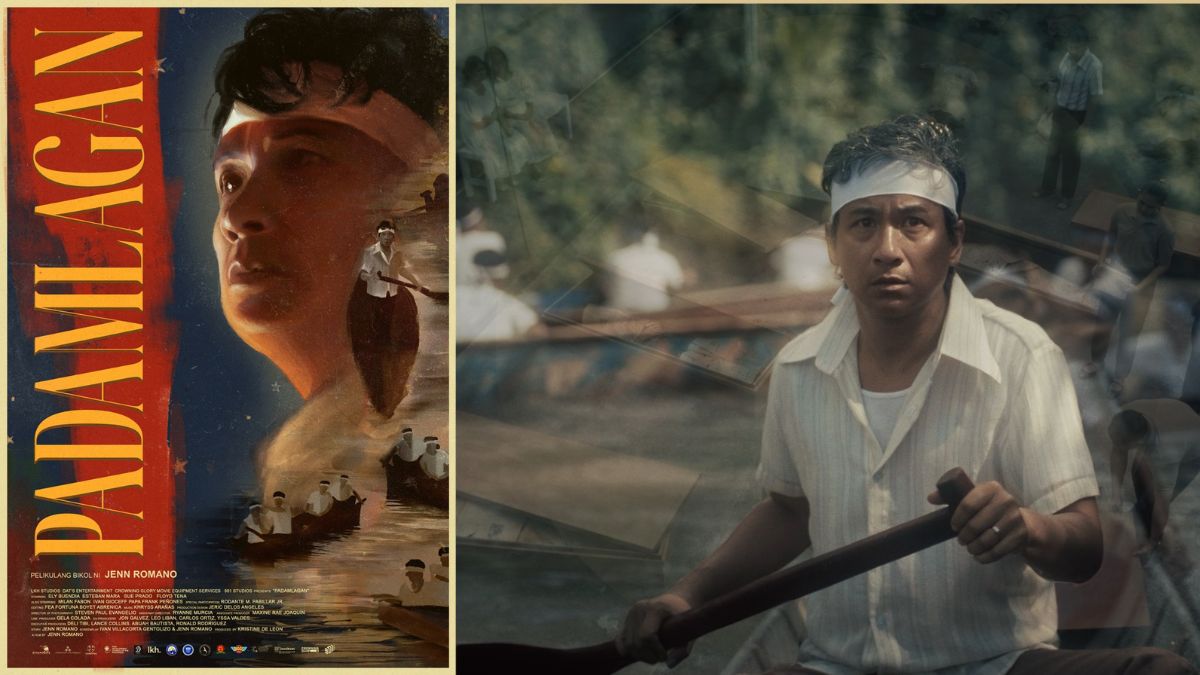
    Jenn Romano’s ‘Padamlagan’ uses film to remember, stitching together interviews about the Naga tragedy using photographs to reimagine that era, while weaving in a narrative about a father whose son goes missing to encapsulate that feeling and making it tangible. The blurring of reality and fiction is an interesting use of the medium and pushes Romano’s message that the victims of the tragedy must not be forgotten. But Romano’s film aesthetic and style linger, is a quiet remembering but the story she is trying to tell needs a bit more volume.

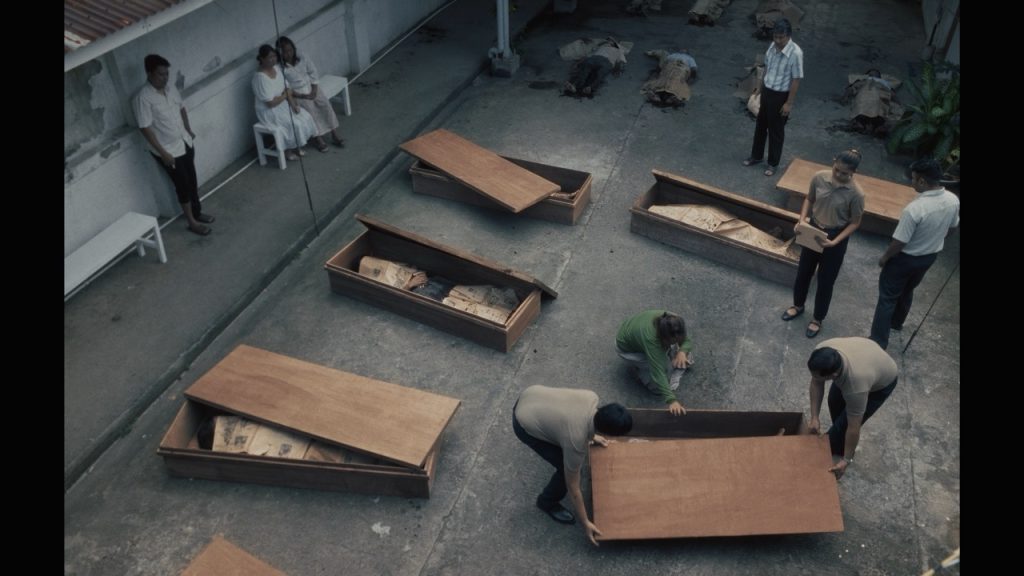
    The story in the middle of the retelling revolves around a father, Doring (Ely Buendia), who seems out of sorts, not fully in the present. He lives with his in-laws (Sue Prado and Floy Tena) while his son, Ivan (Esteban Mara), grows up and distant after a stint studying in Manila. The city of Naga is a buzz due to the fluvial procession for Our Lady of Peñafrancia. Ivan is at odds with his uncle and his father, unwilling to take part in the family going-ons and earning a reputation for being a troublemaker. When the Colgante Bridge collapses and hundreds die, Ivan goes missing. Doring spends the rest of the film looking for his son and witnessing the effects of that tragedy on the lives of the people around him.

    Padamlagan
    Padamlagan | Photo courtesy of Cinemalaya / CCP Corporate Communications Division’

    In order to create that feeling of remembrance, Romano uses a lot of still shots. Her camera, lensed by Steven Paul Evangelio, barely moves while the world enters and exits the frame. Most of the time, the film takes a long shot keeping us distant from the characters and their business. This aesthetic can leave the audience cold because we don’t really get to see the full scope of the strains of the relationship between Doring and Ivan and Ivan with the rest of his family, especially his soldier uncle.

    Padamlagan
    Padamlagan | Photo courtesy of Cinemalaya / CCP Corporate Communications Division’

    By using a still shot, the characters have to come into place, and this creates a lingering feeling. It slows down the pace and the energy of the film. It’s actually a standard 90-minute film but it can feel much longer. Except for a few actors, most of the dialogue in the narrative are delivered in short bursts with pauses or silences in-between lines. The dialogue doesn’t flow like conversational language, so the energy of the scene never really pushes through. Floyd Tena is the most conversational of the actors, delivering his dialogue (all of which is in Bicolano) with the most ease that his scenes are always the strongest, the most natural. Everyone else seems to be going through an emotional moment. Instead of nostalgia or emphasis, it makes the film feel over-dramatic.

    Padamlagan
    Padamlagan | Photo courtesy of Cinemalaya / CCP Corporate Communications Division’
    Padamlagan
    Padamlagan | Photo courtesy of Cinemalaya / CCP Corporate Communications Division’

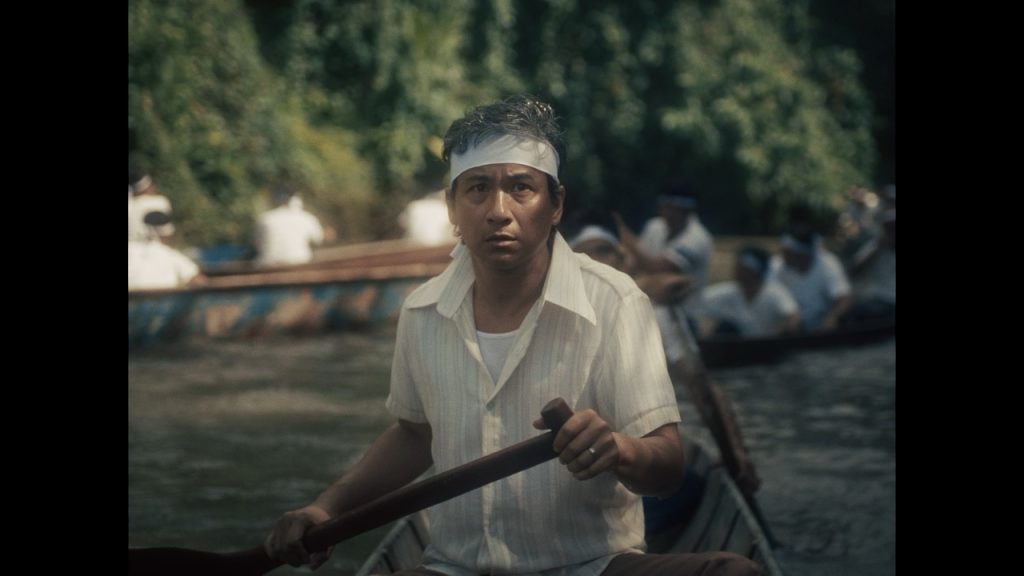
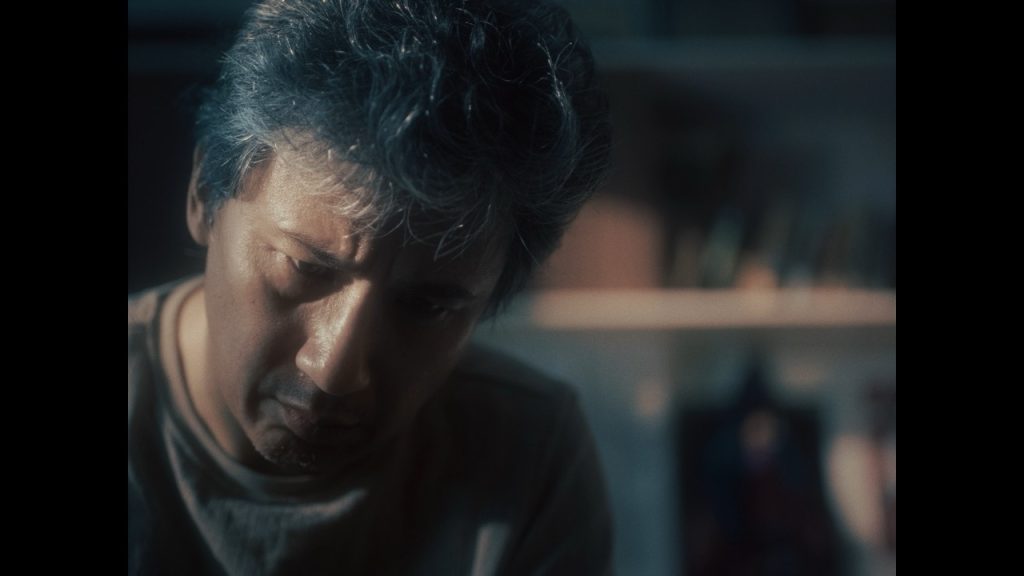
    As the main character, Buendia gets the most close-ups (followed by Mara), but unfortunately, Buendia has such a stoicism that he fails to really bring out his character’s interior world. The most telling of this is during the fluvial parade, where Doring is paddling surrounded by other paddlers on boats. Through sound effects, we realise the bridge is collapsing and all the other characters around him are panicking, their faces awash with horror. But Buendia’s face remains the same. There’s a slight tension in the jaw, but no other emotion comes out. His paddling doesn’t even change that much and so the effect of the tragedy is slightly diminished. And this is an issue I have throughout the rest of the film with him. He’s our foil, our way of understanding the story and the immense grief that followed the collapse of the bridge, but we never really get to feel it. On Mara’s close-ups, there is a world of hurt and pain there that’s hidden just below the eyes.

    Padamlagan
    Padamlagan | Photo courtesy of Cinemalaya / CCP Corporate Communications Division’

    The film talks about the tragedy in detail but only slightly implies its effect and connection to the declaration of Martial Law just a few days after the tragedy. There are implications of Ivan’s possible engagement with the communist party and there are one or two scenes of police and military brutality but it’s not enough for the film to truly make any link between the tragedy of Colgante in 1972 and the declaration of Martial Law and all the tragedies that happened due to that declaration. There’s a causality that the film attempts at establishing but doesn’t quite hunker down in any real detail. The Colgante Bridge tragedy is an event entirely of its own and by mentioning that Martial Law was declared just days after bears no meaning.

    Padamlagan
    Padamlagan | Photo courtesy of Cinemalaya / CCP Corporate Communications Division’

    The weight of memory bears down on ‘Padamlagan’ that the film doesn’t find its own two feet. There’s no catharsis in this film, a bold choice, but without a fuller understanding of Doring as a character or a means to visually grasp what he’s feeling, the film’s attempt to turn the feeling tangible escapes me. It’s strongest when it acts as memory, recounting real-life stories and showing photos of the event. That was more affecting than the film.

    A Big Bold Beautiful Journey


    Padamlagan is showing on the big screen. Check cinema showtimes near you and grab your tickets today.

    This year, don’t miss Cinemalaya 21: LAYAG sa Alon, Hangin, at Unos happening from October 3-12, 2025! Witness another stellar lineup of stories that will move you and showcase the brilliance of Philippine cinema. Follow the Cultural Center of the Philippines and Cinemalaya for updates.

  • Movie Review: Cinemalaya XXI: ‘Habang Nilalamon ng Hydra ang Kasaysayan’ Is a Politically-Charged Love Letter 

    Movie Review: Cinemalaya XXI: ‘Habang Nilalamon ng Hydra ang Kasaysayan’ Is a Politically-Charged Love Letter 

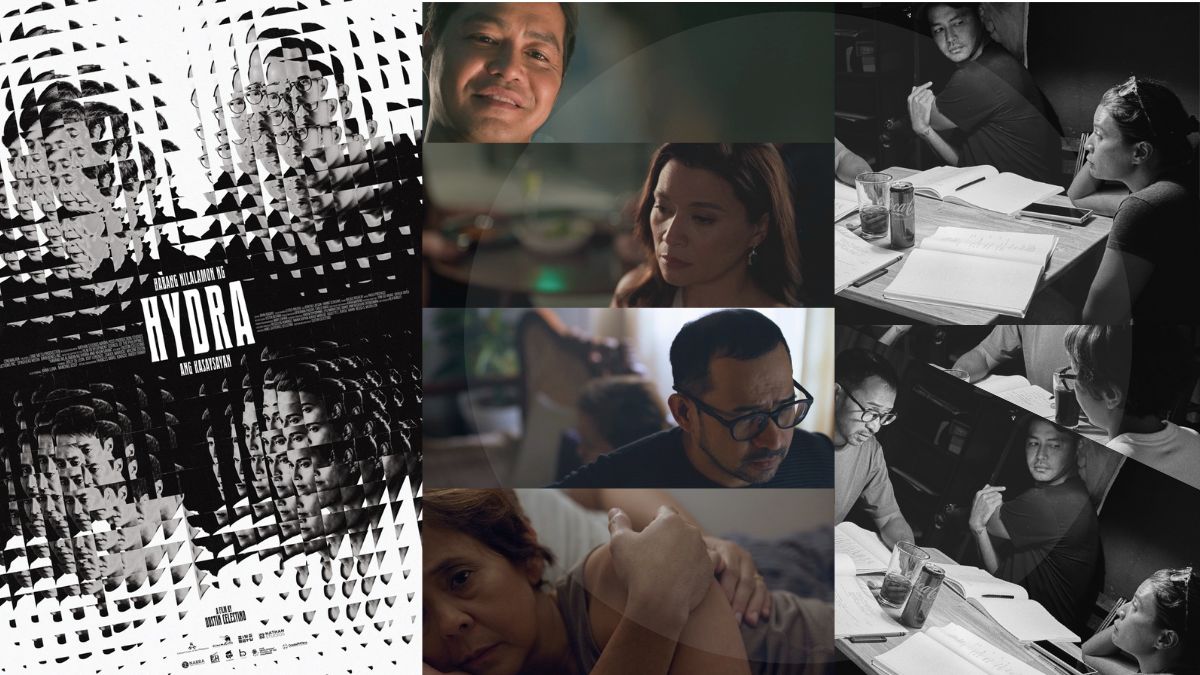
    While the film opens with a disclaimer that the events and characters depicted in ‘Habang Nilalamon ng Hydra ang Kasaysayan’ are purely fictional, there’s no doubt on the event that director and writer Dustin Celestino is exploring in his movie. The narrative begins during an election, where a woman candidate loses, leaving her campaign team, Kiko (Jojit Lorenzo) and David (Zanjoe Marudo) to deal with the crushing blow of defeat. Kiko’s wife, Bea (Dolly De Leon), a history professor, begins to spiral after the winning candidate turns out to be the son of the former president whose regime caused the disappearance of her father decades prior. In the midst of this, David begins dating Mela (Mylene Dizon), a constitutional lawyer and the daughter of the general who is suspected of being the executioner of that same president.

    Habang Nilalamon ng Hydra ang Kasaysayan
    BTS HABANG NILALAMON NG HYDRA ANG KASAYSAYAN | Photo courtesy of Cinemalaya / CCP Corporate Communications Division’

    These four characters wrestle and struggle with the shifting political landscape, dissecting the loss of history through technology and changing social norms, while desperately trying figure out where hopes lies when the truth no longer holds power.

    Habang Nilalamon ng Hydra ang Kasaysayan
    HABANG NILALAMON NG HYDRA ANG KASAYSAYAN | Photo courtesy of Cinemalaya / CCP Corporate Communications Division’

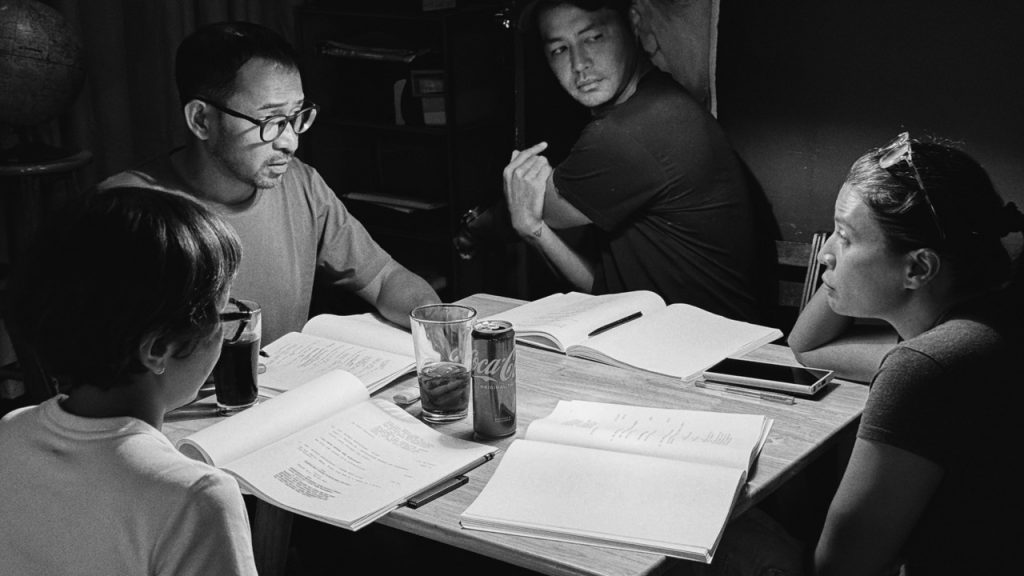
    Once again, Celestino takes what is essentially a theatrical narrative and manages to turn it cinematic by his dynamic use of camerawork, lensed by the incredible Kara Moreno. Each duet (as most of the scenes happen with only two people talking) or the powerful dinner sequence with all four leads together, can be imagined as scenes from a play. They are verbose, the characters figuring out the world through dialogue. It’s didactic, for sure, but the setup is so precise that allows for these conversations to happen.

    Habang Nilalamon ng Hydra ang Kasaysayan
    HABANG NILALAMON NG HYDRA ANG KASAYSAYAN | Photo courtesy of Cinemalaya / CCP Corporate Communications Division’
    Habang Nilalamon ng Hydra ang Kasaysayan

    HABANG NILALAMON NG HYDRA ANG KASAYSAYAN | Photo courtesy of Cinemalaya / CCP Corporate Communications Division’

    Kiko and David, former speechwriters for the female presidential candidate, are articulate and intelligent. David even being a professor of Greek mythology before joining the campaign. Kiko and Bea are also intelligent and articulate people, with Bea being a history professor. All their conversations echo the kind of conversations that might have transpired back in 2022, on the actual election that this film is obviously inspired from.

    Habang Nilalamon ng Hydra ang Kasaysayan
    HABANG NILALAMON NG HYDRA ANG KASAYSAYAN | Photo courtesy of Cinemalaya / CCP Corporate Communications Division’

    Adding to the mix is Mela (Mylene Dizon), the mercenary constitutional lawyer who grew up in privilege and possesses the strength and confidence to speak her mind. She, too, is a forced to be reckoned with. These characters and the situations Celestino chooses to portray onscreen is permissible for his exercise in exploring the issues of disinformation and the absence of truth (or the lack of power of truth) in today’s socio-political discourse.

    Habang Nilalamon ng Hydra ang Kasaysayan
    BTS HABANG NILALAMON NG HYDRA ANG KASAYSAYAN | Photo courtesy of Cinemalaya / CCP Corporate Communications Division’

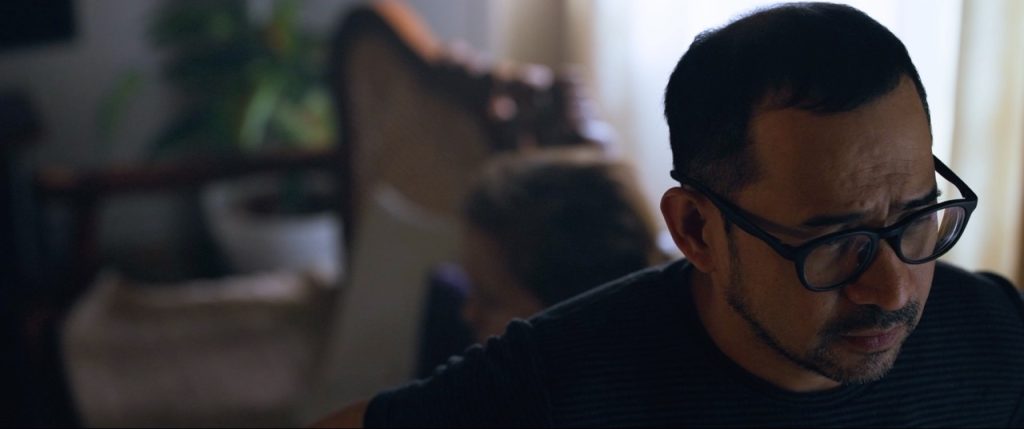
    Moreno’s close-ups are strikingly intense, they move in really close, oftentimes cutting off the headroom at the top of the frame, as Celestino is putting equal emphasis on their emotions as well as their reasoning; even when emotions sometimes overcome reason. It is so close, almost claustrophobic, that I feel that a story that is talking about real-world events needs a shot of the world being discussed.

    Habang Nilalamon ng Hydra ang Kasaysayan
    BTS HABANG NILALAMON NG HYDRA ANG KASAYSAYAN | Photo courtesy of Cinemalaya / CCP Corporate Communications Division’

    As I’m watching this film, and enjoying this philosophical debate, I found myself looking for the world that they are talking about. Maybe some exterior shots, some long shots of the characters within that milieu. By keeping everything so close and so intimate and personal, I do not see the world that the characters are struggling so hard to save. 

    Habang Nilalamon ng Hydra ang Kasaysayan
    BTS HABANG NILALAMON NG HYDRA ANG KASAYSAYAN | Photo courtesy of Cinemalaya / CCP Corporate Communications Division’
    Habang Nilalamon ng Hydra ang Kasaysayan
    BTS HABANG NILALAMON NG HYDRA ANG KASAYSAYAN | Photo courtesy of Cinemalaya / CCP Corporate Communications Division’

    With this powerhouse cast, though, the acting is superb. It’s an ensemble piece that also features Anna Luna as Mela’s sister, Nanding Josef as Mela’s father, Frances Makil-Ignacio as the female presidential candidate, and Andoy Ranay as the newly elected president. Each one delivers a nuanced performance, barely acting, just being their characters. They throw the lines so effortlessly, truly encapsulating the character’s milieu, their intelligence.

    Habang Nilalamon ng Hydra ang Kasaysayan
    BTS HABANG NILALAMON NG HYDRA ANG KASAYSAYAN | Photo courtesy of Cinemalaya / CCP Corporate Communications Division’

    But the scene-stealer here is Mylene Dizon. Her character is so complex and is right at the point of realisation, as she is dating the activist, David. She balances between indifference and waking up to the horrors of her family’s past. It’s such a delicate moment for her character, and Dizon nails the performance to a tee.

    Habang Nilalamon ng Hydra ang Kasaysayan
    BTS HABANG NILALAMON NG HYDRA ANG KASAYSAYAN | Photo courtesy of Cinemalaya / CCP Corporate Communications Division’

    On a technical level, ‘Habang Nilalamon ng Hydra ang Kasaysayan’ is an exquisitely crafted film. Its movement between characters, crisp dialogue, and masterful shots and framing are all executed to perfection. The performances are exemplary (and may win the film an acting ensemble award). However, its focus on just its characters can make the film feel small when it’s talking about a society that is crumbling apart. It’s intelligent but its emotions can feel stifled by having it focused solely on the characters. What is sure is that this film has an intended audience, a cinematic group hug for people who underwent the same thoughts and emotions these characters are going through. 

    POSTER Habang Nilalamon ng Hydra ang Kasaysayan

    A Big Bold Beautiful Journey


    Habang Nilalamon ng Hydra ang Kasaysayan is showing on the big screen! Check cinema showtimes near you and grab your tickets today!

    This year, don’t miss Cinemalaya 21: LAYAG sa Alon, Hangin, at Unos happening from October 3-12, 2025! Witness another stellar lineup of stories that will move you and showcase the brilliance of Philippine cinema. Follow the Cultural Center of the Philippines and Cinemalaya for updates!
  • Movie Review — Endings and Beginnings: A Review of Cinemalaya XXI Opening Film ‘The Elysian Field’

    Movie Review — Endings and Beginnings: A Review of Cinemalaya XXI Opening Film ‘The Elysian Field’

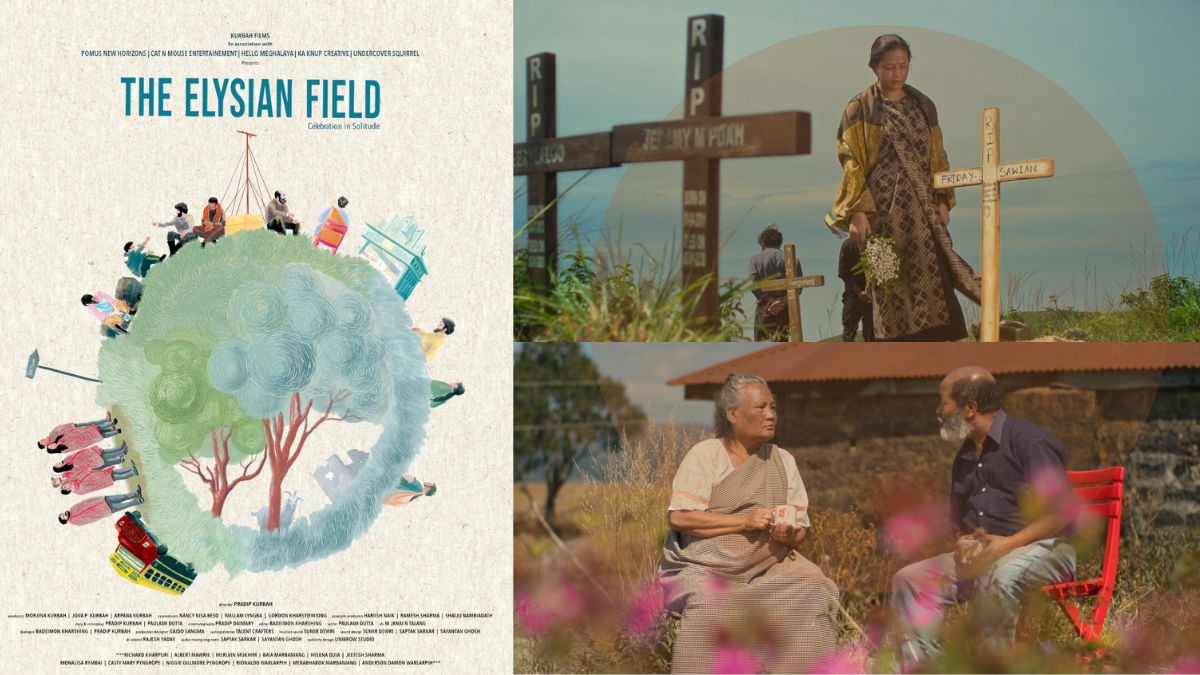
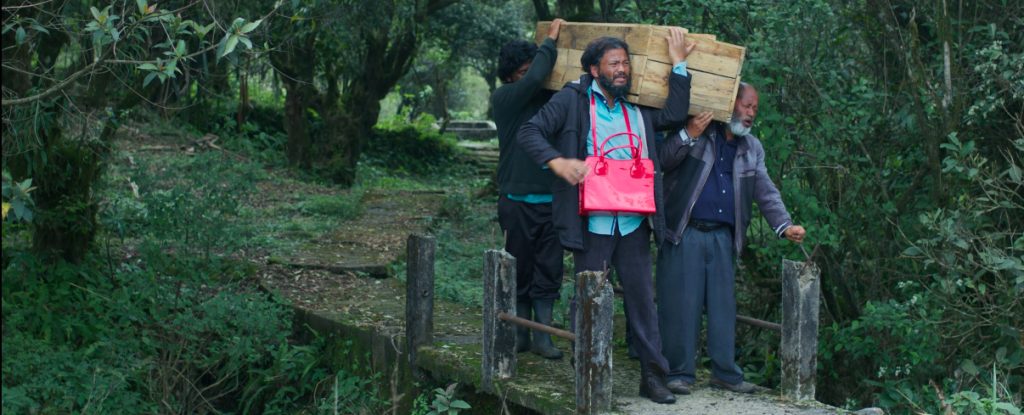
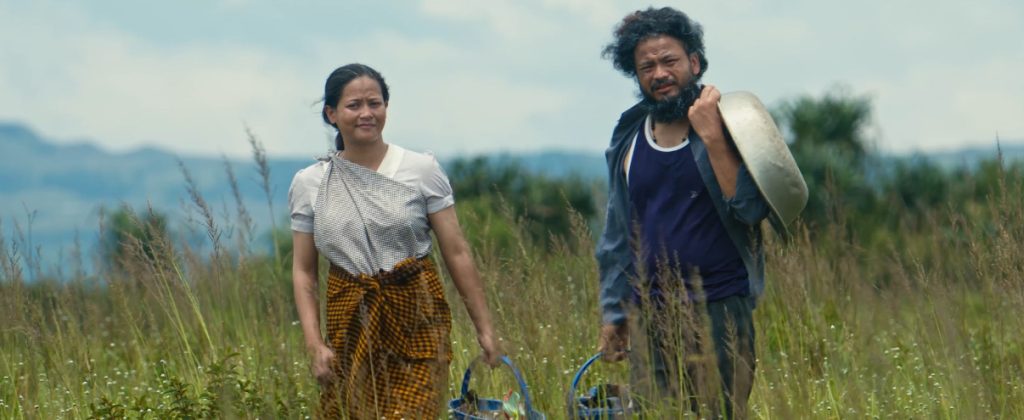
    The Indian film ‘The Elysian Field’ opens Cinemalaya XXI with a poignant story about how the modern world is slowly wiping away small villages and what that looks like. This slice-of-life story gives us a peak at a secluded village in Meghalaya in the northeastern region of India. The village has only six inhabitants left and their lives are completely intertwined.

    The Elysian Field
    Photo courtesy of Cinemalaya / CCP Corporate Communications Division

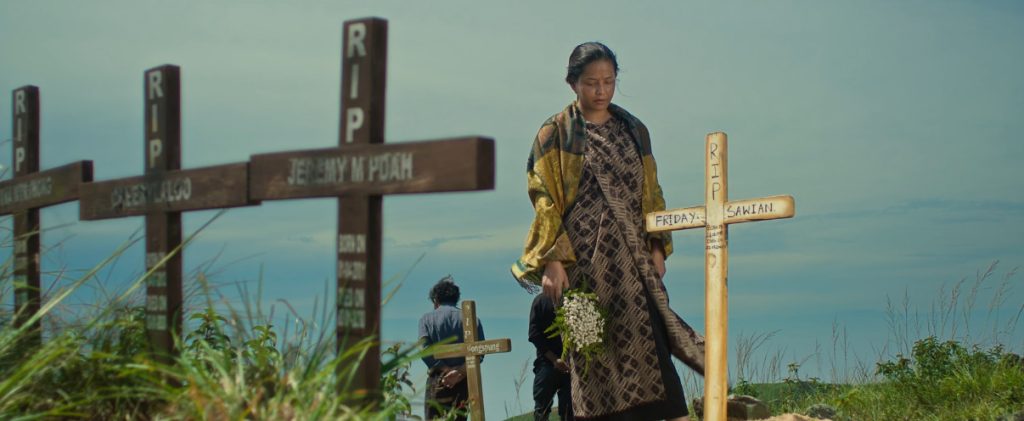
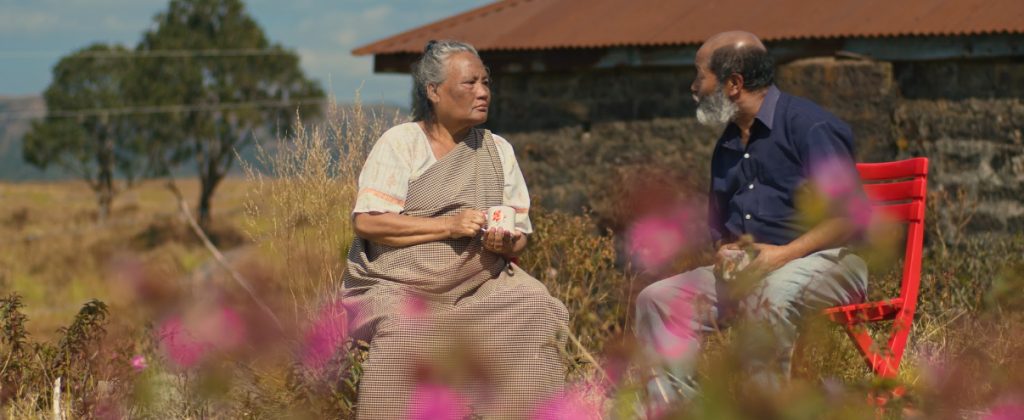
    The film opens with Livingstone (Albert Mawrie), who is coming home on a bus with the coffin of his recently deceased wife, Belinda. As he arrives, the three remaining men of the village – Complete (Richard Kharpuri), Promise (Merlvin Mukhim), and Friday (Jeetesh Sharma) – help carry the coffin down across a huge field, two bridges, a hill, and further along back to their secluded village. There they are joined by Maia (Baia Marbanjang) and Miss Helen (Helen Duiia), Livingstone’s mother. Over the course of the film, we see how life fares in this empty town that is surprisingly filled with life. We see them struggle with electricity, gossip about each other, a romance begins to bloom, and the spectre of death hangs above them in their little village filled with empty houses and ruins.

    The Elysian Field
    Photo courtesy of Cinemalaya / CCP Corporate Communications Division

    Written by Paulami Duttagupta and directed by Pradip Kurbah, the film immerses us in a world that is slowly fading away. Set against the gorgeous Meghalaya landscape, we are transported to a place seemingly beyond time and geography. To be able to resupply, the villagers must take the one and only bus back to the city (of which there are no scenes) and the impression is given that this is a whole day affair. The rest of the time is spent living out their days in the empty village, cooking food for each other, drinking at nights, and living truly as one community. 

    There are story elements that pop up: Belinda’s children from before her marriage to Livingstone are contesting her will and Livingstone must deal with the litigation and go to the city every now and then, Complete is fighting with the government for not providing service to their tiny village, Promise must continue to fix every issue involving electricity and electronics, while Maia finds herself wooed by some of the men in the village.

    The Elysian Field
    Photo courtesy of Cinemalaya / CCP Corporate Communications Division

    But none of these take center stage in the story. These are just activities in the lives of the people of this secluded little town, and the film manages to show us this burst of live despite the fact that it is also dying right in front of us. There’s no future here. At some points, the men begin to dig graves for all of the inhabitants so that it wouldn’t be left to the women if the men died first. But while the threat of extinction hangs above them, they are just filled with life.

    The Elysian Field
    Photo courtesy of Cinemalaya / CCP Corporate Communications Division

    It’s a gorgeous movie once you allow its languid, almost dreamlike pace to sink in. The way by which this small community engages with one another is very Filipino in spirit and in values. It’s a love letter, for sure, to a way of life that is slowly disappearing and while this may be a Northeastern Indian issue, this could very well be a small town in Northern Luzon or in the mountains of Mindanao. While being inherently Meghalayan in culture, the way director Pradib Kurbah puts it in his camera frame makes it utterly universal.

    The Elysian Field

    The performances are exquisite, with Marbanjang being the heart and soul of this ensemble. Her warmth is the center of which the community revolves around. The acting is so natural, so subtle and layered. It makes the film poignant and funny all at the same time.

    A Big Bold Beautiful Journey


    The Elysian Field is showing on the big screen! Check cinema showtimes near you and grab your tickets today!

    This year, don’t miss Cinemalaya 21: LAYAG sa Alon, Hangin, at Unos happening from October 3-12, 2025! Witness another stellar lineup of stories that will move you and showcase the brilliance of Philippine cinema. Follow the Cultural Center of the Philippines and Cinemalaya for updates!

  • Cinemalaya and Ayala Malls Cinema Making Dreams Come True

    Cinemalaya and Ayala Malls Cinema Making Dreams Come True

    In 2005, the Philippine film industry seemed to be on a decline. The cost of producing films was too high, while digital technology and new methods of filmmaking were on the rise.

    The Philippine cinema could not keep up with the changing times. Stories that were not commercially viable were sidelined. 

    Cinemalaya Thumb

    Seeing this gap, the Cultural Center of the Philippines (CCP) along with other stakeholders looked for new ways to revive the film industry and help Filipino filmmakers have a platform for their truthful and socially relevant storytelling  

    And thus, the Cinemalaya Philippine Independent Film Festival was born.  

    “Our vision was to support filmmakers, give them an initial grant in order to help them produce it,” said Cinemalaya XX deputy festival director Teresa Rances. 

    The organizing committee wanted to give the filmmakers a chance to tell stories with no restrictions; give them a playground to explore other possibilities in film-making.

    In its fifth year, the Cinemalaya gained traction and even attracted mainstream directors. 

    The following years, Cinemalaya expanded its reach and brought its competing films to commercial cinemas.

    Bringing Cinemalaya to the cinemas was really a dream come true of the filmmakers.

    “Not everybody gets a chance to be seen in cinemas, which is always their dream,” said Rances. It opened opportunities for the filmmakers to be invited as well to international film festivals. 

    Starting on its 7th edition, Cinemalaya found good partnership with Ayala Malls. Through its expansive cinema system, Ayala Malls has been providing a space of exploration for the filmmakers and helping in bringing the indie film movement to the forefront.

    It started out with two cinemas – one in Makati and the other in Quezon City. Then, it expanded to more Ayala Malls such as UP Town Center and Ayala Malls Solenad. 

    At one point, there were screenings at the Ayala Malls Cebu. It has been the hope of CCP and Cinemalaya Foundation Inc to bring the country’s pioneering film festival to the regions. 

    This year, Ayala Malls hosted the 20th edition of Cinemalaya, right at their newest mall – Ayala Malls Manila Bay. 

    What makes the partnership even more perfect – Ayala Malls Cinemas provides space for inspiring cinematic experience, while the festival brings in traffic to the mall. Together, they create an economic synergy that would help the film industry, as well as in the national economy.

    “We want our audiences to be able to relate to the filmmakers, for them to be able to hear the voices of the filmmakers, their vision for the film and struggles and challenges they had in creating the film.” shared Rances.

    The festival also brings informative documentary films and brings back some films from last year’s Cinemalaya. Being its 20th year, Cinemalaya XX wants give AMC’s audience an experience they will never forget. And they also want to give the filmmakers a chance to make their dreams into a reality.
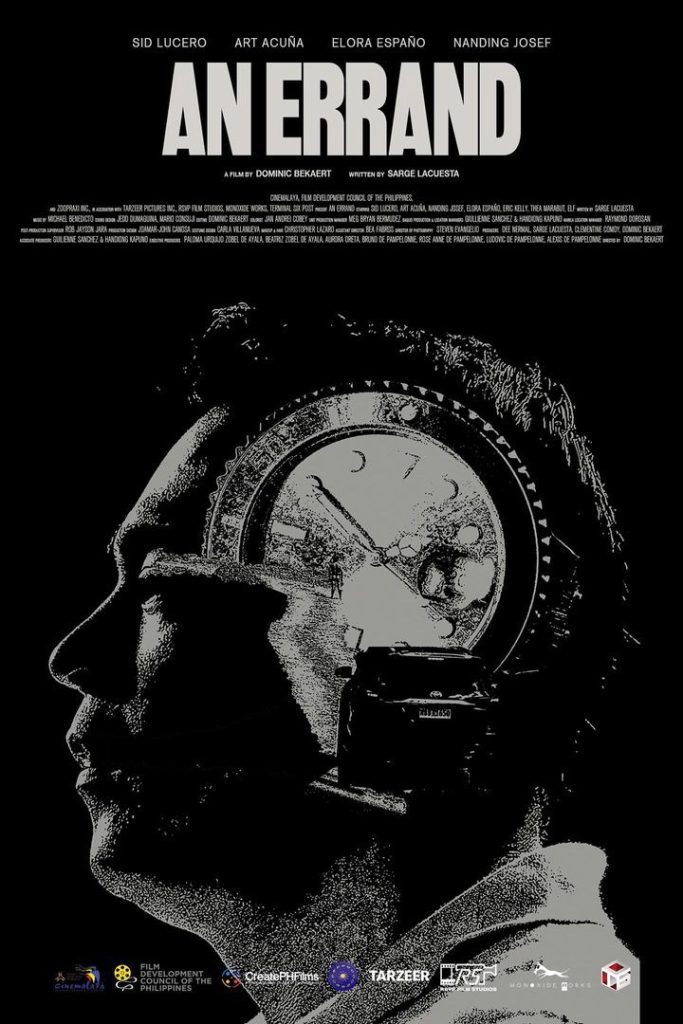
  • MOVIE REVIEW: Cinemalaya XX: the mesmerizing ‘An Errand’ is a demanding arthouse cinema piece

    MOVIE REVIEW: Cinemalaya XX: the mesmerizing ‘An Errand’ is a demanding arthouse cinema piece

    I love and hate arthouse movies. I love them because, at their best, they really make you think, and they stay with you for a very long time; your mind comes back to them every now and then as you see vestiges of their truth in your own life every now and then. I remember films like ‘Under the Skin’ by Jonathan Glazer, ‘Upstream Color’ by Shane Caruth, Whammy Alcazaren’s ‘Islands,’ and Timmy Harn’s ‘Dog Days.’ I hate arthouse films because they really try my patience; by deviating heavily from the principles of traditional narratives, the stories of these movies meander aimlessly, implying maybe a thread of a larger tapestry but not really getting there until the end, if at all.

    And Dominic Bekaert’s ‘An Errand’ is just such a film. At 83 minutes, the film is shorter than most full-length features these days, but the movie’s narrative sprawls out at a slow pace, much like the protagonist’s eponymous errand to fetch an expensive branded shirt and a can of pills from Manila to bring to his shady boss in Baguio. Moroy (Sid Lucero) is the driver to Art Acuna’s lawyer, an unnamed, hot-tempered man who is having an affair with a younger woman (Elora Espano). ‘An Errand’ zooms in on the tiny world of Moroy as he must deal being in an enclosed space (the lawyer’s car) with his boss and his mistress. When he’s with them, he hears their interactions, must live with it in his head, or if the lawyer is working, he picks up whatever bits and traces of it he (and us, as the audience) can piece together.

    In-between, Moroy is hanging out at the driver’s waiting lounge, where he listens to the stories of other drivers and bodyguards, including the urban legend of Rex (Eric Kelly), a driver who makes a harsh realisation of his own boss, as told by Ben (Nanding Josef), a senior driver of an old woman, who seems to gamble a lot and has a lot of court cases.

    An Errand 9B663B2D 9136 40A1 9829 97BE77C69E09

    All of these characters orbit around each other and create a dazzling tale of a world that may or may not be dark and sinister. Bekaert keeps his point-of-view small, only from within the purview of Moroy and Moroy hardly crosses the line. To amplify this, Bekaert keeps his framing tight and cluttered. He either composes each shot with Moroy and the other characters trapped within a confined space (a car, the driver’s waiting lounge) and when he does expand the view, he leaves very little space for the characters to move around (like in one scene when Moroy delivers a bag to the lawyer, he has to walk around a swimming pool that occupies 80% of the frame). This excellent use of mis-en-scene, coupled with Michael Benedicto’s musical score underlines the film’s eerie meditation of the lives of people on the periphery of power. 

    An Errand 7F3040C2 2DE5 4133 8AA5 0B2BFDC6EA4B
    Images from Cinemalaya – An Errand

    There are set ups here for classic tropes – does the driver make a move for the mistress, does the driver turn to the police with what little he knows, is the driver an undercover cop or a man with an axe to grind – but the film never turns there. It plays with our understanding of this dramatic situation, of these characters, of our imagined understanding of this milieu and shakes us up.

    Because as much as we’d like to put meaning behind the mistress’ gift of a branded Mona Lisa shirt to her lawyer boyfriend, as much as we want to believe that Moroy’s errand back to Manila – the very cause of this seemingly abrupt existential crisis – nothing really does, as arthouse films often do.

    An Errand 2E0BDD7C 515B 47EE B1FD 07390D75EC18

    There’s no catharsis here; no sudden revelations; no grand epiphany about the nature of this sick and twisted world. The audience’s desire for something to happen might be the point to the exercise. And the moment the legend somehow merges with the mundane world of Moroy, it does not give us the ending we are craving for, but it allows our imaginations to spark and dream for change. 

    And for an arthouse film, this is just what it is supposed to do. It’s exactly the kind of film I was hoping to see in Cinemalaya.

    My Rating:

    stars 4 0


    An Errand is now showing! Check showtimes and buy tickets here.

    This year, don’t miss Cinemalaya Bente: Loob, Lalim, Lakas happening from August 2-11, 2024! Witness another stellar lineup of Filipino stories that will move you and showcase the brilliance of Philippine cinema. Follow the Cultural Center of the Philippines and Cinemalaya for updates!

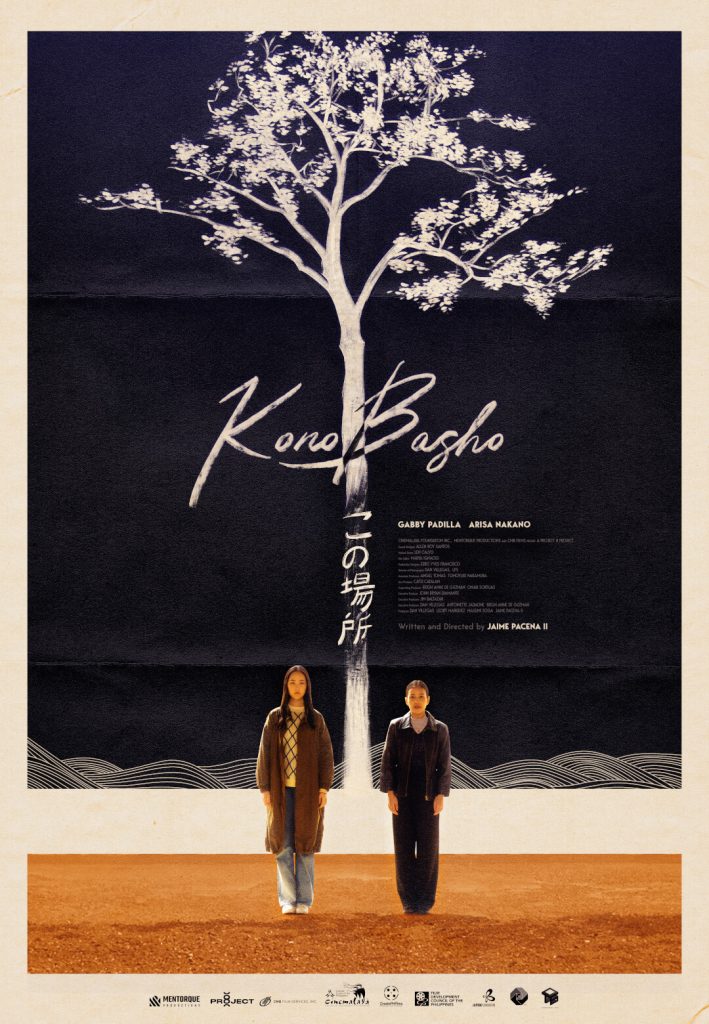
  • Project 8 and Mentorque Collaborate on Cinemalaya Film ‘Kono Basho’ Exploring Family and Grief

    Project 8 and Mentorque Collaborate on Cinemalaya Film ‘Kono Basho’ Exploring Family and Grief

    “To grieve together and safely: sometimes that’s all that matters.” – Merlinda Bobis

    Grief often comes in waves, urging us to seek solitude. Yet, finding solace in others can be a powerful remedy. Project 8 Projects and Mentorque Productions come together to bring you Kono Basho at this year’s Cinemalaya Independent Film Festival.

    An Esteemed Legacy of Filmmaking

    Project 8 Projects is no stranger to success, having earned accolades such as the Cinemalaya Audience Choice Award for Rookie (2023) and the Gawad Urian Best Film for Iti Mapukpukaw (2023). Their filmography includes critically acclaimed titles like Never Not Love You (2018), Alone Together (2019), and Fan Girl (2020).

    Mentorque Productions, known for the box-office hit Mallari (2023) – the first Filipino mainstream film distributed by Warner Brothers – continues its tradition of impactful storytelling with Kono Basho

    KONO BASHO STILL 01

    The Inspiration Behind Kono Basho

    Bryan Dy, Executive Producer at Mentorque Productions, shares his motivation: “What drew me to Kono Basho was the powerful story that embodies hope in the face of adversity. Witnessing Rikuzentakata’s rebuilding and the community’s spirit is incredibly inspiring. I want audiences to feel the warmth and solace this film offers.”

    Dy emphasizes the importance of supporting filmmakers who craft stories with heart, highlighting the strength of the human spirit.

    KONO BASHO STILL 03 1

    The Heartfelt Narrative

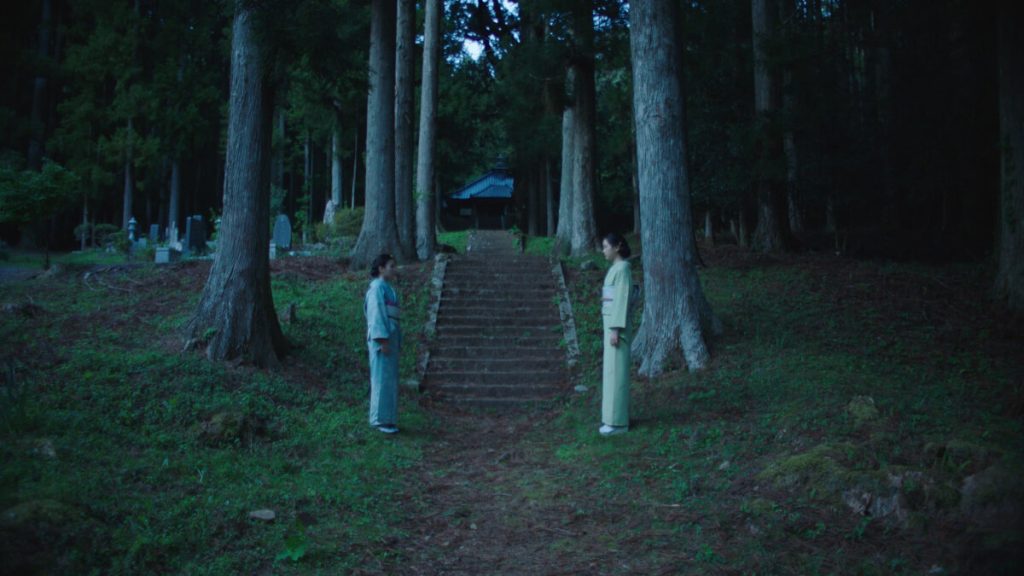
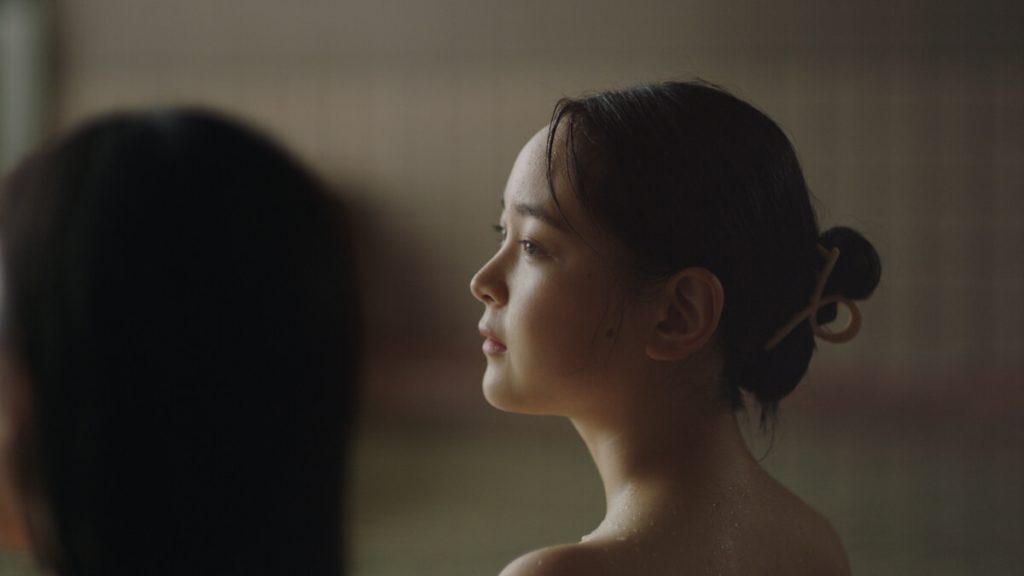
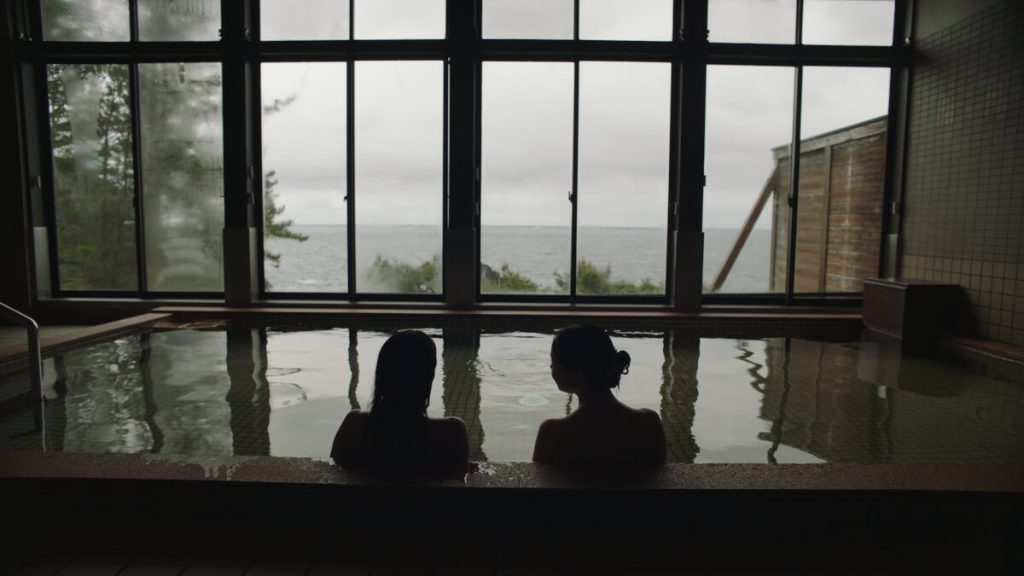
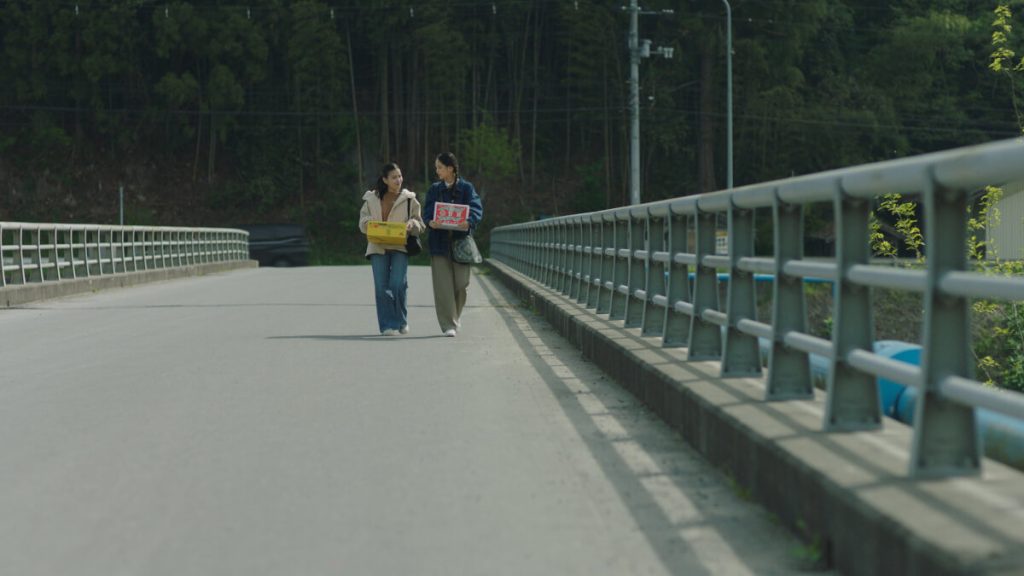
    Kono Basho follows the journey of two estranged half-sisters, Ella (Gabby Padilla) and Reina (Arisa Nakano), who reunite at their father’s funeral in Rikuzentakata. Ella, a 28-year-old Filipina anthropologist, grapples with cultural and emotional complexities tied to her father’s second family in Japan. Despite their differences, Ella and Reina forge a bond, reconciling their perceptions of their shared father.

    Their path of self-discovery intertwines with Rikuzentakata’s healing, a city deeply affected by the 2011 earthquake and tsunami. Together, they navigate family tides, addressing unresolved traumas that reshape their relationship.

    KONO BASHO STILL 04

    Stellar Cast and Crew

    The film stars Gawad Urian and Cinemalaya Best Actress nominee Gabby Padilla, known for her roles in Kalel, 15, Billie and Emma, and Gitling. Gabby reflects on the experience: “The community we built in Japan while shooting in Rikuzentakata was one of my favorite things about the whole Kono Basho experience. Being able to work with an amazing team in such a magical place was already a gift in itself.”

    Arisa Nakano, celebrated for her role in the Oscar-nominated Perfect Days, brings depth to Reina. Having experienced Japan’s 2011 disaster, she hopes the film offers Filipino audiences a glimpse into that reality. “Having lived through the big natural disaster in Japan, I’ve seen how people’s lives changed because of it. I hope people in the Philippines get a glimpse of that reality through this film.”

    KONO BASHO STILL 05 1

    Director’s Vision

    Visual artist, curator, and filmmaker Jaime Pacena II draws inspiration from his time in Rikuzentakata. He integrates thirteen years of archival photos and videos into the film, portraying themes of memory and resilience. Pacena dedicates Kono Basho to his three eldest sisters, emphasizing family and sibling bonds.

    Director Dan Villegas returns to his roots as a cinematographer, enriching the visual storytelling of Kono Basho. Villegas also serves as Executive Producer and Producer, ensuring the film’s compelling narrative is brought to life.

    KONO BASHO STILL 02

    Cultural Collaboration

    The Japan Foundation played a crucial role in the film’s production, ensuring Rikuzentakata’s culture and sensibilities were authentically represented.

    KB MainPoster

    A Story of Family and Renewal

    Kono Basho explores themes of family, loss, identity, and renewal against the backdrop of the 2011 tsunami. It offers a poignant reflection on the Filipino diaspora and the enduring hope amid grief.

    Grief comes in waves, but you don’t have to face it alone. Sometimes, unexpected connections make the journey bearable.

    Join us in Japan with Kono Basho, an official entry at the Cinemalaya Independent Film Festival – in theaters August 2024.