A magical story that generations of Filipinos love and know by heart is once again set to come alive in a completely different and enchanting way.
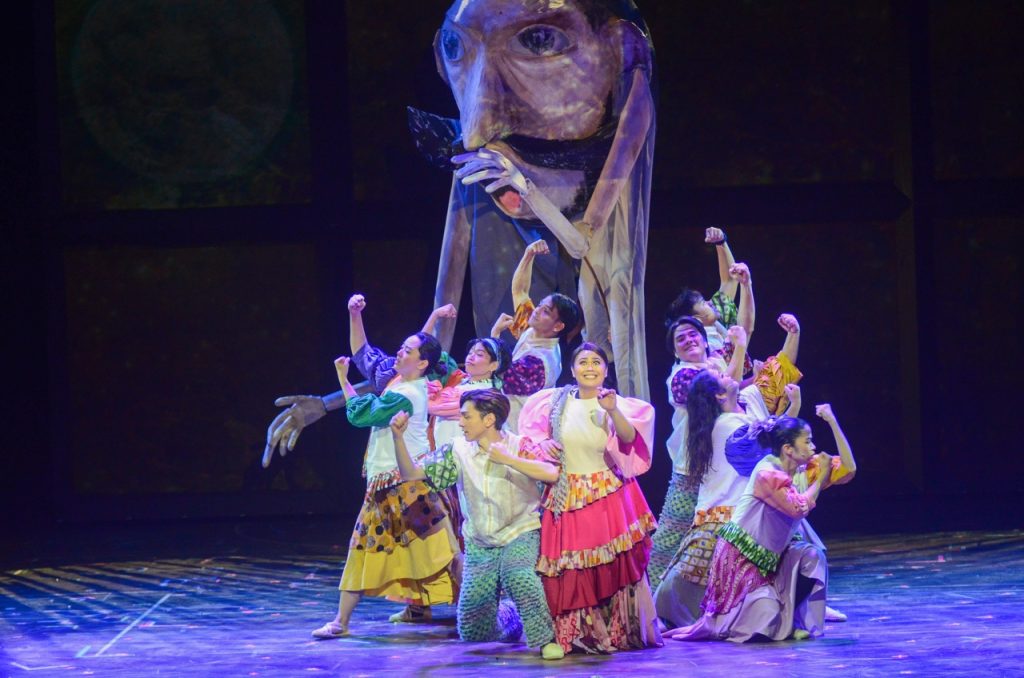
This October, Ballet Manila brings Gerardo Francisco Jr.’sIbong Adarnaback to the stage, transforming the beloved Filipino tale of an enchanted bird, royal brothers, forbidden love, and a quest for healing into a spectacle of music, movement, and dance.
One of the company’s most beloved and performed productions, Ibong Adarna will be staged at Hyundai Hall, Areté, Ateneo de Manila University in Quezon City on October 9 at 7:30 p.m. and October 10 at 5 p.m.
“Ibong Adarna is one of Ballet Manila’s most requested offsite performances. This year, it already had two shows at Jose Rizal Coliseum in Laguna, and now the production is bound to return to Areté in Ateneo before continuing its way to Iloilo,” shared Lisa Macuja Elizalde, Ballet Manila’s CEO and Artistic Director.
Ibong Adarna tells the story of a mythical bird whose magical song has the power to heal the sick. When King Fernando of the Kingdom of Berbanya falls ill with an incurable disease, his three sons — Don Pedro, Don Diego, and Don Juan — set out on a quest to find the legendary Adarna and bring it back to save their father. The prince who succeeds in capturing the bird will inherit the throne.
The Areté run will feature a new set of leads from Ballet Manila’s powerhouse lineup. Performing as Ibong Adarna is Shaira Comeros, alongside Mark Sumaylo as Don Pedro, Rafael Perez as Don Juan, and Romeo Peralta as Don Diego. The alternate cast is led by Jessica Pearl Dames as Ibong Adarna, with Juan Angelo De Leon as Don Juan, Ralp John Balagot as Don Pedro, and Sean Pelegrin as Don Diego.
Ibong Adarna is fast becoming a Filipino ballet classic. Although Ballet Manila has staged the production numerous times in various venues, each re-staging brings something new, shaped in large part by its evolving cast of dancers.
“Every time we bring Ibong Adarna to a new audience, we discover something new about the story and the characters. That is what makes it special. It remains familiar to many Filipinos, but ballet allows us to experience the story in a different way,” Macuja Elizalde said.
Staging Ibong Adarna at the Areté is part of Ballet Manila’s broader mission of bringing people to ballet and ballet to the people. By taking the production beyond the traditional theater setting and into communities or cities, the company opens more opportunities for audiences to experience live ballet and discover this art form through stories already part of Filipino culture.
For those who may have encountered the classic tale in school, books, or childhood, Ballet Manila offers an exciting way to see the story as it combines a well-loved narrative with music, movement, complex characters, and the artistry of its dancers.
Don’t miss Ibong Adarna at Hyundai Hall, Areté, Ateneo de Manila University on October 9 and 10 only. For tickets, visit Ticketworld at www.premier.ticketworld.com.ph. Keep up-to-date with Ballet Manila’s schedule of performances and celebration events by visiting www.balletmanila.com.ph.
I’m a huge fan of contemporary dance. I love how expressive and emotional the movements are; it takes a lot of skill to make these seemingly random motions of the body look beautiful, but it always requires a level of storytelling and performance. Having not seen a contemporary dance ballet in a while, I’m thrilled that Mari Dance is bringing it back in a big way by pushing the medium forward and bringing it into the realm of theater. In dance theater, the narrative structure of a play is at work, but the story is communicated entirely through movement. It replaces spoken language with kinetic energy, requiring the audience to let go of the need for words to communicate and instead trust their eyes and ears to pick up the feelings of the story through the performance.
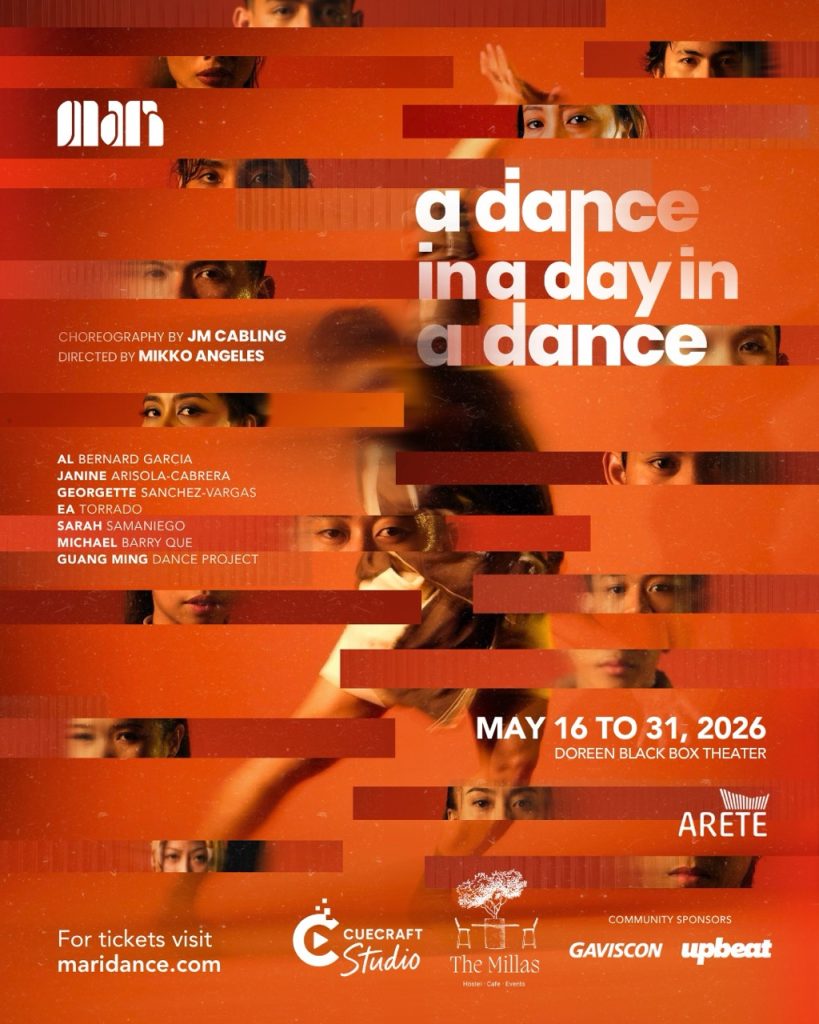
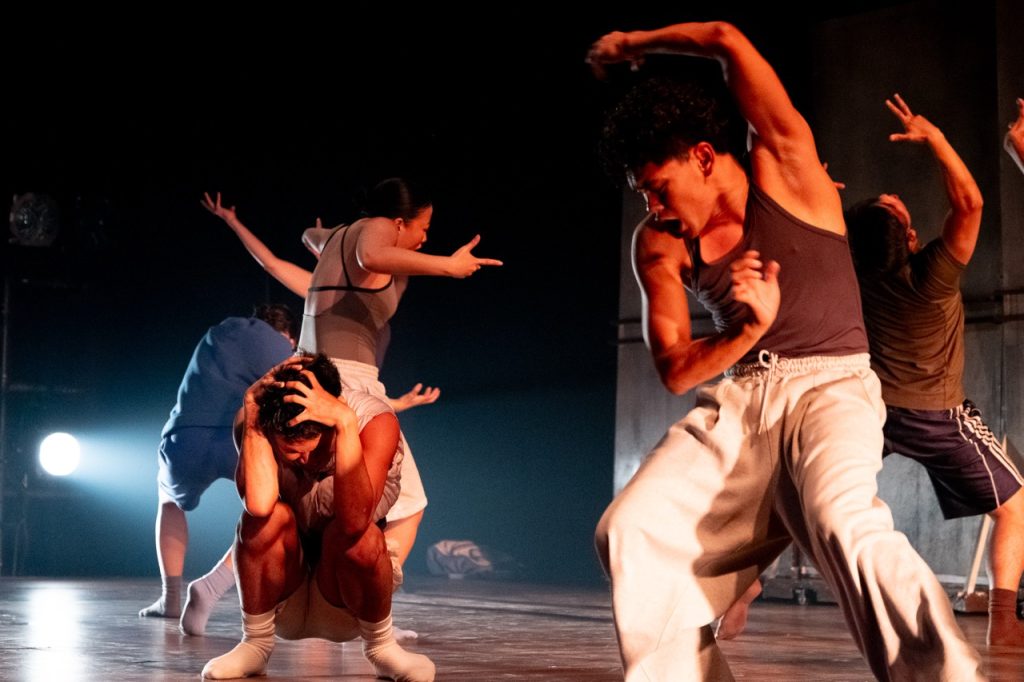
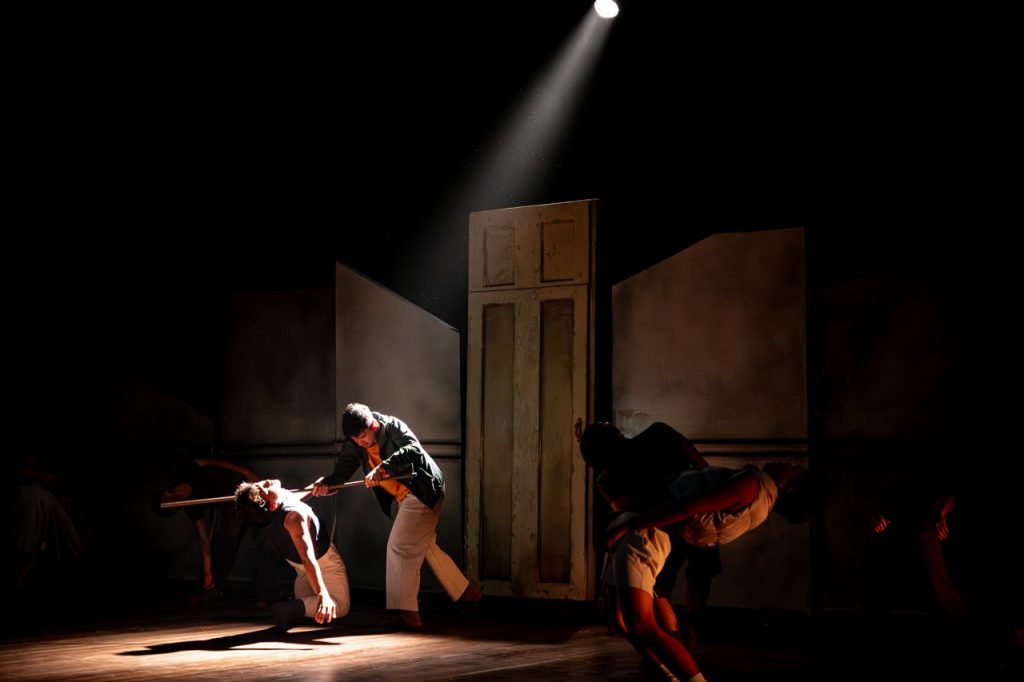
Composed of five short, choreographed pieces by JM Cabling, A Dance in a Day in a Dance tracks the harrowing story of a rigid, abusive dance instructor and choreographer. Played by the terrific Al Bernard Garcia, as he uses capital punishment in the dance studio and terrorizes his students. This framing narrative serves as the transition points that link the five choreographed pieces together.
It begins with Nothing Special, a piece about finding one’s voice amid a culture of silence, performed by featured dancer Michael Que, which mirrors the students trying to process the dance instructor’s abusive ways.
A Dance in a Day in a Dance | Photo by Cesar Morales
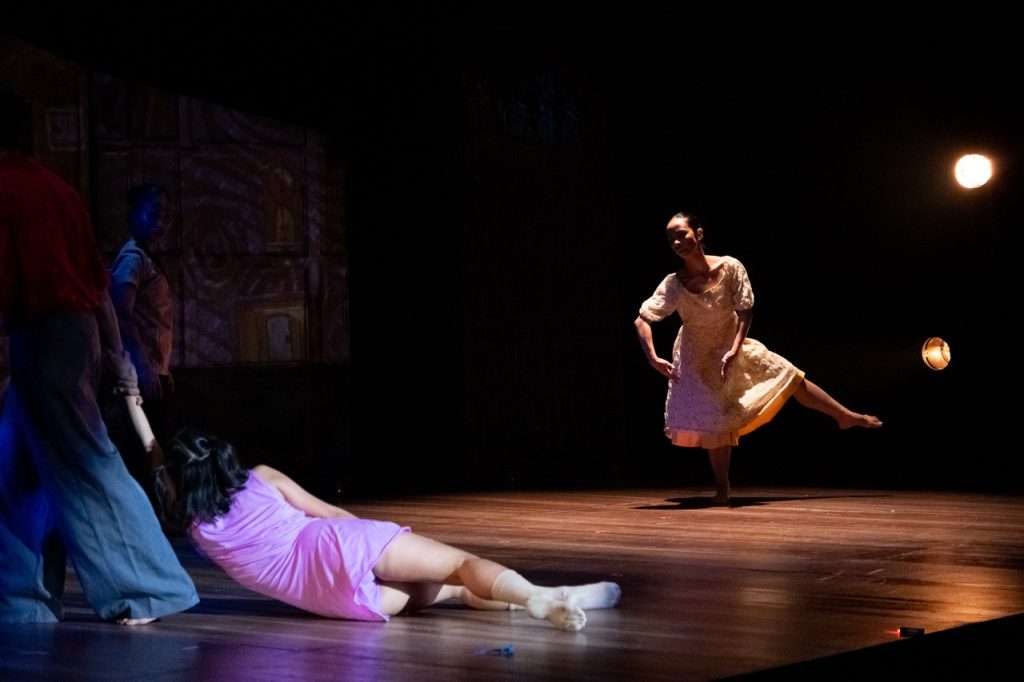
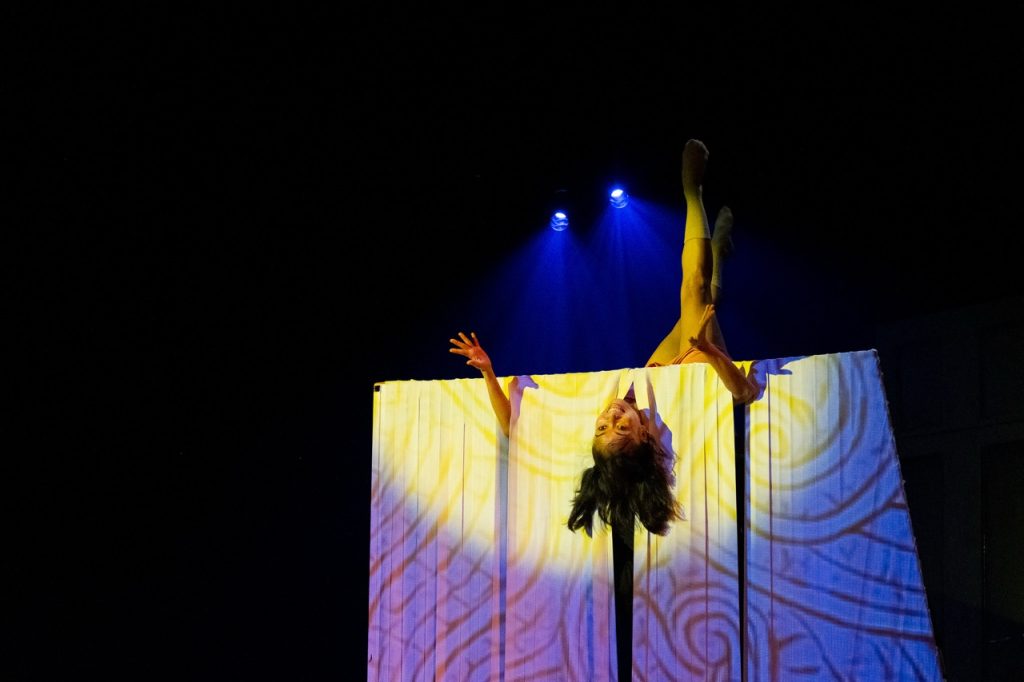
At the midpoint, the company delivers a stunning performance of Ang Lihim ni Lea, an adaptation of Augie Rivera’s children’s book about a young girl who discovers she can walk through walls but the origins of this ability comes from a scary, dark place.
A Dance in a Day in a Dance | Photo by Cesar Morales
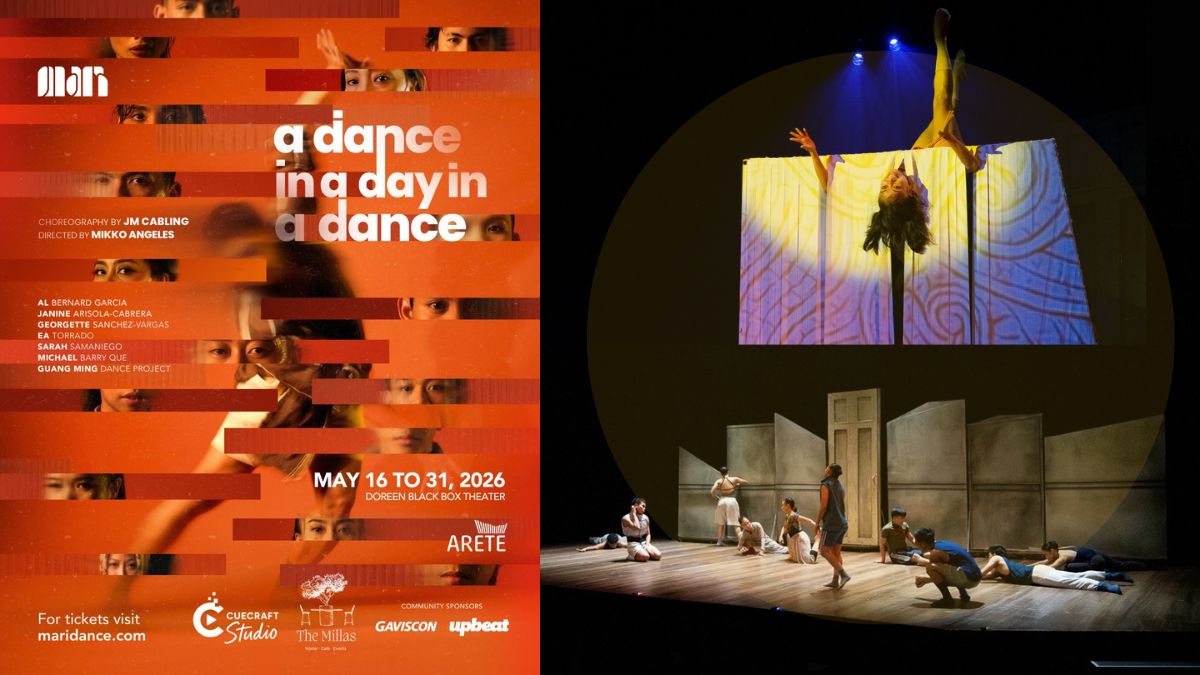
Performed by Janine Arisola-Cabrera as Lea, this powerful piece features where the dancer actually goes through the walls of her home, which is realised by a frame wrapped in fabric with holes cut through them.
A Dance in a Day in a Dance | Photo by Cesar Morales
The show then transitions to Bent, excellently executed by Arnel Sablas and Sheanne Montecarlos, about an accidental hook up between two dancers. It finishes with Nothing Special, performed by Garcia and Jenris Bernard Garcia, about a man rediscovering and reconciling with his younger self. It is the piece that leads to the transformation of Garcia’s problematic dance instructor that allows him to seek redemption withhis students.
A Dance in a Day in a Dance | Photo by Cesar Morales
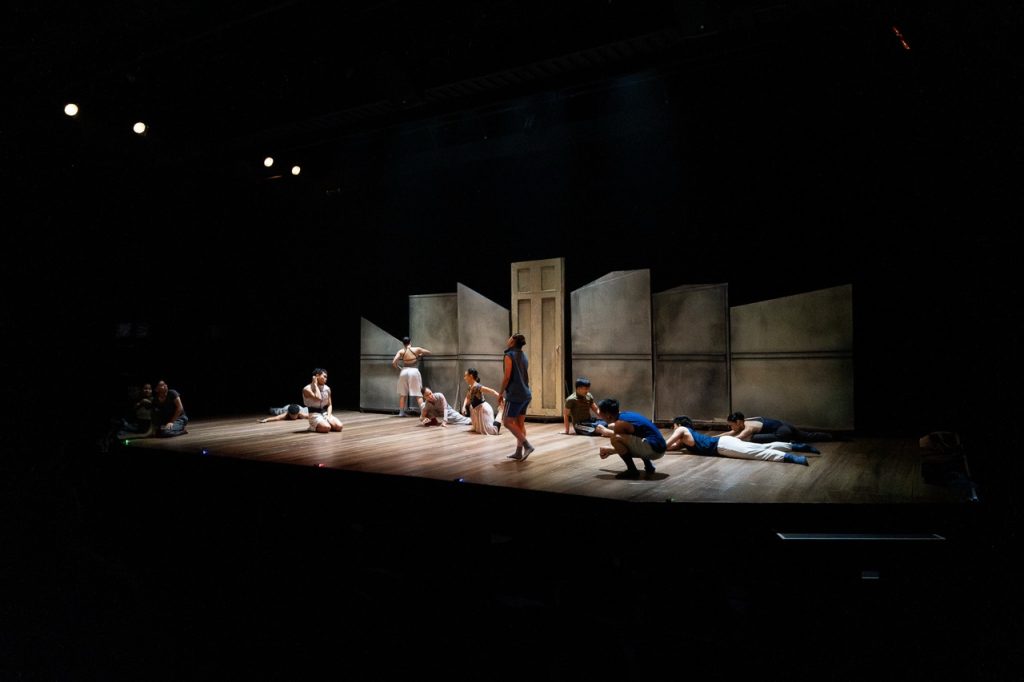
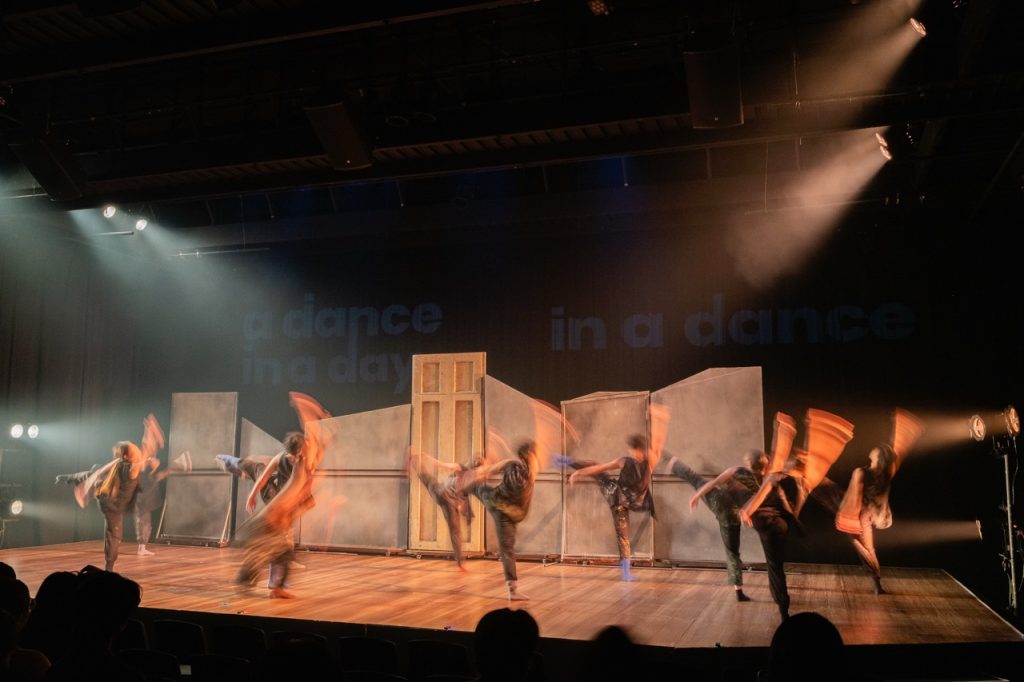
Under Mikko Angeles’s astute direction and JM Cabling’s inventive choreography, the production transitions seamlessly between the world of the narrative to the world of the individual pieces, ensuring the emotional connection is carried through.
A Dance in a Day in a Dance | Photo by Cesar Morales
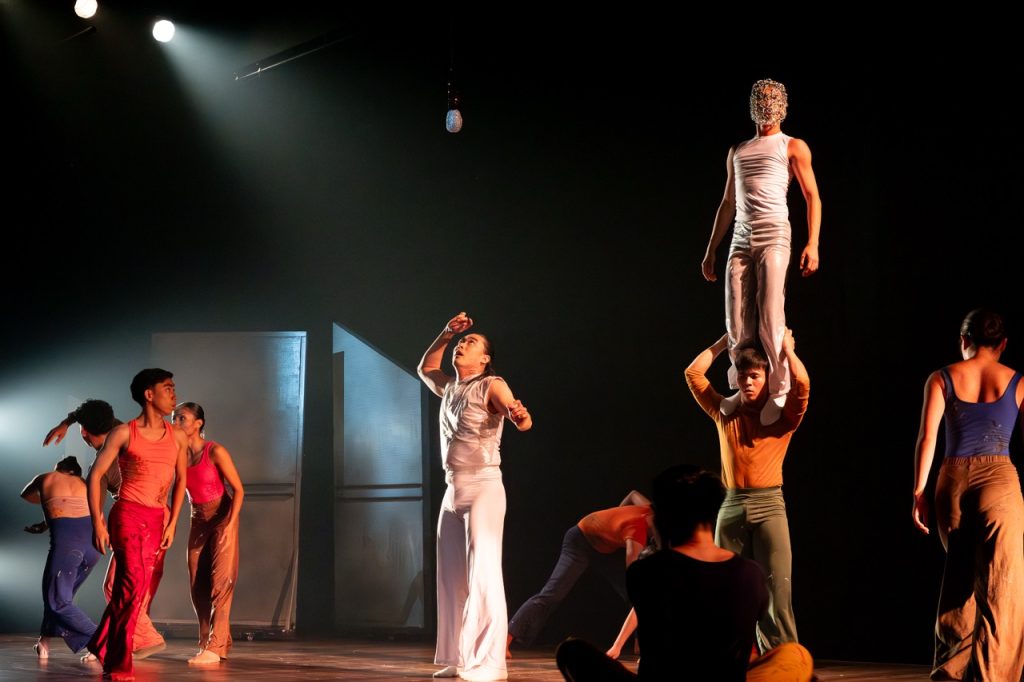
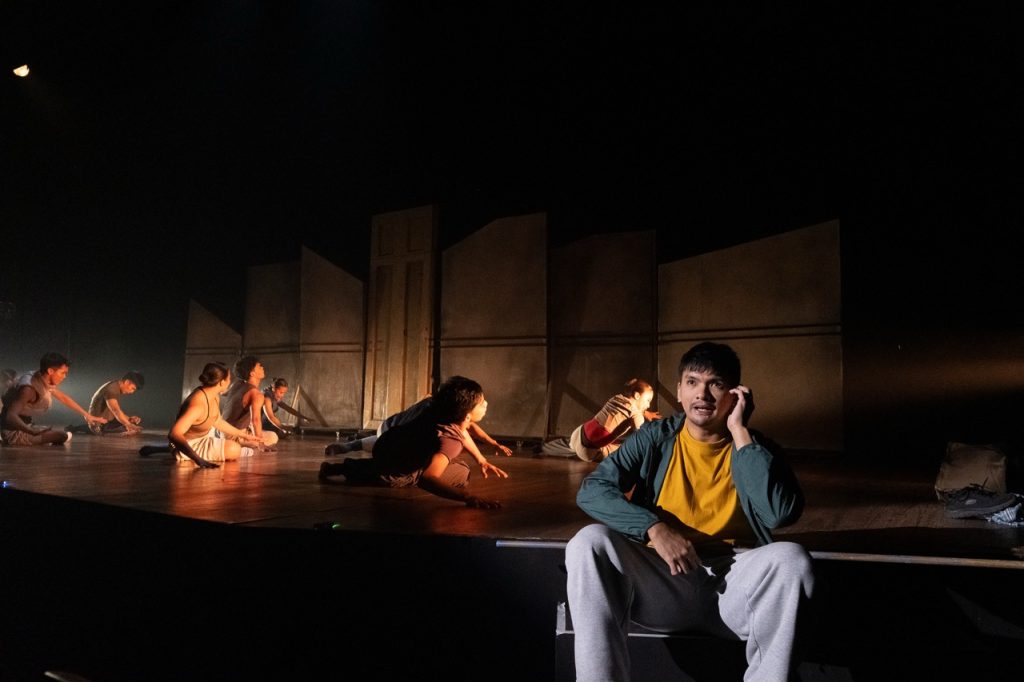
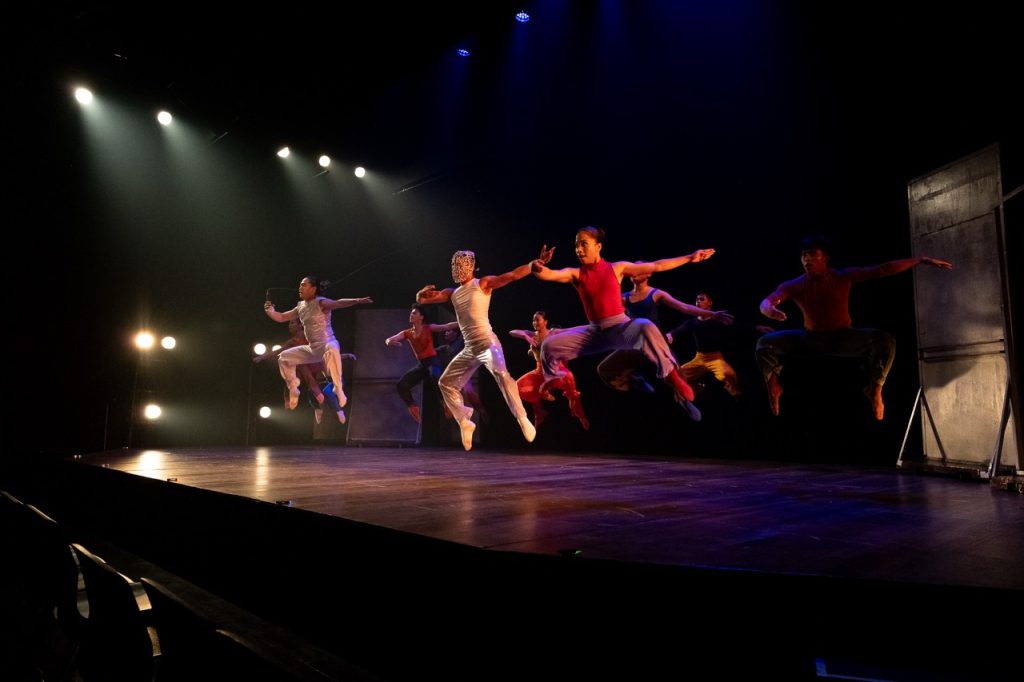
D Cortezano’s lighting design is exquisite, dynamically shifting colour temperatures and brightness to highlight the emotional spectrum of each scene. In one particular sequence, Cortezano manages to keep Garcia in the spotlight as he dances throughout the entire stage, while the rest of the company of dancers shifts rhythmically in darkness behind him. It had such a powerful effect.
A Dance in a Day in a Dance | Photo by Cesar Morales
Complementing this is Wika Nadera’s set design involves panels on wheels so they can be dragged around, with one side made to look like doors and the other to look like artsy walls. The dancers would move them around to change the scene, using whichever side is best for the story at that moment.
A Dance in a Day in a Dance | Photo by Cesar Morales
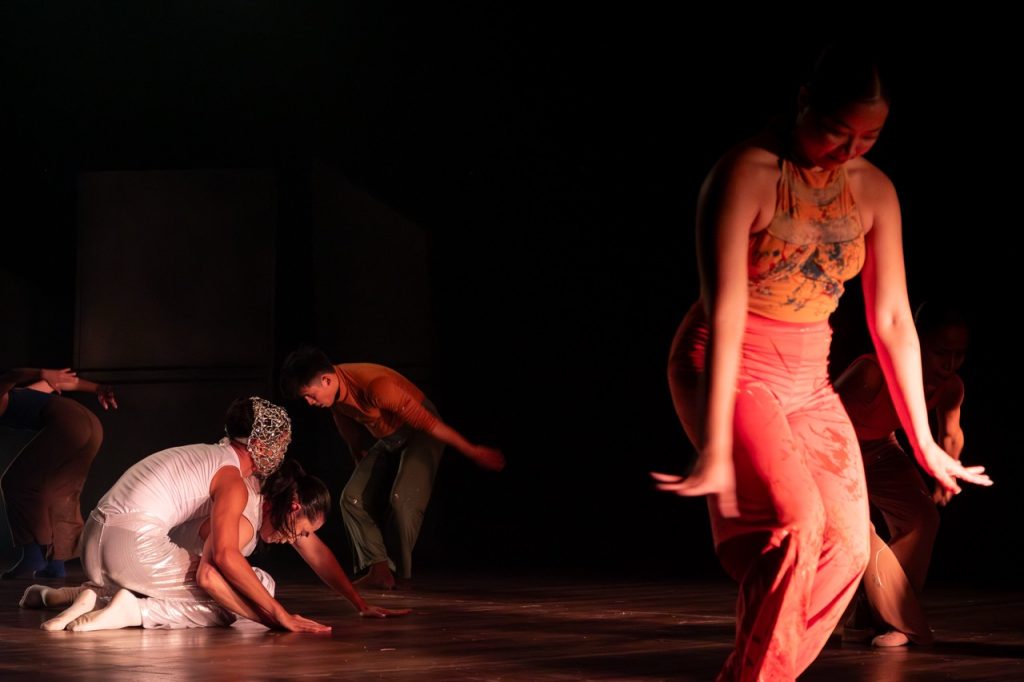
The emotional ride of the entire production is matched by its production savvy and elevated by a host of incredible dancers. Led by Al Bernard Garcia, the ensemble and featured dancers are so strong. Their lines were beautiful. Their technique showed but each one was able to convey the story so well.
A Dance in a Day in a Dance | Photo by Cesar Morales
For me, the night’s true standouts, aside from Garcia who really anchored the whole production, were Arisola-Cabrera, whose portrayal of Lea is intricate and nuanced, and Montecarlos, whose performance in ‘Bent’ really showcased her talent and training and she brought in a lot of charm.
A Dance in a Day in a Dance | Photo by Cesar Morales
Among the ensemble, Evan Joe Asuela stood out for his grace and strength. He was just part of the ensemble, but his stage presence was so strong that I couldn’t stop watching him dance during the big numbers.
A Dance in a Day in a Dance | Photo by Cesar Morales
If you’re looking to get into watching ballet or contemporary dance, Mari Dance’s A Dance in a Day in a Dance is a wonderful starter show and its theatrical structure keeps it familiar.
My Rating: 5 Stars
Don’t miss this breathtaking leap forward in local dance theater! A Dance in a Day in a Dance runs until May 31 at the Doreen Black Box Theater, Areté, Quezon City. Experience the magic live, secure your tickets NOW at maridance.com!
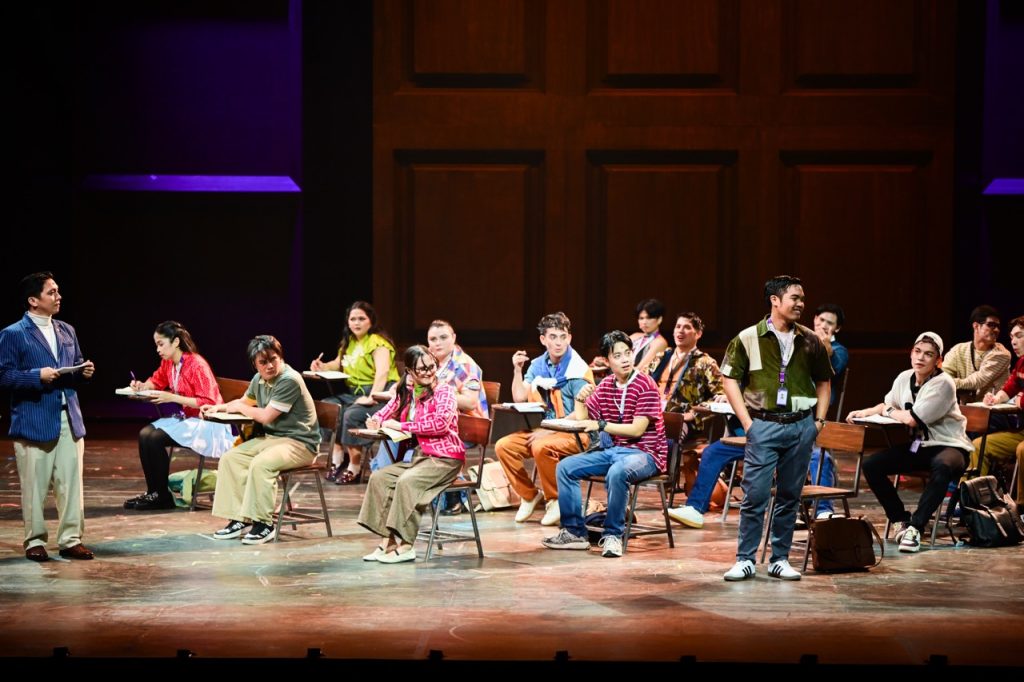
I’m a fan of “Bar Boys: The Musical,” written by Pat Valera (book and lyrics) and Myke Salomon (lyrics and music), based on the film by Kip Oebanda, and directed by Mikko Angeles, since its two runs at the PowerMac Spotlight Theater in Circuit Makati. It was inspiring, funny, and poignant (I remember crying both times I saw it). The music was great filled with all-new, all-original songs, and the performances were stellar. It was a great show. But now that it has moved to the Hyundai Hall at the Areté Theater, the show has transformed into a big, bold musical where the larger scale amplifies everything that was already great about the production.
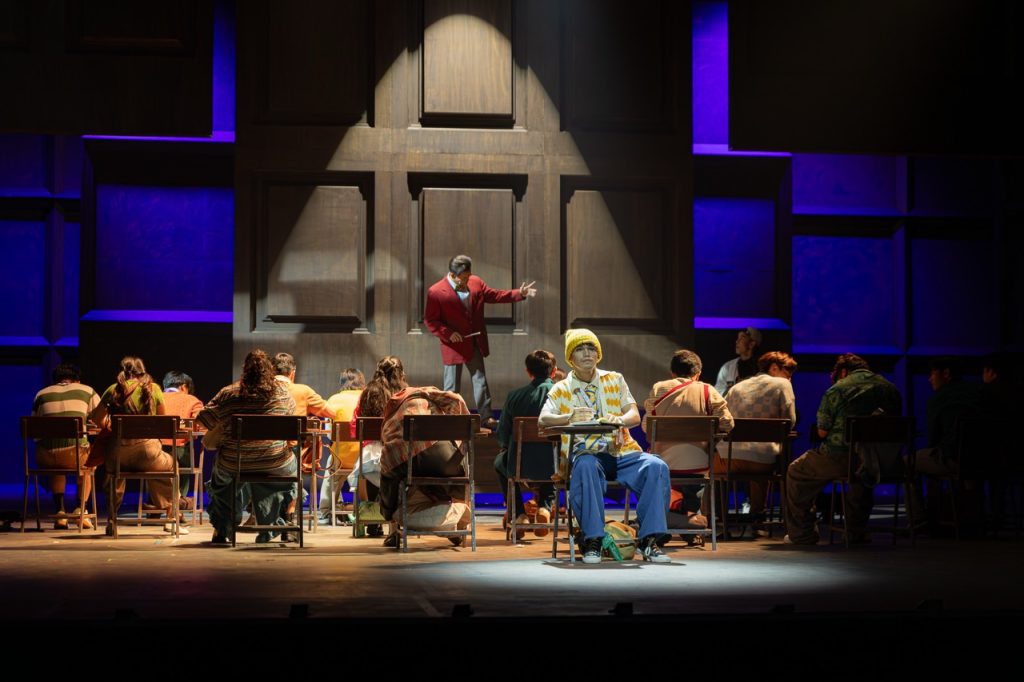
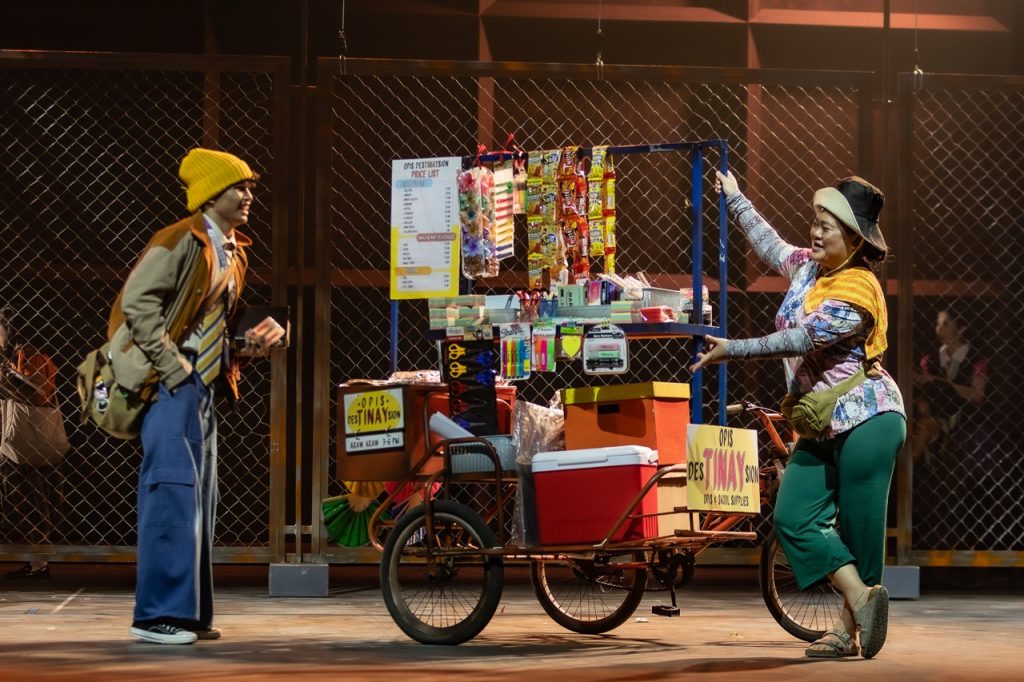
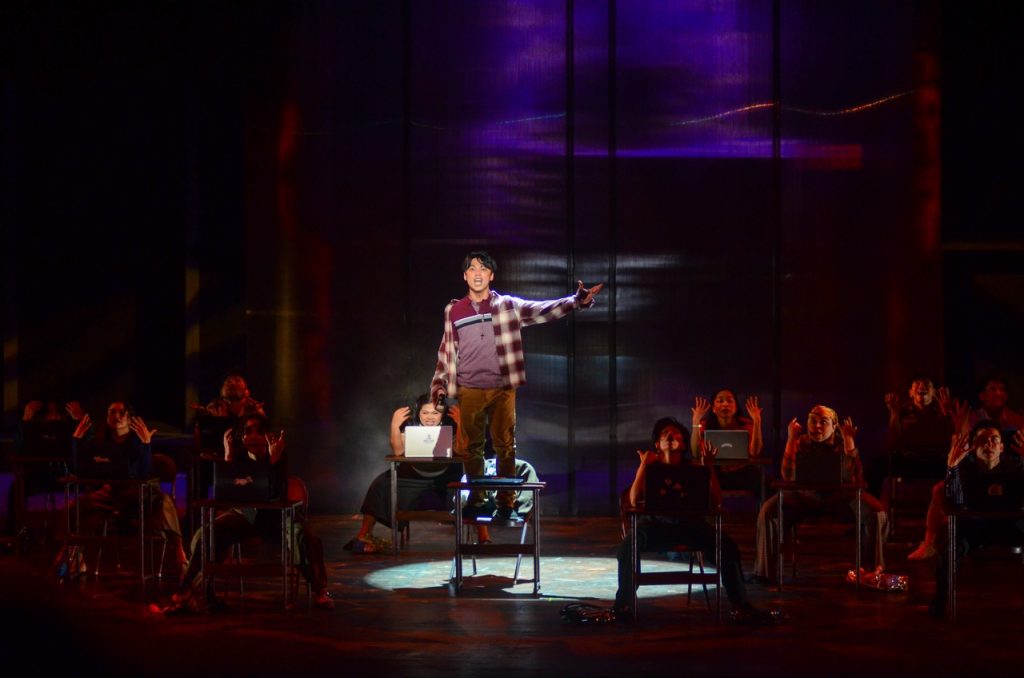
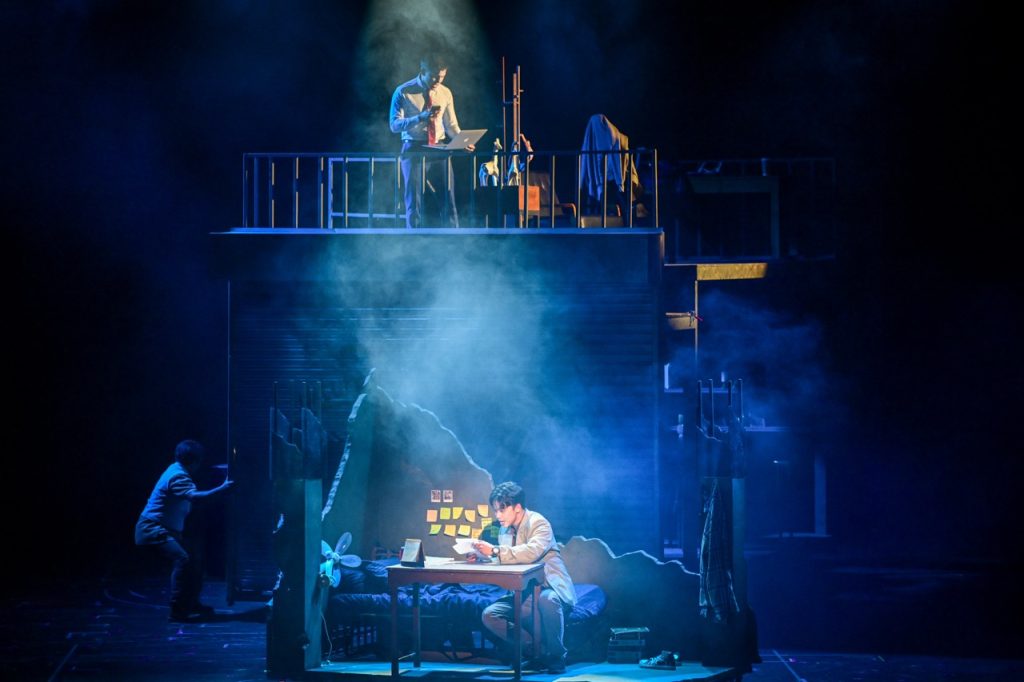
In a larger theater, the creative team went all out. The production now features larger set pieces that are wheeled in, a larger video projection on screen right behind the cast as they are performing, more space for its hardworking ensemble to fill, and new heights as the set pieces are as high as two stories allowing the staging to be as tall as its scope is wide.
Bar Boys The Musical | Photo by Kyle Venturillo
Now staged on a proscenium, the direction is now fully directed toward the audience rather than contained at the center, as it was in the original traverse staging (a long platform with the audience on both sides). This shift allows the show to fully project its idealism, realism, and inspirational message straight to the crowd for full effect.
Bar Boys The Musical | Photo by Sace Natividad
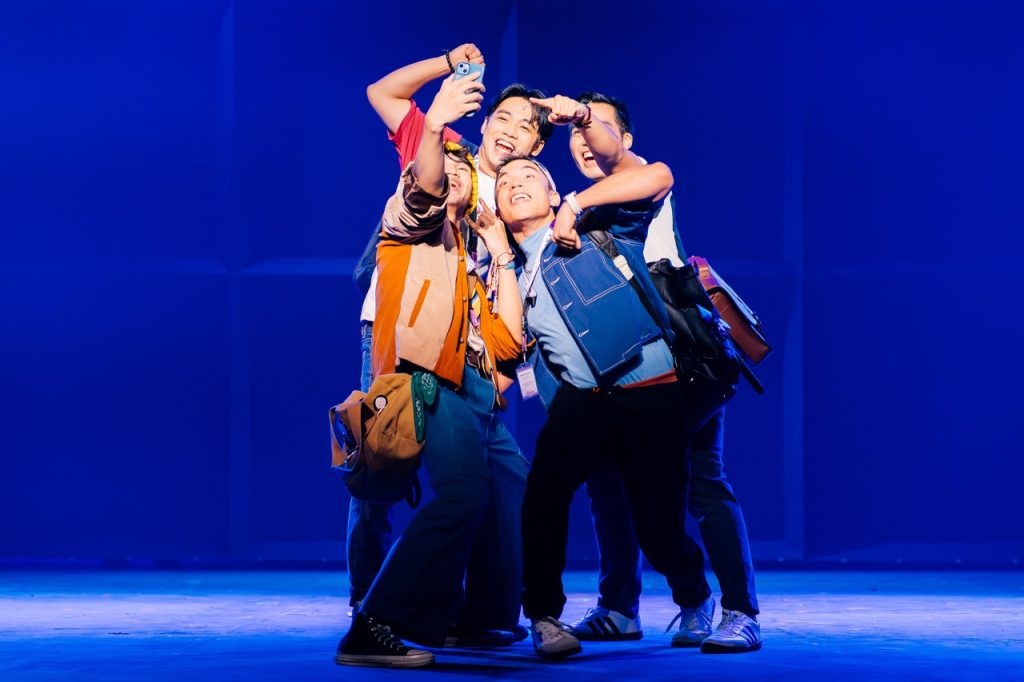
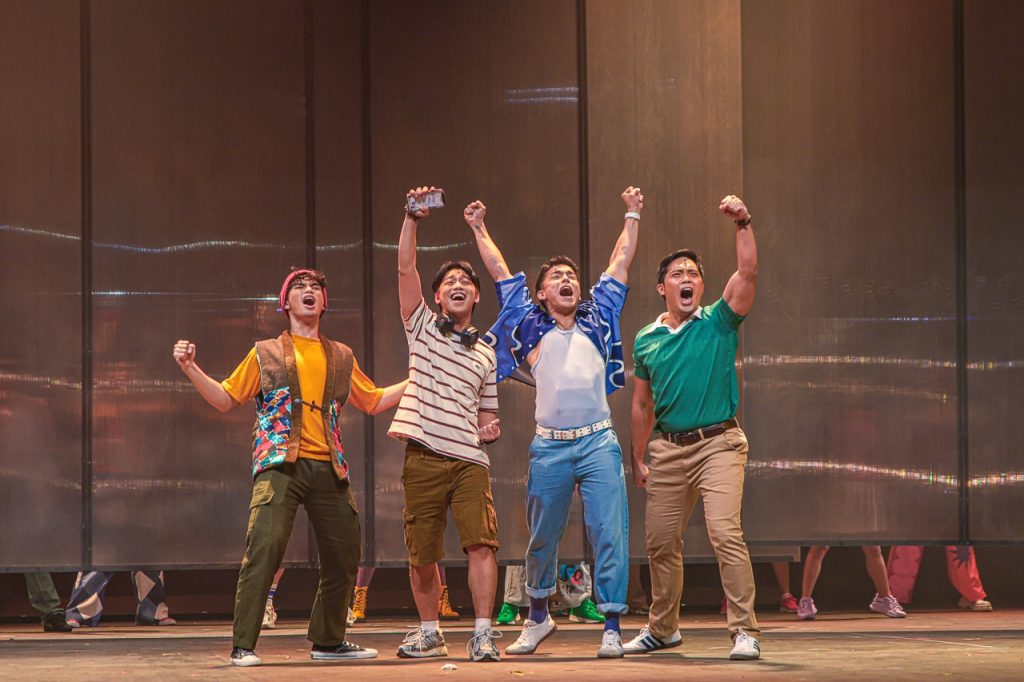
“Bar Boys: the Musical” tells the story of four friends – Erik, Chris, Torran, and Josh – who enter law school together with the hopes of changing the world a better place. But each of our leads have their own battles to face. Erik comes from a humble background and money is tight. Chris hides a secret about his background, which also fuels his need to make the world a better place. Torran, raised by a single mother, feels the pressure of living out his mother’s dreams while he is discovering who really is. Josh, who hails from the province, wants to be an environmental lawyer but his idealism gets in the way of the reality of the law.
Bar Boys The Musical
The show is impressive by being intersectional, tackling various issues like the class divide, the power and the abuse of the law, corruption, acceptance, and waking up to a harsh world; all of this without being scattered or confusing. The narrative has a spot for each of the four characters, a case that becomes the catalyst for the growth of some of the protagonists, all the while portraying the exacting demands of law school and passing the bar.
Bar Boys The Musical | Photo by CJ Ochoa
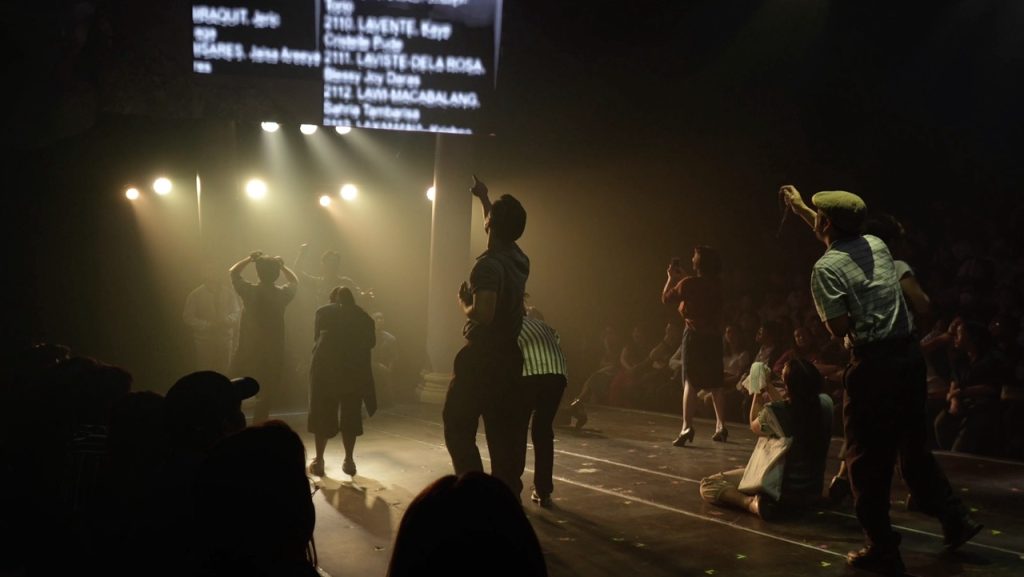
By giving the ensemble moments to portray other law students, we see the various dreams and hopes that people have that widen the scope of the play. There’s something for everyone here, but it never feels like it is only touching the surface. The emotions that it evokes are not from shallow, easy plot points. The struggle is real. There are scenes and songs that emphasize it so when a loss is felt, it hits hard. When a victory is achieved, that feeling reaches out to the audience in full.
Bar Boys The Musical | Photo by CJ Ochoa
With a larger space and the audience gathered in one direction, Angeles is able to create spectacles and meant to be witnessed. The actors can now interact more freely, exchanging knowing looks when making throwing politically charged jokes or when a scene feels like it is talking to the audience.
Bar Boys The Musical | Photo by Irvin Arenas
With the bigness of the theater, the tiniest and most intimate scenes – like the ones shared by Erik and his father or Justice Hernandez, the toughest but most important teacher the lead characters meet – become these powerful turning points that emphasize the narrative beats. In the smaller venue, we feel like voyeur peeking into private moments. On a proscenium stage, we feel permitted to watch allowing us to fully react and feel what these scenes evoke in us to feel.
Bar Boys The Musical | Photo by Irvin Arenas
Most of the cast from the previous runs have returned, and they wear these roles like a second skin. Alex Diaz, who plays Chris, has a confidence that defines his character, which also makes him a little forceful, leaning into domineering. Jerom Canlas, who plays Torran, is having more fun with the character, working with physicality and gestures to show how his character’s hidden nature is a lot more visible to everyone but himself. Josh is always a fan favourite and Omar Uddin has charm by the boatload and he uses this to fill the stage. Juliene Mendoza, who plays Erik’s father Peping, and Gimbey Dela Cruz, who plays a dual role of Torran’s mother and a lady who Josh befriends, are such solid performers that they help the show hit its most poignant moments.
Bar Boys The Musical | Photo by CJ Ochoa
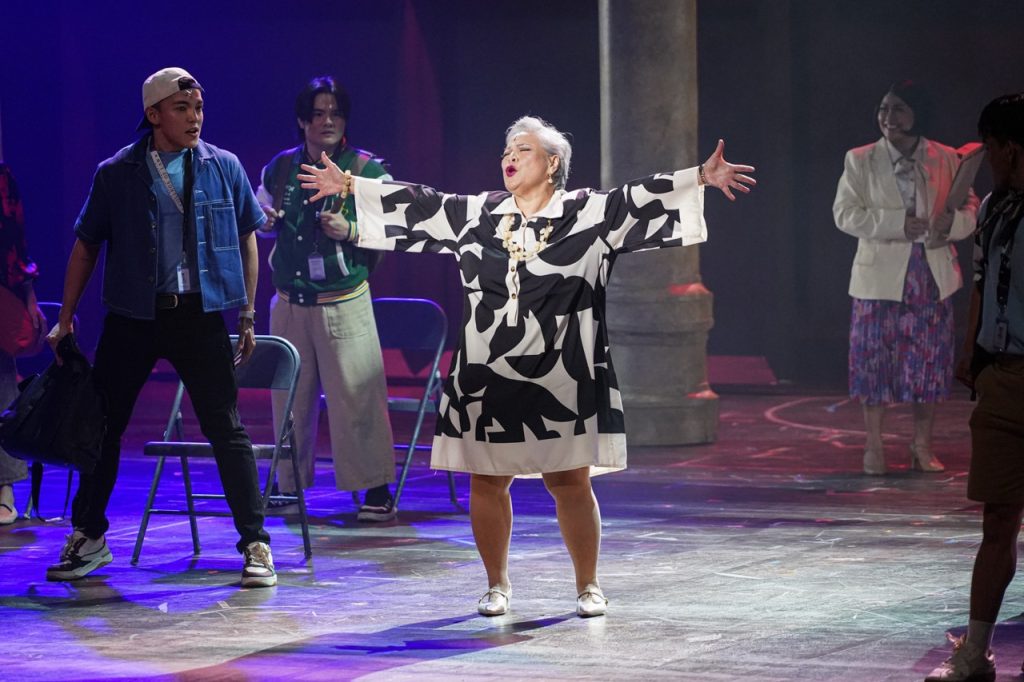
But the two who truly rise to the new scale of this production are Benedix Ramos as Erik and Sheila Francisco as Justice Hernandez. Ramos manages to layer his portrayal of Erik in such a way that even his moments of weakness are felt even when he’s keeping it inside. He vascillates from big emotions to small emotions and all of it are picked up on stage that he has the most dynamic of performances. He has such a gift that allows him to work small but can project it big so that its seen and heard and felt all the way to the back of the audience.
Bar Boys The Musical | Photo by Kevin Sembrano
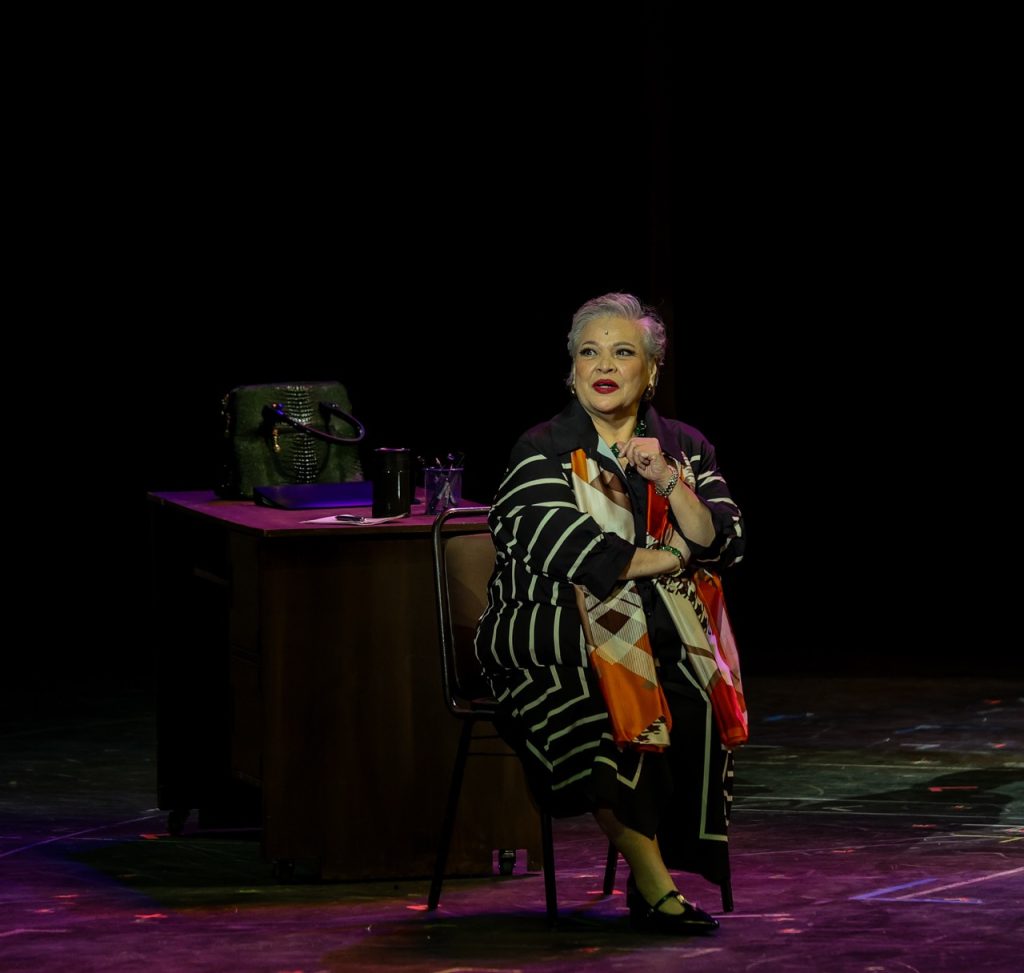
Francisco, on the other hand, who has played Justice Hernandez as a wise, older mentor, with a calm energy, now plays her as a rockstar in field of law. She’s brazzy, she’s tough, she’s admired, and she knows it. She comes in like a force of nature and embodies the reason why every character in the play is so in awe of her.
Bar Boys The Musical | Photo by Myra Ho
So, it’s equally amazing when, in the more somber moments, she becomes a nurturing, tender soul that can inspire the lead characters in their darkest moments. It’s a powerhouse performance that shows, Francisco has been holding it back in the smaller venue in fear of tearing it down with her power.
Bar Boys The Musical | Photo by Kyle Venturillo
On opening day, there were a few technical hiccups, and the new ensemble still needed to tighten their choreography and to temper their boundless energy. But these are easily fixed that will naturally smooth out with more performances. Even with these little flaws, the show is already such a triumph of theater. This is how “Bar Boys: The Musical” should be: big and bold. It’s an inspiring play that’s fun and moving and it truly deserves a venue grand enough and a production that can amplify its message to an even larger audience.
My Rating:
Catch Bar Boys The Musical in all its bold, inspiring glory as it takes over Hyundai Hall, Areté until November 23. With powerful performances, unforgettable songs, and moments that hit right in the heart, this larger-than-life production shines brighter than ever. Don’t miss it! Grab your tickets now via Ticket2Me.
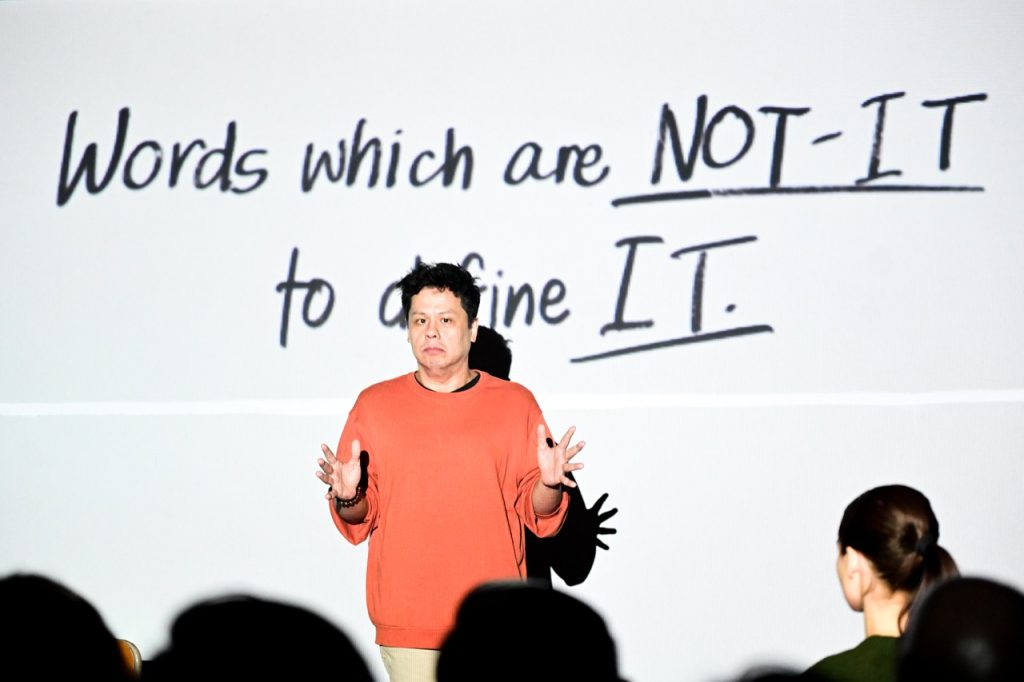
While the premise of ‘3 Upuan’ is relatively simple, three siblings reunite at their father’s deathbed in a hospital, and as they reconnect, their lives begin to unfurl. But what is incredible about the play, written and directed by Guelan Verela-Luarca is that the unfurling spans the vast expanse of time and really goes deep into the existential questions the characters must face when one is confronted by how brief life can be. It doesn’t help that the three characters are intelligent, articulate individuals, children of college professors. The eldest, Jers, is a professor himself; Jack is an artist; and Jai, the youngest, is a journalist. When faced with their mortality – and the mortality of their loved ones – they dodge and evade the hard conversations before they get deep into it, and then would sometimes go into a soliloquy, trying to grasp the abstract nature of death and grief out loud for the audience to hear.
Sc. : Scene Change 3 Upuan
This is the fourth staging of the play in just a year, first performed last September in the dressing room of Hyundai Hall of Areté, followed by another run in February also at Arete, and then in August at Archivo 1984 in Makati. For this Sc. : Scene Change production, it is held once again at the Areté, but at the museum lobby, surrounded by an exhibition of kite paintings.
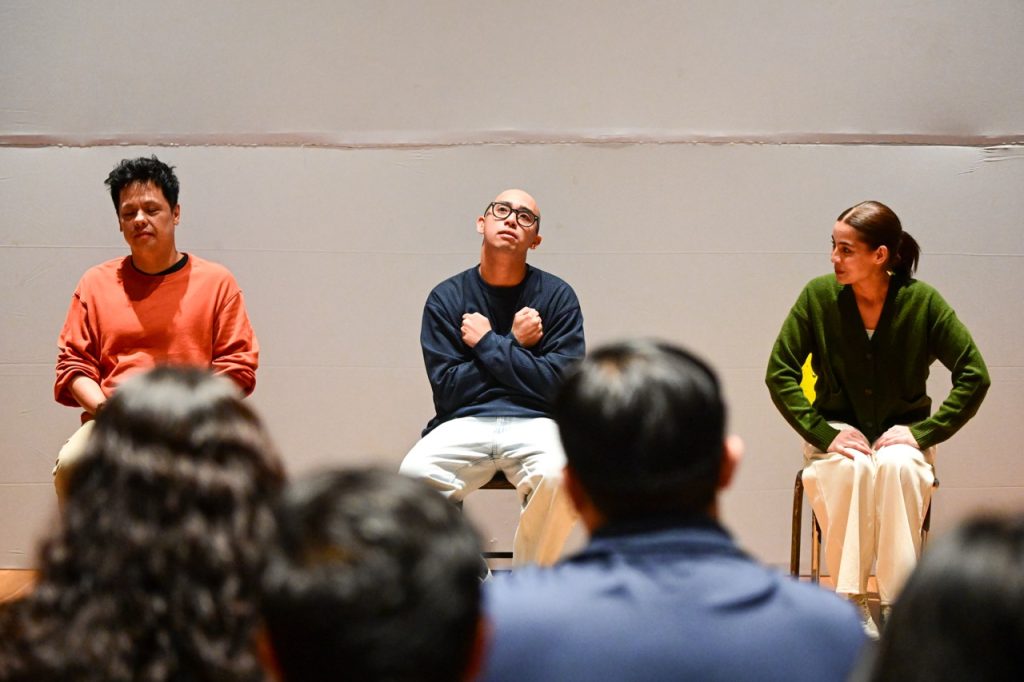
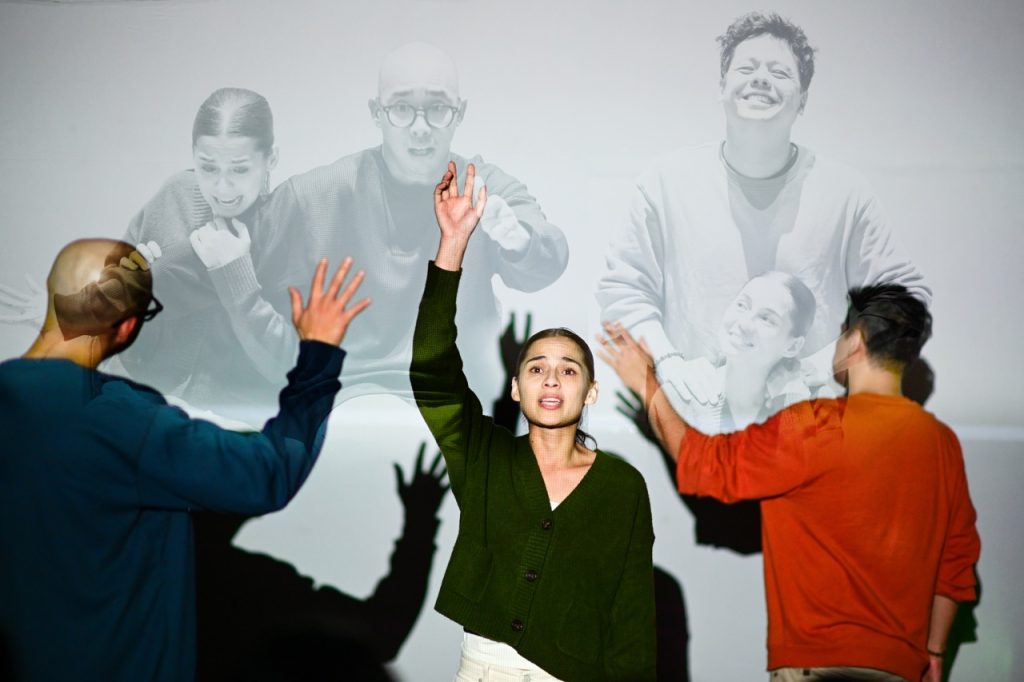
There’s only about 50 chairs set on a space formed as a thrust stage, with the three actors seated on three chairs before a large projector screen. And the intimacy of the setup places the audience front and center in an immense exploration of philosophy, language, time, and grief.
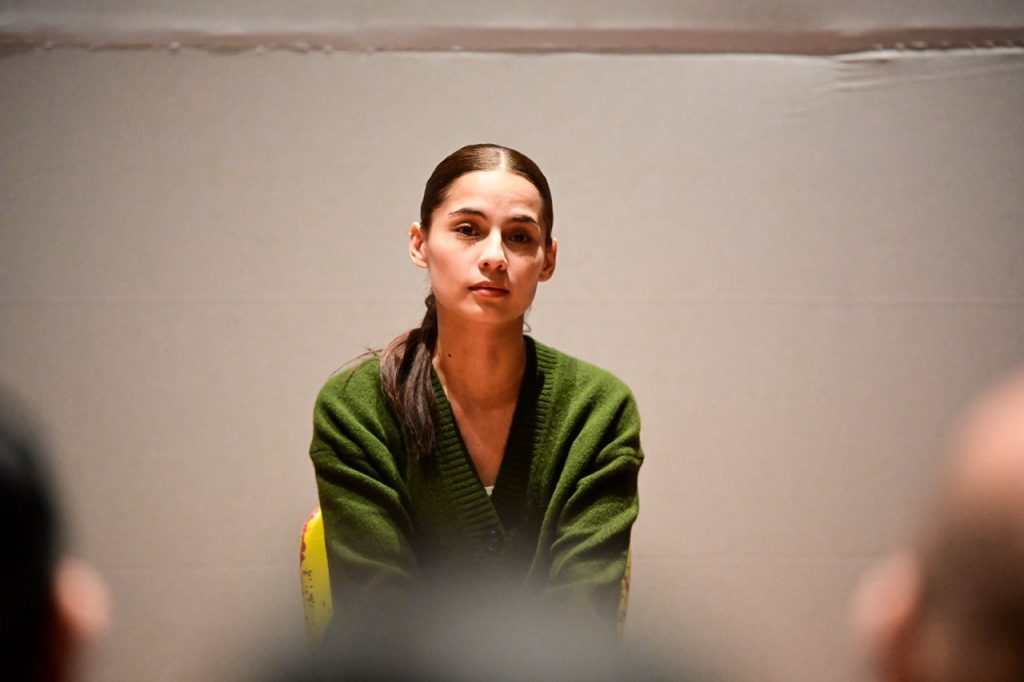
With the audience seated so close, and only three chairs and a video projection as props, the three actors have nowhere to hide. The play runs for roughly 100 minutes without intermission so it’s you and them and the journey they take you through these characters’ inner world and their wealth of emotions on this very challenging time. But Paolo O’Hara as Jers, Jasmine Curtis-Smith as Jai, and Cris Pasturan as Jack are more than capable of taking on that challenge.
While each actor in their own right brings to life all the nuances and layers of their characters, what’s incredible is how believable and tangible their relationship is as siblings. There’s a shorthand in their gestures and their subtle chuckles that indicate a shared history, an ongoing dynamic that really sells the story to the audience. As they face the impending passing of their father, and later, deal with the aftermath of that loss and all that it entails, what remains is the love between the siblings that needs to process that pain.
Complicating all of this is the fact that Jai lives abroad. She returns home to find Jack unable to paint again, no longer able to afford his child support payments for his daughter, and has strained his relationship with his Kuya Jers. Jai has her own life in New York that appears to be crumbling and, interspersed are Jers’ lectures in class about language, philosophy, and anthropology.
From here, the work goes further than the story of the siblings, memory, philosophy, and language breaks the barriers of time that allows Jai and other characters to breach the metaphysical and allows us a peek into the siblings’ past, present, and future through soliloquy, a changing of the arrangements of chairs, and a gorgeous video projection.
Of the many amazing works by Guelan Varela-Luarca, 3 Upon stands out as my favourite – both in writing and direction – and the heaviness of the play’s narrative is matched by the intellectual density of its themes and scope that he manages to make comprehensible by framing it into the dynamic of these three characters. The intimacy, the song choices, the sparseness of the staging, and the way the actors have been primed to really act and feel like a family allows us to take all of what Varela-Luarca offers in the writing and allows us to chew on it. This is a triumph of theater. ‘3 Upuan’ captures the dense existential ruminations of three people in the face of their mortality and makes it an emotional journey without the need for spectacle. It’s performed wonderfully and I was tears through the last half of the show.