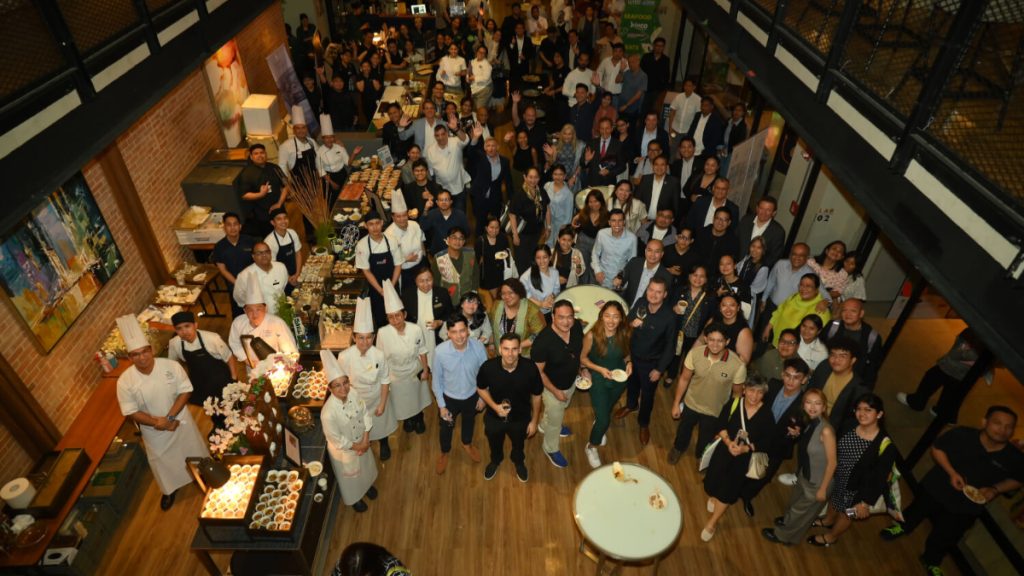
Marking a decade of collective action toward sustainability in the local Hotel, Restaurant, and Catering (HORECA) sector,The Philippine Sustainability Movement celebrated its 10th anniversary at the Sheraton Manila Hotel, bringing togetherleaders from the hospitality, retail, and advocacy sectors to set the direction for the next decade of responsible andtraceable food systems.
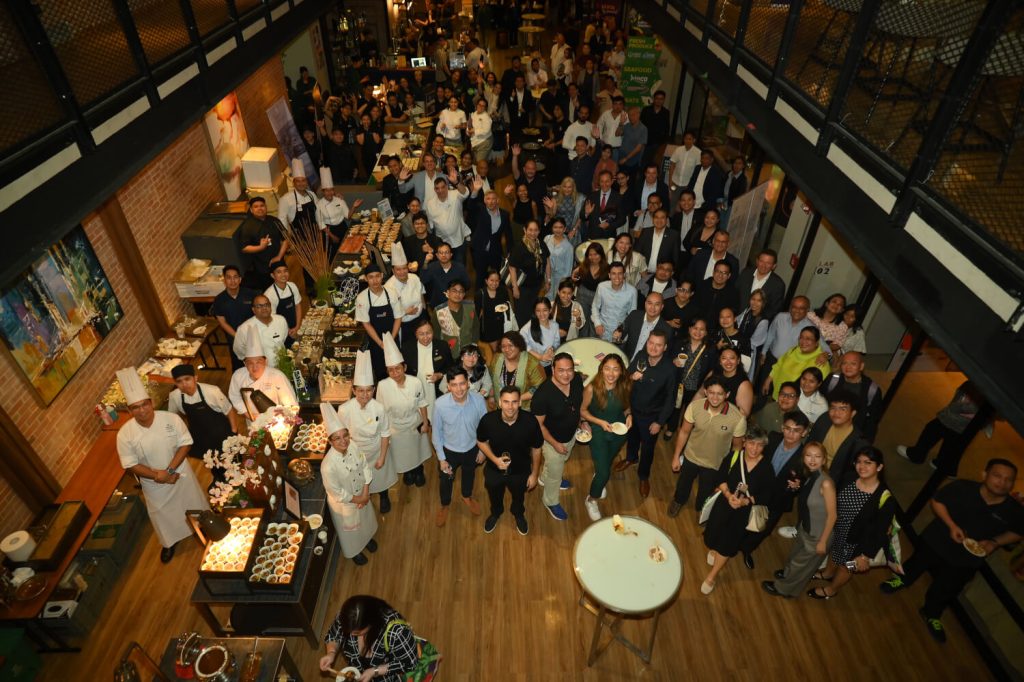
Initiated by Pristine Solutions, the milestone event focused on advancing organic, promoting certified responsibility, and strengthening traceability across the value chain — from farm to fork.
Christian Schmidradner, Founder of Pristine Solutions and Initiator of the Philippine Sustainability Movement shared,“Over the past ten years, the movement has grown into a collaborative platform for businesses, NGOs, and governmentagencies committed to environmental stewardship, ethical sourcing, and transparency in food systems.”
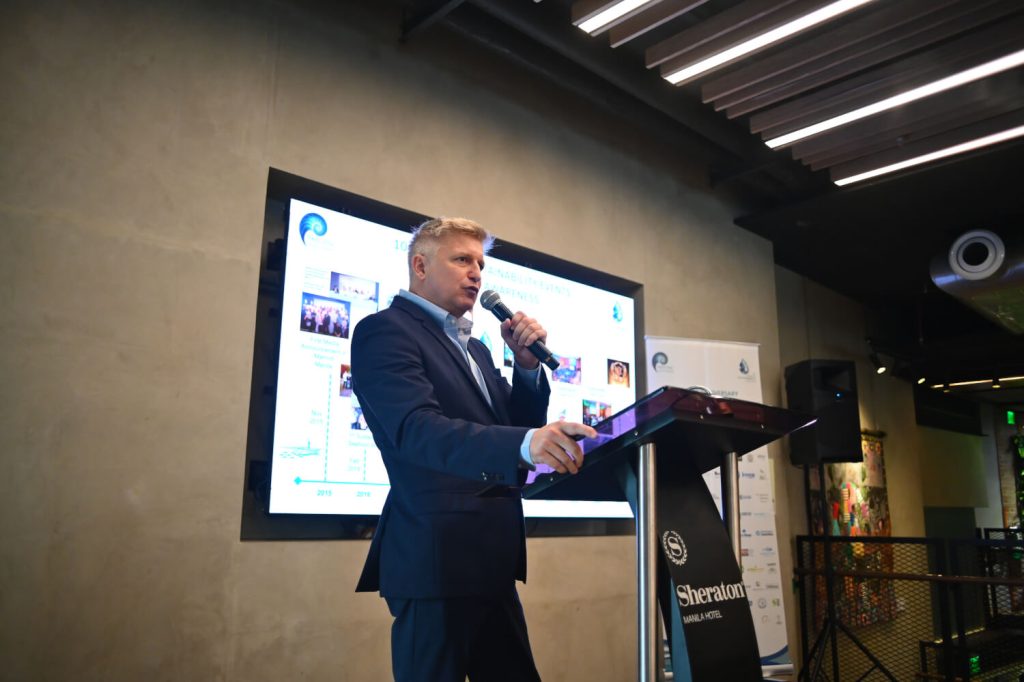
He added, “Our goal for the next decade is to make sustainability more achievable for all by helping more organizationsadopt responsible practices, so that we may continue to create tangible impact for our communities, people, and theplanet.”
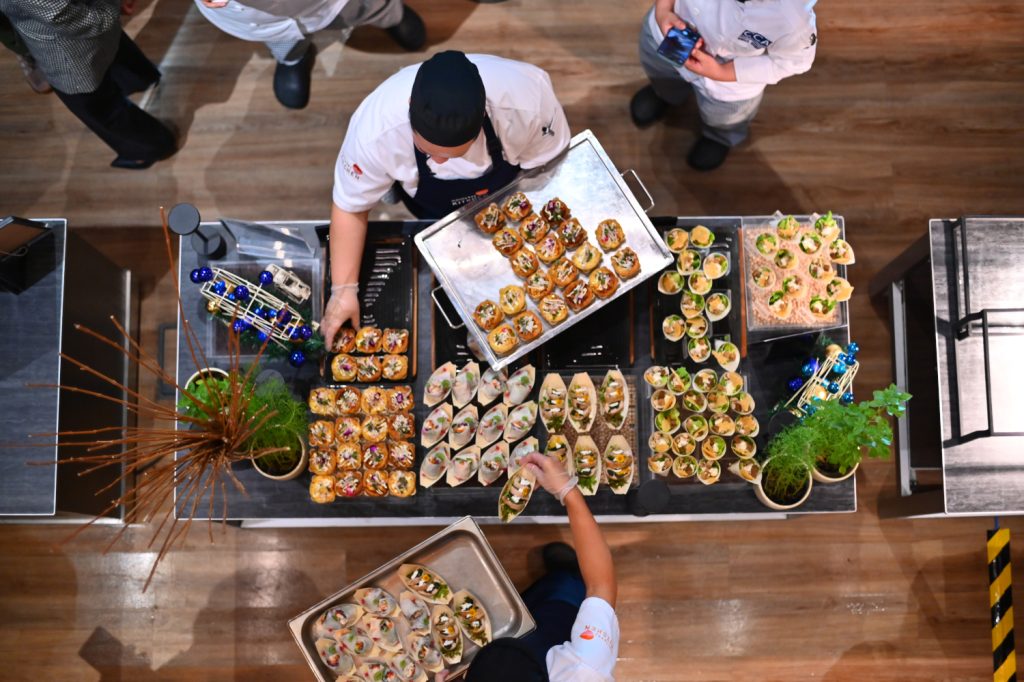
The event featured a series of discussions and experience rooms focused on organic transformation, plastics reduction,animal welfare, and ESG integration in the hospitality and retail industries.
Among the highlights was the launch of PYC Foods and One World Deli’s ESG and Sustainability Framework, which aims to embed environmental and social accountability into everyday food operations.
“Trust and traceability are now at the heart of how we build food businesses,” said Roscila Anne Baylon, Head of Nutritionand Wellness at PYC Foods. “Through our ESG program, we’re ensuring that what we serve is not only safe and nutritious,but also responsibly sourced and transparently produced — because consumers deserve to know where their food comesfrom.”
Representing the global organic community, Alexandra S. Castillo Philippines’ Coordinator for Promotions and MarketLinkages at Naturland e.V., underscored how organic practices provide the foundation for stronger, more resilient foodsystems.
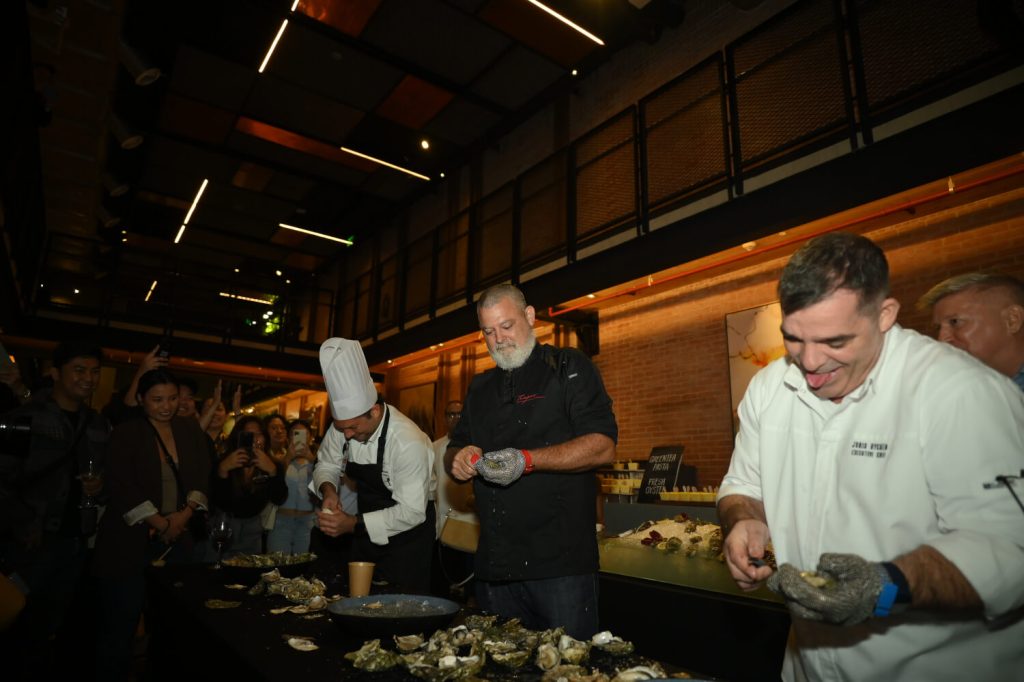
She emphasized how organic farming goes beyond environmental responsibility, but that it also promotes animal welfare,biodiversity, and community well-being.
“Organic is one of the ways sustainability can be achieved,” Castillo said. “At Naturland, we help bring this to life byequipping farmers with practical knowledge, supporting businesses meet organic standards, and empowering consumers tomake responsible choices with their food.”
This event coincides with ongoing efforts to grow the organic movement in the Philippines

through the “European Organic: Nurturing Every Juan” campaign, implemented by Naturland with support from the European Union, which seeks to make European organic products an accessible, everyday choicefor consumers. Part of this includes education programs that delve into what organic truly means and encouragingbusinesses to embrace organic options.
The 10th Philippine Sustainability Movement brought together representatives from the hospitality, restaurant, and retailsectors, including movers in the local sustainability space such as Greenpeace, Control Union Philippines, PAWS, WorldAnimal Protection, WWF Philippines, and the UN Global Compact Network Philippines.
Over the past decade, the Philippine Sustainability Movement has gathered businesses, hotels and restaurants, NGOs, andgovernment agencies toward a common goal: to strengthen environmental stewardship and responsible food productionthrough collaboration and education. It has helped raise awareness and adoption of sustainable practices in the country’shospitality and food sectors, moving supply chains toward more environmentally responsible practices.
Looking to the future, The Philippine Sustainability Movement aims to scale its impact– aiming to build more resilient andresponsible food systems rooted in accountability, transparency, and shared commitment.